

Why the Season You Choose Changes Everything at the Top
The view from a lighthouse lantern room is completely at the mercy of atmospheric conditions. Humidity, sea fog, temperature inversions, and storm systems all determine whether you see a crisp 20-mile horizon or a wall of gray. Weather plays a huge role in navigation, and lighthouse keepers often have the responsibility of recording and reporting weather data. That institutional attentiveness to weather patterns is exactly why their collective experience is so useful for visitors planning a climb.
Each season offers distinct advantages for lighthouse exploration, and understanding seasonal variations helps you choose the best timing for your interests and priorities. Height and architecture matter far less than the day’s conditions once you’re actually standing up there.
Summer: The Most Popular Season, With Real Trade-Offs
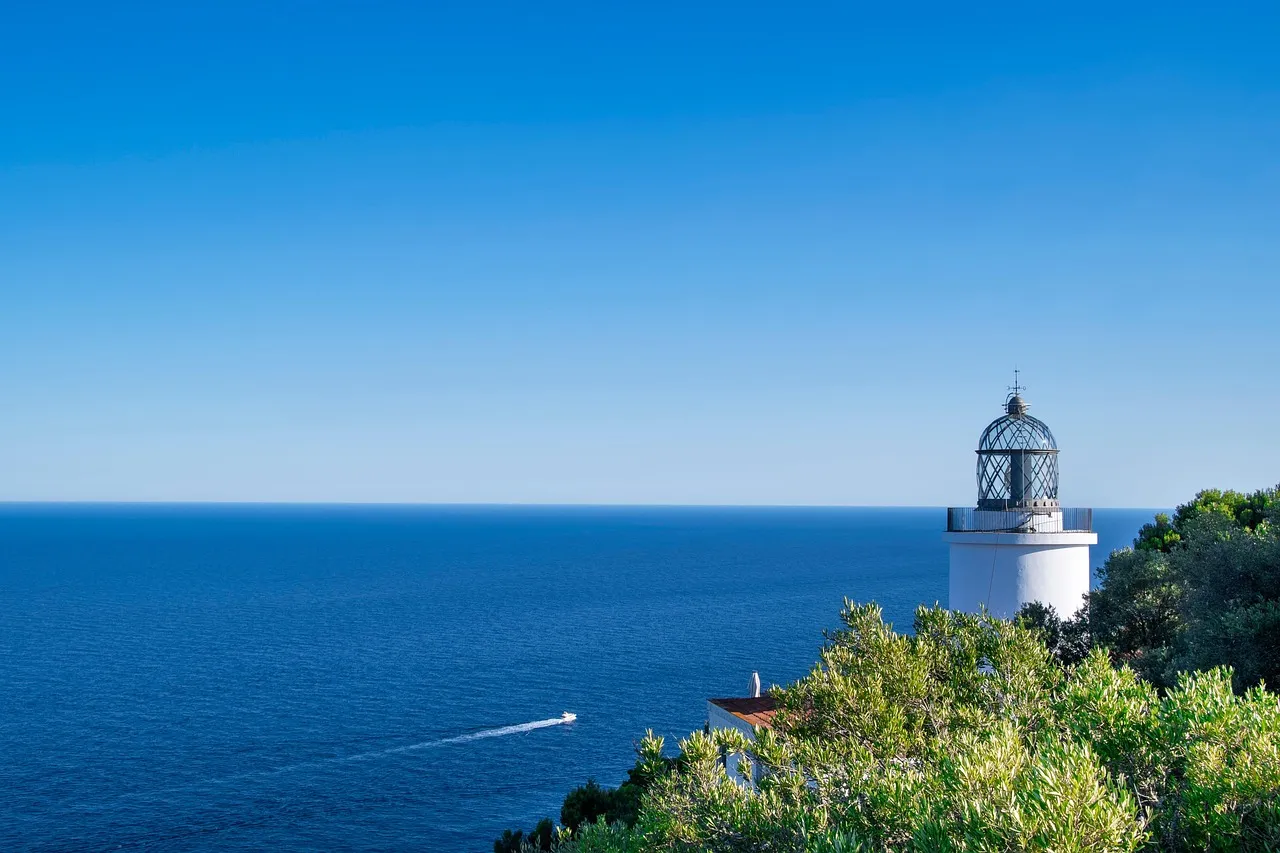
Summer brings warm temperatures, long daylight hours, and full facility operations. Most lighthouse museums and gift shops maintain daily hours from Memorial Day through Labor Day, and tour boats to island lighthouses run regular schedules. For practical access, it genuinely is the easiest window.
The trouble is that summer doesn’t always deliver the clearest views. Coastal humidity and marine layer fog are common across many regions during peak summer months. Summer is recommended for clear views at certain headland lighthouses, though this is far more reliable on the Pacific Coast than along the humid Eastern Seaboard, where haze can dramatically cut visibility even on sunny days.
The trade-off for summer’s advantages is crowds at popular locations. Parking fills early on weekends, and arriving at sunrise or late afternoon minimizes crowd issues while providing better light. If summer is your only option, early morning remains your best bet for both clarity and solitude.
Fall: The Season Most Keepers Actually Prefer
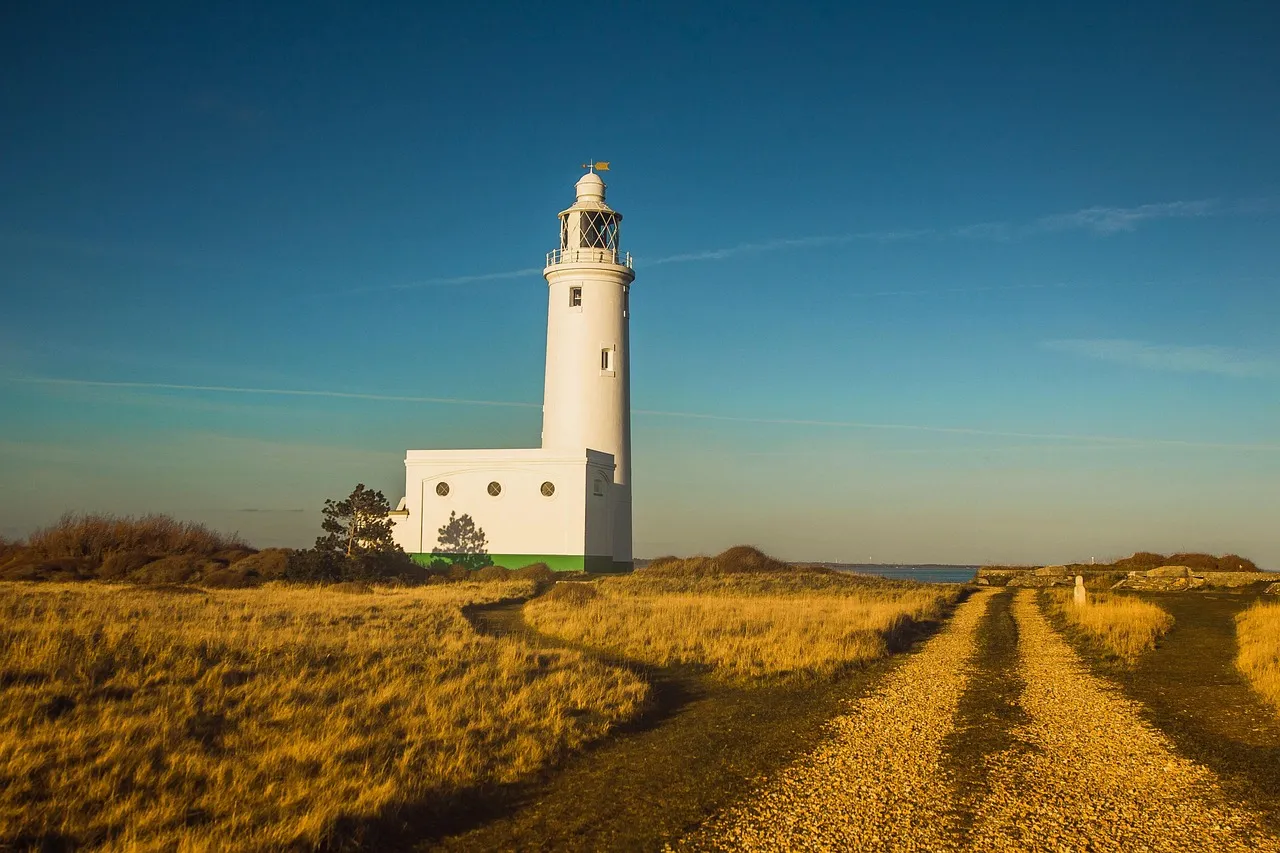
September and October deliver outstanding lighthouse visiting conditions, with comfortable temperatures, fewer crowds, and autumn foliage creating exceptional photography opportunities. The atmospheric quality of fall light along the coast is genuinely hard to overstate.
October’s clear weather and lower humidity enhance distant views in ways that summer simply can’t match. Lower humidity means less atmospheric scatter, which translates directly into sharper, longer sightlines from the lantern room. This is the season when that 20-mile horizon actually becomes visible.
Climbing in the cooler fall weather is a far more enjoyable experience than summer heat, and once you reach the top, the views are breathtaking: golden beaches stretching for miles, lush green landscapes, and the Atlantic waves. The physical comfort of the climb itself improves considerably once September arrives.
Fog: The Keeper’s Great Challenge and the Visitor’s Wildcard
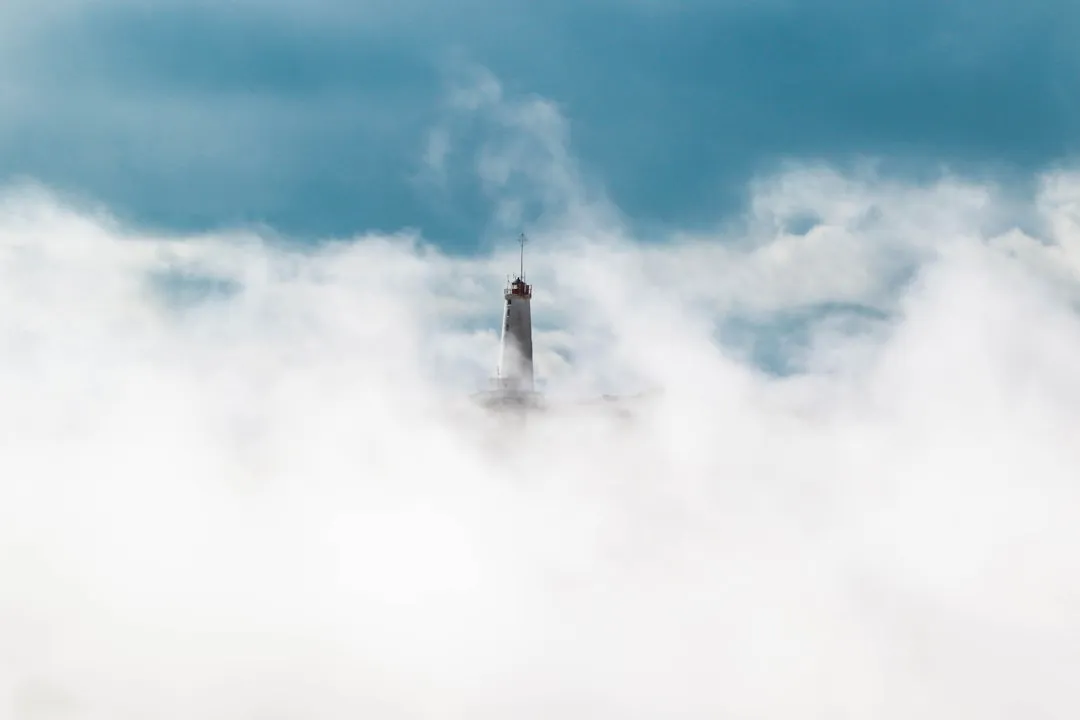
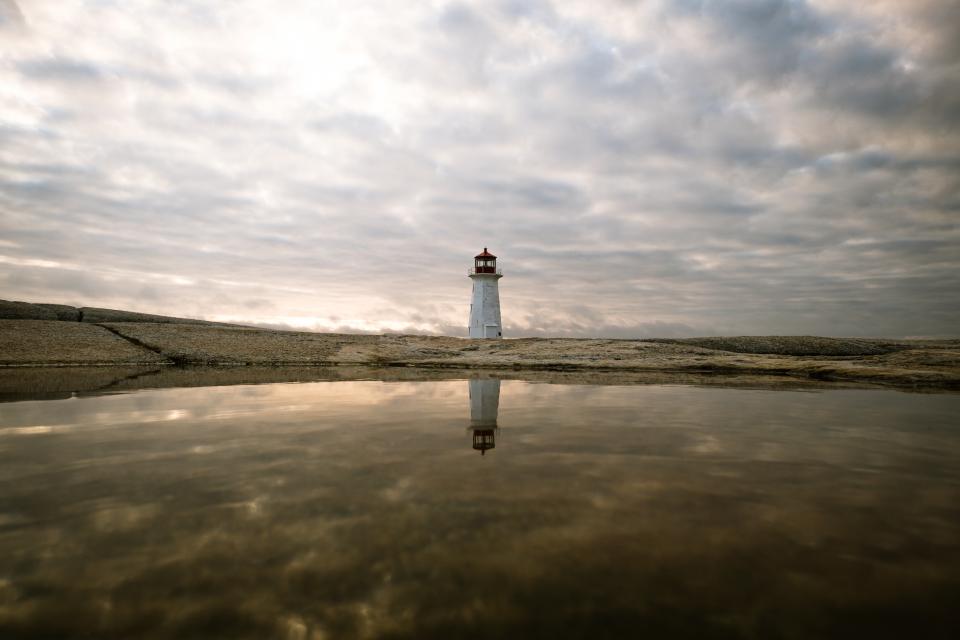
Any honest account of lighthouse visiting has to address fog. Fog is a genuine part of lighthouse weather, and its obscuring presence is centuries in the making along coasts like Maine’s. It’s beautiful in its own right, but it reduces your visible range to almost nothing.
Fog transforms lighthouses into mysterious, atmospheric subjects. While it obscures distant views, it creates moody images that capture the actual working conditions these beacons were built to overcome. So fog is not a wasted visit, just a different kind of experience entirely.
Keepers operated fog signals during low visibility and conducted regular weather observations, logging exactly the kind of patterns that help today’s visitors anticipate what they’ll find. Fog is most common along the New England and Pacific coasts during summer months, and least common during autumn high-pressure systems.
What Historic Keepers Logged About Visibility
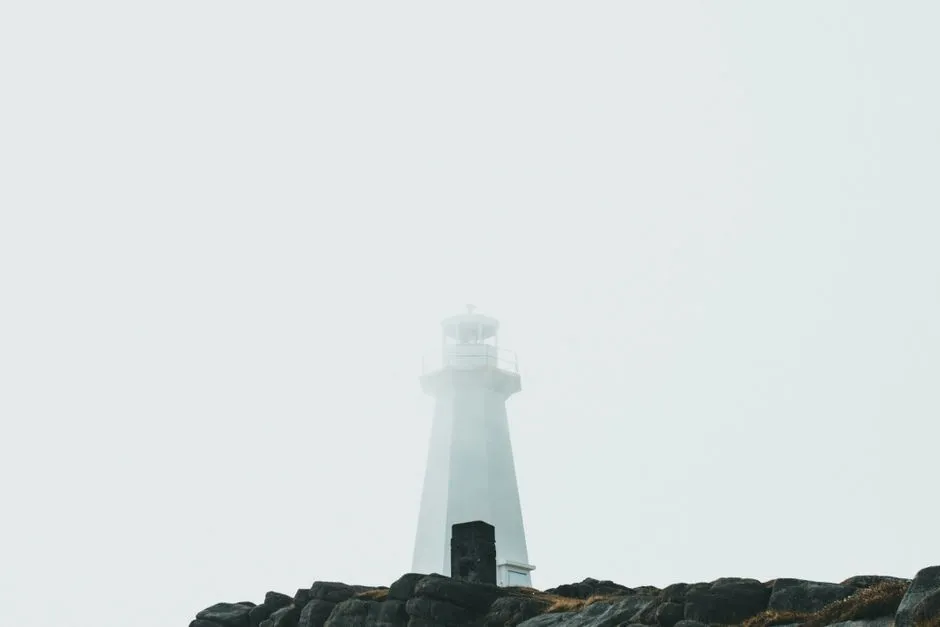
The standards lighthouse keepers were held to reveal just how seriously visibility was monitored. During the day, keepers monitored weather constantly. Whenever visibility dropped below about five miles, the men stood the daytime watch in the fog signal building, sounding the foghorn at 20-second intervals. Five miles was the threshold. That’s still a useful benchmark for visitors.
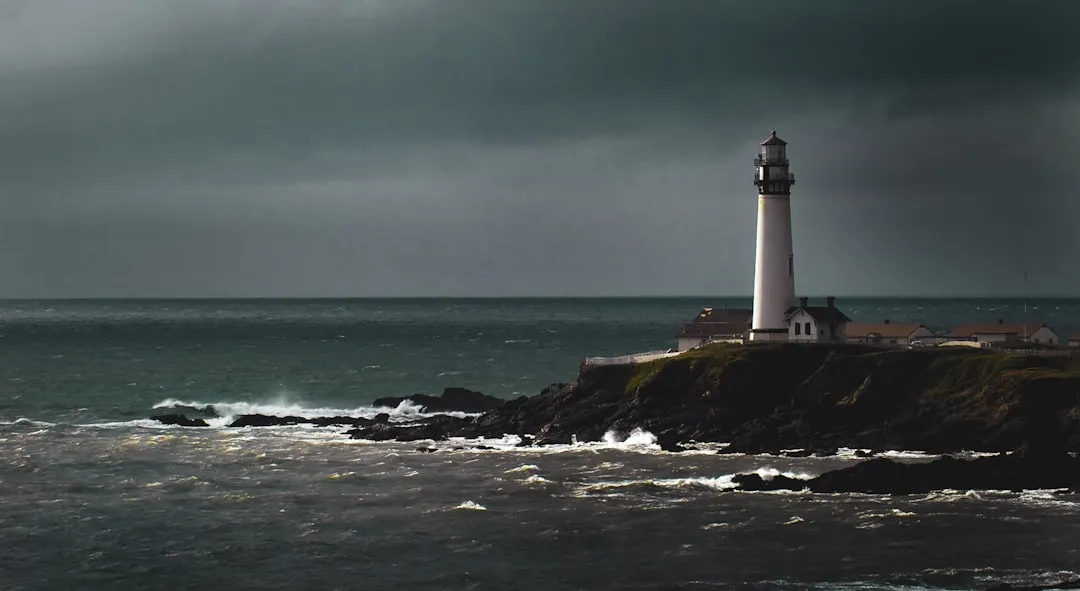
Ice greatly degrades a light’s effectiveness, and clearing the lantern panes during all types of moisture-laden weather was one of the more underappreciated keeper duties – because it was during stormy weather when mariners needed the light most. That same principle applies from the visitor’s perspective: stormy conditions are dramatic, but visibility drops sharply.
Spring: Underrated, Especially for Shoulder-Season Visitors
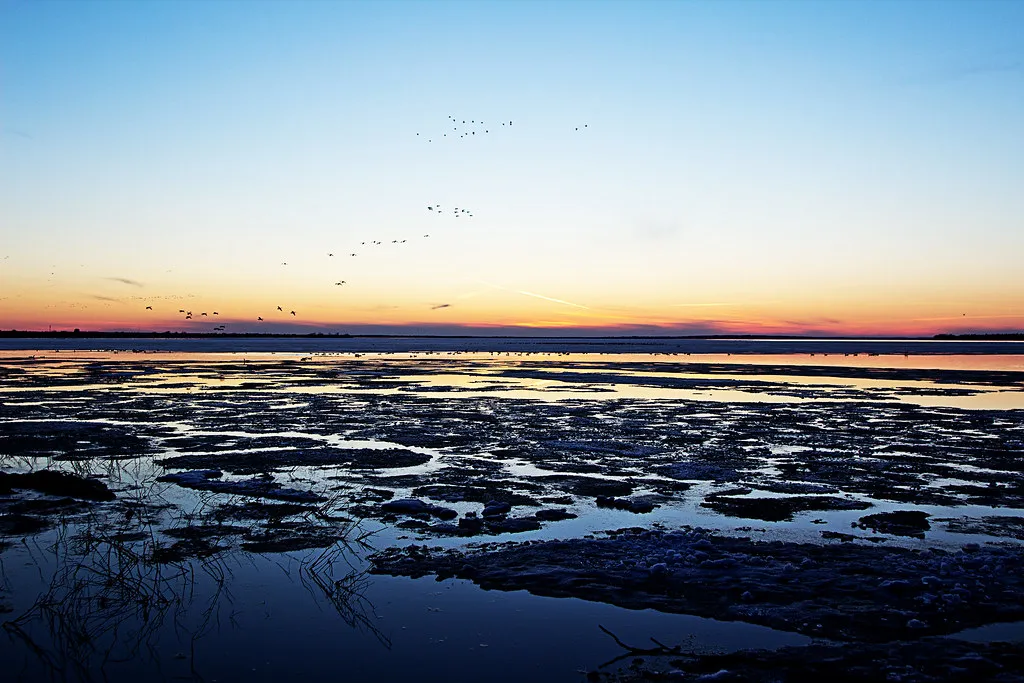
Spring brings renewal to the coast with migrating birds, emerging wildflowers, and lengthening days. April and May see fewer visitors than summer but better accessibility than winter. For those who want genuine solitude with a reasonable chance at clear skies, late spring is a strong contender.
The catch is that spring weather along many coasts is genuinely unpredictable. Wind and residual winter storms can still roll in through April along northern coastlines, making it worth checking local forecasts closely before setting out. That said, when a clear spring morning arrives, the light is often extraordinary – low, golden, and unobstructed.
Winter: For the Bold, Not the Clear-View Seeker
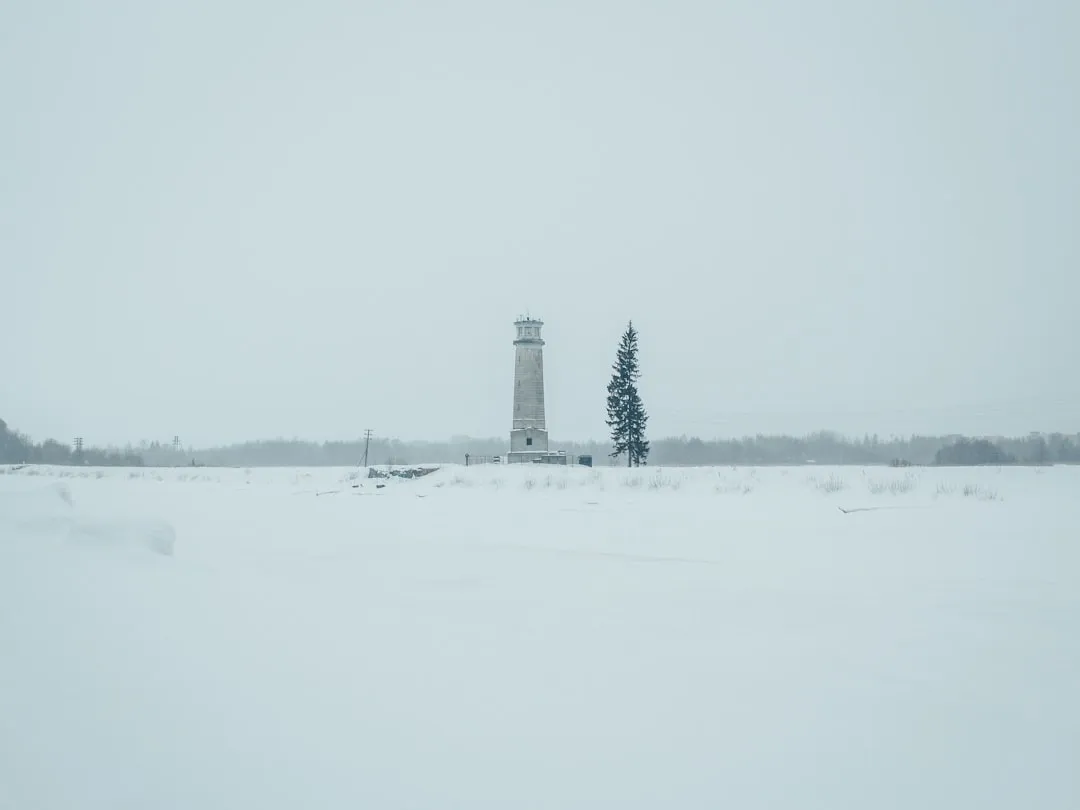
Winter lighthouse visits appeal to hardy explorers seeking solitude and dramatic storm watching. Ice formations, snow-covered rocks, and powerful waves create spectacular scenes. That’s a genuine appeal, and nobody is saying winter visits lack beauty.
The practical reality is harder, though. Most museum lighthouses close November through April, though all lighthouse exteriors remain viewable year-round. Climbing to the top is simply not an option at many sites during winter months, which rather defeats the purpose if clear panoramic views are the goal.
The wind is quite a foe to contend with when simply walking around the gallery – let alone trying to carry out a task in the face of its relentless buffeting. Winter galleries are exposed and often icy underfoot. The views, when visibility cooperates, can be stunning. Statistically, however, winter offers the least reliable conditions for long-range clarity.
The Shoulder Season Advantage: April, May, September, October
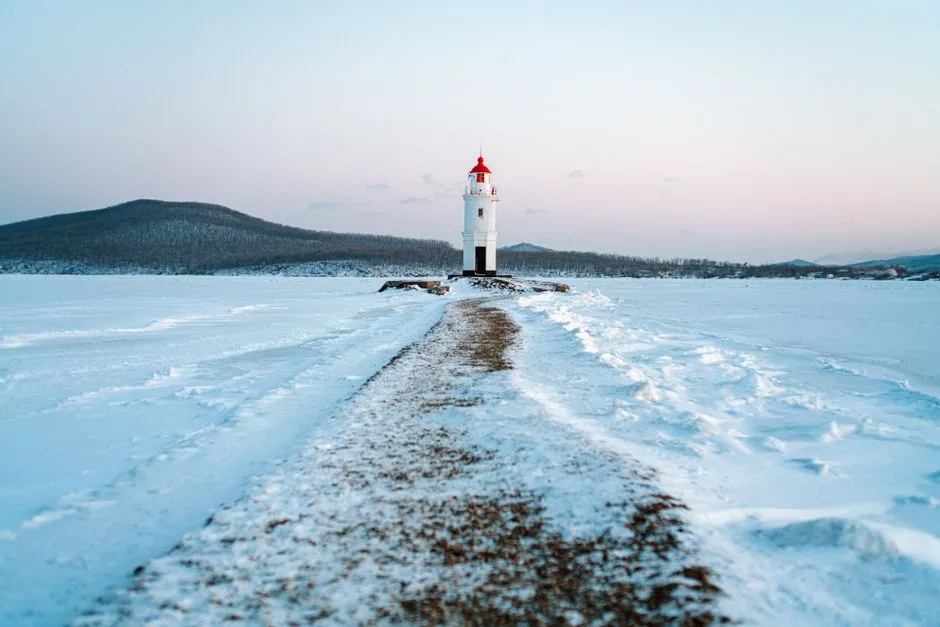
Visiting during the shoulder season – April, May, September, and October – is a widely recommended approach for lighthouse visitors seeking to avoid crowds and summer heat. This advice holds whether you’re visiting the Outer Banks, the Great Lakes, or coastal Maine.
These months tend to bring the most stable weather windows. High-pressure systems are more persistent, humidity is lower than summer, and the tourist infrastructure is still largely operational. The best time to visit Maine lighthouses spans from late May through October, when weather conditions are most favorable and access is easiest.
Time of Day Matters as Much as Season
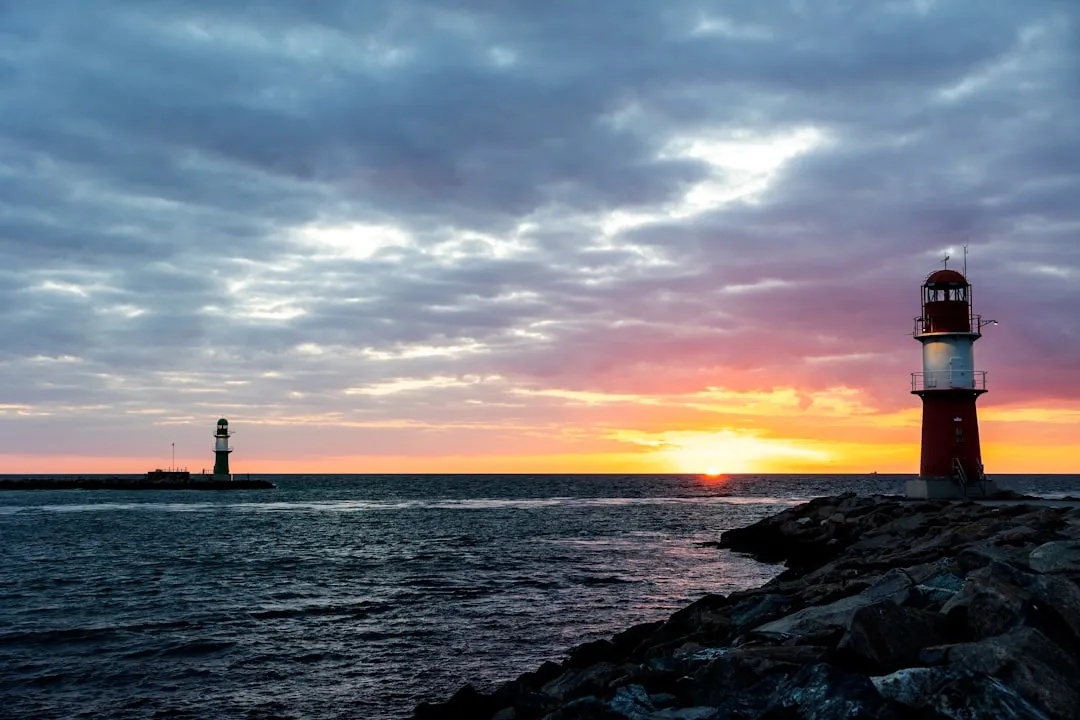
Golden hour – the period shortly after sunrise or before sunset – bathes lighthouses in warm, directional light that enhances texture and creates long shadows. But beyond photography, early morning is consistently the clearest part of the day for visibility, especially during warmer months when afternoon convection can build haze.
Early morning and sunset provide optimal lighting for both photography and viewing, with sunrise particularly active for those seeking the best conditions. Arriving early isn’t just about beating the crowd – it’s about catching the atmosphere before the day has a chance to deteriorate.
To avoid the crowds, arriving early is recommended, and it will also help you beat the heat during the summer months. First light remains the single most consistent piece of advice from people who spend real time at these towers.
Practical Tips Before You Make the Climb
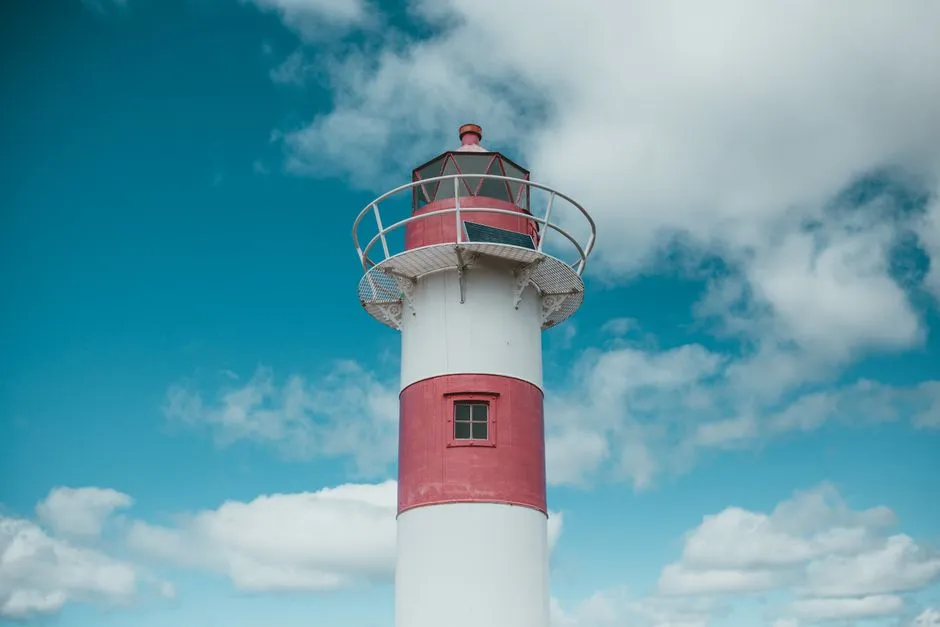
Most lighthouse tours are run by volunteers, so hours can change last-minute if they’re short-staffed, and tours may be canceled due to inclement weather. Always check current operating schedules directly with the site before traveling, regardless of season.
Seasonal keepers’ daily responsibilities include maintaining equipment, ensuring fog signals function properly, and keeping detailed logs of weather conditions. Those weather logs, often maintained publicly through lighthouse societies and state historical organizations, can give you a realistic sense of what conditions to expect on any given coast in any given month.
Lighthouses are often located in remote and exposed areas, so having the necessary safety equipment and taking precautions when accessing high or difficult-to-reach areas is important. Wind is a genuine factor at the top, even on calm days at sea level. Layer up, secure any loose items, and be honest with yourself about physical readiness before committing to a tall spiral staircase.
The Takeaway
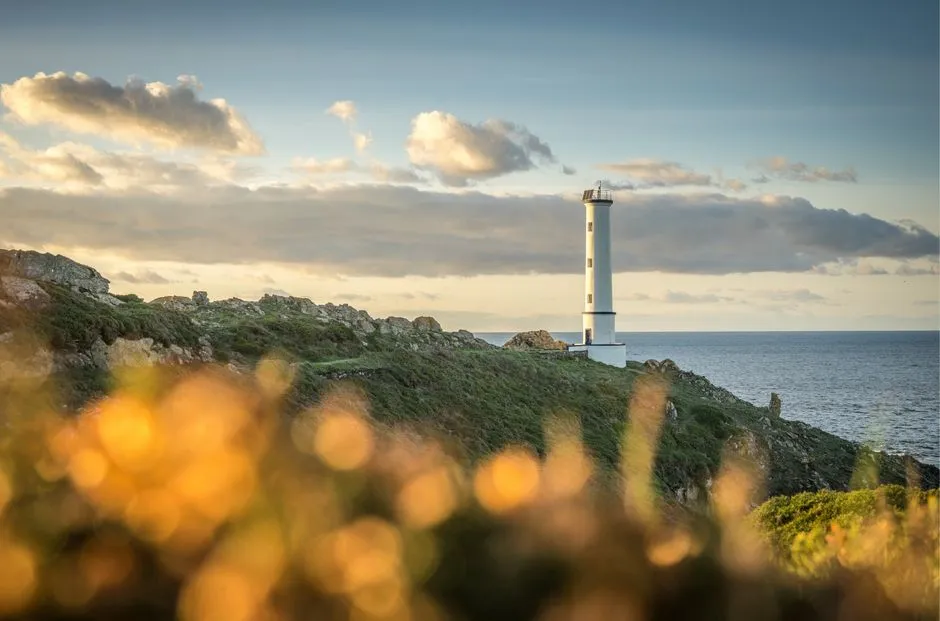
If clear, long-range views from the top of a lighthouse are your primary goal, fall – specifically September and October – is the season that delivers most reliably for most coastal regions. Lower humidity, calmer high-pressure systems, and reduced crowds combine in a way that summer, for all its convenience, simply can’t replicate.
Summer remains the most accessible window for first-time visitors, and spring offers its own quiet rewards for those willing to accept some weather uncertainty. Winter is dramatic but rarely the right choice if the horizon view is what you came for. The real variable, in every season, is the specific day and the specific hour – which is why every experienced keeper, past or present, has always kept one eye on the weather log and the other on the sky.
AI Disclaimer: This article was created with the assistance of AI tools and reviewed by a human editor.