
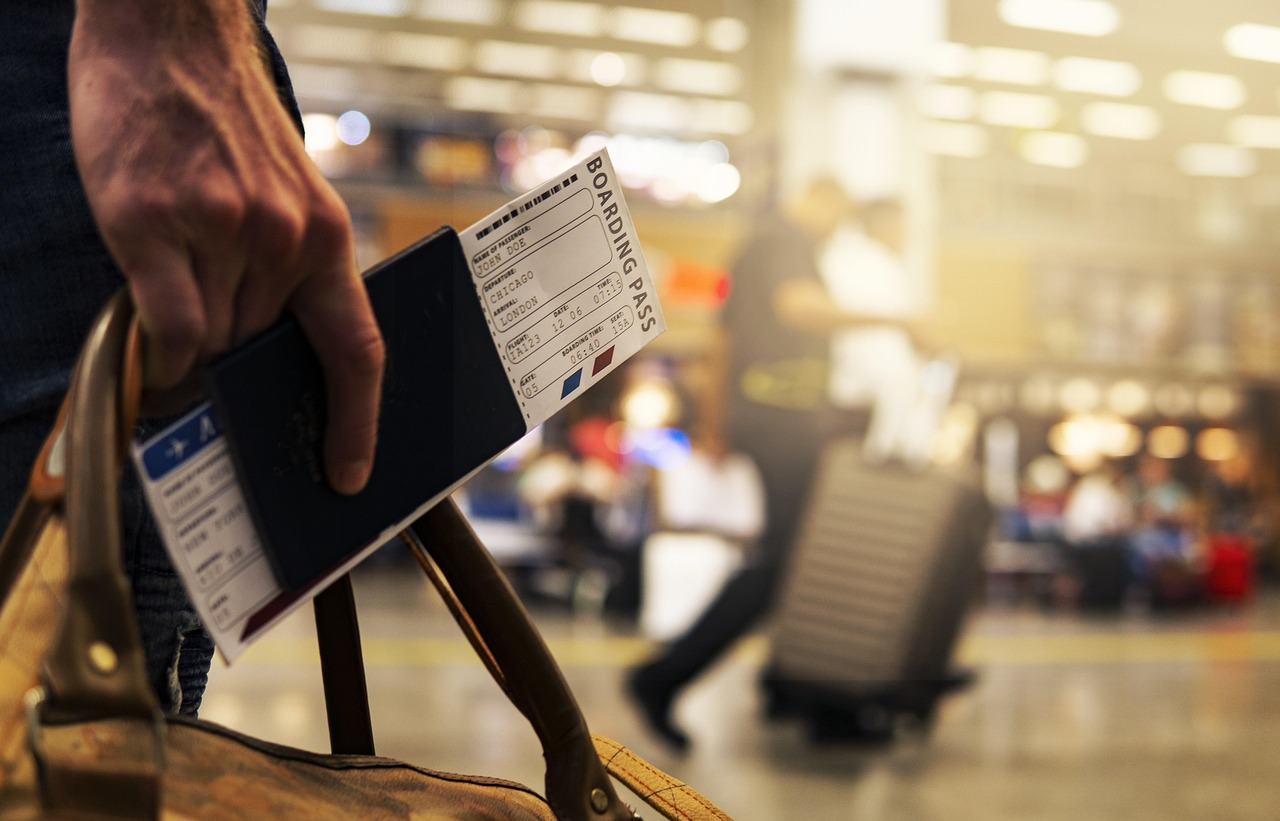

Flight disruptions are remarkably common, far more common than most travelers expect until they’re standing at a gate with a cancelled flight and 200 other frustrated passengers. Nearly 1.7 million flights were delayed or canceled in 2024 out of roughly 7.5 million scheduled by the top 10 U.S. airlines, making last year’s on-time performance the second-worst in a decade. That statistic matters because it tells you something important: being stranded is not an edge case. It’s a realistic part of flying in 2026.
What separates the traveler who gets on a replacement flight in 40 minutes from the one still standing in line two hours later usually comes down to a single interaction with one person: the gate agent. Gate agents are the airline employees who manage the boarding gate until the aircraft doors close, verifying travel documents, handling seat assignments, and resolving passenger issues during delays and cancellations. The question is what you say to them, and when.
The Scale of the Problem Most Travelers Ignore

Nearly one in four flights across the U.S. runs late or is canceled, according to data from July 2024 to June 2025, with disruption rates as high as 27.3% of total flights in some states. These are not freak events. They are a predictable feature of modern air travel, and the travelers who handle them best are the ones who’ve prepared for the interaction before the problem happens.
For travelers, disruptions can lead to missed connections, unplanned overnight stays, and hundreds of dollars in unexpected out-of-pocket costs. Most of that financial damage happens not because options don’t exist, but because passengers don’t know what to ask for, or ask in a way that makes the agent’s job harder instead of easier.
The One Question That Actually Changes Things
Experienced travelers and travel industry insiders consistently point to one type of request that cuts through the noise at a chaotic gate. It’s specific. It’s solution-forward. Naming a specific replacement flight, the one you found in your cross-carrier search, makes the agent’s job easier and your rebooking faster – so tell them the airline name, flight number, and departure time.
The most effective version of that approach sounds something like this: “Could you please move me to the 10:15 through Charlotte or the 11:05 through Detroit?” which is easier for an agent to say yes to than “What can you do?” The difference is that you’ve done the mental work already. You hand the agent a decision, not a problem.
Telling the gate agent something like “This delay means I’ll miss my connection to [destination]. Can you please rebook me on the next available flight?” while having alternative flight numbers ready from your airline’s app speeds up the whole process considerably.
Why Tone Changes the Outcome More Than You Think
Gate agents have real discretion over rebooking, vouchers, and escalation, and that discretion consistently flows toward the passengers with clean histories and zero drama. That’s not a soft observation – it’s a structural reality. Agents choose who to help first, and they are human beings under extreme stress.
The pattern holds up across every source close to the industry: calm, prepared, documented, and polite beats loud almost every time. Raising your voice or issuing ultimatums at the podium does not unlock hidden options. It typically closes off the informal goodwill that agents can extend but are never required to.
The loudest passenger at the gate is almost never the one who ends up on the better flight. That sentence is worth letting settle for a moment before you approach the desk.
Timing Your Approach to the Gate Desk
Airlines allocate a limited number of meal vouchers, hotel rooms, and rebooking options, and gate agents distribute these on a first-come, first-served basis, meaning passengers who ask early get help while those who wait often hear “we’ve run out.” This is one of the most consequential things to understand about how disruptions actually work.
The fastest way to save your trip is to rebook yourself in the first 30 minutes, before the gate queue forms. The window between an announcement and the formation of a line is short, sometimes just minutes. Moving quickly and calmly is a meaningful advantage. Try approaching the podium up to 30 minutes before boarding is scheduled to start so agents can better focus on your issue.
What Gate Agents Know That the Departure Boards Don’t
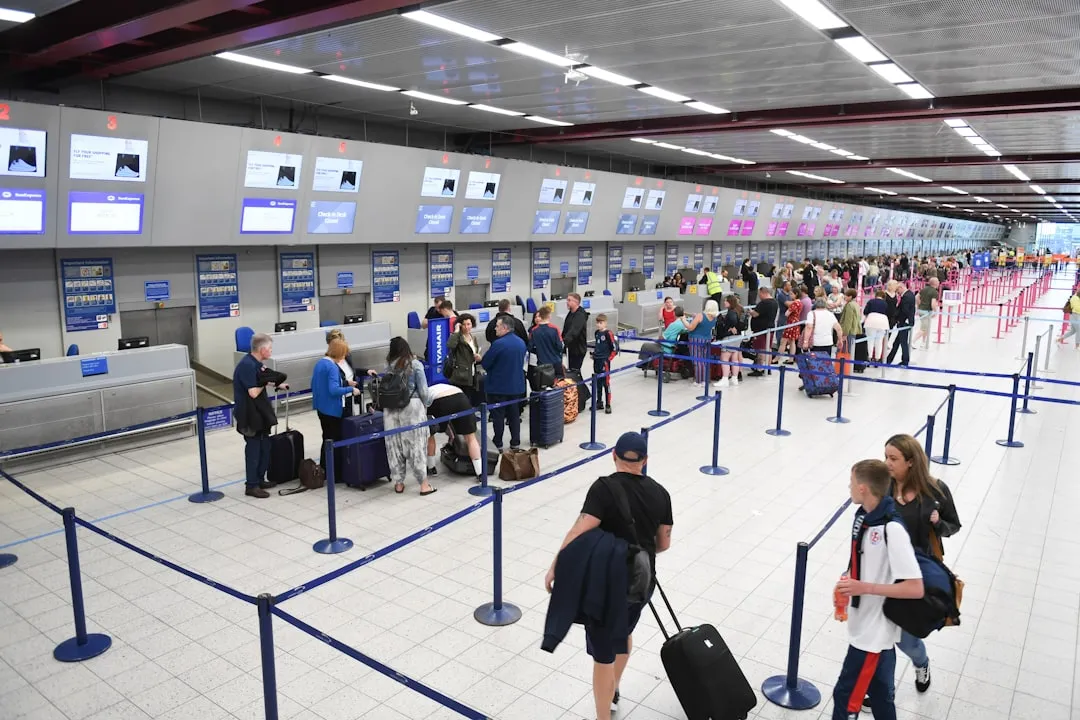
Agents receive operational updates before screen notifications are posted or app data is refreshed. This is worth understanding in practical terms. When the boards are still showing “on time” and something feels off, a calm, polite question at the desk will often get you real information faster than any app.
If there’s confusion, calmly approaching the desk and asking for a direct update works better than asking about what’s on the boards. Phrasing it as “Could you please share the latest operational status for our flight?” and asking whether a delay is due to crew, technical, weather, or airport operations tends to get more transparent answers, especially from passengers who are polite and informed.
Calm, clear communication along with a sincere thank-you sets your query apart and often results in more honest, current information.
Run Multiple Channels at Once, Not Just the Physical Line
Getting in three lines simultaneously – the app, the phone, and the physical customer service line – and moving the fastest option first is the most efficient strategy available during a major disruption. The physical queue can be deceptively slow, especially when a large number of passengers are all dealing with the same problem.
Insiders recommend using airline apps for real-time updates, which often provide faster rebooking options than standing in long lines. Many travelers don’t realize the app can sometimes rebook them silently, without any conversation required. Sometimes, the airline’s reservation technology automatically rebooks your trip before you even realize a problem exists.
Ask for Written Documentation Before You Leave the Gate
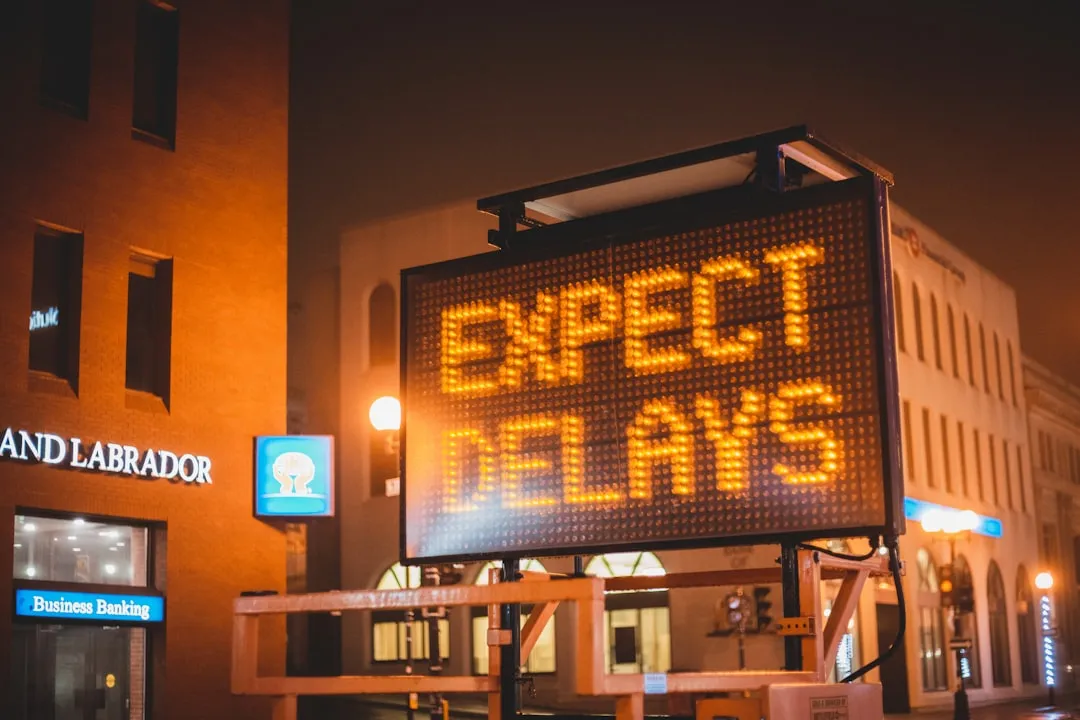
Most passengers never ask for written documentation of delays, which makes claiming compensation much harder later. Gate agents can print delay confirmations, provide official stamps, or write brief notes on airline letterhead that become invaluable evidence. This is a simple ask that most passengers overlook entirely.
Asking “Would it be possible to get written confirmation of this delay and its cause? I’ll need it for my records” tends to work well. Most agents will help if asked politely, especially during longer delays when they have time. It costs the agent nothing and protects you considerably. A 2024 federal rule streamlines refunds for certain delays, but additional compensation is up to each airline.
Know What Airlines Are Actually Obligated to Offer You
The DOT protects passengers experiencing flight disruptions by ensuring airlines provide consumers the services promised when a flight is canceled or delayed because of an airline issue. After a two-year DOT push, the 10 largest U.S. airlines now guarantee meals and free rebooking on the same airline, and nine guarantee hotel accommodations.
All 10 major airlines will rebook on their own airline and provide a meal voucher. Six of the 10 will rebook on a competitor’s airline. Nine of the 10 will cover a hotel and pay for ground transportation if a traveler is stranded overnight and it’s the airline’s fault. These are enforceable commitments, not favors. Knowing this before you approach the desk changes the quality of your conversation entirely.
Using the phrase “I need partner airline rebooking under your customer service commitment” with the gate agent or a phone representative is one of the clearest and most effective ways to invoke that right.
When to Ask for a Supervisor
Agents are usually happy to help when they can, but their authority on many matters is quite limited. Airline protocols determine things like upgrade priorities, standby lists, and compensation for delays or overbooked flights. In many cases, the computer, not the agent, makes the final call.
If the solution feels unsatisfactory, it’s recommended to politely ask if a supervisor can assist. This is especially relevant when the disruption is clearly the airline’s fault – mechanical issues, IT failures, crew scheduling – and the initial offer doesn’t reflect the airline’s own stated commitments. The request itself doesn’t have to be confrontational; a quiet, composed ask often lands better than an escalating argument.
The Bigger Picture: Documentation, Preparation, Speed
The fastest way to save your trip is to rebook yourself in the first 30 minutes, before the gate queue forms. Your claim lives or dies on evidence: keep your boarding pass, screenshot the departure board, and record your actual arrival time. These small habits take seconds and can make a material difference to any compensation you’re entitled to.
A traveler who misses a connection or faces a canceled flight reaches the gate agent first. Having clear documentation of your booking, including your electronic ticket and travel itinerary, speeds up that interaction considerably. Fumbling through your email for a confirmation number while an agent waits is exactly the kind of friction that slows everything down.
Your edge isn’t knowing when disruptions will happen – they’re unpredictable – it’s being predictably ready: documents duplicated, routes rehearsed, and a personal data lifeline that does not depend on the airport’s worst day.
The Takeaway
Flight disruptions are effectively routine in the current aviation environment, and the passengers who recover fastest share a consistent set of behaviors. They move early, stay calm, know their rights, and arrive at the gate desk with a specific ask rather than a general complaint.
The question that actually gets you rebooked faster is not dramatic or clever. It’s specific, solution-oriented, and delivered with composure. Something like: “I know flight 412 through Denver has seats available – could you move me to that one?” gives an agent something to act on immediately. That specificity, combined with a respectful tone and early timing, is what consistently separates the traveler who makes it to their destination on time from the one who doesn’t.
The gate is not a place to demand or perform frustration. It’s a place to be useful – to yourself, and to the person behind the desk who can actually help you.
AI Disclaimer: This article was created with the assistance of AI tools and reviewed by a human editor.