
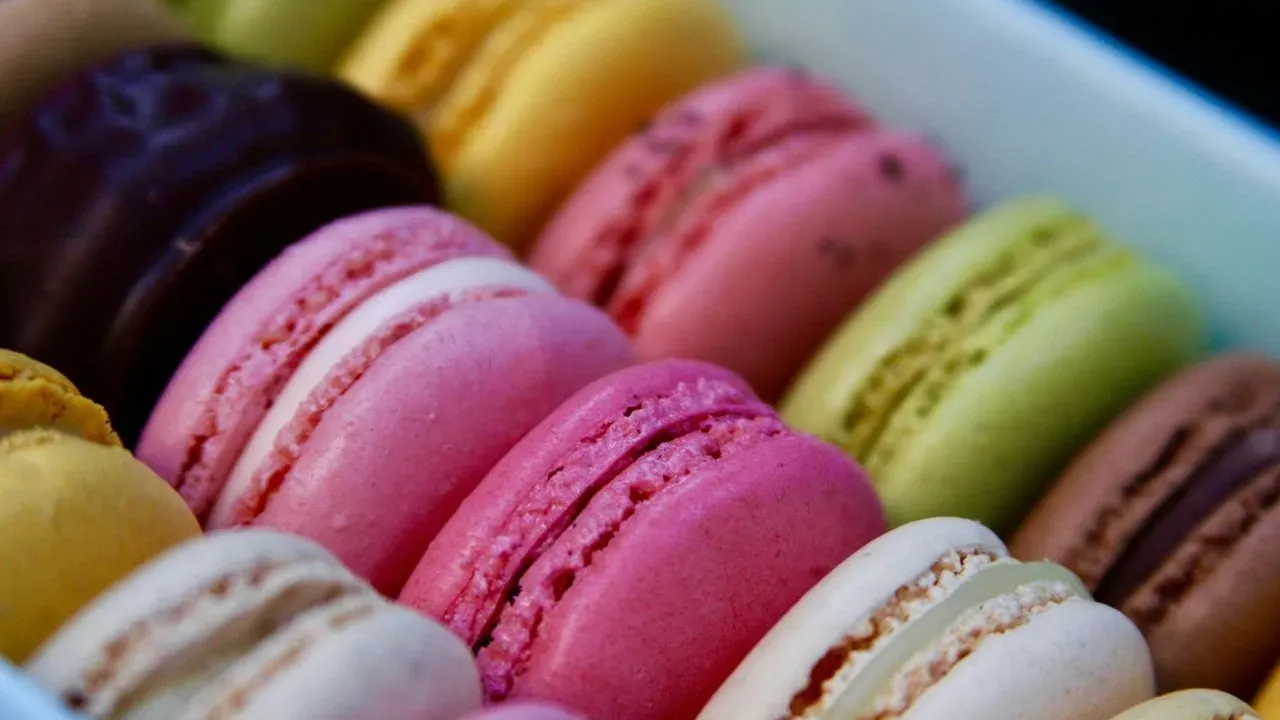

Paris holds a special place for those drawn to its pastry heritage, where the macaron stands as a quiet emblem of precision and patience. These delicate almond meringue sandwiches, with their crisp shells and yielding centers, reflect generations of technique passed through the city’s patisseries. Travelers often find that seeking them out becomes a way to connect with neighborhoods and the people who shape them.
Foundations of a Parisian Classic
The macaron’s story in Paris stretches back centuries, evolving from simple almond confections into the refined form known today. Early versions emphasized straightforward flavors and careful balance between shell and filling. Over time, the treat gained elegance through refined techniques that highlight texture and aroma rather than excess sweetness. This evolution mirrors broader shifts in French pastry, where attention to detail remains central. Shops continue to honor those roots while adapting to seasonal ingredients and local preferences. The result is a confection that feels both timeless and alive in daily life.
Ladurée and the Weight of History
Ladurée, established in 1862, helped elevate the macaron into a symbol of Parisian refinement. Its boutiques and salons invite visitors to pause amid elegant surroundings that echo the city’s past. The shells here maintain a delicate crispness that gives way to creamy fillings in flavors such as pistachio or rose.
The Champs-Élysées location offers convenience for those already exploring central landmarks. Many appreciate the polished presentation, which turns a simple purchase into part of the broader experience of the city. Traditional selections provide a reliable introduction to the house style.
Creative Voices at Pierre Hermé
Pierre Hermé brings a different spirit to the same tradition, treating each macaron as an opportunity for thoughtful contrast. Creations like Ispahan combine rose, lychee, and raspberry in ways that highlight acidity and fragrance. Mogador pairs milk chocolate with passion fruit to create layers of richness and brightness.
Boutiques in Saint-Germain-des-Prés and along Rue de Cambon place these experiments within easy reach during neighborhood walks. The approach rewards curiosity, showing how one confection can carry multiple sensory notes. Food enthusiasts often return to compare how different houses interpret similar base ingredients.
Neighborhood Stops That Add Context
Beyond the well-known names, smaller or historic shops offer their own perspectives. Carette, with its 1927 origins, pairs macarons with tea in settings that encourage lingering near the Eiffel Tower or Place des Vosges. Fauchon emphasizes sophisticated combinations drawn from its gourmet background, making its boxes feel especially suited for thoughtful gifts.
Further afield, Chocolat Illèné in Montmartre introduces cross-cultural notes such as black sesame or mugwort. Stohrer, regarded as Paris’s oldest pastry shop on Rue Montorgueil, adds historic atmosphere even when macarons form only part of a larger tasting. Pierre Marcolini contributes chocolate-forward options that appeal to those who favor that profile. These locations turn a macaron search into a natural extension of exploring different arrondissements. Each stop reveals how local character influences flavor choices and presentation.
Practical Ways to Engage With the Tradition
A measured approach helps preserve the pleasure of discovery. Sampling single pieces rather than full boxes allows room for several stops without overwhelming the palate. Planning visits around existing sightseeing routes keeps the experience integrated rather than rushed.
Storage guidance from each shop proves useful when purchases must travel. The goal remains savoring the craft in its setting, whether that means a quiet square or a historic counter. Such choices support the small businesses that sustain these traditions. The real reward lies in noticing how one neighborhood’s version differs from another’s. That quiet observation turns a simple treat into a deeper appreciation for the care behind Parisian pastry.
AI Disclaimer: This article was created with the assistance of AI tools and reviewed by a human editor.