
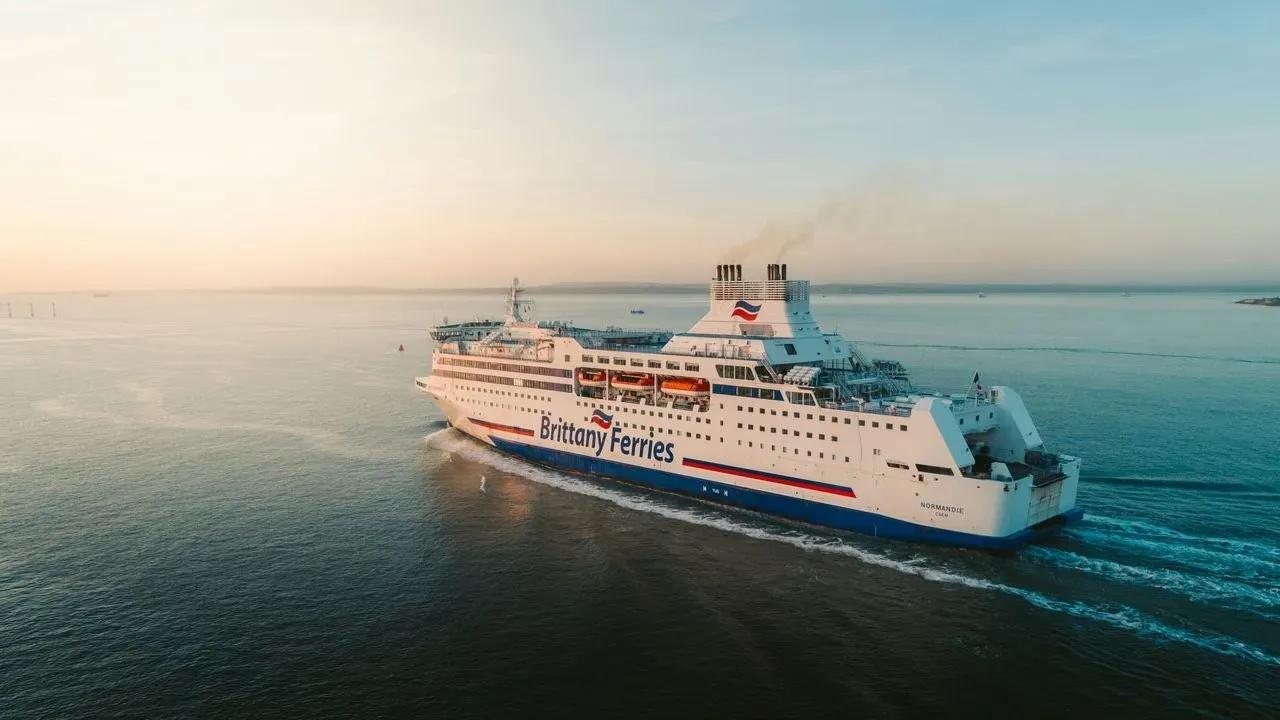

The Aegean Sea offers some of the world’s most rewarding island-hopping experiences, yet summer travelers often encounter the region’s signature northerly winds. Known as the meltemi, these seasonal breezes shape daily life and maritime schedules across the Greek islands. Understanding their patterns helps visitors move between destinations with greater ease and appreciation for the landscape they are exploring.
The Rhythm of Aegean Winds
Each year the meltemi typically builds in strength from June through September, reaching its most consistent force in July and August. These winds arise from high-pressure systems over the Balkans and interact with the sea’s topography, creating localized conditions that vary by route and time of day. High-speed catamarans feel the effects more readily than conventional vessels, which is why schedules sometimes shift or crossings feel livelier than expected.
Local captains and port authorities monitor forecasts closely, adjusting departures to maintain safety and comfort. The same winds that can stir the surface also keep the air clear and the islands cooler, contributing to the luminous quality of light that draws so many travelers to the region each season.
Selecting Routes With Care
Not every inter-island leg is equally exposed. Routes that run more parallel to the prevailing wind direction, or that stay closer to the shelter of larger islands, often remain steadier. Travelers planning multi-stop itineraries can consult current schedules and speak with ferry operators about typical conditions on specific days.
Early-morning sailings frequently benefit from calmer seas before the meltemi reaches full strength later in the day. Booking flexible tickets or allowing an extra night between legs gives room to adjust if forecasts suggest a livelier crossing. Many visitors find that slower, traditional ferries provide a more stable ride and a deeper sense of the journey itself.
Preparing for Comfort at Sea
Simple preparations make a noticeable difference. Light meals, staying hydrated, and choosing a seat with a view of the horizon help most passengers feel settled. Over-the-counter remedies such as ginger-based options or acupressure bands are widely available and favored by experienced travelers.
Those particularly sensitive to motion sometimes prefer to fly between certain islands when schedules align, preserving energy for the experiences ashore. The goal is never to avoid the sea but to move through it with awareness and respect for its natural character.
Embracing the Journey Responsibly
Ferry travel remains one of the most sustainable ways to explore the Greek islands, connecting communities while reducing the carbon footprint compared with multiple short flights. Choosing operators that maintain modern fleets and follow environmental guidelines supports both local economies and the marine environment.
By aligning plans with seasonal rhythms rather than fighting them, travelers gain a richer understanding of the Aegean’s living landscape. The meltemi, after all, is part of what makes these islands distinct, and approaching crossings with patience turns potential challenge into part of the story.
AI Disclaimer: This article was created with the assistance of AI tools and reviewed by a human editor.