
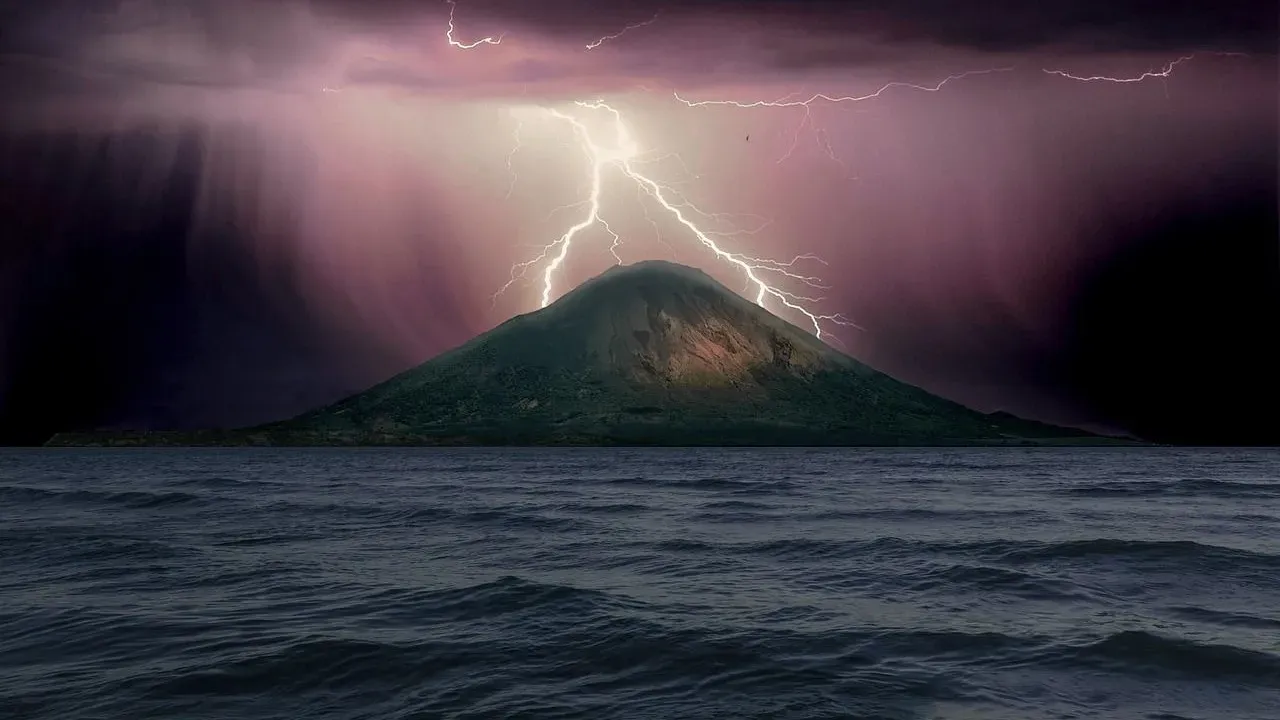

Sicily – An American tourist died after being struck by lightning while climbing the erupting Mount Etna. The incident unfolded on one of the volcano’s popular trekking routes, where visitors regularly ascend to witness its active fumaroles and dramatic landscapes. Mount Etna continues to draw thousands of travelers each year, underscoring both its allure and the need for careful preparation in an environment where conditions can shift rapidly.
The Incident on the Slopes
Reports confirm the fatality occurred during an ascent of the active volcano in Sicily. Lightning strikes remain a recognized hazard on high-elevation terrain, particularly when volcanic activity coincides with unsettled weather. The event has prompted renewed discussion among guides and park authorities about monitoring protocols on the mountain.
Etna’s status as Europe’s tallest active volcano makes it a focal point for both scientific study and tourism. Its frequent eruptions create a dynamic setting that rewards respectful observation while demanding awareness of sudden environmental changes.
Why Etna Attracts So Many Visitors
The volcano offers a rare combination of accessible trails, sweeping views across the Mediterranean, and the chance to stand near live volcanic features. Many travelers choose guided walks that begin in the morning and return before afternoon weather patterns intensify. These excursions highlight Sicily’s geological heritage and the island’s long relationship with its fiery neighbor.
Local operators emphasize that the mountain’s appeal lies in its living character rather than any guarantee of spectacle. Visitors often describe the experience as humbling, with steam vents and lava fields serving as reminders of natural forces that operate on their own timetable.
Recognizing the Real Risks
Active volcanoes present layered hazards that extend beyond visible lava flows. Sudden lightning, shifting winds, and rapidly changing visibility can affect even experienced hikers. The recent incident illustrates how these elements can converge without much warning, even on routes that appear manageable at the start of the day.
Park services and volcanologists have long advised that no ascent is routine. Altitude, exposure, and the possibility of electrical activity require travelers to treat every outing as a serious undertaking rather than a casual hike.
Practical Steps for Responsible Visits
Travelers considering a Mount Etna trek can reduce exposure by following established guidelines. Key practices include:
- Booking only with licensed guides who monitor official alerts and carry appropriate safety equipment.
- Checking weather forecasts and volcanic activity reports the evening before and again on the morning of the climb.
- Starting early to avoid afternoon thunderstorms common in the region.
- Carrying layers, rain protection, and communication devices suited to high-elevation conditions.
- Respecting trail closures and evacuation instructions issued by authorities.
These measures reflect a broader commitment to visiting sensitive natural sites with care. They allow visitors to experience Etna’s power while supporting the local communities that manage access and safety on the mountain.
Incidents like this one serve as a quiet reminder that preparation and humility remain essential companions on any journey into active volcanic terrain.
AI Disclaimer: This article was created with the assistance of AI tools and reviewed by a human editor.