

Most people reach for their sunscreen with good intentions. They’ve heard the warnings, they know the risks, and they’ve done the responsible thing by buying a bottle. The problem is that good intentions don’t always translate into good habits, and when it comes to sunscreen, the gap between what we think we’re doing and what actually protects us is surprisingly wide.
There’s a specific set of reapplication behaviors that dermatologists have flagged for years: patterns that burn through product without delivering the protection that bottle promises. Understanding them doesn’t require a medical degree. It just requires knowing where the disconnect really lives.
Applying Too Little, Too Often
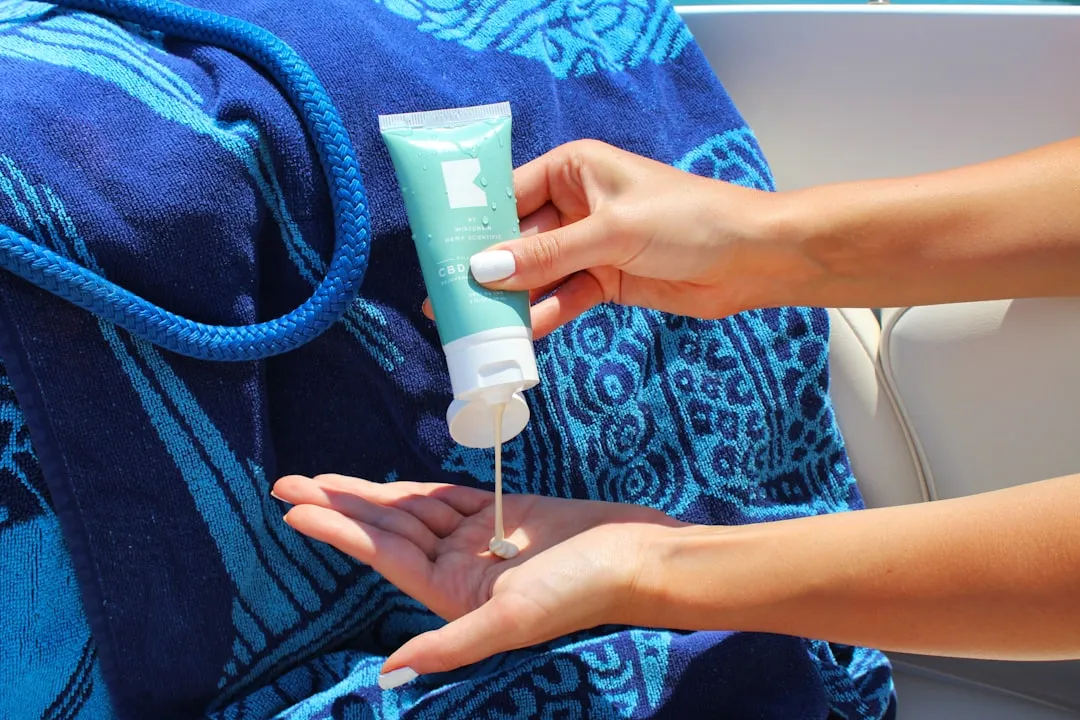
One of the most counterproductive sunscreen habits is reapplying frequently but in such thin layers that the product can never work as intended. The declared SPF on any bottle is based on applying sunscreen at a density of 2 mg per square centimeter of skin, yet only around a quarter of that amount is generally used in real life. That’s not a minor shortfall. It’s the difference between meaningful UV protection and a false sense of security.
Investigations show that sunscreen under natural conditions is applied with amounts ranging from roughly 0.39 to 1.0 mg per square centimeter, which decreases the protection factor considerably. So someone who thinks they’re wearing SPF 50 may actually be receiving far less protection than that number suggests. Topping up that thin layer every hour compounds the waste without solving the underlying problem.
The “Once-a-Day” Trap That Most People Fall Into
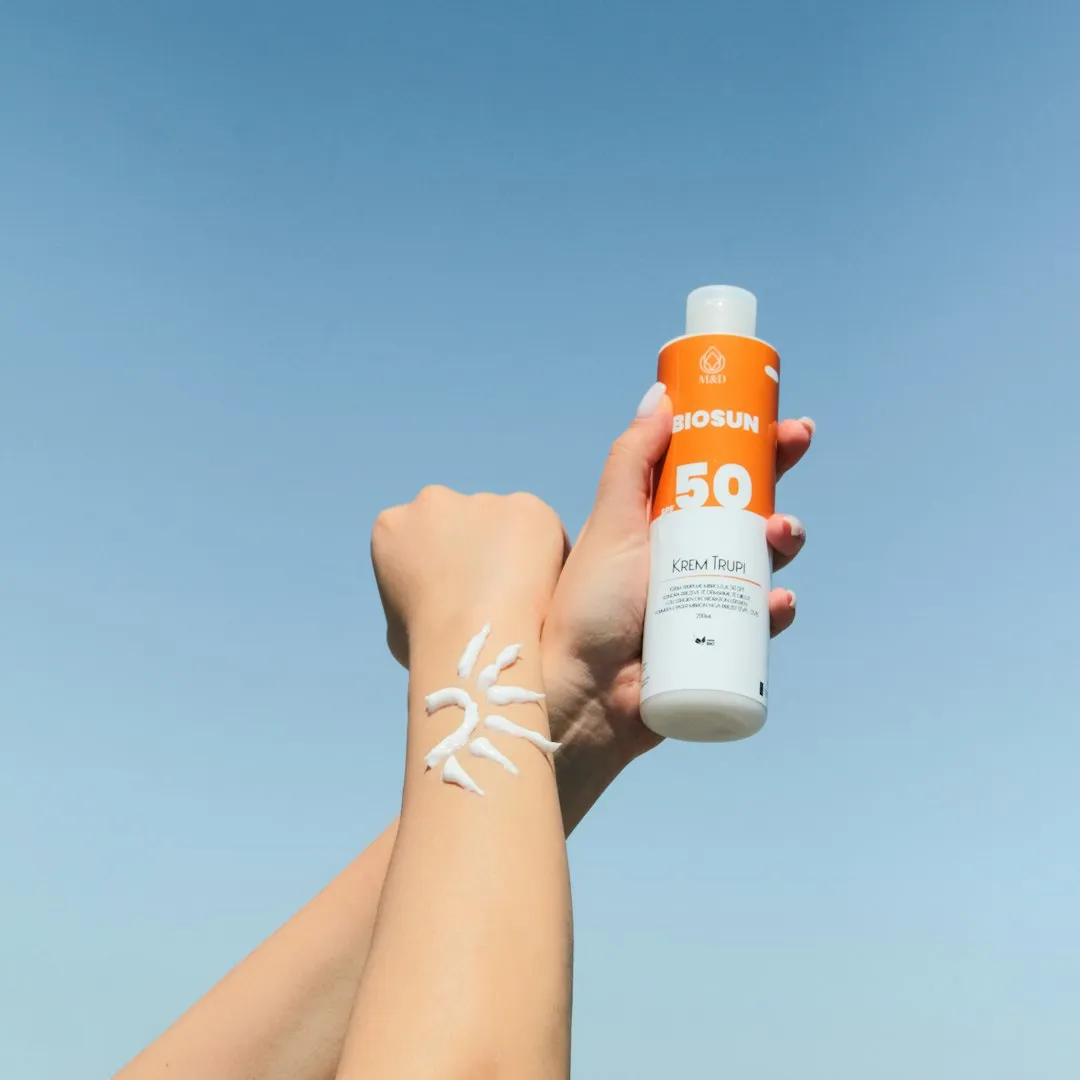
Among participants in a 2024 cross-sectional study at a dermatology outpatient clinic, sunscreen use was reported by nearly three quarters of respondents, but only about one in four used it daily, and just 23 percent reported any reapplication at all. Most people apply it in the morning and consider the job done. That single application is gone long before the afternoon.
SPF products are not reapplied by approximately 20 to 60 percent of regular sunscreen users, depending on the product category, and reapplication rates drop below one in three on cloudy or partly cloudy days. The consequence is predictable: a bottle used generously once in the morning disappears faster than it protects, because the amount needed for effective coverage is simply not being distributed across the day.
Reapplying on Top of Sweat and Residue
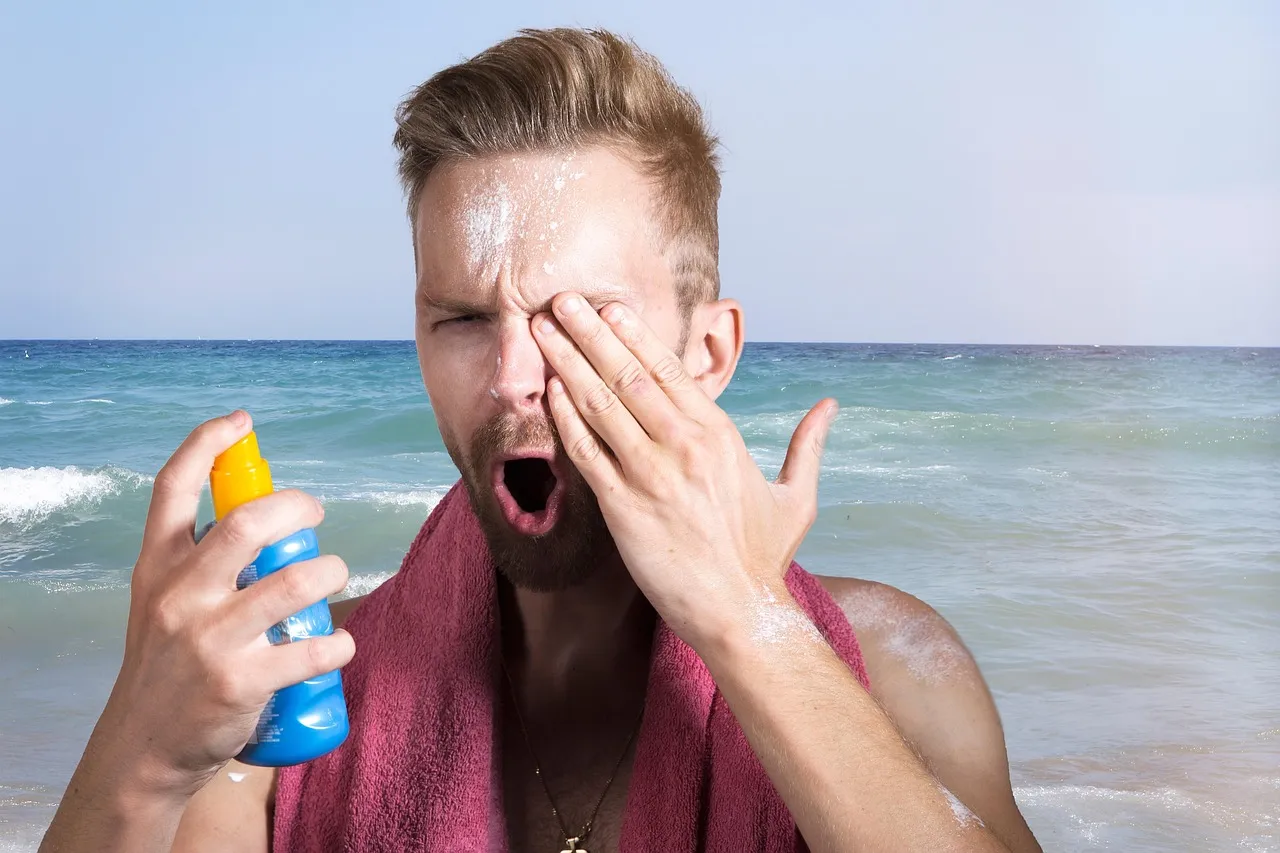
No matter the SPF, reapplication every two hours is key, and sunscreen must also be reapplied immediately after swimming or sweating. The issue is that most people layer fresh sunscreen directly over skin that is already compromised by perspiration and environmental residue, without pausing to lightly pat the skin dry first. That residue dilutes the new application before it ever has a chance to bond to the skin’s surface.
The primary triggers that prompt people to reapply are water exposure, hours spent in the sun, and physical activity or sweating. These are the right instincts. Where the habit breaks down is in the execution. Applying a generous amount over a wet, sweaty face spreads the product unevenly and reduces its effective concentration, which means more product leaves the bottle to cover the same area less effectively.
Misreading “Water-Resistant” as Waterproof
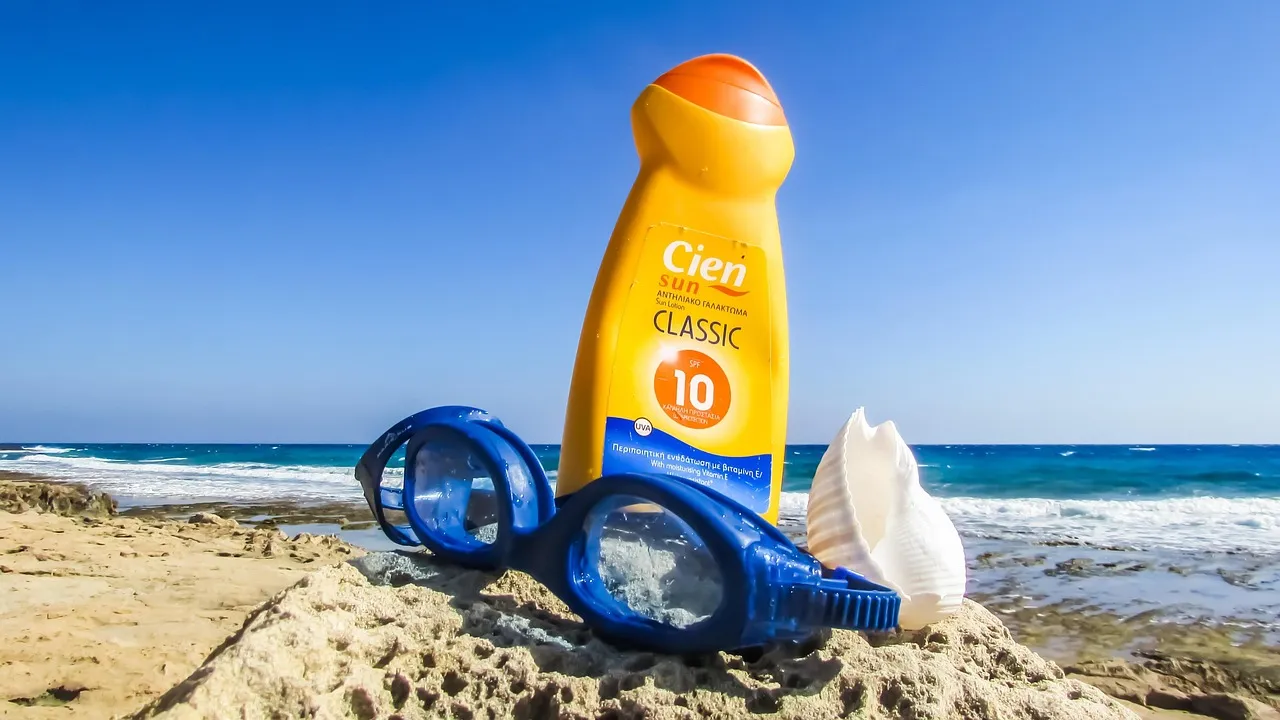
Does “water-resistant” sunscreen really last 40 or 80 minutes? No, and this is a critical misconception. FDA-mandated water resistance testing measures how much SPF remains after 40 or 80 minutes of continuous immersion in agitated water, not intermittent splashing, toweling, or sweating. Real beach and pool conditions are nothing like a controlled lab setting.
People who believe their water-resistant formula is holding strong tend to apply extra at the start of the day to compensate, then skip mid-day reapplication. That heavy initial application depletes the bottle quickly, while the afternoon hours, often the most UV-intense period, are left unprotected. Toweling off, in particular, removes a substantial portion of whatever sunscreen remains on the skin’s surface.
Applying More SPF Instead of Reapplying on Time
A high-number SPF does not last longer than a low-number SPF. A higher SPF number does not allow more time outdoors without reapplication. This is one of the most persistent misconceptions in sun protection. People choose SPF 100, slather on a generous amount, and assume they’ve bought themselves several hours of uninterrupted protection. They haven’t.
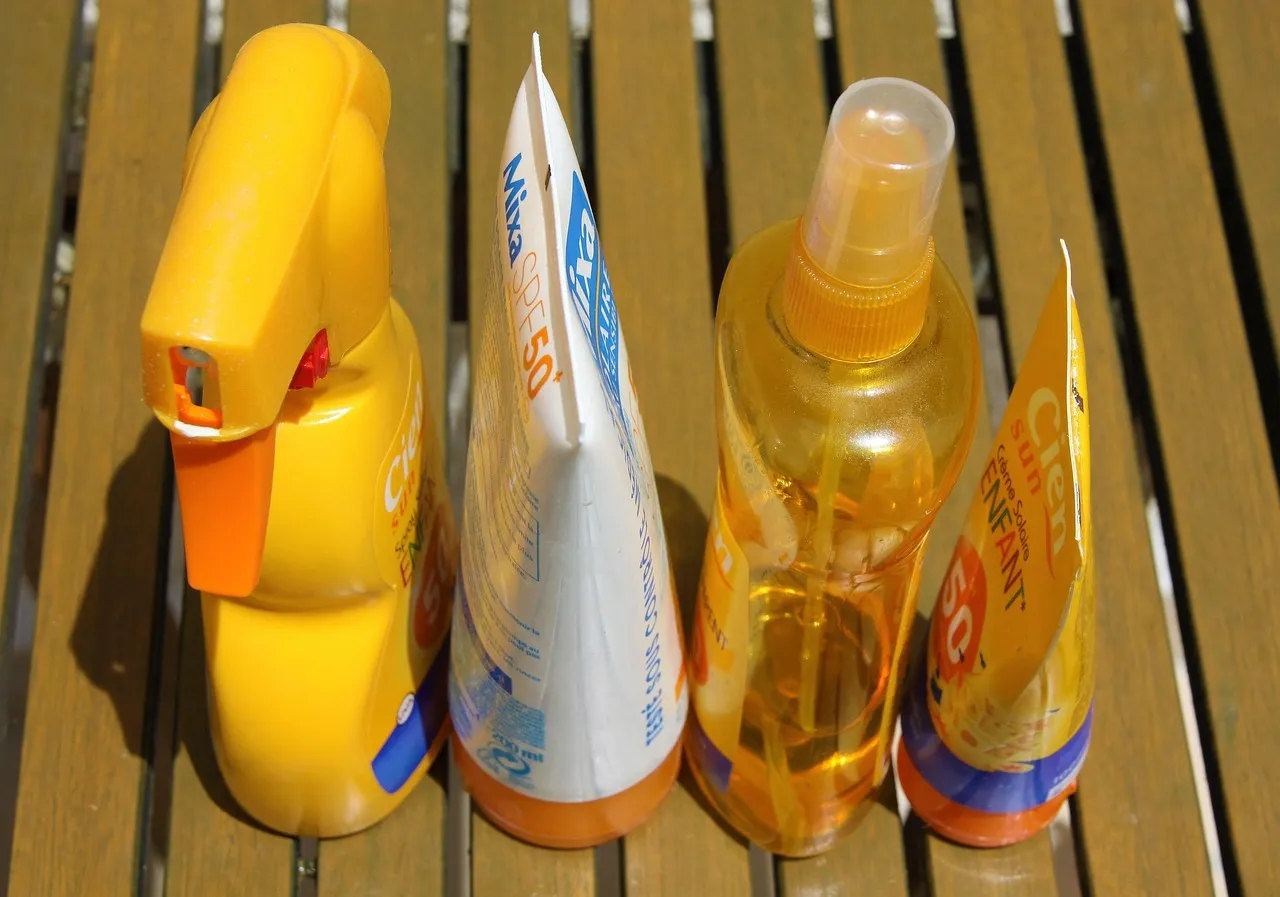
Many individuals apply only about 20 to 50 percent of the amount of sunscreen needed to achieve the SPF stated on the label, which is why application of high-SPF products can help compensate for under-application in practice. Still, using a high-SPF product in excessive quantities as a substitute for timely reapplication drains the bottle without delivering the intended benefit. The timing, not just the amount, is what matters.
The Two-Hour Rule: What It Actually Means
Sunscreen should be reapplied at least every two hours when outdoors, and even more frequently when swimming or actively sweating. This guideline is widely quoted, yet the research behind optimal reapplication timing is more nuanced than most product labels suggest. The two-hour mark is a reasonable general benchmark, not a precise biological threshold.
For sunscreens that bind moderately or well to skin, typical of modern water-resistant products, the lowest skin UV exposure results from early reapplication, not at two to three hours after initial application. Reapplying at 20 minutes results in 60 to 85 percent of the UV exposure that would be received if reapplication waited until the two-hour mark. The recommended approach is to apply sunscreen 15 to 30 minutes before sun exposure, followed by a second application 15 to 30 minutes after exposure begins.
Skipping Cloudy Days and Short Outings

Up to 80 percent of the sun’s UV rays can penetrate clouds, meaning overcast skies offer no guarantee of protection. Yet this is precisely when most people skip both initial application and any form of reapplication. A morning commute, a lunch walk, and a quick errand run can together add up to meaningful UV exposure, especially across repeated days.
Sunscreen should be reapplied approximately every two hours when outdoors, even on cloudy days, and after swimming or sweating. The habit of reserving reapplication only for obviously sunny beach days means the bottle is emptied during vacation weeks while everyday exposure, which accumulates over years, goes largely unaddressed.
Not Applying Enough to Cover Every Exposed Area
When reapplying sunscreen, the same amount as the initial application should be used, roughly one ounce, approximately the amount needed to fill a shot glass. In practice, people tend to concentrate product on the face while leaving the neck, ears, hands, and forearms with a fraction of that coverage. Those frequently forgotten areas then require extra product, which users apply without awareness that they’re compensating for a systemic habit rather than a one-off oversight.
The structural issue here is that reapplication routines are often built around faces and not around the full surface area of exposed skin. A person might diligently apply and reapply SPF to their cheeks and forehead while their forearms and the back of their neck receive little attention. The bottle empties, but the protection map is full of gaps.
Most Professionals Aren’t Getting It Right Either
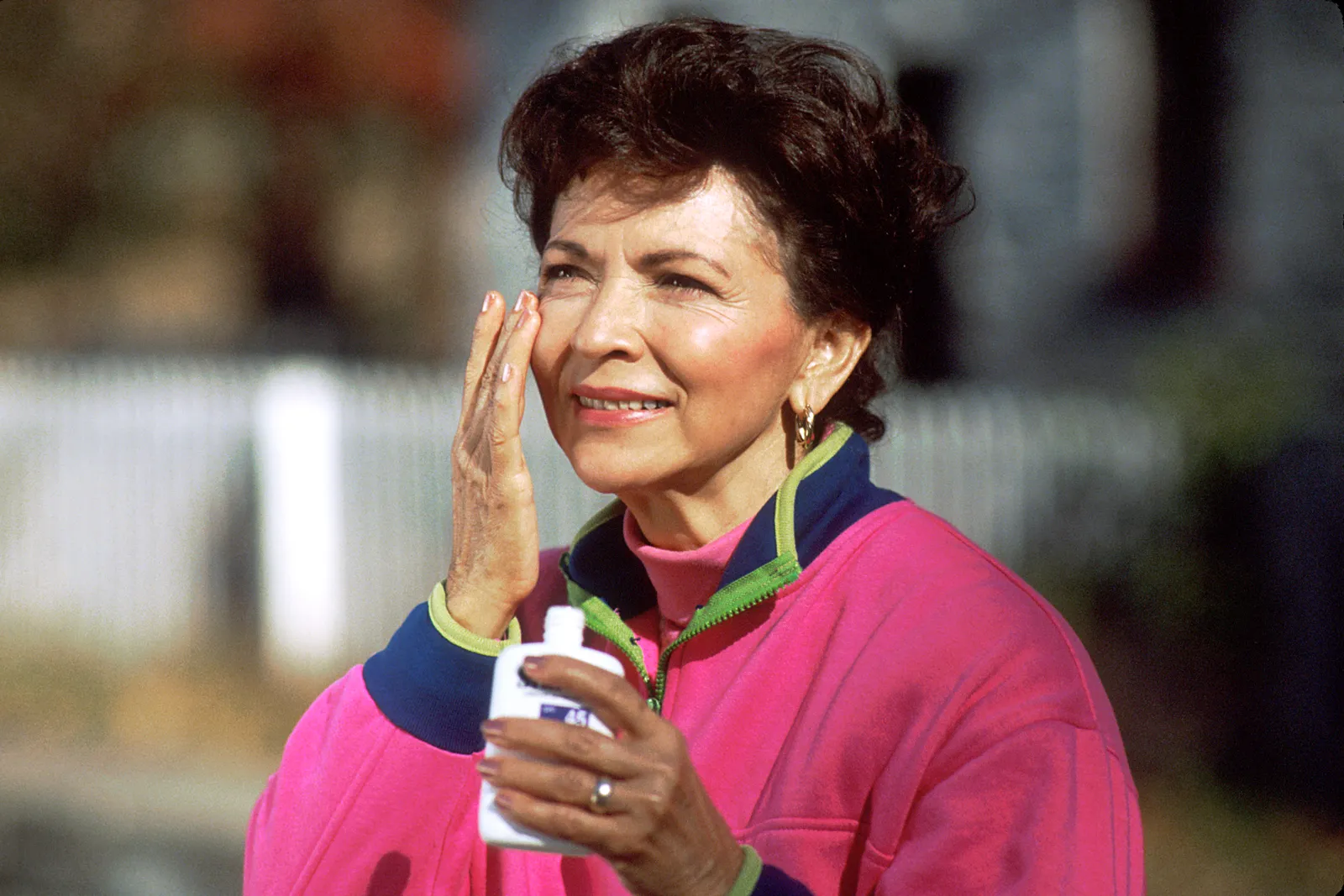
A 2025 study evaluating sunscreen application practices among UK dermatology clinicians found that only 10 percent met recommended reapplication guidelines. That finding is striking. If specialists working in a field where UV protection is a daily professional concern are not consistently following the guidelines, it underscores how difficult consistent reapplication truly is in real-world settings.
This matters for anyone developing sunscreen habits at home. The barrier is not knowledge. Sunscreen behavior in outpatient samples reveals inconsistencies between self-reported use and recommended practices, highlighting the need for targeted public health strategies to improve application habits. Knowing the rule and executing it reliably under real-life conditions are two very different skills.
SPF Falls Dramatically When You Apply Less Than the Standard
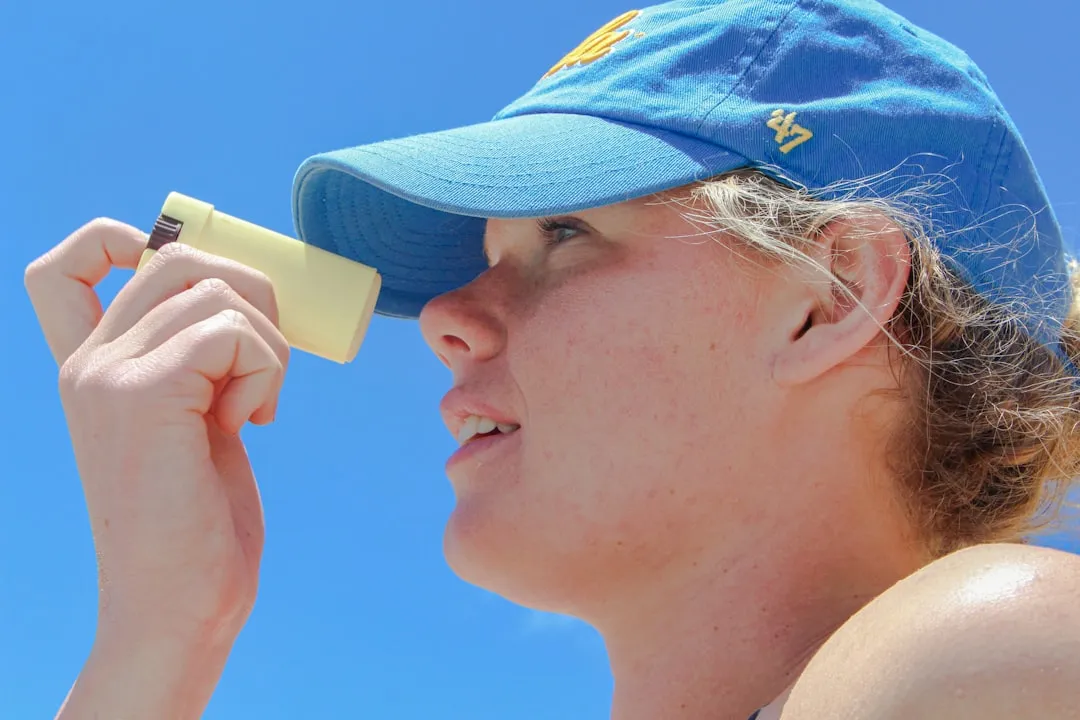
Tests conducted before marketing are done by applying product at a rate of 2.0 mg per square centimeter, while users in practice apply only 1.0 to 1.5 mg per square centimeter, and this reduction in applied product greatly affects the SPF. The protection you receive is not simply halved when you halve the amount. The relationship between quantity and protection factor is nonlinear, which means small reductions in how much you apply lead to disproportionately large losses in protection.
Research indicates that the relationship between SPF and sunscreen quantity follows exponential growth. Applying at half the recommended density makes the SPF fall as the square root of the labeled value. In plain terms, applying thinly and frequently does not add up to the protection that a proper single coat would provide. The bottle goes down, but the protection never reaches the level printed on the label.
Building Habits That Actually Work
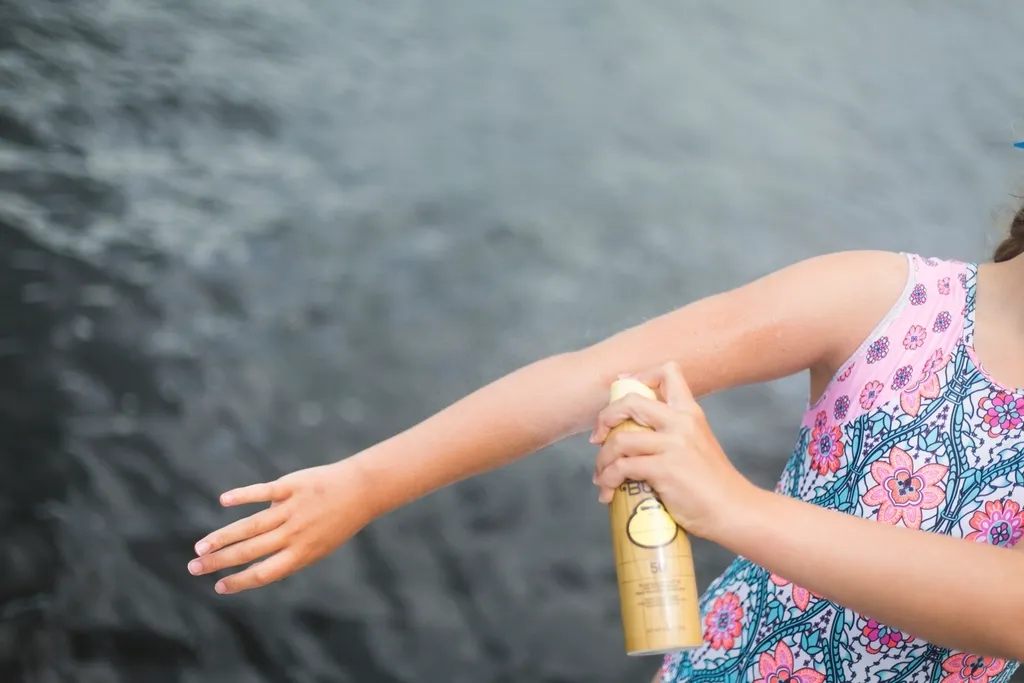
The most effective shift is not applying more product across the day, but applying the right amount in a deliberate pattern. Early reapplication or the use of very high SPF products may partly compensate for the gap between the amount applied during testing and the amount used in reality, and sunscreen application can be improved through consumer education. Prioritizing a proper initial coat, timed intelligently before sun exposure begins, sets a better foundation than frequent thin top-ups.
Research findings reveal that the majority of sunscreen users prioritize convenience when selecting products, often choosing formulas that are easy to apply and carry. That’s a reasonable starting point. Choosing a formula you’ll genuinely use consistently matters more than selecting a technically superior product you’ll skip. Sticks, sprays, and lightweight lotions each have trade-offs, but any of them applied correctly and on schedule outperforms an expensive cream used carelessly.
The Takeaway
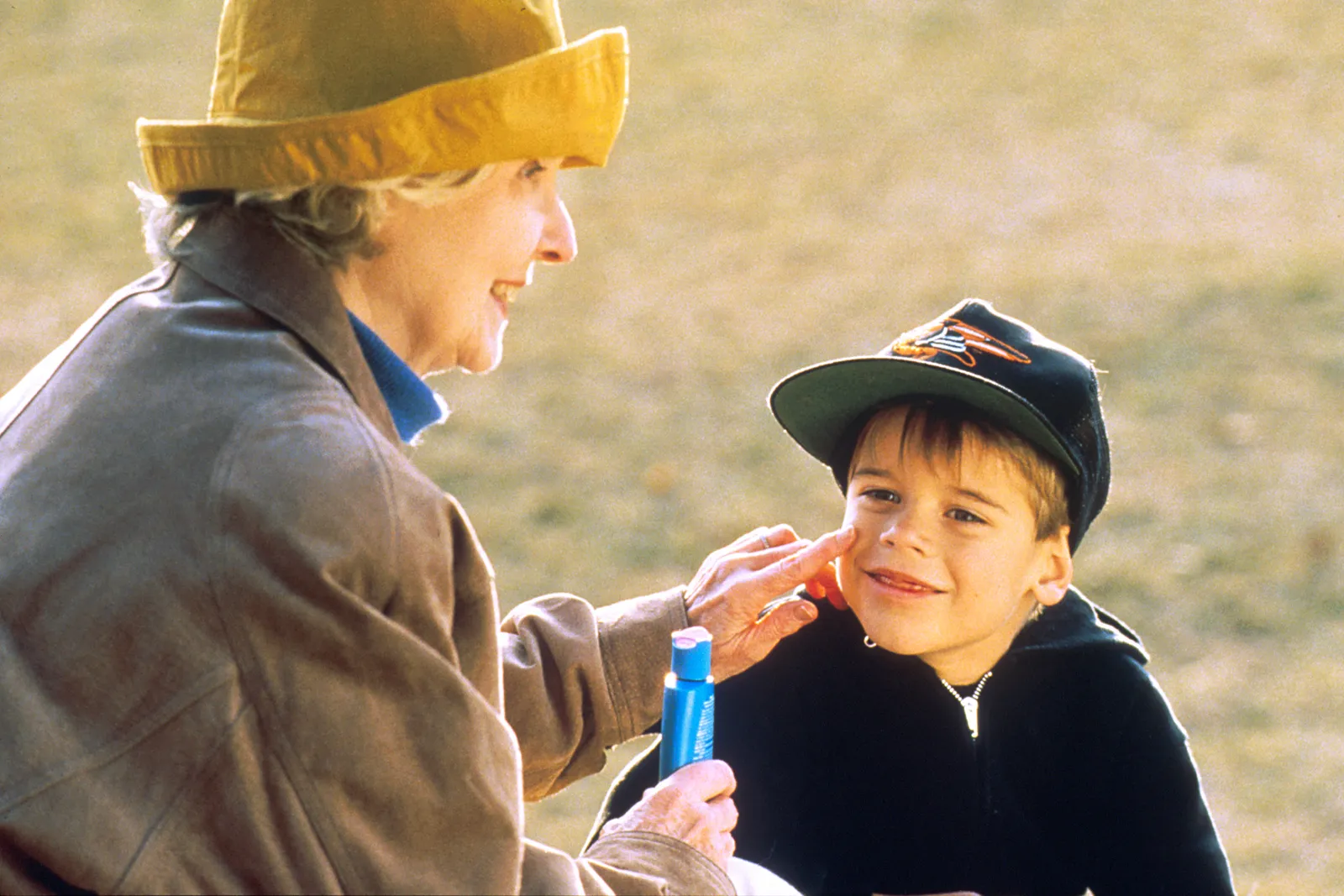
The irony of poor sunscreen habits is that they often involve more effort than doing it right. Reapplying thin layers hourly, piling on high-SPF products as a substitute for timing, and emptying a bottle across a beach day without ever hitting the required application density, these patterns cost product without building real protection. What research consistently shows is that quantity, coverage, and timing all matter together.
A well-applied, timed reapplication routine uses your bottle efficiently and actually delivers on what the label promises. The goal was never to use more sunscreen. It was always to use it well.
AI Disclaimer: This article was created with the assistance of AI tools and reviewed by a human editor.