
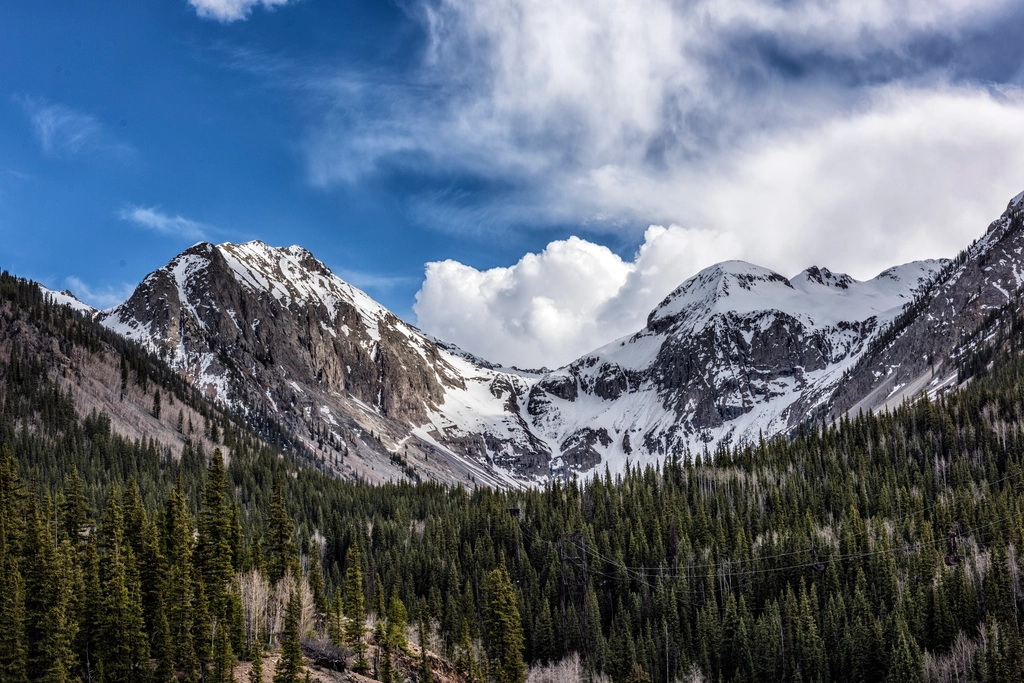

Most people chasing summer relief think of air conditioning, shaded pools, or a coastal breeze. Few think of a small canyon town tucked between jagged alpine peaks, where a river and half a dozen creeks keep the air moving and the temperature honest well into August. That place is Ouray, Colorado, and it has a quiet reputation among those who have found it.
At a time when heat records are being shattered across North America and Europe with alarming frequency, the idea of a town that simply stays cool deserves a closer look. Ouray is not a secret exactly, but it tends to be overlooked in favor of flashier Colorado destinations. That, as it turns out, works in its favor.
A Box Canyon That Creates Its Own Climate
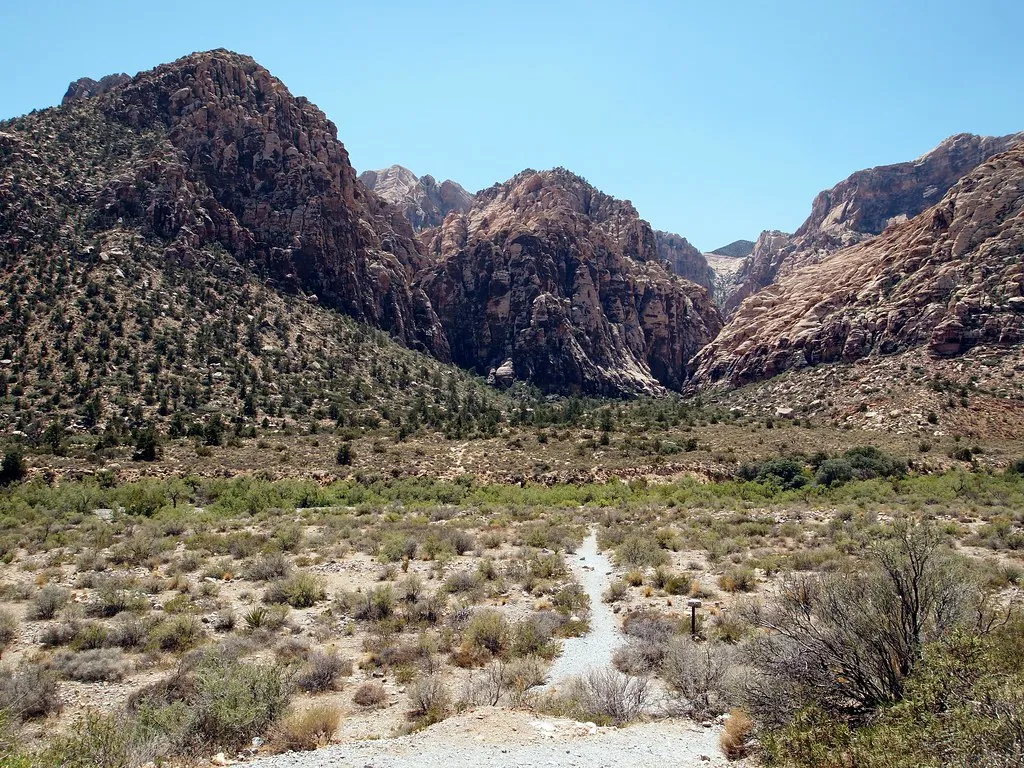
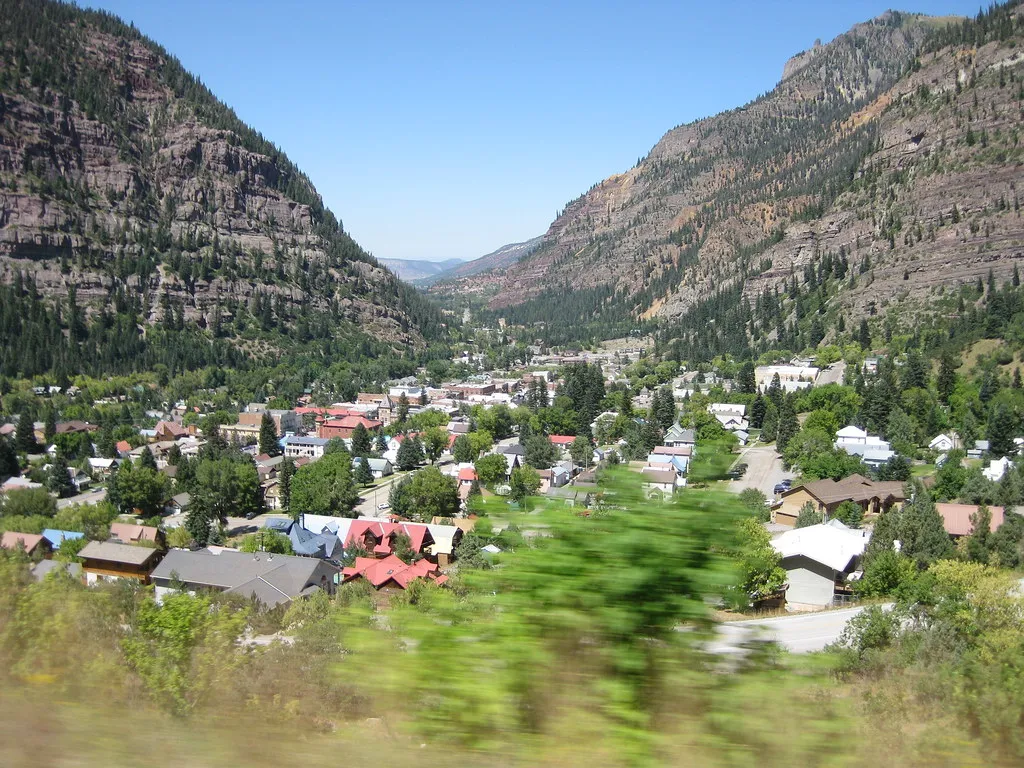
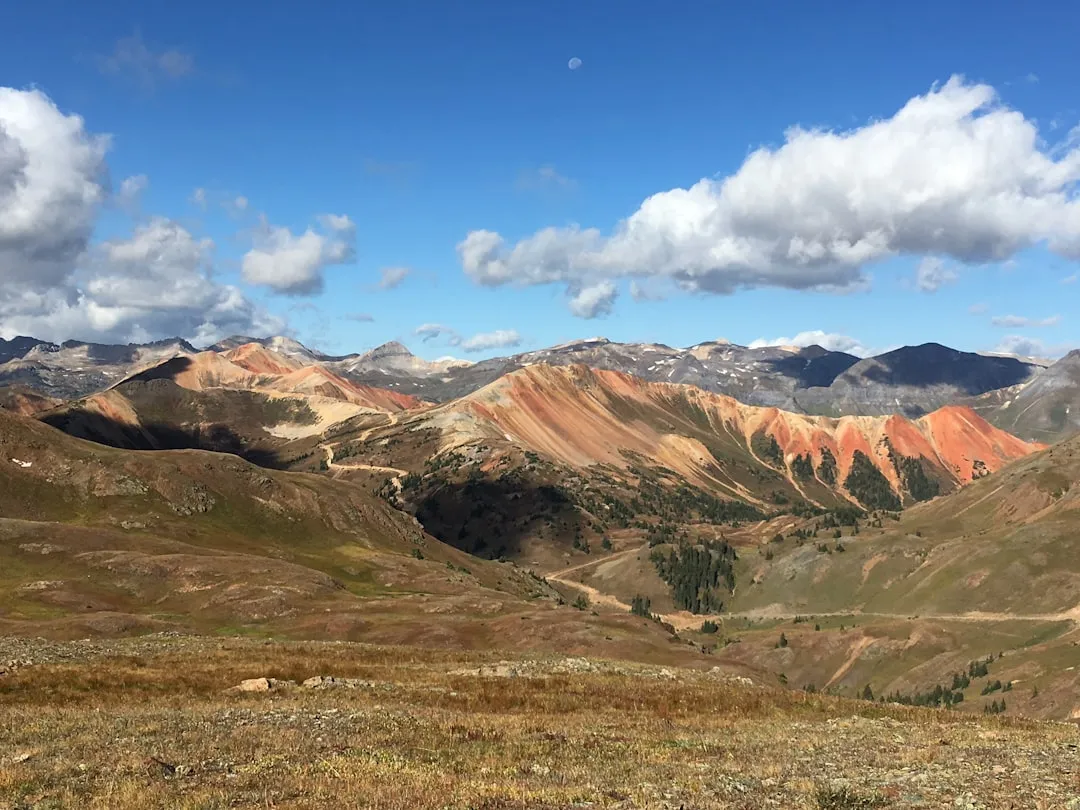
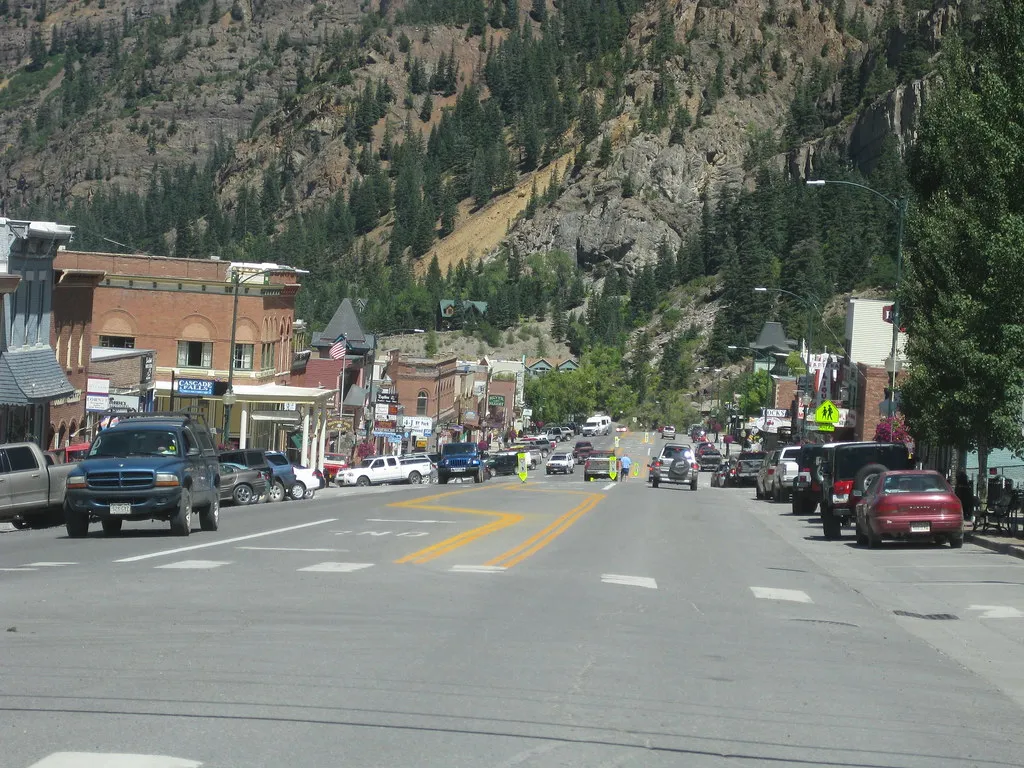
Tucked into a box canyon framed by the towering, jagged peaks of the San Juans, Ouray boasts comfortable temperatures that don’t exceed the upper 70s. The canyon walls act as natural shade generators, blocking the kind of prolonged direct sun exposure that bakes open valley towns. It is a geography that works quietly in the background, doing climate regulation the old-fashioned way.
The town’s elevation of 2,375 meters, roughly 7,792 feet, means cooler temperatures year-round compared to lower-elevation destinations, with significant temperature swings between day and night. That altitude is not incidental. It is the core reason the town functions the way it does, climatically speaking.
The Science Behind Elevation and Cool Air
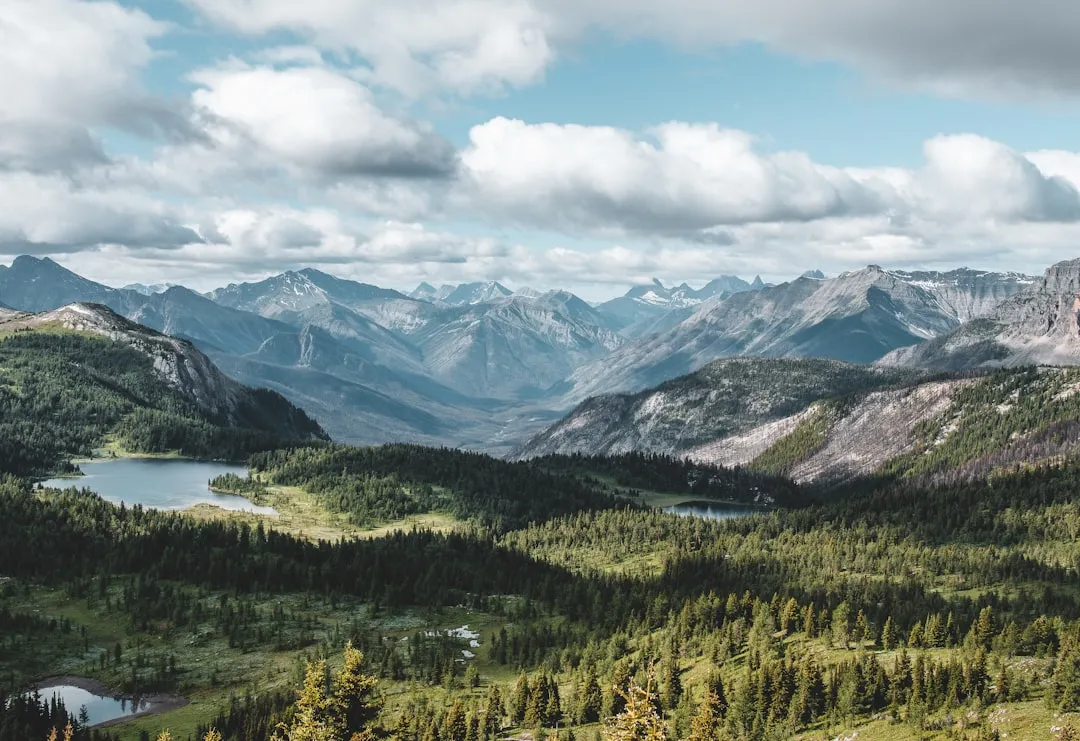
The higher you go, the cooler it gets, usually three to five degrees Fahrenheit for every one thousand feet of elevation. Applied to a town sitting nearly 8,000 feet above sea level, that translates into a meaningful and measurable difference from the valleys below. It is basic atmospheric physics, but the results feel almost luxurious in the middle of a national heat event.
The Rocky Mountains often run twenty to thirty degrees cooler than the valleys below. For someone driving up from the desert flatlands of the Southwest, that temperature shift is noticeable within the first hour of climbing the mountain roads into Ouray.
What the Thermometer Actually Says in Summer
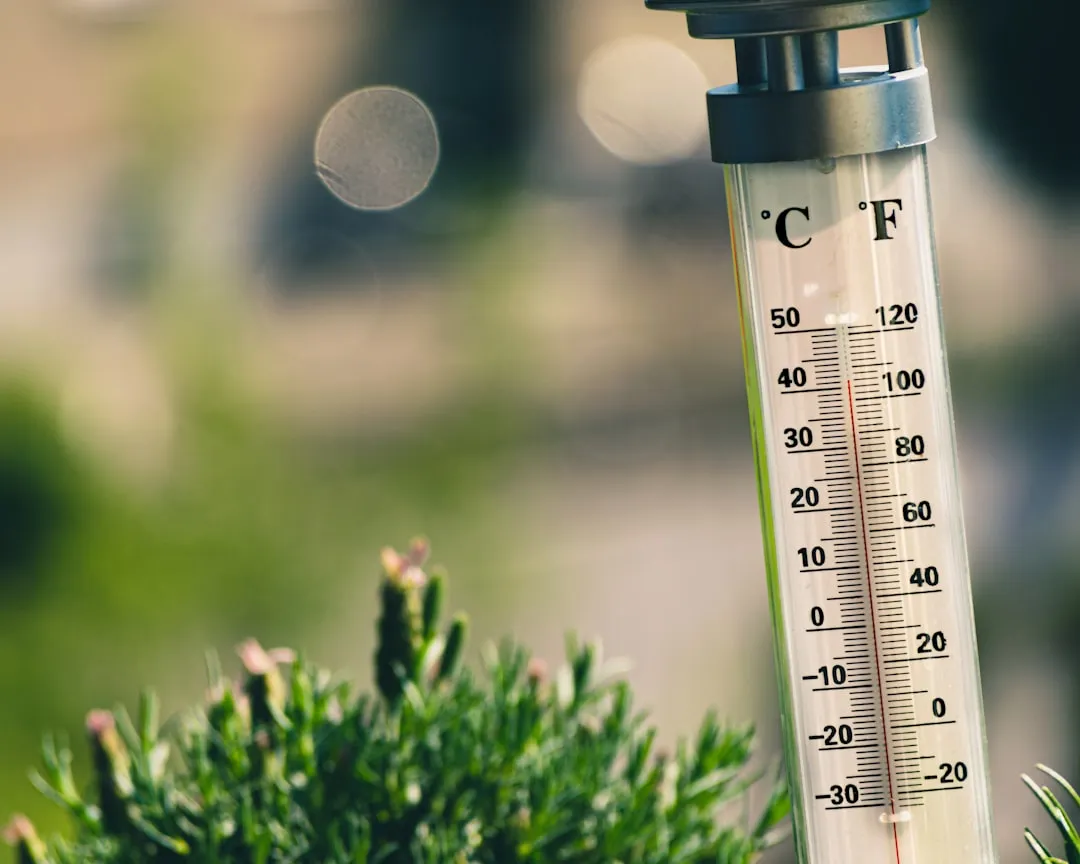
During the summer months, temperatures typically range from 50°F to 75°F. That range is genuinely rare for the western United States in July and August, when much of the region contends with triple-digit readings. Average maximum daytime temperatures reach around 23°C, or 73°F, in July, which is the warmest month of the year. Nights cool off further still.
Nights in July vary around 9°C, or 48°F, meaning a blanket is not an absurd thought even at the height of summer. That kind of diurnal swing, warm afternoons and genuinely cool nights, is what makes sleeping in Ouray feel restorative rather than restless.
Six Creeks and a River Running Through Town
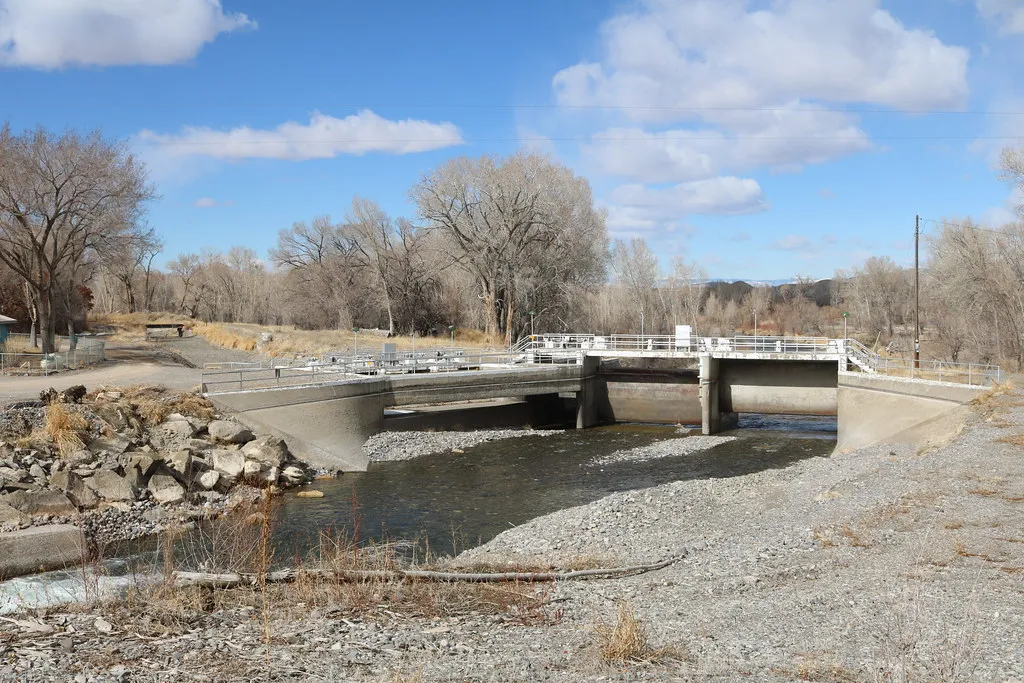
The Uncompahgre River runs through the city, including six creeks that run from the mountains and drain directly into the mighty river. That network of cold, snowmelt-fed water is not just scenic. It actively contributes to the local microclimate, keeping the surrounding air measurably cooler and more humid than the dry plateau towns nearby.
Snow-fed rivers and dense forest create a refreshing dynamic where colder air settles into low-lying valleys at night, and Ouray’s canyon position maximizes exactly that effect. The creeks amplify it further. Walk near any of them on a warm afternoon and the temperature drop is immediate and palpable.
Switzerland of America: A Nickname with Climate Logic
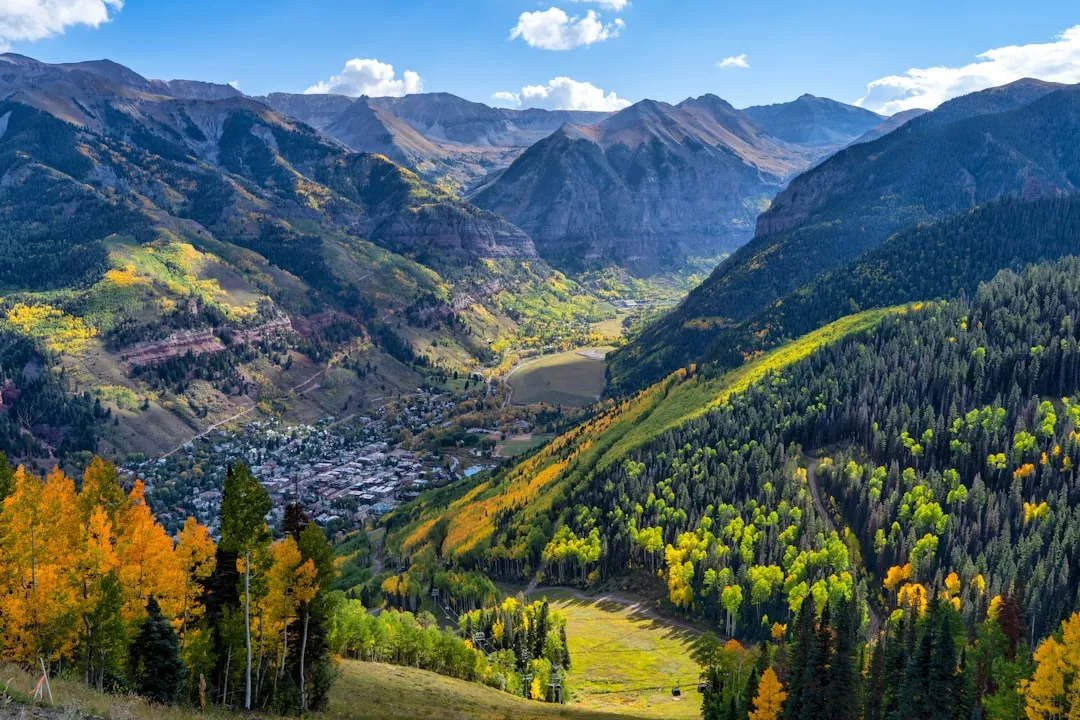
Ouray has been designated as one of the United States’ most beautiful towns and has earned the nickname “Switzerland of America.” The comparison is not just aesthetic. Switzerland’s alpine towns share a similar climate rationale: high walls, cold water, and altitude combine to produce summers that feel more like a temperate spring than a traditional midsummer.
Nicknamed the “Switzerland of America,” Ouray captivates with its alpine scenery and charming Victorian architecture. That Victorian legacy is a reminder that the town has been drawing visitors for well over a century, long before the term “heat escape” entered the travel vocabulary.
More Than 300 Days of Sunshine, Without the Heat

Nestled in the heart of the San Juan Mountains, Ouray experiences over 300 days of sunshine annually, despite receiving an average of 140 inches of snow each winter. This is the paradox that surprises most first-time visitors. You get genuinely bright, sunlit summer days without the punishing thermal load that sun-heavy destinations in lower elevations bring.
This remarkable weather pattern creates one of Colorado’s most diverse seasonal destinations, where visitors can soak in natural hot springs surrounded by snow-capped peaks or hike through wildflower meadows beneath clear blue skies, sometimes in the same week. There is a layered quality to the experience that is hard to replicate anywhere at lower altitude.
Hot Springs in a Cold Canyon: The Unlikely Pairing
Ouray, Colorado, is a tourist mountain town with a Hot Springs Aquatic Center. The combination of geothermal hot springs and alpine creek air produces a genuinely unusual sensory experience. You soak in warm mineral water while cool mountain air moves over the surface of the pool. It is not something easily described from an air-conditioned hotel room.
The hot springs draw visitors year-round, but summer is when the contrast feels most dramatic. The pool water warms your body while the surrounding canyon air keeps the experience from ever tipping into uncomfortable. It is the kind of balance that takes very specific geography to pull off.
The Rising Trend of “Cool-cation” Travel
A cool-cation is a trip designed to escape the heat, where people skip crowded and steamy destinations and seek out places with comfortable temperatures between 60°F and 75°F. This trend really took off as global temperatures and heat waves started breaking records. Ouray fits the definition almost perfectly, and it was doing so long before the trend had a name.
When most parts of the USA are struggling under extreme summer heat, travelers searching for the best places to escape find a few regions that quietly stay cool, calm, and almost surreal in their climate comfort. Ouray belongs firmly in that category, with the added advantage of being relatively accessible compared to more remote mountain alternatives.
What to Do When It’s Genuinely Pleasant Outside
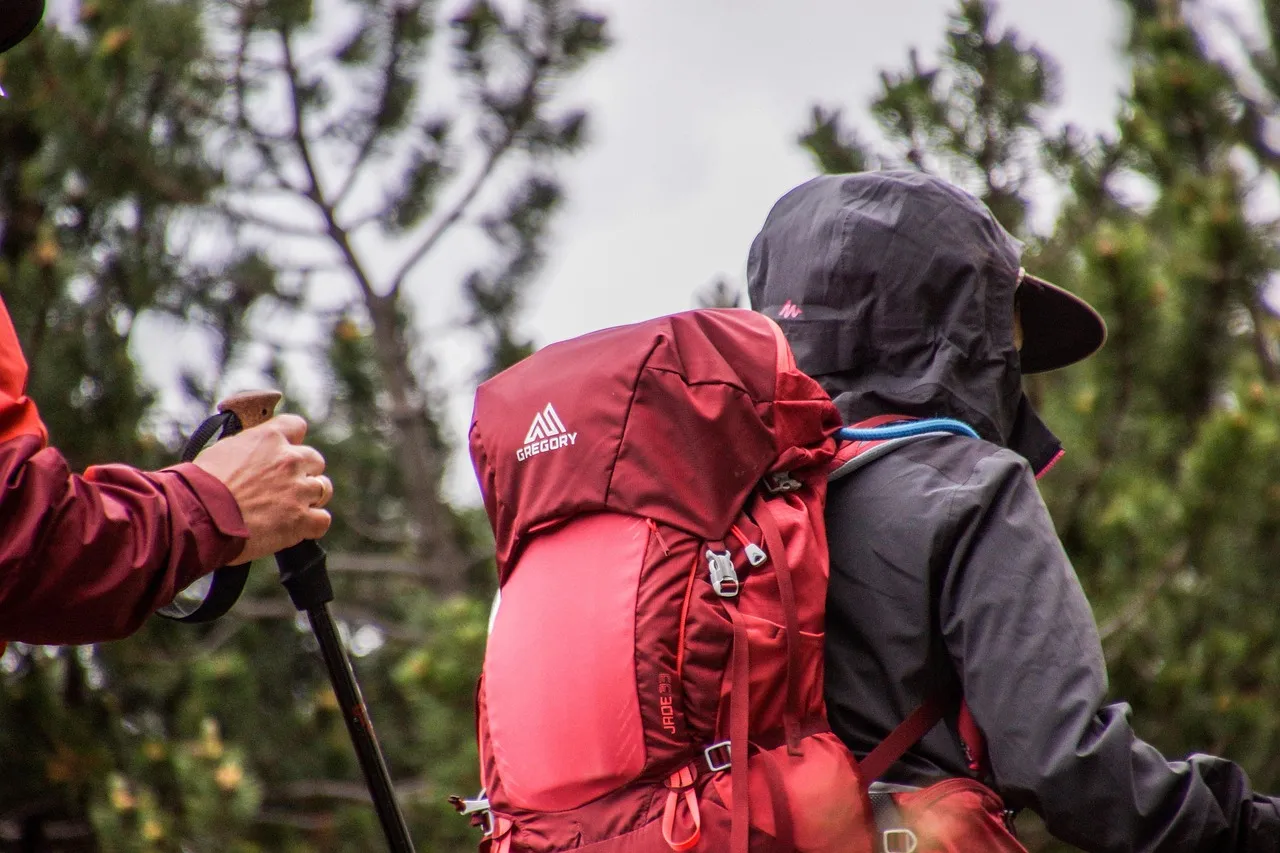
Its strategic location is home to many accessible hot springs, hiking trails, camping, climbing, ski areas, rivers, and lakes. Summer opens up nearly all of them simultaneously. The trails that were buried under snow in March are blooming with wildflowers by July, and the rivers that were violent with snowmelt in May have calmed into something swimmable and beautiful.
The mountains and cliffs that surround the town are ideal for outdoor activities, and because temperatures stay manageable, you can actually pursue them through the middle of the day rather than retreating indoors from noon until four. That changes the entire rhythm of a summer trip. You move through the landscape rather than around it.
A Town That Rewards Slowing Down
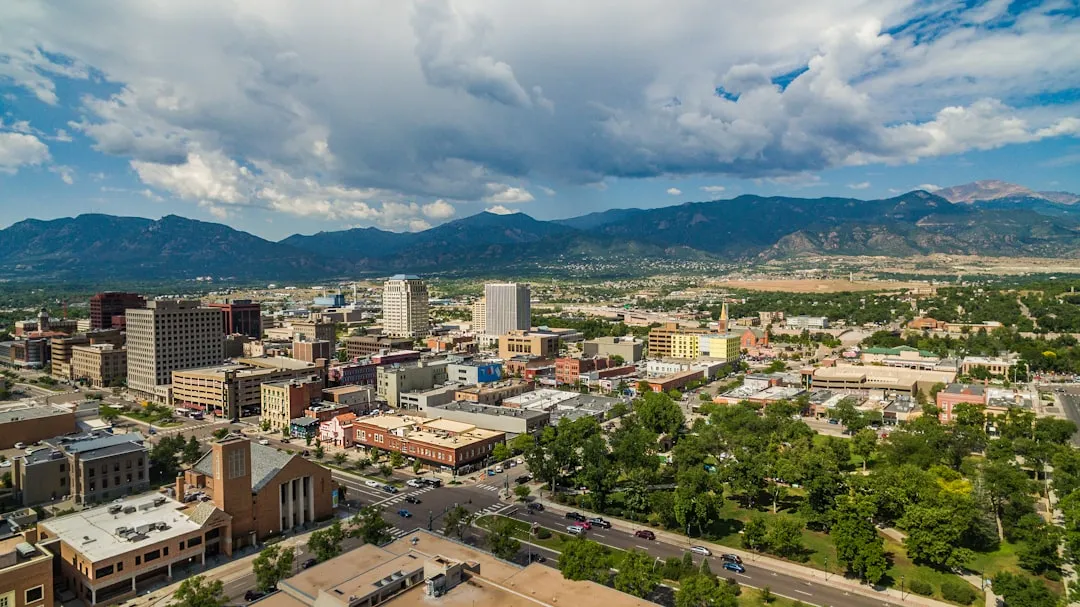
Ouray has roughly one thousand permanent residents. It is not trying to be Aspen or Vail. The streets are walkable, the dining is honest and good, and the surrounding landscape is, by any reasonable measure, extraordinary. The canyon walls that keep it cool also keep it contained, which means it retains a human scale that larger resort towns have long since lost.
There are no luxury spas or curated experiences forced upon you, just honest mountain air and the satisfaction of sleeping under a heavy quilt in late July. It is the kind of summer escape that people repeat for decades without feeling the need to explain why. That kind of understated loyalty tends to say more about a place than any promotional copy ever could.
The Bigger Picture: Heat, Altitude, and Where We Travel Next
The summers of 2024 and 2025 made clear that extreme heat is no longer a regional anomaly. Scientists found that around 16,500 people may have died as a result of climate change during the summer of 2025 in Europe alone. That context matters when thinking about where and how we choose to travel. Seeking cool places is no longer purely recreational. For many travelers, it is increasingly a health consideration.
Under-the-radar U.S. adventure towns where summer temperatures stay below 80 degrees are becoming a genuine category of purposeful travel, not just a niche interest. Ouray, with its creek-fed canyon, its Victorian streets, and its altitude-driven climate, sits at the center of that shift. It was cool before cool was a strategy.
Getting There and Knowing What to Expect
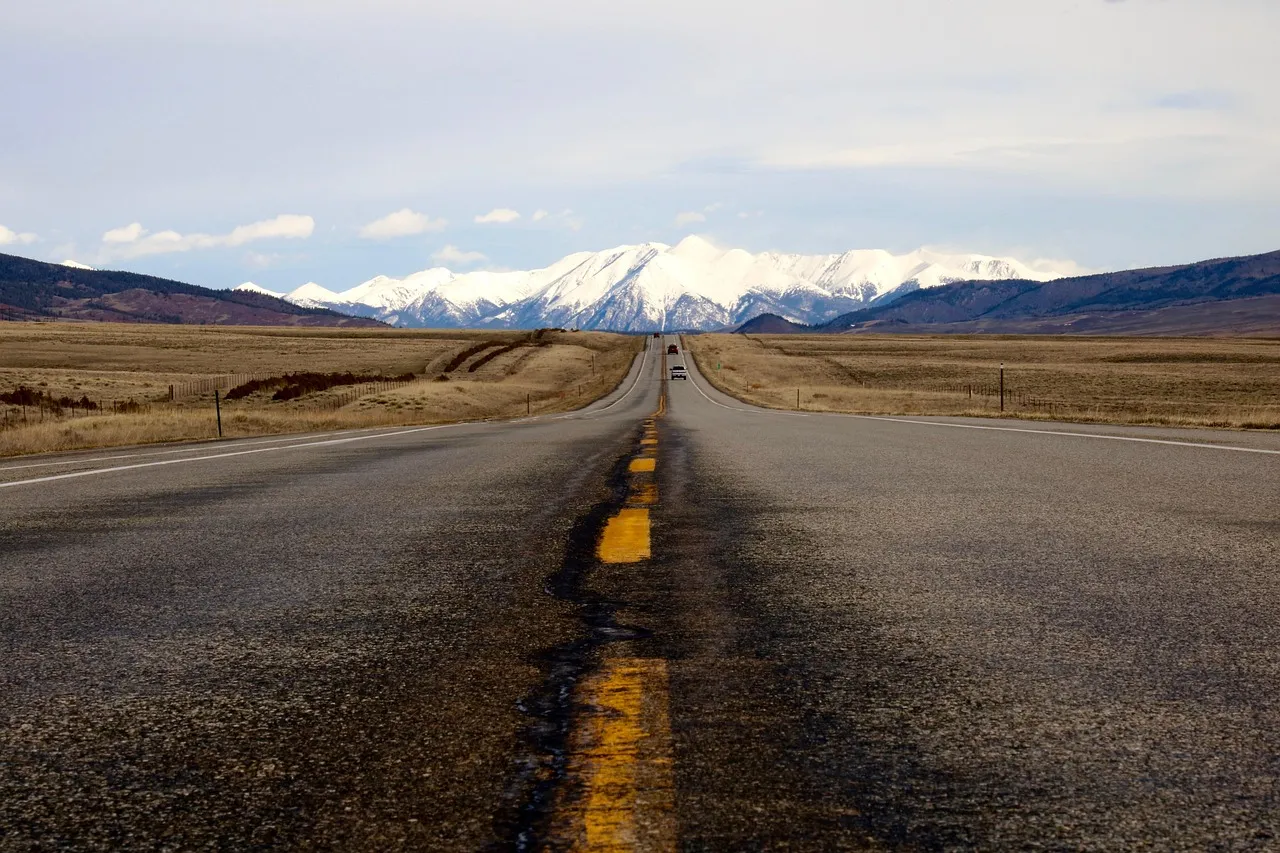
Ouray sits in southwestern Colorado, approximately five and a half hours from Denver by car. While the town doesn’t have its own airport, several regional options make access relatively straightforward. Montrose Regional Airport, about 35 miles north, is the closest option at roughly 45 minutes by car. The drive from Montrose along Highway 550 is itself considered one of the more scenic approaches in the American West.
Pack layers regardless of the month. Mornings can be genuinely cold even in August, and afternoon thunderstorms are common in the San Juans during midsummer. Neither of these is a deterrent. They are, in fact, part of what keeps the place feeling alive and untamed in the best possible way.
The Takeaway
There is something quietly reassuring about a town whose coolness is not engineered. No massive HVAC systems, no misted sidewalks, no artificial relief. Just elevation, cold water, canyon walls, and the physics of altitude working exactly as they have for centuries. Ouray earns its summer reputation the old-fashioned way.
In a travel landscape increasingly shaped by heat avoidance, the mountain creek towns that have always stayed cool are finally getting the attention they deserve. Ouray has been here all along, waiting patiently at 7,792 feet, unbothered and genuinely refreshing. Some places simply age well.
AI Disclaimer: This article was created with the assistance of AI tools and reviewed by a human editor.