
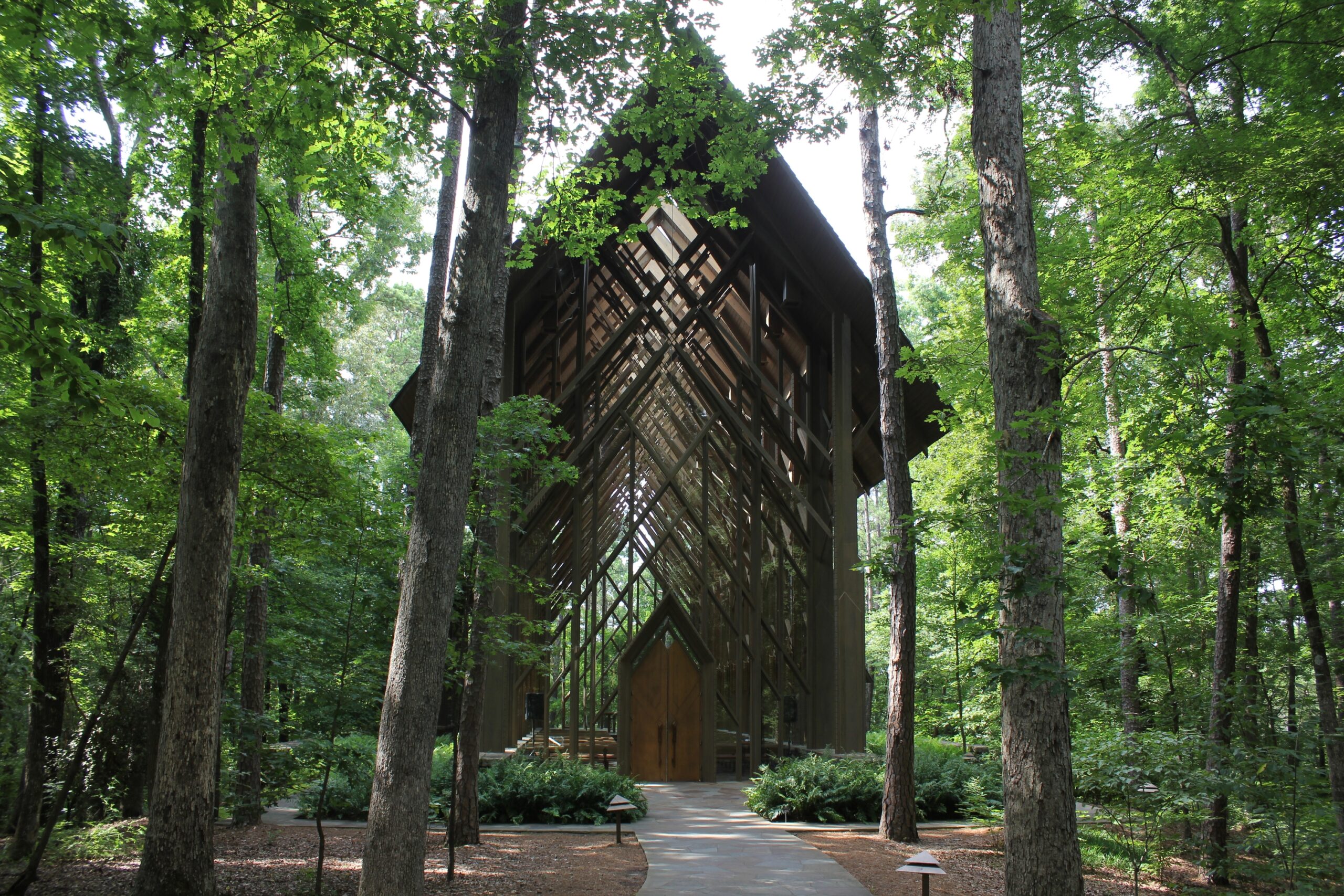

There’s a particular kind of loyalty that a place earns over generations. Hot Springs, Arkansas has that quality in abundance. Nestled within the Ouachita Mountains in central Arkansas, this compact city wraps around one of America’s oldest protected lands, and every winter, it quietly fills back up with familiar faces.
It isn’t a ski resort, and it isn’t a beach. It’s something harder to define and, for many regulars, harder to leave behind.
Waters That Have Been Pulling People In for Centuries
The draw starts underground. The iconic bathhouses on Bathhouse Row have attracted visitors for generations who come to experience geothermal water that emerges from the ground at 143 degrees Fahrenheit after a 4,000-year, seven-mile journey. That’s not marketing language. That’s just geology, working quietly beneath the Ouachita Mountains for longer than recorded history.
Hot Springs and its therapeutic water became a favorite gathering place for Native Americans long before European settlers came to the new world. Hot Springs National Park officially became a national park in 1921, but its federal protection goes back much further. In 1832, Congress designated the area as the Hot Springs Reservation, nearly 40 years before Yellowstone was designated the nation’s first national park.
Central to the park are 47 hot springs and eight historic bathhouses along Central Avenue, also called Bathhouse Row. Water from the hot springs flows at a rate of 850,000 gallons per day, with an average temperature of 143°F. For winter visitors, slipping into that warmth when the air is cold outside carries a particular kind of satisfaction that’s hard to replicate anywhere else.
Bathhouse Row: A Living Piece of American History
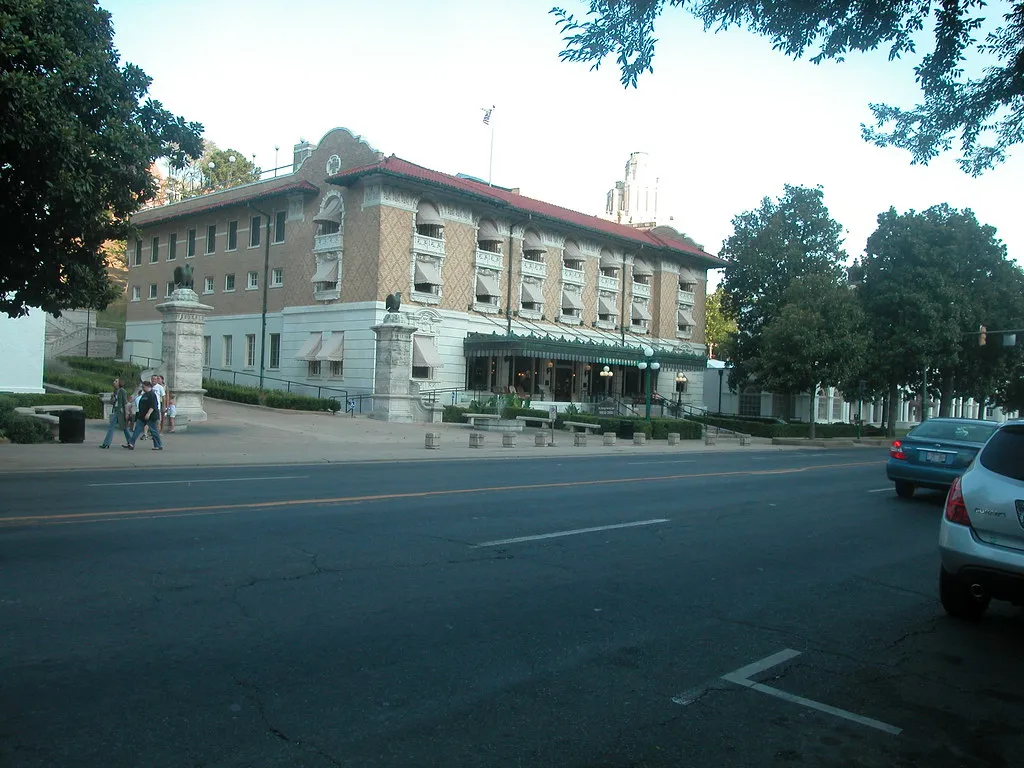
Bathhouse Row Historic District extends along the foot of the mountain that gives rise to the thermal springs in Hot Springs National Park. Located in downtown Hot Springs, the scene is dominated by buildings dating back to 1830. Bathhouse Row includes eight surviving bathhouses: the Hale, Maurice, Buckstaff, Fordyce, Superior, Quapaw, Ozark, and Lamar.
Currently, only two of the original buildings on Bathhouse Row still operate as spas; the others hold National Park Service offices, restaurants, shops, and even a brewery – the Superior Bathhouse Brewery – the only beer production facility in a U.S. national park and the only one to brew beer with actual thermal water. Walking the Row in winter, when the crowds are thinner and the steam rises visibly into the cold air, feels like stepping into a photograph.
During the Golden Age of Bathing in the 1940s, over a million baths a year were taken in Hot Springs. That statistic is remarkable when you consider the size of the town. It speaks to how deeply the ritual of soaking here was woven into American leisure culture, a tradition that hasn’t entirely faded.
Winter Brings the Best Value in the State
The cheapest time to visit Hot Springs, Arkansas is during early December, January, and February. Hotels often run deals this season because fewer people are traveling. For budget-conscious Arkansans and visitors from neighboring states, this creates a real opening to experience the city at a fraction of peak-season prices.
Instead of raising prices to make a massive profit as they do during the summer tourism season, hotels here focus more on keeping rooms booked. If you need to take a budget vacation, you can still have a good time in Hot Springs during the winter. Prices go up around Christmas, so planning to come before or after the holidays delivers the cheapest trip.
Oaklawn: Where Winter Racing Becomes a Tradition
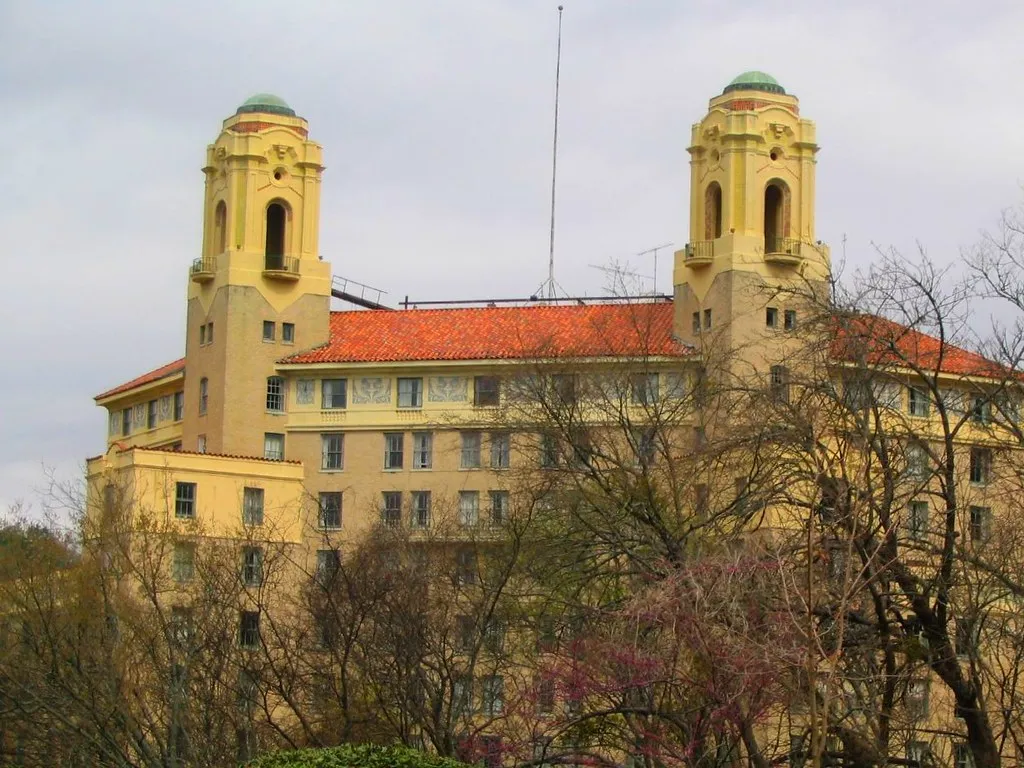
Oaklawn is a legendary thoroughbred racetrack and year-round casino resort in Hot Springs, Arkansas. In operation since 1904, Oaklawn continues to be one of America’s most respected and influential racetracks. For many Arkansas families, a winter trip to Hot Springs and a day at Oaklawn are practically the same sentence.
The 2025-26 thoroughbred racing season began on Friday, December 12, at Oaklawn Hot Springs. It ran through Saturday, May 2, 2026, with the Arkansas Derby, one of the nation’s top Kentucky Derby prep races, scheduled for March 28, 2026. The season’s footprint is deeply winter, which is precisely the point.
Oaklawn wrapped up its 2025-2026 live racing season with strong numbers across the board. Oaklawn conducted 627 races over 62 race days, distributing over $54 million in purses. The daily average purse remained among the strongest in the country. The average daily handle rose to $6,938,183, generating a total meet handle of more than $430 million, surpassing the previous season’s total. Those aren’t small-town numbers.
The Garvan Woodland Gardens Winter Light Festival

Garvan Woodland is a scenic and captivating botanical garden in Hot Springs, offering enchanting sights year-round. During the winter, the gardens showcase an incredible light display with over 7 million lights. It sounds excessive until you’re standing in the middle of it, surrounded by the quiet of the Ouachitas and light threading through bare tree branches.
Twinkling holiday lights are on display from late November to early January, casting a warm holiday glow on this southern town. Families return to this event year after year, often making it the anchor of their entire winter trip. For many, it’s how their children first came to love Hot Springs.
Mild Winters That Don’t Demand Much
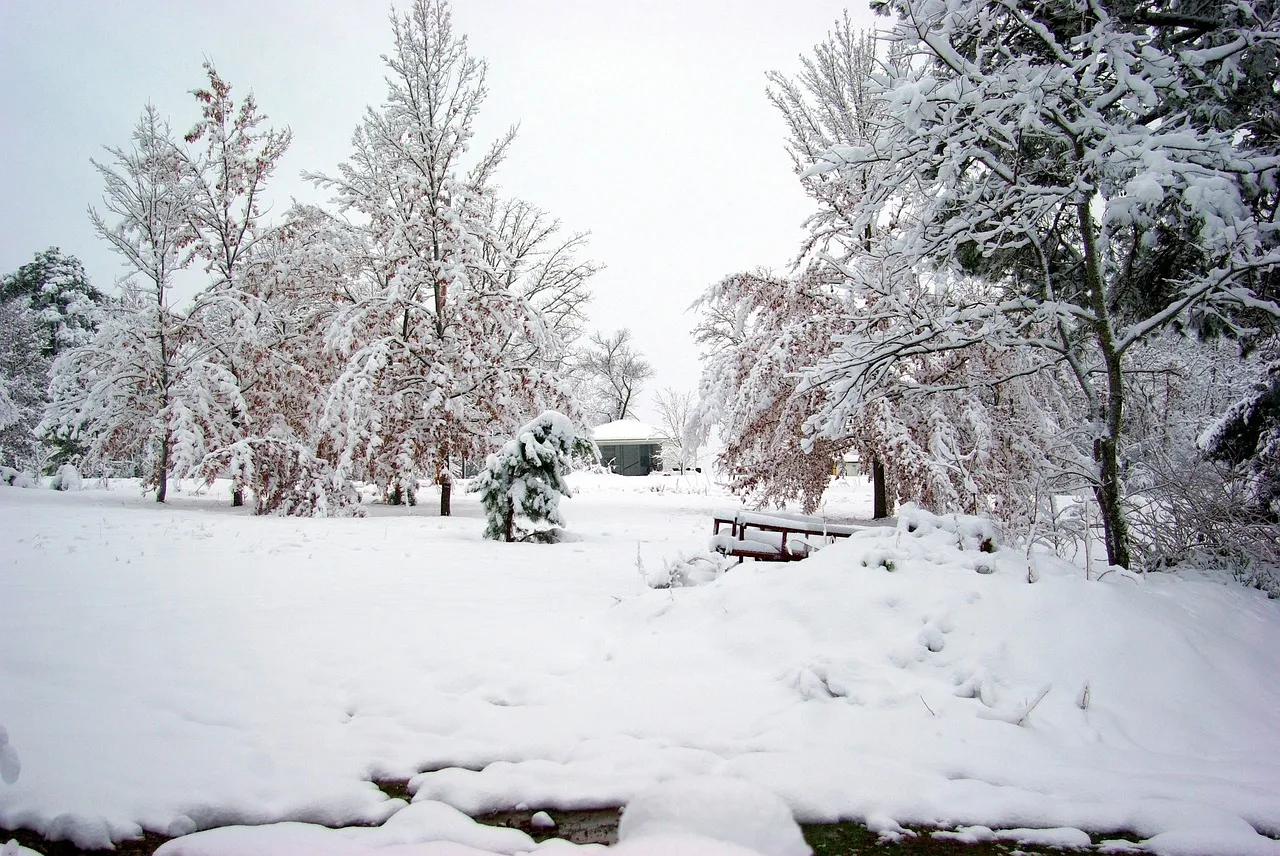
In the state of Arkansas, residents enjoy a mild winter compared to other states, providing a classic Christmas without any harsh conditions. That relative gentleness is part of the appeal. Hot Springs doesn’t ask you to bundle up in three layers or worry about frozen roads every single day.
It’s rare for the area to get snow, but it can happen in December or January. Crisp air and clear trails invite outdoor adventures without the need for snow. From mineral hot springs to hiking through Ouachita forests, visitors can enjoy winter with comfort and ease. The climate is temperate enough that a full day outdoors remains a realistic option on most winter days.
Hiking and Wildlife Without the Summer Crowds
The smallmouth bass streams of the Ozarks and Ouachitas are popular any time of year, but winter makes for a nice time because water levels are just right and rivers are less crowded. The same can be said for the trails in the area, whether your favorite pastime is hiking or mountain biking on trails such as the Northwoods Trails.
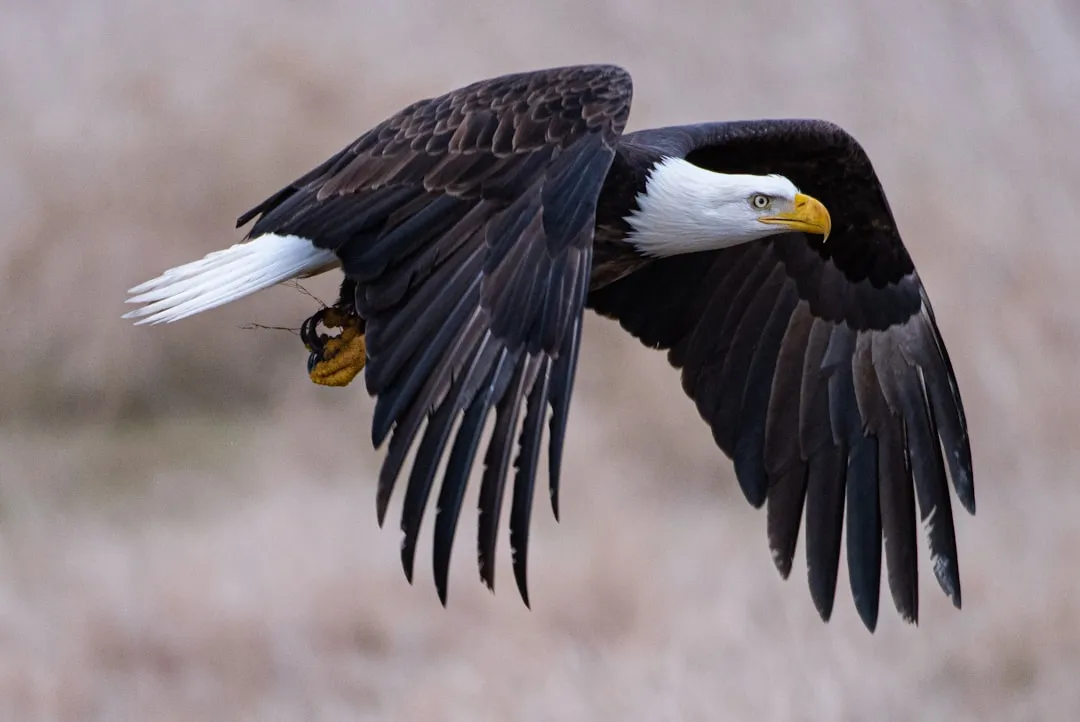
Winter is also a time to watch for wintering bald eagles. State parks in the area offer guided lake tours via a covered barge to try to spot these eagles in the wild. That particular combination, soaking in thermal baths in the morning and watching bald eagles glide over a quiet lake in the afternoon, is genuinely hard to find elsewhere in the South.
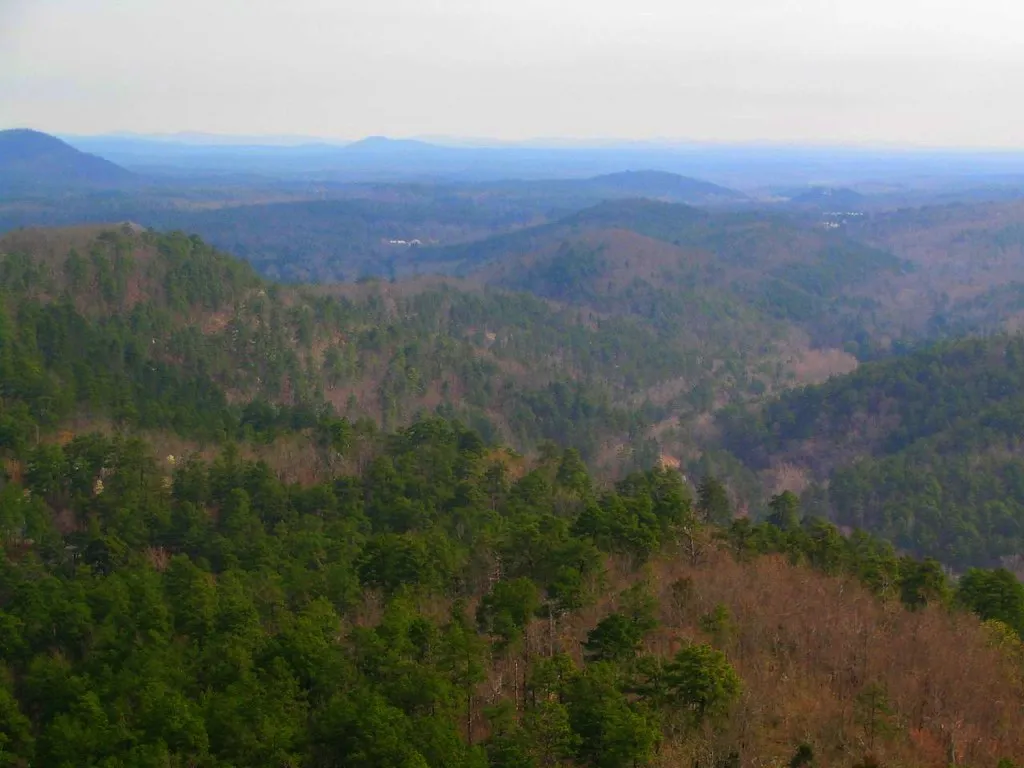
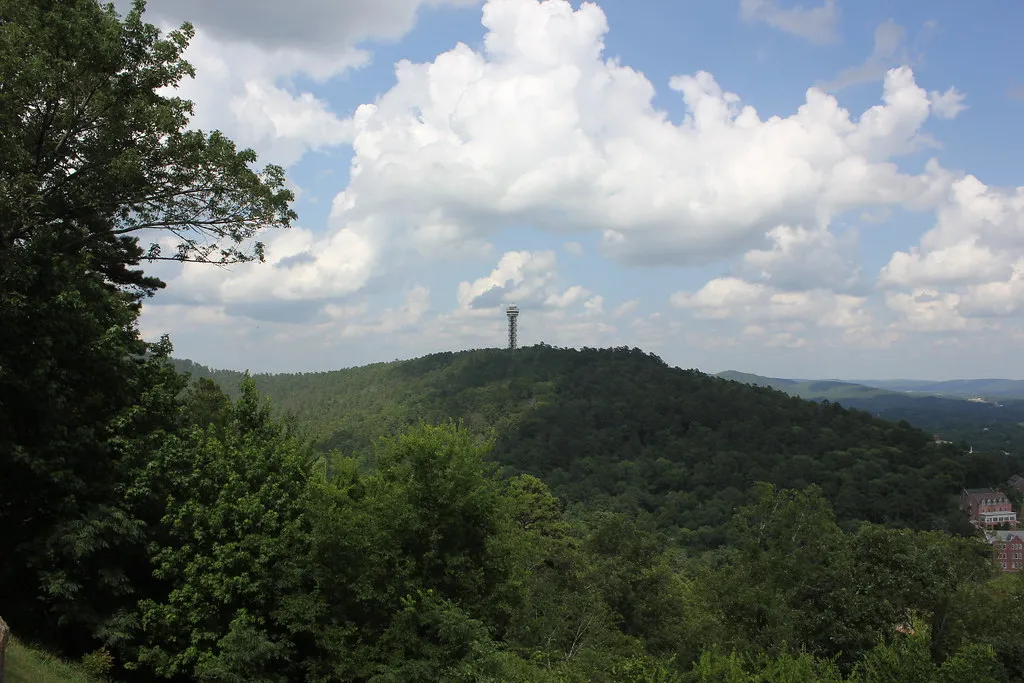
Hot Springs National Park has plenty of hiking trails that lead to scenic vistas and to destinations like the Hot Springs Mountain Tower, which offers an aerial view of downtown Hot Springs and the surrounding Ouachita National Forest. In winter, those views open up considerably as the deciduous trees drop their leaves.
A Film Culture That Persists Through the Cold Months

Hot Springs is known for its prestigious documentary film festival, but in the winter months, visitors can catch encore screenings of the year’s top films. The city has quietly cultivated a serious arts and film identity over the years, one that doesn’t hibernate when temperatures dip.
Following the holiday rush and kicking off the New Year is the Persistence of Vision Film Festival. Held at the Historic Malco Theatre, the event features a wide variety of short films from around the world and from Arkansas. The event also includes workshops and panels featuring filmmakers from around the world. It’s a reminder that Hot Springs rewards curious visitors, not just those looking to unwind.
The Arlington Resort and Hot Springs’ Grand Hotel Legacy
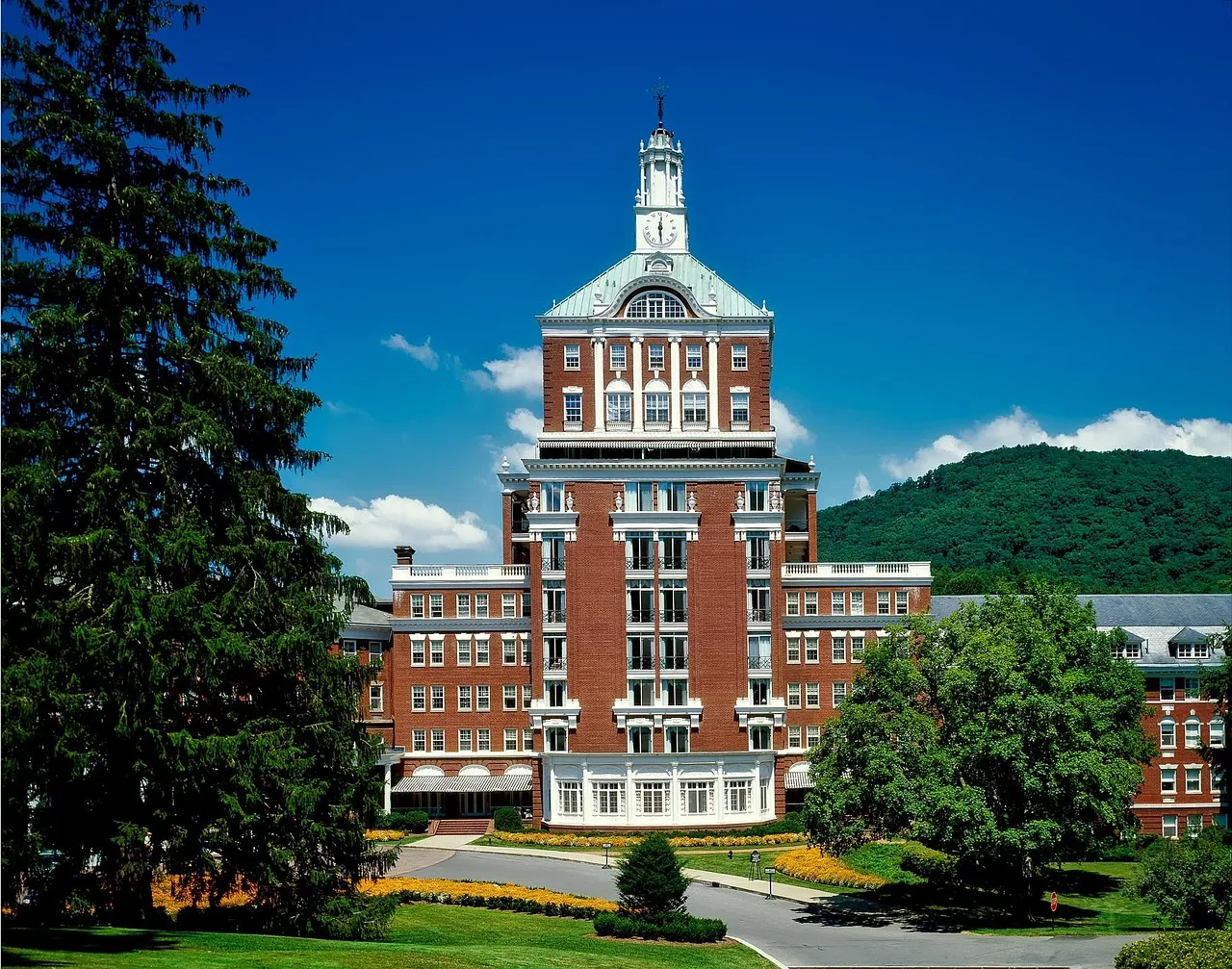
The Arlington Resort Hotel and Spa sits in the heart of Hot Springs, Arkansas, with many attractions within walking distance. It is the largest hotel in the state with 500 rooms and suites. Famous guests have included Babe Ruth, Tony Bennett, and Al Capone. Capone always reserved Room 443. The history practically seeps through the walls.
The Arlington has a historic thermal bathhouse that uses natural hot spring mineral water, which comes directly from local hot springs and is naturally heated. The current building was finished in 1924, replacing older buildings from 1875 and 1892 that burned down. Staying here in winter feels less like a hotel stay and more like borrowing a piece of American history for a few days.
The Quiet Reason People Keep Coming Back
Hot Springs, Arkansas attracts millions of visitors every year, who come to enjoy the warm and soothing waters of the springs, the natural beauty all around, and endless activities in the city. That consistent draw, year over year, across generations, points to something beyond novelty.
When winter takes hold of Hot Springs, Arkansas, this southern town transforms into a subtle yet compelling landscape ideal for those who seek accessible, practical winter adventures without the snow-packed hype. That phrasing captures something true. Hot Springs in winter doesn’t shout. It doesn’t need to.
Originating as rainfall during the same era the Great Pyramids were being built, this world-famous water makes a 4,000-plus-year journey through the Earth and runs freely into this incredibly unique destination. When something that old is waiting for you at the end of a winter drive, returning feels less like a choice and more like a natural rhythm.
The Takeaway
Hot Springs doesn’t have to compete for attention in winter. Its regulars already know the rhythm: arrive when the crowds thin out, sink into 143-degree water that has traveled through the earth for millennia, watch thoroughbreds break from the gate on a cold Saturday afternoon, and walk Bathhouse Row when it belongs, quietly, to the people who are paying attention.
That’s the loop Arkansans keep coming back to close. Not because there’s nowhere else to go, but because very few places have figured out how to offer this much with this little fuss.
AI Disclaimer: This article was created with the assistance of AI tools and reviewed by a human editor.