

There’s something quietly radical about watching an idea from the 1940s outsell the sleekest modern alternatives. Across campgrounds in North America, a small but unmistakable silhouette keeps appearing: rounded nose, tapered tail, warm-toned exterior. The teardrop trailer is back, and this time it’s not just nostalgia driving the trend.
This particular shape was born out of postwar ingenuity and a genuine love of the open road. Today, a convergence of market forces, cultural shifts, and clever manufacturing has brought it roaring back into the mainstream. Here’s a closer look at what’s fueling the comeback, shape by shape, story by story.
The Shape That Started It All
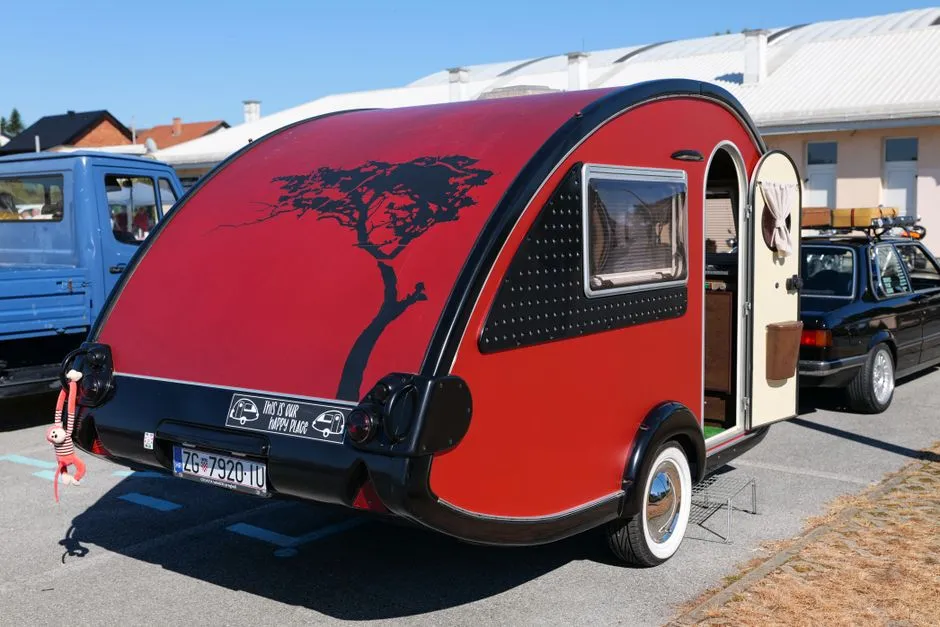
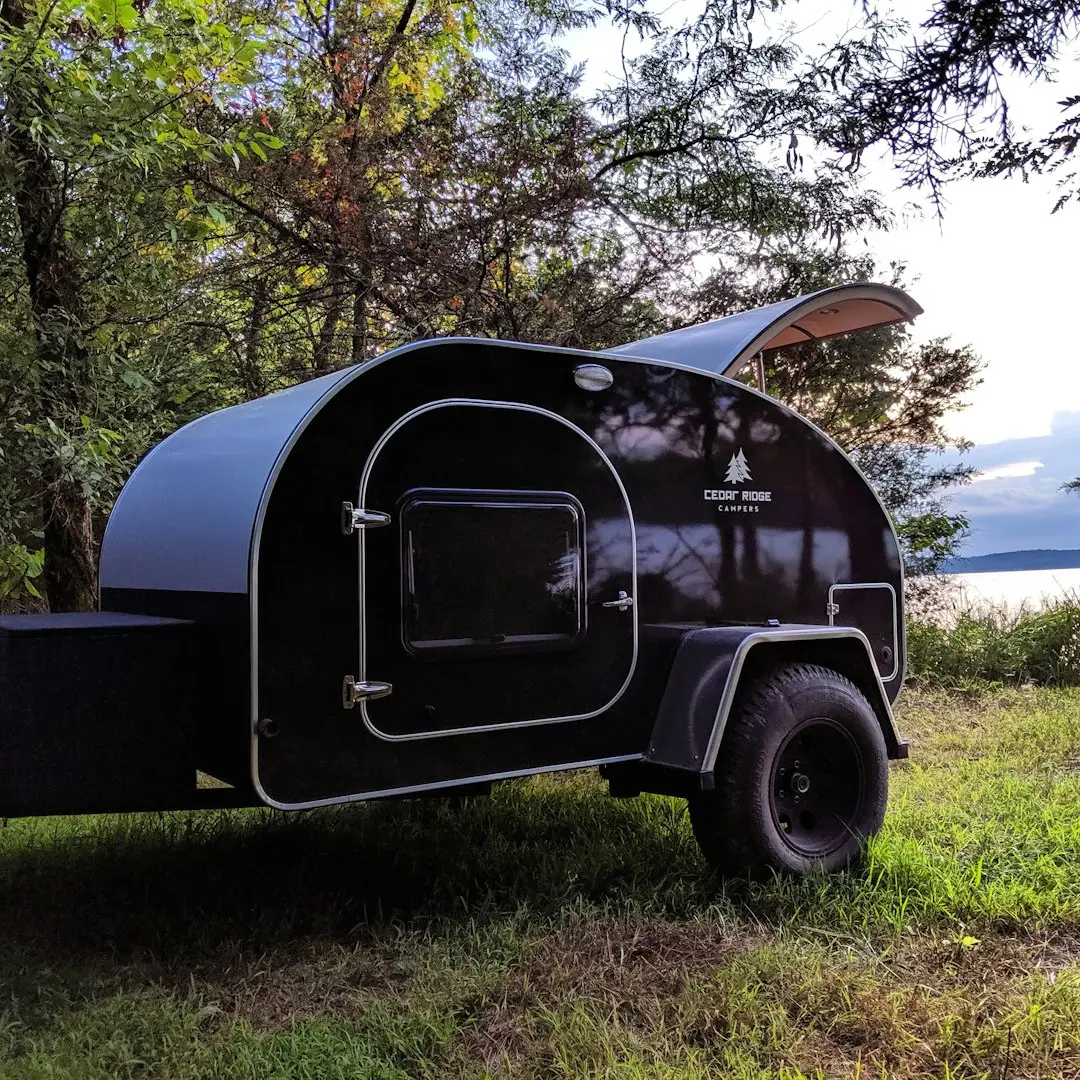
Teardrop camper trailers are recognized for their distinctive aerodynamic teardrop-shaped profile, lightweight construction, and ease of towing with standard passenger vehicles. They have evolved from niche retro novelties into a mainstream segment of the broader recreational vehicle and travel trailer industry.
Classic teardrop trailers hold a share of roughly 60 percent of the global teardrop trailer market in 2025, and these trailers evoke a sense of retro charm that appeals widely to consumers looking for simplicity combined with efficiency. That’s a remarkable dominance for a design aesthetic that’s nearly eight decades old.
Classic teardrop models strike an ideal balance by offering essential amenities such as sleeping quarters and basic kitchenettes without the bulk, making them an accessible choice for a broad range of campers. Simplicity, it turns out, is a feature, not a compromise.
A Market That’s Grown Far Beyond a Niche
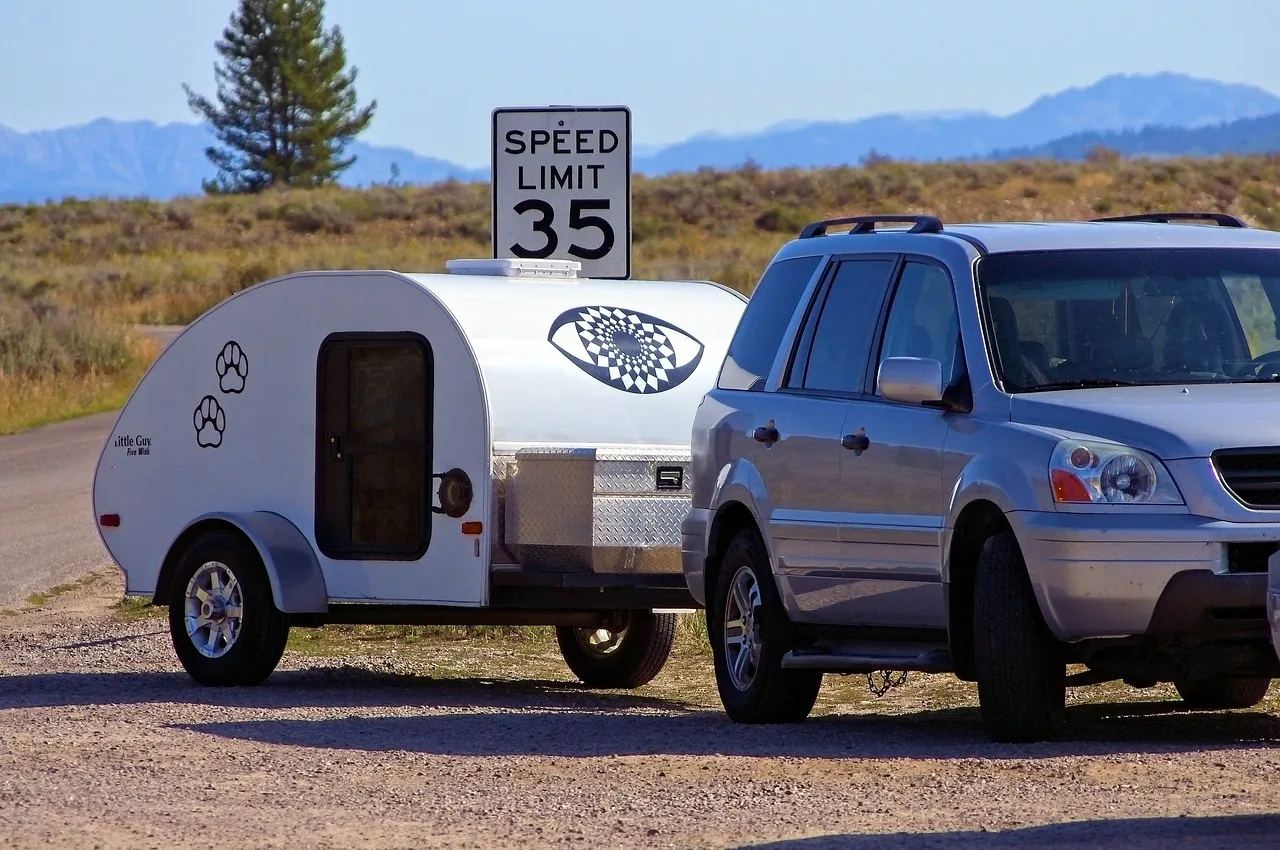
The teardrop trailer market stood at around $2.1 billion in 2024 and is forecast to reach $3.5 billion by 2033, with a compound annual growth rate of 6.3 percent from 2026 to 2033, driven by a growing inclination towards outdoor activities and road trips.
As of 2024, more than 1.8 million teardrop trailers were in active use across North America, Europe, and Asia-Pacific, and in the U.S. alone, over 420,000 new teardrop trailers were registered between 2022 and 2024. These are not the numbers of a hobbyist subculture. This is a mainstream movement with serious momentum.
Classic teardrop trailers remain the primary segment, with leisure and camping accounting for over 65 percent of total revenue in 2024. The design people fell in love with decades ago is the very design still driving the industry forward.
Younger Travelers Are Leading the Charge
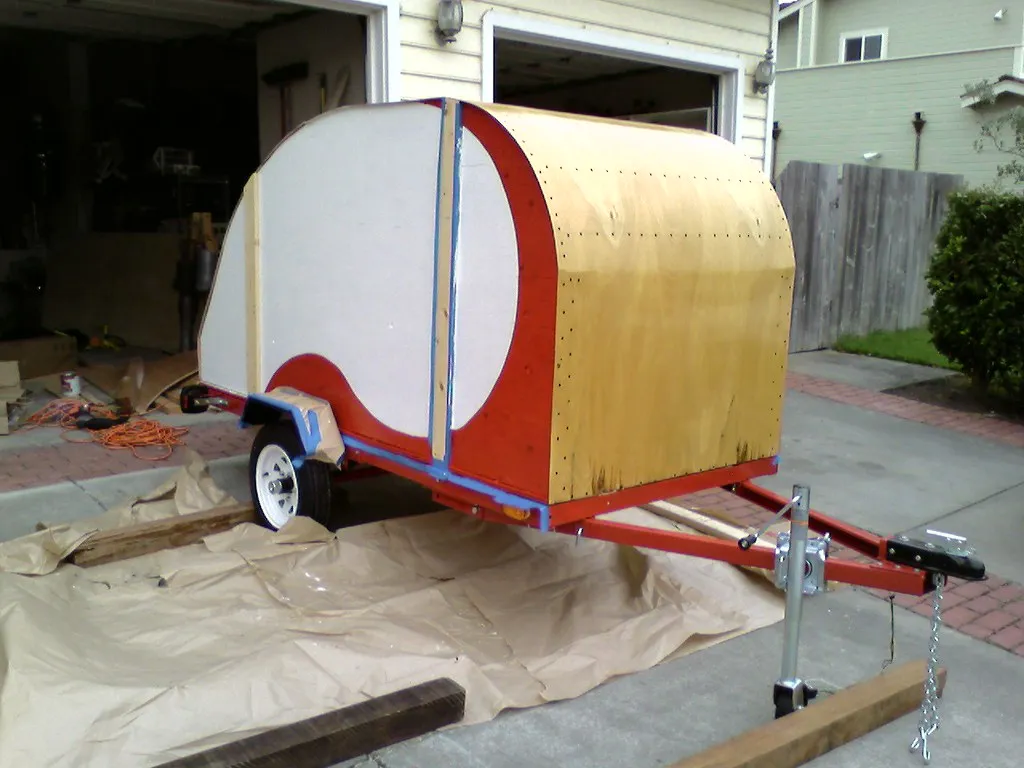
In a 2025 study published by the Recreational Vehicle Industry Association, RV owners are getting younger on average, with the median age dropping from 53 in 2021 to 49 in 2025. That downward shift matters, because it signals a genuine generational adoption rather than a passing curiosity.
As consumers increasingly prioritize experiences over material possessions, the appeal of teardrop trailers has expanded beyond traditional camping enthusiasts. Younger buyers, many of whom grew up seeing these shapes in old photographs and vintage films, are drawn to both the aesthetics and the practicality.
The KOA 2025 North American Camping Report indicates that 51 percent of camping households adopted camping as a primary vacation choice in 2024, up from 38 percent in 2019, and this trend is not cyclical but structural, reflecting deeper lifestyle changes around wellness, nature connection, and experiential consumption.
The Shasta Airflyte and the Power of Exact Replication
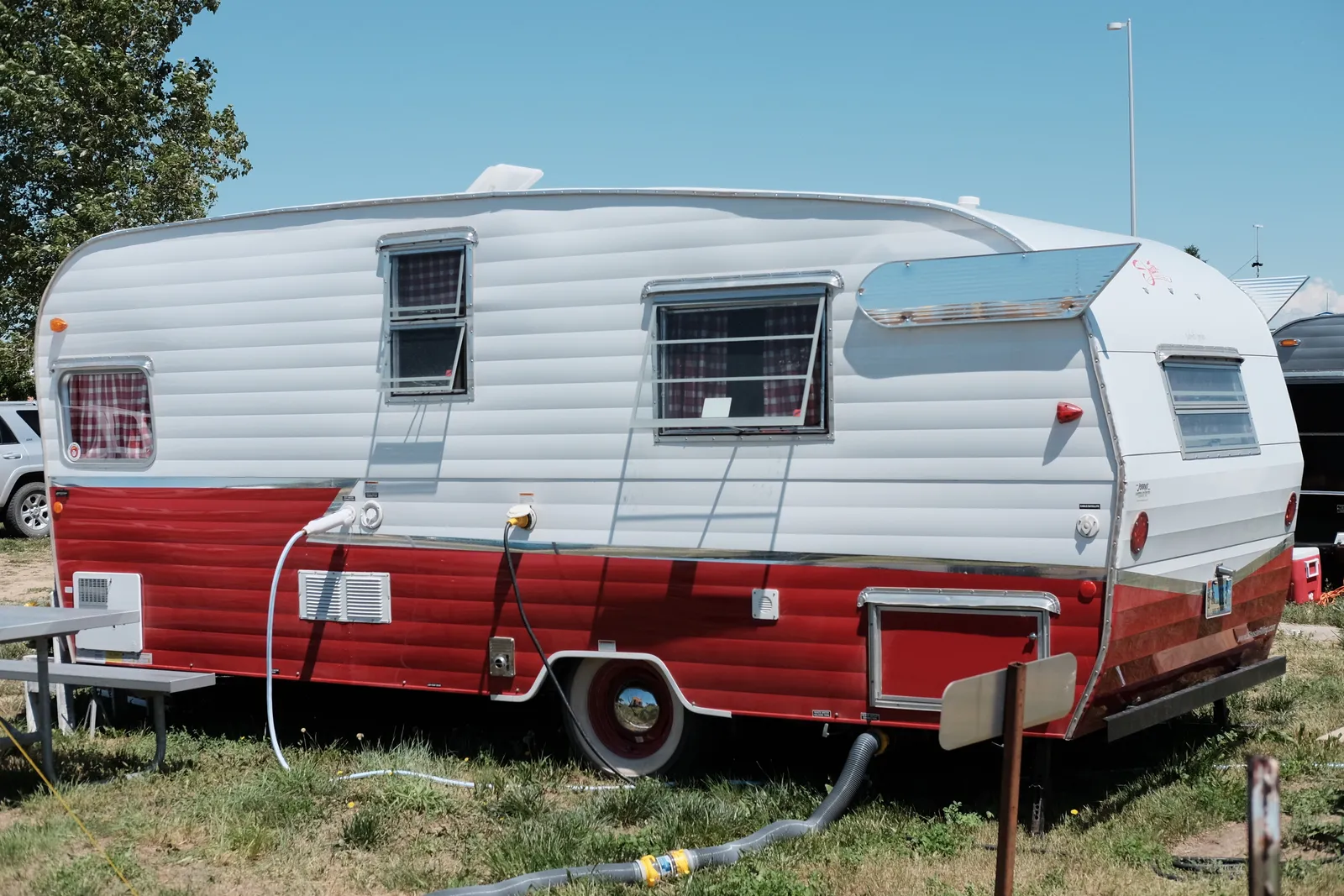
In 2015, Shasta released a limited-edition replica of its classic 1961 Shasta Airflyte, complete with its iconic Shasta wings. This modern-day retro-style travel trailer looks nearly identical to the original, down to the window dimensions and scalloped cabinet doors, yet includes LED lighting, audio and video technology, and modern-day appliances.
Shasta went through the work to take its old trailers and update them to modern specs while keeping the vintage shape, resulting in an electronically welded chassis with powder coat, LED lighting, and modern RV equipment. The goal was preservation without compromise.
When the 2015 Shasta Airflyte travel trailers were first released, they cost between $15,000 and $17,000, and it’s now possible to find them used for less. Compared to retro Airstream models that can cost over $100,000, the Shasta Airflyte sits firmly in the budget-friendly tier.
Airstream: The Silver Bullet That Never Really Left

When it comes to RVs, it doesn’t get much more classic than an Airstream, which began with the small Torpedo model back in 1931 and steadily evolved into the long silver bullet design recognizable the world over. That continuous lineage is part of what makes Airstream a singular case study in design longevity.
Over 75 percent of Airstream trailers are still on the road today, and their aerodynamic aluminum shells, torsion axles, and handcrafted construction make them built to last. That retention rate is almost unheard of in any consumer product category.
Sites like Airstream Marketplace offer hundreds of Airstream trailers for sale, ranging from vintage fixer-uppers to lightly used 21st-century models. Introduced in 2025, certain models now come with retro California-inspired color schemes with names like “Palm Springs Yellow” and “Topanga Turquoise.” Old bones, fresh wardrobe.
Riverside RV and the Boutique Retro Builders
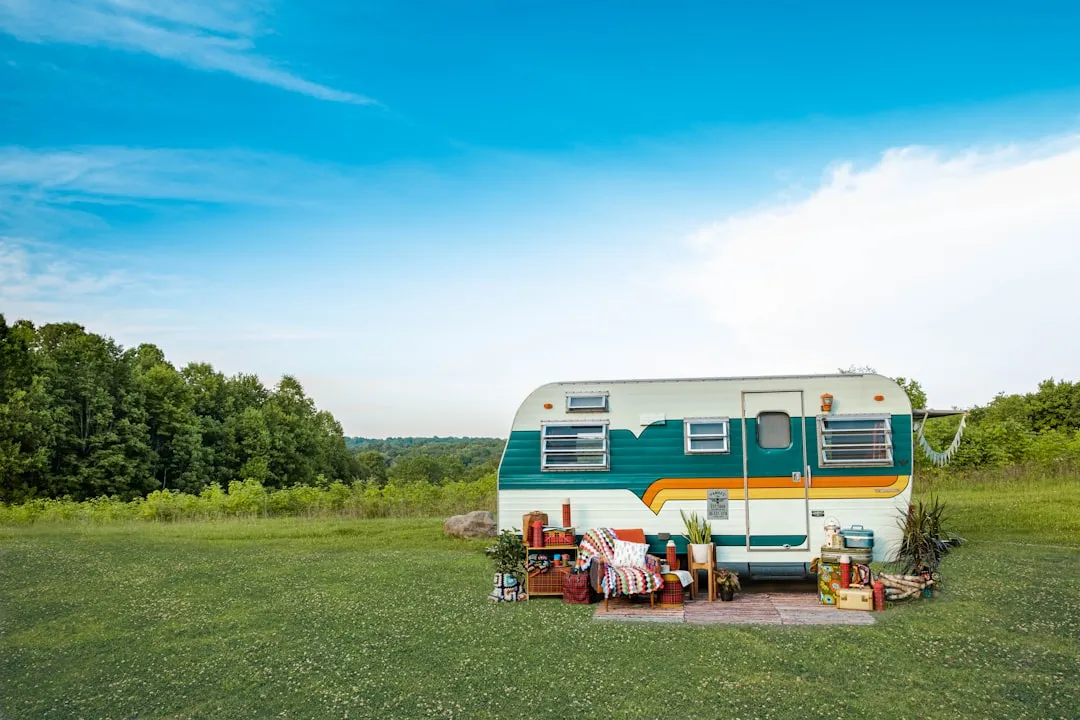
Riverside RV was founded in 2008 with a focus on vintage themes and quality customer service. The brand was acquired by Sunset Park RV in late 2024, but remains in operation. It operated as a small-scale independent camper-trailer builder, and its reputation rests largely on retro theming and a commitment to quality construction.
The brand offers quasi-teardrop-shaped trailer builds and an iconic 1960s-inspired cabover design that includes an upper bunk jutting out above the hitch to provide increased interior living space. That cabover detail alone reads as a love letter to mid-century road culture.
Popular retro-style options in the market today include the Gulf Stream Vintage Cruiser, Airstream, Riverside RV Retro and White Water, NuCamp TAB and Barefoot Camper, Happier Camper, and Shasta Airflyte, each featuring vintage aesthetics with updated amenities.
Modern Technology Hiding Behind Vintage Exteriors
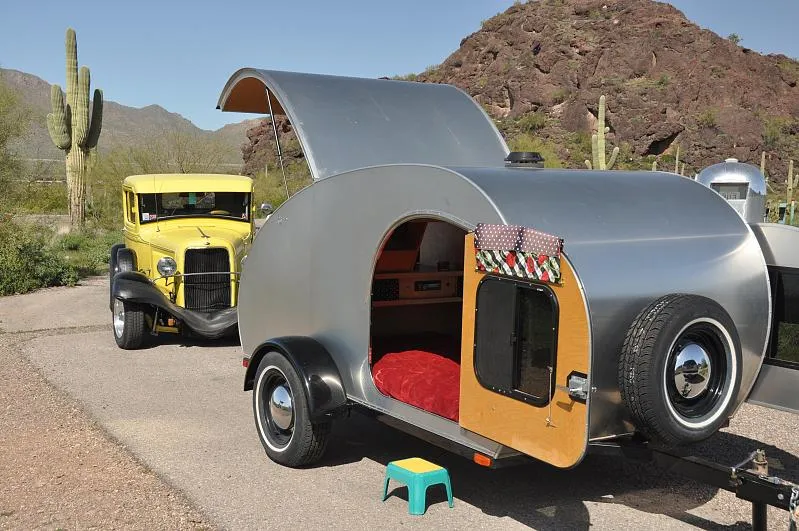
The work-from-anywhere movement, accelerated by remote work adoption across professional sectors, has fueled interest in extended-stay camping and slow travel, directly benefiting teardrop trailer manufacturers who are responding with enhanced connectivity features such as solar panel integration, USB charging ports, and reinforced weatherproofing for year-round use.
The market sees rising demand for eco-friendly and fuel-efficient trailers, integration of smart technologies for improved safety and convenience, and a growing inclination towards minimalist lifestyles. Manufacturers are increasingly focused on customization options and durable, high-quality materials.
These RVs provide various layouts, lightweight towing options, and modern features like solar panels, wet baths, and modular interiors, catering to different camping preferences. The retro look is the storefront. What’s inside is thoroughly current.
The Fuel Economy Factor

These trailers, known for their lightweight design averaging 1,000 to 1,500 pounds, are favored by solo travelers and small families. That weight class makes a real difference at the fuel pump, especially as energy costs remain a persistent concern for travelers.
Rising fuel prices have shifted buyer preference toward more aerodynamic and fuel-efficient towable trailers, further boosting market growth. The teardrop shape isn’t just beautiful. It happens to be aerodynamically sensible, which means every gallon of fuel goes a little further.
Teardrop trailers are more pleasant than sleeping in a tent and less difficult to set up than a large RV. They’re simple to move into isolated locations since they’re so light, and most cars with a hitch can tow one. That accessibility is a genuine competitive advantage in a category that can otherwise feel intimidating to newcomers.
The Rally Culture Keeping Vintage Design Alive
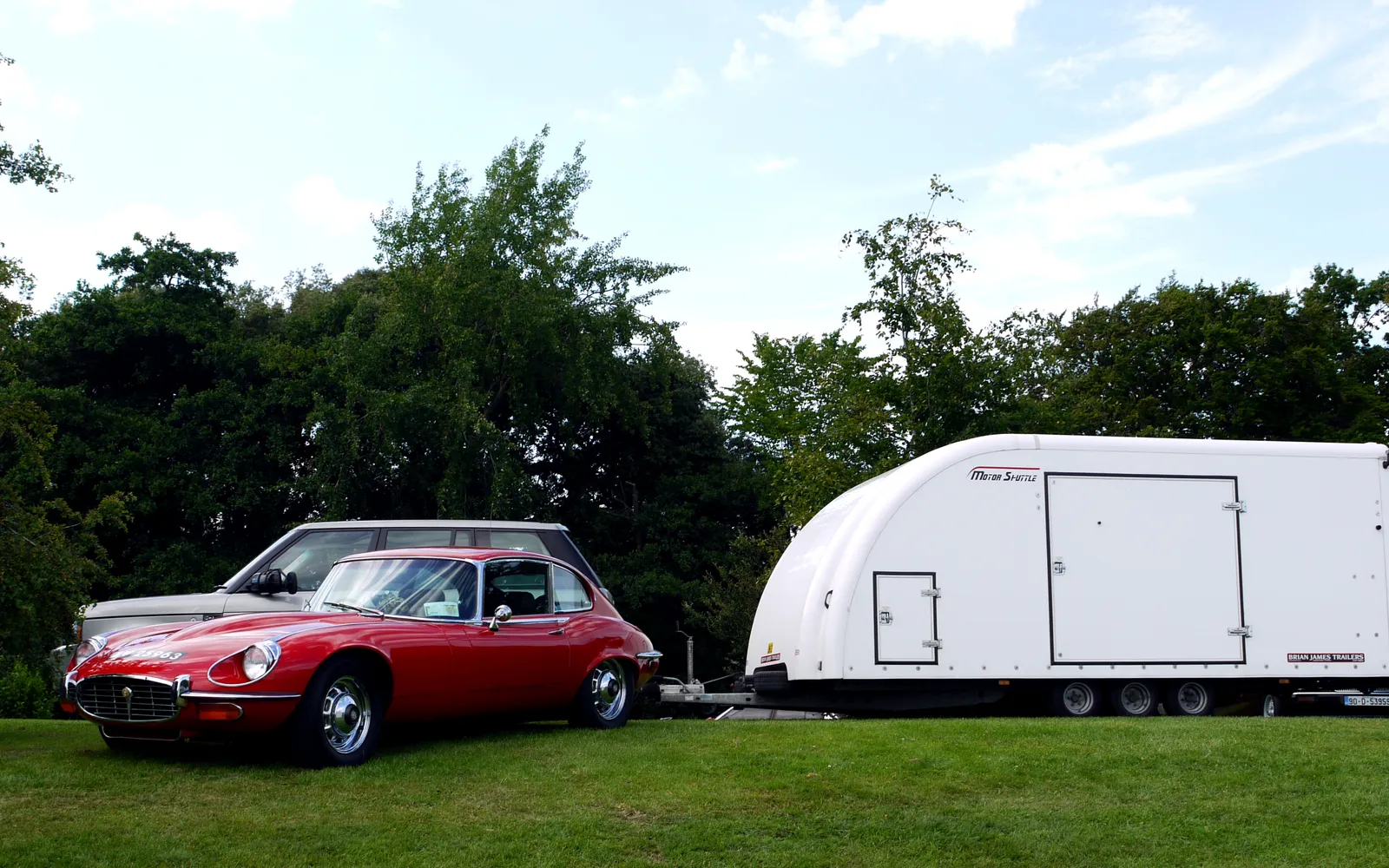
One of the standout features of Palm Springs Modernism Week is the Vintage Trailer Show, which transports visitors back in time with a stunning display of beautifully restored vintage trailers. Whether you’re a fan of Airstreams, Shastas, Spartans, or other classic models, there’s plenty to admire and inspire.
Palm Springs Modernism Week celebrates the iconic architecture, art, fashion, and culture of the mid-20th century, drawing enthusiasts from around the globe to sunny Palm Springs, California. Events like this do more than entertain – they sustain the design literacy that keeps vintage trailer culture credible and connected.
Community gatherings, online restoration groups, and dedicated publications have built a subculture around these trailers that goes well beyond owning one. The social dimension is real, and it genuinely amplifies the appeal of the whole category for newcomers.
The Value Retention That Surprises First-Time Buyers
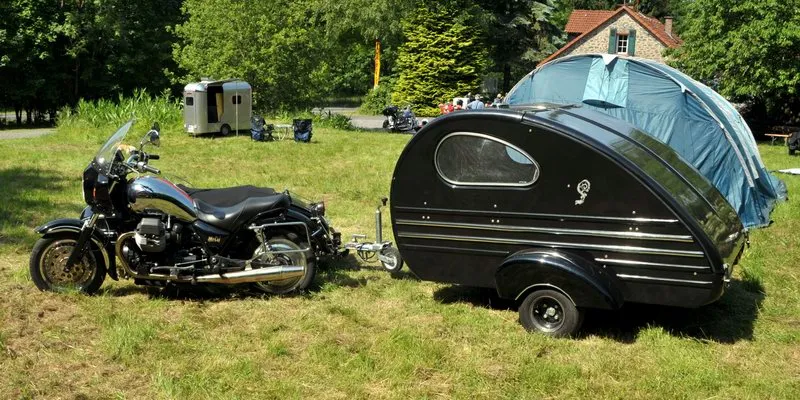
With an average resale rate of 72 percent within the first five years, teardrop trailers are considered one of the highest value-retaining recreational vehicles in the market. For many buyers, this changes the calculus from “leisure purchase” to something closer to a considered investment.
The average production time for a teardrop trailer has also decreased from 30 days in 2020 to 18 days in 2024, indicating streamlined manufacturing. Faster production, combined with strong resale values, is attracting buyers who might previously have dismissed the category as impractical.
Approximately 63 percent of teardrop trailer users prefer off-grid camping, reflecting their popularity in remote adventure tourism. That preference aligns neatly with how the broader travel mood has shifted since the early 2020s, toward more intentional, less crowded experiences.
The Road Ahead for Retro Design

The global teardrop trailer market is experiencing robust growth, driven by a resurgence in outdoor recreation and a shift towards experiential travel, and is projected to grow from around $2.38 billion in 2025 to $3.67 billion by 2032. The trajectory is clear, and it doesn’t appear to be slowing.
The sustained post-pandemic enthusiasm for domestic travel and outdoor adventure has continued to fuel robust demand, with the U.S. Outdoor Industry Association reporting that more than 168 million Americans participated in at least one outdoor activity in 2024. That pool of participants is the market these manufacturers are drawing from.
The teardrop trailer market is experiencing significant transformation driven by consumer preferences for minimalism, mobility, and sustainability. Those three values – minimalism, mobility, sustainability – happen to be exactly what the teardrop shape was engineered to embody, decades before they became cultural touchstones.
Why This Comeback Feels Different
AI Disclaimer: This article was created with the assistance of AI tools and reviewed by a human editor.