


Most people walk into a hostel, take whatever bunk they’re handed, and spend the next three nights listening to a stranger’s snoring through the wall. It doesn’t have to go that way. There’s usually a quieter room, a better bunk, a corner bed away from the bathroom door – and a surprisingly simple way to ask for it.
The trick isn’t a hack or a loophole. It comes down to how you communicate with the staff who run these places and how you understand the rhythms of a shared-accommodation property. Hostel culture rewards the curious, the polite, and the prepared.
Ask “Which Dorm Has the Fewest Beds?” at Check-In
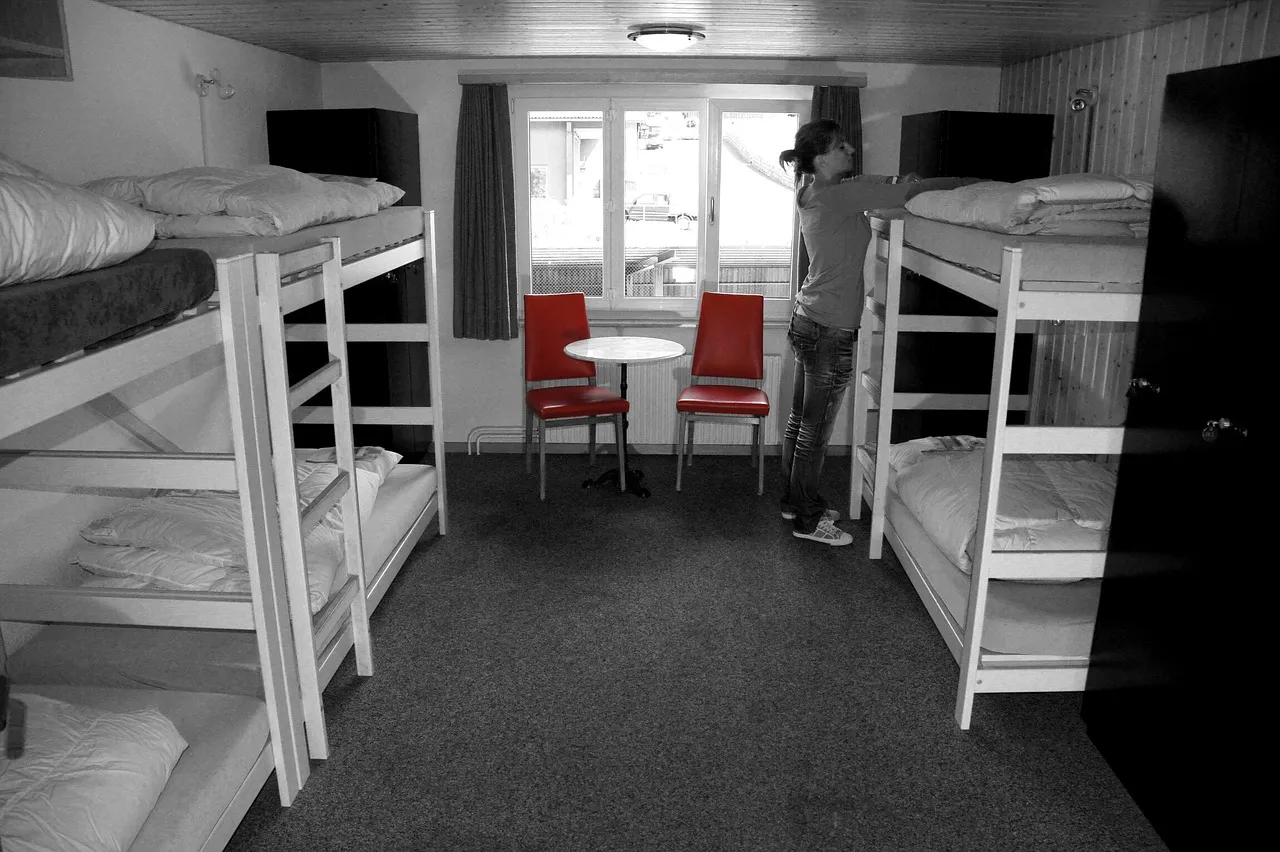
This is the question that experienced hostel-goers swear by, and it works for a straightforward reason: fewer beds typically means fewer people moving around at 2 a.m. Most hostels offer shared rooms and bathrooms, and some have larger or smaller dorms, so knowing your comfort level with shared sleeping spaces matters before you choose. The staff at the front desk almost always know which room is the least trafficked that night, and they’re generally happy to help if you ask plainly and kindly.
Keep the question simple and direct. Don’t ask for a “better” room, because that word means different things to different people. Ask specifically about bed count, location in the building, or proximity to the communal bathroom. Specificity signals that you’re a thoughtful guest, not someone demanding a free upgrade.
Understand the Noise Landscape Before You Even Arrive
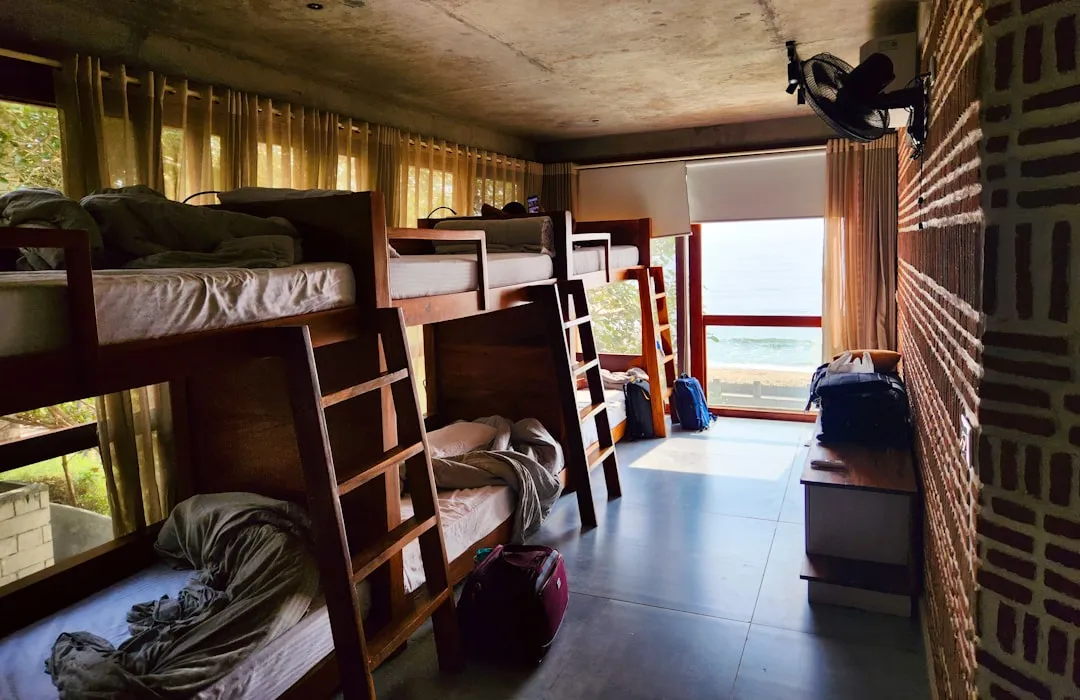
Some travelers avoid hostel accommodations entirely because of noise levels, overcrowding concerns, and limited personal space within shared dormitory facilities. That’s a shame, because much of it is avoidable with a little advance research. Before you book, read recent reviews and filter specifically for comments about noise, room location, and sleep quality rather than the social atmosphere overall.
Research from the Global Wellness Institute shows that roughly two thirds of travelers report worse sleep while away, with noise cited as the top disruptor by about three quarters of respondents. Hostels exist within that reality too. Knowing which floor, which wing, or which room type tends to be quietest is information you can gather before you even land.
Time Your Check-In Strategically
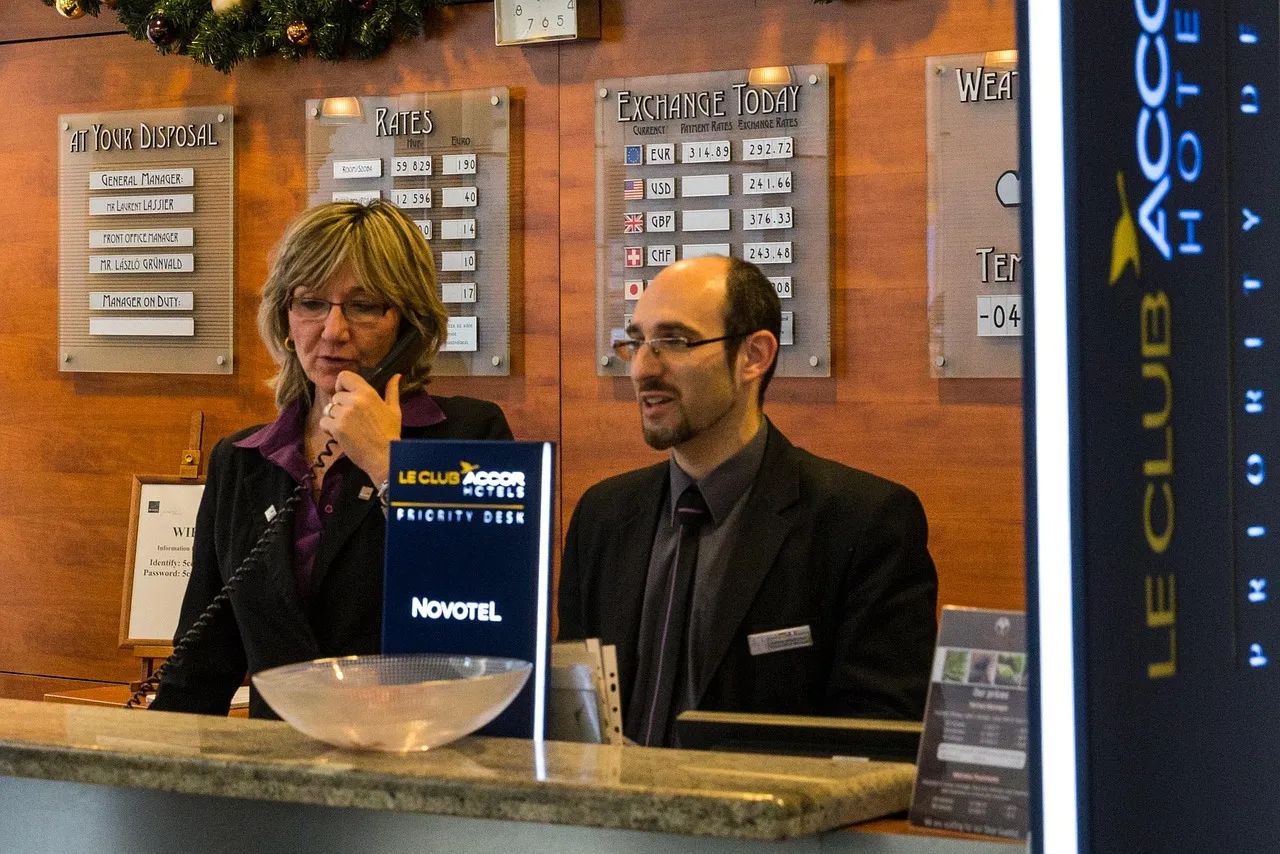
Hotel and hostel staff tend to be in a better mood once the busiest arrival wave has passed. They’re less stretched, and they have a clearer picture of which spaces are still open. Arriving slightly later in the day, or simply waiting out the busy check-in period, improves your chances of being offered a quieter, less-filled room.
This applies to hostels just as much as it does to traditional hotels. The first wave of check-ins usually happens in the early afternoon. If your schedule allows, arriving around early evening often means the front desk has room to breathe and room assignments to consider more carefully.
Book Directly When You Can

According to Cloudbeds’ 2026 State of Hostels report, which draws on 32 million bookings across thousands of properties in 180 countries, OTA platforms now account for nearly three quarters of hostel bookings globally. OTA bookings recorded a cancellation rate of over twenty percent, compared to just over nine percent for direct bookings. That gap matters to hostel owners, and they notice it.
When you book directly through a hostel’s own website or by calling them, you become a more visible guest before you even arrive. You’re easier to communicate with, more likely to show up, and more likely to express a specific preference in advance. That pre-arrival relationship opens the door to a quiet-room request that an OTA booking simply can’t facilitate.
Ask About the Layout, Not Just the Room Type

Hostel rooms span a wide range, from mixed dorms and female-only dorms to private rooms and everything in between. Room labels like Standard Private or Deluxe Private can have subtle differences that aren’t always clear from the listing alone, so verifying what a room actually includes before booking is genuinely worth doing.
Beyond the room category, the physical position of a room within the building shapes everything. A ground-floor room near the main entrance catches every arrival and departure. A room above the bar, if the hostel has one, carries its own obvious risks. Ask the owner or staff where the room actually sits in the building. That one question tends to reveal more than the room type ever could.
The Private Room Segment Is Quietly Growing

Dormitory rooms accounted for roughly two thirds of hostel industry revenue in 2025, driven largely by budget-conscious millennials and Gen Z travelers. Still, the picture is shifting. The private rooms segment within hostels is projected to grow at a compound annual rate of over nine percent between 2026 and 2033. That means more options are becoming available to travelers who want the hostel experience without the communal sleep arrangement.
If a private room isn’t in your budget at booking, it’s still worth asking at check-in whether any private rooms are unexpectedly empty. A mid-evening upgrade to a private room is often easier to secure than waiting until midnight. The gap between “sold out” and “actually occupied” can be wider than you’d expect on a slow night.
Be Specific About Your Sleep Needs

Telling a hostel owner that you’d like a “quiet room” is fine, but telling them why tends to go further. Early flight the next morning? Long journey behind you? Working remotely and needing a proper night’s sleep? These details help staff match you to the right space rather than just guessing what “quiet” means to you.
Other guests in shared dorms often want to nap, work on a laptop, or read quietly, making the dorm room itself a naturally lower-energy space when guests treat it as such. The more active socializing naturally flows to the communal areas. When you signal that you’re a considerate, low-disruption guest, staff notice. It makes them more inclined to put you somewhere that rewards that.
Politeness Works Differently Here Than at Hotels

At a large chain hotel, politeness is a professional courtesy. At a small hostel run by its owner, it’s a genuine relationship. The most important thing to do when pursuing a better room assignment is to ask in a friendly manner. Hostel staff in particular respond to guests who treat them like humans rather than a service desk.
Learn the name of the person checking you in. Ask how their day is going before you ask for anything. This isn’t manipulation; it’s basic decency that also happens to work. In small operations where one person manages rooms, front desk, and local recommendations simultaneously, that warmth goes a long way.
Take Advantage of the Hostel’s Local Knowledge

Hostel staff and long-term guests often know the best local spots that aren’t overcrowded with tourists, from restaurants to cafes to scenic detours that don’t appear on mainstream travel platforms. The same staff who can tell you about a quiet neighborhood dinner can also tell you which corner of the building never gets foot traffic after 10 p.m.
This exchange of knowledge is part of what makes hostel culture genuinely distinct. Hostels are increasingly evolving into lifestyle hubs, particularly in urban and heritage destinations, offering not just beds but curated experiences including city walks, language exchanges, and sustainability workshops. Engaging with that culture, rather than just passing through it, puts you in a better position at every point of your stay.
The Hostel Market Rewards Guests Who Engage

The global hostel market was valued at over eight billion dollars in 2025 and is projected to nearly double by 2034, growing at nearly eight percent annually. Competition among properties is intensifying, and owners increasingly understand that returning guests and positive word-of-mouth matter far more than any one-night transaction. The industry has evolved from purely utilitarian, low-cost dormitory accommodation into a diverse ecosystem encompassing boutique properties, curated design, and experience-led stays.
That evolution means hostel owners are more invested in your experience than ever before. They want you to sleep well, recommend them to others, and come back. Asking the right question at the right moment isn’t just a travel hack. It’s a natural part of the mutual respect that good hostel culture runs on.
The Quiet Room Is Usually There – You Just Have to Ask

Most hostels have a room that stays calmer than the rest. It might face the courtyard instead of the street. It might be on the top floor away from the kitchen. It might hold four beds instead of twelve. The staff know which one it is. They know it the moment you ask with genuine curiosity rather than entitlement.
The question that gets you there doesn’t have to be clever or rehearsed. Something as straightforward as “Which room tends to be the quietest on a night like tonight?” does the job most of the time. It’s informed, it’s respectful, and it shows the person behind the desk that you understand how shared accommodation actually works. That understanding, more than anything else, is what opens the right door.
AI Disclaimer: This article was created with the assistance of AI tools and reviewed by a human editor.