

There’s a quiet seacoast city in New England that most travelers drive straight past on their way to Boston or Maine. It sits at the mouth of the Piscataqua River, its streets lined with Georgian mansions, its waterfront carrying the faint memory of mast timber and trade ships. Portsmouth, New Hampshire, has all the bones of a great historic discovery – and right now, more curious travelers are finally paying attention.
It isn’t flashy in the way that bigger heritage destinations can be. There are no theme park queues or overpriced shuttle buses. What Portsmouth offers instead is something rarer: nearly four centuries of layered American history that you can walk through at your own pace, on foot, in a downtown that still functions as a real, breathing community.
A City That Predates the Nation by More Than a Century
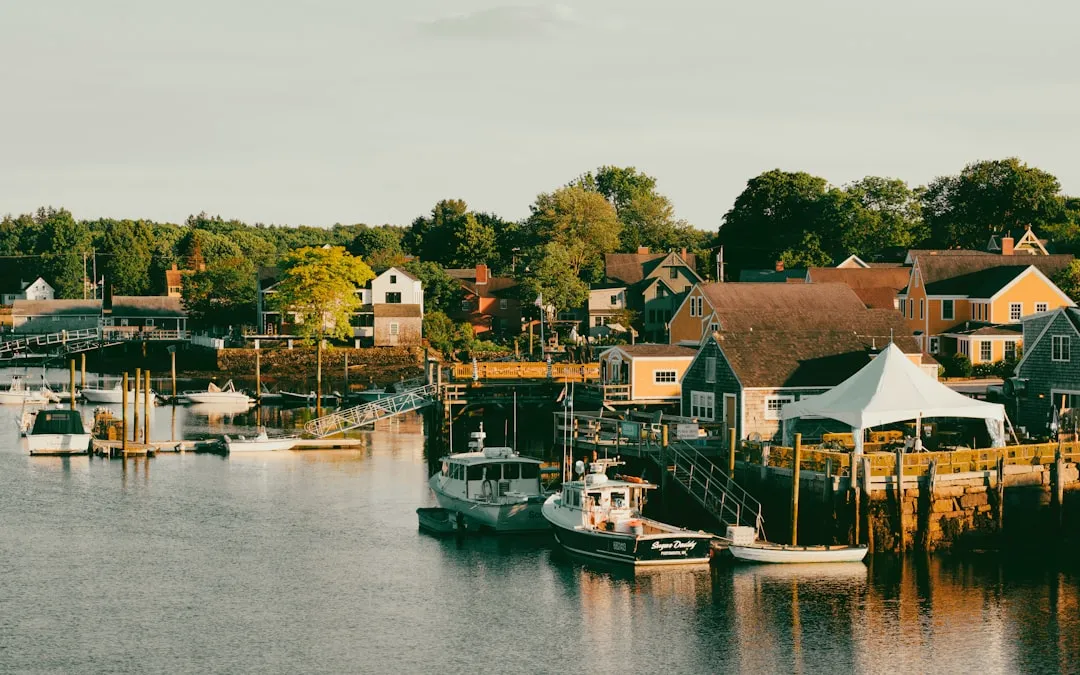
Portsmouth is New Hampshire’s oldest settlement, second oldest city, first capital, and only seaport. A fishing settlement was established at the river’s mouth as early as 1623, and what began as a modest outpost called Strawbery Banke grew into a bustling colonial port. The town, incorporated by Massachusetts in 1653 and named for Portsmouth, England, served as the seat of New Hampshire’s provincial government until the American Revolution.
By colonial times, Portsmouth was New Hampshire’s colonial capital and the main center of settlement, trade, and government. That longevity – more than four hundred years of continuous habitation – gives the city a depth that few American towns can genuinely claim.
The “Strawbery Banke” Origins and What They Reveal

The town was initially called “Strawbery Banke” due to the wild strawberries found along the Piscataqua River. From the start, colonizing New Hampshire was largely a business proposition. The nation’s earliest British land speculators hoped to reap profits from New England, and when no trade route to China materialized, investors settled for what the area genuinely had to offer: rich fishing grounds, endless acres of timber, and furs traded with Indigenous peoples.
In the 1600s, the maritime center was on Great Island, now New Castle, until the riverfront area known as Strawbery Banke was developed in the 1680s. The ice-free, deep-water anchorage along this fast-running tidal thoroughfare was the very reason a settlement took root. The pragmatism baked into Portsmouth’s founding is part of what makes it so historically honest.
A Maritime Powerhouse That Supplied the King’s Navy
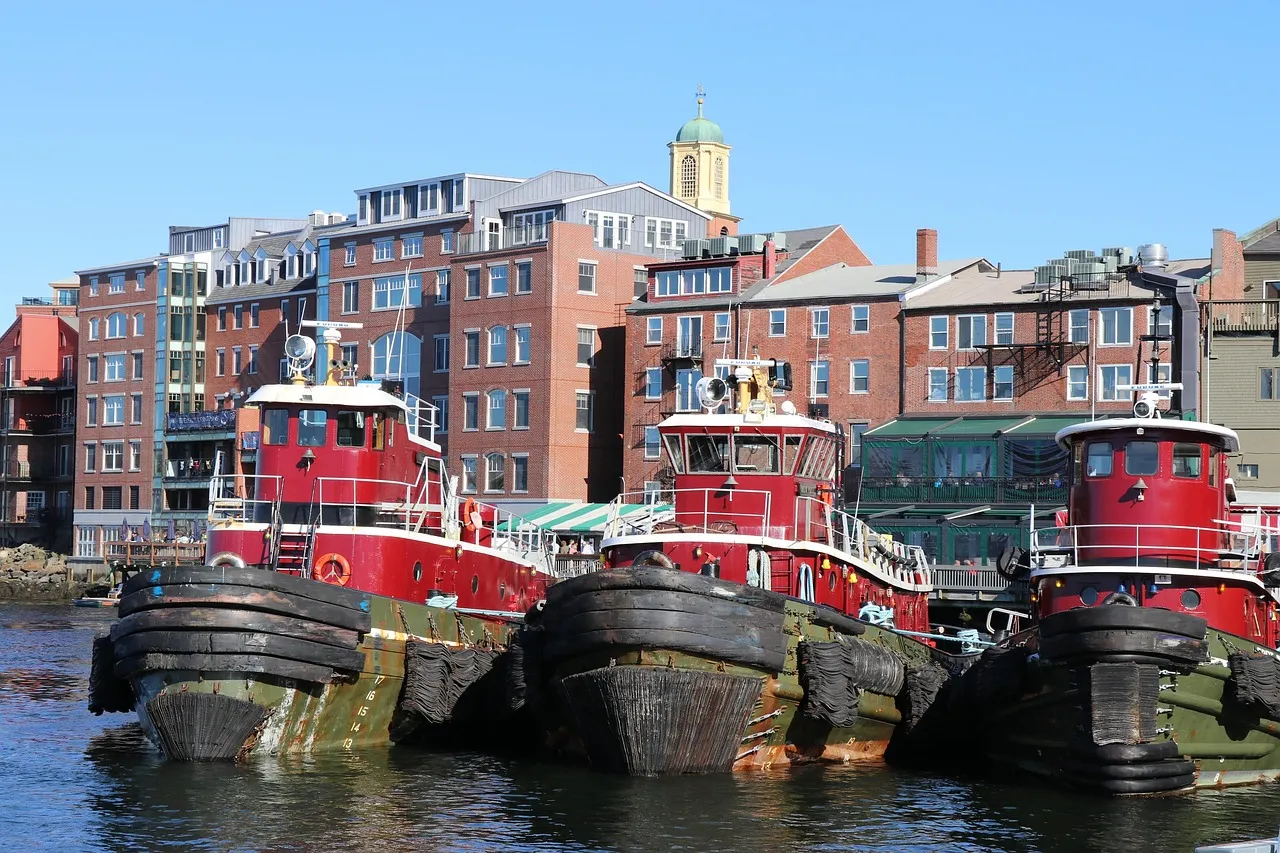
Portsmouth grew from a small town in the 1600s, where mast trees were carried to supply the King’s Navy, to become one of the most important ports of the Colonial Era. For most of the seventeenth and eighteenth centuries, Portsmouth was a major shipbuilding center.
Portsmouth played a crucial role in shipbuilding and trade, emerging as one of the busiest ports on the Atlantic coast. During the 18th century, it was a hub of maritime trade and shipbuilding, and it played a significant role in the American Revolutionary War, serving as the site of the Portsmouth Naval Shipyard, which contributed to the construction of naval vessels for the Continental Navy.
The Revolution Began Here Earlier Than Many People Know
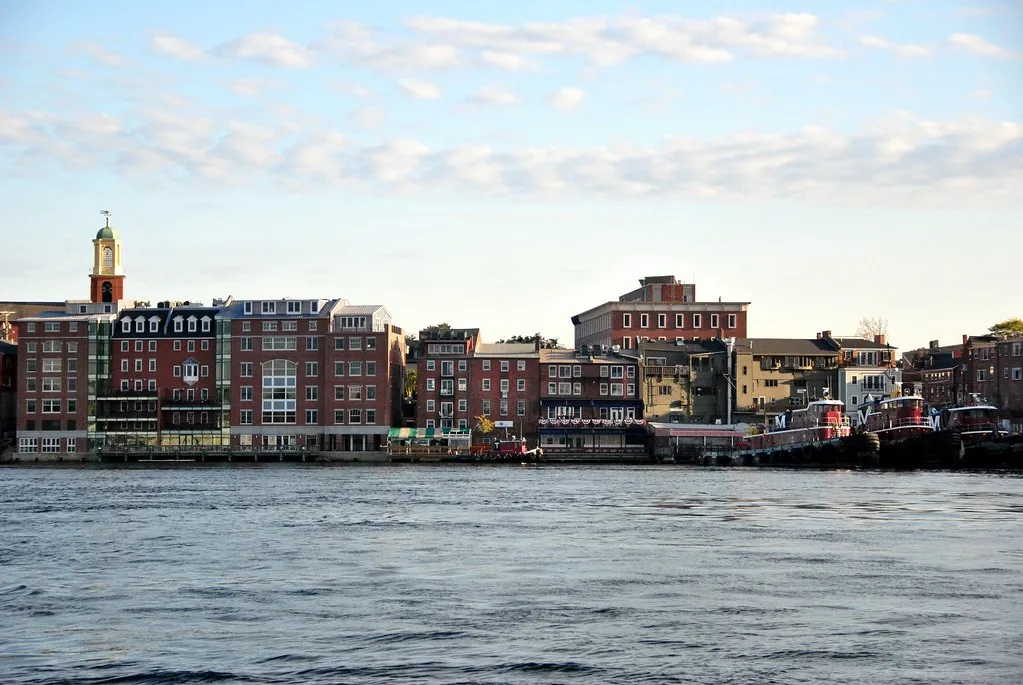
The region’s historical significance is further highlighted by events such as the seizure of Fort William and Mary in 1774, an early act of rebellion against British rule. During the American Revolution, the men of Portsmouth sailed with John Paul Jones, liberated gunpowder from Fort William and Mary at nearby New Castle, and fought at the Battle of Bunker Hill.
The city’s historic buildings include the John Paul Jones House, built in 1758, where the naval commander once lived, alongside the home of John Langdon from 1784, a three-term governor of New Hampshire. These aren’t recreated structures – they are the actual buildings, still standing on the same streets.
Strawbery Banke Museum: A Living Neighborhood, Not a Theme Park

Strawbery Banke Museum is a ten-acre restoration of historic houses and shops dating from 1695 to the 1950s, situated on the original site. The museum showcases restored colonial buildings, reflecting the community’s commitment to preserving its heritage.
Few cities can boast as many authentic Colonial and Federal homes open to the public. Strawbery Banke Museum has conserved an entire neighborhood of homes and shops, and almost a dozen additional noteworthy homes equipped with original furnishings are fascinating sites to explore. Centuries of history come alive through original homes, costumed interpreters, and gardens. It feels less like a museum visit and more like wandering into a neighborhood that simply never left its past behind.
A Forgotten Chapter: Slavery and the Black Heritage Trail
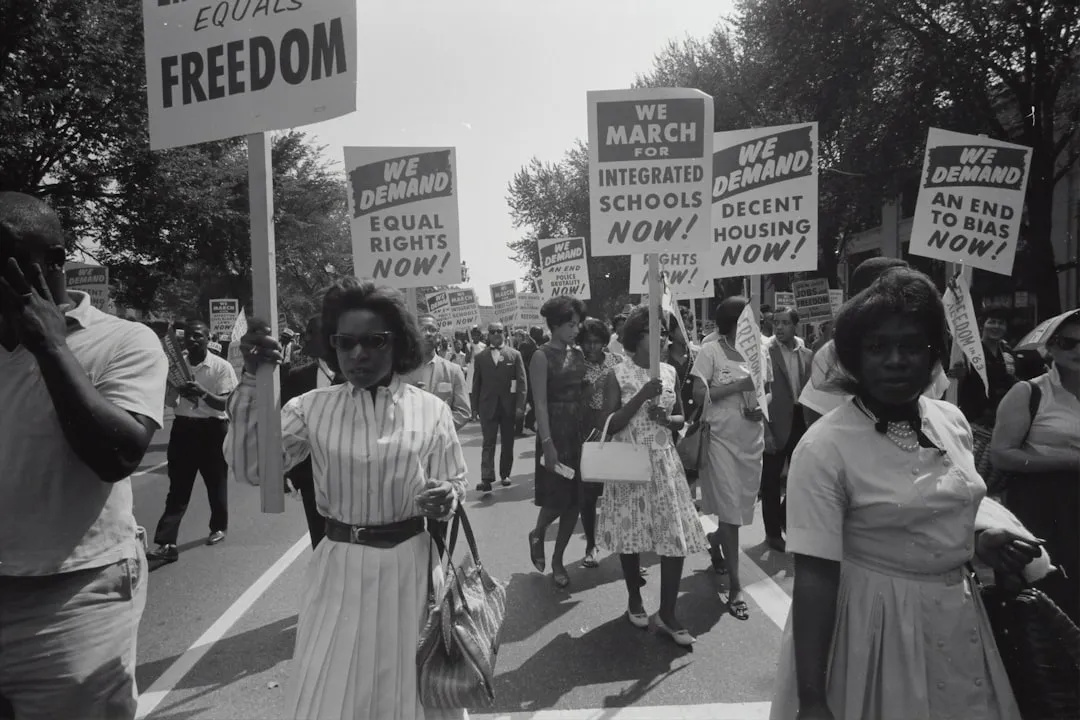
The development of Portsmouth’s shipping and shipbuilding industries made it a key part of the “Triangle Trade,” and it profited both from the importation of enslaved Africans to the Americas and from the use of enslaved people in building its shipping and trade industries. In 2003, during a construction project, a burial ground of African Americans was discovered.
A 1775 census recorded 656 African enslaved people in New Hampshire. The majority lived in Portsmouth, where the Black Heritage Trail today celebrates African American culture during the Colonial and Federal periods, following a route from the wharves to the People’s Baptist Church on Pearl Street, with signage identifying sites and conveying the histories of the people connected to them. This trail is one of the most honest and thoughtfully curated heritage walks in New England.
Georgian Architecture Preserved Almost by Accident
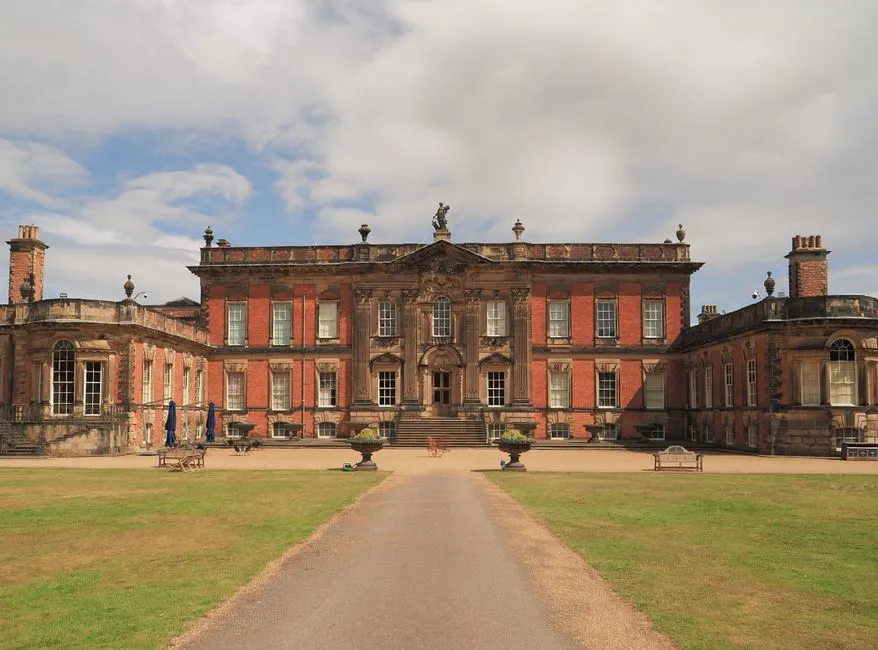
The historic center of Portsmouth is filled with homes and businesses in buildings that show off the city’s past. There are fine examples of colonial, Georgian, and Federalist architecture. The Wentworth-Coolidge Mansion, a national historic landmark located just southeast of the city, was the home and council chamber of New Hampshire’s first royal governor, who served from 1741 to 1767.
Much of this architectural record survived not because of grand preservation campaigns but simply because Portsmouth never experienced the wholesale urban renewal that erased so many other colonial-era streetscapes across America. The scale stayed human, and the buildings stayed put. That turns out to be its own kind of luck.
The First Newspaper, a Treaty, and Other Underappreciated Firsts
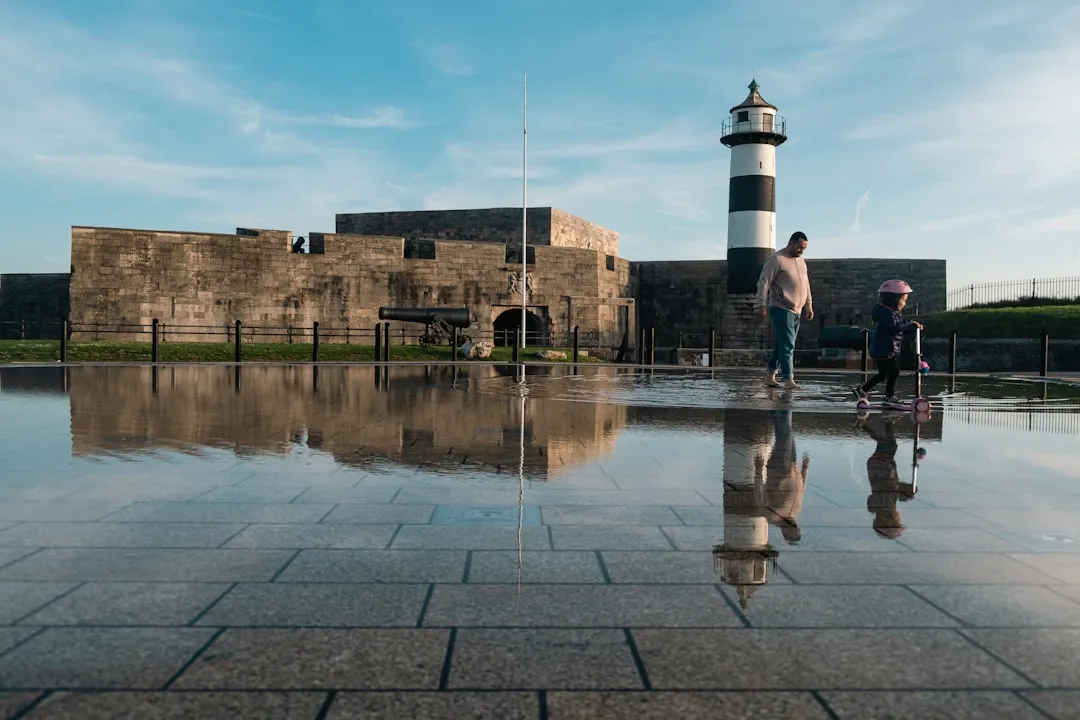
The state’s first newspaper, the New Hampshire Gazette, founded in 1756, began publication in Portsmouth. The Portsmouth Naval Shipyard was also the site of the 1905 treaty negotiations that ended the Russo-Japanese War – a moment of global diplomacy that took place in this quietly scaled city.
The city is also home to lesser known attractions such as America’s oldest mural and oldest flagpole. These details rarely appear in major guidebooks, which is precisely what makes discovering them feel rewarding. Portsmouth keeps its surprises close.
Tourism Is Growing, but the Town Still Feels Like Itself
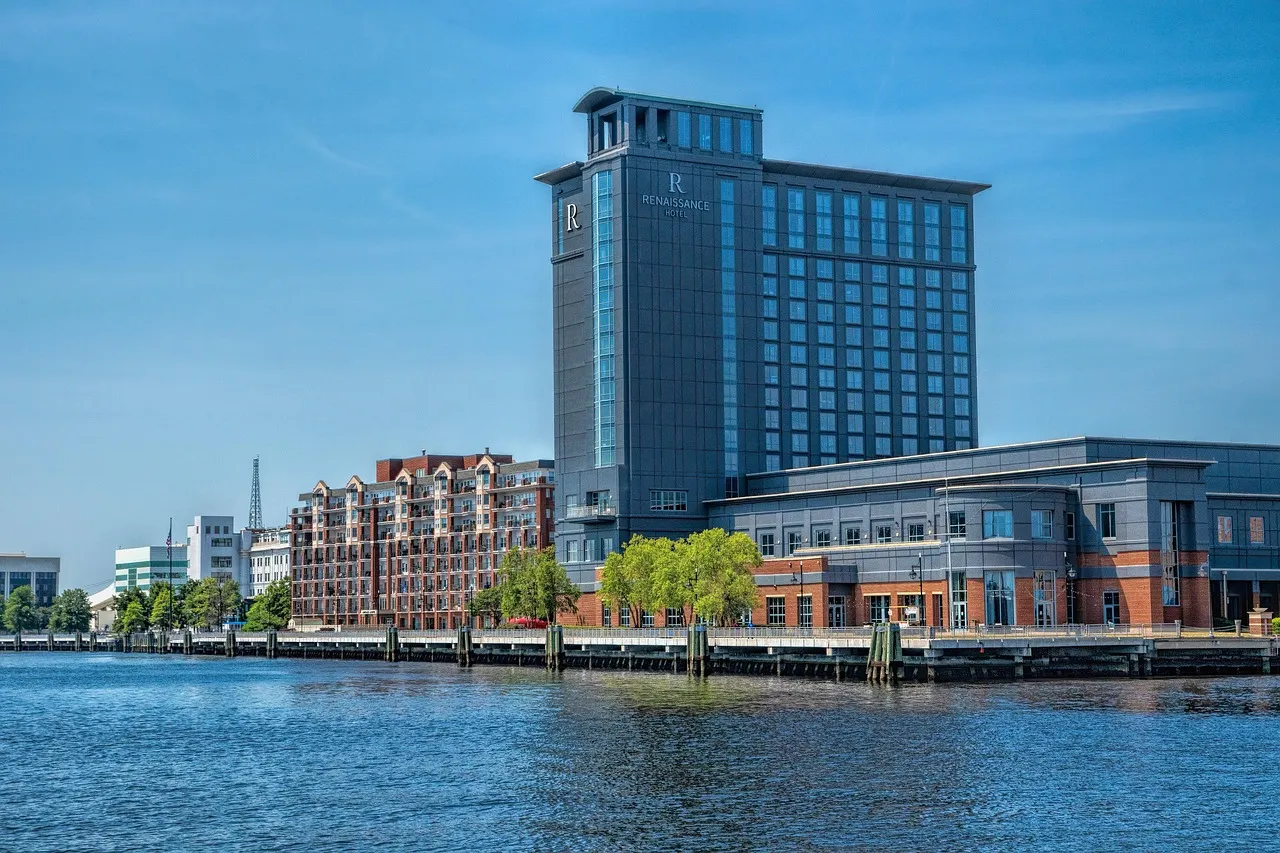
Recent years have seen a rejuvenation of the local economy, in part based on tourism drawn by the many original colonial buildings. Travel experts have singled out Portsmouth as a favorite underrated destination, praising it as a beautiful seacoast town founded in the mid-1600s with classic Colonial and Federalist architecture, and a downtown full of local shops, great restaurants, and a strong arts and music culture.
Nestled at the mouth of the Piscataqua River along New Hampshire’s seacoast, Portsmouth offers a blend of cultural richness and economic revitalization, particularly through tourism in recent years. Still, the city has managed to absorb new visitors without surrendering the texture that makes it worth visiting in the first place. The cafés and galleries sit comfortably alongside the eighteenth-century doorways.
How to Actually Experience Portsmouth’s Colonial Layers
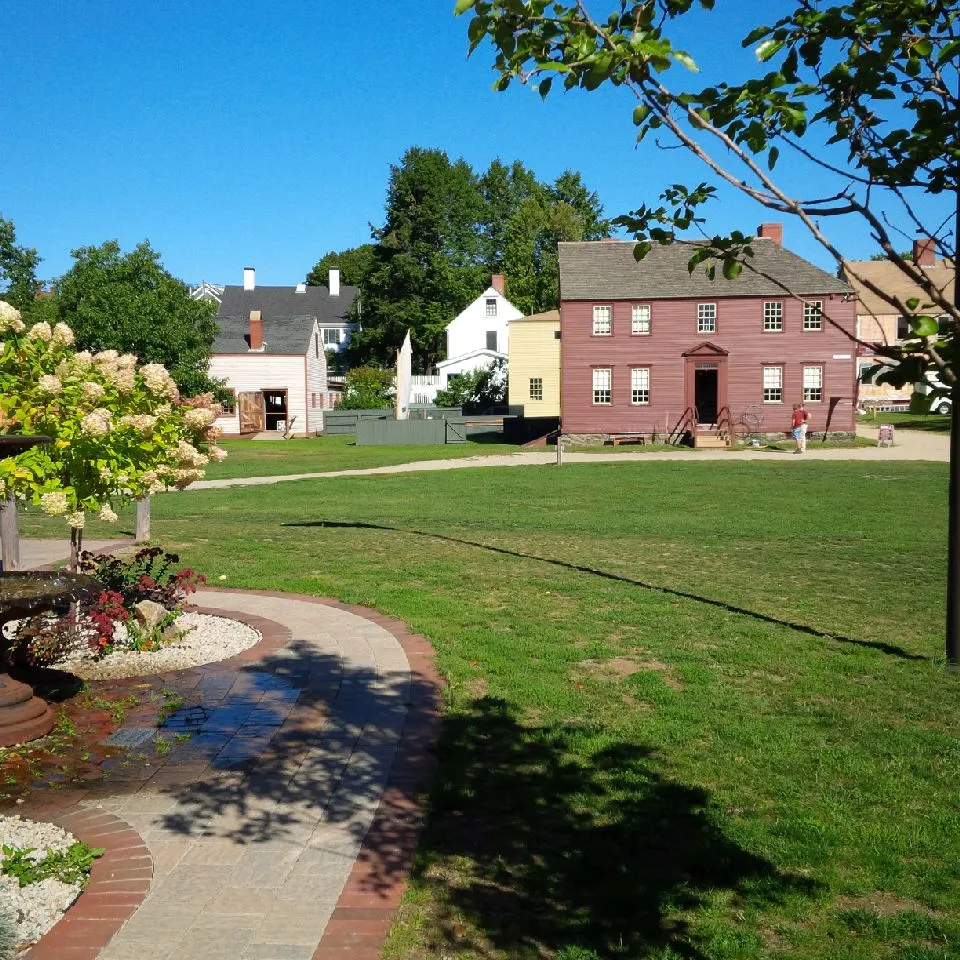
At the mouth of the Piscataqua River, Portsmouth blends colonial-era history with coastal charm. Visitors can tour centuries-old homes at Strawbery Banke Museum, then cruise the harbor or take a ferry to nearby islands, before browsing galleries and shops and enjoying waterfront dining downtown.
The John Paul Jones House at 43 Middle Street contains Revolutionary-era artifacts related to Washington, Lafayette, and John Paul Jones himself. The William Pitt Tavern, built in 1766 by John Stavers, was a key stop on the Flying Stage Coach route and still anchors the Strawbery Banke grounds. Portsmouth’s central location makes it an ideal starting point for exploring the seacoast, and it is close enough to visit on a day trip from Boston.
The Takeaway
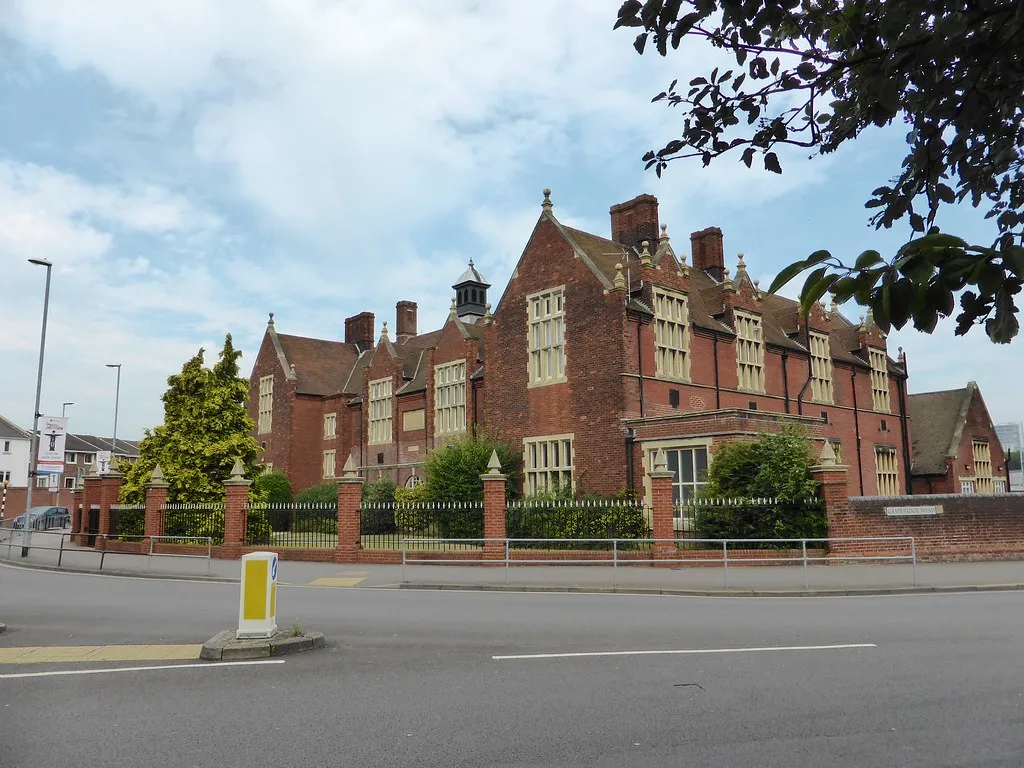
Portsmouth doesn’t announce itself. It doesn’t need to. The city has spent four centuries simply being itself – a working port, a seat of government, a place where enslaved people labored and rebels plotted and shipwrights shaped the timber that built a navy. That layered, unvarnished history is exactly what a certain kind of traveler is looking for in 2026.
In an era when travel tends toward spectacle, there is something quietly radical about a place that asks you to slow down, look at a door frame, read a plaque, and let the past speak without amplification. Portsmouth has been here the whole time. The discovery is yours to make.
AI Disclaimer: This article was created with the assistance of AI tools and reviewed by a human editor.