


Something has shifted in hotel lobbies over the past few years. The welcome basket now sometimes includes dog biscuits. The concierge desk has a list of nearby dog parks. And in some properties, a dedicated staff member exists purely to tend to the needs of traveling pets. This is not a gimmick. It is a deliberate business strategy playing out across the global hospitality industry, driven by consumer demand that hotels simply cannot afford to ignore.
Pet travel has grown from a niche preference into a mainstream expectation. The numbers back it up, and the world’s largest hotel brands have noticed. Here is a closer look at why the pet concierge is becoming a standard feature, not a luxury surprise.
A Market Worth Billions, and Growing Fast
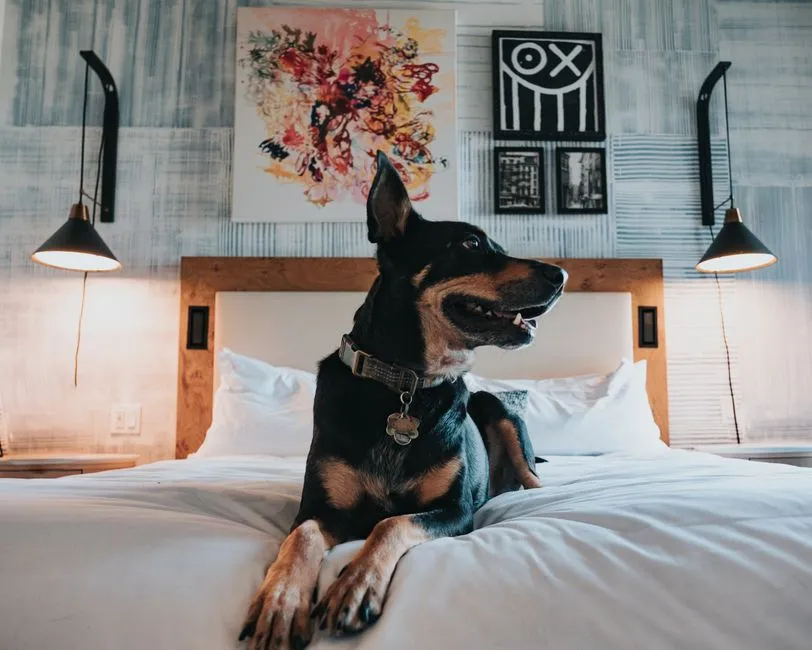
The scale of this shift is hard to miss when you look at the financial data. The global pet-friendly hotel market grew from $3.66 billion in 2023 to $4.1 billion in 2024, at a compound annual growth rate of 12.4%. That is not slow, steady growth. That is a sector accelerating with real momentum.
The market is expected to grow from $4.6 billion in 2025 to $5.16 billion in 2026, maintaining a CAGR of roughly 12.3%. Projections point to $8.17 billion by 2030. For hotel chains evaluating where to invest, those numbers make a compelling case for upgrading pet services rather than treating them as an afterthought.
Pet Ownership Surged, and Hotels Took Note
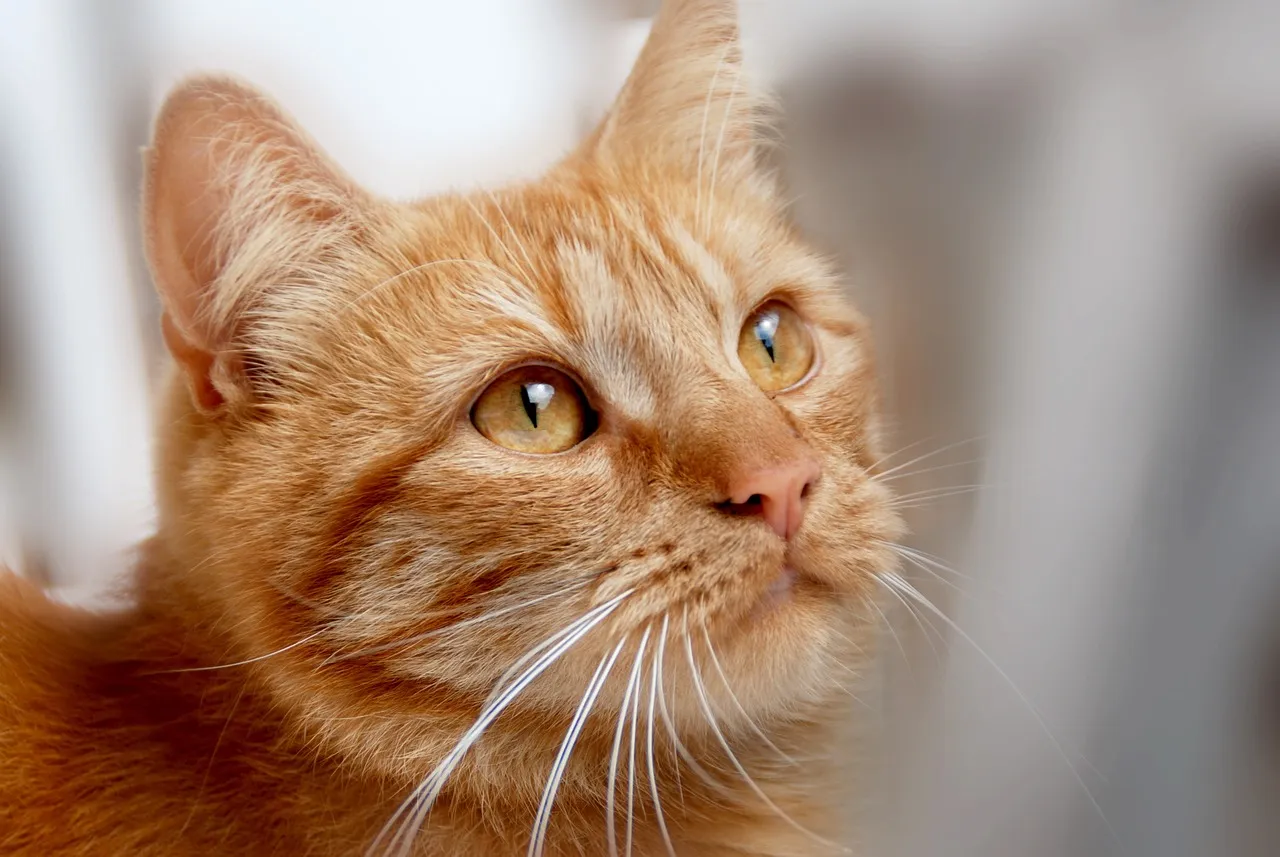
The growth in pet-friendly hotel demand can be traced to several converging forces: increased demand for pet-inclusive lodging, the rise of social media platforms, a surge in pet adoption, and a higher appetite for luxury hotel experiences. The pandemic years accelerated pet adoption significantly, creating a large new cohort of owners who then wanted to travel without leaving their animals behind.
This hospitality niche has expanded largely because of pet humanization, the cultural shift in which pets are viewed as family members, which directly influences travel decisions. When people think of a family trip, more of them now factor in a four-legged companion. Hotels that do not accommodate that reality lose the booking entirely.
Dogs Lead the Demand, but They Are Not Alone

In 2024, dogs accounted for a dominant share of roughly 63% of the pet-type segment in the pet-friendly hotel market. Canine guests drive the bulk of service development, from welcome kits to walking services. The pet cat segment is also anticipated to command a significant and growing market share, fueled by increasing preference for feline companions.
Some brands, like Kimpton Hotels, take an unusually broad view, inviting guests to bring any furry, feathery, or scaly family member, regardless of size, weight, or breed, at no extra charge. That kind of open-door policy sends a clear message: the hotel is genuinely designed around the traveling pet owner, not just tolerating them.
What “Pet Concierge” Actually Means in Practice

Services at well-developed pet-friendly hotels typically include plush pet bed loaners in guest rooms, food and water bowls, and a curated concierge list of nearby pet-friendly restaurants, parks, groomers, and pet boutiques. Some properties go considerably further. Demand is rising for premium accommodations that offer pet-sitting, gourmet pet menus, in-room comforts, and dedicated pet areas.
Some hotels have introduced what they call “directors of pet relations,” in-residence canines that greet arriving guests and their animals. It sounds whimsical, but it serves a practical function: it signals immediately that pets are not merely tolerated here, they are part of the culture. That kind of distinction is what converts a one-time guest into a loyal returning one.
The Kimpton Effect: A Standard-Setter for the Industry

Kimpton Hotels has been pet-friendly since 1981, offering amenities such as pet beds, water and food bowls, and welcome baskets of treats. That four-decade head start gave Kimpton a brand identity that competitors have spent years trying to replicate. The brand offers pet packages and amenities that include gourmet pet treats, pet massages, and a range of other pet-centered services.
In February 2024, InterContinental Hotels Group acquired Kimpton Hotels and Restaurants, with IHG aiming to broaden its accommodation portfolio and better address the evolving preferences of modern travelers. Kimpton is a brand known specifically for its strong pet-friendly offerings. The acquisition signals how seriously major chains now view pet hospitality as a strategic asset, not a side benefit.
Major Chains Racing to Upgrade Their Offerings
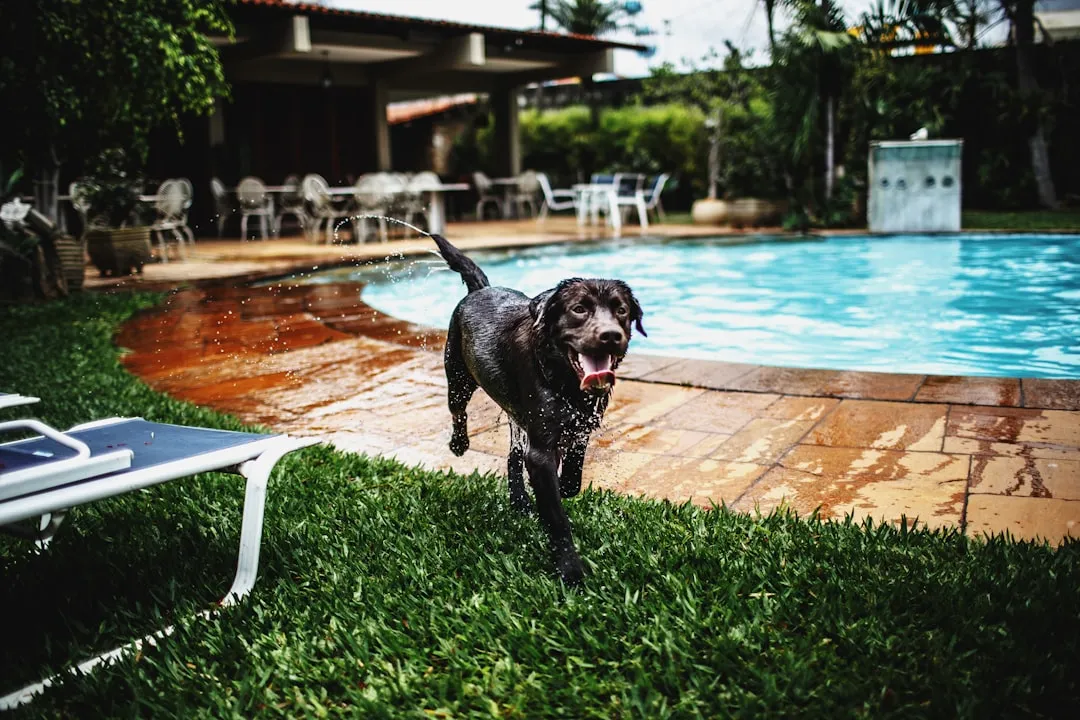
In April 2024, Moxy Hotels partnered with Sir Woofchester’s Canine Hospitality to launch upgraded dog-friendly packages across its hotel portfolio. These packages feature dog welcome kits with treats and toys, as well as access to pet-friendly communal spaces. This kind of branded partnership shows how hotels are moving beyond a simple “pets allowed” notice toward curated, marketable experiences.
Hilton partnered with Mars Petcare in 2021 to provide guests at approximately 4,600 properties with access to virtual pet care resources. Service providers more broadly are expanding their offerings to include concierge travel planning, real-time tracking, and digital pet passport solutions, all tailored to enhance the travel experience for pets. The infrastructure is becoming as thoughtful as it is for human guests.
The Booking Data Tells a Clear Story

According to a UK survey, roughly seven in ten dog owners take their dogs on holiday, with nearly a third of Booking.com properties now listed as pet-friendly. That represents a meaningful shift in how the accommodation marketplace is presenting itself to travelers. In the US, reporting by Hepper suggests that approximately three quarters of hotels across luxury, midscale, and economy categories now welcome pets.
Economic growth in travel and tourism is directly boosting demand for hotels catering to pet owners, and rising disposable incomes are motivating travelers to prioritize pet-friendly options. This trend has improved occupancy rates for participating hotels and encouraged further investment in specialized infrastructure. In short, hotels that invest in pet services are seeing the returns in their occupancy numbers.
Luxury Properties Are Setting a New Bar

Within the hotel type segmentation, five-star hotels are expected to dominate the pet-friendly luxury market, catering to pet owners seeking an unparalleled level of comfort for their animal family members. The luxury tier is where pet concierge services have evolved the most dramatically. Rosewood Hong Kong, for instance, has offered a PetStaycation Package featuring personalized pet butler service and pet spa treatments.
Luxury hotels are incorporating innovative services such as dedicated pet menus, in-room pet amenities, and partnerships with local pet sitters. The goal is to make a pet’s stay as carefully designed as the human guest’s, which requires coordination, training, and genuine investment. Brands that get this right earn a category of loyalty that goes well beyond a loyalty points program.
Asia-Pacific Is Emerging as the Next Growth Frontier

China’s growing middle class, rapid urbanization, and increasing pet ownership, particularly among millennials and Gen Z, are key drivers of regional growth. The country’s expanding domestic tourism industry has prompted hotels to adopt pet-friendly policies to attract this demographic. This is a relatively new development in markets where pet travel has historically been limited.
In South Korea, the hospitality industry is rapidly adopting pet-friendly policies, particularly in Seoul and Busan, with many hotels offering pet-specific amenities such as grooming stations, pet menus, and designated play areas. Recent trends in the region include the integration of mobile apps for seamless booking and real-time pet health monitoring. Asia-Pacific is expected to be the quickest-growing region in the broader pet lodging market overall.
The Business Case Is No Longer Optional
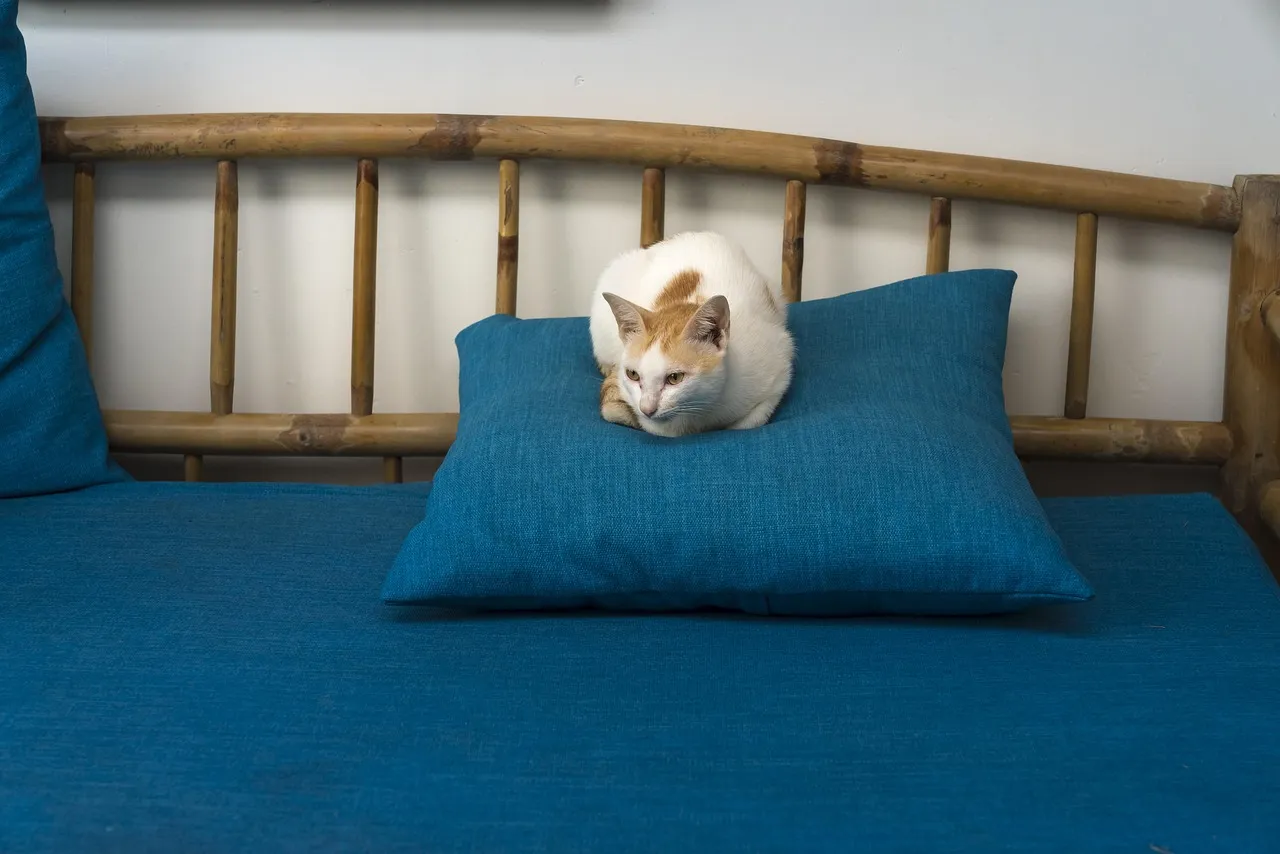
Growth in the coming years is expected to be driven by the humanization of pets, growth in premium pet services, expansion of leisure and lifestyle travel, rising demand for experiential stays, and digital booking platform growth. These are not passing trends. They reflect durable shifts in how people live and travel, and hotels that ignore them will find themselves at a structural disadvantage.
Pet-friendly packages featuring unique offerings such as dog welcome kits with treats and toys, and access to pet-friendly communal spaces, underscore the growing emphasis on creating comprehensive, pet-inclusive experiences to attract and retain pet-owning travelers. The hotels that treat this as a genuine hospitality philosophy, not a marketing checkbox, are the ones earning both bookings and reputation.
The Takeaway

The pet concierge is not a quirky amenity tucked into a boutique hotel’s brochure anymore. It is part of a well-documented, fast-expanding segment of global hospitality that is attracting serious investment from the world’s biggest hotel brands. Rising pet-inclusive travel preferences, expanded dedicated pet amenities, and increased demand for customized pet services are among the defining market trends shaping the years ahead.
What this means for travelers is more choice, better service, and a growing expectation that a truly good hotel thinks about every member of your family. What it means for the industry is straightforward: the hotels that make room for the dog are increasingly the ones getting the booking. That may be the simplest summary of why this trend is not slowing down anytime soon.
AI Disclaimer: This article was created with the assistance of AI tools and reviewed by a human editor.