
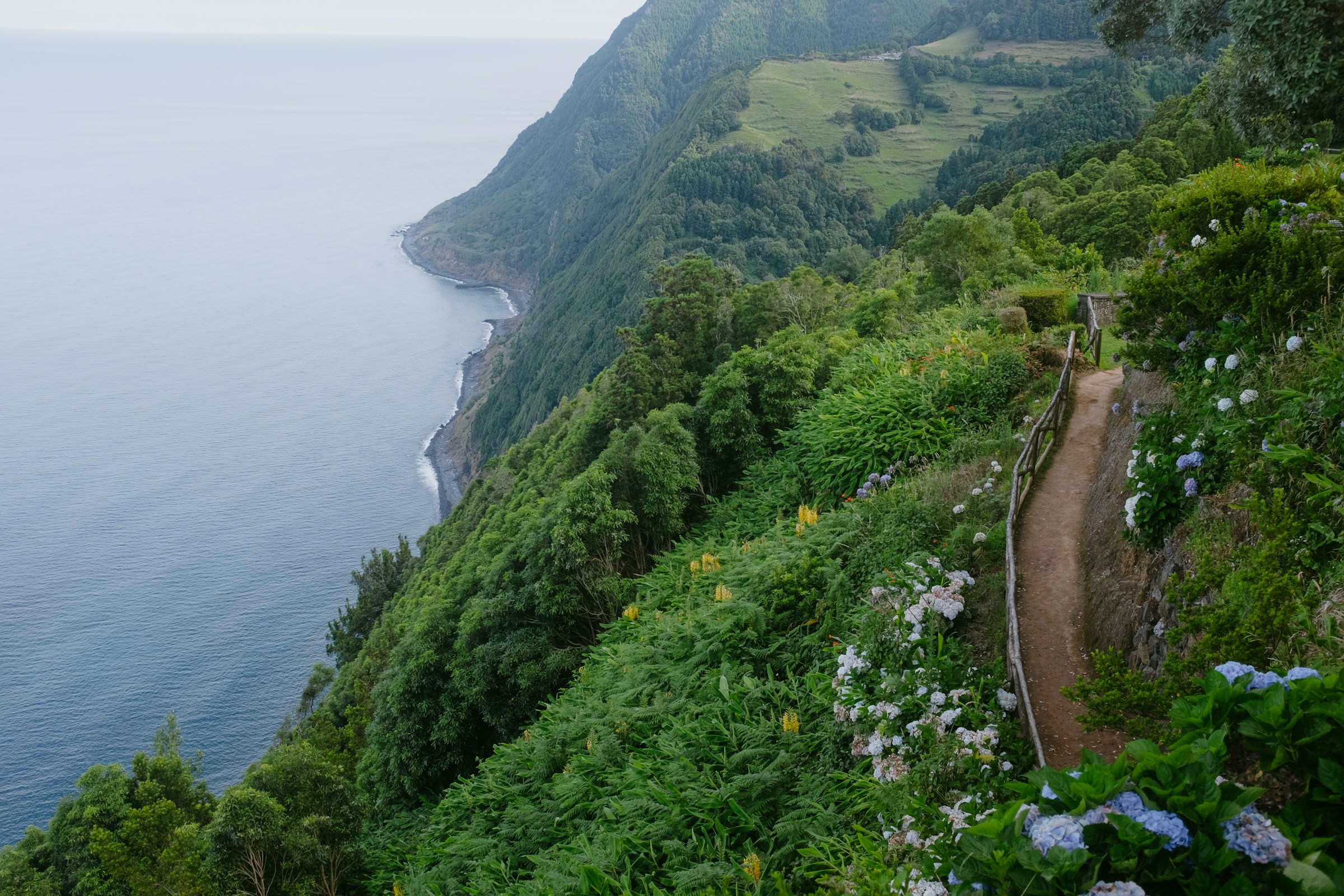

Most travelers who land in the Azores touch down in Ponta Delgada, spend a few days around São Miguel’s crater lakes, and fly home convinced they’ve seen the archipelago. They haven’t seen it all, not even close. Far to the northwest, adrift where the Atlantic stretches toward Canada, sits Corvo: a single volcanic cone rising from the ocean, home to fewer than 400 people, and largely untouched by the kind of tourism that has reshaped its neighbors.
Corvo is the smallest and least populated island of all nine in the Azores. That’s not a marketing line. It’s a geographical fact that shapes everything about how life there works, and why the experience of visiting feels so different from anywhere else in Portugal.
Where Corvo Sits in the Azores Puzzle
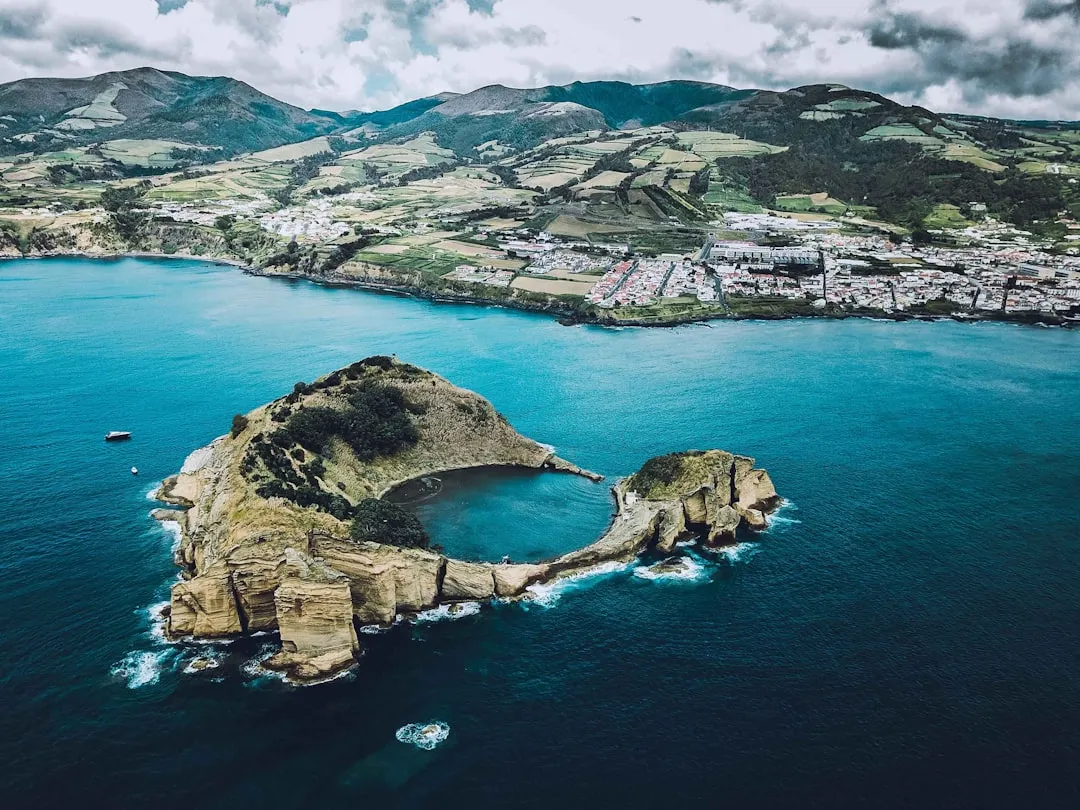
The nine islands of the Azores are divided into three groups: the eastern group of São Miguel and Santa Maria, the central group of Terceira, Graciosa, São Jorge, Pico and Faial, and the western group of Flores and Corvo. Corvo belongs to the western group, the most remote of all three clusters.
The westernmost island in Portugal’s Azores sits as close to Canada as it does to Lisbon, a geographic quirk that gives a sense of just how far out into the Atlantic it really lies. It’s an island that doesn’t exist on most travelers’ mental maps, which is precisely the point.
Its geographical situation accentuates the isolation, although all islands are linked by sea and air. Getting there requires planning. That friction, minor as it sounds, is what keeps Corvo calm.
The Caldera: The Island’s Ancient, Unmissable Heart
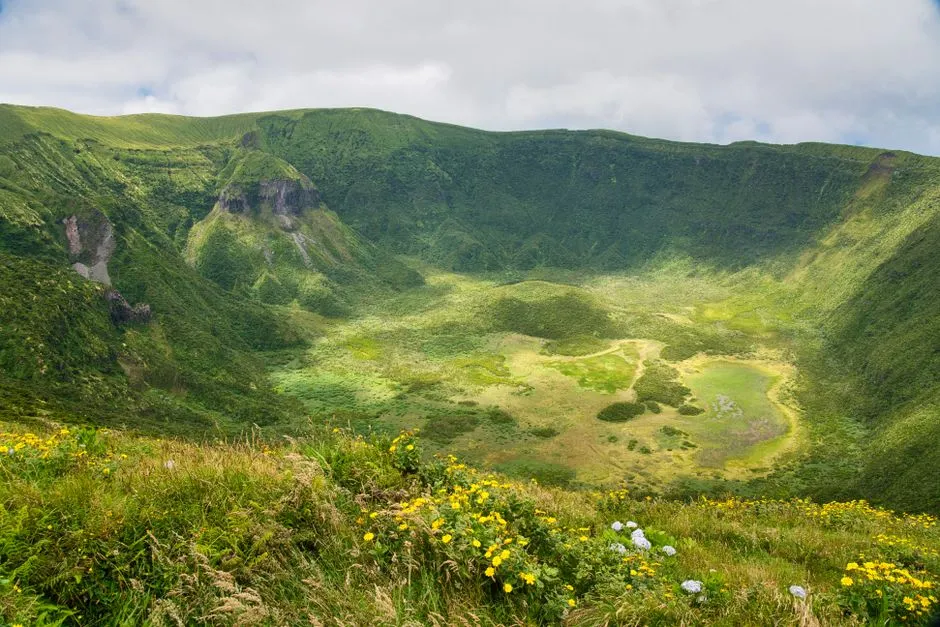
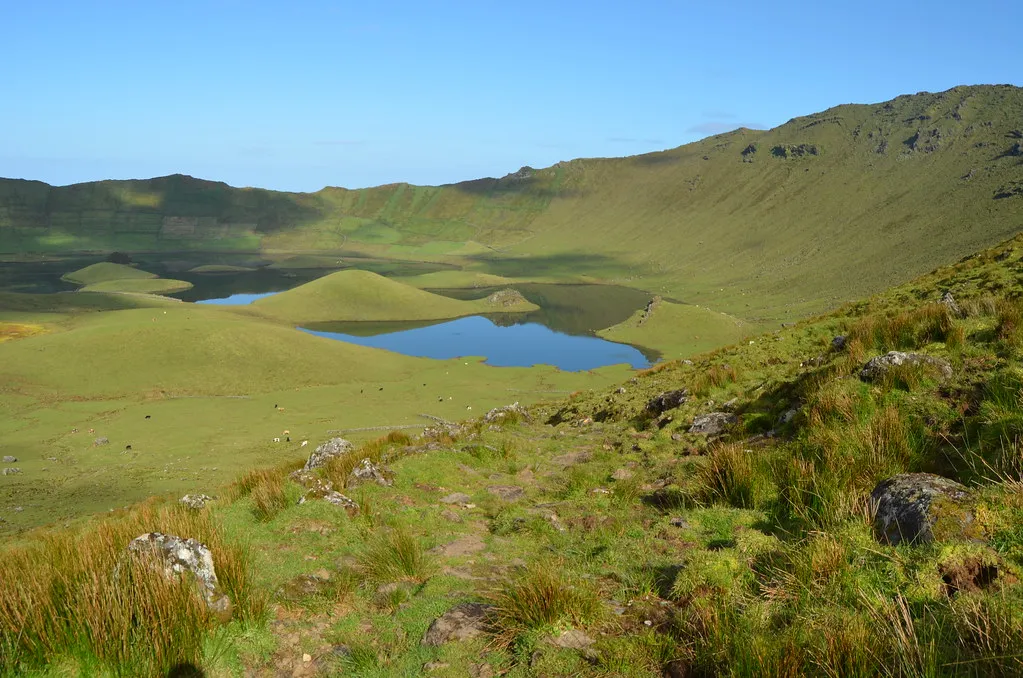
The main attraction on Corvo is the fully intact crater of the volcano that formed the island millions of years ago. It’s more than two miles in diameter and nearly 1,000 feet deep.
Its slopes are covered in vivid green grass and dotted with remarkably docile cows. It’s one of those iconic images of wild nature that people share when they talk about the beauty of the Azores. Seeing it in person, though, carries a different weight. The scale only becomes real when you’re standing at the rim.
The island’s main attraction is the Caldeirão, a massive volcanic crater at the center of the island. Inside the crater, you’ll find small lakes and lush vegetation, creating a stunning landscape that feels otherworldly. It’s the kind of place that stays with you long after you’ve left.
A UNESCO Biosphere Reserve Almost Nobody Talks About
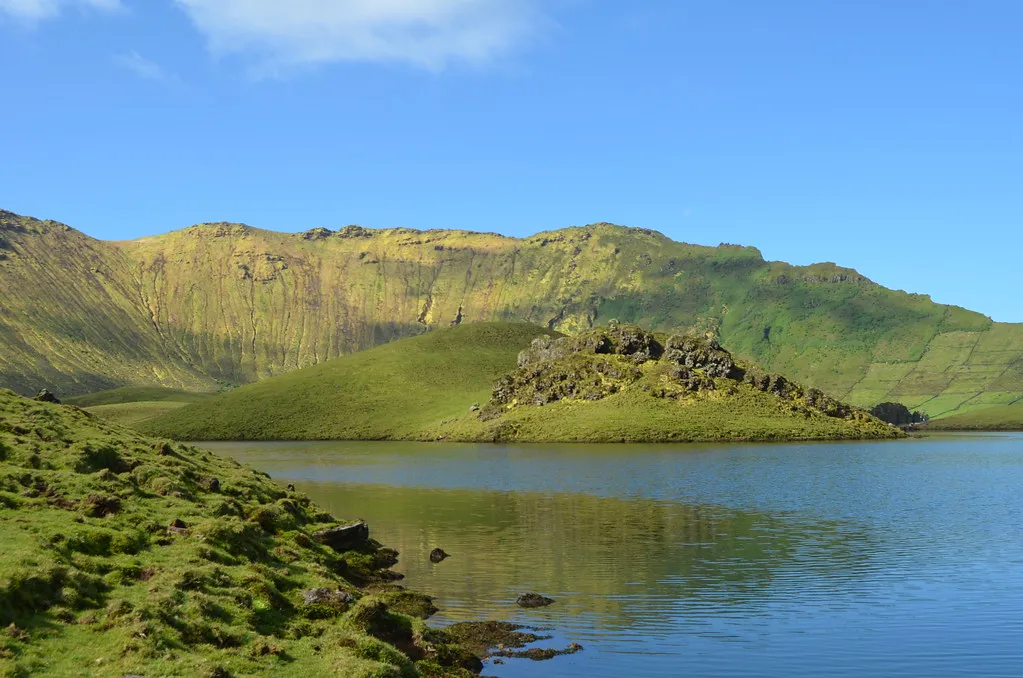
Corvo is the smallest of the Azorean islands, located in the extreme northwest of the archipelago. The biosphere reserve encompasses the entire emerged land area of the island and a surrounding marine zone, covering a total area of 25,853 hectares. It includes landscapes and biological values of great regional, national, and international importance.
The rich mosaic of ecological systems in the Corvo Island Biosphere Reserve is associated with high biological diversity. The reserve is home to a wide range of species of European and regional relevance. That UNESCO designation isn’t honorary window dressing. It reflects a genuine commitment to keeping this island ecologically intact.
Wildlife That Exists Nowhere Else on Earth
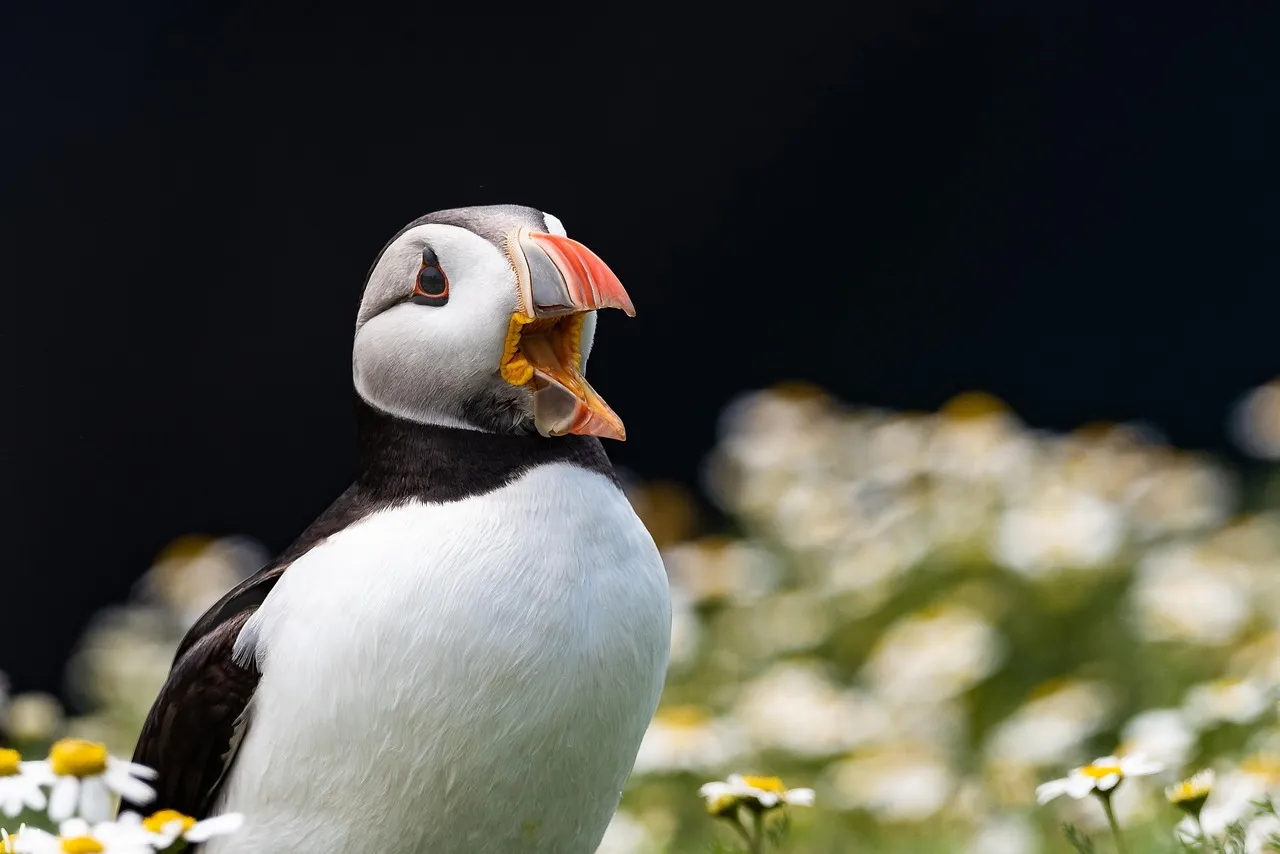
Breeding seabird species on Corvo include Cory’s Shearwater, Manx Shearwater, Roseate Tern, and Common Tern. The Manx Shearwater population on Corvo and Flores combined represents the southernmost breeding limit for that species on the planet, with around 200 pairs remaining.
Notable endemic flora include Azorean Heather, Azorean Laurel, and Picconia azorica, a member of the olive family found only in the Macaronesian laurel forests. For naturalists, this level of endemism makes Corvo genuinely significant, not just scenic.
Corvo is renowned for birdwatching, with species like Cory’s shearwaters, petrels, and warblers frequently spotted. Autumn, in particular, draws dedicated birdwatchers from across Europe who know that Corvo is one of the continent’s finest sites for vagrant American species blown off course by Atlantic winds.
Hiking Through Living Silence

Corvo Island is a pristine paradise for hikers and nature enthusiasts. The absence of cars enhances its peaceful atmosphere, making it an ideal place for exploring its diverse landscapes on foot. The hike to Morro dos Homens, the island’s highest peak, is particularly enchanting. As you ascend through varying terrains adorned with lush greenery and unique flora, you are rewarded with breathtaking panoramic views of the island and the Atlantic Ocean.
The trail around Lagoa do Caldeirão, an ancient volcanic crater lake, offers a different kind of beauty. These are trails walked by very few, on any given day. The silence isn’t manufactured. It’s structural.
The Sea Around It Is Just as Wild
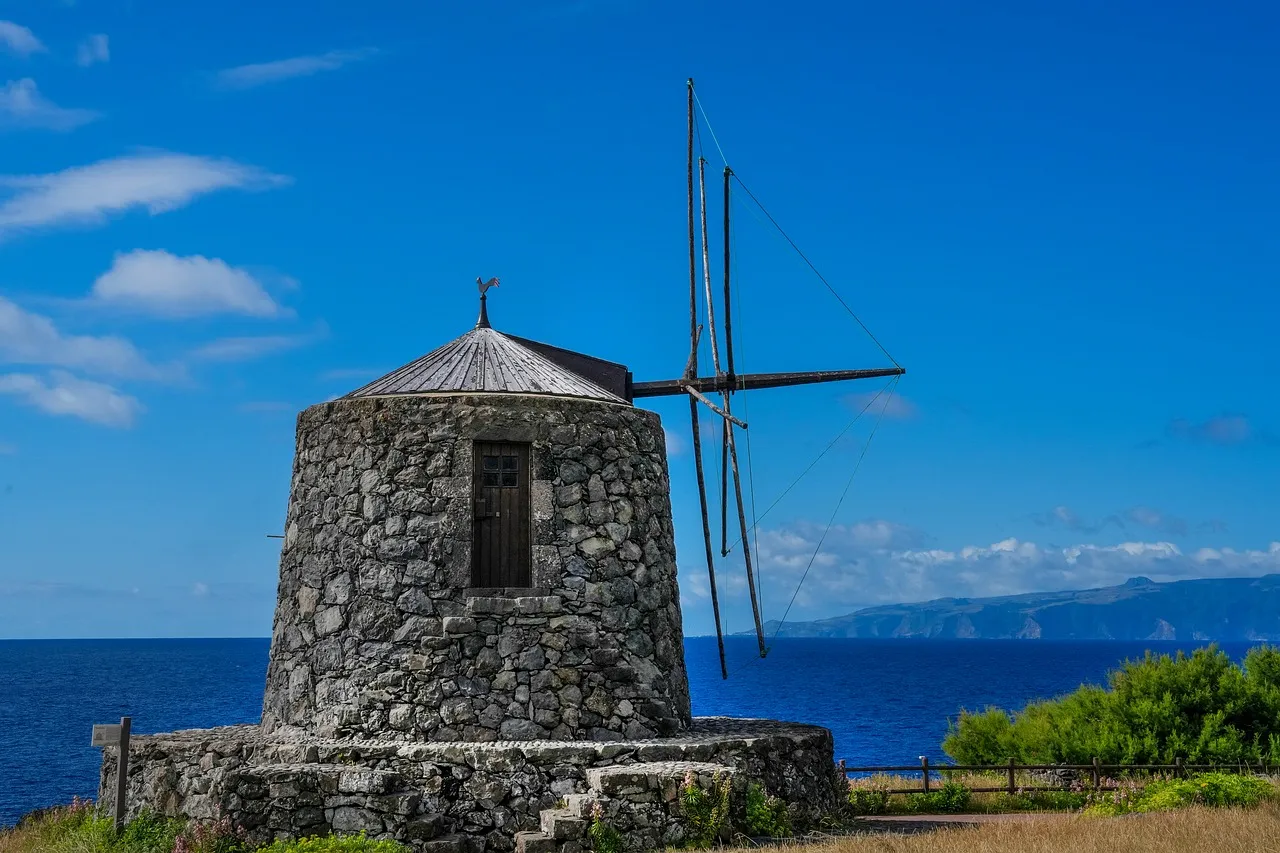
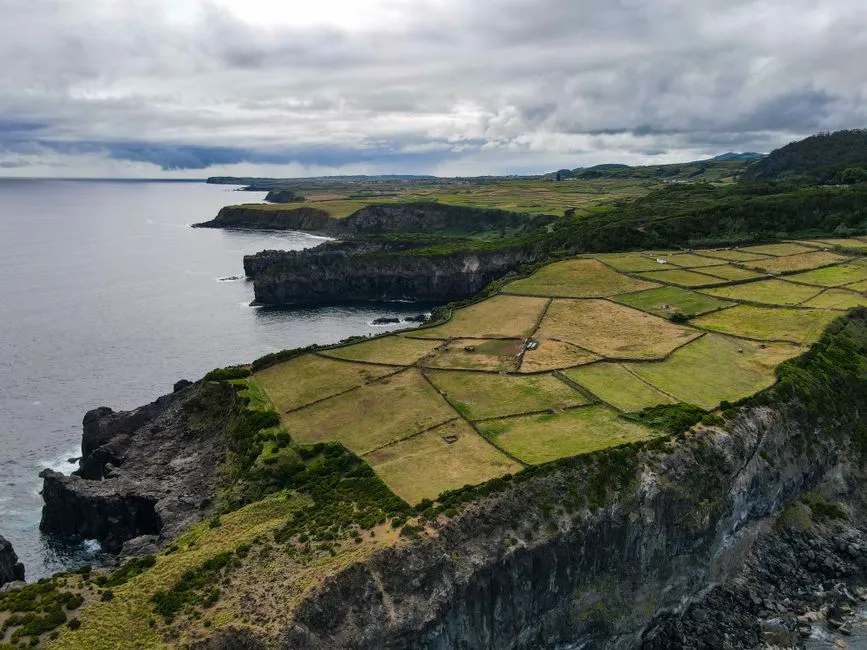
One of the most popular ways to experience the island from a unique perspective is through boat tours. These tours allow visitors to circumnavigate the island, offering stunning views of its rugged coastline and hidden coves that are not visible from land. The experience of seeing the island from the water adds a different dimension to its appreciation, revealing aspects of its geography and wildlife that are otherwise unseen.
The crystal-clear waters surrounding Corvo Island are perfect for swimming and snorkeling. The underwater world here is a treasure trove of marine life, with a variety of fish and other sea creatures visible just beneath the surface. These aren’t the kind of waters you share with boat parties. On Corvo, the ocean often feels like it’s yours alone.
A Village Small Enough to Know Everyone
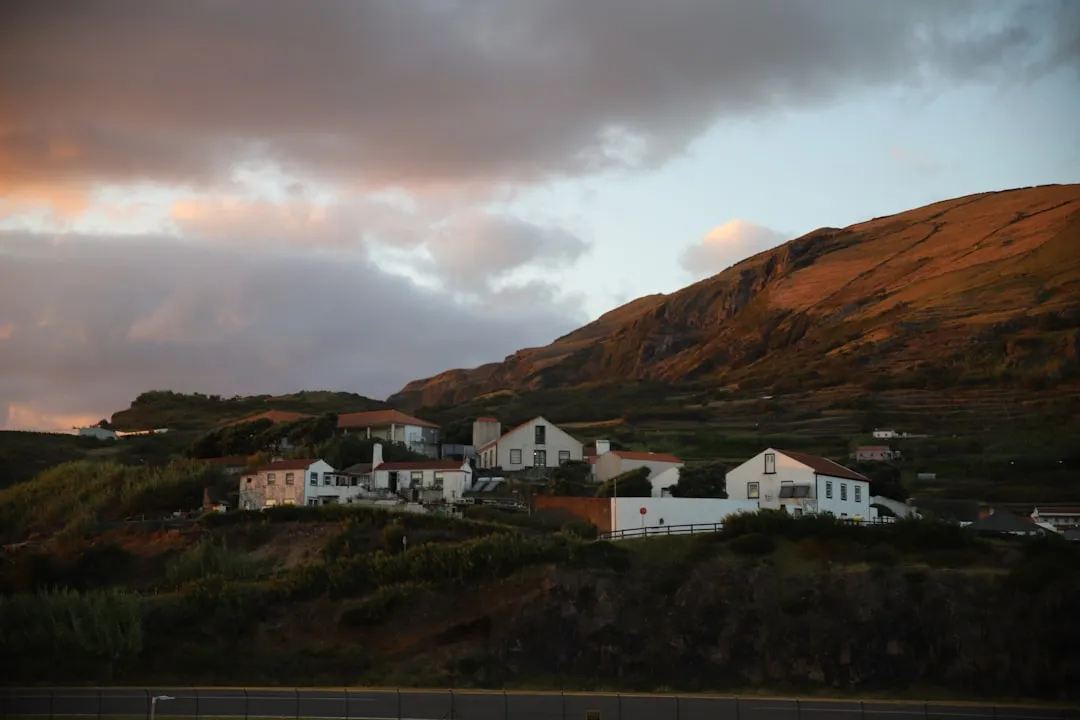
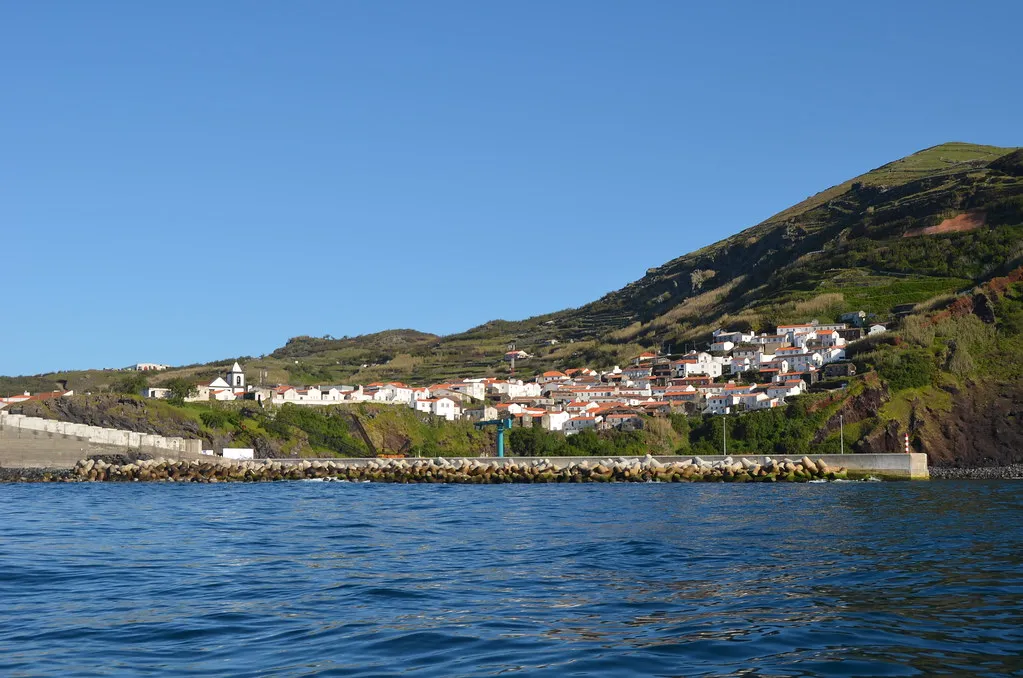
Top attractions include the impressive caldera and the charming village of Vila do Corvo, full of colorful houses and narrow streets. The lava fajã is the only flat area on the island, where Vila do Corvo, the only town, is located.
From the rugged volcanic cones steeped in legends to its tranquil lifestyle, Corvo offers visitors a unique glimpse into a simpler way of life surrounded by the vast expanse of the Atlantic Ocean. Its lush green landscapes and the vibrant blue waters create a striking contrast, earning Corvo a reputation as a “green drop” in the turquoise ocean.
Traditional activities include the making of knitwear, among which the wool cap, locally called ‘Barreta’, stands out. These craft traditions persist not as tourist performance but as everyday culture. That distinction matters.
Birdwatching as a Low-Impact, High-Reward Reason to Visit
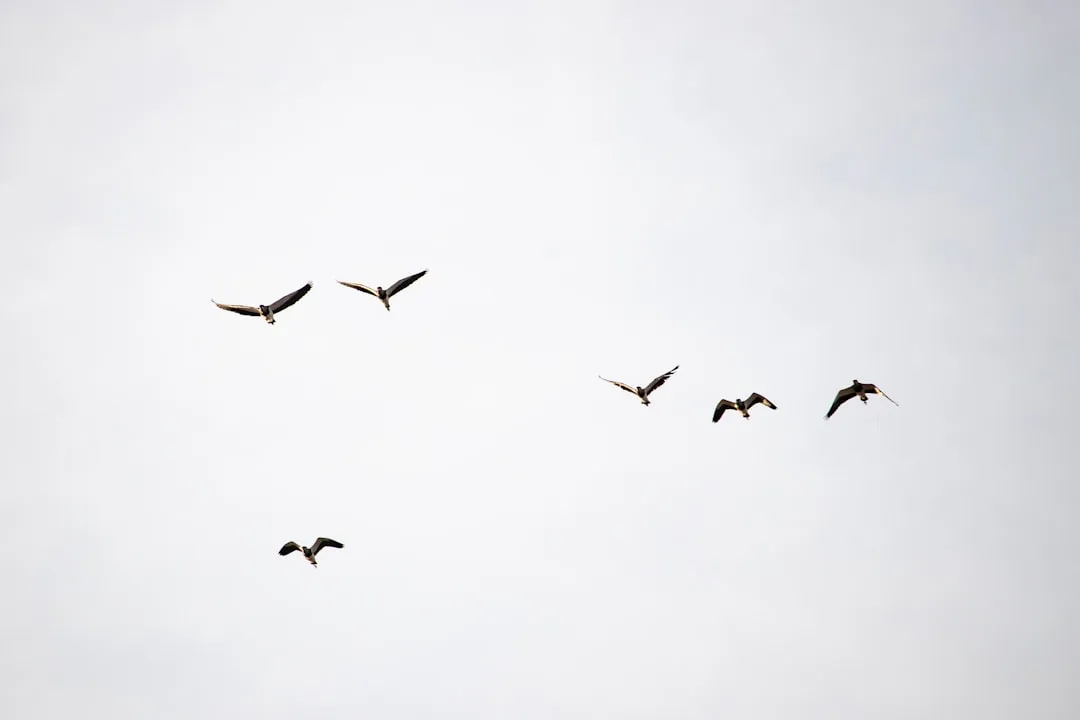
On this island, the most common tourist practices are birdwatching, nature tourism, ecotourism, beach tourism, adventure tourism, and common-interest tourism. Birdwatching is advantageous because it is practised by people with good environmental awareness and is most popular in autumn, which boosts tourist activity outside the high season, although numbers remain relatively low.
That last point matters for the island’s character. The visitors who make the effort to reach Corvo tend to be thoughtful, curious travelers who understand that slow, quiet engagement with a place is its own reward. The island’s tourism ecosystem has evolved around that kind of visitor, and it shows.
What the Wider Azores Tourism Picture Tells Us
São Miguel Island dominated with 70.8 percent of stays across hotels and local lodging in the archipelago, according to recent regional statistics data. That concentration of visitors on one island is precisely what keeps the western islands like Corvo so uncluttered.
Only Pico managed to post modest growth in 2026’s first half, suggesting that local dynamics and destination-specific strategies may still influence broader regional trends. Corvo, even further west, remains outside these fluctuations almost entirely. Its visitor numbers are too small to register as a trend. That’s not a weakness. That’s the whole point.
The Azores are a destination of endless discovery, and while their iconic landmarks are captivating, it’s in the hidden gems that the archipelago truly reveals its soul. From secret waterfalls on São Miguel to the dramatic calderas of Flores and Corvo, and the unique fajãs of São Jorge, these off-the-beaten-path experiences promise a deeper connection with nature and culture.
Getting There and What to Expect
Corvo has an airfield with only interisland links, which means access requires connecting through another Azorean island, typically Flores. Ferries also operate seasonally between the western islands, though schedules depend on weather and sea conditions. Building flexibility into your trip isn’t optional here.
There is accommodation in Vila do Corvo, but options are limited, so it’s best to book well in advance. The island cannot absorb last-minute visitors the way São Miguel can. That limitation is also its protection. A day or two is sufficient to explore the island’s main attractions, though nature enthusiasts may want to stay longer to fully appreciate its tranquility.
Why Corvo Is Still Worth Protecting From Overexposure
Far from the typical tourist routes, experiences on these western islands prioritize hidden gems, local encounters, and raw landscapes sculpted by volcanic fire and the power of the ocean. Corvo exists at the far end of that spectrum. It isn’t a destination that can absorb volume. Its intimacy is a direct function of its smallness.
Its small size, tight-knit community, and untouched natural beauty make Corvo a one-of-a-kind destination in the Azores. The community of fewer than 400 residents is the real steward of this place. Any visitor who arrives should arrive with that in mind.
A Quiet Closing Thought
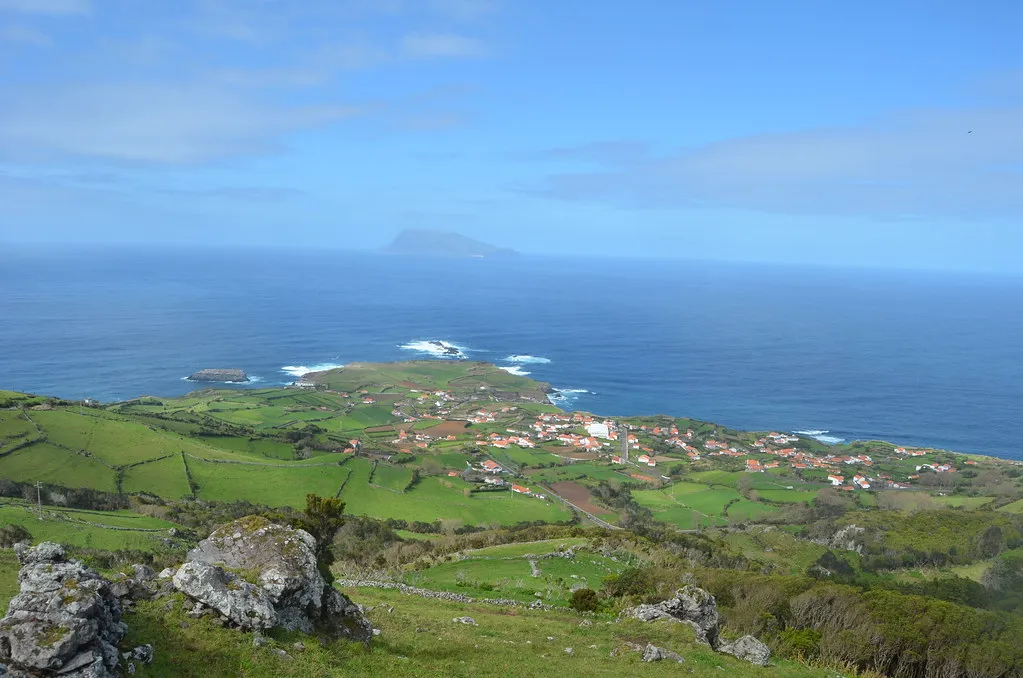
There’s something honest about Corvo. It doesn’t perform for travelers. It doesn’t try to compete with São Miguel’s geysers or Pico’s vineyards. Despite its size, Corvo is a treasure trove of natural beauty and cultural significance, offering visitors a unique glimpse into a simpler way of life surrounded by the vast expanse of the Atlantic Ocean.
The islands that stay undiscovered longest tend to be the ones that reward patience. Corvo is that kind of place. Getting there takes effort. The reward is a version of the Azores that most visitors never find: wild, quiet, and genuinely itself.
AI Disclaimer: This article was created with the assistance of AI tools and reviewed by a human editor.