
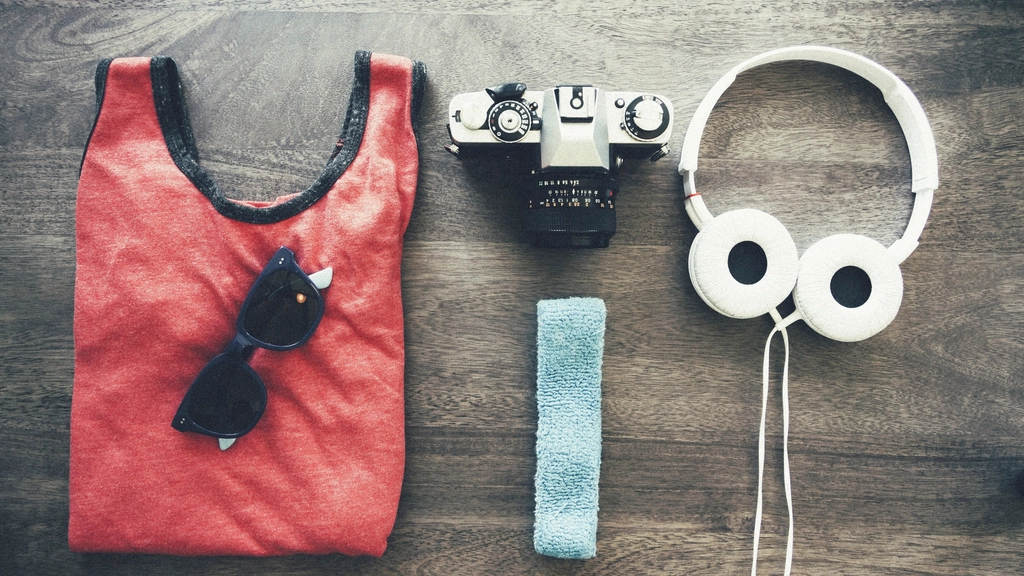

Most of us have been there: you’re at the check-in counter, the agent gives you that knowing look, and the scale reads two pounds over. The scramble that follows – pulling out shoes, sitting on your bag, or paying a penalty fee – is entirely avoidable. The solution rarely involves packing less. More often, it comes down to packing smarter, in the right sequence, with the right strategy.
The order in which you load a suitcase affects more than just comfort. It shapes weight distribution, determines how easily the bag sits on a scale, and decides whether you’ll be repacking at the airport or breezing through check-in. Here’s a structured, practical guide to getting it right every single time.
Understand the Actual Weight Limit Before You Pack a Single Thing
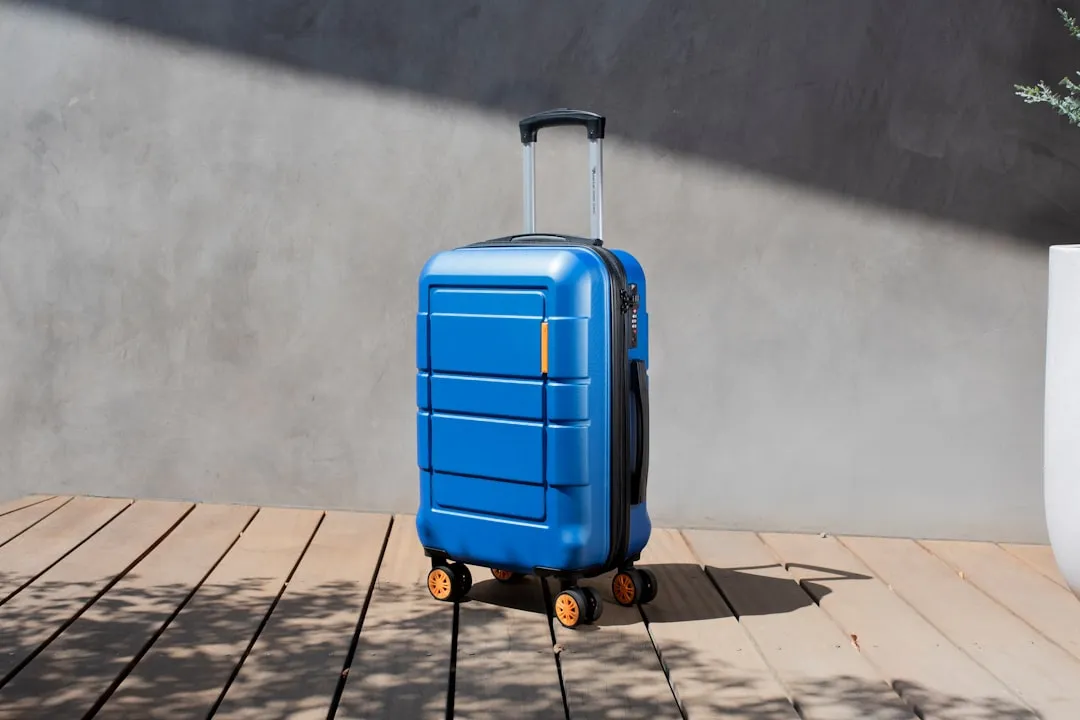
Most carriers set the standard checked bag limit at 50 lbs (23 kg) for economy class domestic flights and 50 to 70 lbs (23 to 32 kg) for international routes. That sounds generous until you factor in the suitcase itself. A mid-range hard-shell checked bag can weigh anywhere from six to twelve pounds empty, which already eats into your allowance before you’ve added a single shirt.
In 2024, U.S. carriers collected over $7.2 billion in baggage fee revenue, according to DOT filings. That figure tells you something important: airlines are not quietly letting overweight bags slide. Fees typically range from $50 to $100 for bags one to twenty pounds over the limit, escalating to $150 to $200 or more for bags twenty to fifty pounds over. Knowing your exact limit, per your specific airline and route, is step zero.
Start by Choosing the Lightest Suitcase You Can
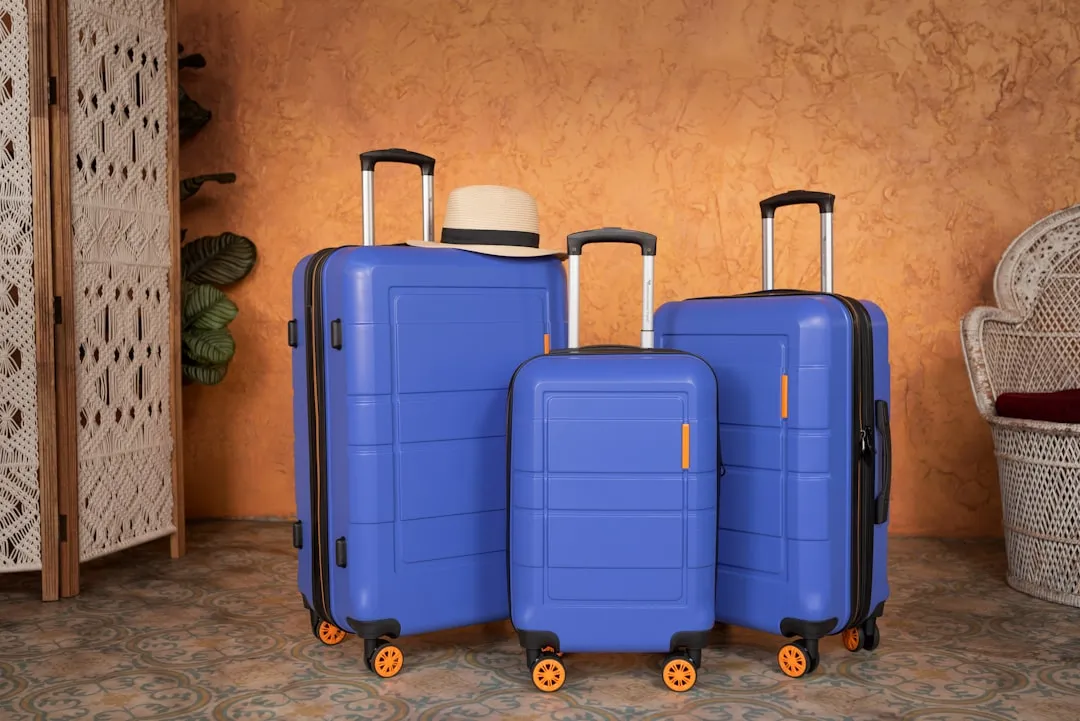
Hard-shell suitcases can be protective but sometimes heavier, while lightweight soft-sided bags can save weight but may offer less structure for folding. This tradeoff is real, and it matters more than most travelers realize. Every gram your bag weighs empty is a gram you can’t use on clothes, shoes, or souvenirs.
Choosing lighter luggage and opting for streamlined cases saves precious pounds from the start. If you’re a frequent traveler, investing in a genuinely lightweight suitcase is one of the best decisions you can make. If your airline enforces weight strictly, a hard-shell carry-on can consume part of your allowance before you even pack, making lightweight luggage and a minimal tech kit a noticeable advantage.
Layer One: Shoes and Heavy Items Go in First, Near the Wheels
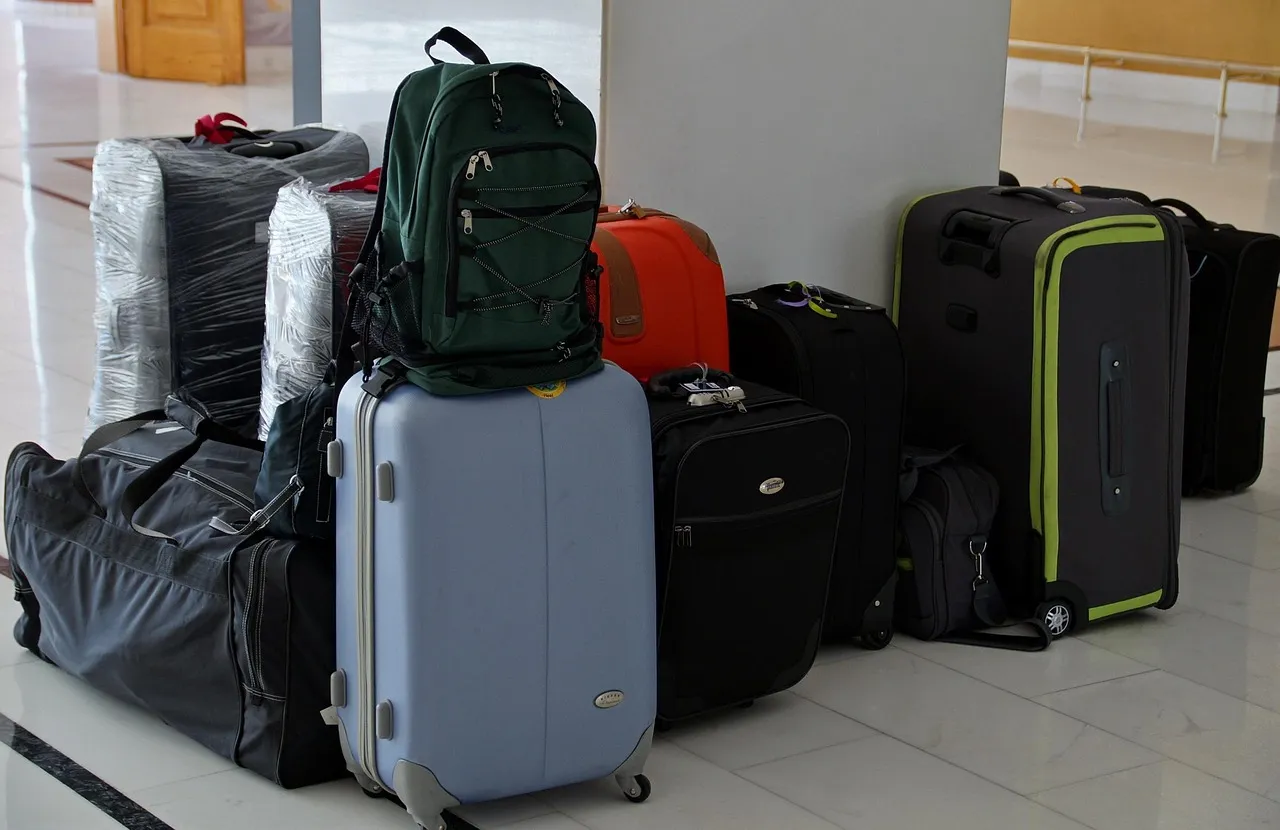
Start by placing the heaviest items at the bottom of your suitcase, right above the wheels. Pack jeans, trousers, and shoes first along the edges for stability. Put toiletry bags near the base too. This is not just about comfort when rolling; it’s about keeping the center of gravity low so the bag doesn’t tip and so weight stays evenly distributed across the frame.
Balance weight evenly on both sides by distributing dense items like shoes or electronics symmetrically. Use packing cubes or compression bags to secure heavy items and prevent shifting during transit. A suitcase that’s heavily loaded on one side can also affect how it sits on a scale, sometimes registering slightly differently depending on balance.
Layer Two: Roll Your Clothes, Don’t Just Fold Them
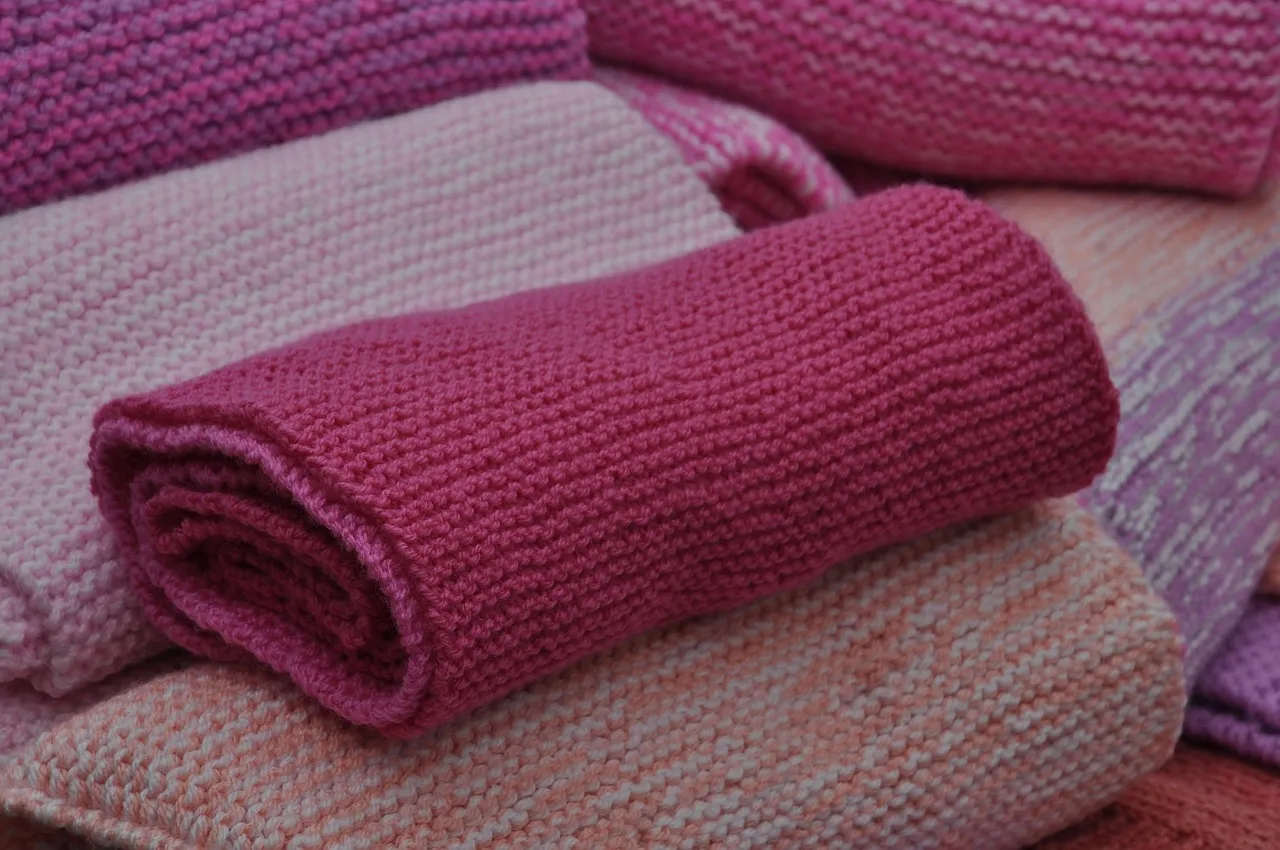
For casual, lightweight items like T-shirts, leggings, and pajamas, rolling is the superior method, as it can save roughly fifteen to twenty percent more space and allows you to see every item at a glance. More visible space means you’re less likely to overstuff. That small buffer matters when you’re trying to stay under a weight ceiling.
Folding is better for structured or bulky items like dress shirts, sweaters, and linen trousers. Professional travelers often use a hybrid approach: rolling their basics to create a flat base and then laying folded, more delicate items on top. In 2026, compression packing cubes have become a widely used method for this reason, as rolled garments distribute pressure more evenly and allow zippers to close more easily.
Use Packing Cubes to Control Weight Zones
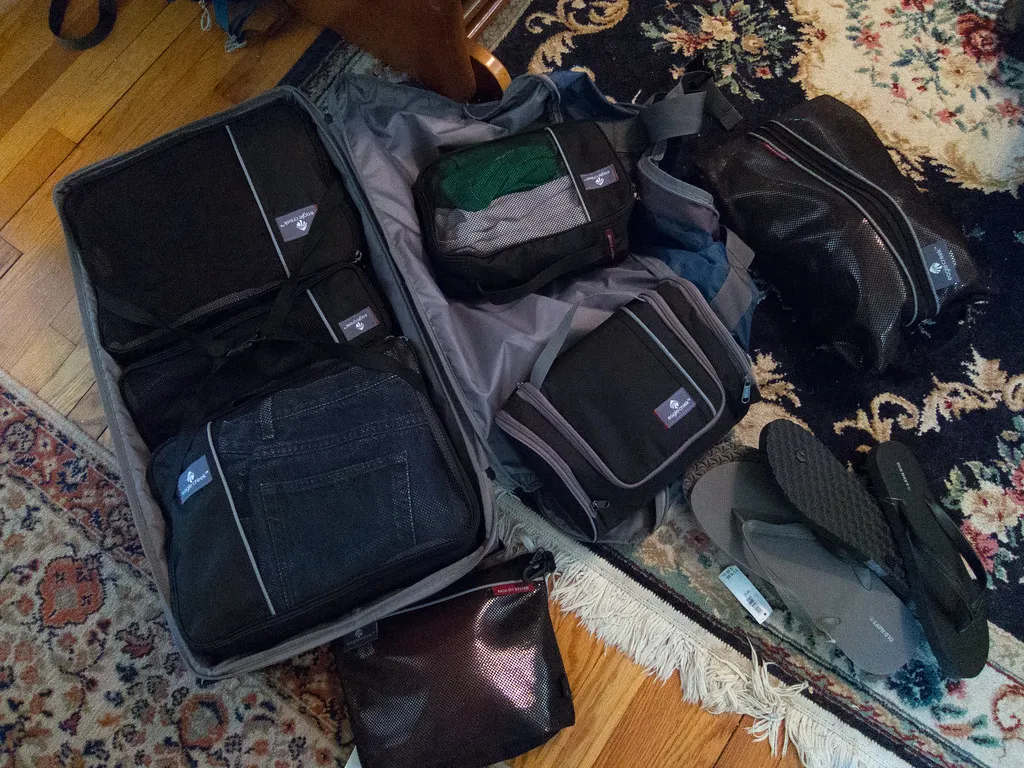
Regular packing cubes primarily save organisation, not volume, but the real benefit is speed: unpack one cube into a hotel drawer, leave the rest zipped, and repack in minutes. Beyond the hotel benefit, cubes allow you to weigh individual sections of your bag before final packing, so you can identify exactly which zone is running heavy.
Four to five cubes cover most trips: one large for tops, one large for bottoms, one medium for undergarments, one small for dirty laundry, and one small for toiletries. A water-resistant pouch or cube for toiletries prevents leaks from reaching your clothes – and keeps dense liquids in a fixed, measurable location so you know exactly what they’re contributing to the total weight.
Pack Toiletries Strategically – They’re Among the Heaviest Items
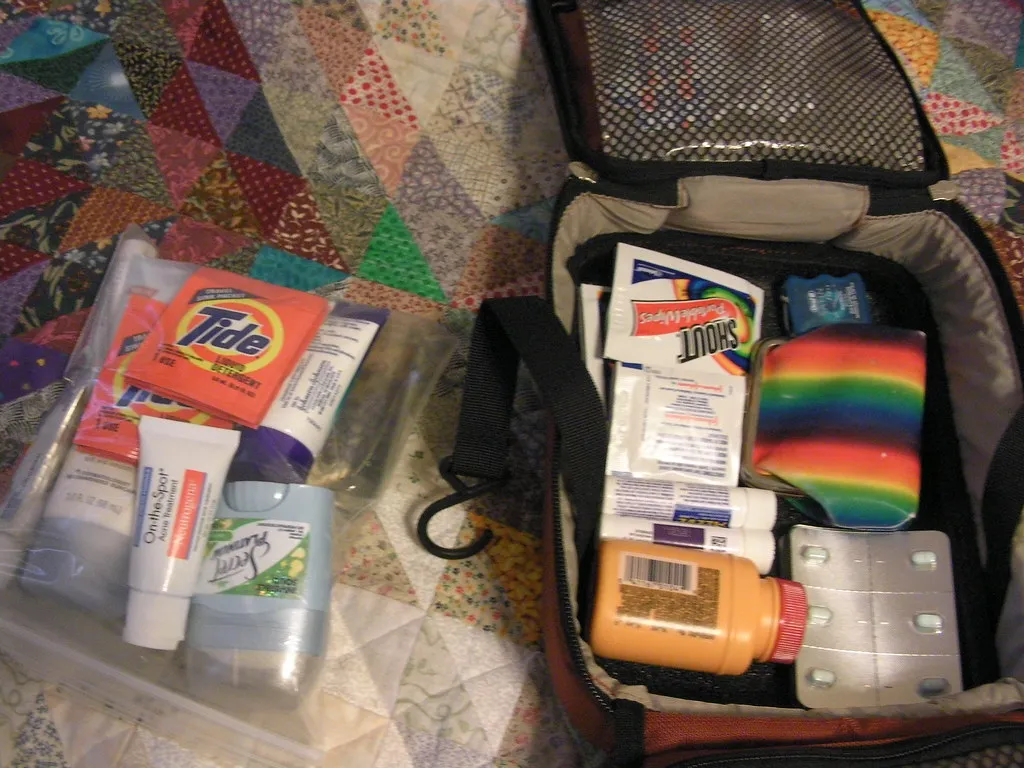
Full-size bottles of shampoo, conditioner, and body lotion are some of the stealthiest weight offenders in any suitcase. A single 500ml bottle of shampoo weighs roughly a pound before you’ve packed anything else. Switching to solid shampoo bars, travel-size containers, or planning to buy toiletries at your destination can shave off surprising amounts.
If you’re close to the weight threshold, removing dense items like shoes, chargers, and full-size toiletries first will drop your weight the fastest. This is the check-in floor wisdom that experienced travelers already know. Distributing dense items like chargers, cosmetics, and books into a personal item, if permitted, is another effective way to shift weight off the checked bag entirely.
Fill Every Empty Cavity – It Reduces the Need for Extra Bags
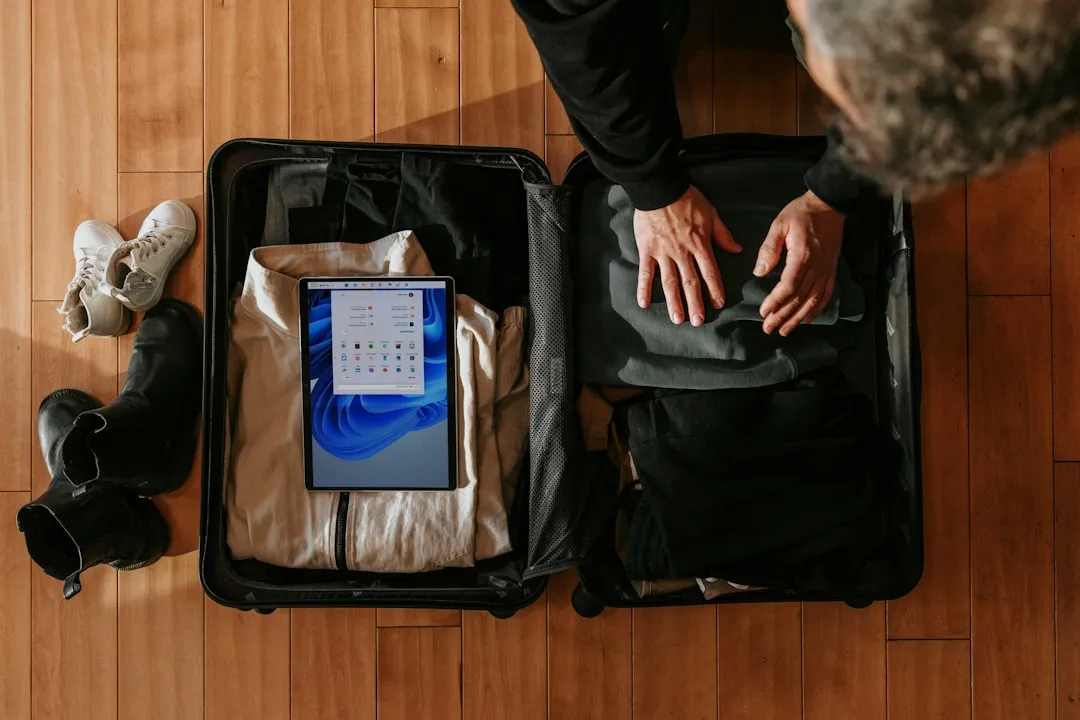
Fill every inch of your suitcase, including stuffing areas like shoes with socks. When you use this method, you allow yourself more room. Bundling or rolling clothes and using packing cubes help ensure you use every bit of space. This matters for weight management because empty space often tempts travelers into adding “just one more thing” on the way to the airport.
If traveling with a backpack or personal item in addition to your suitcase, distribute some of the weight to these bags to lighten the load in your checked bag. Pack items tightly and use all available space to ensure even weight distribution. Filling cavities smartly means you avoid the trap of adding a second bag, which brings its own fees and complications.
The Top Layer Should Be Light and Accessible
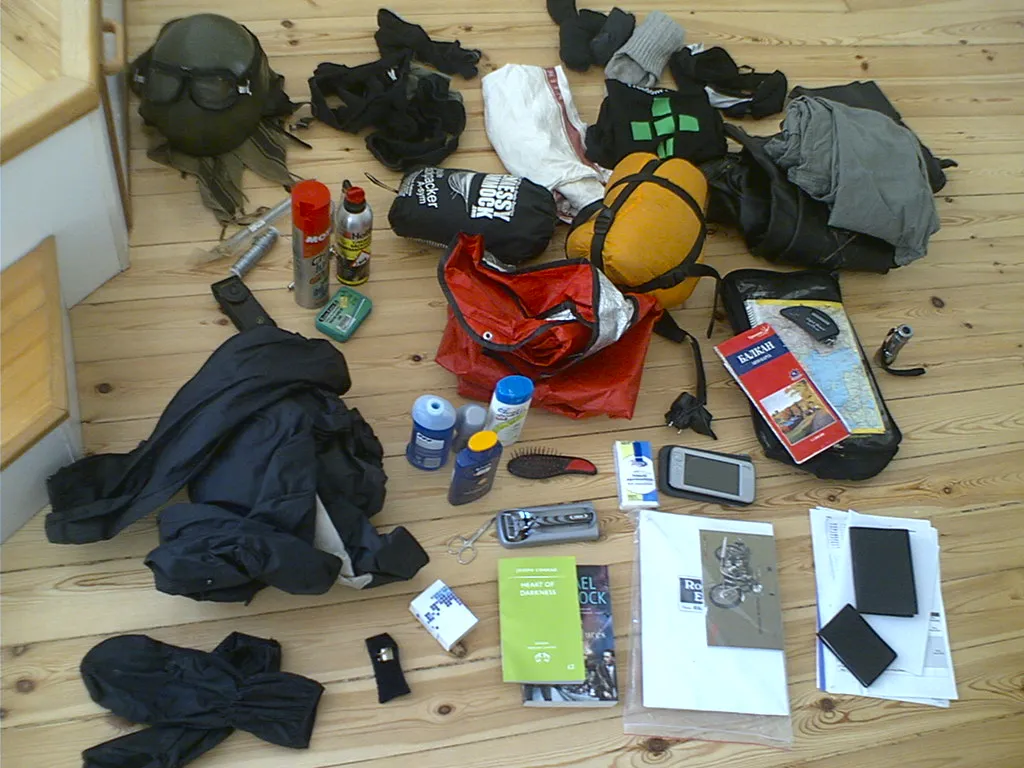
Lay a final layer of the largest, flattest, and most lightweight items across the top and secure with compression straps. Lightweight items on top also protect the heavier base layer from shifting during handling. Think: scarves, a lightweight jacket, sandals, or flat accessories.
The top layer should include cubes you’ll need first, such as nightwear, a next-day outfit, and toiletries for quick access. Packing a small overnight cube with one change of clothes, a phone charger, and toiletries in your carry-on means that if your checked bag gets delayed, you’ll still have essentials for twenty-four to forty-eight hours. That’s responsible packing, not paranoia.
Build in a Weight Buffer Before You Leave Home
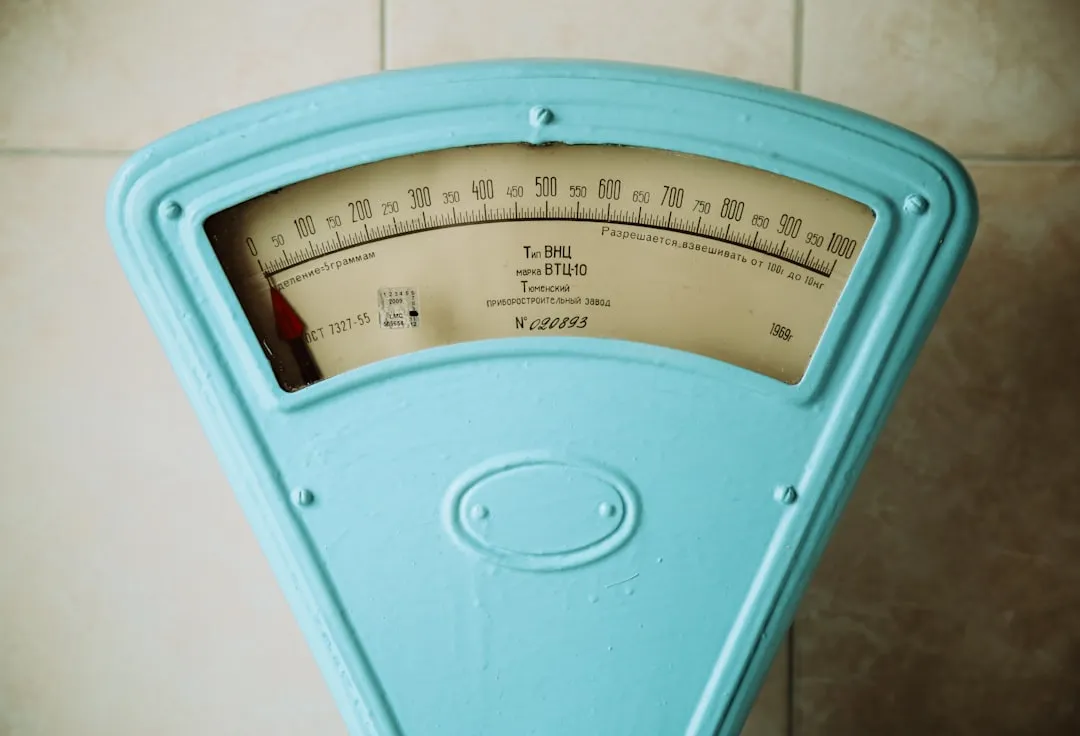
Overweight fees are often triggered by a small margin – an extra pair of shoes, a full toiletry bag, or souvenirs added at the end. The most reliable prevention is to create a buffer: aim to pack at least one to two kilograms under your allowance if you expect to shop or bring gifts back. That’s the kind of margin that turns a stressful return journey into a relaxed one.
It’s often cheaper to check a second bag than to pay overweight fees on a single heavy bag – so if you know you’re traveling with a lot, price out both options before you leave. Always weigh your bag at home using a luggage scale or the bathroom scale method before you head out. Using a luggage scale to ensure your suitcase isn’t overweight is especially important now, as airlines continue to adjust baggage allowance restrictions.
Know What You Can Cut – The “Maybe” Items Are Always the Problem
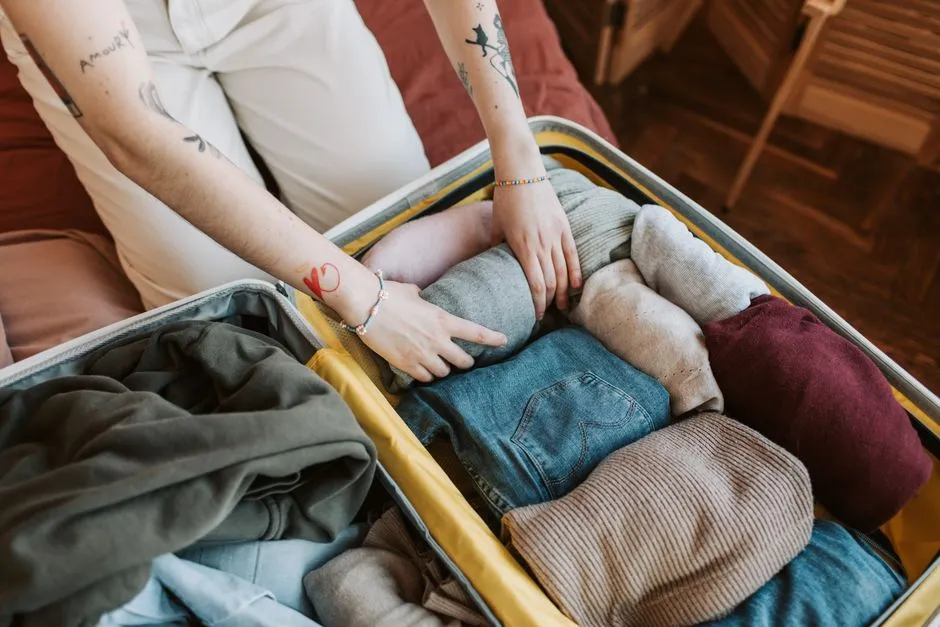
One of the most efficient ways to pack a suitcase is to set out everything you want for a trip and then cut back. Remove all “just in case” items. If you need something while on the go, you can most likely buy it. This mindset shift alone saves more weight than any packing technique.
Writing down everything you actually need, then following a structured clothing rule – such as five tops, four bottoms, three pairs of shoes, two jackets, and one hat – and packing items that can mix and match keeps the list honest and manageable. If you skip the system and pack item by item, you typically end up with duplicates, heavy “maybe” items, and poor weight distribution that makes the suitcase harder to carry and more likely to tip over. A clear packing list is, genuinely, one of the most underrated travel tools there is.
A Quiet Discipline That Pays Off Every Time
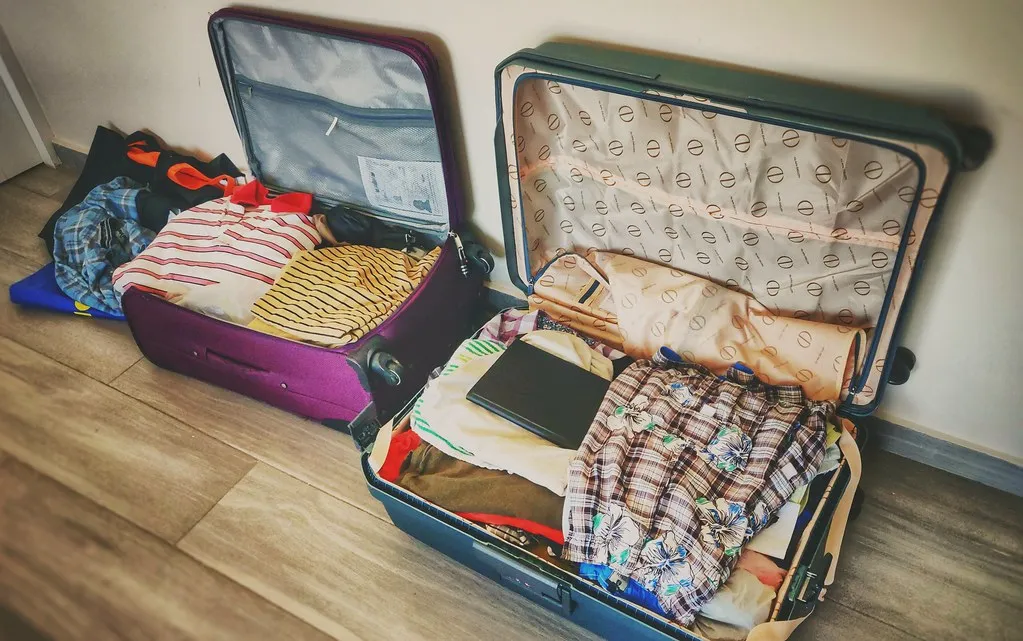
Packing well isn’t really about sacrifice. It’s about sequence, intention, and a small amount of planning before you ever open the suitcase. The travelers who consistently breeze through check-in aren’t packing less – they’re packing in the right order, with the right layers, and with a built-in buffer for the unexpected.
The weight limit isn’t the enemy. It’s just a constraint that rewards thoughtful preparation. And once the system becomes habit, you’ll find the whole process takes less time, costs less money, and leaves you arriving somewhere new with exactly what you need.
AI Disclaimer: This article was created with the assistance of AI tools and reviewed by a human editor.