


There’s a particular kind of sticker shock that hits first-time RV renters not when they book, but when they return the vehicle. The number on the final receipt rarely matches what they had planned for, and almost nobody expects the gap to be as wide as it is.
The culprit isn’t a mystery, though most renters don’t realize it until the trip is over. Fuel, in all its forms, is the single cost that blows budgets most reliably. Understanding exactly why that happens, and how to plan for it properly, makes the difference between a joyful road trip and a deeply stressful one.
The Advertised Price Is Just the Beginning
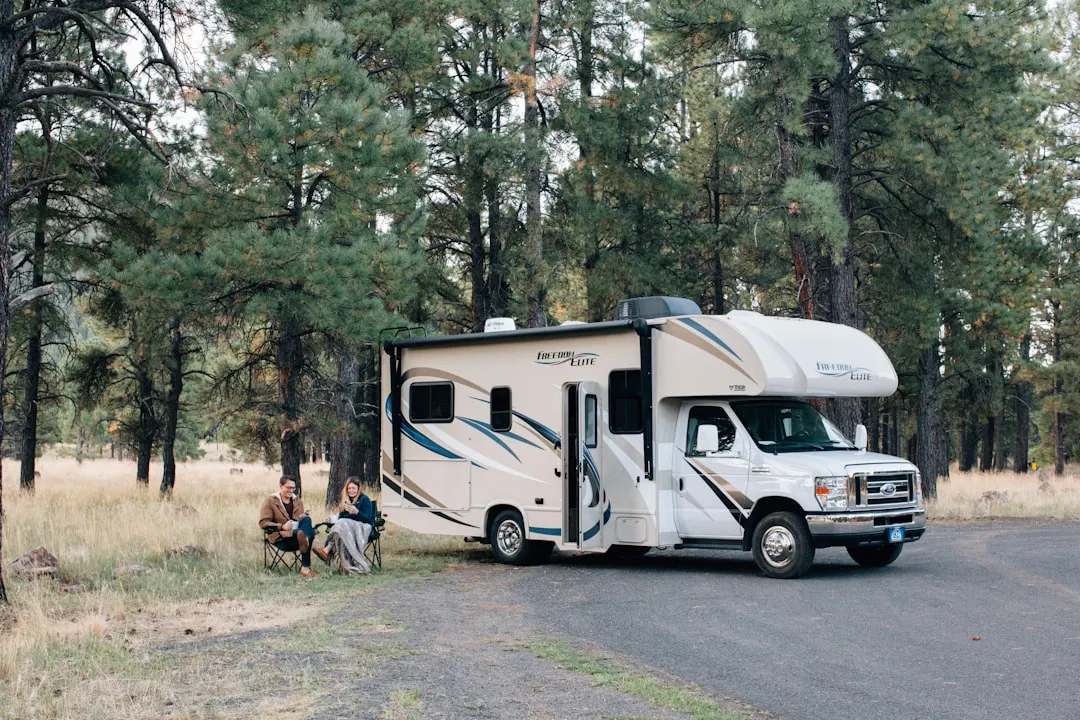
The rental price you see advertised is typically only about forty to sixty percent of your actual total cost, with the rest coming from insurance, mileage overages, generator use, campground fees, and fuel. That gap tends to catch people completely off guard, especially when the nightly rate looks reasonable at first glance.
First-time renters are often surprised when their final bill exceeds the listed nightly rate by thirty to fifty percent, largely because fuel, mileage overages, cleaning fees, insurance, and campgrounds all add up quickly. What looks like a budget-friendly trip on paper has a way of quietly expanding before the return key is handed back.
RV rental marketing tends to emphasize nightly rates while the major cost drivers stay buried in the fine print. The U.S. RV rental market reached approximately $942.6 million in 2025, and advertised rates represent only about thirty-five to fifty percent of the final cost.
Why RV Fuel Economy Shocks First-Time Drivers

RVs are genuinely fuel-hungry vehicles. Class A motorhomes typically return between six and ten miles per gallon, Class C motorhomes range from ten to fifteen, and camper vans can achieve between fifteen and twenty-five mpg. Most renters arrive expecting something closer to what their everyday car delivers, and the reality on open highway is a very different experience.
Fuel is often the second-largest expense on an RV trip after the rental itself, and a Class A motorhome getting seven mpg will cost nearly three times more in fuel than a Class B camper van getting sixteen mpg over the same distance.
Actual fuel costs can vary significantly based on speed, terrain, wind, weight, towing setup, driving habits, fuel type, and vehicle condition. Combine that with regional price differences, and the final fuel bill can look very different from what was estimated at booking.
The Real Numbers: What a Week of Driving Actually Costs
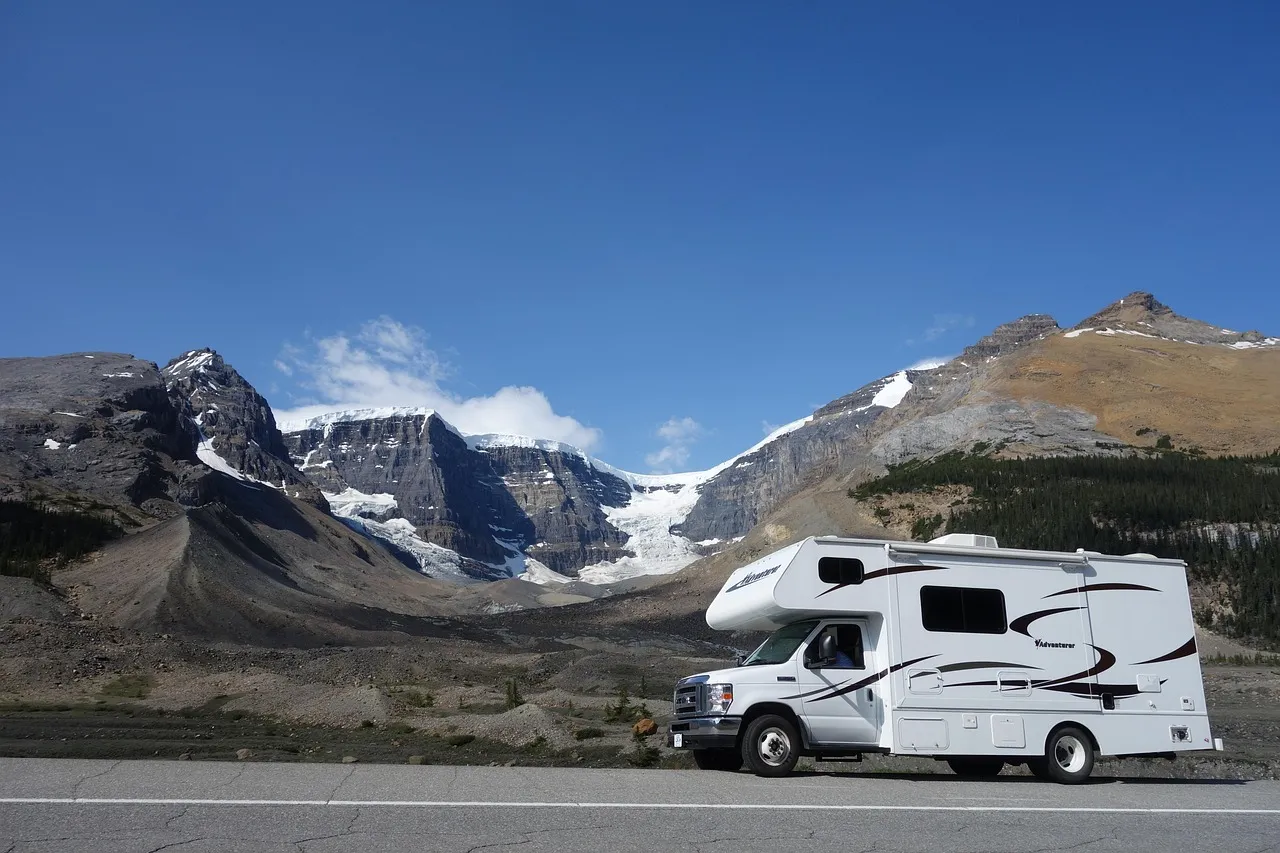
RV fuel costs for a week-long trip range from roughly $280 to $650 depending on the RV class, distance traveled, and terrain covered. Those numbers assume relatively flat driving and typical national average fuel prices.
RV fuel costs run three to five times higher than car travel for the same distance, and a 2,000-mile trip in a Class A motorhome can cost between $800 and $1,200 in fuel alone. That figure is before any generator use is factored in, which adds another layer to the total.
For a two-week cross-country adventure, renters should expect to spend between $3,000 and $7,000 total, including rental, fuel at $600 to $1,200, campgrounds at $350 to $700, mileage fees, and food and activities.
Mountains, Headwinds, and the Hidden Fuel Drains

Terrain has an outsized effect on fuel economy. Mountain passes and steep grades cut into fuel efficiency significantly, and fuel consumption also drops sharply when driving above sixty to sixty-five miles per hour. Headwinds add serious resistance to a large, boxy vehicle.
Adding fifteen to twenty-five percent to your fuel estimate for mountain driving is a practical rule of thumb. Many first-timers plan routes through the Rockies or the Sierra Nevada without factoring in how severely elevation changes punish a heavy motorhome’s gas tank.
The extra weight of supplies, gear, and full water tanks will also affect mileage in ways that aren’t immediately obvious during trip planning. A rig loaded for a ten-day family trip carries considerably more than an empty vehicle rolling off a rental lot.
Regional Fuel Prices Can Flip Your Budget
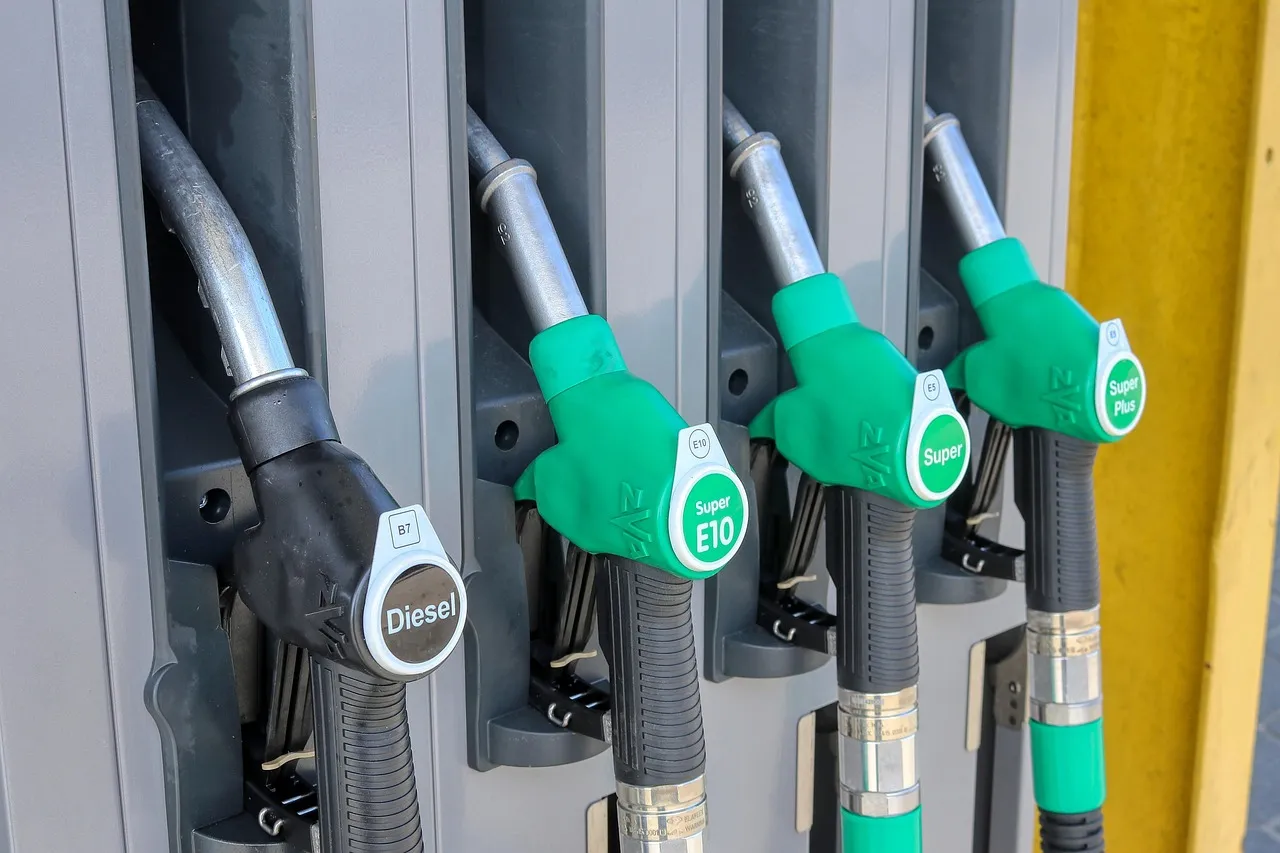
Location dramatically affects RV living costs across multiple categories simultaneously. Department of Energy fuel price data shows consistent regional variations, with West Coast states averaging seventy-five cents to a dollar fifty per gallon above national averages.
With current U.S. gas prices hovering around three to four dollars or more per gallon, total fuel expenses depend heavily on your itinerary, driving habits, and fuel prices along your route. A trip that crosses several states can span a wide range of pump prices within the same week.
Renters who plan a route without checking regional fuel price variation are essentially leaving a variable they can’t control completely unaccounted for. That’s a budget risk that experienced travelers know to factor in from the start.
Generator Fees: The Quiet Multiplier
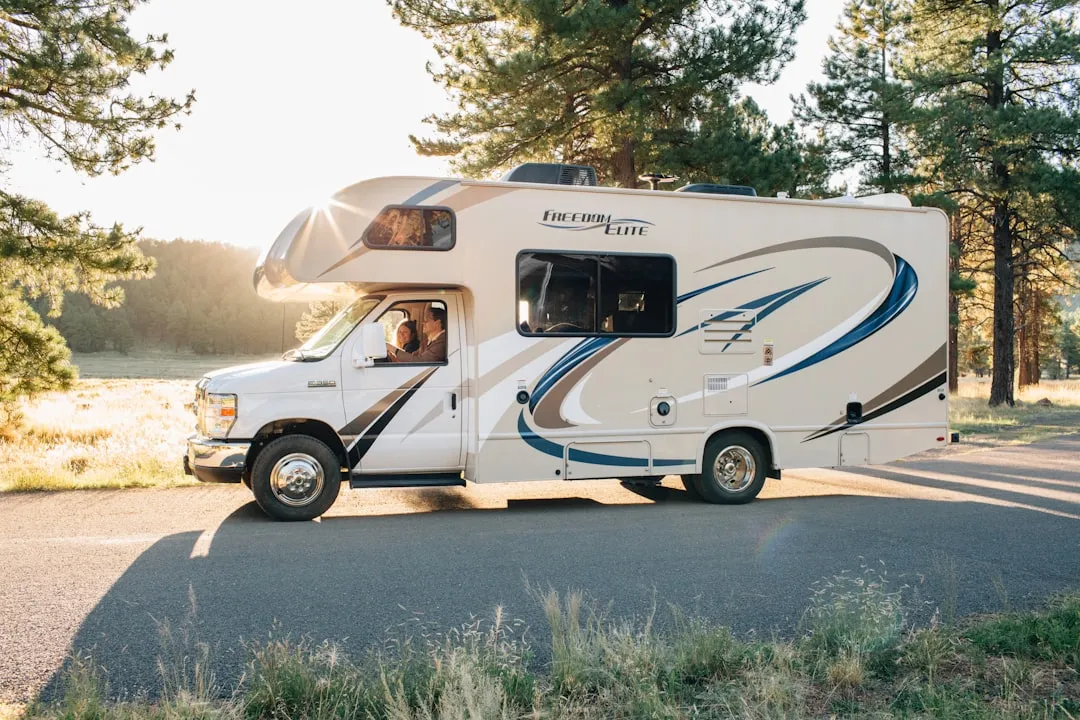
Generator fees on most rentals run around three dollars per hour after an included daily allotment of roughly four hours. That sounds modest, but a family running air conditioning through a warm evening can burn through that allowance within the first few hours of arrival at a campsite.
Generator use at fleet companies typically costs between three and four dollars per hour. Generator usage also consumes fuel from the RV’s tank, increasing overall gas expenses beyond whatever hourly or daily fees appear on the rental agreement.
Since generator fees can quickly inflate trip costs, prioritizing campgrounds with electrical hookups makes financial sense, even if they cost slightly more upfront, as they often save money compared to daily generator charges combined with fuel consumption.
Mileage Overages: A Charge That Sneaks Up Fast

Mileage charges at major rental companies commonly run between thirty-five and fifty cents per mile as of early 2026, with Cruise America charging thirty-eight cents per mile as of February 2026. Many renters don’t fully register this until they’ve driven considerably farther than their original estimate.
Most rentals include between one hundred and one hundred fifty miles per day, with overages billed at twenty-five to fifty cents per mile. Asking about unlimited mileage packages before signing is worth doing for any longer trip.
After the included daily allowance, renters pay between thirty-five and fifty cents per mile, meaning a 3,000-mile cross-country journey could generate three hundred to five hundred dollars in overage charges alone. That figure sits entirely on top of the fuel cost, not included within it.
Campground Costs Add Up Faster Than Expected

Public campgrounds like state parks typically range from twenty to forty dollars per night for sites with hookups, while private resort-style RV parks can run seventy-five to a hundred dollars or more per night. The difference between those two options over a week-long trip is substantial.
State parks generally charge between twenty-five and forty-five dollars per night with electric and water hookups. Private campgrounds with full hookups run forty-five to seventy-five dollars. RV resorts with amenities can reach seventy-five to one hundred fifty dollars per night. National Park campgrounds fall between twenty and fifty dollars but typically require booking six months in advance.
Most first-time renters realistically spend between $210 and $350 on campgrounds for a week when mixing state parks and private campgrounds with full hookups. Choosing sites with shore power also reduces or eliminates generator fees, so campground selection is genuinely a two-in-one budget decision.
How to Actually Budget for Fuel Before You Book
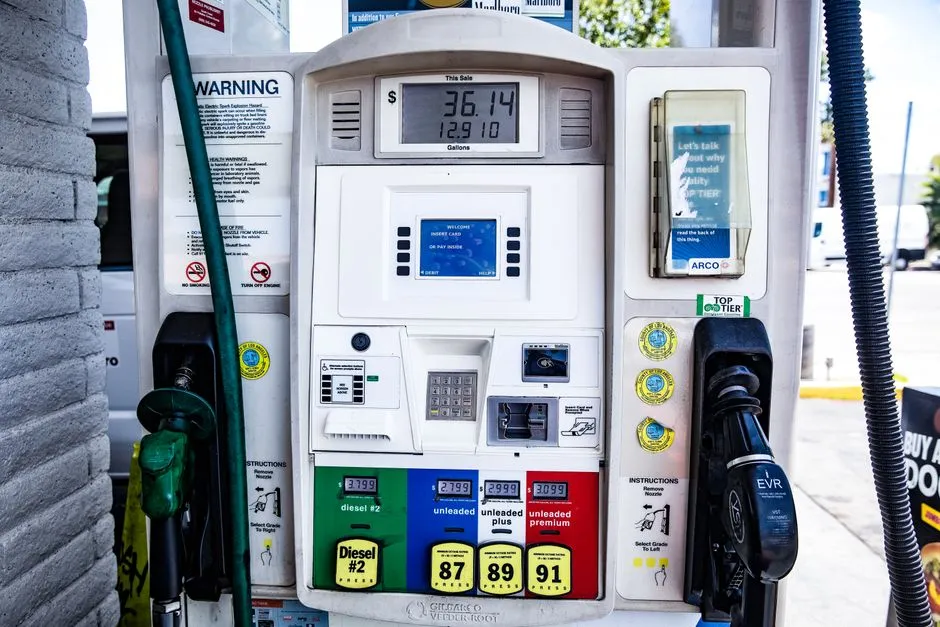
A reliable formula for calculating fuel costs is straightforward: divide the total trip distance by the estimated miles per gallon to determine gallons needed, then multiply by the current local fuel price. Working through this calculation for the actual route, not an idealized version of it, is where realistic planning begins.
GasBuddy is a useful free tool for checking current prices along your route before you leave. Combining that with the mpg range for your specific rental class gives a far more grounded estimate than simply assuming prices will mirror what you pay at home.
Using gas discount programs like GasBuddy or Open Roads, planning routes to avoid steep grades and unnecessary detours, and traveling at moderate speeds are all practical ways to keep fuel costs from running away.
The Total Bill: Pulling It All Together

A week-long RV rental costs between $1,800 and $3,800 all-inclusive depending on RV class and season. That figure includes the base rental, insurance, campgrounds, fuel, and miscellaneous fees.
The four major cost drivers that can turn a “$150 per night” listing into a $3,700 total are mileage charges at thirty-five to fifty cents per mile, generator fees at three to four dollars per hour, insurance and protection plans at thirty-five to sixty dollars per night, and one-time cleaning and prep kit fees of seventy-five to two hundred fifty dollars.
These additional charges can add thirty to fifty percent on top of the base rental cost. Knowing that going in, and budgeting deliberately for fuel in particular, is what separates a trip that ends with a smile from one that ends with a quiet argument over the credit card statement.
The Takeaway

Fuel is the one cost that touches every part of an RV trip. It feeds the engine, runs the generator, and even determines which campsite makes financial sense. It’s also the cost that expands most unpredictably as routes change, terrain shifts, and temperatures rise.
The renters who enjoy their first trip tend to be the ones who planned for the true fuel cost honestly, not optimistically. A little time with a calculator and a realistic mpg figure goes a long way toward making the final receipt feel earned rather than alarming.
AI Disclaimer: This article was created with the assistance of AI tools and reviewed by a human editor.