


There’s a shift happening in how golf fans plan their travel, and it doesn’t revolve around the Sunday leaderboard. Increasingly, the most thoughtful fans are building entire trips around practice rounds, treating them as the main event rather than a warm-up act. It’s a trend worth paying attention to, because it says something real about what people actually want from a golf experience.
The numbers behind golf tourism make the context clear. A record 545 million rounds were played in 2024, with 28.1 million on-course golfers, the highest since 2008. The number of golf travelers in 2024 was projected to exceed 12 million for the third consecutive year. Within that broader wave, a quieter preference is growing: attending the days before competition begins.
The Practice Round Offers Something Tournament Day Simply Cannot

Walk the grounds during a practice round at a major championship, and the difference from tournament day is immediate. Attendance during practice rounds can reach tens of thousands, but the atmosphere is more open and less intense than during competition, with patrons free to walk the course more freely and spend time at iconic locations without the same level of crowd pressure. That freedom of movement is rare in elite sport. Most top-tier sporting events offer spectators a fixed seat and a fixed view; a practice round at Augusta or Royal Troon is something closer to a walk in the world’s most storied landscape.
One of the biggest differences is that cameras are allowed during practice rounds. Patrons attending Monday and Tuesday at Augusta can bring cameras for personal use, something strictly prohibited during tournament rounds from Thursday through Sunday. For a generation that documents travel and shares experiences, that detail is not a small one.
Access to Players That Tournament Crowds Never See
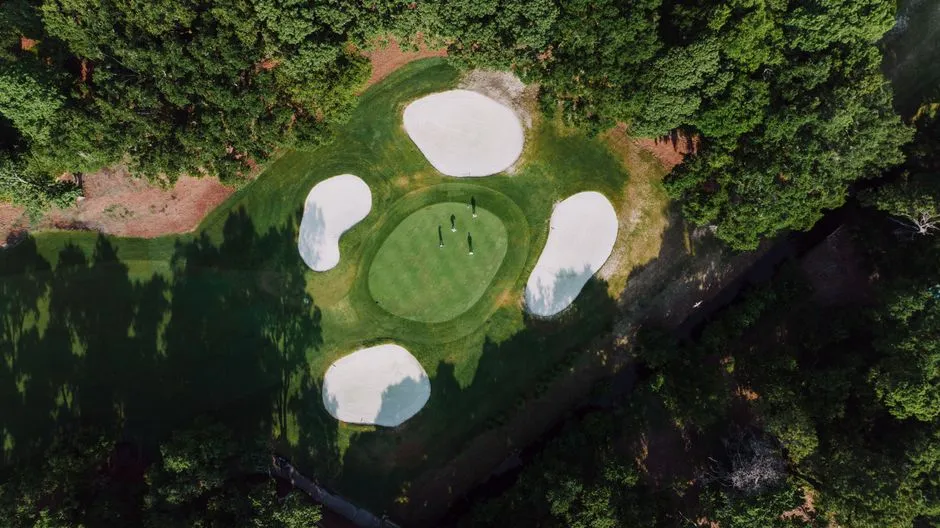
The Masters Tournament doesn’t truly begin on Thursday. For many players and patrons, the week at Augusta National Golf Club starts earlier, with the practice rounds defining the opening days through preparation, tradition, and a more relaxed atmosphere. That looseness changes the player-fan dynamic entirely. During competition, players are focused, guarded, and surrounded by officials. During practice, the rope lines are more porous, players engage with the crowd, and the human side of the sport becomes visible in ways that a broadcast camera never fully captures.
Another significant difference between the tournament rounds and the practice ones is that you can move around the course far more easily during practice. For fans who want to see multiple players, study course strategy, or simply absorb the landscape from different angles, that mobility is the whole point of the visit.
The Broader Golf Tourism Surge Supporting the Trend

Golf tourism overall is the second-biggest economic driver in the industry behind only facility operations, with golfers generating over $31 billion in travel-related golf expenditures within the U.S. That figure includes everything from resort stays to bucket-list tournament pilgrimages. Golf tourism, once considered a niche sector on the decline, is now a $20 billion industry in the U.S. alone, with more than two-thirds of core golfers planning golf-specific trips. The infrastructure to serve traveling golf fans has grown accordingly.
The golf tourism market size is forecast to increase by USD 10.13 billion at a compound annual growth rate of 7% between 2024 and 2029. The rising tide lifts all boats, including the growing sub-segment of fans who organize their travel around access, not around competition.
Younger Fans Are Driving the Practice Round Appeal

The 18-to-34-year-old cohort is the largest group of on-course golfers, with 6.3 million players in 2024. This millennial and Gen Z crowd is drawn to golf through social media, influencer content, and off-course venues. For this demographic, the shareable moment matters as much as the competitive moment. A practice round delivers both the proximity to elite players and the freedom to photograph it, a combination that tournament day simply doesn’t offer.
Younger players are investing in golf travel, with roughly a third of new private golf club memberships coming from this age group post-pandemic. They’re planning buddy trips, exploring bucket-list courses, and sharing their experiences online, making golf travel a trendy social pursuit. Practice rounds fit neatly into that ethos: they’re more affordable, more accessible, and more content-friendly than final-round tickets.
Major Championship Week as a Travel Destination in Itself

When someone flies to Augusta for Masters week, they’re not just attending a golf tournament. They’re visiting a town that transforms entirely for a week, staying in rented homes within a short drive of the course, eating at local spots recommended by other fans, and building a multi-day itinerary. For the 2026 Masters scheduled April 9-12, the first two practice rounds on Monday and Tuesday offered a unique window into the world’s most famous golf course and a different kind of experience than the competition that followed. Many fans structured their whole trip around those early days rather than the weekend.
The 2024 Open Championship had 250,000 fans on-site during the week at Royal Troon, last year’s U.S. Open had 225,000 spectators at Pinehurst No. 2, while the PGA Championship at Valhalla drew around 200,000 fans. Those weekly attendance figures include practice round days, and hospitality operators increasingly report that those early-week slots sell steadily alongside competition tickets.
The Economics of Choosing Practice Over Competition

Tournament-day tickets for major championships are notoriously difficult to obtain and expensive on the secondary market. Practice round tickets, while still competitive, are generally far more attainable. Augusta National releases a limited number of tickets through a lottery system, and as one of the hottest tickets in sport, obtaining them is no easy feat. For fans who enter the lottery and receive practice round access rather than competition day tickets, those days have become the trip, not a consolation prize.
The economics extend beyond the ticket itself. Practice rounds allow fans to spread their spending across more days in one destination, supporting local hotels, restaurants, and transportation. The domestic golf tourism market is growing as travelers increasingly seek short, high-quality leisure trips that combine recreation with relaxation and premium amenities. Golf destinations benefit from strong repeat visitation, well-developed infrastructure, and the appeal of year-round play in favorable climates.
Experiential Travel Is Reshaping How Fans Define a “Good Seat”

The increasing popularity of golf as a recreational activity is driving demand for golf-related travel, and the rise of experiential tourism is prompting travelers to seek immersive and memorable experiences. A good seat at a golf tournament used to mean a grandstand position at the 18th hole on Sunday. Now, a good experience means getting close to the game in a way that feels personal and unhurried. Practice rounds deliver that in abundance.
Future Market Insights research sees growth in the global golf tourism market, citing increasing disposable income, government backing, and evolving consumer preferences toward luxury travel. Within that shift toward experience over transaction, practice round travel is one of the clearest expressions of the trend. Fans are no longer satisfied with watching. They want to be present.
Destination Courses Are Capitalizing on the Full-Week Visitor

In 2023, over 140 new golf travel packages were launched globally, with a focus on thematic tours, smart booking interfaces, and all-inclusive resort deals. Tour operators have noticed that fans attending major championships often want to play the host course, or nearby courses, before or after the event. A practice round trip becomes a longer golf holiday, and smart resorts near major venues are packaging itineraries around exactly that.
In September 2024, Elevate Golf brought together up to 50 international tour operators and over 100 suppliers for bespoke appointments at the Old Course Hotel in St. Andrews. Notable suppliers included prestigious Open Championship venues like Royal Birkdale and Royal Troon. The fact that major championship venues are now actively marketing to golf travel operators reflects how seriously the industry takes the multi-day fan visitor.
Social Media Has Made Practice Rounds Visible and Desirable

Before social media, practice rounds were something insiders knew about. Now, the footage circulates widely. A video of a player attempting a trick shot at Augusta in practice, or casually chatting with fans on the range, can accumulate millions of views. That visibility has turned practice days into aspirational content, and fans who see it naturally want to be there in person. The millennial and Gen Z crowd is drawn to golf through social media and influencer content, with millions participating in off-course activities like simulators before making the leap to on-course and tournament travel.
Within the first quarter of 2024, digital booking systems processed over 93,000 bookings, cutting traditional booking time by nearly half. Meanwhile, certain platforms introduced AI-powered itineraries that suggest destinations based on player handicap, group size, and desired travel dates. The easier it becomes to plan a golf trip around a specific week and specific days, the more fans will choose to do exactly that.
Practice Round Pilgrimage as a Growing Niche Within Golf Travel

What’s happening isn’t random. It reflects a maturation in how golf fans relate to the sport. As participation grows and more people understand course strategy, the appeal of watching a player walk a hole, study the slopes, and decide on a game plan carries genuine meaning. Practice days are great for fans who want interaction and fewer crowds. A fan-favorite element is the legendary Par 3 Contest, which is also the last chance to take photos and see players with family. Moments like that don’t happen on Sunday afternoon.
The number of golfers traveling to play has been at or near record levels the past several years, and golfer surveys for 2024 showed no sign of a slowdown when it comes to golf wanderlust. Within that enthusiasm, the practice round trip is carving out its own identity: purposeful, immersive, and often more memorable than a seat in the grandstand during competition.
The Takeaway

The shift toward practice round travel isn’t a quirk. It’s a logical response to a sport that has become more popular, more competitive to access, and more central to how people choose to spend their leisure time and money. Rising interest in wellness-oriented travel, coupled with the popularity of golf as a social and business activity, is further supporting demand for the kind of unhurried, immersive experience that a practice round provides.
For anyone planning a trip around a major championship, it may be worth reconsidering which days matter most. The final round is electric. The practice rounds are human. Both have their place, but the fans who’ve discovered the quieter days often say those mornings on the course stay with them longest. That’s not a minor point. That’s the whole story.
AI Disclaimer: This article was created with the assistance of AI tools and reviewed by a human editor.