

The Standard Check-In Window Is Not Arbitrary
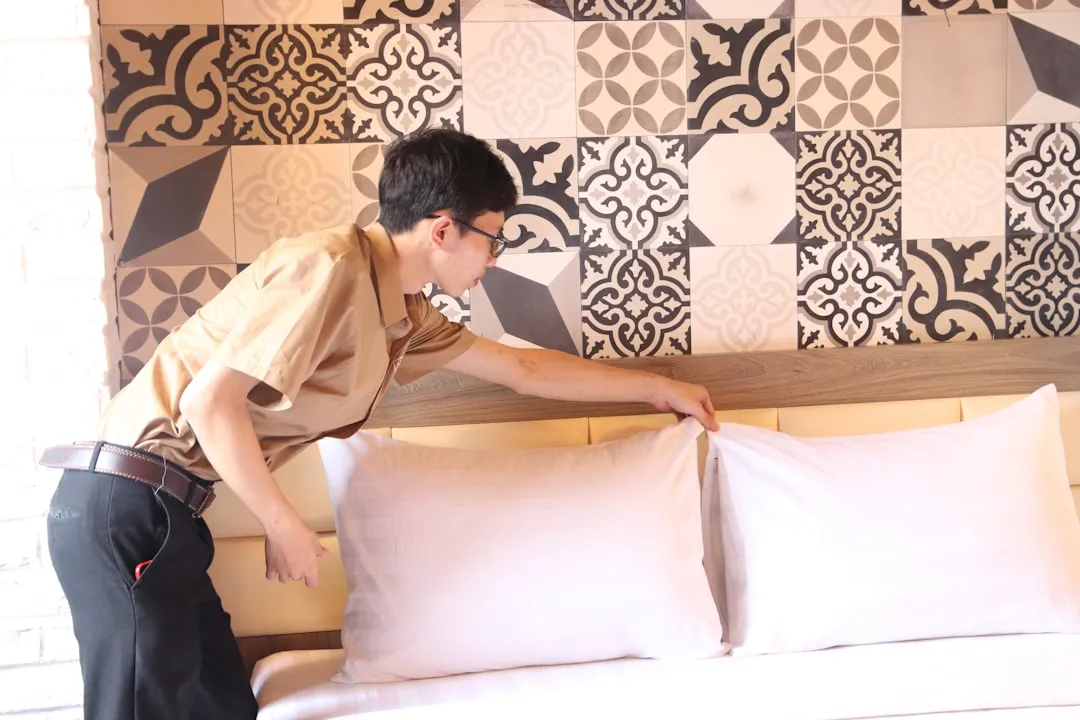
Standard hotel check-in time falls between 3:00 PM and 4:00 PM, while checkout is typically by 11:00 AM, sometimes noon. These windows exist because the hours between checkout and check-in are when housekeeping turns over every occupied room. It’s a logistical sequence, not a random policy. Miss that sequence and you wait; work with it and you get the text.
Hotels establish their standard checkout period between 11:00 AM and noon, which creates a vital period for housekeeping activities. Staff use this time to perform complete room cleaning and maintenance checks before preparing accommodations for new guests. When you understand this cycle, you start to see exactly where early arrivals either win or lose.
The Arrival Time That Actually Works: Around 10:00 to 11:00 AM
Many hotels accommodate complimentary early check-in, starting around 11:00 AM or 12:00 PM, if clean rooms are available. Arriving in that 10:00 to 11:00 AM window puts you at the property just as the first checkout rooms begin to come off the housekeeping list. You’re not there too early, and you’re not caught in the 3:00 PM rush with everyone else.
It’s recommended to arrive at your hotel no more than two hours before check-in since the staff must prepare your accommodation first. That guidance points squarely to that mid-morning arrival as the practical sweet spot for guests hoping to grab an early room without paying a premium for it.
How Housekeeping Turnaround Times Shape Your Odds
Cleaning benchmarks run roughly 25 to 35 minutes for a standard checkout room, 15 to 20 minutes for a stayover, and 45 to 60 minutes for a suite or deep clean. In practical terms, this means that if a standard room checks out at 11:00 AM, it can realistically be ready by 11:45 AM at the earliest. Arrive by 10:30 AM, ask politely, and you may be first on the list when that room clears.
The morning shift typically handles 70 to 80 percent of room cleaning, starting early to ensure rooms are ready for afternoon arrivals. This means the bulk of housekeeping momentum happens well before noon, not after. That’s another quiet argument for showing up in the morning rather than staking out the lobby at 2:00 PM alongside a queue of other hopeful guests.
Call Ahead 24 to 48 Hours Before You Arrive
Early check-in is often possible if you contact the hotel 24 to 48 hours ahead and explain your situation. When you ask early, you give staff time to check availability and work with their policies. This single step is cited consistently by hotel professionals as one of the most effective things a guest can do. It costs nothing and signals that you’re a considerate, organized traveler.
When a guest has booked and communicated their estimated arrival time, hotel teams can prioritize early check-ins by preparing rooms in advance at no additional cost. If you didn’t communicate your arrival time when you booked, reaching out the day before to ask about occupancy levels is a smart next step. That one phone call can shift you from random guest to priority arrival.
The Role of the Previous Night’s Occupancy
Early check-in depends on the previous night’s occupancy, housekeeping schedules, and hotel policy; some properties charge an early check-in fee or reserve priority for loyalty members. A hotel that ran at nearly full capacity the night before will have a packed housekeeping schedule and very few rooms ready before noon. A lighter night means rooms flip faster and your chances improve significantly.
Early check-in often depends on timing. If you’re visiting during peak season or on a weekend, your chances are lower. This is worth factoring into your travel planning. A Tuesday arrival at an off-peak property is a very different experience from a Friday arrival at a beach resort in July.
Flexibility With Room Type Opens Doors Faster
If you’re open to a different room category, you might have a better chance of getting an early check-in. If the specific room type you booked isn’t available, front desk staff may offer a downgraded room that’s sitting vacant for early check-in. They may also give you the option of upgrading to a more deluxe room that’s already available. Many travelers lose an early room simply by holding out for their exact booking. Being genuinely flexible removes that barrier.
The front desk team wants to help. Their hands are tied by what housekeeping has physically completed, not by a desire to keep you waiting. Tell them you’re flexible and you immediately become easier to accommodate.
Elite Status Still Gives You the Clearest Advantage

Travelers who hold certain elite membership statuses through hotel loyalty programs can receive additional benefits on their stays, including complimentary breakfast, room upgrades, early check-in, and late checkout. Elite status essentially pre-queues you for the first available room of your category, often before non-loyalty guests even make it to the front desk.
Joining a hotel’s loyalty program may provide early check-in perks. Elite status members often receive priority for available rooms, and may also receive complimentary upgrades or late checkout. Even base-level membership in programs like Marriott Bonvoy, Hilton Honors, or World of Hyatt can provide a modest edge, while higher tiers tend to guarantee it where rooms allow.
A Polite, Direct Request Goes Further Than You’d Expect
Being polite and friendly to the staff can significantly improve your chances of securing an early check-in. Front desk staff have to field all sorts of issues throughout the day, and a genuinely pleasant attitude can help sway their decision. This is one of those travel tips that sounds almost too simple, yet it’s consistently confirmed by hospitality professionals across property types.
Contacting the hotel before arrival to request early check-in, either by phone or email, is a smart move. Being polite and flexible and arriving after housekeeping starts can help, though some hotels may charge a small fee for early access. A calm, straightforward request combined with genuine flexibility is a more effective combination than any amount of points or status alone.
Pre-Check-In Emails Are Worth Reading Carefully

Sometimes, that coveted early check-in is just waiting in your inbox. Many hotels offer discounted add-ons through email, including early check-ins, late checkouts, and other upgrades. These pre-arrival emails, often sent two to seven days before your stay, contain genuine offers that many guests delete without reading. That’s a missed opportunity every time.
Some hotel booking platforms, like Marriott, let you request early check-in explicitly when booking online or input it as a special request. Getting that request into the system at the time of booking means housekeeping coordinators may see your preference before you’ve even packed your bag.
If the Room Still Isn’t Ready, Use the Property Wisely

There’s almost always a way to get the day started without dragging heavy bags around. Most locations will store your luggage so you can begin enjoying the amenities while waiting for your room to become available. A good hotel has a spa, a pool, a restaurant, or at least a comfortable lounge. Most guests forget that the clock on a great stay doesn’t have to start in the room itself.
If your room isn’t ready, most hotels will store your luggage, letting you explore the area without being tied down. That mindset shift, from waiting to exploring, is often all it takes to turn an early arrival into the most relaxed part of the trip. By the time the text arrives, you’re already in a good mood.
The Takeaway
AI Disclaimer: This article was created with the assistance of AI tools and reviewed by a human editor.