


The Basic Logic: Why Airlines Sometimes Drop Prices Late
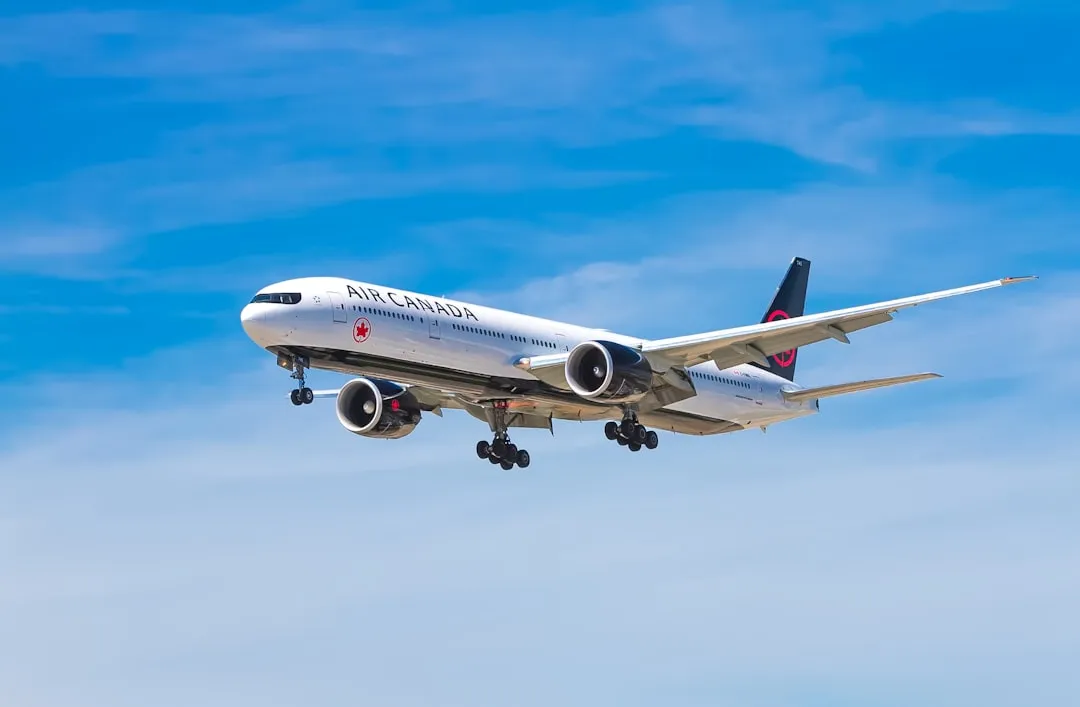
Last-minute trips are often more expensive because airlines know travelers booking close to departure are less flexible. However, you can sometimes find deals on unsold seats when demand is low. That second part is the key. Airlines are not in the business of flying empty planes, and sometimes a route simply doesn’t fill up the way the carrier projected.
Airfares are dictated by dynamic pricing, which takes factors like demand and availability into account to change the ticket cost in real time, meaning prices can fluctuate multiple times a day. As cheaper seats sell out, only the higher-priced tickets remain. On underperforming routes, that sell-out never comes, and the dynamic cuts both ways.
The Hard Numbers: Last-Minute Flights Aren’t Always Costly

In a study analyzing over 21,000 flights across 10 of the busiest domestic routes, researchers tracked fares daily for two weeks to see what travelers actually pay when booking one week before departure, comparing last-minute ticket prices across airlines and routes to identify where waiting paid off.
Across the routes analyzed, last-minute flights cost an average of 8.3% less than those booked in advance, and some routes saw even steeper discounts for late bookings. That’s a meaningful margin, and it challenges the default assumption that early always equals cheaper.
Where It Actually Works: Short-Haul and High-Frequency Routes

Short-haul flights, like Honolulu to Maui and Las Vegas to Los Angeles, often see lower last-minute fares because they’re covered by multiple daily departures on budget-friendly airlines. When a carrier operates five flights a day on the same corridor, the urgency to fill any single departure is much lower than on a once-daily long-haul service.
Waiting until the eleventh hour sometimes saves money, especially on short-haul routes or flights with frequent departures. Other times, procrastination comes with a hefty price tag, particularly on premium long-haul routes or flights operated by full-service carriers. The distinction between those two scenarios is everything.
The Booking Sweet Spot: Not Last-Minute, But Not Six Months Out Either

According to Google Flights’ 2025 annual report, the lowest-priced US domestic flights can be found around 39 days before departure, while Expedia’s annual report suggests booking 15 to 30 days out. Neither of those is what most travelers think of as “last-minute,” but both are far shorter than the “book as early as possible” advice that circulates endlessly.
The Prime Booking Window for the lowest domestic fares extends all the way up to about three weeks from the travel date, with the cheapest fares findable out to about 2.5 months before departure in 2024. That’s a wide range, which suggests flexibility matters more than any single target date.
Expedia’s 2026 Air Hacks report found that the most affordable booking window for domestic economy flights is 31 to 45 days before departure, while international travelers can save an average of around £93 by booking 15 to 30 days ahead instead of six months out.
When Booking Too Early Actually Costs You More

Booking very early in what CheapAir terms the “First Dibs” zone costs travelers an average of 36% more than waiting for the Prime Booking Window. Most people assume they’re being savvy by committing to a flight many months ahead. The data suggests otherwise for a wide range of routes.
Expedia’s data shows that airfare peaks about four months from departure, and waiting past that point could save around 10%. This is one of the clearest cases where the received wisdom about early booking backfires in measurable ways.
Budget Carriers: The Last-Minute Advantage Is Strongest Here

Low-cost carriers Spirit and Frontier consistently offer some of the cheapest last-minute flights, keeping base fares low even for short-notice bookings, though they often charge extra for carry-ons, seat selection, and other add-ons. The base fare savings can still be real, provided you watch what you add on.
Budget carriers like Ryanair, EasyJet, Wizz Air, and Southwest may offer late fare drops on their websites that don’t appear on aggregator platforms. Checking directly with the carrier, rather than relying solely on comparison engines, is worth the extra step when hunting last-minute.
Off-Peak Seasons: The Window When Last-Minute Genuinely Opens Up

Price drops are more likely on less-busy routes or off-peak travel dates. On popular routes, prices often rise as departure nears. The pattern is consistent: the less congested the route and the quieter the season, the better the odds that unsold inventory gets discounted.
Domestic flights, weekday travel, and underbooked routes can still drop in price within two to seven days of takeoff. That’s a narrow window, but it’s a real one for travelers who have the flexibility to move quickly when a price drops.
The Long-Haul Warning: A Different Game Entirely
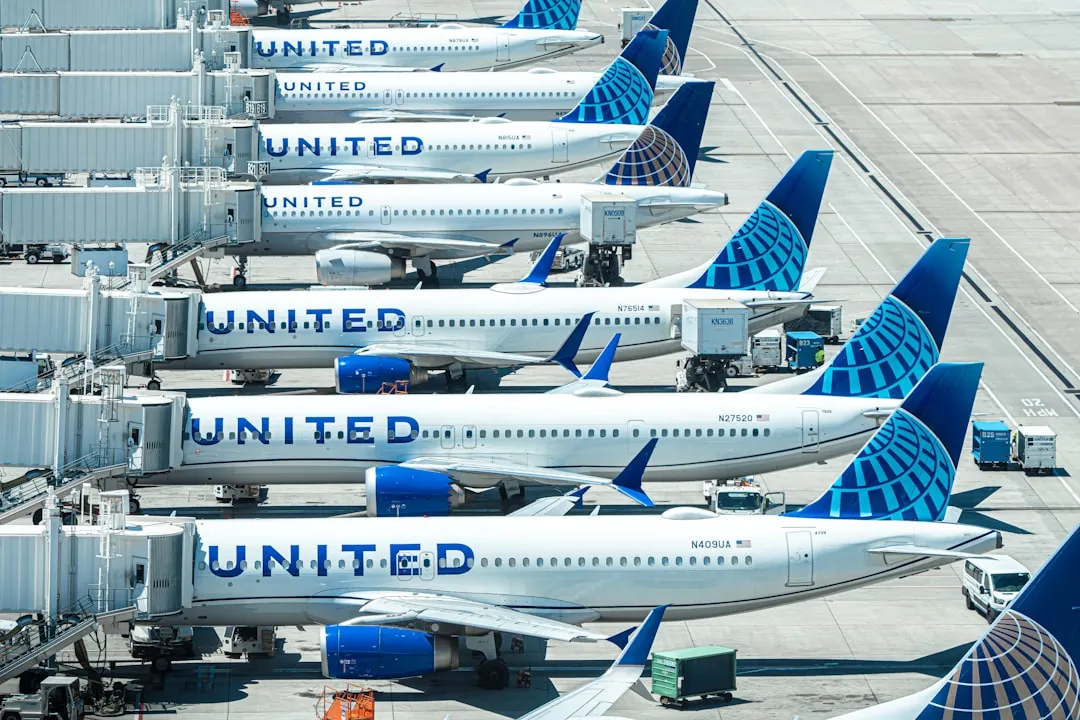
Data shows that booking last-minute can be incredibly costly on certain routes. An analysis of fares on the New York to London route found that booking within 48 hours of departure resulted in a 287% price increase compared to booking in advance. International long-haul routes are a fundamentally different pricing environment.
Google Flights data shows the lowest-priced international flights are found 49 days or more before departure. That’s the threshold below which the risk of paying a significant premium becomes very real. For long-haul travel, the last-minute advantage largely disappears.
Loyalty Points: The Last-Minute Wildcard
As the days and hours before a flight approach, airlines often release remaining seats for points redemption, creating opportunities in every cabin, including business class seats to Europe for relatively modest point totals. This dynamic makes last-minute bookings attractive for points-holders in a way that the cash fare market simply doesn’t replicate.
Expedia’s 2024 Air Travel Hacks Report found that travelers who booked domestic airfare around 28 days before departure saved up to 24% compared to those who booked at the last minute. That same data shows, however, that flexible use of rewards can soften or even eliminate that penalty on certain routes. The math depends on your loyalty currency and the redemption value on offer.
The Flexibility Factor: What Last-Minute Booking Actually Requires
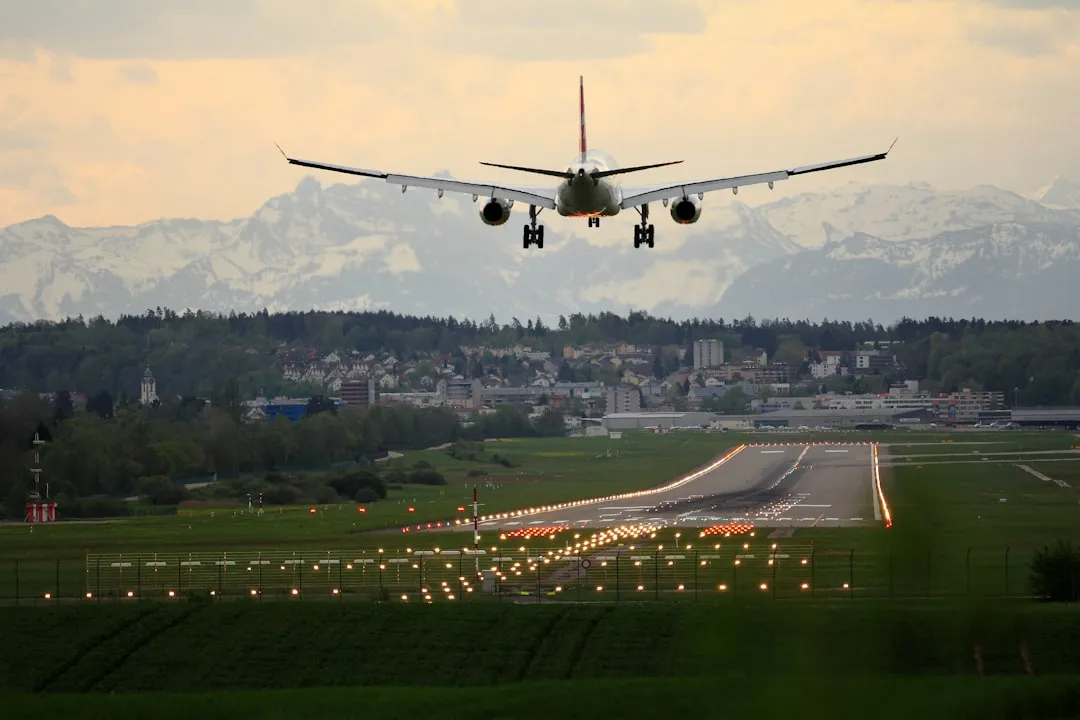
Last-minute bookings typically mean less seat selection, a higher chance of connecting itineraries instead of nonstops, and reduced availability in preferred cabins. Those are real costs even when the fare itself looks attractive. A $50 saving on the base ticket matters less if you end up in a middle seat on a long layover.
Booking red-eye or very early flights can cut costs by up to 20%, while being open to layovers or non-direct routes and staying flexible with dates can bring further savings of a similar magnitude, according to Google Flights Insights from April 2025. Flexibility isn’t just a nice-to-have for last-minute bookings. It’s essentially the price of entry.
The Takeaway: It Depends, but That’s the Point
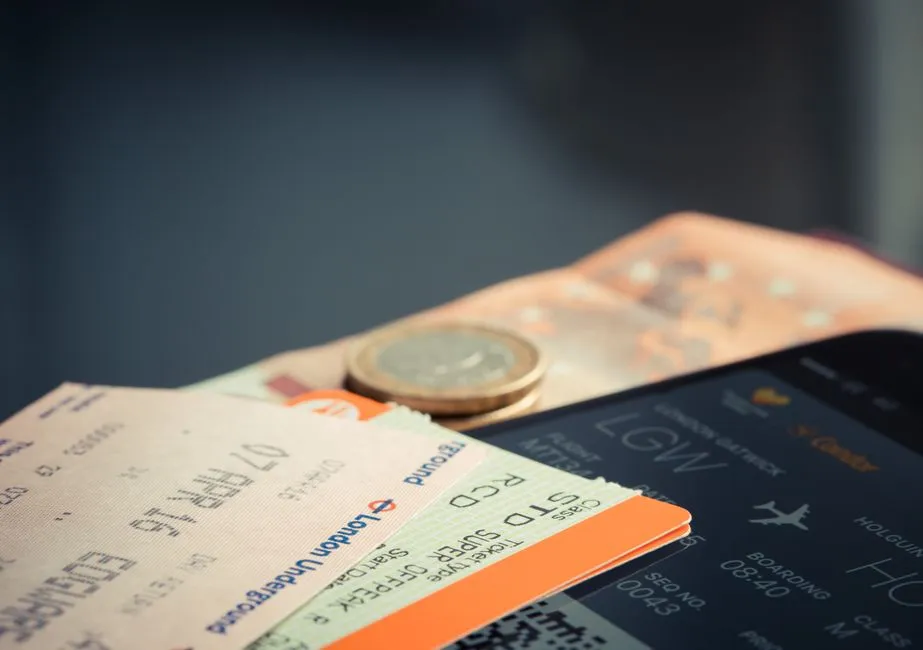
There’s a Goldilocks window for getting the best deal on airfare: generally not too far in advance, but also definitely not last-minute either. That framing captures the nuance well. The narrative that early booking always wins is too blunt to be useful, and the myth that last-minute is always a bargain is equally misleading.
The most honest reading of the available data is this: last-minute bookings can genuinely win on short-haul, high-frequency, off-peak routes with budget carriers, especially when you hold loyalty points or have real date flexibility. On busy international corridors or during peak travel seasons, the risk of paying a steep premium is very real.
Knowing the difference between those two scenarios is the actual skill. Route context, carrier type, seasonality, and your own flexibility together determine whether waiting rewards you or punishes you. The data exists to make that call informed rather than instinctive.
AI Disclaimer: This article was created with the assistance of AI tools and reviewed by a human editor.