
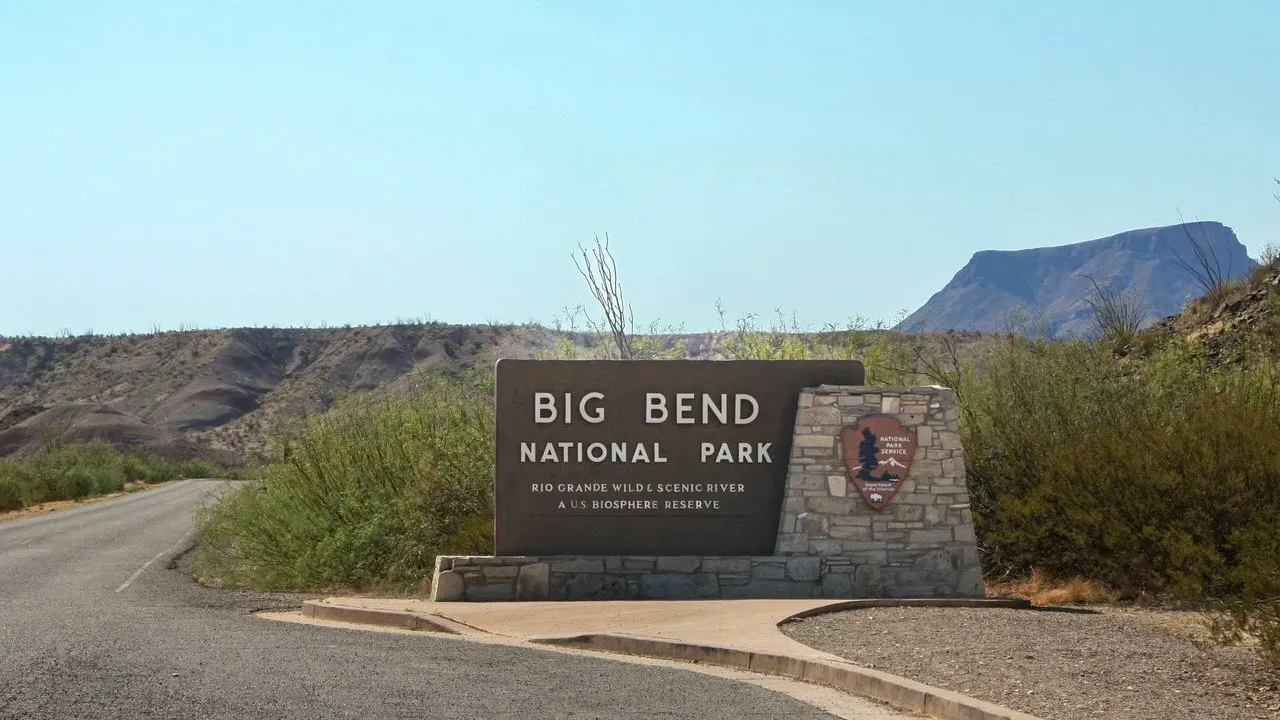

West Texas holds one of the country’s most expansive and lightly visited protected landscapes in Big Bend National Park. Months after Congress directed substantial funding toward border infrastructure improvements, earth-moving equipment reached areas adjacent to the park. The development places renewed focus on how such projects intersect with the daily rhythms of a place defined by its isolation and ecological richness.
The Distinct Character of a Remote Landscape
Big Bend occupies a vast stretch of the Chihuahuan Desert where the Rio Grande carves dramatic canyons and the Chisos Mountains rise abruptly from the desert floor. Its scale and limited road network keep visitor numbers low compared with more accessible parks, preserving long stretches of quiet that allow wildlife to move freely across international boundaries. Travelers who reach the park often describe the sense of scale that comes from standing in open desert with only distant peaks on the horizon.
The park supports an unusual mix of desert, mountain, and river habitats within a single boundary. Species such as mountain lions, black bears, and a wide variety of migratory birds depend on the continuity of these environments. For visitors, the experience centers on hiking trails that climb from arid lowlands into cooler high-country forests or floating calm sections of the river that mark the park’s southern edge.
How Recent Approvals Translated into On-Site Activity
Federal legislation passed earlier in the year allocated billions of dollars for infrastructure across lightly traveled portions of the southern border. In the months that followed, contractors began mobilizing equipment at several locations near Big Bend. Park staff and nearby residents noted the arrival of bulldozers and support vehicles as the first visible signs of work tied to those appropriations.
The sequence unfolded gradually rather than through sudden announcements. Initial planning documents outlined segments intended to improve roads and related facilities, while actual ground disturbance remained limited to specific stretches outside the park boundary itself. Local observers continue to track how quickly the work advances and whether additional phases extend closer to protected lands.
Who Feels the Effects and What Changes Next
Several groups share direct interest in how the projects unfold. Park visitors value the continued ability to experience long stretches of undeveloped country without the sights or sounds of heavy equipment. Conservation organizations monitor habitat connectivity for species that cross the border region regularly.
Ranchers and small communities in the surrounding counties weigh potential improvements to local roads against possible shifts in tourism patterns. A short list of developments worth watching includes:
– The precise footprint of new construction relative to park boundaries
– Any adjustments to visitor access points or trailheads during active work periods
– Ongoing coordination between federal agencies and park management on mitigation measures
– Updates from regional wildlife biologists on movement patterns of key species
These elements together shape how the landscape will be experienced in the seasons ahead.
Traveling Responsibly in a Changing Setting
Visitors who plan trips to Big Bend can still find the same opportunities for quiet exploration that have long defined the park. Checking current conditions with park rangers before arrival helps travelers adjust routes if work zones affect particular roads or overlooks. Supporting local outfitters and lodging that follow low-impact practices further aligns trips with the park’s emphasis on preservation.
The park’s remoteness continues to reward those who prepare thoughtfully, whether through longer drives, careful water planning, or simply allowing extra time to absorb the stillness of the desert at dawn or dusk. Such experiences remain available even as infrastructure work proceeds nearby. The story of Big Bend ultimately rests with the people who return to it year after year and with the decisions made in the coming months about how development and protection can coexist on the same map.
AI Disclaimer: This article was created with the assistance of AI tools and reviewed by a human editor.