
The promise is simple and appealing: book your flight and hotel together, pay less, stress less. Online travel agencies have spent years perfecting this pitch, and millions of travelers accept it without much scrutiny. The math, though, is rarely as clean as the banner ads suggest.
The reality is that bundled packages can save money in specific circumstances, and cost more in others. Knowing the difference takes only a little digging – but most people never bother. Here is what actually happens when you hit “bundle and save.”
The Marketing Claims Don’t Tell the Whole Story

Bundling is a practice popularized by third-party online travel agencies like Expedia, Priceline, and Kayak, encouraging travelers to book flights, hotels, and rental cars within a single reservation. The savings language is hard to escape. Expedia claims that bundling saves its U.S. customers up to ten percent versus booking those items separately. That figure sounds reassuring, but it compares your bundle price to booking both components separately through the same platform – not necessarily the cheapest price available anywhere online.
Bundling isn’t always cheaper. The benchmark being used matters enormously. A ten percent discount off an already inflated baseline is not the same as ten percent off the lowest price on the market.
Separate Bookings Can Actually Win on Price

A study by the American Society of Travel Advisors found that travelers who book components separately can save up to thirty percent compared to all-inclusive package deals. That is a significant gap, and it reflects how much room exists when you shop each element independently. Using fare comparison websites can help uncover the best deals for flights and hotels, resulting in considerable overall savings.
Separate bookings tend to win when you’re flexible with dates, booking months ahead, or heading somewhere with intense airline and hotel competition. In those conditions, the open market consistently beats the bundled price. The key is being willing to spend the time comparing.
The Loyalty Points You Quietly Lose
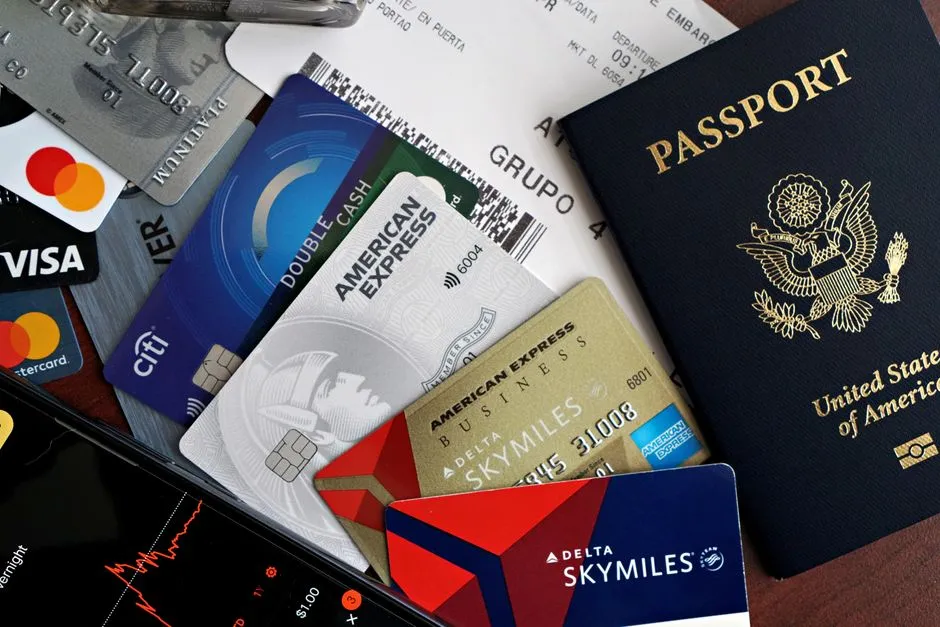
One of the most overlooked costs of bundling is what you give up in rewards. Many loyalty programs explicitly exclude third-party bookings from earning points or achieving status levels, meaning you might forfeit valuable benefits such as free checked bags, priority boarding, or complimentary upgrades. For frequent travelers, these perks add up to real money over time.
American Airlines updated its AAdvantage policy in 2024 to award miles only for tickets booked directly, and all major hotel chains have the same rule: elite night credits are only awarded for direct bookings. A typical five-night business trip earns between twenty-five thousand and fifty thousand hotel points when booked directly, often nothing when bundled – and the fifty to one hundred fifty dollar upfront savings from bundles rarely outweighs lost status benefits worth hundreds to thousands annually.
Hidden Fees Change the Real Total

Extras such as resort fees, hold luggage, airport transfers, and seat selection can quickly change the true cost of a trip, whether you book a package or build it yourself. Bundled packages can obscure these add-ons behind a single headline price, making it easy to feel like you’re getting a deal before the itemized receipt appears. Some package deals may have hidden fees, such as baggage costs or additional charges for specific accommodations.
Following the Federal Trade Commission’s “Junk Fees” rule effective May 2025, U.S. online travel agencies are required to display mandatory resort fees and cleaning fees upfront. That is a meaningful step forward for transparency, but travelers still need to read carefully before assuming the bundled price is the final price.
Opaque Pricing: When You Don’t Know What You’re Buying

Opaque pricing models are employed by some third-party sites as a way to offer steep discounts on hotels and flights without revealing the exact property or airline until after purchase. If you have flexibility on exact property but firm parameters like star tier, general location, and total budget, Priceline’s opaque products can deliver between twenty and forty percent below named-rate pricing. That is a genuine benefit for some travelers.
The trade-off is clear: do not use this approach if brand loyalty, a specific chain, or a specific hotel actually matters to you. Many travelers discover too late that “opaque” savings come with properties they wouldn’t have chosen otherwise.
Cancellation and Flexibility Risks
Choosing a non-refundable flight through an online travel agency can seem like a money-saver, but schedule changes can expose hidden risks – travelers often misunderstand how inflexible these tickets truly are, leading to unexpected costs and disrupted plans when airlines adjust their timetables. A bundled booking that seems cheap can become expensive the moment your plans shift.
Separate bookings can lead to increased complexity and a greater chance of misalignment in travel plans – for example, if a flight is delayed, travelers may face challenges if a hotel reservation does not allow for flexible check-ins. Neither approach is perfectly safe when disruption strikes, but bundles handled through third parties can add an extra layer of difficulty when you need to reach someone for help.
Dynamic Pricing Means the Numbers Shift Constantly
The dynamic pricing algorithms used by airlines often cause pricing inconsistencies between direct bookings and third-party bookings – as airlines adapt to real-time demand, ticket prices fluctuate rapidly, and it is not uncommon for third-party sites to lag in updating their listings, potentially leading to missed savings. A package price locked in at checkout can look very different from the prices available on the open market a week later.
Separate bookings let you hunt for deals right up to departure, while packages lock in a price that seemed reasonable months ago but might look worse by the time you travel. This is particularly relevant for travelers heading to high-competition routes where prices shift frequently.
When Bundling Actually Does Make Sense

Fairness requires acknowledging that bundles genuinely work in certain scenarios. Package operators buy hotel rooms and flight seats in bulk, negotiating rates with airlines and hotels that individual travelers cannot access – a hotel might sell a room to a tour operator for a rate well below what it charges the public, and that discount gets passed to the customer.
Booking flights and a hotel yourself can often come in lower than a package, particularly during the off-season or shoulder months when prices move more independently – this is especially true for short city breaks and mid-week departures, which rarely fit neatly within a tour operator’s standard model. So the rule of thumb is roughly this: bundles tend to perform best for peak-season, standard-duration trips to popular destinations. Outside that window, the advantage fades.
The Comparison Step Most Travelers Skip
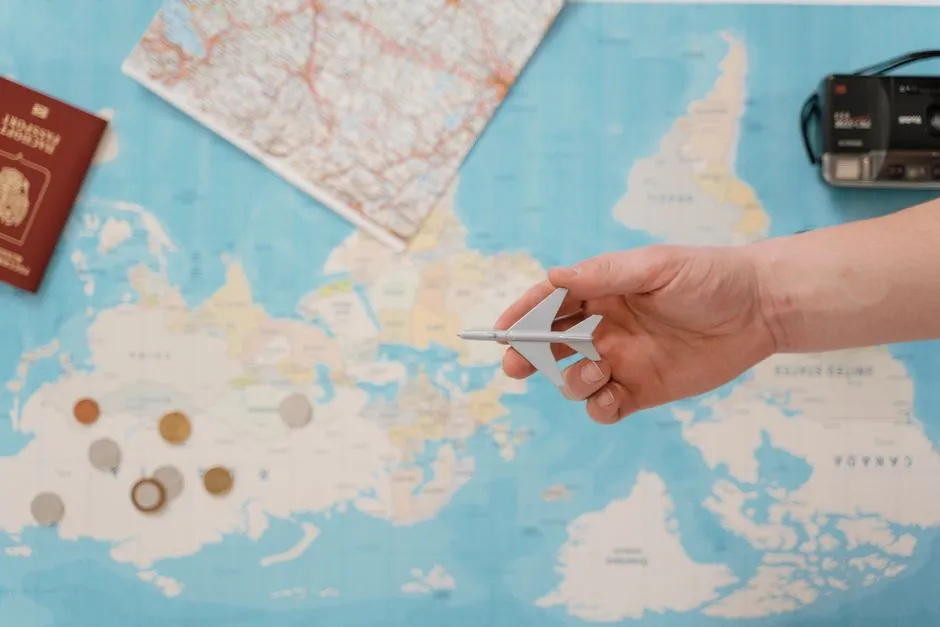
The best strategy is simply to check both options – spend ten minutes comparing a package price to a quick flight plus hotel search before committing. It takes very little time and often reveals a clear winner. Sites such as Skyscanner, Booking.com, and Expedia allow you to compare flights and hotels independently, making it easier to spot where the real savings lie.
Don’t just look at headline prices – add up the real cost: flight plus hotel plus any fees or taxes. The number that matters is the final total, not the figure in the largest font on the search results page.
The OTA Commission Structure Behind the Curtain

It helps to understand who benefits from bundling, and why these platforms push it so aggressively. In 2025, typical commission rates on major OTA platforms sit around fifteen to thirty percent. Hotels and airlines pay these fees to be listed and promoted, and those costs are baked into the prices you see. OTA fees often go beyond just that percentage – there can be extra charges for premium placement, promotional exposure, or added services.
Bundling hotels with flights through Expedia or Priceline creates a separate pricing contract that hotels argue doesn’t trigger their best-rate guarantee policies – the result is that bundled flight-and-hotel packages can undercut booking the two components separately by one hundred to three hundred dollars, and the hotel’s guarantee technically doesn’t apply. Understanding this mechanism helps explain both when bundles save you money and when they don’t.
The Takeaway

Bundled travel packages are a useful tool, not a guaranteed shortcut. They can deliver real savings on the right trip for the right traveler – but they can also mask higher costs, strip loyalty rewards, and reduce your flexibility when you need it most. The travel industry’s messaging rarely mentions that last part.
The most reliable approach is also the simplest: run both comparisons before you book, add up every fee, and weigh the value of the loyalty points or flexibility you might be giving up. That ten minutes of homework tends to be worth far more than any bundle badge claiming you’ve already found the best deal.
AI Disclaimer: This article was created with the assistance of AI tools and reviewed by a human editor.