

Picture this: you’re steps away from the TSA officer, the line behind you stretches deep into the terminal, and the person in front is frantically tapping at a phone screen, waiting for an app to load. It’s one of those small moments that costs everyone time, and it happens at airports across the country every single day.
The fix sounds almost too simple: have your boarding pass ready before you reach the front of the line. Yet the gap between knowing this and actually doing it is wider than most travelers realize, especially at a time when U.S. airports are handling passenger volumes that would have seemed staggering a decade ago.
The Scale of the Problem
The Transportation Security Administration screened roughly 904 million passengers in 2024, along with 494 million checked bags and 2 billion carry-on items. That is an enormous flow of people, and the checkpoint experience depends heavily on each individual doing their part to keep things moving. When even a small percentage of travelers fumble at the document check, the ripple effect is real and immediate.
National screening volumes are near record highs, and industry data updated in early 2026 shows that average daily passenger throughput at TSA checkpoints rose modestly from 2024 to 2025, reflecting continued demand for air travel. At that kind of scale, a thirty-second delay per traveler compounds into significant slowdowns across an entire checkpoint within minutes.
Why Not Having Your Boarding Pass Ready Is the Core Culprit
The number one tactic to get through security quickly is to have your boarding pass and ID ready to hand over to the checkpoint security officer. It sounds obvious, but the reality at busy checkpoints tells a different story. People dig through bags, scroll through cluttered email inboxes, or wait for low-signal Wi-Fi to pull up a barcode.
Before you reach the TSA officer, having your boarding pass and government ID in hand and ready to inspect is among the most important things you can do. The seconds spent locating a document at the front of the line are not just your seconds. Every person behind you absorbs that delay too.
The Ripple Effect on the Entire Line
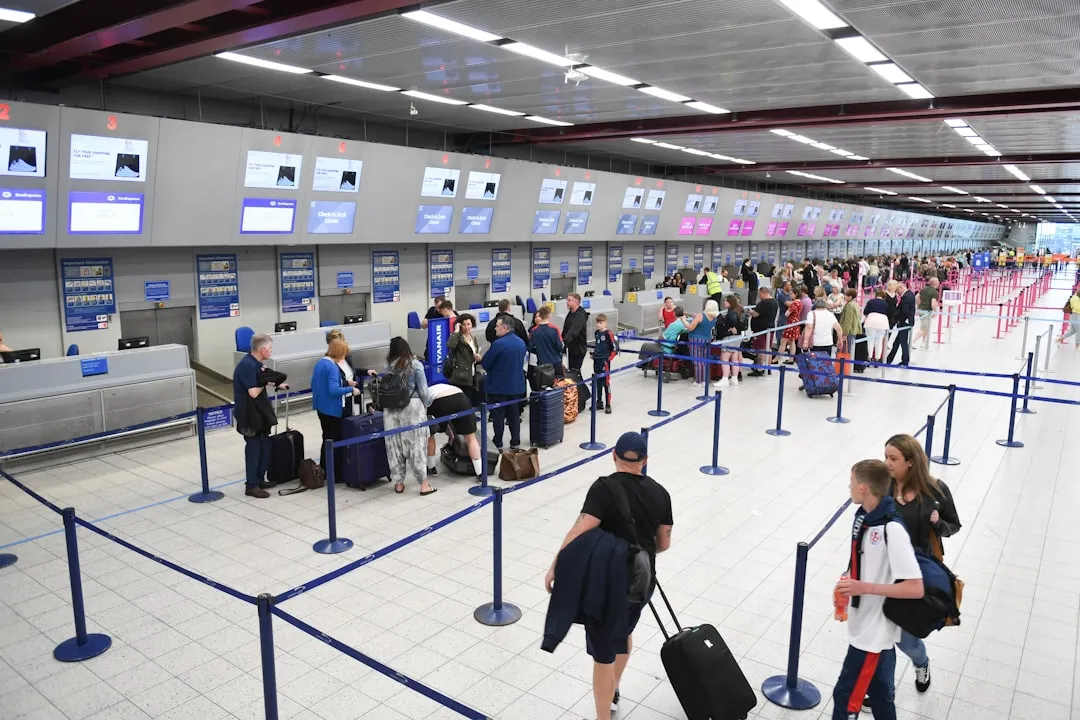
According to a survey from Upgraded Points, security delays occur at roughly two per 1,000 flights nationwide. While that might sound infrequent, across a system processing hundreds of millions of passengers, small individual slowdowns accumulate into a recognizable pattern. Checkpoints are designed to move people at a steady rhythm, and disruptions to that rhythm are felt almost immediately.
Bureau of Transportation Statistics data was analyzed for every flight at the 60 largest U.S. airports from July 2024 through June 2025, with security delays defined as terminal evacuations, reboarding after security breaches, inoperative screening equipment, or screening lines exceeding 29 minutes. The underlying insight here is that checkpoint congestion is a system problem, and individual behavior at the front of the line is one of the few variables that travelers can directly control.
Digital Boarding Passes: Helpful but Not Foolproof
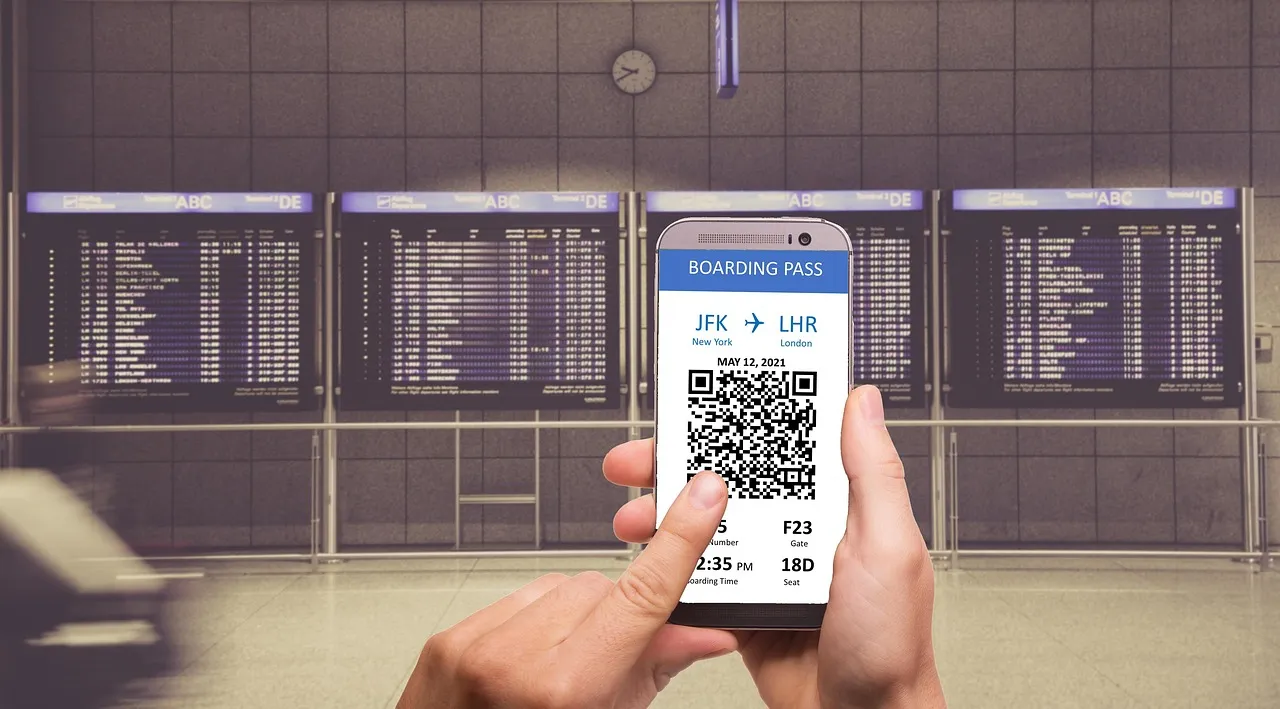
To avoid snags, make sure your boarding pass is downloaded to your mobile wallet ahead of time, because even screenshots sometimes won’t suffice. Many travelers assume that having a photo of the barcode is enough, only to find that the scanner struggles to read it under bright terminal lighting or that the image is too low-resolution to scan cleanly.
Many airports now rely heavily on biometric screening, digital boarding passes, self-service bag drops, and automated immigration gates. While these innovations improve efficiency, travelers who arrive unprepared can quickly find themselves delayed. Downloading the boarding pass directly into Apple Wallet or Google Wallet is a more reliable option than relying on a screenshot or a weak mobile data connection at the checkpoint.
The ID Mismatch Issue That Compounds the Delay
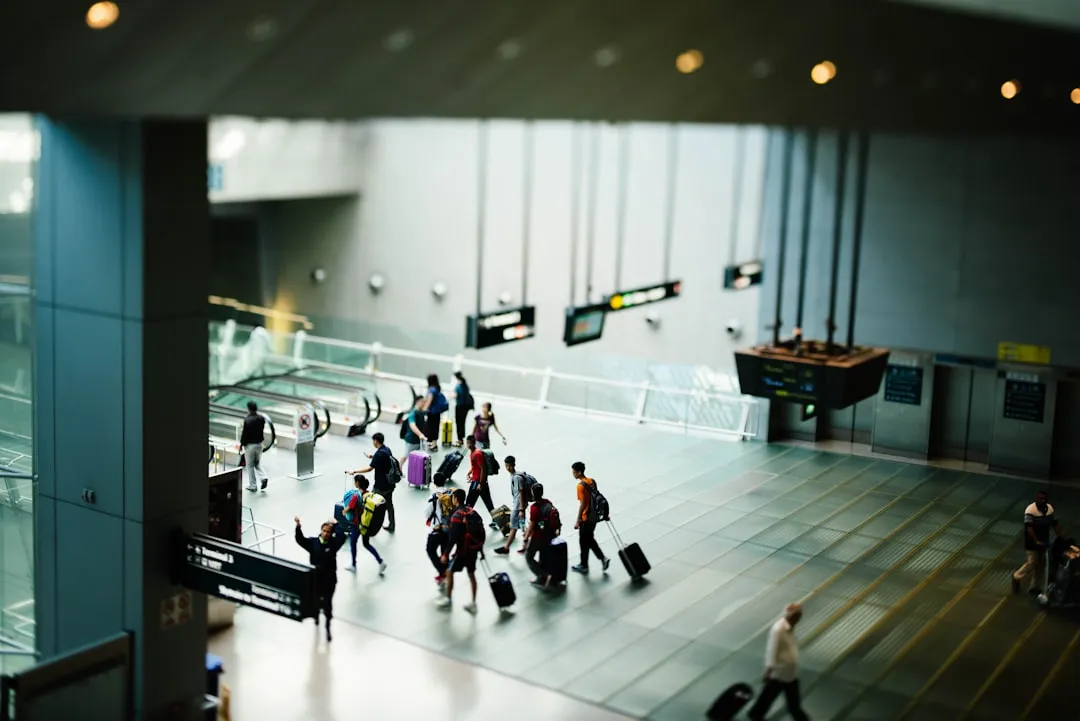
Even small differences between your ID and boarding pass can lead to extra screening at the airport. TSA officers and airline staff must carefully confirm identity, and any mismatch may require additional verification steps, including answering questions, showing extra documents, or waiting for manual approval. This is particularly common among travelers who recently changed their name or who made a booking error.
Keeping an eye out for potentially falsified identification helps TSA agents ensure that the person presenting a boarding pass is who they claim to be. If you recently changed your name, make sure your booking matches your legal ID exactly before arriving at the airport. A mismatch that could have been corrected at home with a two-minute phone call to the airline becomes a multi-minute delay for everyone at the checkpoint.
How Clothing and Pockets Add to the Wait
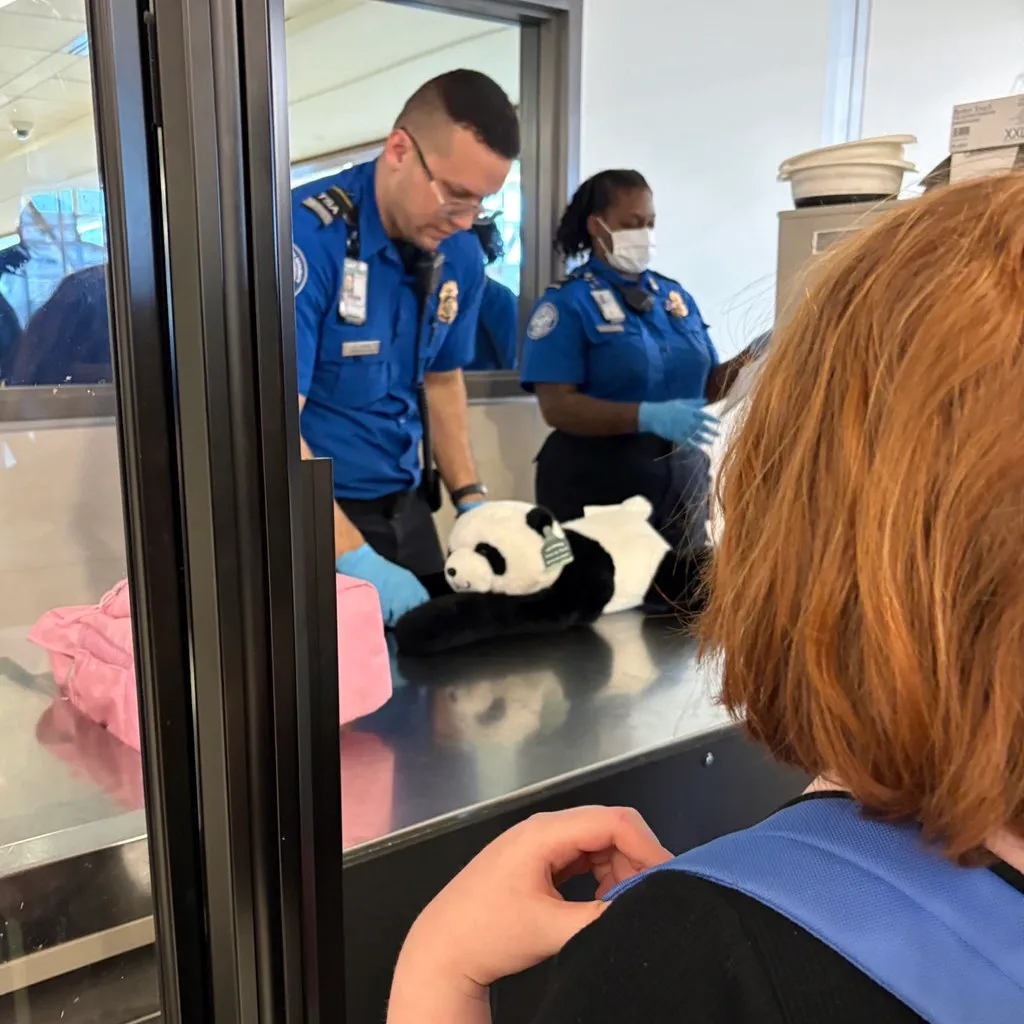
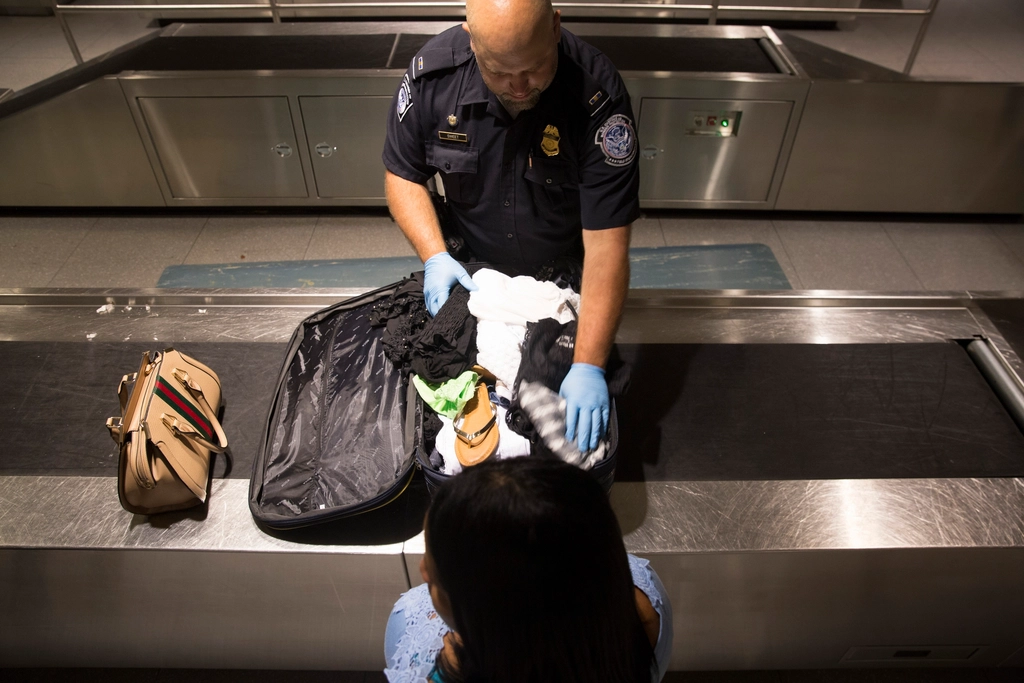
Travelers can slow things down by wearing complicated shoes or boots, belts, and layers of clothing that are difficult to remove. Pockets holding metal objects like keys are a frequent source of delays. This is a boarding pass adjacent problem in the sense that it happens at the same moment in the screening sequence: when a traveler reaches the front and realizes they are not actually ready.
Items left inside pockets often trigger alarms during TSA body scanners, leading to extra screening or pat-downs. Metal items like coins, keys, or phones commonly trigger alarms and can lead to additional screening in the security line. The simple habit of clearing your pockets before joining the queue, rather than at the front of the line, protects everyone’s time.
The PreCheck Advantage: A Data-Backed Shortcut
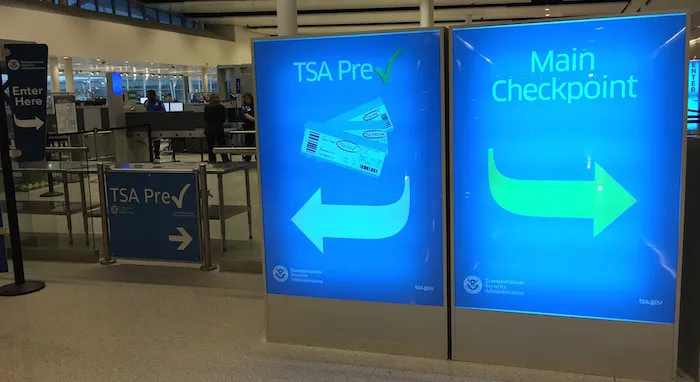
According to the TSA, nearly all PreCheck passengers get through security in under 10 minutes. That number contrasts sharply with standard lane experiences, particularly during peak travel windows. PreCheck lanes are designed to keep waits under 10 minutes, versus a 20-minute target for standard lanes.
With rising passenger volumes and tighter screening, TSA PreCheck is no longer just a perk but is becoming a travel essential. In 2025, more airports are streamlining lanes to prioritize trusted travelers, cutting wait times by up to 70 percent. The boarding pass issued to PreCheck members displays a specific indicator that allows them to use dedicated lanes where shoes and laptops can stay in the bag, making the document check faster as well.
When the Whole System Gets Overwhelmed
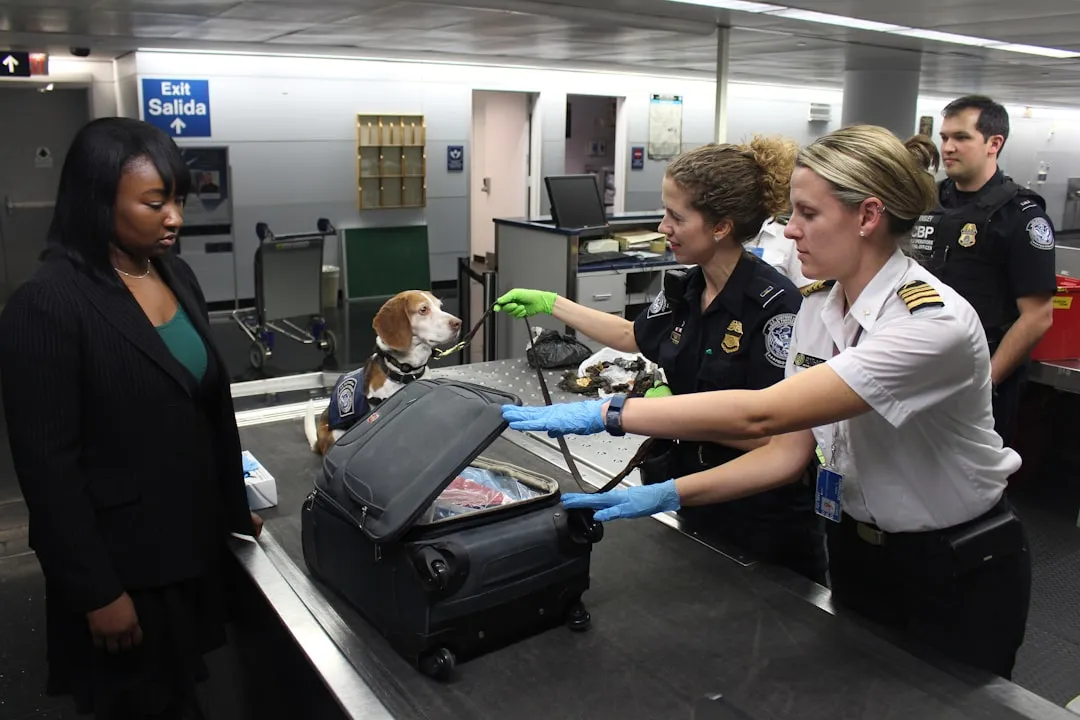
A partial government shutdown affecting TSA officers caused three-hour-long lines at airport security checkpoints the week of March 8, 2026. Under those conditions, individual passenger preparation becomes even more important. TSA officers were working without pay and more than 480 had quit since February 14, after funding for the Department of Homeland Security lapsed, causing staffing shortages.
Houston’s George Bush Intercontinental Airport at one point operated only a fraction of its checkpoints, with waits approaching four hours before conditions normalized as more officers returned to duty. These examples underline how sensitive security operations are to staffing levels. When callouts spike or overtime budgets tighten, checkpoints can clog quickly. In that kind of environment, a traveler fumbling with a boarding pass at the front of a short-staffed line creates a bottleneck that is genuinely hard to recover from.
Switching Lines: The Habit That Backfires
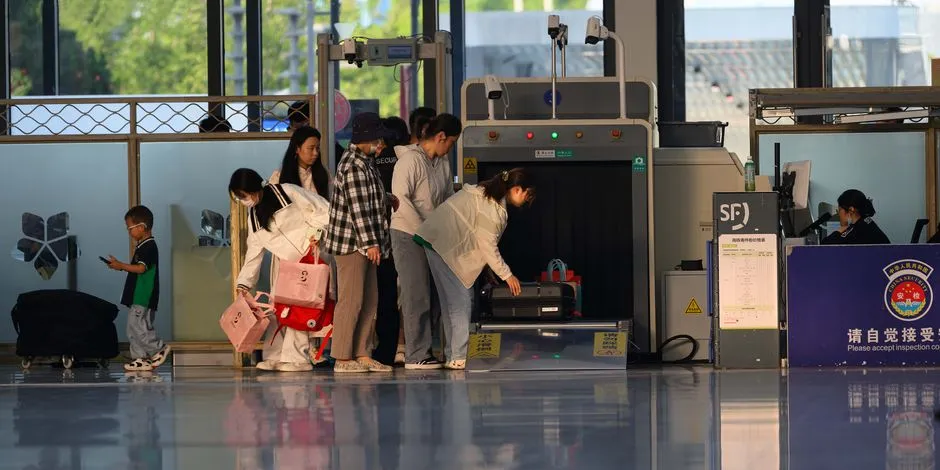
Most people switch lines without a second thought. Weaving in and out of security lines or trying to jump from lane to lane can garner unwanted attention from TSA officers, and what seems like an innocent way to save time may appear to agents as if someone is trying to avoid screening. What this means in practice is that the attempt to save time can actually trigger additional scrutiny, making a bad situation worse.
Every year, millions of people get pulled aside, delayed, or flagged, not because they’re dangerous, but because of habits they never thought twice about. In 2024 alone, TSA screened more than 904 million people, and the agency’s attention goes far beyond what’s inside your bag. Clothing, body language, packing style, and even how you stand in line are all part of the picture. Staying calm, staying put, and staying ready is a far more effective strategy.
What Good Preparation Actually Looks Like
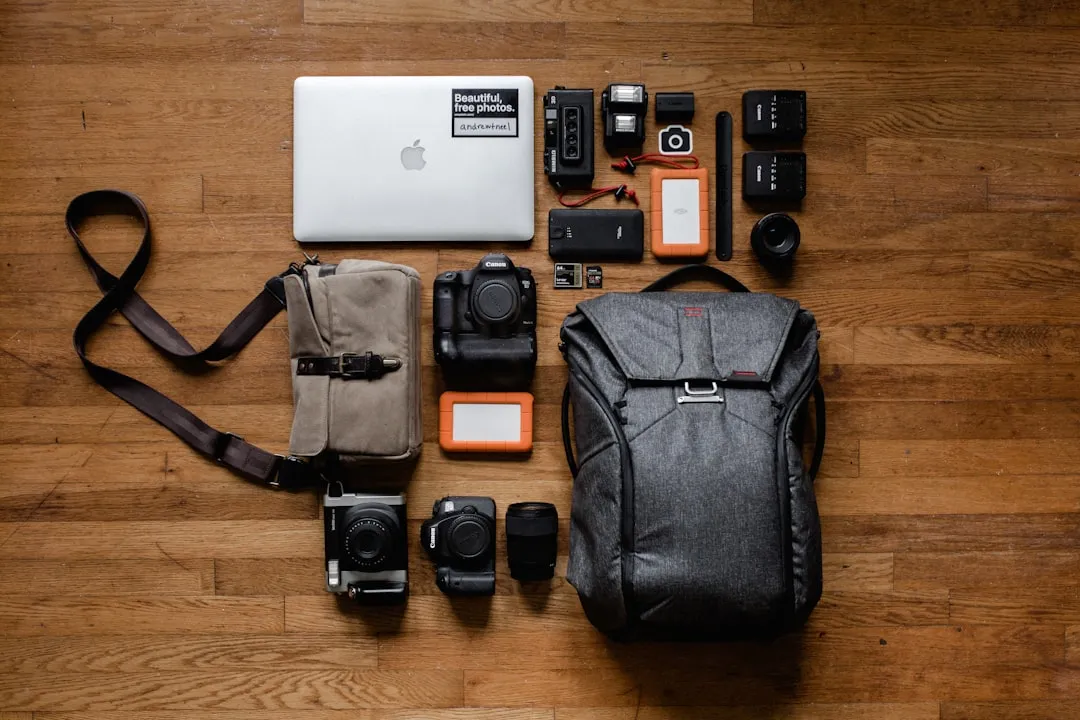
Instead of digging through your carry-on every few minutes, prepare one small pouch containing everything you’ll need before boarding. Keeping these items together reduces stress at security checkpoints and boarding gates. This doesn’t require any special gear. A simple habit of organizing your essentials before you leave home does most of the work.
If you are passing through a regular TSA line, you will need to remove your laptop and liquids from your bag, so it’s a good idea to have them placed in your bag in a way that’s easily accessible. Think of it as setting yourself up for a smooth run through the checkpoint rather than solving problems at the worst possible moment. Place your liquids bag near the top of your carry-on instead of burying it beneath clothing. The quicker you remove it, the faster you’ll pass through screening.
The Quiet Responsibility of Every Traveler
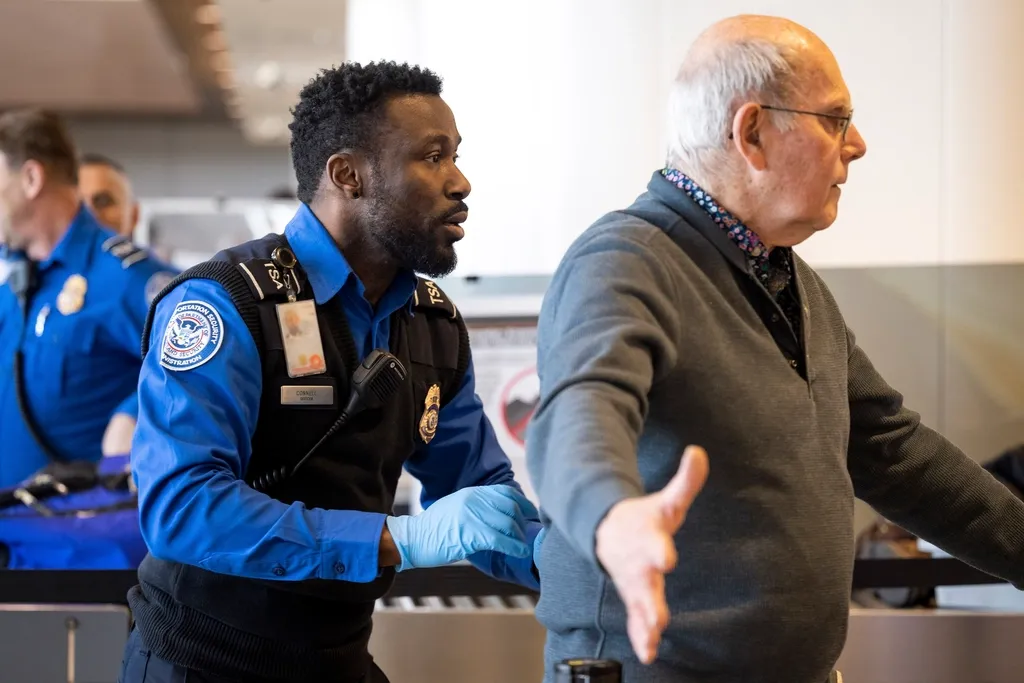
There’s a social dimension to airport security that rarely gets discussed. When you’re prepared, you’re not just helping yourself. You’re contributing to a smoother experience for every traveler in that line, including the family catching a connection and the road warrior who’s already had a long morning. Nearly half of respondents in the AARP 2026 Travel Trends survey plan to travel domestically by airplane in 2026, and 14 percent were already voicing concern about getting through airport security. That anxiety is understandable given recent turbulence in the system.
The boarding pass habit is one of the smallest levers a traveler can pull, and yet it has an outsized effect on the collective experience at the checkpoint. Airports are shared spaces, and a little preparation on your end ripples outward in ways that are easy to underestimate from the back of the line.
The Takeaway
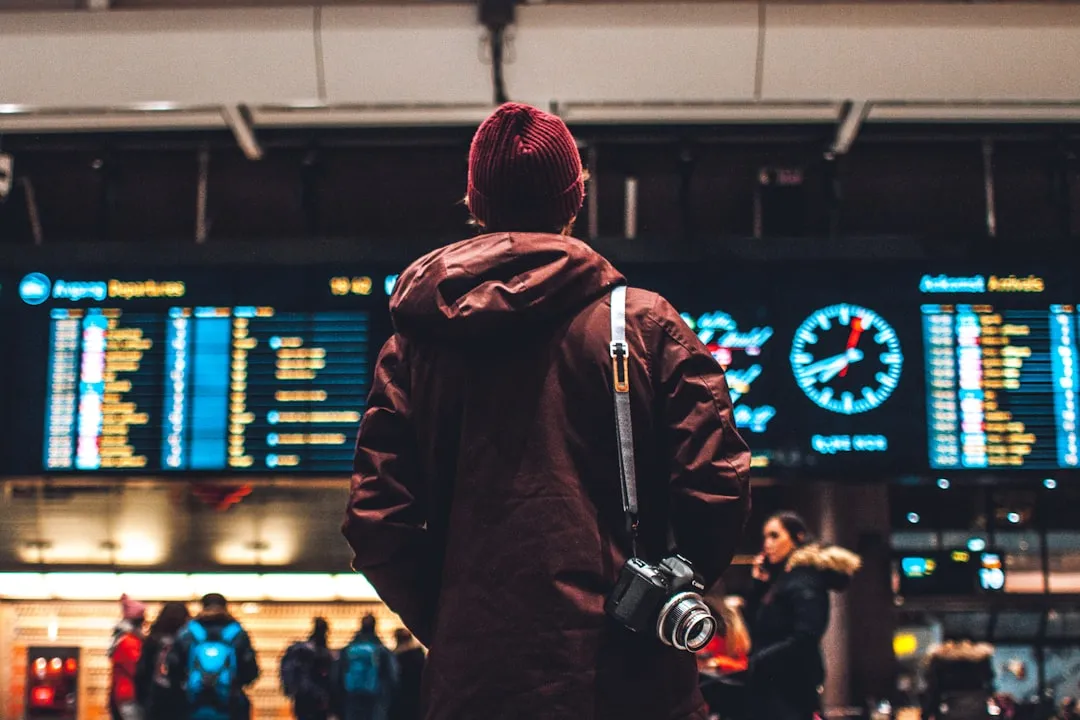
At its core, this isn’t really about a boarding pass. It’s about the small, unglamorous choices that make a large, complex system work better for everyone inside it. The easiest version of the habit is this: before you join the security line, have your boarding pass already open on your screen or in your wallet, ID ready in your hand, pockets cleared, and liquids accessible at the top of your bag.
The checkpoint will still have its challenging days, its understaffed mornings, and its peak-season surges. What you control is your two feet of space at the front of that line, and how ready you are when you get there. That readiness, repeated by enough travelers, is genuinely part of what keeps the whole thing moving.
AI Disclaimer: This article was created with the assistance of AI tools and reviewed by a human editor.