
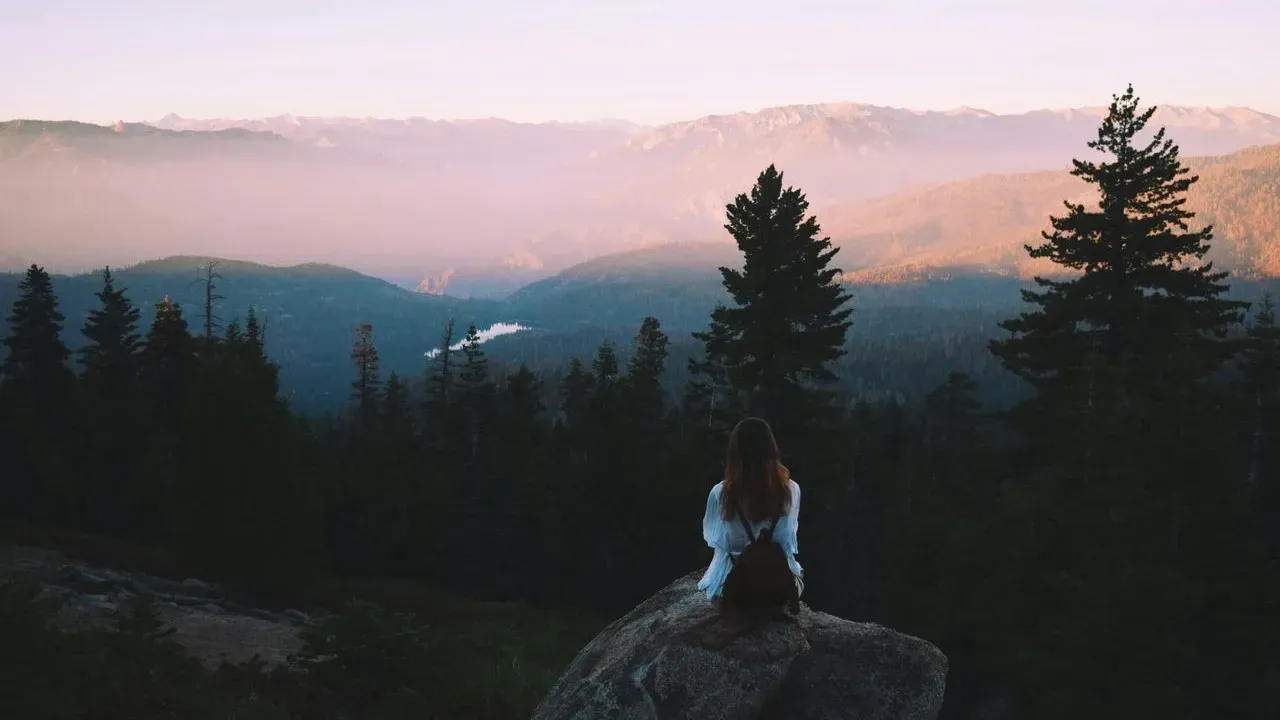

California’s Sierra Nevada offers a rare chance to experience three distinct national parks in a single, efficient loop. The route begins and ends near Fresno, covering roughly 200 miles of mountain roads that connect Yosemite, Kings Canyon, and Sequoia without backtracking. Travelers who allocate six days gain time to hike, observe wildlife, and absorb the scale of the landscape rather than rushing between highlights.
Choosing Bases That Support the Full Loop
The itinerary works best with two overnight stops that minimize daily driving. Bass Lake and the nearby town of Oakhurst serve as the first base, placing visitors about an hour from Yosemite’s southern entrance. This location allows early access to the valley floor before crowds build and provides a quiet lakeside setting for recovery after travel. Visalia functions as the second base for the southern parks. The city sits roughly 45 miles from Sequoia’s main entrance and about 90 miles from Kings Canyon, offering restaurants and lodging at more moderate rates than park-adjacent options. Its downtown supports evening meals drawn from the surrounding agricultural region, giving travelers a grounded sense of place after full days in the mountains.
Two Days Exploring Yosemite National Park
The first full day typically begins with an early drive into Yosemite Valley. The Mist Trail leads hikers past Vernal Fall and, for those with additional energy, onward to Nevada Fall. The stone steps near the waterfall create a mist that can produce rainbows on clear mornings, while the surrounding granite walls frame views of Half Dome. An afternoon or second day can include the drive to Glacier Point for an elevated perspective across the valley. From this overlook at roughly 7,200 feet, the layout of previous hikes becomes visible. Nearby, a short trail reaches Taft Point, where the granite ledge drops sharply without railings. On the return, the Mariposa Grove provides an introduction to giant sequoias through a two-mile walk among the ancient trees.
Descending into Kings Canyon National Park
The transition from Yosemite to Kings Canyon follows the scenic byway that drops approximately 4,000 feet into the canyon. The road narrows as the Kings River appears below, its turquoise water fed by glacial melt. At the canyon floor, Cedar Grove offers flat trails along the river, including paths that reach Zumwalt Meadow and Roaring River Falls. Grant Grove provides the first close encounter with sequoias in this section of the park, highlighted by the General Grant Tree. The drive out rewards afternoon light at viewpoints such as Junction View. The entire segment from the previous base takes about two and a half hours, leaving time for unhurried exploration before settling in Visalia.
Sequoia National Park and the Final Leg
An early start from Visalia reaches Moro Rock, where a 350-step climb yields a 360-degree view of the Great Western Divide. The narrow summit creates a sense of exposure that contrasts with the enclosed forest trails below. The General Sherman Tree stands nearby, its massive volume best appreciated by walking the short path rather than viewing from a distance. The Congress Trail loops through additional sequoias in a mostly flat route under two miles. Afternoon light on the return drive highlights the winding ascent from the park entrance. A final evening in Visalia allows for a relaxed meal before the drive to Fresno or onward to San Francisco, both reachable in under three hours.
Practical Elements That Shape the Experience
An America the Beautiful Pass covers entry to all three parks for the cost of two individual vehicle fees. The pass remains valid for a full year and supports additional visits elsewhere. A rental car is essential, as public transit options do not connect the full circuit. Late September through early October often balances accessible roads with fewer visitors than peak summer months.
Glacier Point Road and the Kings Canyon Scenic Byway can close earlier in the season due to snow. Reservations for lodging inside Yosemite remain advisable, while Visalia and the Bass Lake area provide more flexible options at the start and end of the loop. This measured pace through connected landscapes encourages travelers to notice details that rushed visits overlook.
The sequence of granite cliffs, deep canyons, and towering trees creates a continuous narrative across the Sierra Nevada that rewards those who allow time for both movement and stillness.
AI Disclaimer: This article was created with the assistance of AI tools and reviewed by a human editor.