
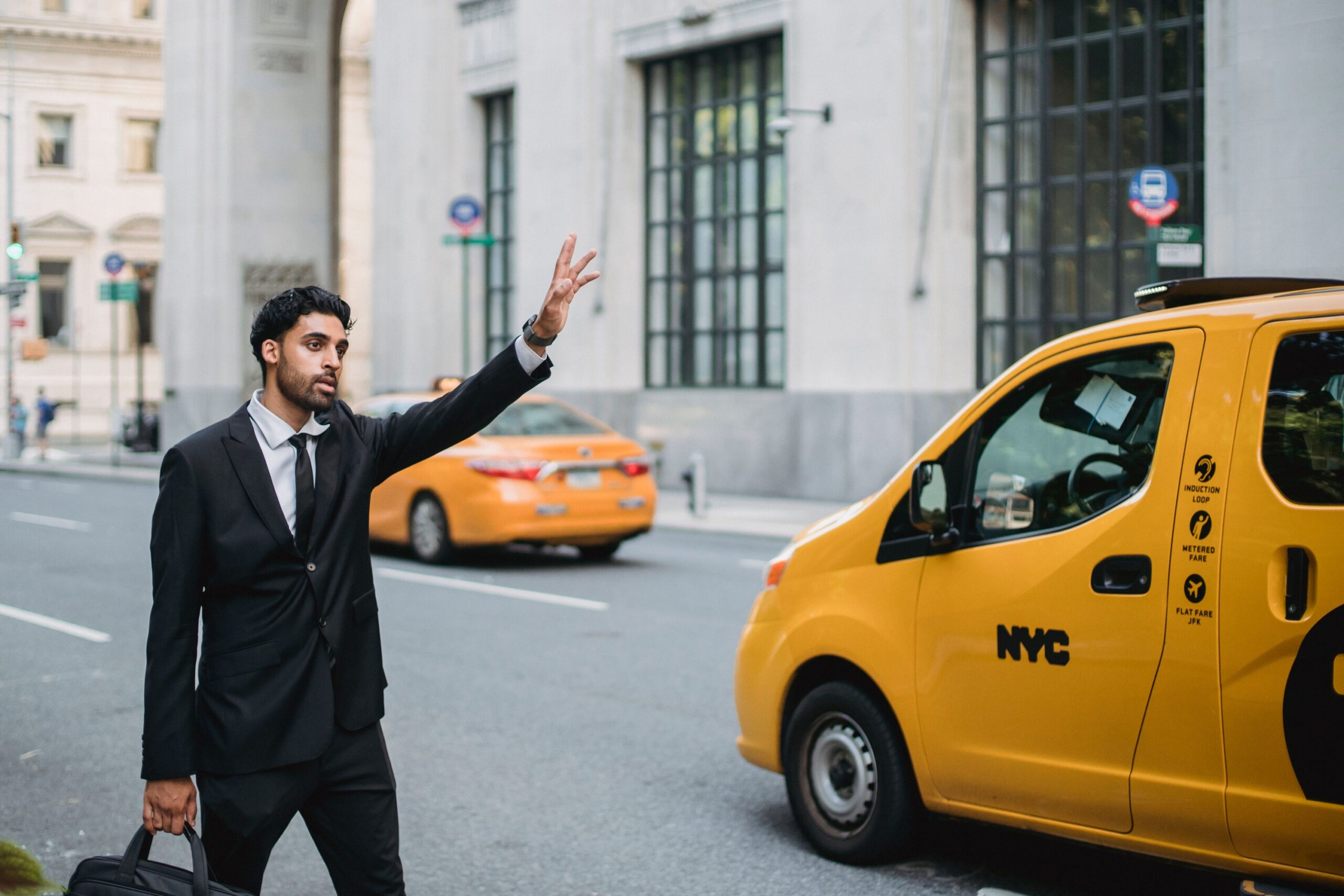

There’s a quiet science to standing at a hotel entrance and watching a doorman pull a taxi from what feels like thin air. While everyone else on the block flails their arms uselessly at passing traffic, a well-placed tip and a few insider moves can get you rolling in minutes. The gap between the person who waits twenty minutes and the person who waits two usually comes down to a handful of habits that doormen have quietly relied on for decades.
Most travelers don’t think much about the person in the uniform at the entrance. They should. These are people who move dozens of guests in and out of cars every single day, in every kind of weather, and they’ve refined their approach to something genuinely efficient.
Know Who You’re Actually Talking To
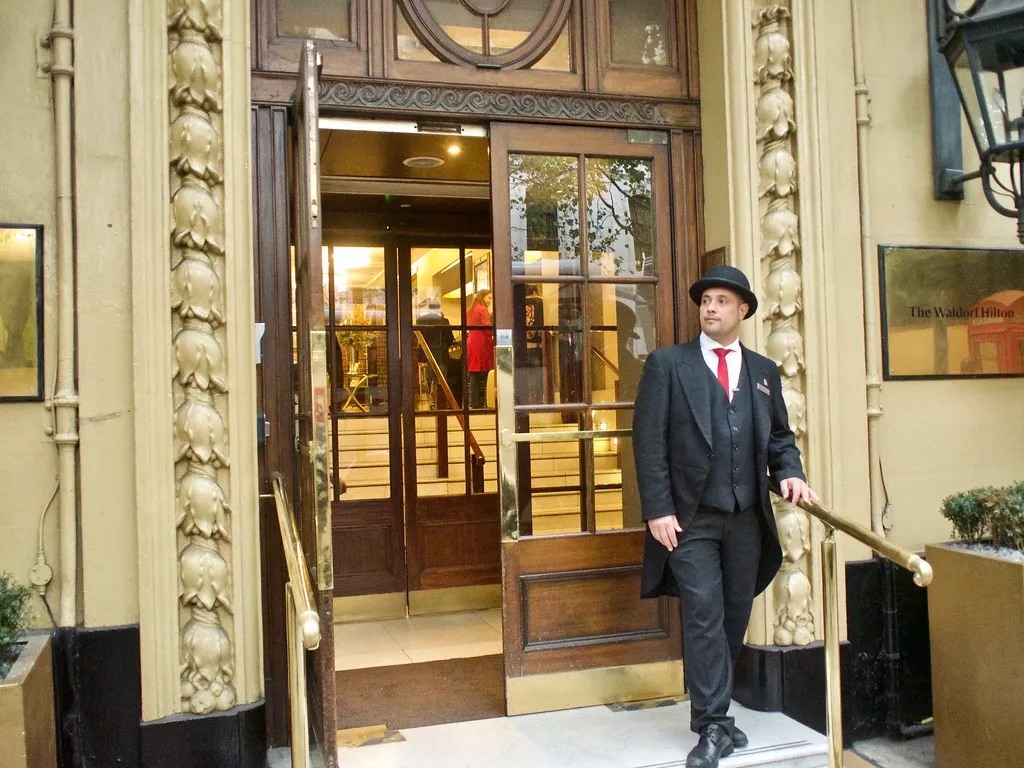
A doorman is a person hired to provide courtesy and security services at a residential building or hotel. That sounds simple enough, but their role on the street is far more specialized. They will often provide courtesy services such as signing for packages, carrying luggage between the elevator and the street, or hailing taxis for residents and guests.
Not every hotel has a doorman, but luxury properties often do. They hail cabs, help with luggage, provide umbrellas in rain, and generally make arrivals and departures smoother. In cities like New York, this role is formalized to a remarkable degree. In New York City, doorpeople and elevator operators are unionized and typically represented by SEIU 32BJ.
Call Ahead Before You Even Leave Your Room

Before residents leave their apartment, they need only to call down and ask the doorman to hail a cab. By the time they get to the front door, a taxi will be waiting. This is perhaps the single most underused trick in the book. Most guests walk outside first and then ask, which costs them several unnecessary minutes.
The logic is straightforward. A doorman who gets a heads-up can start working on your cab before you’ve even stepped into the elevator. The easiest way to get a cab is to have someone else do it for you if you are in a scenario that allows for that. If you are staying at a hotel, the hotel doorman likely has a strong whistle and the perfect arm wave. Many hotels have cabs waiting outside at the ready to pick up a fare.
The Tip That Actually Moves Things Along

Money talks in the hospitality world, and the doorman’s willingness to prioritize your cab over someone else’s comfort often comes down to one small gesture. For hailing a taxi, a tip of one to four dollars depending on effort and weather conditions is standard. On a cold, rainy night, leaning toward the higher end of that range shifts your request from routine to remembered.
If the doorman goes above and beyond, perhaps by flagging down a difficult-to-get taxi, helping with luggage, or providing particularly useful local advice, a more generous tip is certainly warranted. Regulars at upscale hotels tend to understand this intuitively. A survey highlighted a significant disconnect: roughly four out of five hotel guests believe service workers should receive tips, yet only about three out of ten actually do.
Make Eye Contact and State Your Need Clearly
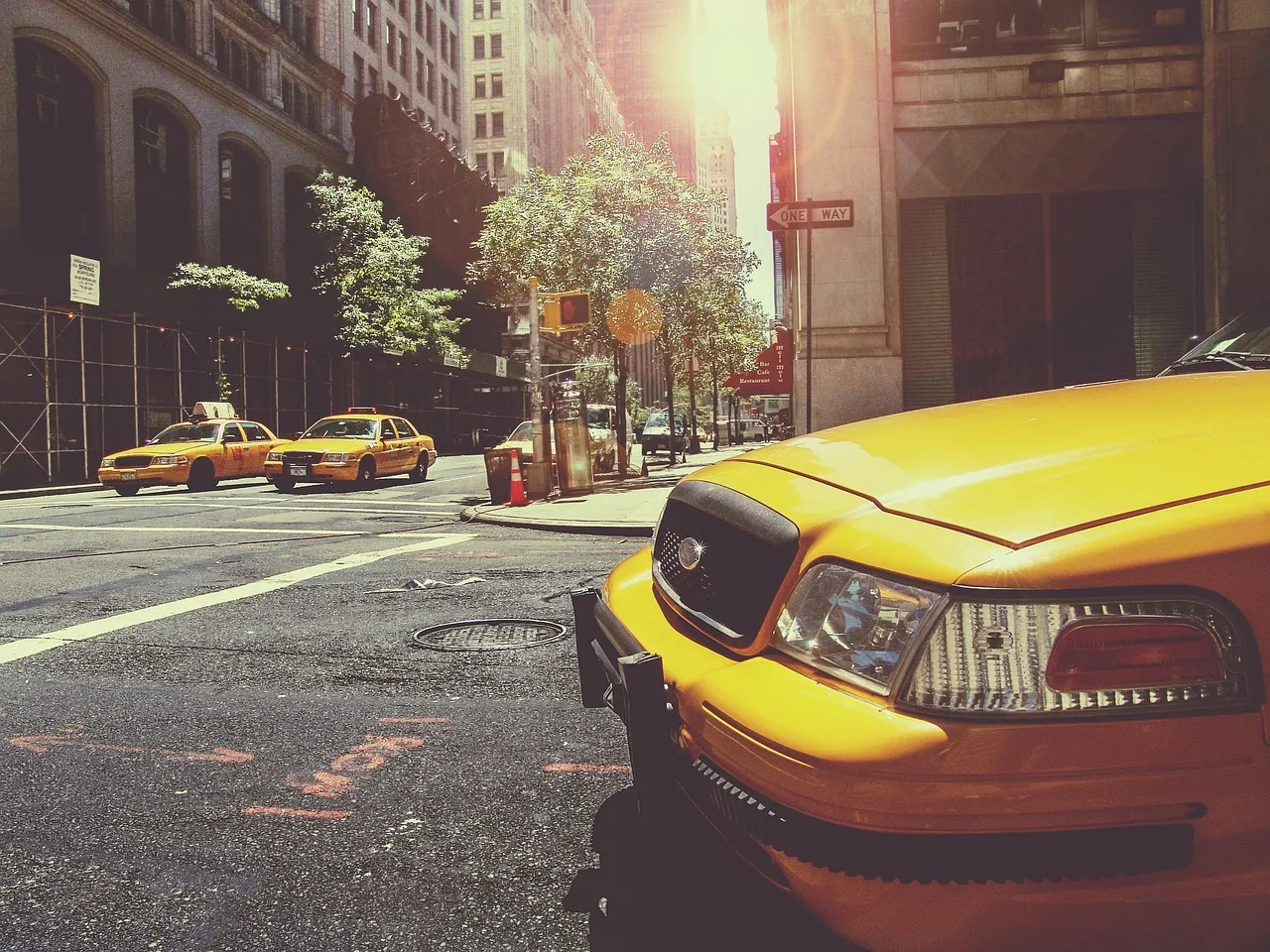
Doormen deal with crowds, noise, and constant requests. A vague gesture toward the street won’t cut it during a busy checkout hour. Walk up, make direct eye contact, and say simply that you need a cab and where you’re going. Specificity helps more than most guests realize.
The doorman can flag a cab more efficiently when they know you need to get to the airport versus just a few blocks downtown. Some drivers prefer certain routes during rush hour, and a knowledgeable doorman works that angle quietly on your behalf. Clear communication is the signal that separates the guest who gets the next cab from the one who watches three pass by.
Position Yourself at the Right Spot on the Curb

The most effective way to flag down a yellow cab is to step to the curb and raise your arm confidently while making eye contact with the approaching driver. Look for taxis with their roof light on, as this indicates they are available for hire. A doorman instinctively positions themselves at the best angle on the sidewalk. When they step into the street slightly or stand at a clear sightline, drivers spot them far earlier.
Avoid hailing a cab in bus lanes or from the sidewalk, as this can lead to traffic disruptions or safety concerns. If you’re trying to do it yourself without doorman help, available taxis will have the numbers on their roof illuminated, and you’ll need to wave at the driver as they approach to flag them down. Signal well in advance so they have ample time to stop.
The Whistle Is the Real Signal
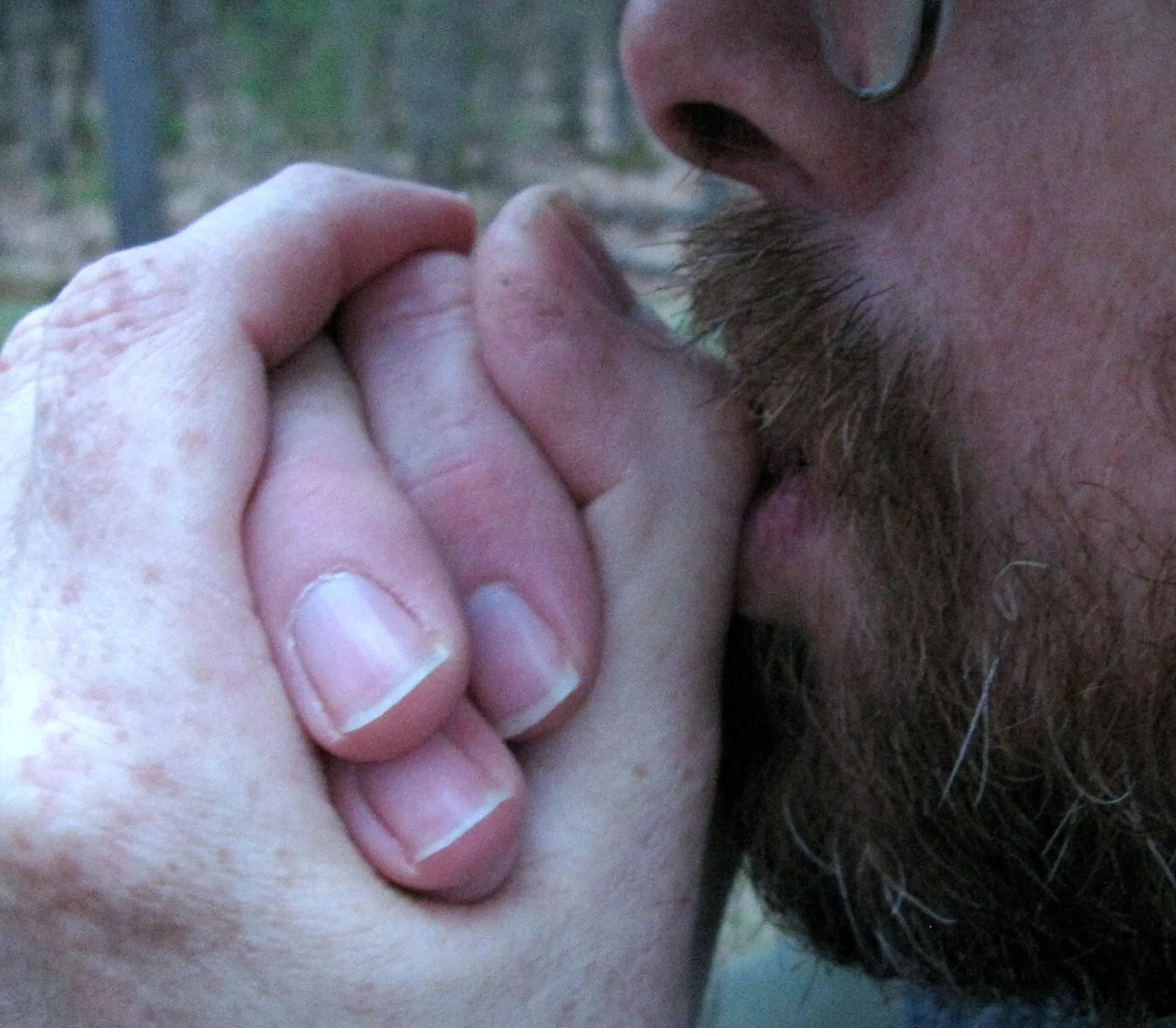
Ask any experienced hotel doorman what separates a professional cab hail from an amateur’s attempt, and the answer usually involves a whistle. A sharp, two-fingered whistle carries several times farther than any waving arm, cutting through ambient street noise in a way that visually signals nothing can match. It’s the sound cabbies associate with an official hail rather than random pedestrian movement.
Some doormen develop a distinctly recognizable whistle pattern over years of working the same block. Local drivers come to recognize it as a reliable fare. This is a small piece of urban knowledge that costs nothing to know and pays off immediately when you need a cab in a pinch and a helpful doorman isn’t nearby.
Timing the Rush Hour Trap
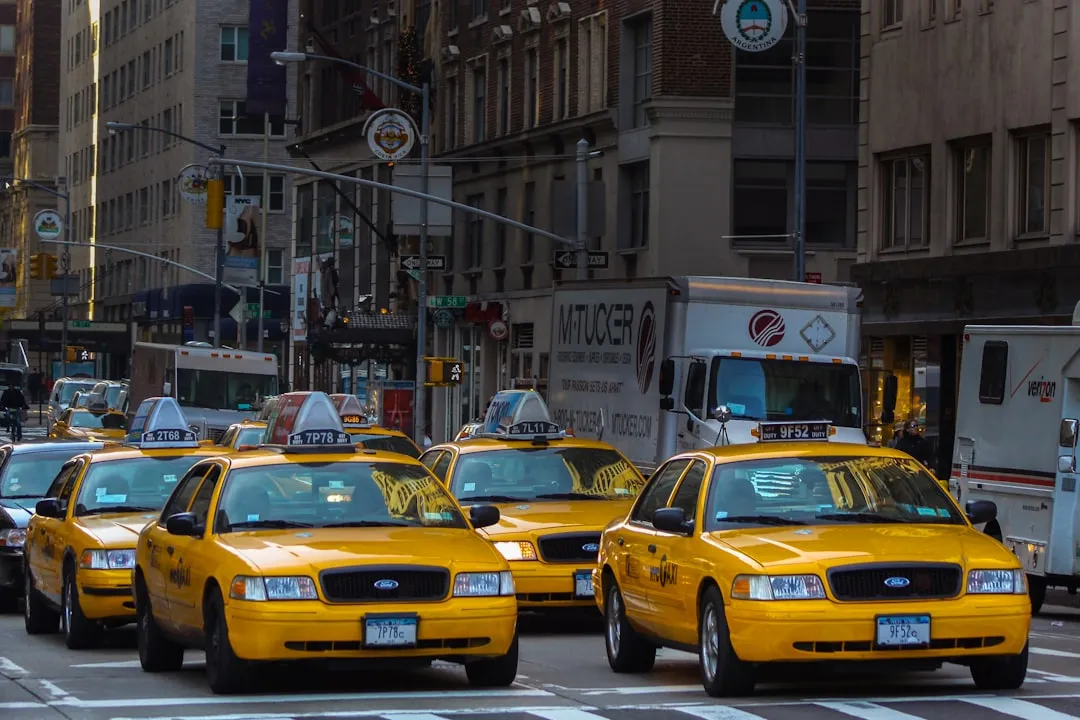
Certain times and locations in NYC can make finding a taxi more challenging. Rush hours, typically 4 p.m. to 7 p.m., are the hardest window to land a cab regardless of how good your hailing technique is. Doormen at major hotels know this and often begin positioning themselves and pre-arranging vehicles slightly before the crunch hits.
If you’re checking out during peak hours, ask the doorman at least ten minutes before you plan to leave. That small buffer often means the difference between a wait and a smooth departure. Sometimes walking a block or two improves your luck. If you notice five or ten other people trying to hail cabs within the same block, walking to the next avenue or a couple of blocks in the direction you’re heading often means getting a cab more quickly.
Build a Small Relationship Over Your Stay
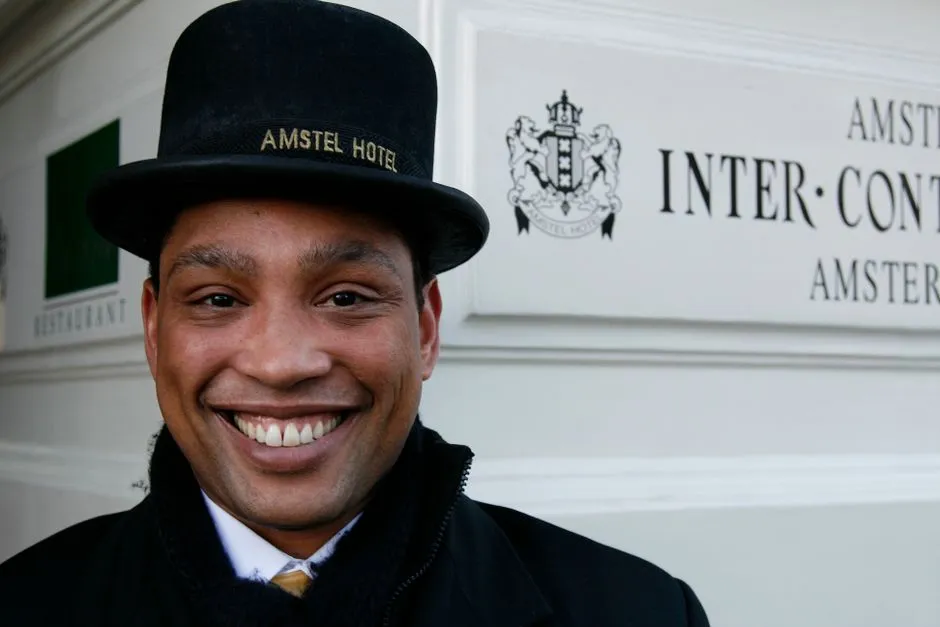
Guests who interact briefly with the doorman on day one and then show basic appreciation tend to receive noticeably faster cab service by day three. This isn’t a transactional calculation. Doormen are professionals who naturally respond to guests who treat them like people rather than functions.
Depending on the type of hotel, a property may also have a doorman. A doorman’s job is to welcome all guests and assist with hailing taxis, organizing the house car, unloading luggage, and assisting with driving directions. Someone who acknowledges that full scope of work earns a different level of quiet priority. Cash is strongly preferred and should be small bills, so keep a stack of one and five dollar notes for the trip.
Use a Cab App as a Backup Signal

In cities where traditional street hailing competes with app-based rides, savvy doormen increasingly use both. If a street cab isn’t immediately available, a good doorman will suggest an app or even help you book while keeping an eye on incoming traffic. Riders in some cities can now request taxis on-demand or in advance using apps, see upfront pricing before booking, and even pay for street-hailed taxi rides through digital payment features.
By integrating requests from multiple channels, drivers boost earning potential and access to rides, while riders experience an enhanced booking process with increased vehicle supply and reduced wait times. This model has rapidly expanded to major markets including Los Angeles, Chicago, and Washington DC. Knowing which app a particular city’s taxi fleet uses is a piece of local intelligence that a doorman almost always carries.
Tipping Well on Rainy Days Changes Everything

Weather is the great equalizer in cab hailing. On a clear afternoon, anyone can get a cab. When it’s raining hard and every guest in the hotel wants a ride at the same moment, tipping generously for the extra effort changes how much energy a doorman puts into your request. While waiting for a taxi, a helpful doorman will stand with you and hold an umbrella over you if it’s raining. For hailing a cab, give your doorman a few dollars. If they also keep you company with an umbrella to keep you dry, offer a five-dollar tip.
The principle is simple and fair. Bad conditions require more effort, and recognizing that effort with a slightly higher tip keeps the relationship genuinely reciprocal. It’s not about buying priority. It’s about respecting the reality of someone standing in the rain on your behalf.
The Takeaway
Getting a cab faster in any city rarely comes down to luck or waving harder. It comes down to preparation, positioning, a small gesture of appreciation, and treating the doorman as the expert on urban transportation that they actually are. These are professionals who have spent years reading street traffic, timing driver shifts, and perfecting a whistle that carries half a city block.
The signal that works isn’t complicated. It’s a combination of calling ahead, tipping fairly, communicating clearly, and showing up as a traveler who understands the human system they’re working within. That combination will get you a cab faster in New York, London, or anywhere else worth visiting.
AI Disclaimer: This article was created with the assistance of AI tools and reviewed by a human editor.