
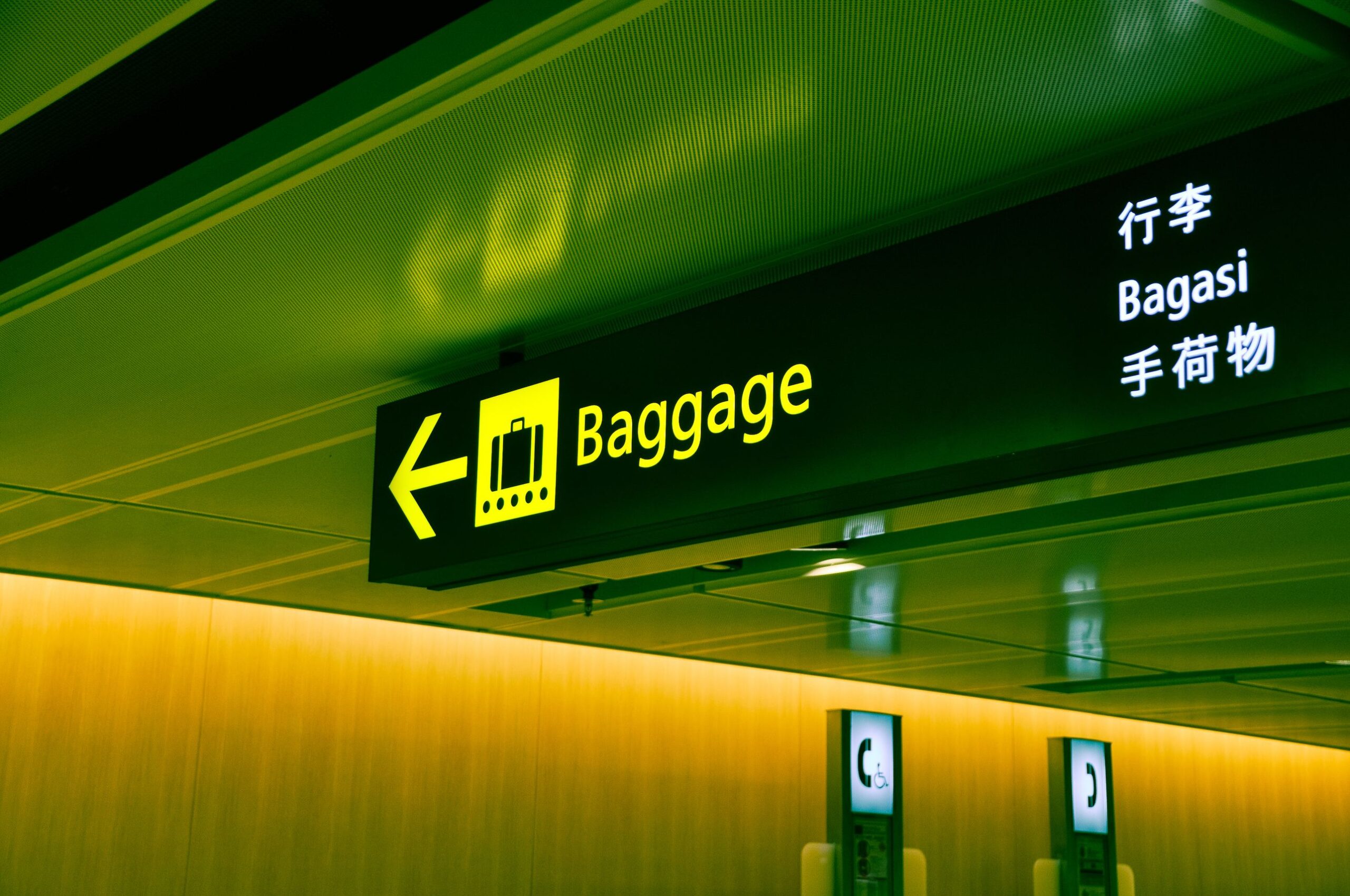

Most travelers assume baggage claim is a lottery. You land, walk to the carousel, and wait. Whoever’s bag appears first just got lucky. That assumption, it turns out, is largely wrong.
The order in which luggage appears on the belt is shaped by a quiet but deliberate set of rules, loading strategies, and passenger status systems that most people never think to look into. Ground crew workers and airline insiders have been surprisingly candid about how this all works, and their explanations reveal a system that is far more intentional than the average passenger realizes.
It Starts Long Before Your Bag Ever Touches a Plane
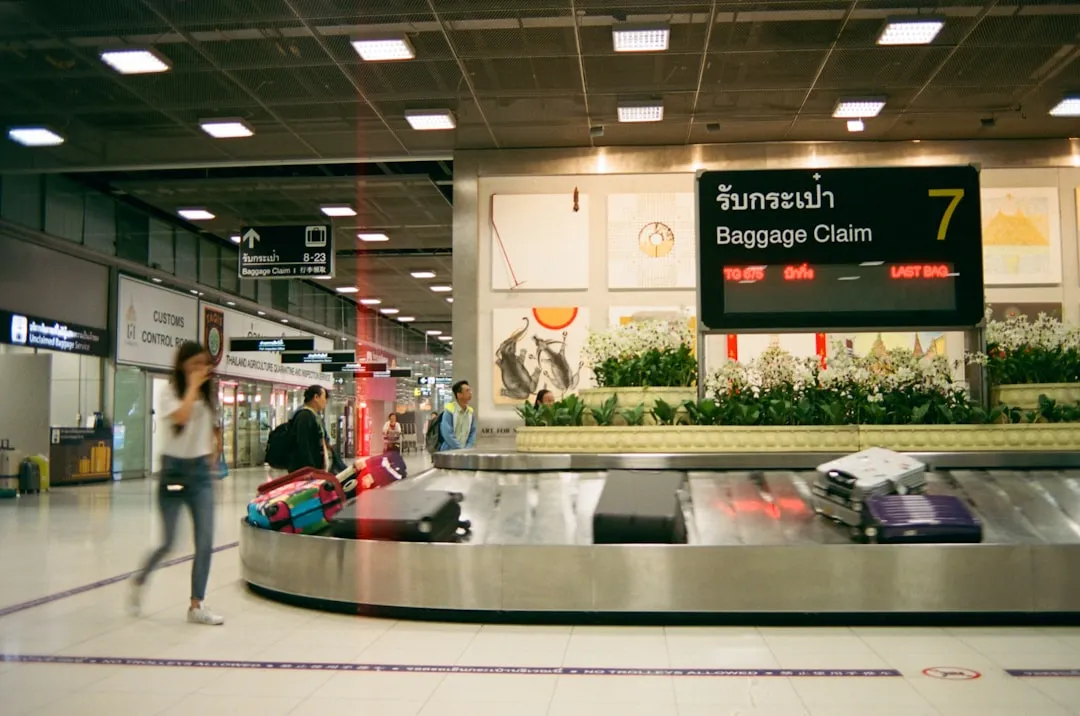
The journey begins at check-in, where travelers hand over their bags for screening and labeling, with digital systems now allowing passengers to weigh, check, and label their baggage while barcode scanning sends it on its way. From that moment, the clock is already running on where your bag will end up in the cargo hold. Airline employees in a baggage makeup area sort luggage by flight numbers and destinations, placing them into carts or conveyor systems for transport to the aircraft, where bags are further sorted for loading and unloading purposes.
In the airline’s makeup area, bags are organized by flight and loading sequence, meaning the order on the carousel at your destination is being quietly determined well before departure. It’s less chaos and more choreography, even if it rarely feels that way at the carousel.
The “First On, First Off” Rule Is Real
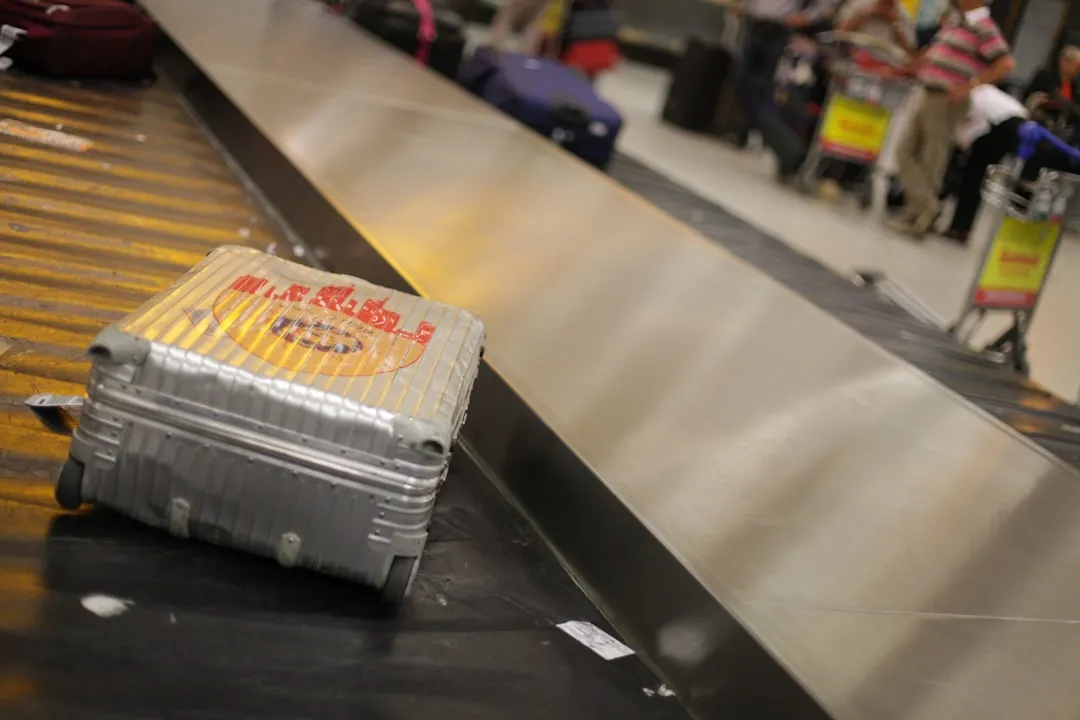
A customer service representative at United confirmed that the process essentially comes down to a first-on, first-off system: if you are one of the first passengers to check in, you should be among the first to see your baggage at the carousel, because the bags that get to the plane first are loaded first and should be the first to hit the carousel at the arrival airport.
This means checking in early, not just at the gate but at the bag drop counter, is one of the most practical things an economy passenger can do. Bags checked closer to departure are typically loaded last and sit near the hold’s door, and when the aircraft lands, those bags are removed first, though many ground staff confirm this is more reliable on smaller planes.
Ticket Class Has a Significant Influence
The first bags off are typically from priority customers, usually those in first class and passengers who hold high status with an airline’s loyalty program. This isn’t a courtesy gesture. It’s a deliberate, system-wide prioritization that begins at check-in and follows the bag through every step of handling.
Some airlines offer priority luggage service to business class passengers or travelers with a certain loyalty status, tagging those bags to arrive on the carousel first and, at certain airports, routing them to their own dedicated collection area. For frequent fliers, this is a real and tangible benefit that often goes unnoticed by those traveling next to them on the same flight.
Priority Tags Actually Work
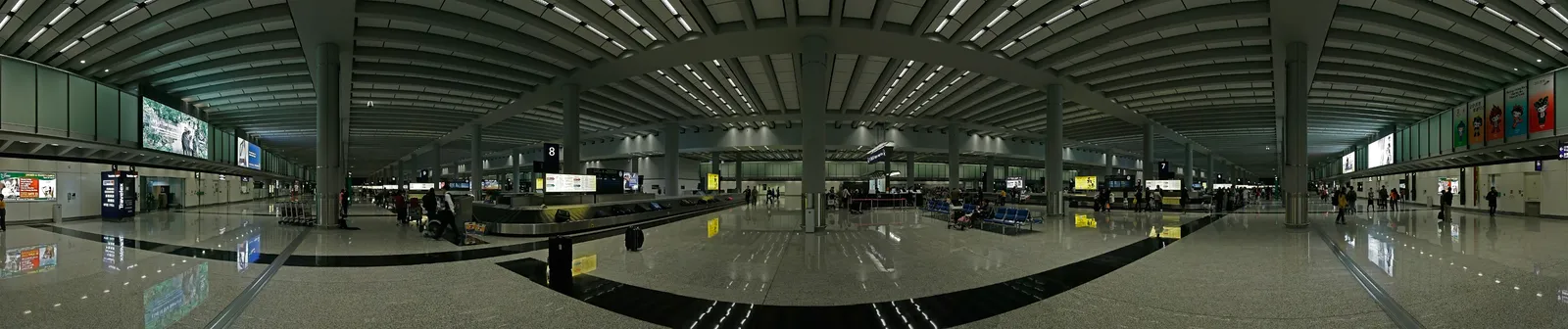
Some airlines let passengers purchase a priority tag during booking or check-in, while others offer it through travel credit cards, and because these tags are entered into the airline’s digital system, they are recognized automatically at many airports, with frequent travelers reporting that priority-tagged bags often appear within the first few minutes at the carousel.
This is worth knowing if you’re not a frequent flier. The option to add a priority tag is often buried in the extras menu during online booking, and many people scroll right past it. It’s one of the more underused tools available to economy passengers who genuinely want to move faster through arrivals.
The Fragile Sticker Trick Has Real Merit
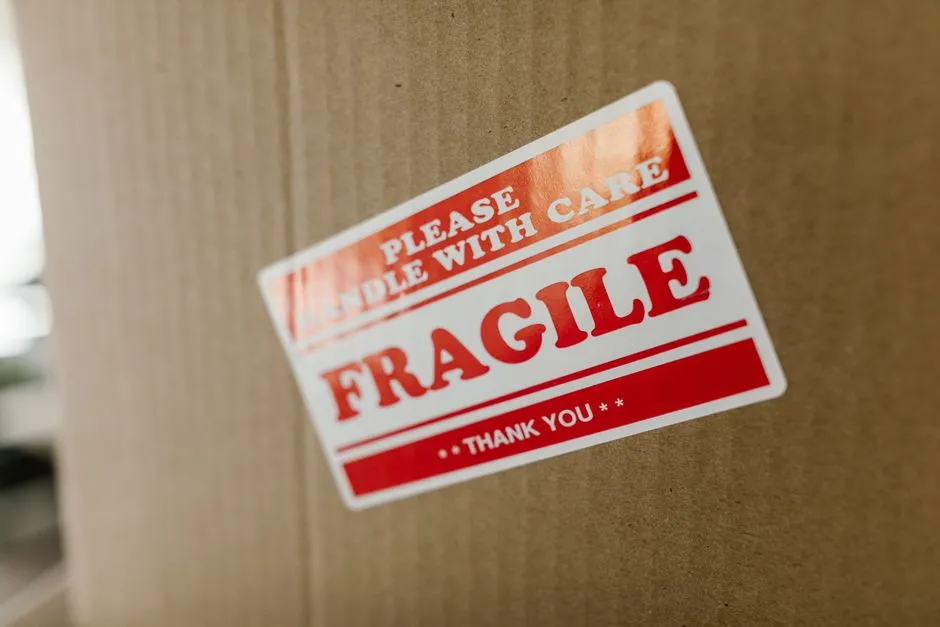
Airport insiders consistently mention one practical tip: asking for a fragile sticker, because when labeled this way, your suitcase is handled with more care and is typically placed in a convenient location to prevent damage. As a result, it often becomes one of the first to be unloaded and sent toward baggage claim.
To use this effectively, always ask check-in staff to tag your bag as fragile, and make sure the sticker is clearly visible on a flat side of your suitcase rather than wrapped around a handle. Travelers frequently share on social media that their fragile-tagged bags almost always arrive among the first at smaller and mid-size airports. It’s not foolproof at every hub, but it’s a no-cost option worth trying.
Aircraft Size and Type Change Everything
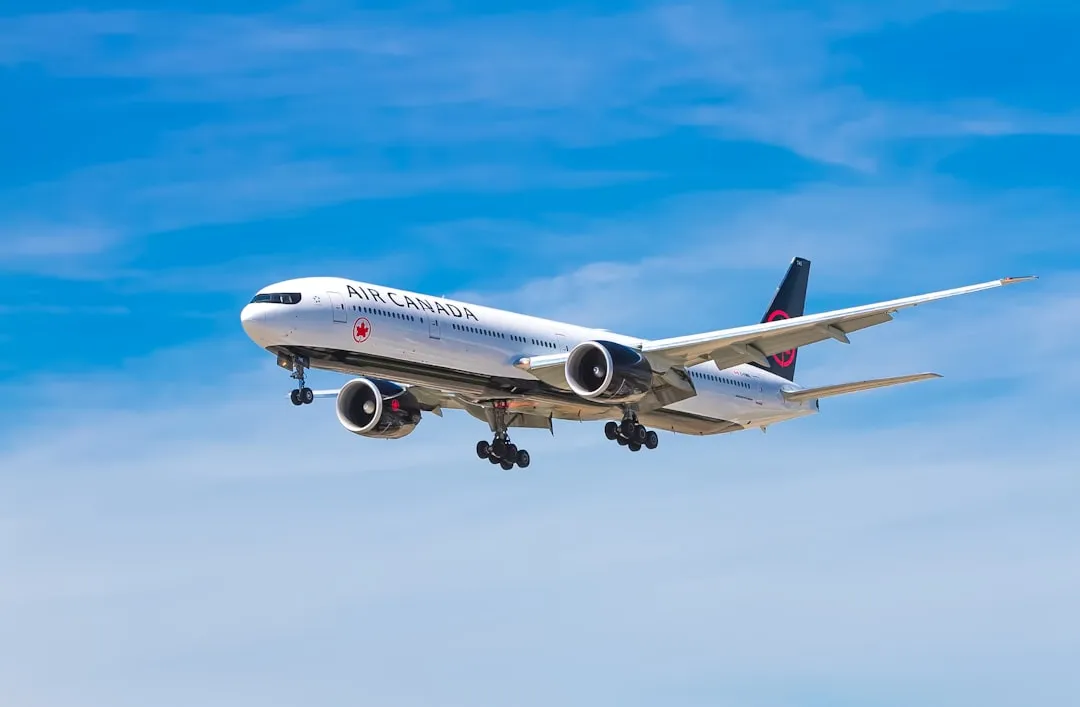
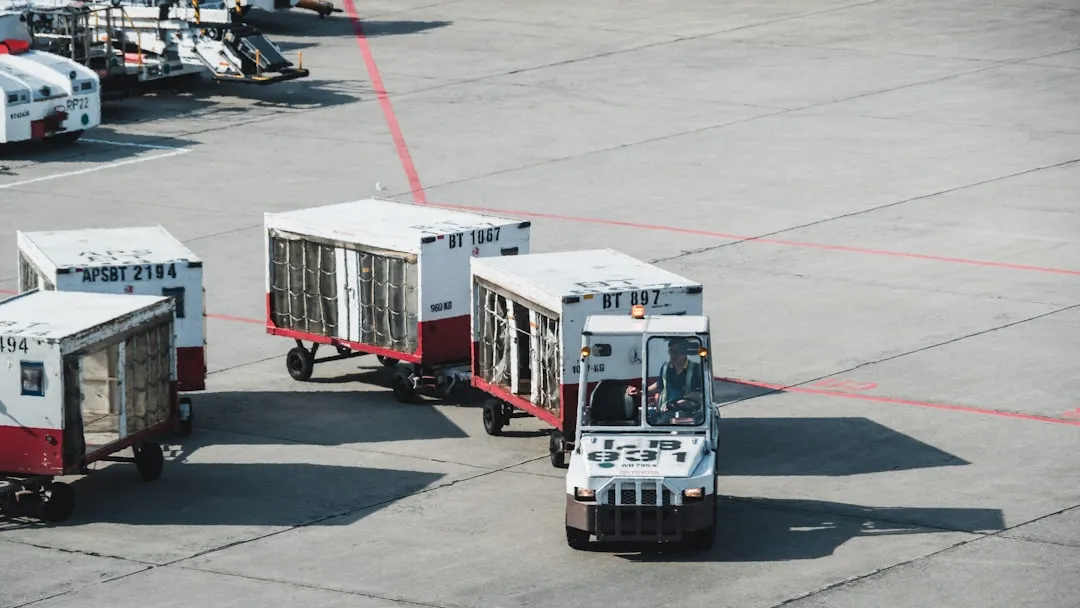
Depending on the aircraft configuration, baggage may be loaded into specialized containers called Unit Load Devices or manually stacked in the aircraft’s hold. These two approaches have very different implications for how quickly bags come off. Smaller airplanes tend to have carts of baggage loaded directly into the cargo area, while larger international flights use special containers that allow for easier and faster unloading.
After the aircraft parks at the gate, ground crews must open the cargo hold, unload containers or loose bags, transport them to the terminal, and feed them onto the carousel, a process that takes between 20 and 45 minutes on domestic flights, with international arrivals adding customs screening time. So the size of your aircraft matters more than most passengers realize.
The Red Bag Viral Claim Was Debunked
A viral TikTok video caused an uproar for suggesting that airplane baggage handlers put red suitcases into the cargo hold first, prompting travel media to talk to airline staff to find out if that’s true. The answer was a firm no. A Delta communications manager who began his career as a ramp agent confirmed that there is no truth to the red bag commentary on TikTok.
KLM Royal Dutch Airlines also responded with a video calling the claim “nonsense” and stating that it “doesn’t matter” what color bag you fly with. It’s a good reminder that not every piece of airport advice circulating online has any basis in how these systems actually operate. Color has no place in the loading hierarchy.
Baggage Tracking Is Now a Performance Metric
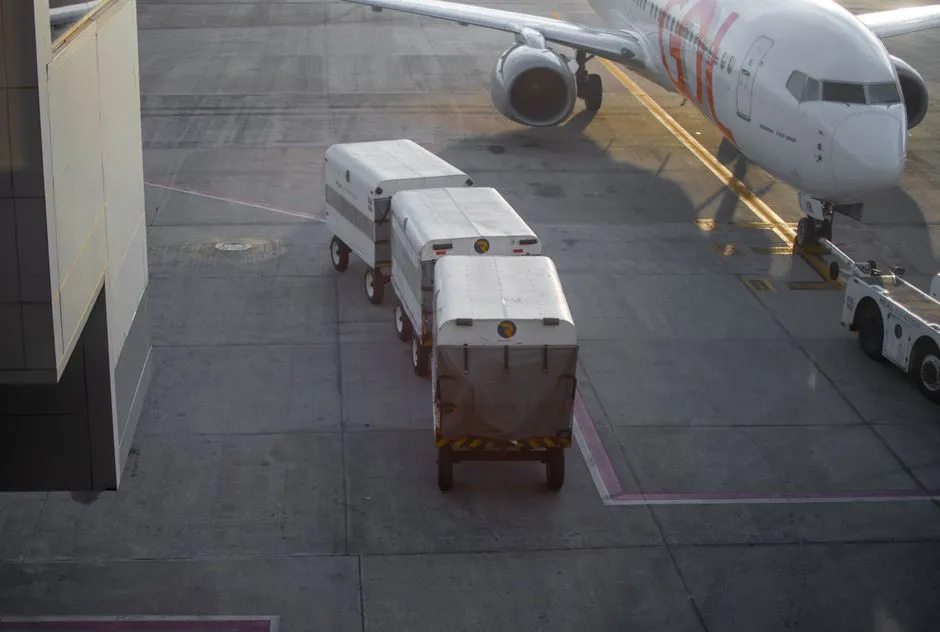
Most airlines and airports now track the arrival of the first bag as a Key Performance Indicator, and some major carriers such as Delta and Alaska Airlines even offer a guarantee that if the first bag does not appear on the belt within 20 minutes of the aircraft door opening, passengers can claim bonus frequent flyer miles or travel vouchers as compensation.
Many airlines now offer real-time tracking through their mobile apps, and IATA’s Resolution 753 requires airlines to track bags at four key checkpoints. The industry’s attitude toward baggage has shifted considerably. It’s no longer treated as an afterthought but as a measurable part of the passenger experience.
The Scale of Baggage Mishandling Is Still Staggering
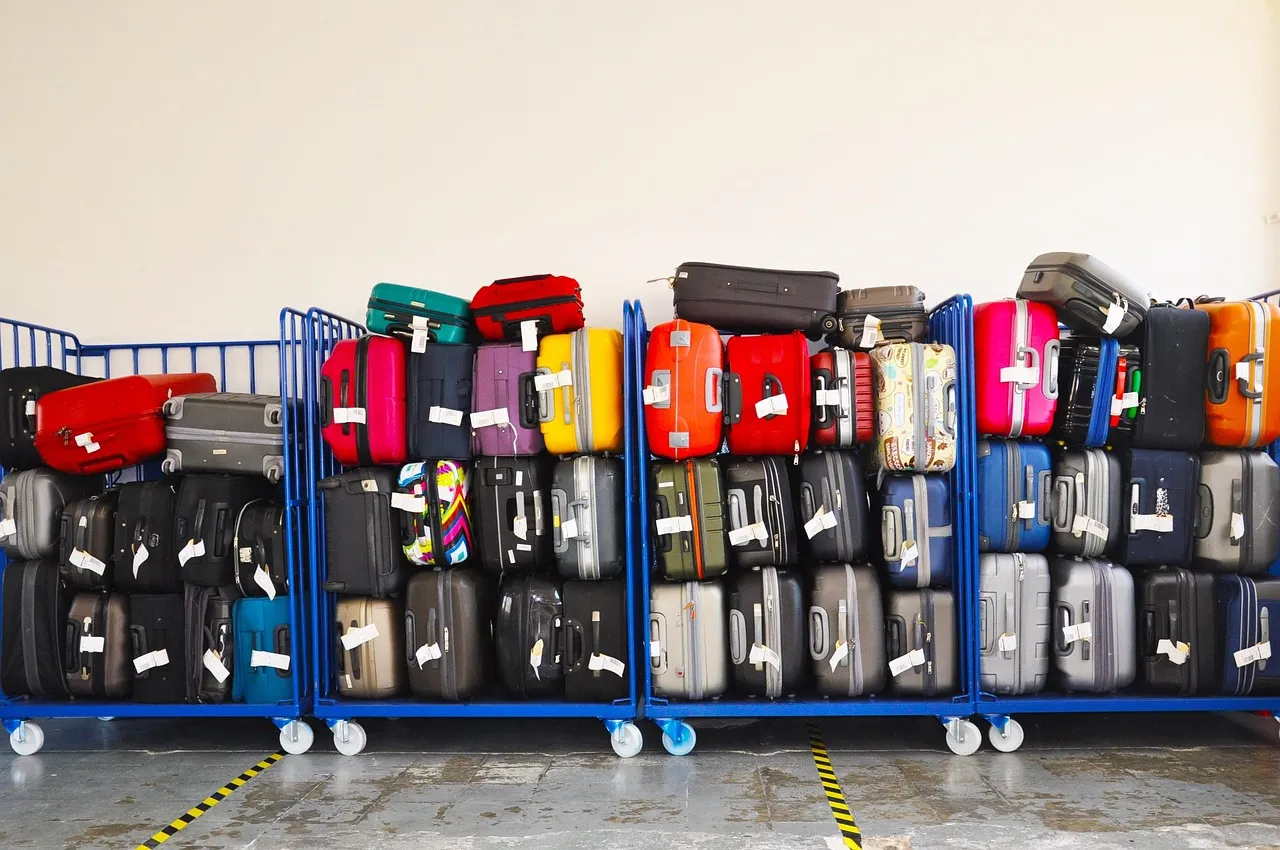
2024 was a record-breaking year for air travel, with global passenger numbers reaching 5.3 billion, the highest in aviation history, and as the volume of passengers soared, so did the number of bags handled, yet the rate of mishandled baggage continued to decline according to SITA’s Baggage IT Insights 2025. The rate of mishandled baggage fell to 6.3 per 1,000 passengers in 2024, an improvement of nearly nine percent from 2023.
Challenges remain, particularly with delayed bags making up nearly three quarters of all mishandled baggage. According to the SITA 2026 Baggage IT Insights report, airlines are losing an estimated $6.3 billion annually to mishandled baggage even as global handling performance has reached its highest level in years, with every mishandled bag still costing airlines an average of $260.
Technology Is Reshaping the Entire System
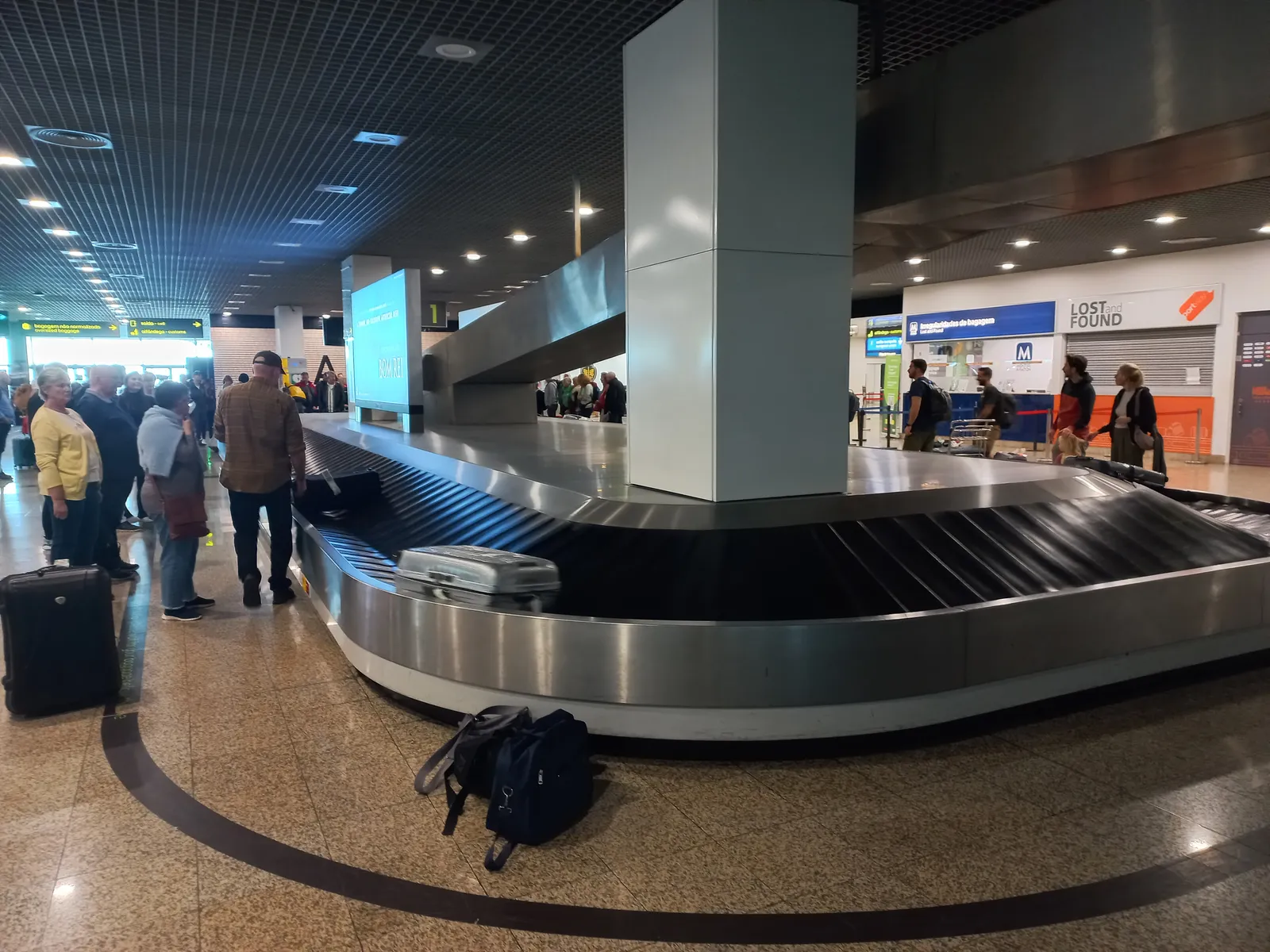
In November 2024, SITA integrated Apple’s Share Item Location feature into WorldTracer, the baggage tracking platform used by more than 500 airlines and ground handlers at over 2,800 airports worldwide, connecting Apple AirTags and Find My network accessories directly with airline baggage systems. One year after the integration, bags carrying an AirTag or compatible Find My device saw a dramatic reduction in permanent losses when location data was shared through WorldTracer.
Artificial intelligence is now moving beyond simple baggage tracking to proactive operational management, with new AI applications automatically rerouting bags after flight disruptions, optimizing baggage conveyor systems, predicting equipment failures before they occur, and estimating bag arrival times. The carousel isn’t going away, but the intelligence behind it is becoming far more sophisticated.
What You Can Actually Do About It
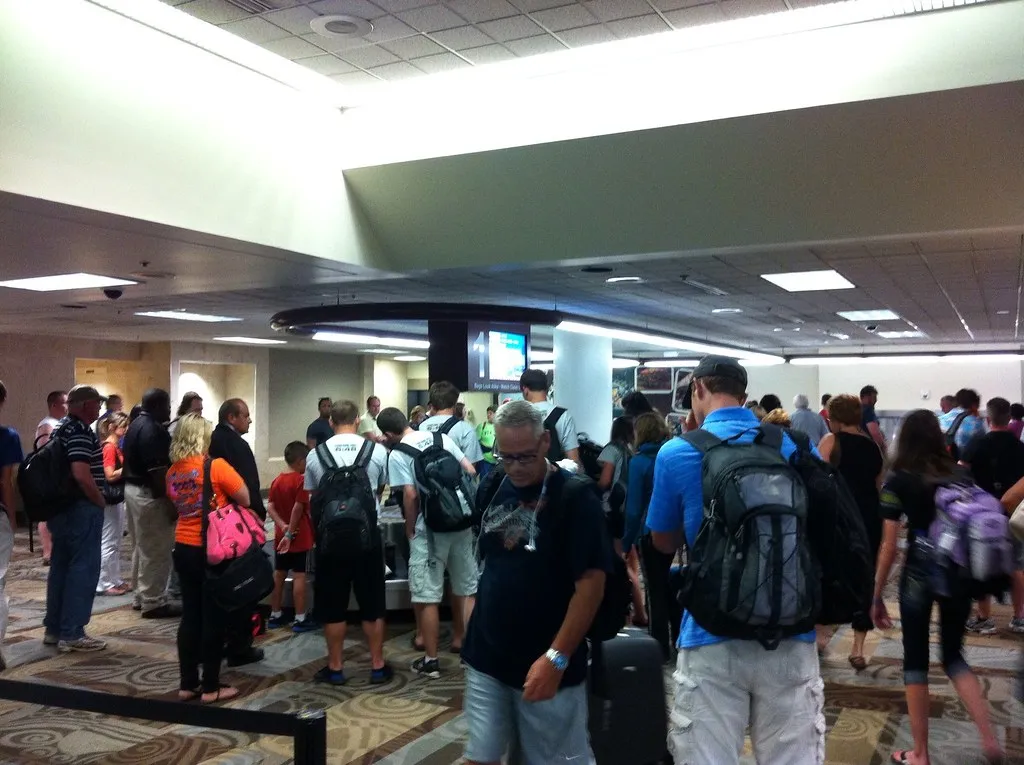
While no guaranteed method exists to ensure your bag is the first off the plane, strategies such as arriving early, checking in first, requesting priority or fragile tags, or asking an agent for a note can influence the way your bag is handled. These aren’t hacks so much as informed choices within a system that is already sorting bags based on predictable criteria.
The trick is to balance convenience with caution: avoid dropping your bag too early, as it might end up buried deep in the hold. Timing your check-in, choosing the right tag, and understanding how your ticket class factors in gives you more agency than most travelers realize they have.
The Takeaway
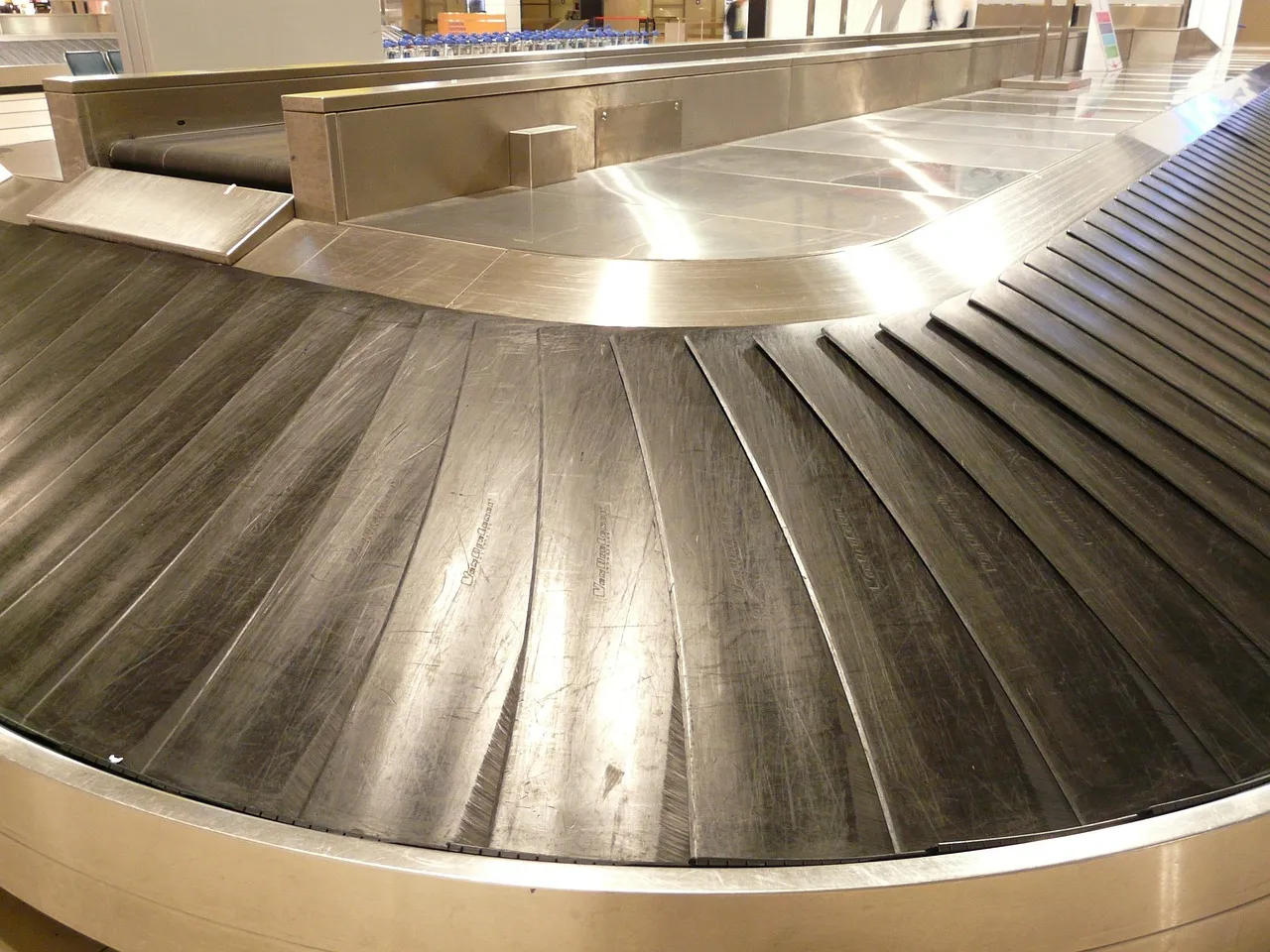
The carousel at baggage claim isn’t a random shuffle. It’s the end result of a layered process shaped by check-in timing, loading plans, aircraft type, ticket class, and tags both physical and digital. Ground crew workers have understood this for decades. Now passengers can too.
Understanding these mechanics won’t eliminate the wait, but it does reframe it. The next time you watch a bag glide out before yours, there’s a good chance it wasn’t luck. Someone probably checked in earlier, booked a priority tag, or holds elite status. Small decisions made hours before the flight quietly determine what shows up first on that belt.
AI Disclaimer: This article was created with the assistance of AI tools and reviewed by a human editor.