


There’s something quietly surprising about stepping out of a car in the Cameron Highlands after a long drive from Kuala Lumpur. The air feels different immediately. Not just fresher, but genuinely cooler – a subtle, almost disorienting contrast to the heavy tropical warmth you left behind just a few hours south.
Located in the northwestern region of Pahang, about 200 kilometers north of Kuala Lumpur, Cameron Highlands is renowned for its temperate climate and stunning landscapes. For travelers, both domestic and international, it offers something rare in this part of the world: a genuine highland reprieve. Here’s a closer look at exactly what makes it worth the journey.
A Natural Altitude Advantage
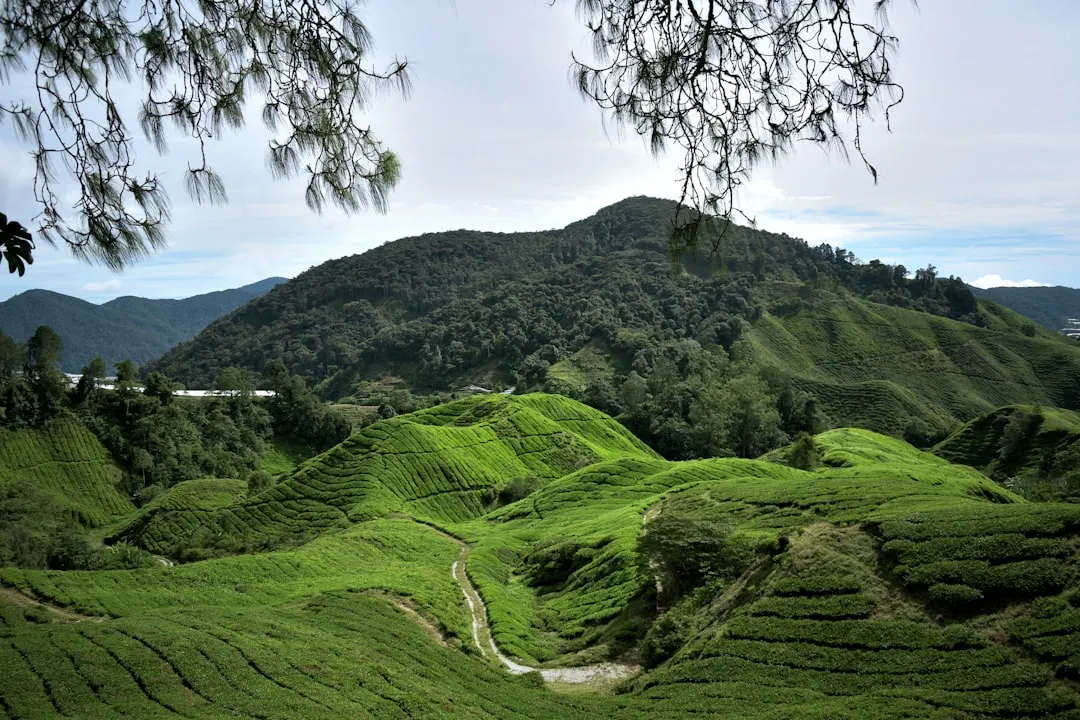
Located at an elevation of approximately 1,500 meters in the Titiwangsa Mountains, Cameron Highlands offers a distinctive tropical highland climate. That altitude alone changes everything about the experience. Daytime temperatures usually hover in the low-20s Celsius and rarely exceed 25 degrees. At night, especially in the higher villages, the mercury can dip below 10 degrees, giving visitors a pleasant chill in the air.
While the rest of Peninsular Malaysia experiences equatorial heat, the highlands maintain a “perpetual spring” atmosphere, characterized by cool temperatures, high humidity, and frequent afternoon showers. It’s the kind of cool that makes you reach for a light jacket at dinner, which feels wonderfully odd when you know you’re still in the tropics.
A Record-Breaking Heat Year That Still Felt Cool
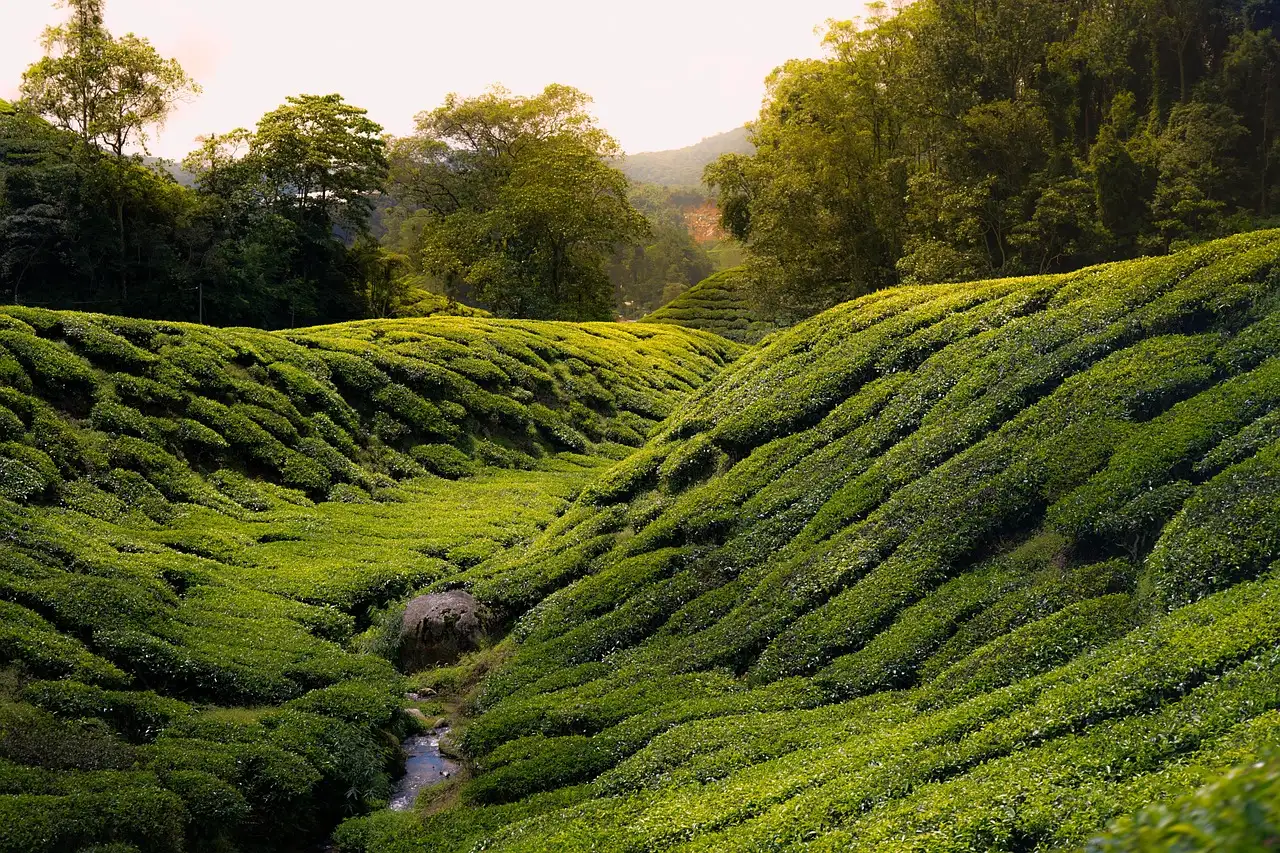
Cameron Highlands experienced its hottest year on record in 2024, with an average daily temperature of 18.91 degrees Celsius, marking a significant rise over the past decade. Even so, that number remains remarkably mild compared to the lowlands. According to Deputy Natural Resources and Environmental Sustainability Minister Datuk Seri Huang Tiong Sii, temperatures in the popular highland retreat have increased by 0.86 percent over the last 10 years.
Between 1991 and 2020, the average daily temperature was 18.05 degrees Celsius. Despite the heat spike, the highest temperature ever recorded in Cameron Highlands remains 27.9 degrees Celsius, logged on May 19, 1998. For context, that’s a high that most Malaysian cities hit before noon on an average day. The warmth remains restrained, even in a record year.
Asia’s Top Rural Destination in 2025
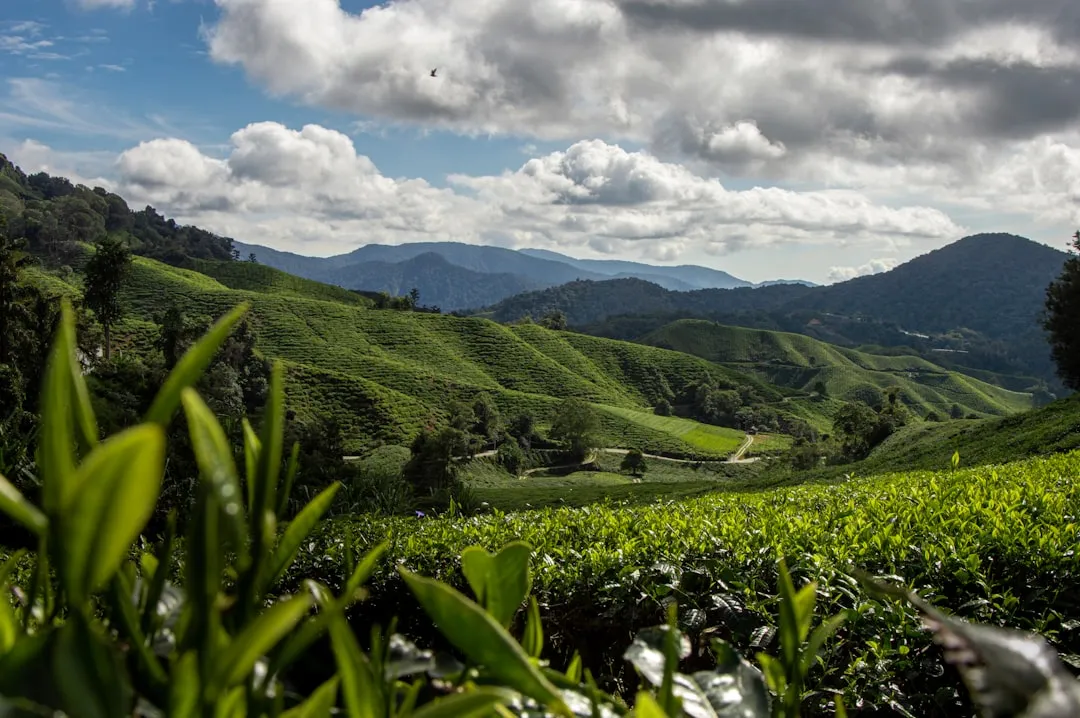
Cameron Highlands, known for its cool climate, scenic tea plantations, and lush vegetable farms, was selected as the top rural destination in Asia for 2025 based on accommodation search volumes by visitors. This recognition highlights the growing appeal of rural sustainable tourism in the region, with Cameron Highlands standing out as a key destination for both local and international travelers seeking natural beauty and tranquility.
The recognition is expected to further boost the local tourism economy. As more visitors arrive, local businesses including accommodations, restaurants, and tour operators stand to benefit from increased demand, and the region’s agriculture-based tourism also plays a crucial role in sustaining the local economy. That balance between agriculture and tourism gives Cameron Highlands a texture that most highland resorts simply don’t have.
The BOH Tea Plantation: A Living Piece of History
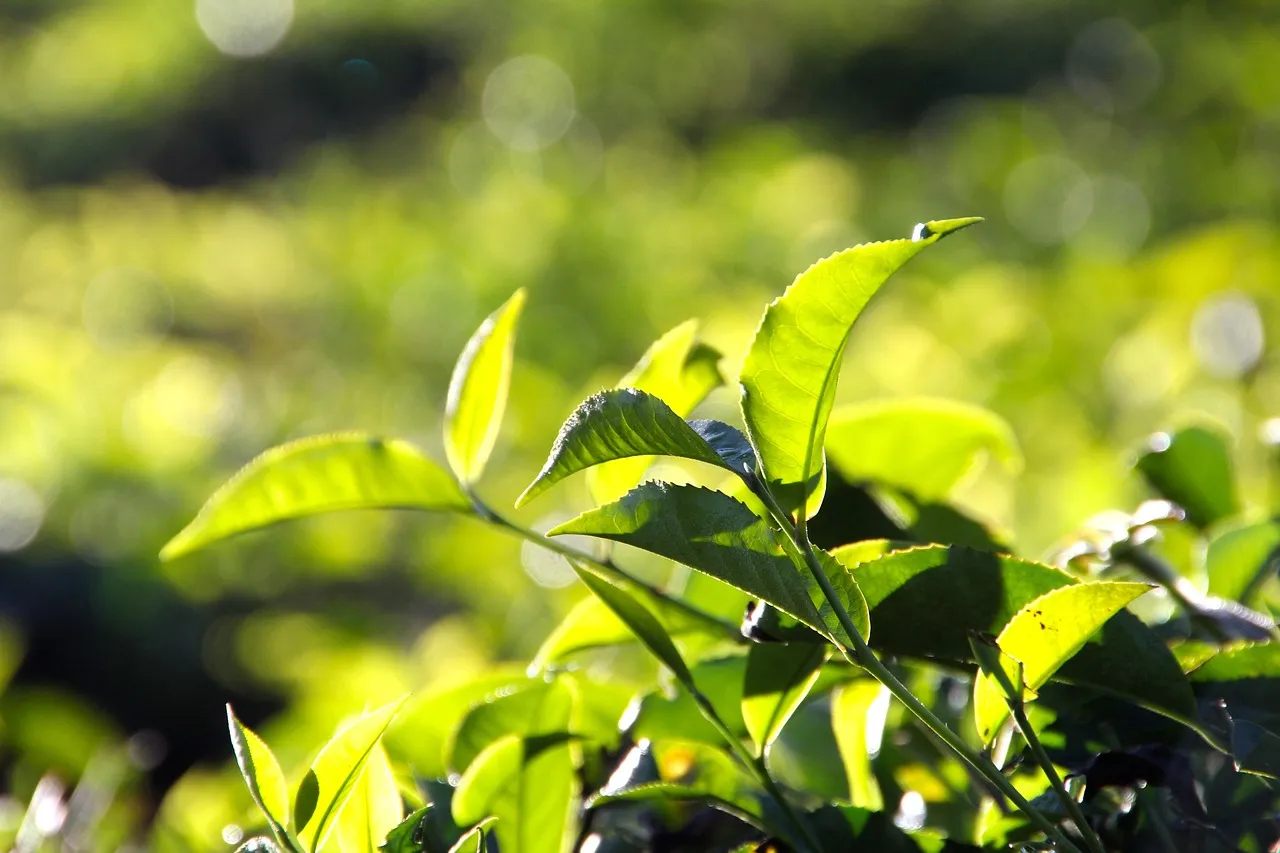
In 1929, John Russell, a British entrepreneur, founded the now-iconic BOH Tea Plantation, which remains the largest and most famous tea producer in Malaysia. Walking through it today, you sense that history in the quiet rhythm of the place. Covering more than 8,000 acres, it is the largest and oldest tea plantation in Southeast Asia.
The estate produces about 4 million kilograms of tea annually. Visitors can take guided tours of the tea factory to learn about the tea-making process, from plucking to packaging, and the plantation features a visitor center with informative exhibits and a tea shop where you can purchase freshly brewed tea and various tea products. It’s an experience that’s equal parts education and indulgence.
The Mossy Forest: An Ancient World Above the Clouds
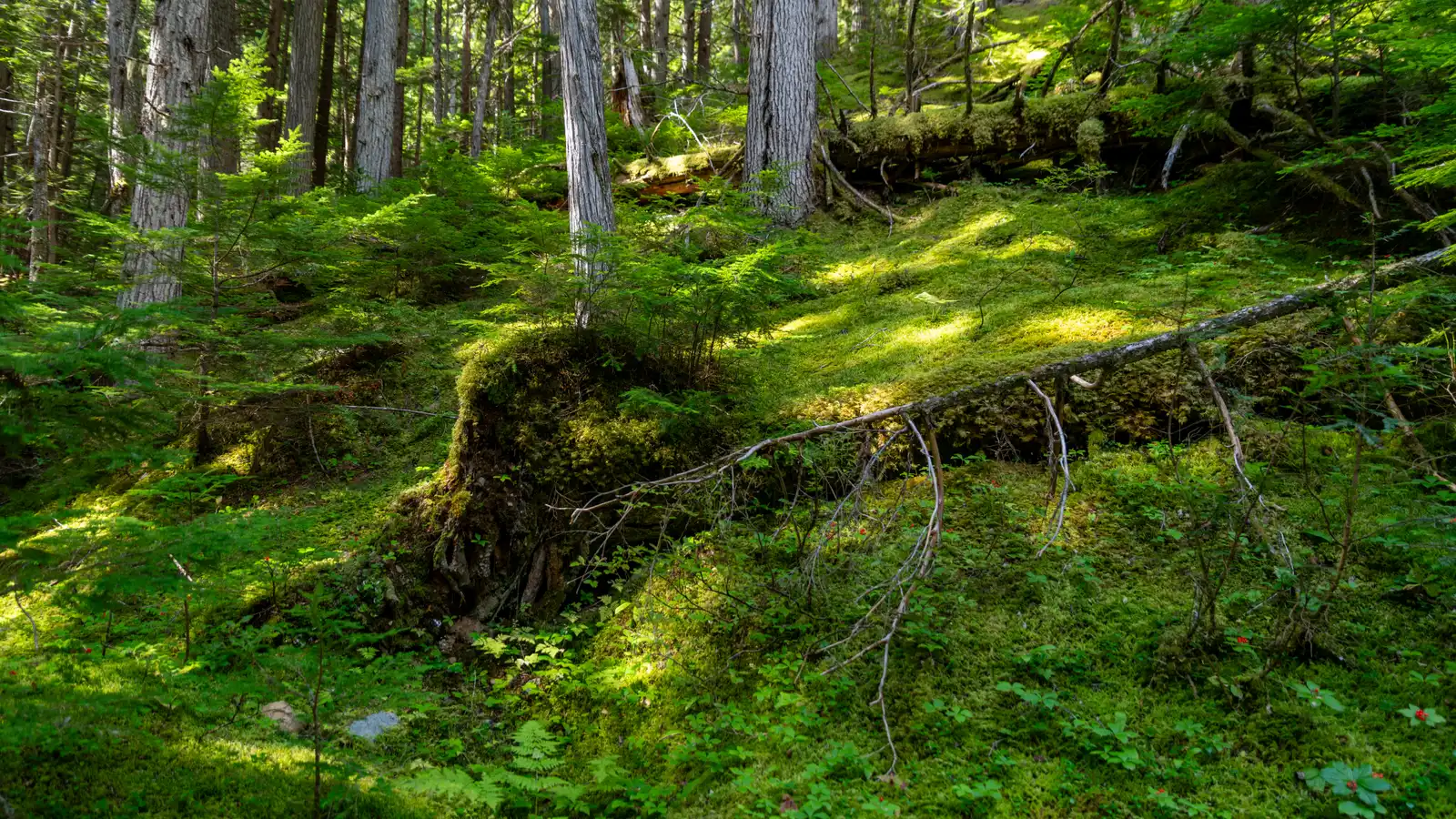
One of the most magical attractions in Cameron Highlands is the Mossy Forest. Estimated to be approximately 200 million years old, this montane cloud forest covers more than 900 hectares and contains a unique ecosystem rarely found elsewhere in Southeast Asia. Standing inside it, you’d be forgiven for thinking you’ve wandered into something much older than yourself.
Elevated boardwalks allow visitors to explore the forest without disturbing its delicate environment. Thick carpets of moss blanket tree trunks and branches, while orchids, pitcher plants, ferns, lichens, and medicinal herbs thrive in the cool, humid climate. The Cameron Highlands is home to the only moss-covered cloud forest in Peninsular Malaysia. That distinction alone makes it worth seeking out.
Strawberry Farms and Cool-Climate Agriculture

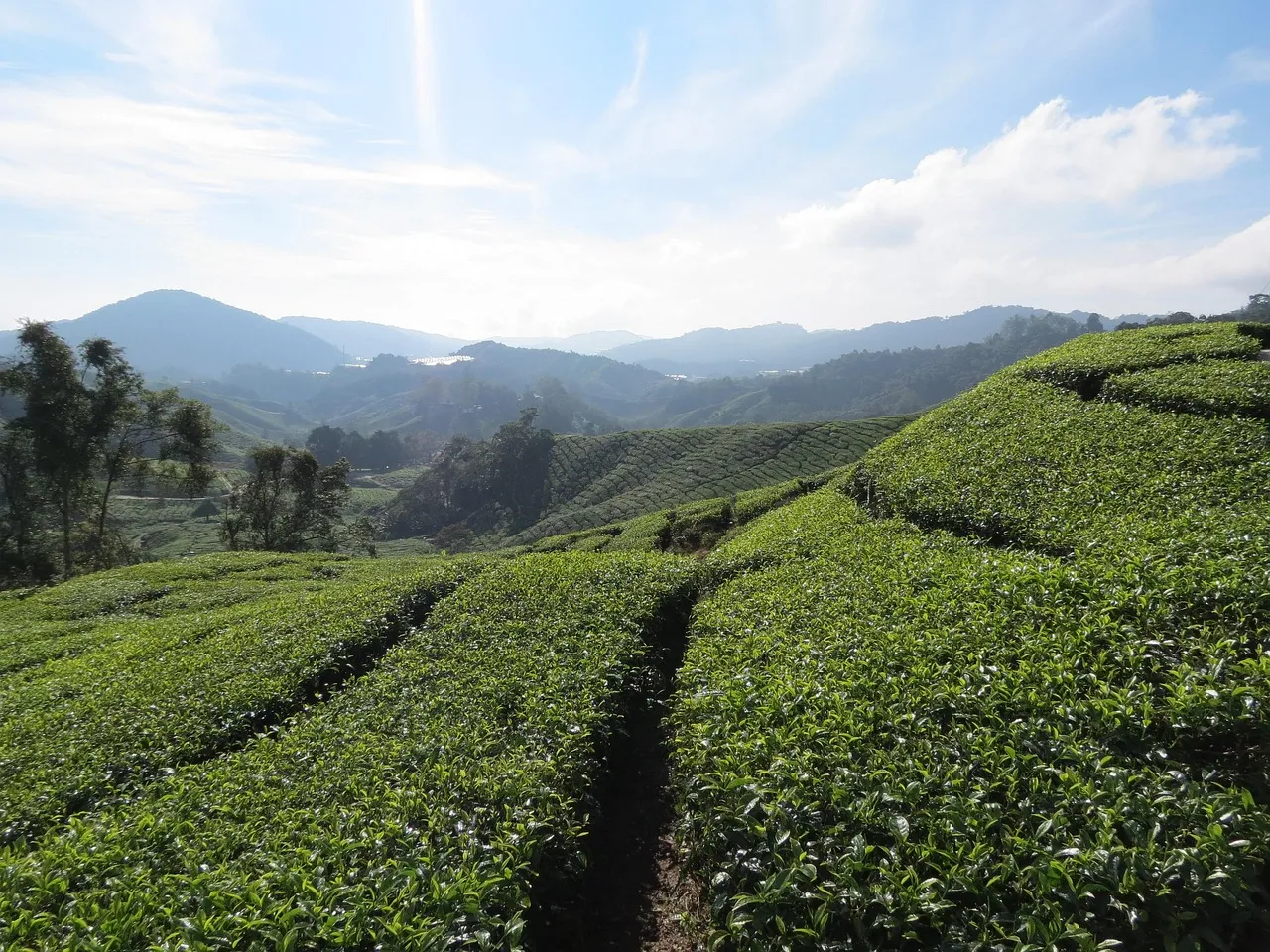
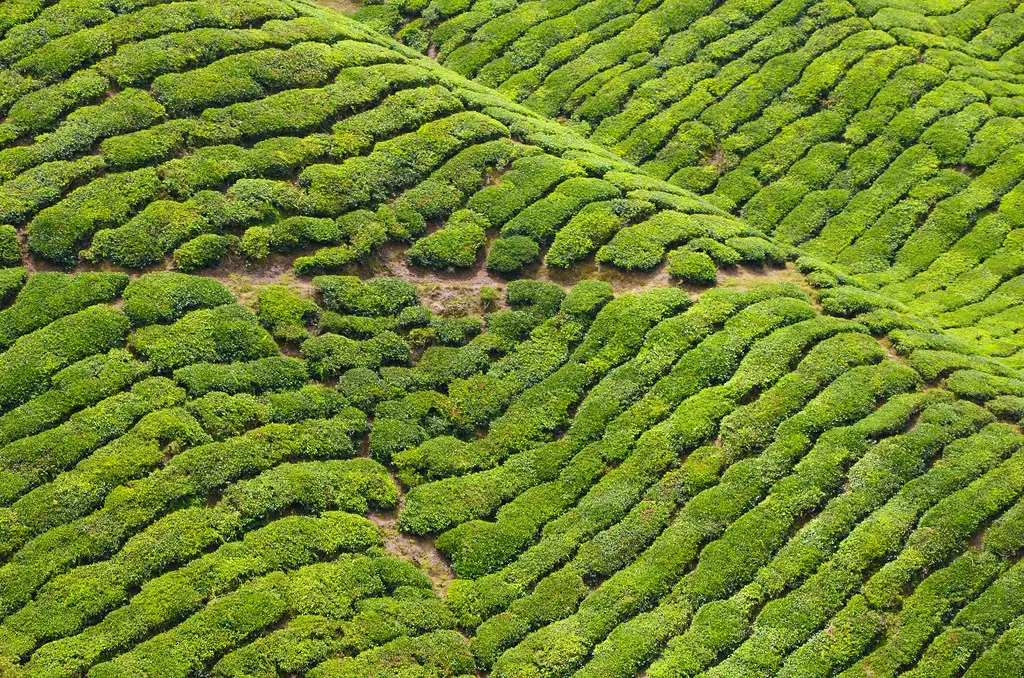
This cool, temperate climate made Cameron Highlands ideal for cultivating tea, strawberries, and English garden flowers during the colonial era, and it remains a big draw for visitors today. Strawberries, in particular, feel almost exotic in this setting. Cameron Highlands is famous for its sweet, plump strawberries – a novelty in tropical Malaysia – and several farms let you pick your own or sample freshly made strawberry treats.
High-altitude agriculture including tea, roses, and lavender is the lifeblood of the region, specifically chosen because these plants thrive in the stable, cool conditions. Today, the Cameron Highlands is not only a must-visit Malaysian destination but also a major supplier of tea, fresh produce, and flowers to both Malaysia and Singapore. Few destinations manage to make farming this genuinely beautiful.
Hiking Trails Through Highland Wilderness
For those seeking outdoor adventures, the Mossy Forest and various hiking trails provide breathtaking views and a chance to immerse in the natural beauty. The trail network around Tanah Rata is particularly well known among hikers. There are numerous hiking trails around Tanah Rata, and while they are not necessarily well signposted, pretty much every accommodation has reasonably accurate maps.
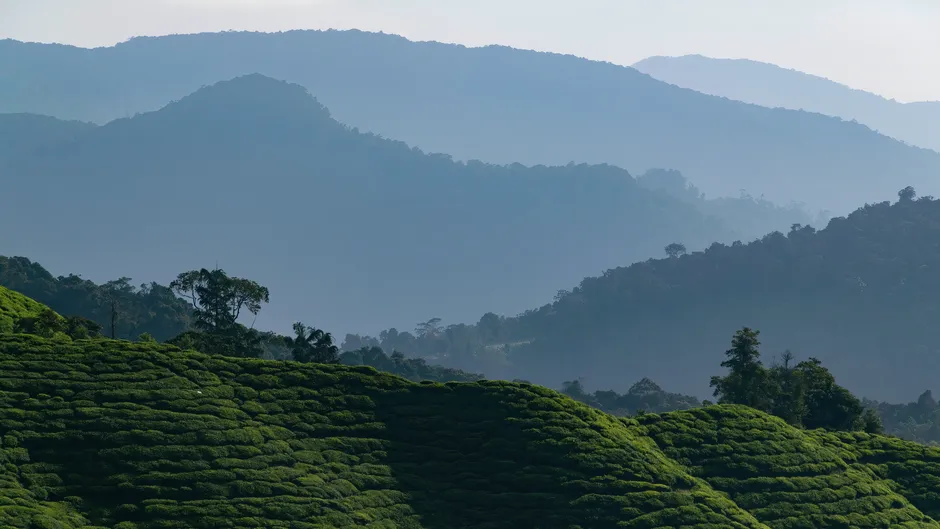
Early mornings frequently offer spectacular views as mist drifts across valleys before gradually revealing rolling tea-covered hills beneath bright sunshine. Timing matters a great deal here – the landscape shifts dramatically within hours, and catching those misty morning valleys is one of those travel moments that stays with you long after you’ve come home.
The Orang Asli: Indigenous Roots of the Highlands
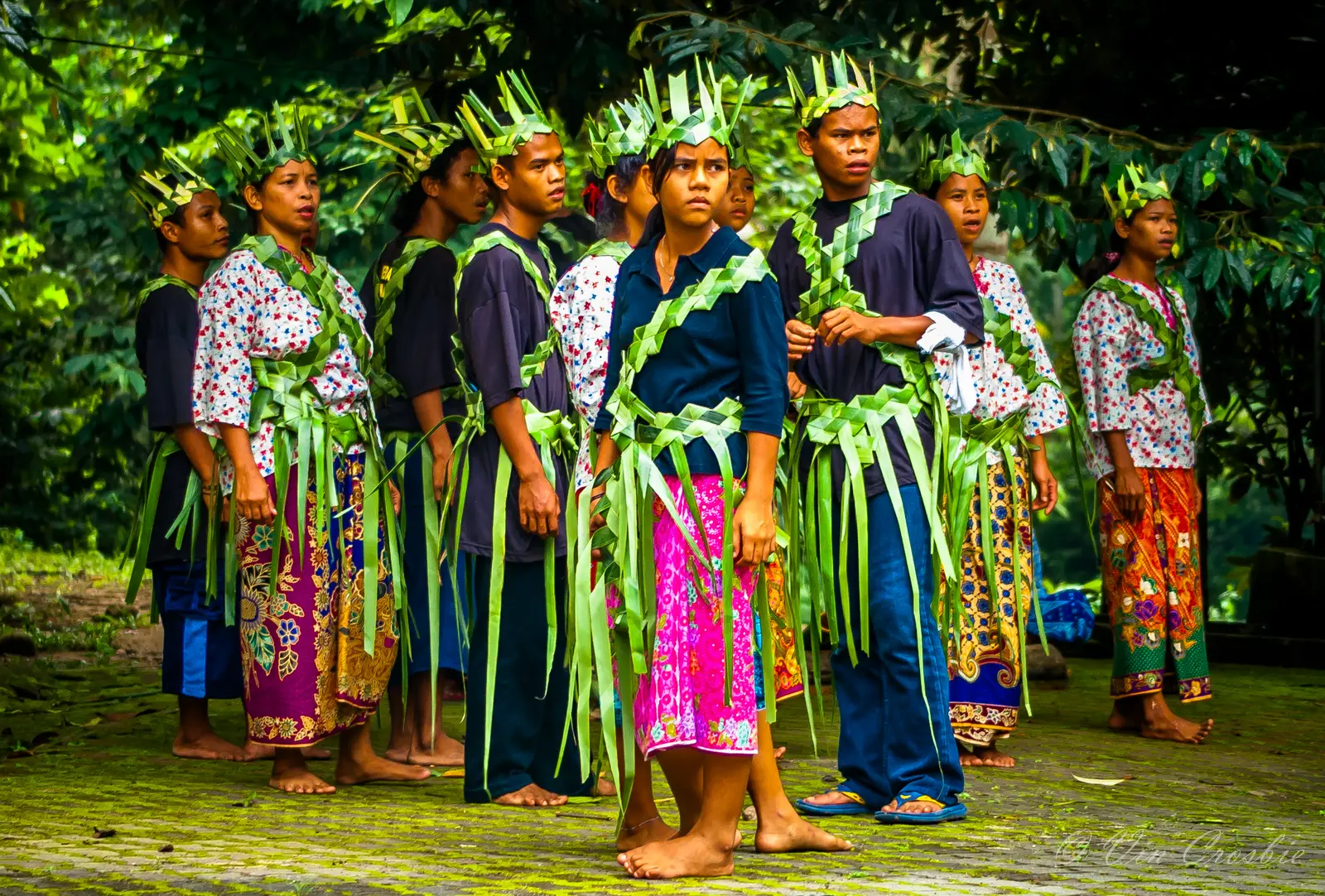
The region was originally inhabited by the Orang Asli, its indigenous people. European colonization began in the late 19th century, when William Cameron, a British colonial administrator, first stepped foot in the region in 1885. Long before tea gardens and tourist shops, this landscape belonged to communities whose connection to it ran far deeper than any plantation.
In total, about 43,000 people live in the highlands today, including indigenous Orang Asli communities and a mix of Malaysians who work the farms and tourism industry. The region also offers cultural experiences at Orang Asli villages. Approaching those visits with genuine curiosity and respect is what separates purposeful travel from passive sightseeing.
Responsible Tourism and Slope Conservation
To help preserve the environment of Cameron Highlands, the Malaysia Minerals and Geoscience Department has crafted both a Slope Hazard Map and a National Slope Risk Map, spotlighting 45 critical and high-risk slopes. Nineteen critical slopes have been monitored annually since 2021, with early warning systems installed at five key locations.
In recent decades, Cameron Highlands has continued to evolve. Rapid urbanization and commercialization have brought modern amenities and infrastructure to the region, but efforts are also being made to balance development with preserving its natural heritage. BOH Tea Plantation, for instance, is committed to eco-friendly practices, employing sustainable farming techniques that minimize the use of chemicals. Travelers who choose thoughtfully here make a genuine difference.
When to Visit and How to Get There
Though Cameron Highlands boasts a relatively consistent climate throughout the year, those looking to capitalize on sunshine and milder rainfall might consider the months from May to August. Even so, the unpredictability is part of the charm. The weather is famously unpredictable – a bright, sunny morning can quickly transition into a thick, misty afternoon followed by a heavy tropical downpour.
Travelers arriving from Kuala Lumpur usually require approximately three to four hours to reach Cameron Highlands by car or bus. Renting a vehicle offers greater flexibility, especially for visiting attractions scattered throughout Brinchang, Tanah Rata, Ringlet, and Kea Farm. Layered clothing is recommended because temperatures can become surprisingly cool during evenings and early mornings. Pack accordingly, and you’ll settle in quickly.
A Cooler World Worth Protecting
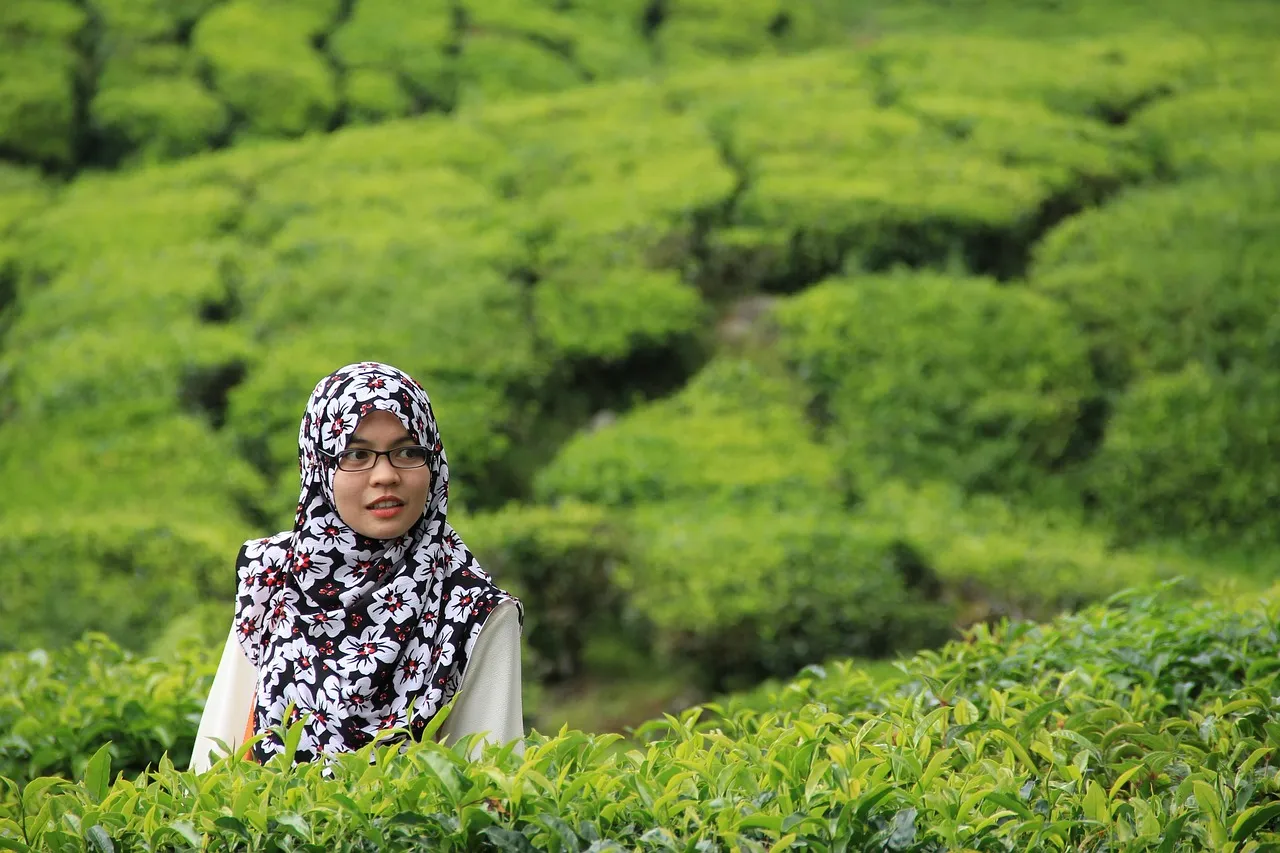
Cameron Highlands is not simply a scenic backdrop for holidays. It’s a living ecosystem, an agricultural powerhouse, and a highland community with deep roots. It is one of the few regions in Southeast Asia with a subtropical highland climate, making it a critical destination for both domestic and international tourism.
The warming trend that pushed 2024 to record temperatures is a quiet reminder that this coolness isn’t guaranteed forever. Visiting with care, choosing sustainable operators, and treading lightly in places like the Mossy Forest are small acts that collectively matter. The highlands have offered people a cool, clear breath of fresh air for well over a century. With a little responsibility from those who visit, they can keep doing exactly that.
AI Disclaimer: This article was created with the assistance of AI tools and reviewed by a human editor.