


There’s a version of a spa day that most people never experience. No shuffle of robes in the locker room, no hushed conversations bleeding through the walls, no waiting by the steam room door. Just stillness. The kind of stillness the word “spa” actually promises, but rarely delivers on a Saturday afternoon.
The secret isn’t which spa you choose. It’s when you show up. And the people who know this best are the ones who work there.
The Numbers Behind the Rush

The spa industry is enormous and still growing. U.S. spa industry revenues reached a record high of $21.3 billion in 2023, up from $20.1 billion in 2022. With that kind of growth comes crowds, and crowds follow predictable patterns.
Peak spa hours occur between 11am and 3pm, with 2pm representing the single busiest hour of the day. Morning slots from 9am to 11am typically see roughly a fifth of daily volume, while the midday peak handles nearly half of all clients. Knowing this changes everything about how you plan your visit.
Tuesday Through Thursday: The Insider Window
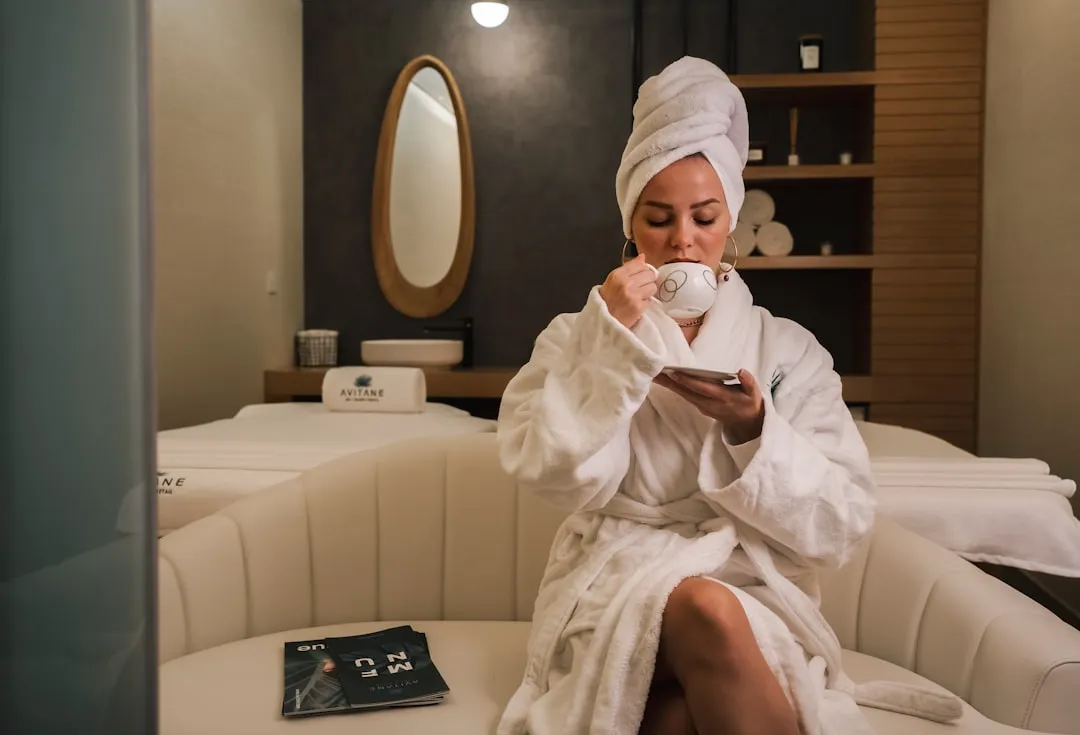
On weekdays, especially Tuesday to Thursday, spas are less busy, easier to book, and much calmer. This isn’t a vague impression shared among regulars. It’s a pattern that shows up in how spas staff their floors and allocate their rooms.
Most wellness spas handle roughly ten to twenty clients per day, with weekends showing twenty to thirty percent higher traffic than weekdays. That gap is significant enough that it changes the entire feel of the place, not just the noise level. Your therapist has more time, and so do you.
Why 2pm Is the Worst Time to Arrive
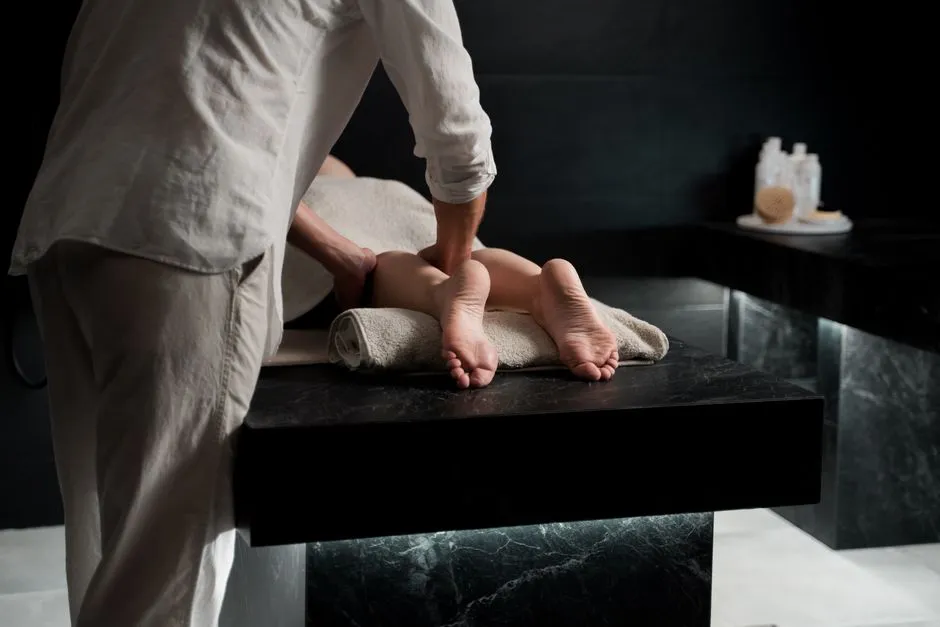
2pm is the busiest time of day for massage therapy appointments, accounting for more than one in ten of all appointment start times. This mid-day pattern reflects how clients plan around work schedules, lunch breaks, and childcare obligations. The logic makes sense for those guests. It just isn’t ideal if quiet is what you’re after.
At med spas specifically, 2pm accounts for more than thirteen percent of all appointment start times, making it the most congested slot across virtually every format of spa business. If you arrive at 2pm on a Friday, you’re arriving at the intersection of every busy pattern at once.
The Case for the Morning Opening Slot

Weekday mornings and early afternoons open up a few days out at most spas, which means you don’t need to plan weeks ahead to secure a genuinely quiet visit. The early slots, typically from opening until around 10am, have the lowest foot traffic of any point in the day.
Spas schedule for maximum therapist availability during the 11am to 3pm window, with at least eighty percent of treatment rooms operational. Early morning and late evening can operate with reduced staffing levels, but this also means the therapists who are available give you their undivided focus, without back-to-back rooms to manage.
The Midday Quiet Pocket Most People Miss

There’s a counterintuitive window that experienced spa-goers have quietly claimed for themselves. The midday slot from 11am to 2pm is one of the most underrated booking windows at any day spa. Most people are at work or in meetings during this time, which means spa floors are quieter, therapists are more available, and you’re less likely to feel rushed.
This window works especially well on a Wednesday or Thursday, when weekend warriors haven’t yet started planning their next visit and the post-lunch crowd hasn’t materialized. Weekdays or mid-mornings often offer the quietest environments for exactly this reason.
Weekends: How to Navigate Them if You Must

Some schedules don’t allow for a Wednesday morning escape, and that’s a real constraint. Weekends are the most popular time for massages, with lots of people starting to look for appointments on Friday nights and Saturday mornings. If you can only go on the weekend, try to book at least five to seven days early.
Saturday, Sunday, and weekday evenings after 5pm are the pressure points, and two to three weeks ahead is a realistic target for securing the slot you want. If Saturday is your only option, aim for the very first appointment of the day. That window, right at opening, is almost always calmer than anything that follows it.
The Waitlist Strategy That Actually Works

Most spa guests don’t think of themselves as the type to use a waitlist. That’s their loss. Waitlists are genuinely underused. Cancellations inside 48 hours are common, and being first on a text-notification waitlist is the most reliable way to get a Saturday afternoon slot that appeared to be fully gone.
Advance bookings account for roughly sixty to seventy-five percent of daily spa visits, while walk-in clients represent twenty-five to forty percent of total footfall. That churn creates openings every single week. The guests who get them are the ones who asked to be notified.
The Therapist Factor: How Timing Affects Who You Get

Quiet hours aren’t just about fewer people around you. They also shape who is available to treat you. Spas schedule for utilisation rather than convenience, filling slow midweek hours with membership and package clients and protecting weekend capacity for full-price bookings. That’s why asking for a Tuesday at 11am often gets you the therapist you actually wanted.
Some situations need more lead time. A specific senior therapist with a following can be booked out a full month. If you’ve found a practitioner whose work genuinely makes a difference for you, the midweek off-peak slot is often your best chance of staying on their schedule consistently.
Seasonal Peaks to Plan Around

Beyond the weekly rhythm, certain times of year make even Tuesday mornings harder to come by. The three busiest periods in the spa calendar are Mother’s Day, Valentine’s weekend, and the run-up to Christmas, when realistic booking lead times extend to a full month for couples rooms and in-demand therapists.
Current trends in the spa industry include a growing range of services such as sound baths, mindfulness sessions, and light therapy, along with guest demand for more flexible booking options. These expanded menus add new pressure to already limited availability during holiday windows, so planning well ahead during those periods is worth it.
What Advance Bookings Reveal About Your Window

Small spas with four to six treatment rooms typically handle eight to fifteen clients daily during weekdays and twelve to twenty clients on weekends. Medium-sized spas with seven to ten treatment rooms can accommodate fifteen to twenty-five clients on weekdays and twenty to thirty during peak weekend periods. The arithmetic is simple: fewer clients on a given day means more room, more quiet, and more of the experience you’re actually paying for.
Some spas offer lower pricing or longer session times during off-peak hours. Tuesday through Thursday tends to be the quietest, and the most genuinely relaxing. The financial case for off-peak timing often aligns perfectly with the experiential one. A calmer visit can also cost less. That combination is rare in wellness.
The Takeaway
There’s no mystery formula, just an honest look at when spas are full and when they’re not. On weekdays, especially Tuesday to Thursday, spas are less busy, easier to book, and much calmer than at any other point in the week. The quiet hours are real. They just require a small shift in when you show up.
The staff at your local spa already know which slots feel different. Now you do too. A Tuesday morning at 10am, or a Wednesday opening slot, isn’t a compromise. It’s a choice that most guests haven’t thought to make yet. Once you try it, the Saturday scramble starts to look like a habit worth leaving behind.
AI Disclaimer: This article was created with the assistance of AI tools and reviewed by a human editor.