
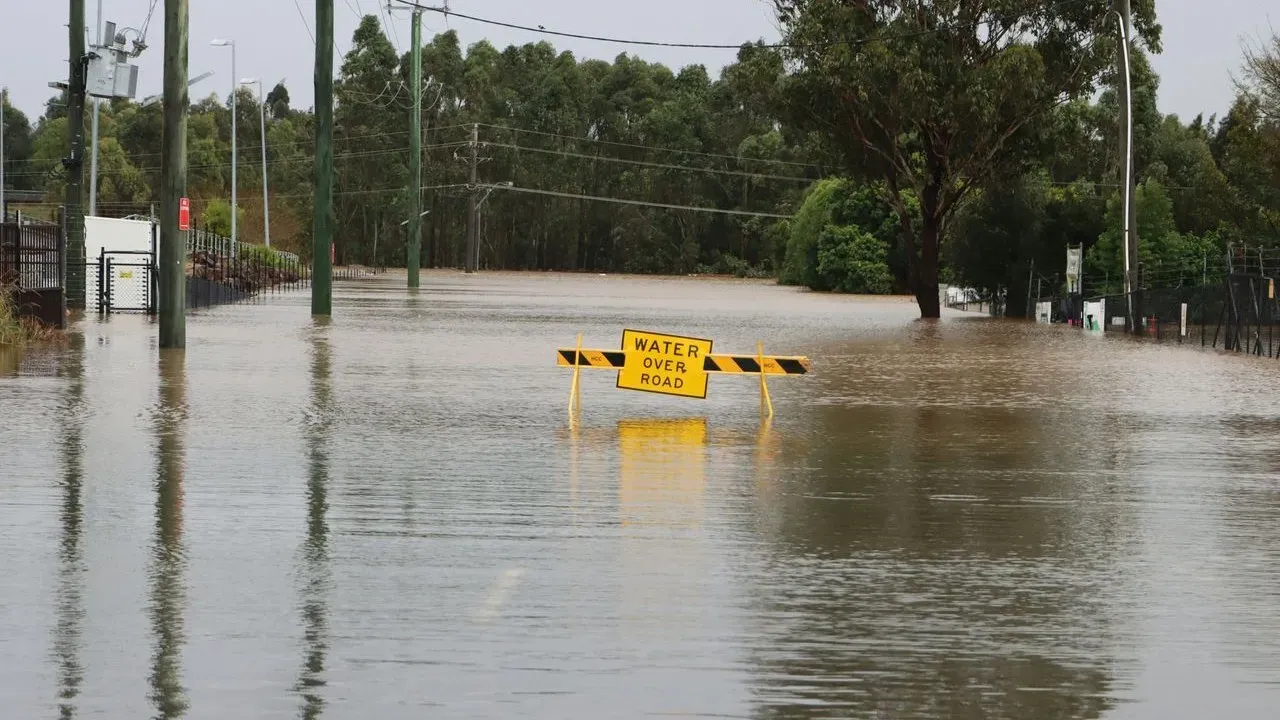

New York City – Heavy rain on Thursday evening transformed sections of city streets into swift-moving channels, briefly disrupting commutes across Queens and Brooklyn. Parts of Long Island recorded 2.87 inches of rainfall during the same deluge. The event unfolded quickly, as is common during peak summer months when warm, moist air collides with urban heat.
Understanding the Immediate Impact
Commuters faced delays as water pooled along major routes and subway entrances. The downpour arrived in the evening hours, catching many residents and visitors during their return from work or sightseeing. Streets in low-lying neighborhoods absorbed the runoff fastest, creating the visual effect of temporary rivers flowing between buildings. Yet the city’s extensive drainage network and rapid response teams worked to restore normal flow within hours. Service on affected transit lines resumed without widespread cancellations, allowing most travelers to continue their plans the following morning.
Why Summer Storms Are Becoming More Noticeable
New York experiences intense, short-duration rainfall events more frequently in recent summers. These bursts often deliver a month’s worth of rain in a single afternoon, overwhelming pavement before it can drain. The pattern reflects broader shifts in regional weather, where warmer Gulf moisture travels farther north and meets stalled fronts over the Northeast. Travelers who monitor forecasts closely find they can adjust itineraries with minimal disruption. Many choose indoor cultural sites or covered markets during the peak heat of the afternoon, then emerge for evening walks once skies clear.
Practical Steps for Visitors
A few straightforward habits help visitors move confidently through variable summer weather. Checking real-time transit apps before leaving a hotel or restaurant provides the latest on any localized flooding. Carrying a compact umbrella and wearing shoes with good traction reduces discomfort on wet sidewalks. Allowing an extra 20 to 30 minutes between destinations proves useful on days when storms are forecast. Public libraries, museums, and grand train stations offer comfortable places to wait out brief showers while still experiencing the city’s architecture and collections.
NYC’s Enduring Appeal
The same neighborhoods that saw water on their streets the previous evening welcomed visitors the next day with open storefronts and active sidewalks. New York’s layered history and vibrant street life continue regardless of short-term weather interruptions. Travelers who approach the city with flexibility often discover unexpected moments, such as rain-washed light reflecting off historic facades or quieter museum galleries during a passing shower. Responsible visitors support local businesses by dining at neighborhood spots and using public transit, contributing to the city’s ongoing vitality. These choices help sustain the very energy that draws millions each year.
Planning Ahead This Season
Summer remains an excellent time to explore New York when visitors build weather awareness into their schedules. Layered clothing, flexible reservations, and a willingness to pivot to covered attractions turn potential inconveniences into part of the authentic urban experience. The city’s resilience and daily rhythm invite travelers to engage thoughtfully rather than retreat from brief natural events.
AI Disclaimer: This article was created with the assistance of AI tools and reviewed by a human editor.