


Most travelers come home from a trip abroad with great memories, a few souvenirs, and a credit card statement that’s slightly more confusing than expected. Every purchase looks a little bigger than it felt in the moment. The culprit, almost always, is the foreign transaction fee, a quiet surcharge that your bank adds to every single card swipe made outside your home country.
The good news is that this fee is one of the most straightforward travel costs to eliminate. The fix doesn’t require a complicated financial strategy. It comes down to knowing which card to carry, which prompts to decline at the payment terminal, and a few small habits that take seconds to form.
What a Foreign Transaction Fee Actually Is

A foreign transaction fee is a surcharge, typically between one and three percent of the purchase amount, that a card issuer charges when a cardholder makes a purchase in a foreign currency or through a merchant that processes payments outside the cardholder’s home country. It shows up on your statement after the fact, often without a clear label.
The fee applies to every qualifying purchase individually, whether the cardholder is traveling abroad or buying online from an international vendor while at home. That last part surprises many people. You don’t even need to be on a plane for the charge to appear.
The fee is often split into two parts: roughly one percent charged by the card network, such as Visa or Mastercard, and up to about two percent added by the bank that issued your card. The two charges combine silently, and most travelers never notice the split.
How Much This Fee Actually Costs You
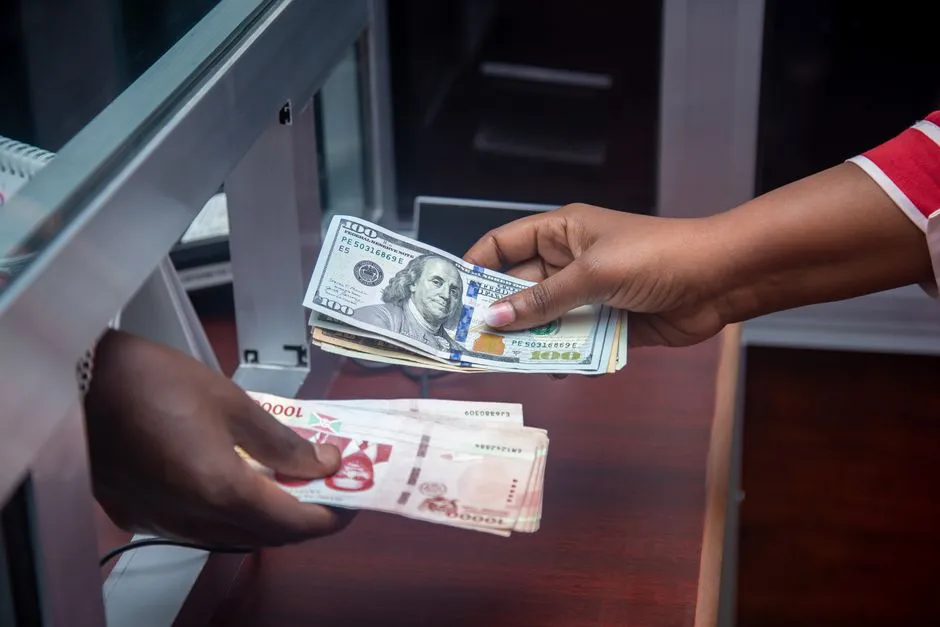
Foreign transaction fees apply to the U.S. dollar value of international transactions, and the average fee is roughly 1.59 percent in 2026, according to WalletHub’s Credit Card Landscape Report. That average, however, hides a wide range across different card issuers.
While even a three percent fee might not seem that expensive, the charges can quickly add up. If you make five thousand dollars in purchases abroad using a card with a three percent foreign fee, you will be charged an extra $150 on your next statement. On a longer international trip, that’s a meaningful chunk of money, gone before you even notice.
A three percent card fee plus a bad conversion rate plus an ATM surcharge can quietly turn into six to eight percent lost on your travel budget. Stack those layers together and you’ve essentially paid a hidden tax on your entire trip.
The Awareness Gap Is Surprisingly Wide

A 2025 WalletHub survey found that roughly a third of Americans do not know whether their credit card charges a foreign transaction fee, and only twelve percent correctly identified every scenario in which the fee applies. That’s a striking number. Millions of travelers are paying a fee they don’t know exists.
The same survey found that the vast majority of respondents consider foreign transaction fees a “rip-off,” and more than half said they would consider switching card providers the next time they get charged one. The frustration is real, but the awareness tends to arrive too late, after the statement lands.
Simply reading your card’s terms before you travel is more powerful than it sounds. If a credit card or debit card charges a foreign transaction fee, it will be listed in the card’s terms and conditions. It takes two minutes and can save you real money over the course of a trip.
The Core Trick: Use a No-Fee Travel Card
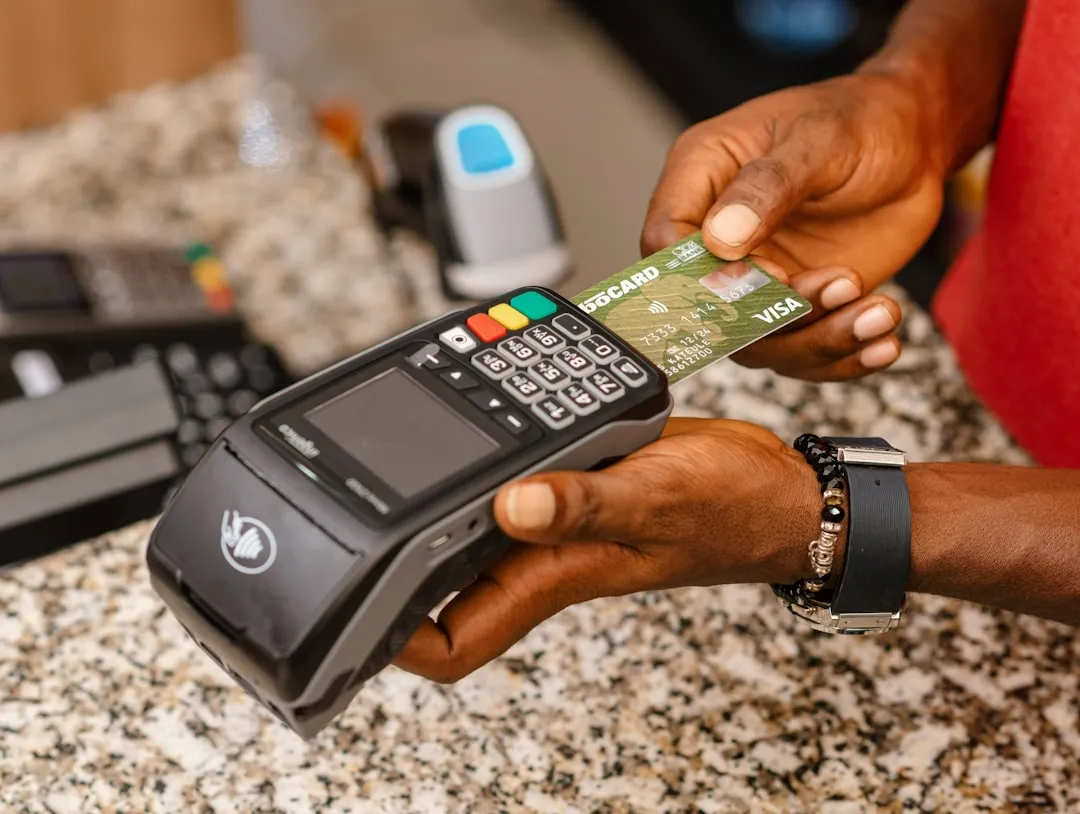
The best way to avoid foreign transaction fees is to use a credit or debit card that doesn’t charge them. Because there are real benefits to paying with a credit card when traveling internationally, it’s a good idea for frequent travelers to prioritize no foreign transaction fees when applying for a credit card.
Getting a card with no foreign transaction fees is one of the simplest things you can do to improve your rewards when traveling internationally. Foreign transaction fees typically run around three percent of every purchase, which can quickly eat up more than you are earning in points or cash back. The good news is that there is a wide range of excellent no-foreign-transaction-fee cards, from no annual fee options to premium travel cards.
Some credit card companies do not charge foreign transaction fees on any of their cards, including Capital One, Discover, and USAA. Other major issuers offer the benefit selectively, usually on their travel-focused products. Checking before you book your flight costs nothing.
Popular Cards That Waive the Fee
The Chase Sapphire Preferred Card is a best-in-class mid-tier travel card for those looking for a valuable welcome offer and opportunities to transfer points to leading loyalty programs, with no foreign transaction fee. It remains one of the most consistently recommended options across major personal finance outlets in 2026.
The Capital One Venture Rewards Credit Card is widely rated as the best overall no foreign transaction fee credit card because of its valuable rewards structure. It offers one of the best initial bonuses on the market: 75,000 miles for spending $4,000 on purchases in the first three months. Its simplicity, earning two miles per dollar on all purchases, makes it a practical everyday companion overseas.
There are travel credit cards without the fee and cash back cards without it; there are options with annual fees and without; you can find cards for college students, business operators, and more. The right card depends on how often you travel, not just how far.
The DCC Trap at the Payment Terminal
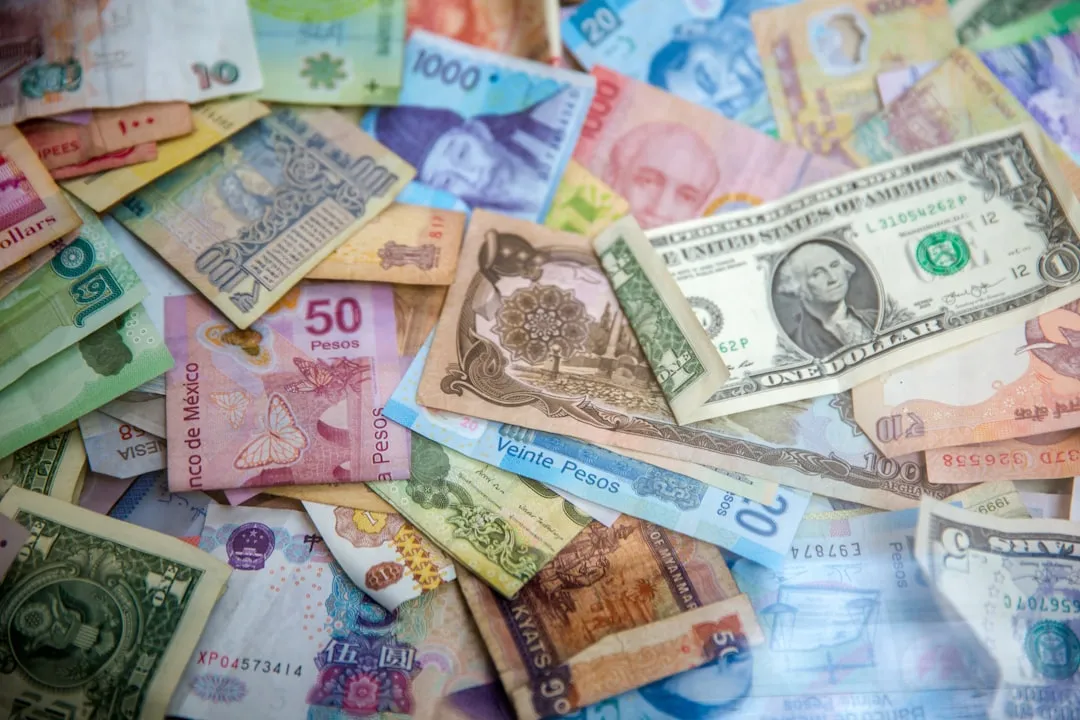
Even travelers with a no-fee card can lose money at the checkout counter. The mechanism is called dynamic currency conversion, or DCC, and it’s worth understanding before your next trip.
Dynamic currency conversion is a service offered by merchants or ATMs abroad that allows you to pay in your home currency instead of the local currency. For instance, if you’re in France and paying for dinner with a U.S. card, the restaurant may offer to charge your bill in USD instead of euros. It sounds helpful. It rarely is.
In most cases, you’ll lose three to five percent during the conversion. If your card also has a foreign transaction fee, you’ll stand to lose another three to five percent from that fee as well. Merchants often push DCC because they receive a portion of the fees from the provider, which can lead them to default transactions to your home currency or pressure you into choosing it.
Always Pay in the Local Currency

The reflex to build at every payment terminal is simple: when asked whether you’d like to pay in dollars or in the local currency, always choose the local currency. Every time, without exception.
By declining dynamic currency conversion and using a credit card without a foreign transaction fee, you can save yourself up to fifteen percent on each purchase, both online and in person. That figure combines the DCC markup with the foreign transaction fee, and it represents a genuine ceiling on what the worst-case scenario looks like.
The exact markup varies by country, processor, and merchant, but a three to eight percent spread over the real exchange rate is the typical range that travelers and consumer bodies report. Choosing local currency closes that gap entirely, regardless of which card you’re using.
What About Using Cash Instead?
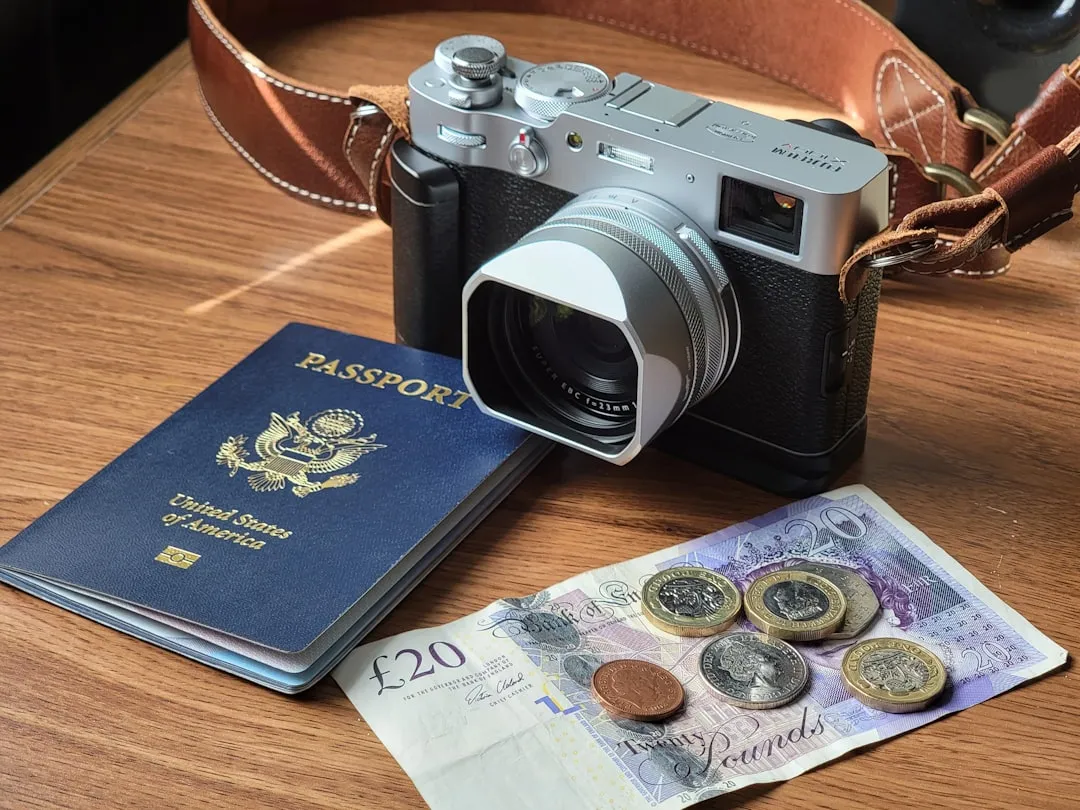
Some travelers assume that carrying cash solves the fee problem entirely. It does reduce card swipe fees, but it introduces a different set of complications worth knowing.
It is possible to avoid paying foreign transaction fees by paying with cash, but that has its own downsides, including needing to exchange money before leaving the U.S. to avoid high exchange fees overseas, the risks of loss or theft when carrying large amounts of cash, and the lack of credit card fraud protection should something go wrong.
That’s why, when possible, it’s often best to use a credit card when traveling internationally. Cash is useful in markets, small towns, and places where card acceptance is limited, but it shouldn’t be your primary strategy for avoiding fees when better card options exist.
How to Check Your Current Card Before You Go
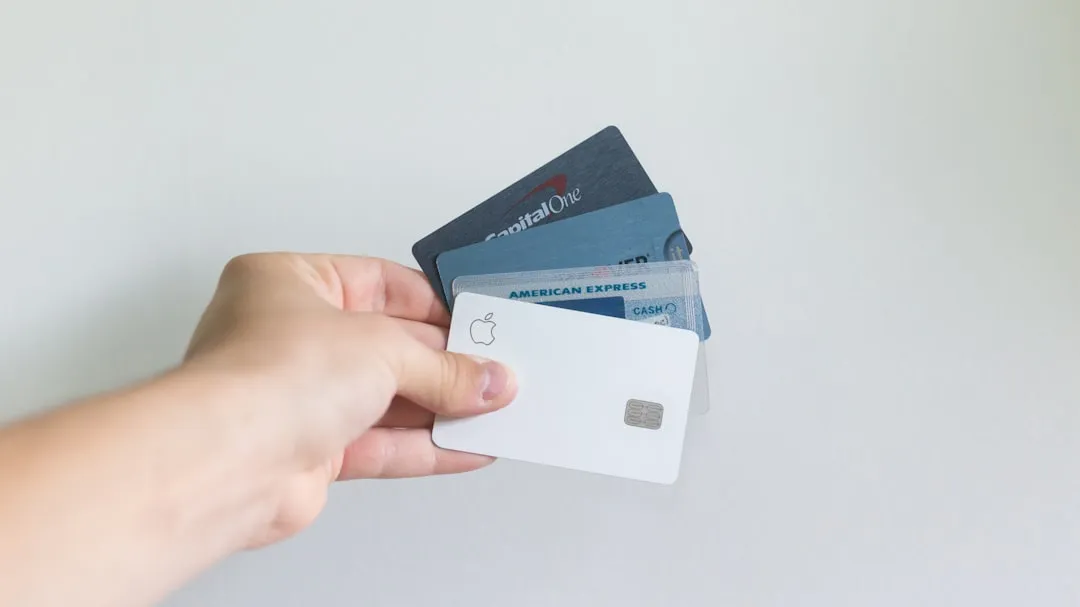
You don’t need to open a new account before every trip. Start by reviewing the card you already carry. The terms are usually accessible online within your account portal, and the foreign transaction fee, if it exists, will be listed clearly in the fee schedule.
Three cost blocks slip in between the sticker price and what you actually pay: your bank’s foreign transaction fee, a possible exchange rate markup, and at the terminal or ATM, the DCC trap of dynamic currency conversion. Knowing which of these applies to your current card lets you plan specifically rather than guessing at the airport.
Each item looks small on its own, but over two weeks of travel they easily add up to the equivalent of fifty to one hundred fifty euros or dollars in unnecessary charges. A ten-minute review of your card’s fee schedule before departure is one of the highest-return uses of your pre-trip planning time.
Building the Habit That Makes It Permanent
The real trick isn’t just finding the right card once. It’s making the right choice automatic every time you travel, whether that’s a weekend abroad or a month-long journey across multiple countries.
Foreign transaction fees are one of the most avoidable travel costs there is. With the right card, a habit of declining one specific checkout trap, and a simple way to track what you spend across currencies, you can bring these fees close to zero. The tools exist. The main requirement is awareness.
When you get home, pay off everything you purchased during your trip. Paying your credit card bills in full helps you avoid interest and is better for your credit score. Carrying a balance on a travel card erases the savings you worked to keep while abroad. The strategy only fully works when the whole chain holds together.
The Takeaway
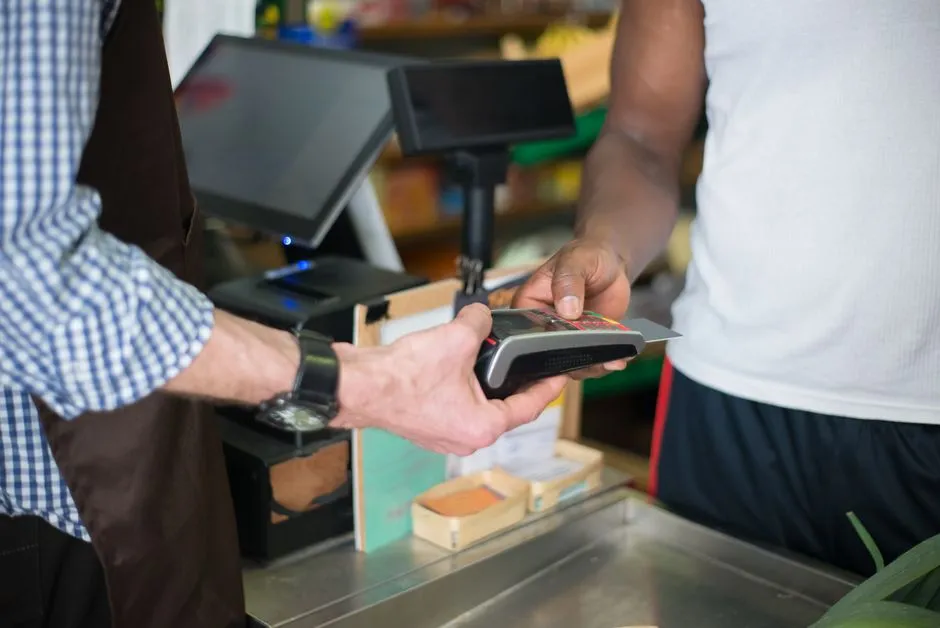
Foreign transaction fees are one of those travel costs that feel unavoidable until the moment you realize they aren’t. The fix is genuinely simple: pick a card that waives the fee, decline dynamic currency conversion at the terminal, and always pay in the local currency. That’s the whole trick.
There’s no complicated arbitrage involved, no premium tier required, and no special knowledge that takes years to acquire. Getting a card with no foreign transaction fees is one of the simplest things you can do to improve your experience when you travel internationally. The savings don’t transform a budget, but they do compound quietly across every meal, every hotel night, and every market visit, and that’s exactly the kind of friction worth eliminating before you leave home.
AI Disclaimer: This article was created with the assistance of AI tools and reviewed by a human editor.