
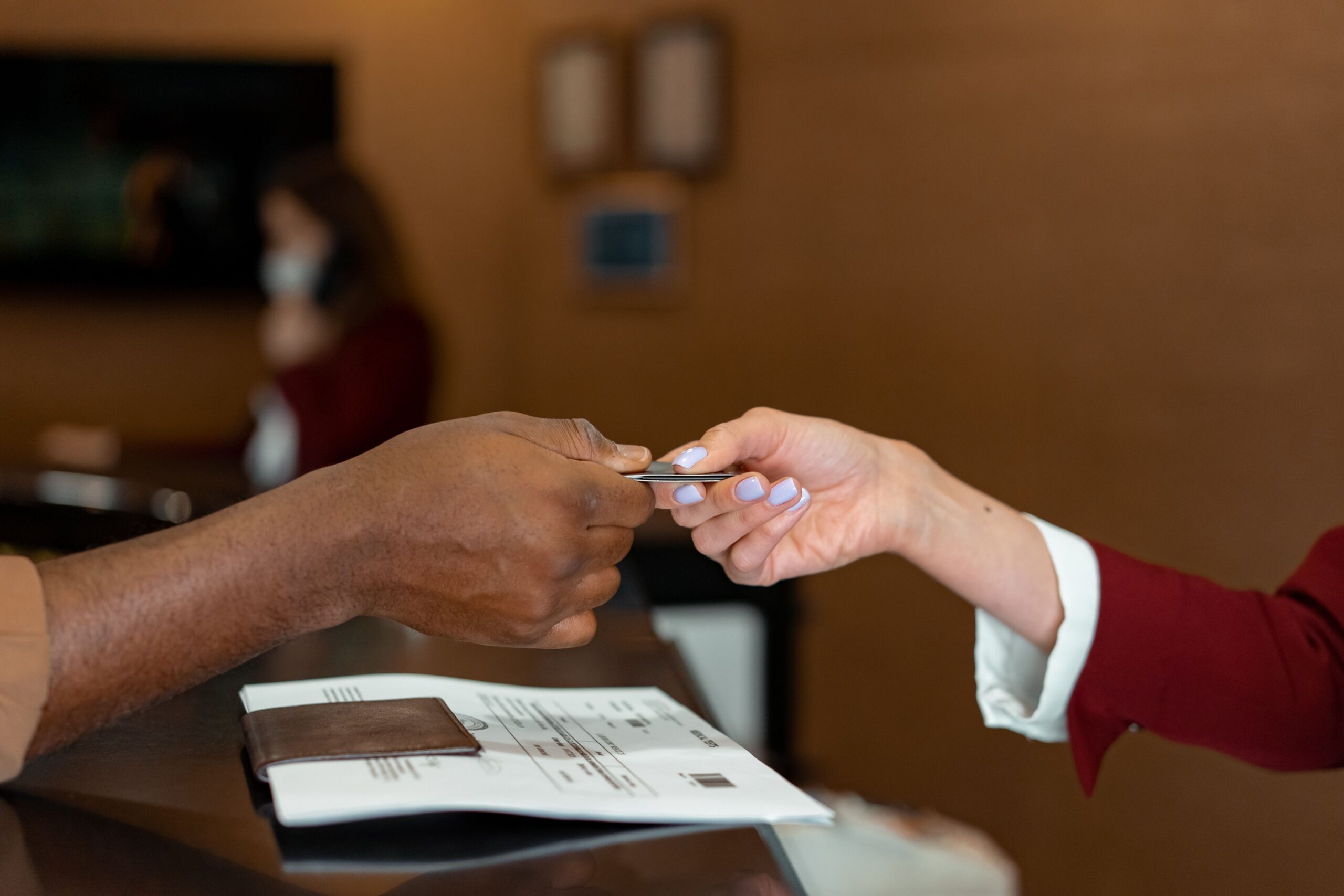

You booked the hotel, got the confirmation email, and mentally checked it off your list. The room is sorted. Except, for thousands of travelers every year, that assumption turns out to be dangerously wrong. Hotels cancel reservations more often than most people realize, and in many cases, the guest did something small at the moment of booking that quietly set the whole thing in motion.
Most of the time, it’s not the hotel’s fault. It’s a mistake the traveler made. Knowing what those mistakes are is one of the more practical things you can do before any trip.
1. Using a Card That Fails Pre-Authorization
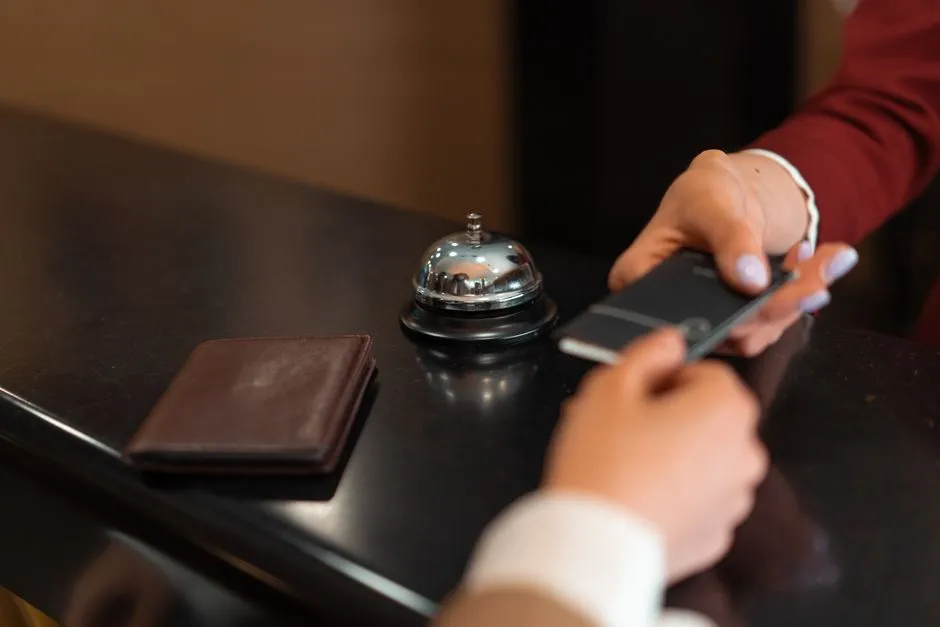
A growing trend in the hotel industry is that hotels are pre-authorizing payment cards to confirm they are valid, sometimes days before your arrival. If your card doesn’t pass that check, your reservation can quietly disappear without a phone call or email reaching you in time.
If your card is declined at hotel check-in in the United States, the hotel may refuse to check you in until a valid payment is provided, and in many cases the reservation may be canceled immediately if payment cannot be authorized, especially during peak hours when room demand is high.
Hotels don’t just charge for the room. They place a hold for extra costs such as incidentals, and if your balance is close to its limit, that hold alone can trigger a decline. Always ensure you have sufficient available credit well above the room rate before travel.
2. Ignoring the Cancellation Policy Window

One of the most common mistakes travelers make when reserving a room is failing to take a second look at the hotel’s cancellation policy. The details matter far more than most people expect.
Free cancellations are almost always bound by strict cut-off times, after which standard cancellation fees will apply. Miss that window by even a few hours and you may lose a night’s room rate or the full stay cost.
For independent hotels, the fine print should explicitly define the cut-off time, such as 2:00pm local time the day before arrival, to avoid any ambiguity regarding time zones or late-night cancellations. That time zone detail trips up international travelers constantly.
3. Booking Through a Third-Party Platform Without Reading the Fine Print

People who reserve rooms through a third-party website or discount app often have their reservations delivered to the hotel in separate emails from each vendor, so it’s easy for a booking to get lost in the shuffle. The hotel may never receive a clean, confirmed record of your stay.
When a problem arises, you also end up caught between two parties: the platform you booked through and the hotel itself. Each tends to direct responsibility toward the other, which can leave you scrambling on arrival night.
Hotels actively encourage direct reservations to minimize reliance on third-party platforms, and one practical reason for that is that direct bookings are far less likely to fall through the administrative cracks. It’s worth keeping that in mind the next time a discount app offers a deal that seems just slightly too good.
4. Not Confirming Your Reservation Before Arrival
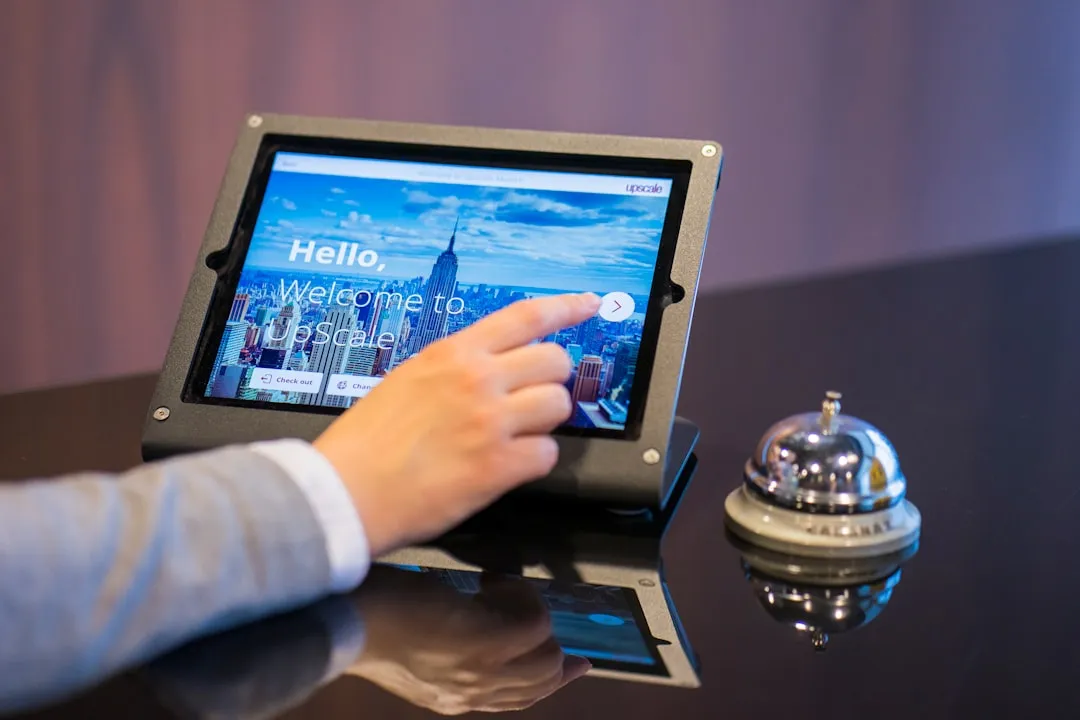
A common and underestimated mistake is ignoring confirmation emails. These often contain important conditions, including cancellation clauses and check-in deadlines, and missing a check-in window can result in your room being released.
Reaching out to the hotel directly a day or two before check-in is a simple habit that catches problems early. A quick confirmation call takes three minutes and can save an entire trip.
Before your next trip, double-check your reservation details, keep payment information current, and reconfirm your stay. This applies especially when there’s been any change to your card, itinerary, or personal contact details since you originally booked.
5. Arriving Very Late Without Notifying the Hotel
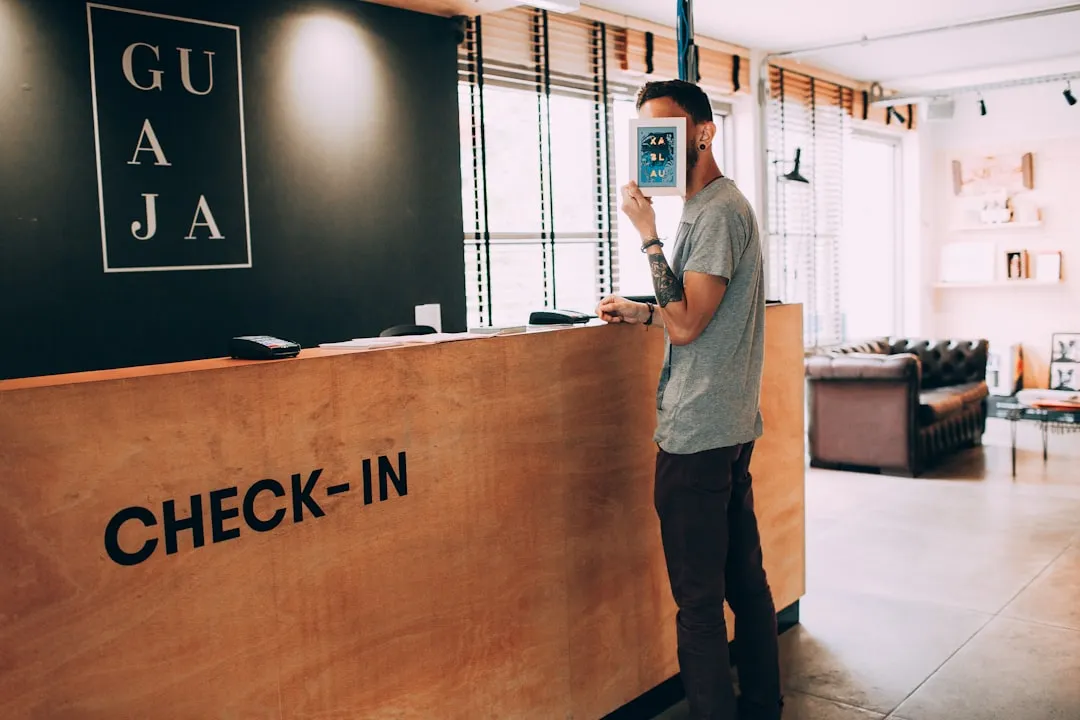
Arriving very late without notifying the hotel can increase the risk of losing your booking. Many hotels interpret a no-show as an abandoned reservation, particularly on high-demand nights when they can resell the room.
If you see you will be arriving a day late, be sure to contact the hotel to let them know that you are still going to use the reservation so they do not release the room. This is especially true if your travel involves connecting flights with any realistic chance of delay.
For late-night arrivals or high-demand dates, the risk of immediate cancellation is much higher than it would be during quieter periods. A short message or call to the front desk eliminates that risk entirely.
6. Replacing Your Credit Card Without Updating the Reservation

No one wants to lose a credit card or have the number stolen, but on top of the hassle of getting it replaced, travelers who have made future hotel reservations with that card may find their reservation has been canceled.
A new card number, even for the same account at the same bank, counts as a different card in the hotel’s system. If the property attempts to pre-authorize the original number and it fails, your room may be released without further notice.
If a card is never activated, the card issuer may think it’s lost and cancel it as a protective measure, and keeping track of soon-to-expire cards and activating replacements as soon as possible can help avoid the inconvenience of a declined card. The moment you receive a replacement card, update every future hotel reservation immediately.
7. Booking a Non-Refundable Rate Without Reading What “Non-Refundable” Actually Means
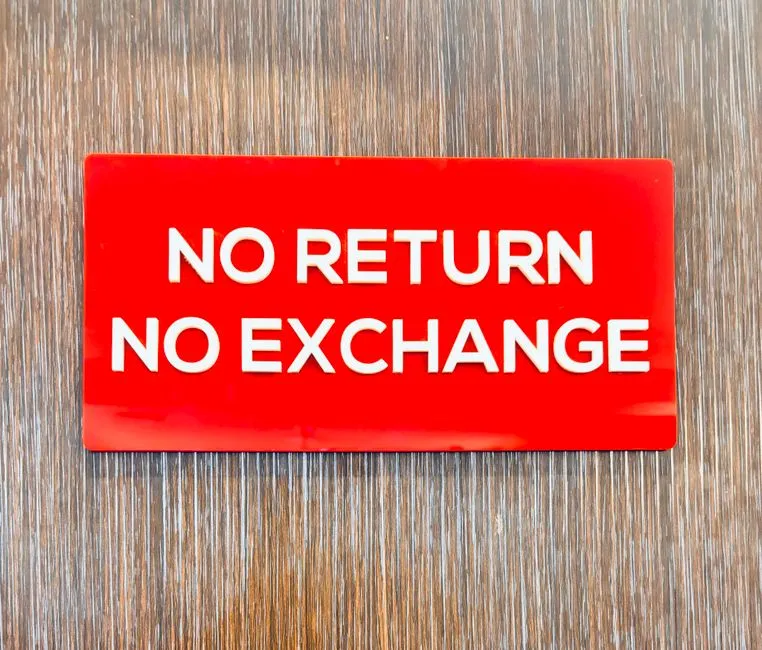
Non-refundable rates are often significantly cheaper, which makes them appealing. What many travelers don’t fully register is that “non-refundable” affects them as the guest, not the hotel. The hotel retains the right to cancel for other reasons while you have no equivalent flexibility.
California’s SB 644 requires hotels and third-party booking sites to give a full refund when a guest cancels within 24 hours of booking, as long as the reservation was made at least 72 hours before check-in. The law took effect July 1, 2024, and applies to every hotel and short-term rental in California. Outside of California, consumer protections on non-refundable rates are considerably thinner.
Hotel policies must clearly state whether a deposit is non-refundable or if it can be converted into a credit for a future stay, to ensure revenue is protected even when plans change. Read that clause before you pay, not after.
8. Overlooking the Hotel Overbooking Reality

Hotels often deal with a no-show or cancellation rate that ranges from roughly one in five to two in five bookings, depending on season and property type, and that level of unpredictability creates empty rooms and revenue gaps. To compensate, many hotels accept more reservations than they have rooms.
Just like airlines, hotels can overbook their rooms, resulting in too many guests and not enough rooms, and unlike being bumped from a flight, there are few regulations governing overbooked hotels beyond contract law. This is a meaningful gap in traveler protection.
Being a member of the hotel’s loyalty program helps, as corporate hotels are much more likely to accommodate a guest if there’s a perception that they’re loyal. Booking directly with the hotel also reduces the risk. Third-party reservations tend to be the first to go when a hotel runs out of rooms.
9. Failing to Get a Cancellation Confirmation Number

If you ever do need to cancel, the process doesn’t end when you hang up the phone or click “confirm cancellation” on a website. That moment needs to produce a paper trail you can actually use.
Whenever you cancel a hotel booking, make sure you walk away with a confirmation number or a confirmation email for the cancellation, because your credit card could still be charged for the stay even after you have canceled.
When you call the hotel to find out why, they may say that nobody ever called to cancel, but if you provide them with a confirmation number they should be able to look it up in their system and see there was a mistake. If they still give you a difficult time, you can dispute the charges with your bank and provide the confirmation number as evidence. No number, no leverage.
10. Assuming “Free Cancellation” Means What It Says on the Surface

What does “free cancellation” on a hotel booking actually mean? In the simplest terms, it indicates that a guest can cancel without paying a penalty, but free cancellations are almost always bound by strict cut-off times, after which standard cancellation fees will apply.
Around one in five US hotel reservations get canceled before check-in, and a significant portion of those guests discover too late that the cancellation window they assumed they had had already closed. The label “free cancellation” on a booking summary can appear even when the actual deadline has already passed.
By reviewing the cancellation policy carefully, travelers can be ready for unexpected changes, avoid unnecessary fees, and make adjustments to their travel plans without panic. That review takes two minutes and is worth every second of it.
The Bigger Picture

Hotel reservations feel more solid than they are. A confirmation email is a starting point, not a guarantee, and the gap between those two things is where most travelers get into trouble. The mistakes covered here are all preventable, and none of them require any special travel expertise. They just require paying attention at the right moments: when you book, when your card situation changes, and in the day or two before you actually arrive. That small investment of attention tends to make the difference between a smooth check-in and an exhausting scramble for a room on arrival night.
AI Disclaimer: This article was created with the assistance of AI tools and reviewed by a human editor.