
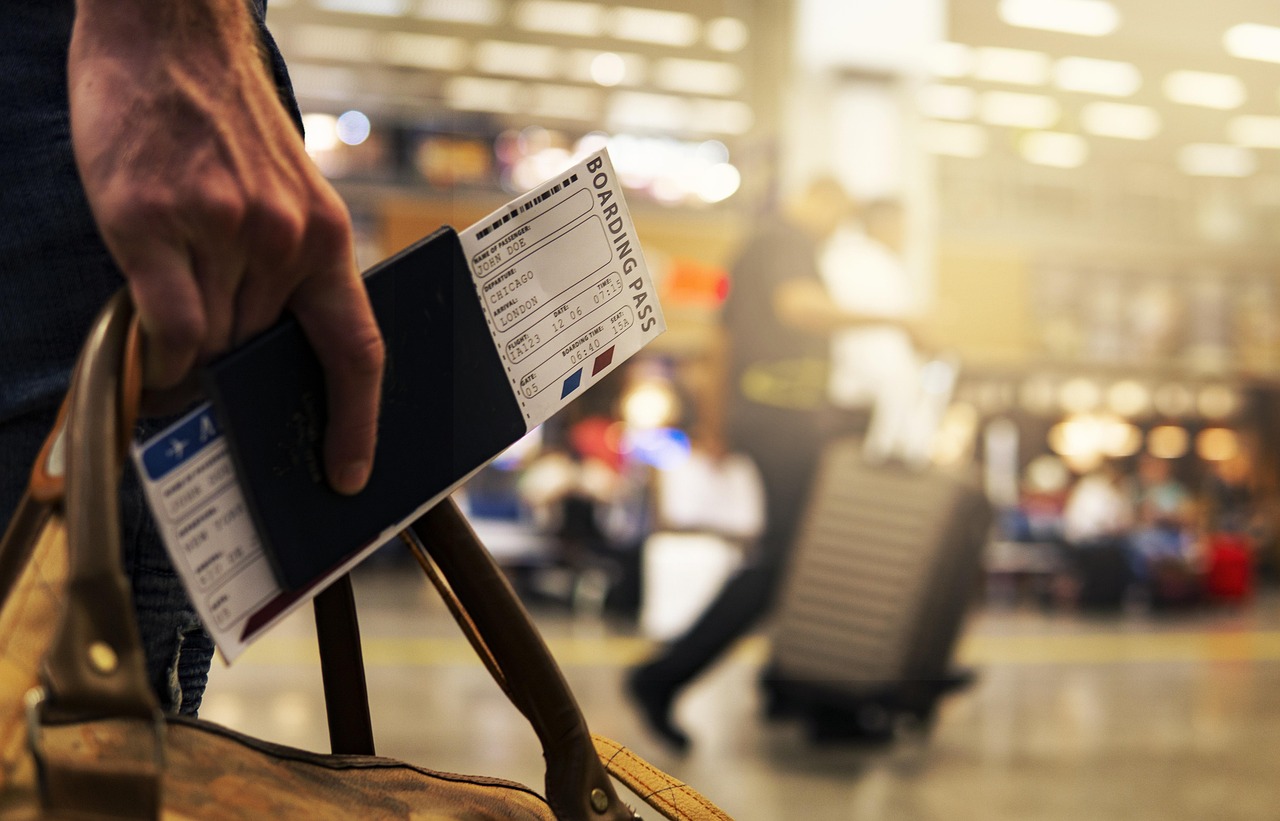

Every frequent flyer has a theory about boarding. Some people crowd the gate the moment an announcement begins. Others hang back, convinced they’re being clever by skipping the line chaos. The truth is that both instincts often miss what’s actually happening – and why it matters more than most passengers realize.
The boarding group system at major U.S. airlines is one of the most misread aspects of modern air travel. Understanding how it actually works, what it controls, and what strategies genuinely help can save you time, stress, and sometimes even money. Here’s what’s really going on at the gate.
Boarding Groups Are Not Just About Comfort – They’re About Bin Space
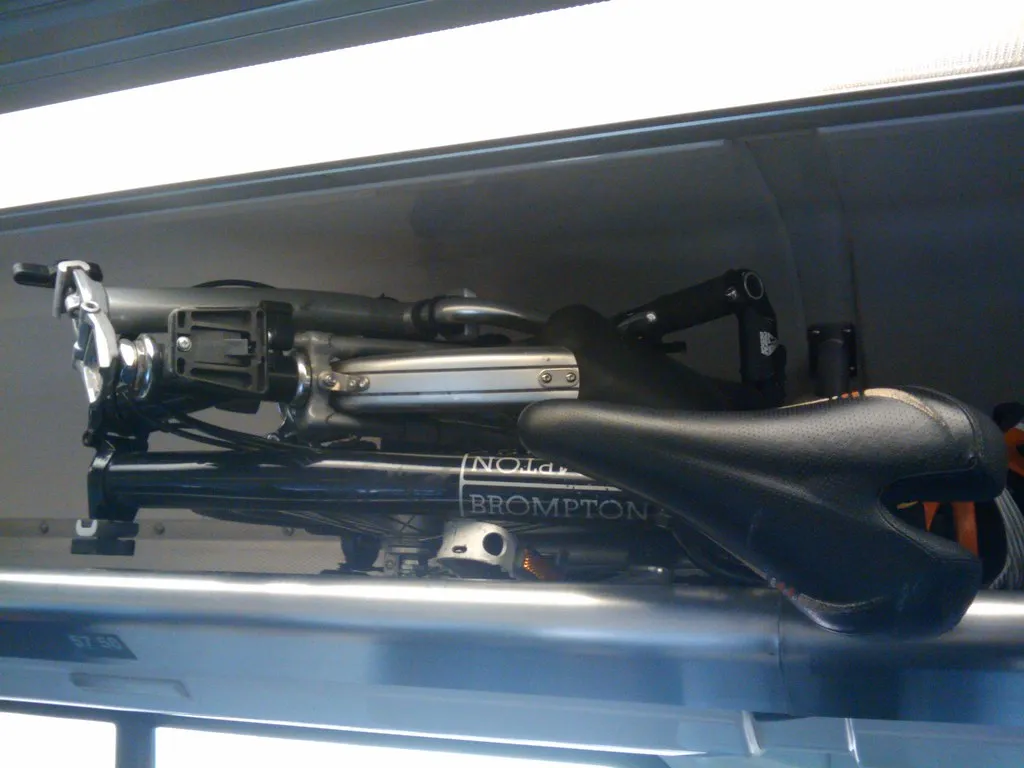
The most common mistake travelers make is treating their boarding group as a minor formality. In reality, it directly determines whether your carry-on bag makes it into the overhead compartment above or near your seat. Bin space operates on a first-come, first-served basis during boarding, making boarding group position directly relevant to whether a traveler can keep luggage accessible.
Most planes have space for roughly 60 to 110 carry-ons but hold 150 or more passengers. By the time Group 4 boards, overhead bins are often about 70 percent full. By Group 7, you’re almost guaranteed a gate-check.
Skipping baggage claim saves roughly 15 to 30 minutes at the destination. That’s a real, tangible benefit – and it evaporates entirely if your bag gets gate-checked because bins filled before you boarded.
American Airlines Now Has Nine Boarding Groups (And They’re Enforced)
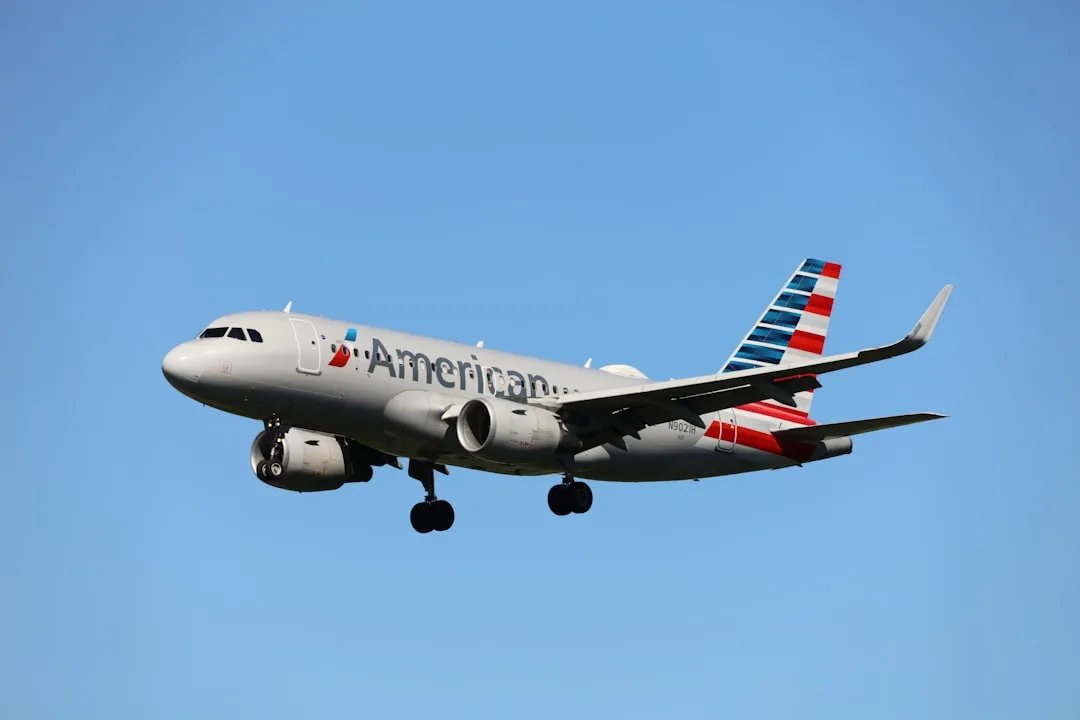
American Airlines uses nine numbered boarding groups plus a preboarding stage – a system updated in May 2025 that reorganized how premium cabin passengers and elite status members flow onto the plane. That’s ten distinct phases before the plane door closes.
Groups 1 through 4 use the priority lane, while Groups 5 through 9 use the main lane. This matters at busy gates where the main lane queue can back up significantly before it starts moving.
American Airlines has been rolling out new technology across the country to crack down on travelers trying to board before their group is called. Customers who try to scan a boarding pass before their group is called will hear a two-note sound and be turned away. This is no longer a soft suggestion – it’s enforced technology.
The “Gate Lice” Problem Is Getting Airlines to Act
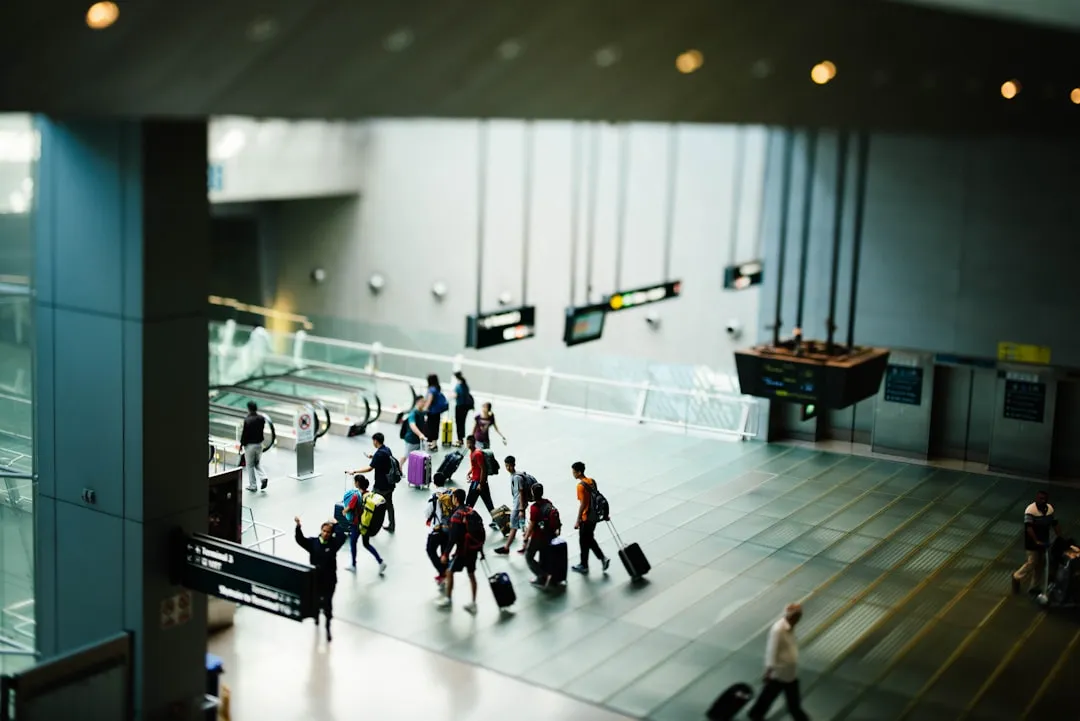
There’s an informal term that frequent flyers and gate agents use for passengers who swarm the boarding lane before their group is called: gate lice. It’s blunt, but it captures how widespread the behavior has become. Airlines have rolled out tech to enforce boarding groups, essentially declaring war on gate lice, by having their systems audibly refuse boarding to passengers cutting the line.
When a passenger assigned to Group 5 tries to board when Group 3 is called, their boarding pass will trigger an audible sound and display a message to gate agents. They will not be permitted to board and will instead be instructed to wait their turn.
American Airlines did note that gate agents still retain some discretion. For example, if members of a family traveling together are in different boarding groups, a gate agent can allow the customer in a later group to board with their companions. So the system has some flexibility built in – it’s not purely robotic.
United’s WILMA System Is a Real Efficiency Play
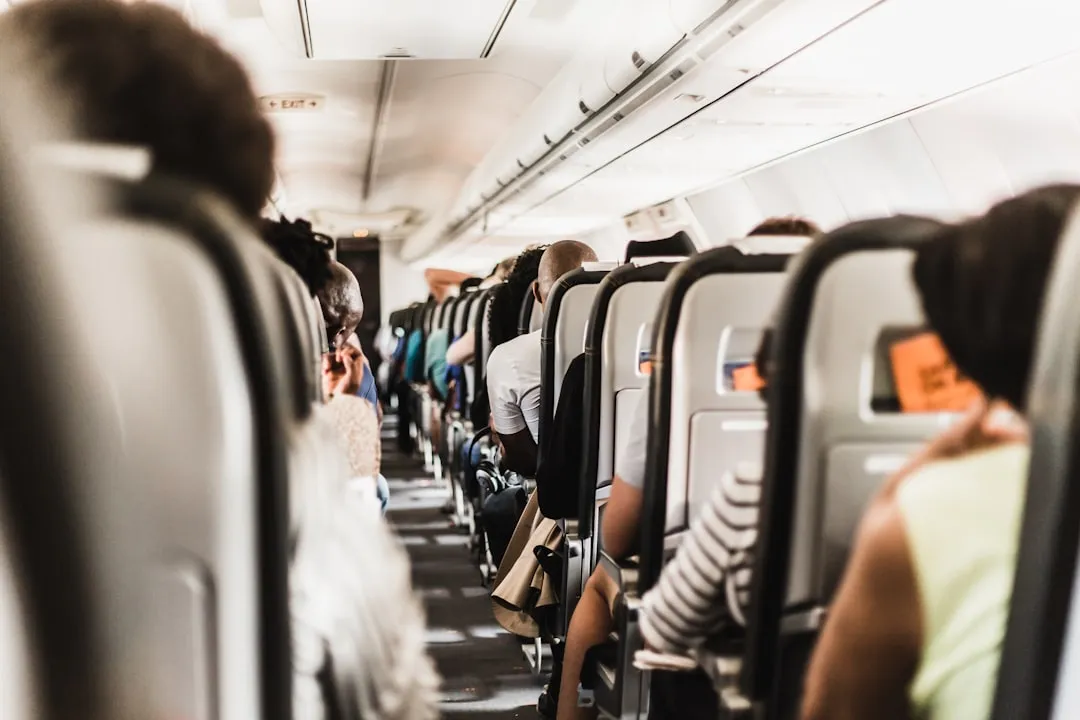
Not every airline boards by ticket class alone. United Airlines took a more operational approach with a system that most casual travelers have never heard of. United Airlines has prioritized seat locations for its economy passengers with its WILMA formula – window, middle, aisle – since 2023, with window passengers boarding first and those with aisle seats last.
This system was introduced in 2024 and saves roughly two minutes per flight according to United. Two minutes per flight sounds trivial, but across thousands of daily departures, it adds up to a meaningful operational gain for the airline.
An internal memo notified staff that economy passengers with window seats board in Group 3, followed by passengers with middle seats in Group 4, and passengers in aisle seats in Group 5. If you have an aisle seat on United in economy, you’re among the last economy passengers called – regardless of how long you’ve been standing at the gate.
Southwest Abandoned Its Famous Open Seating in 2026
For decades, Southwest Airlines operated on a fundamentally different model that rewarded early check-in over ticket class. That era is now over. Southwest completely overhauled its boarding process on January 27, 2026, ending its famous 53-year open seating system. Gone are the A, B, and C groups with numbered positions. Gone is the cattle-call sprint for a good seat. The new system uses eight numbered groups with assigned seating.
Southwest’s new boarding process may be just like all the other airlines now, but it’s still taking the carrier and its customers some time to adjust. As Southwest shifted to assigned seats and charging for checked bags, many passengers complained they were struggling to find overhead bin space near their seats.
The transition has been genuinely bumpy for Southwest loyalists. A boarding system that worked reliably for over half a century doesn’t disappear painlessly overnight, and passenger frustration has been visible and vocal throughout 2026.
JetBlue Also Overhauled Its System in 2026
Southwest wasn’t the only carrier to shake things up this year. JetBlue replaced its lettered boarding groups – A through F – with numbered groups 1 through 8 on April 29, 2026. EvenMore seat purchasers moved up to Group 2, and a new Group 3 was created for credit card holders and Blue Extra fare buyers. The system is designed to be more intuitive and align with how most other U.S. airlines board.
Delta also switched back to numbered zones after finding that its descriptive naming system didn’t yield anticipated improvements. The airline believes a simpler system offers passengers greater clarity regarding the boarding sequence, particularly benefiting infrequent flyers and passengers who may face language barriers at airport gates.
The broader trend across the industry is clear: numbered zones are winning. Descriptive names like “Main Cabin” or lettered systems are giving way to straightforward numbered groups that are harder to misread at a busy gate.
Your Credit Card May Already Give You a Better Boarding Group
This is the part most travelers genuinely overlook. On most major U.S. airlines, holding the airline’s branded credit card moves you one to two boarding groups earlier than standard economy. This is one of the most accessible ways to improve your boarding position. Most entry-level airline credit cards cost roughly $95 to $150 per year and also include perks like a free checked bag.
Priority boarding through fare class, loyalty status, or credit card benefits effectively guarantees overhead bin space. That’s not marketing language – it’s a straightforward consequence of boarding before the bins fill up.
Airlines choose boarding groups in a way that highlights the perks of higher cost tickets or airline status. The first groups often include first-class and business-class passengers, as well as travelers who have earned elite status from previous travels or by being a card holder. A co-branded credit card is frequently the cheapest path into those earlier groups.
Pre-Boarding Is Its Own Category and Often Misunderstood
There’s a phase that happens before even Group 1 that many travelers either ignore or misuse. Most airlines acknowledge current or previous enlisted personnel, unaccompanied minors, passengers traveling with children, and special premiere members by allowing them to board early. These passengers board during what is known as pre-boarding, and often won’t be part of the boarding group numbers.
The boarding group system prevents overcrowding and ensures specific needs – like those of families with young children or passengers requiring assistance – are met. Pre-boarding is genuinely designed around accessibility and specific circumstances, not as a shortcut for anyone who walks up early.
Understanding this distinction matters if you travel with young children or have a mobility need. Pre-boarding is a real entitlement in those cases, and using it correctly is both permitted and genuinely helpful – not a trick.
Boarding Last Is Only a Good Strategy If You’ve Checked a Bag
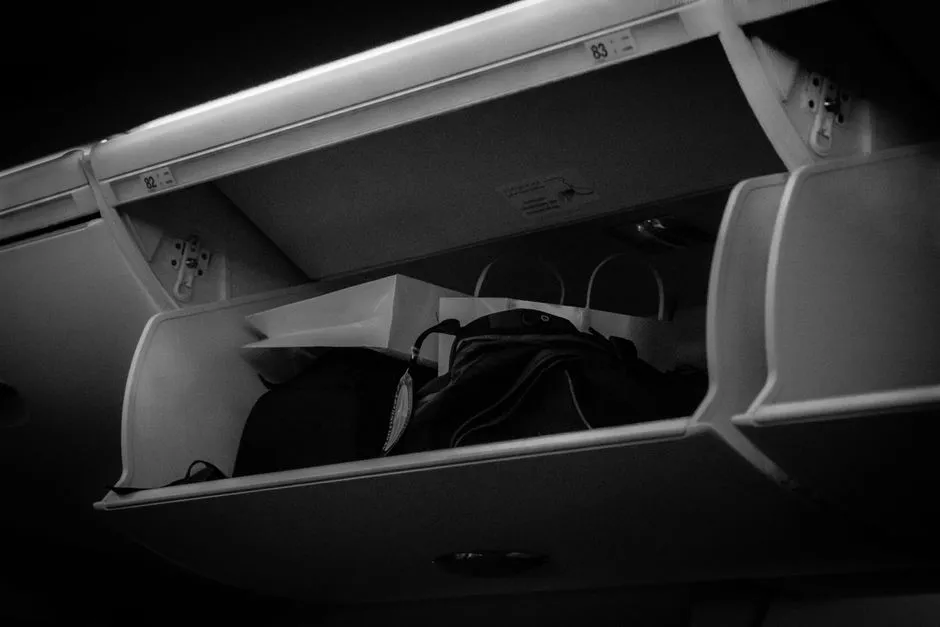
Some travelers have convinced themselves that boarding last is somehow clever – skipping the crowd, walking straight to their seat. It works exactly once before it backfires. Travelers in later groups, particularly those in Groups 3 through 5, risk losing overhead bin space unless they line up well before boarding commences.
Overhead room runs out well before the last boarding group, and once it does, even a legal bag gets valet-tagged. Board with your assigned group rather than hanging back – if your fare boards late, the gate is where most involuntary checks happen.
The only scenario where boarding last genuinely makes sense is when you’ve already checked your bag and are carrying only a small personal item. In that case, the wait at the gate is just waiting – you have nothing to protect. Otherwise, hanging back is quietly costing you.
The Science of Faster Boarding Is Already Known – Airlines Just Don’t Use It
Here’s a genuinely surprising fact. Researchers have studied the boarding problem in detail, and the optimal solution has been sitting in academic literature for years. Astrophysicist Jason Steffen at the University of Nevada, Las Vegas, found that boarding in groups sorted by every other row, starting from the back of the plane, could be four to ten times more efficient than the standard process. In theory, this could help reduce logjams in the aisle as people store luggage in overhead bins.
Airlines have a clear incentive to board planes faster, since less time on the ground equals more time flying paying passengers, so they have tried many boarding iterations over the years. Yet no major airline has adopted Steffen’s method or even random boarding, which some studies have proved to be quicker.
An important reason is maximizing profits. Boarding groups aren’t only a logistical tool – they’re a revenue structure. Airlines sell earlier access as a perk, and restructuring around pure efficiency would dismantle a meaningful part of their loyalty and upsell model. The system is somewhat inefficient by design.
Final Thoughts
The boarding group isn’t a bureaucratic formality. It’s a small but consequential detail that shapes whether your carry-on travels with you, whether you settle in calmly, and whether the journey starts on a stressed or relaxed note. The boarding system is more logical than it appears at first glance, and understanding where you sit in it – and why – takes most of the frustration out of the gate experience.
The most useful mindset shift is simple: treat your boarding group as information, not a suggestion. Know your group, understand what determines it, and know how to improve it next time – whether through an airline credit card, a status threshold, or a fare upgrade that’s worth more than it looks.
Most travelers are playing the boarding game without knowing the rules. Now you know them.
AI Disclaimer: This article was created with the assistance of AI tools and reviewed by a human editor.