
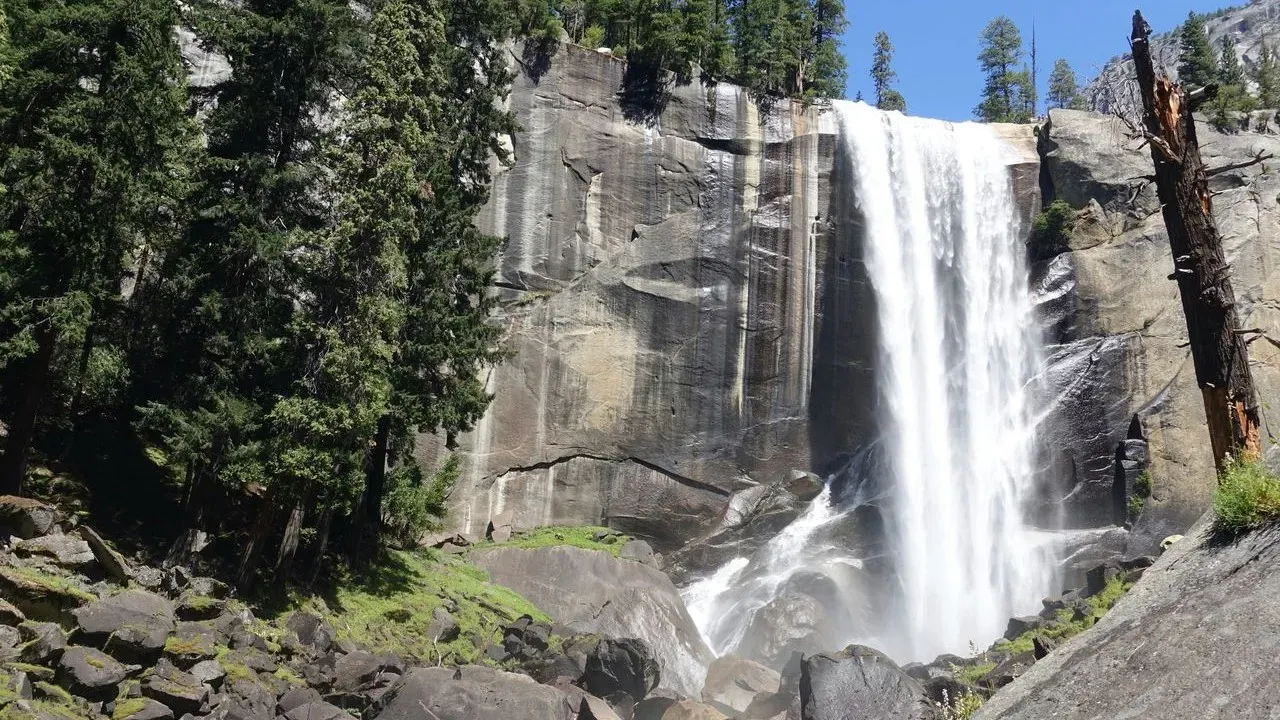

Montana’s national parks draw visitors year-round with their dramatic waterfalls, rugged cliffs, and sweeping vistas. In one recent case, a father visiting such a park leaned beyond a designated viewpoint to capture a clearer look at the water below. He lost his footing and fell roughly 120 feet, yet he survived the plunge and received prompt medical care. The episode highlights how quickly a moment of curiosity can turn serious in these wild landscapes. Park officials continue to emphasize that even experienced travelers can misjudge distances or overlook subtle hazards near edges.
Why Viewpoints Demand Extra Care
National park trails and overlooks are designed with safety in mind, yet natural erosion, changing weather, and uneven rock surfaces can alter conditions quickly. What appears stable from a distance may shift underfoot or offer less traction than expected. Staying behind railings and on marked paths reduces exposure to these variables. Many visitors feel the pull to step closer for a photograph or a better angle. That impulse is understandable in places of such scale and beauty, but it often places people on ground that has not been engineered for foot traffic. Rangers note that most incidents occur when individuals move past established barriers.
Practical Steps for Safer Exploration
Before heading out, check current trail and viewpoint conditions through official park channels. Conditions can change overnight due to rain, snowmelt, or rockfall. Carrying a map or using the park’s approved app helps keep groups oriented without needing to improvise near drop-offs. Traveling with companions adds an extra layer of awareness. One person can watch footing while another enjoys the view, and groups tend to stay within safer zones more consistently. Simple habits such as keeping both feet firmly planted and avoiding any reach over edges make a measurable difference.
Protecting the Places We Love
Montana’s protected landscapes reward those who approach them with patience and respect. When visitors follow established guidelines, they help preserve fragile ecosystems and reduce the need for emergency responses in remote terrain. The goal is not to limit enjoyment but to ensure that future travelers can experience the same awe without added risk. Thoughtful choices at every overlook contribute to a culture of care that benefits both people and the land itself.
AI Disclaimer: This article was created with the assistance of AI tools and reviewed by a human editor.