
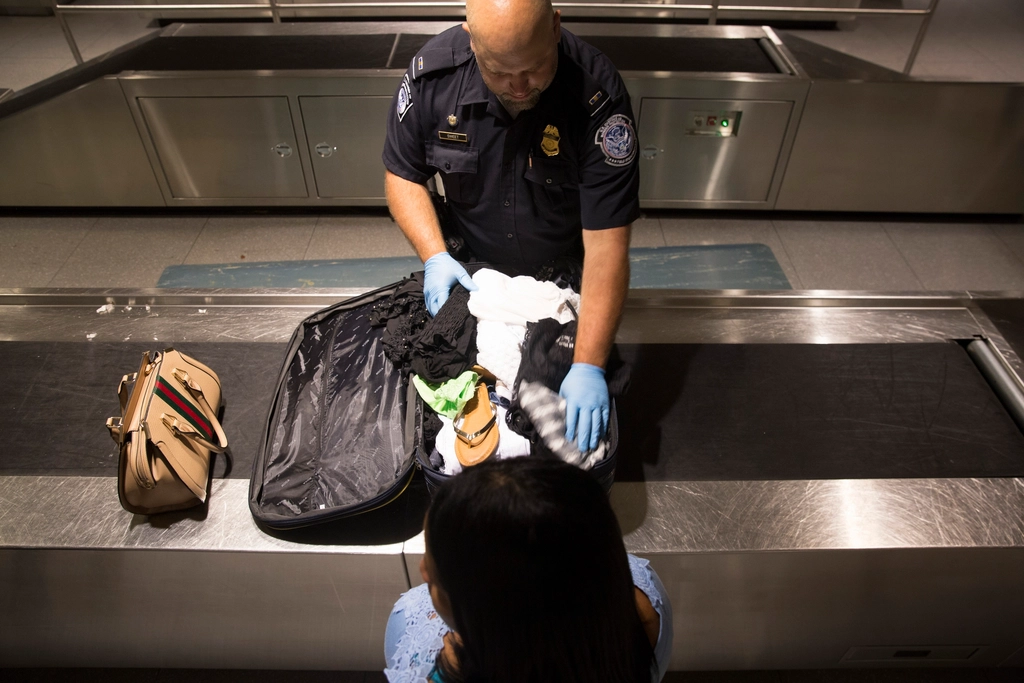

Walk through security at Salt Lake City on a Tuesday morning and you might be through in under ten minutes. Do the same at JFK on a busy Friday and the experience is a different story entirely. The gap between the fastest and slowest airports is often striking, and it doesn’t come down to luck. There are real, measurable reasons why some checkpoints move with quiet efficiency while others feel like they’re perpetually running behind.
Passenger Volume Makes a Bigger Difference Than You’d Think
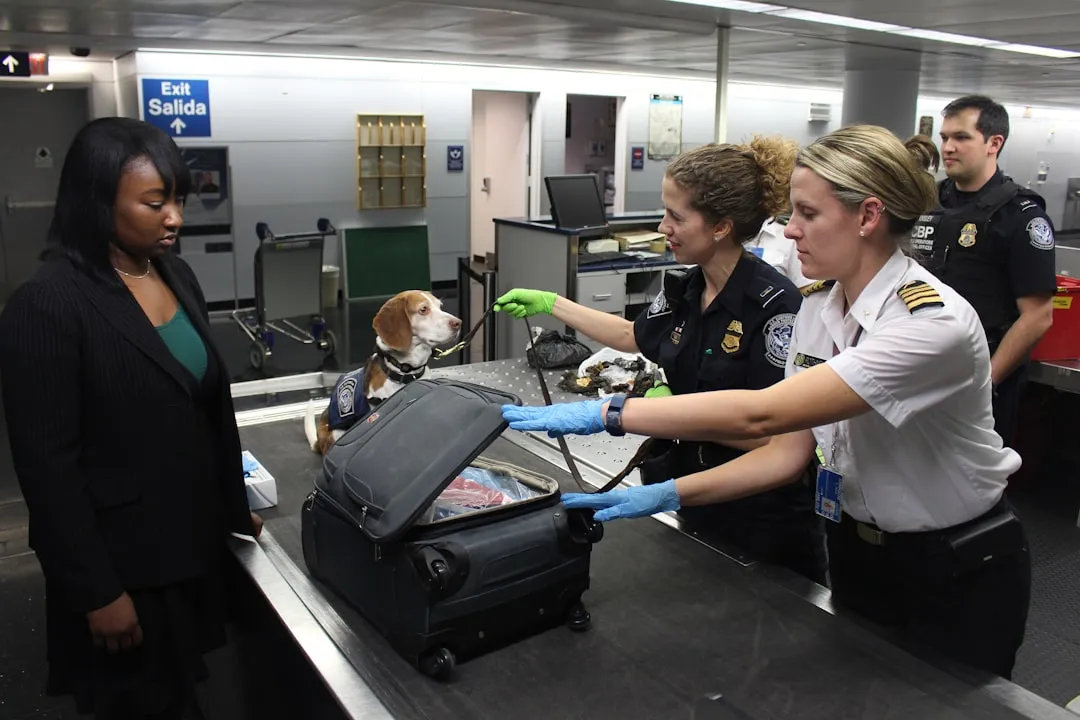
The most obvious driver of wait times is how many people are funneling through a single checkpoint at any given moment. Not all airport security checkpoints are created equal – some airports move millions of passengers through security in minutes, while others see wait times exceed thirty minutes during peak hours. Volume alone doesn’t doom an airport to slow lines, but it does require proportional investment in staffing, lanes, and layout to keep pace.
JFK, New York’s busiest airport, recorded the longest wait times in 2024, with travelers spending an average of nearly forty minutes clearing security and passport control. Meanwhile, smaller airports with well-managed checkpoints often outperform their larger counterparts significantly, which tells you that size is only one part of the picture.
Smaller Airports Can Be Surprisingly Efficient
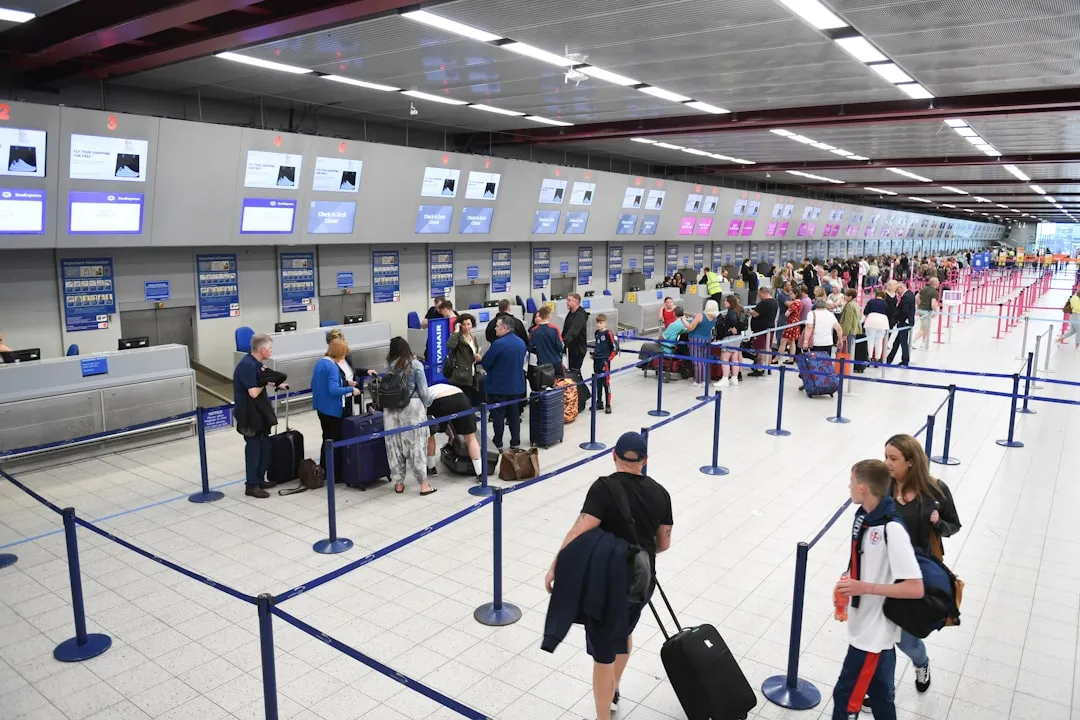
Palm Beach International Airport in Florida offers some of the quickest passage through security and passport control of any U.S. airport, with an average combined wait time of just over seven minutes. That’s a remarkable figure for any commercial airport, and it reflects what can happen when lower passenger volume meets well-organized operations.
In 2023, Palm Beach’s combined clearance time averaged over thirty-six minutes. By 2024, that time had shortened by nearly thirty minutes – the biggest single-year improvement of any U.S. airport studied. That kind of turnaround doesn’t happen by accident. It’s the result of deliberate operational changes, and it’s a useful reminder that airports can improve quickly when the right priorities are in place.
Trusted Traveler Programs Change the Equation
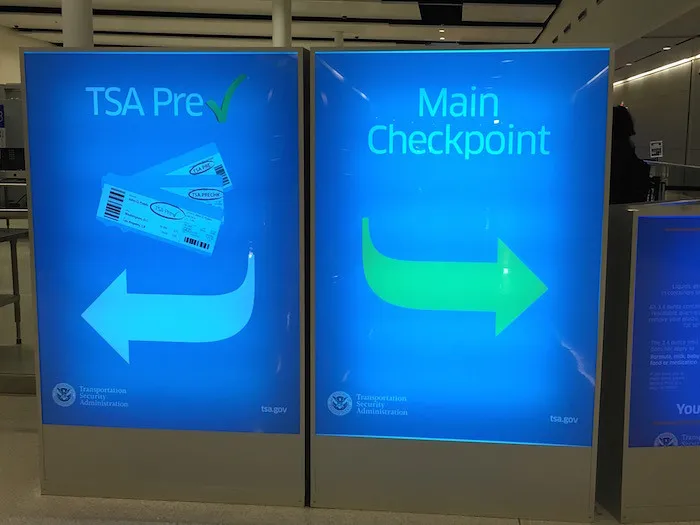
TSA PreCheck surpassed twenty million active members in August 2024, setting a new record for the program since it launched in December 2013. That’s a meaningful shift in how many travelers are moving through dedicated, lighter-screening lanes rather than standard queues. The effect on overall checkpoint speed is real.
About ninety-nine percent of TSA PreCheck passengers wait less than ten minutes in dedicated lanes at airport checkpoints nationwide. The broader U.S. government Trusted Traveler Program, which includes Global Entry, SENTRI, and NEXUS alongside PreCheck, now counts twenty-four million members total. Airports where a higher share of travelers hold these credentials naturally move faster, because pre-vetted passengers require less hands-on screening at the checkpoint.
Checkpoint Layout and Design Matter More Than People Realize
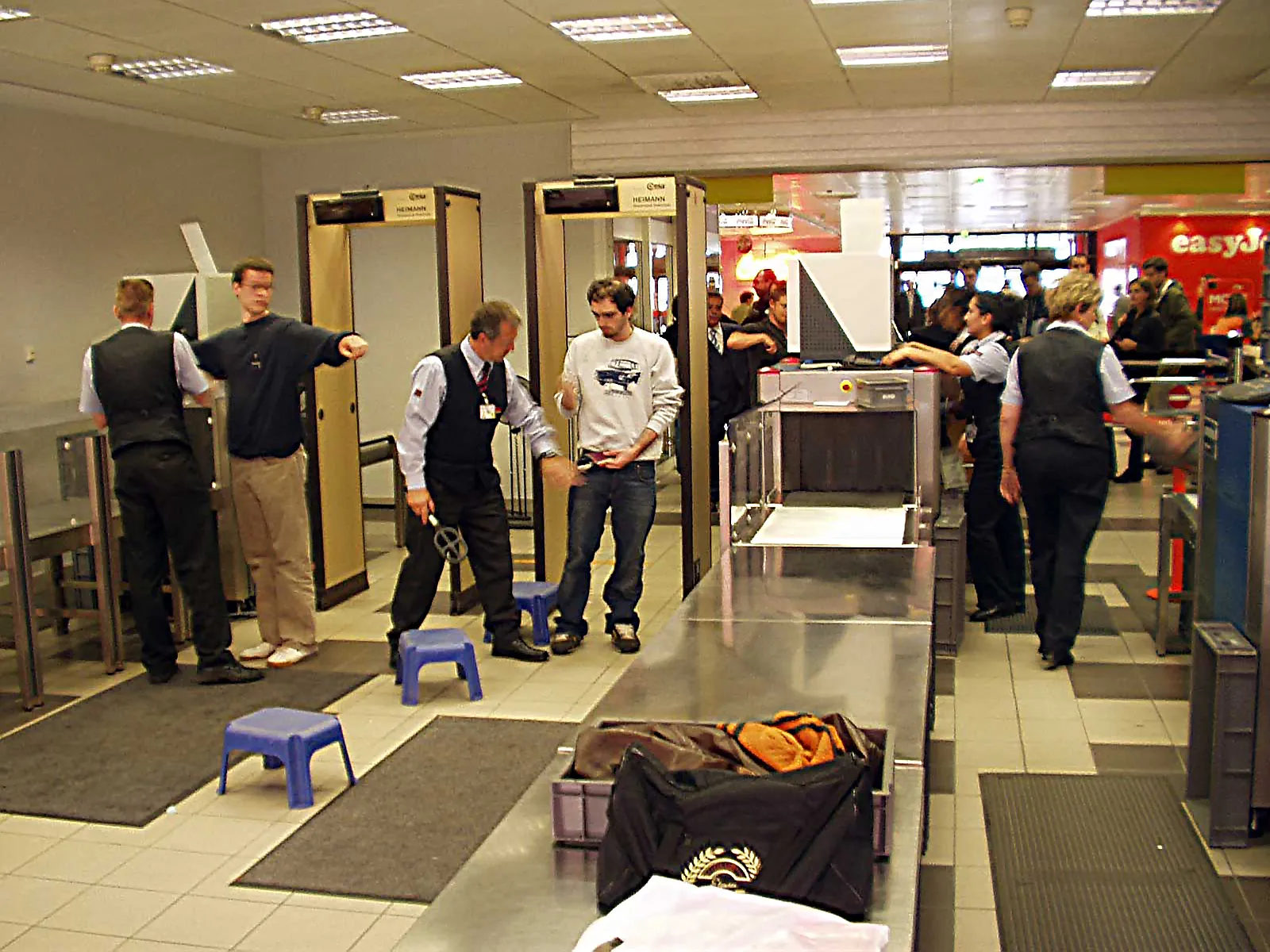
Waiting in an airport security line isn’t anyone’s favorite part of a travel day, but the truth is that some airports make it easier than others, whether through a more efficient layout, more screening capacity, or better staffing procedures. Physical design choices made during construction or renovation directly affect how quickly passengers can flow through a terminal.
Denver’s modern airport design and TSA staffing support fast screening, with five TSA checkpoints across domestic terminals, and average wait times that stay under eight minutes even during morning peak hours. The separation of PreCheck lanes, wide checkpoint floors, and multiple parallel belt systems all contribute to that pace. It’s the kind of detail that only becomes obvious when you compare it to an older terminal that was never designed with current passenger volumes in mind.
CT Scanners Are Redefining What’s Possible at Checkpoints
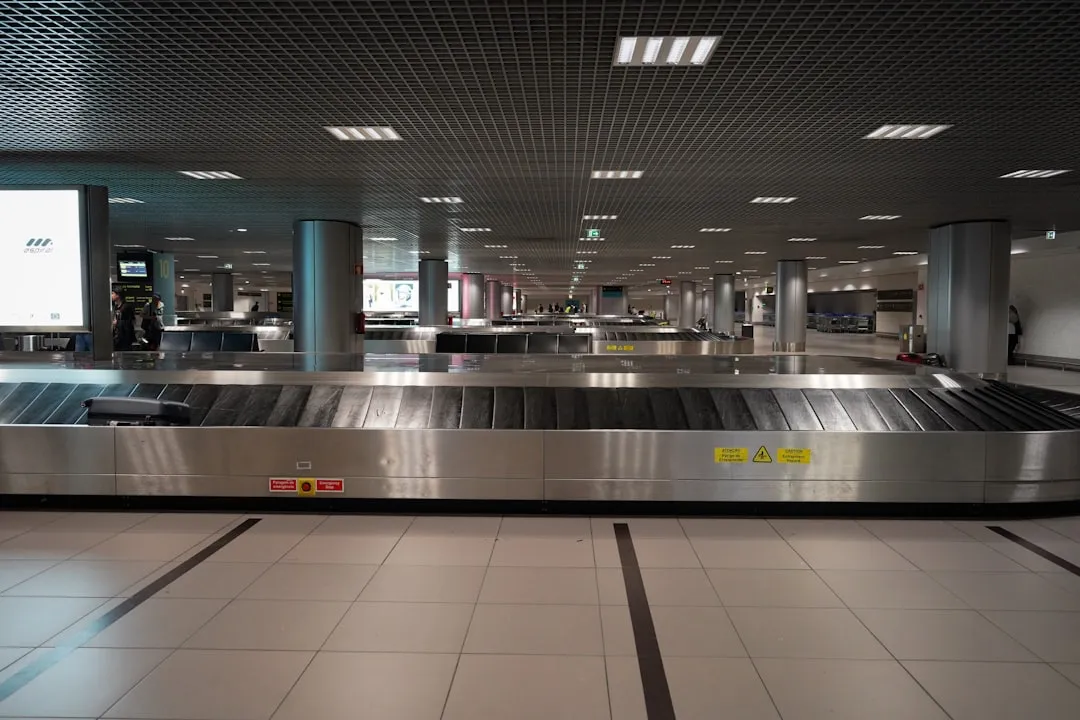
The introduction of computed tomography (CT) scanners represents a significant advancement in airport security. TSA began deploying CT scanners in 2019, and they allow security agents to get a three-dimensional image of luggage contents, making it easier to detect prohibited items without requiring travelers to remove electronics or liquids from their bags. That single change – keeping laptops and bottles inside bags – eliminates one of the most time-consuming steps in a standard security lane.
With software to detect prohibited items and algorithms for automatic explosives detection, CT scanners support faster, more accurate screening and boost operational efficiency at the security checkpoint. TSA has been actively installing new automated screening lanes with CT scanners at airport checkpoints specifically to enhance security efficiency and decrease the amount of time travelers spend in the screening process. Airports that have completed this upgrade hold a clear speed advantage over those still using older, two-dimensional X-ray equipment.
Staffing Levels Have a Direct, Measurable Impact
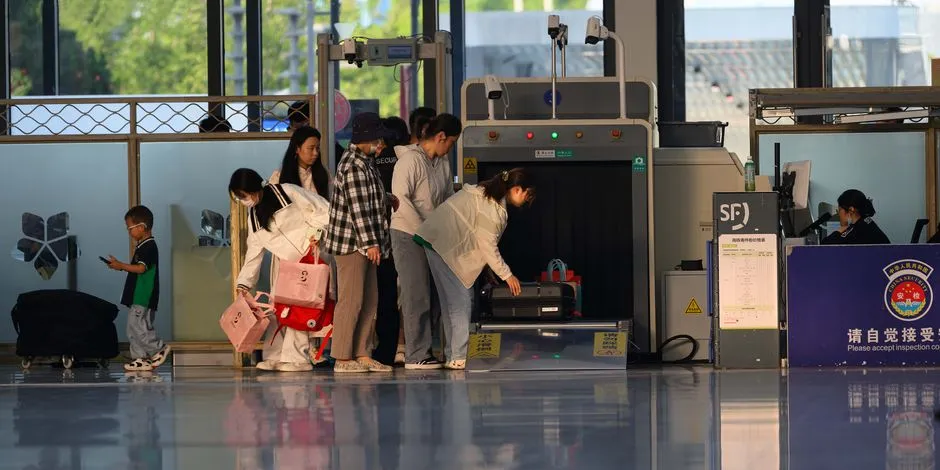
Technology helps, but staffing remains one of the most immediate variables in checkpoint speed. An airport with the latest scanners but too few trained officers will still produce long lines. Conversely, well-staffed checkpoints can manage surges that would otherwise grind things to a halt.
Despite being America’s busiest airport, Hartsfield-Jackson Atlanta handles over one hundred million passengers annually while maintaining wait times under ten minutes – accomplished through careful scheduling, PreCheck investment, and TSA resource allocation. That’s a striking example of what high staffing levels, combined with smart lane management, can achieve even at enormous scale.
Time of Day and Day of Week Shift Everything
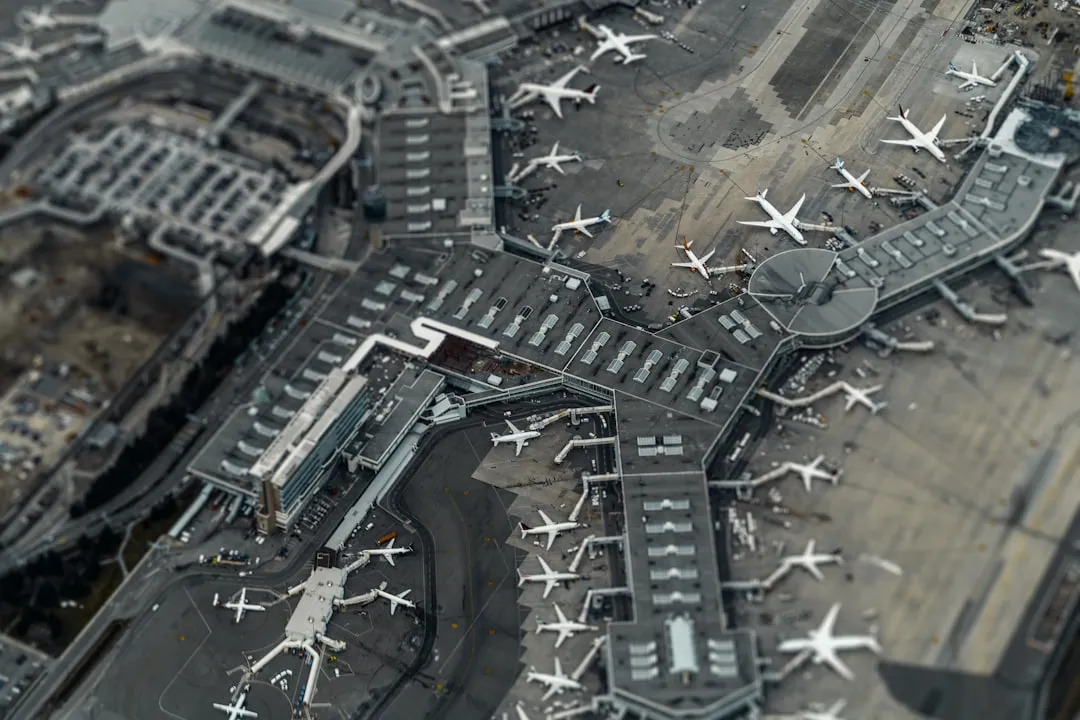
Even the best-run airport has its rough patches. Wait times fluctuate significantly based on time of day and day of week. Early morning departure banks, Sunday evening return rushes, and holiday travel periods all create concentrated surges that can overwhelm capacity that works perfectly the rest of the time.
A 2024 study from Upgraded Points analyzed the twenty-five busiest U.S. airports to find average TSA wait times, using historical data published by the Transportation Security Administration and examining times from four in the morning to eleven at night across a fifty-six-day period in spring 2024. Their findings showed that Salt Lake City International led the group with average wait times of just over nine minutes – a figure that reflects both lighter congestion and strong checkpoint management, but one that would look different on a peak travel day.
Biometrics and Technology Are Starting to Close the Gap
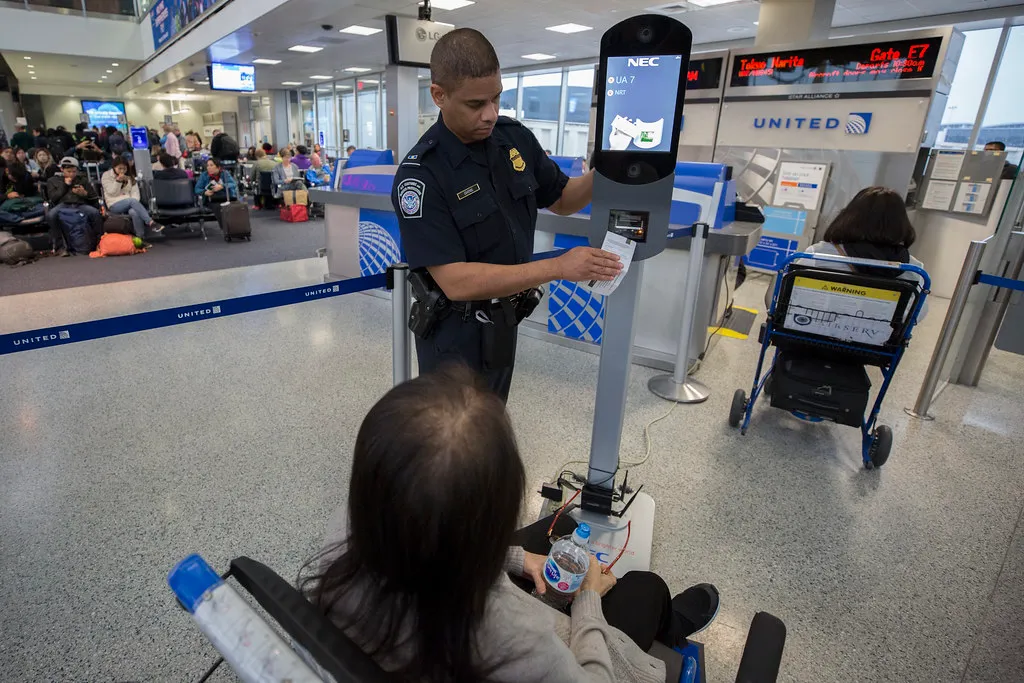
Using biometrics, including facial recognition and fingerprints, allows for faster and more accurate identity verification, improving both security and the travel experience. A growing number of U.S. airports are incorporating these tools at document check points, reducing the time each officer spends manually verifying a boarding pass and ID.
TSA is further developing a self-screening service installed in 2024 at Las Vegas’ Harry Reid International Airport that allows Trusted Traveler Program passengers to scan their own ID and carry-on bags. TSA PreCheck Touchless ID, which now allows enrolled passengers to move through verification even more quickly, is available at over sixty U.S. airports. These systems are still expanding, but the airports that have adopted them are already seeing the benefit in throughput speed.
The Gap Between Old and New Infrastructure
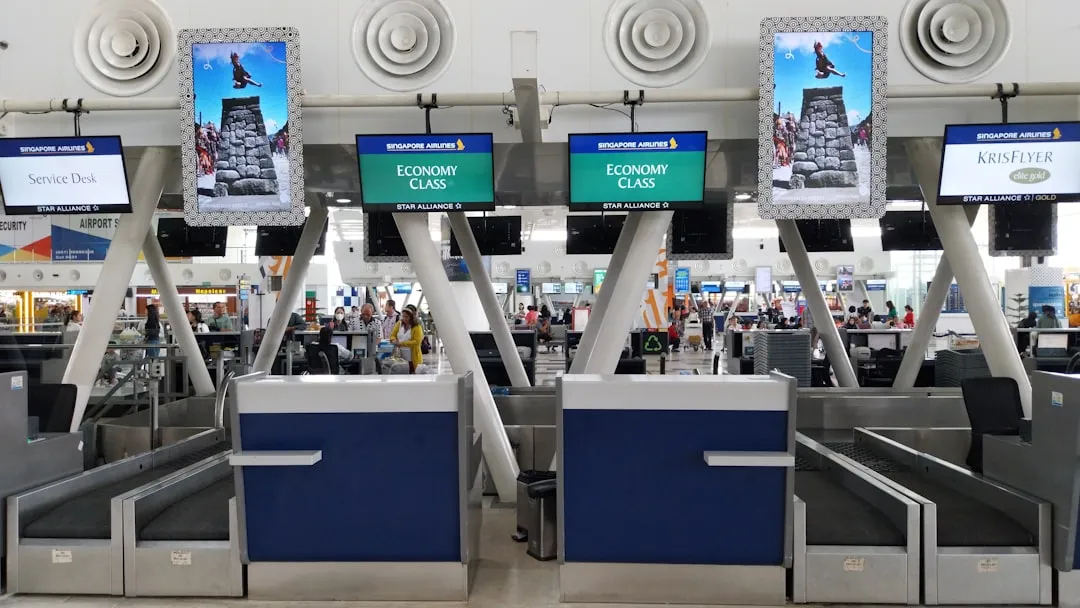
The speed of CT scanner implementation varies significantly from region to region. The trade-off between the cost of advanced scanners with automated detection features and the cost of screening staff depends on each country, and budgets for replacing older machines are thin in many parts of the world, particularly where local regulations do not yet impose specific screening standards. This funding gap is a genuine reason why two airports in the same country can feel like they belong to different eras.
Individual CT scanner units can range from eighty thousand to three hundred thousand dollars depending on their capability. For smaller regional airports operating on modest budgets, that’s a significant investment. At some airports, the new scanners – which are larger and heavier than previous models – even require physical modifications to security areas, including the reinforcement of floors. The infrastructure challenge is often as significant as the financial one.
Which Airports Are Getting It Right
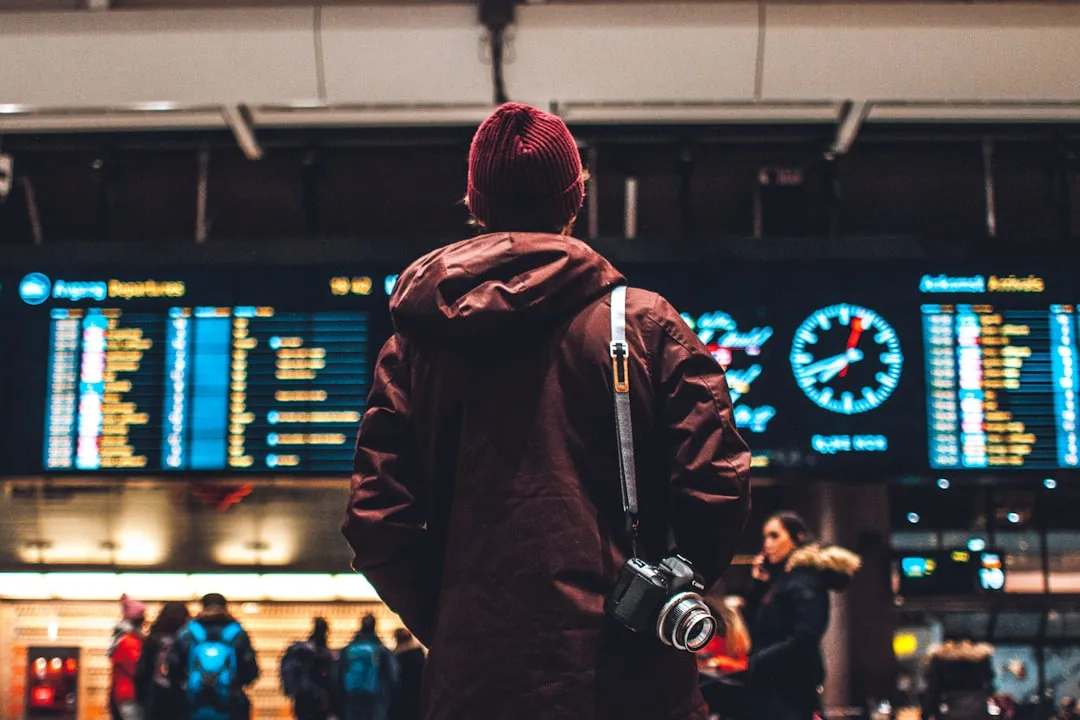
Among the busiest U.S. airports studied in 2024, Minneapolis-St. Paul averaged thirteen minutes, Boston Logan came in at under eleven minutes, and Washington Dulles at just over ten minutes. Salt Lake City International led the group with an average of just over nine minutes. These airports share a few things in common: well-maintained infrastructure, solid PreCheck penetration among their regular fliers, and consistent staffing relative to passenger demand.
Newark Liberty International went the opposite direction, shifting from one of the fastest airports for TSA and passport control clearance in 2023 to one of the slowest by 2024, with a combined average wait time of over thirty-two minutes. That kind of year-over-year swing shows how quickly conditions can change when staffing, renovation work, or volume shifts disrupt a previously functioning system. It’s a useful reminder that airport efficiency is never simply a fixed characteristic – it requires ongoing attention.
The Takeaway

There’s no single reason why some airports move faster than others. It’s a combination of technology, staffing, checkpoint design, trusted traveler adoption, and how well any given airport manages the unpredictable rhythms of daily passenger flow. The good news is that most of these factors are within an airport’s control.
For travelers, understanding these dynamics is genuinely useful. Enrolling in TSA PreCheck or Global Entry, choosing airports with newer infrastructure when possible, and being thoughtful about departure timing can all reduce friction considerably. The fastest security experience isn’t always about luck – quite often, it’s the result of choices made well before you arrive at the terminal.
AI Disclaimer: This article was created with the assistance of AI tools and reviewed by a human editor.