
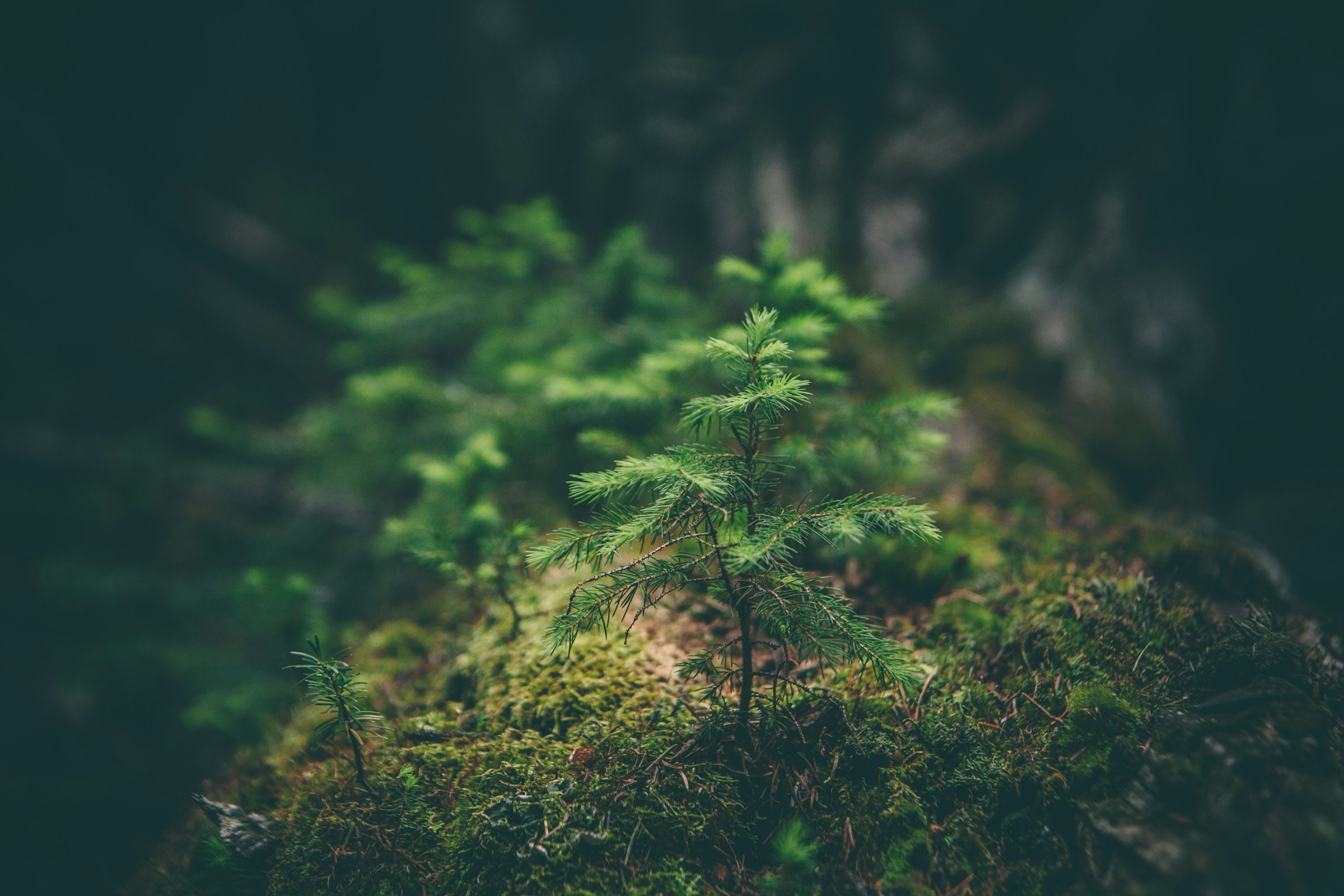

There’s a specific kind of silence that greets you in an old-growth forest. Not the quiet of emptiness, but the layered, living stillness of a place that has been building itself for centuries. When a zip line course threads its cables through that kind of landscape, the experience becomes something genuinely different from the usual thrill-ride. You’re not just moving fast. You’re moving through time.
Canopy-based zip line courses set inside old-growth forests have become one of the most remarkable intersections of responsible adventure tourism and ecological wonder. The best of them are built with careful intention, guided by arborists and ecologists, and designed to disturb as little as possible while revealing something extraordinary.
What Makes an Old-Growth Forest Different
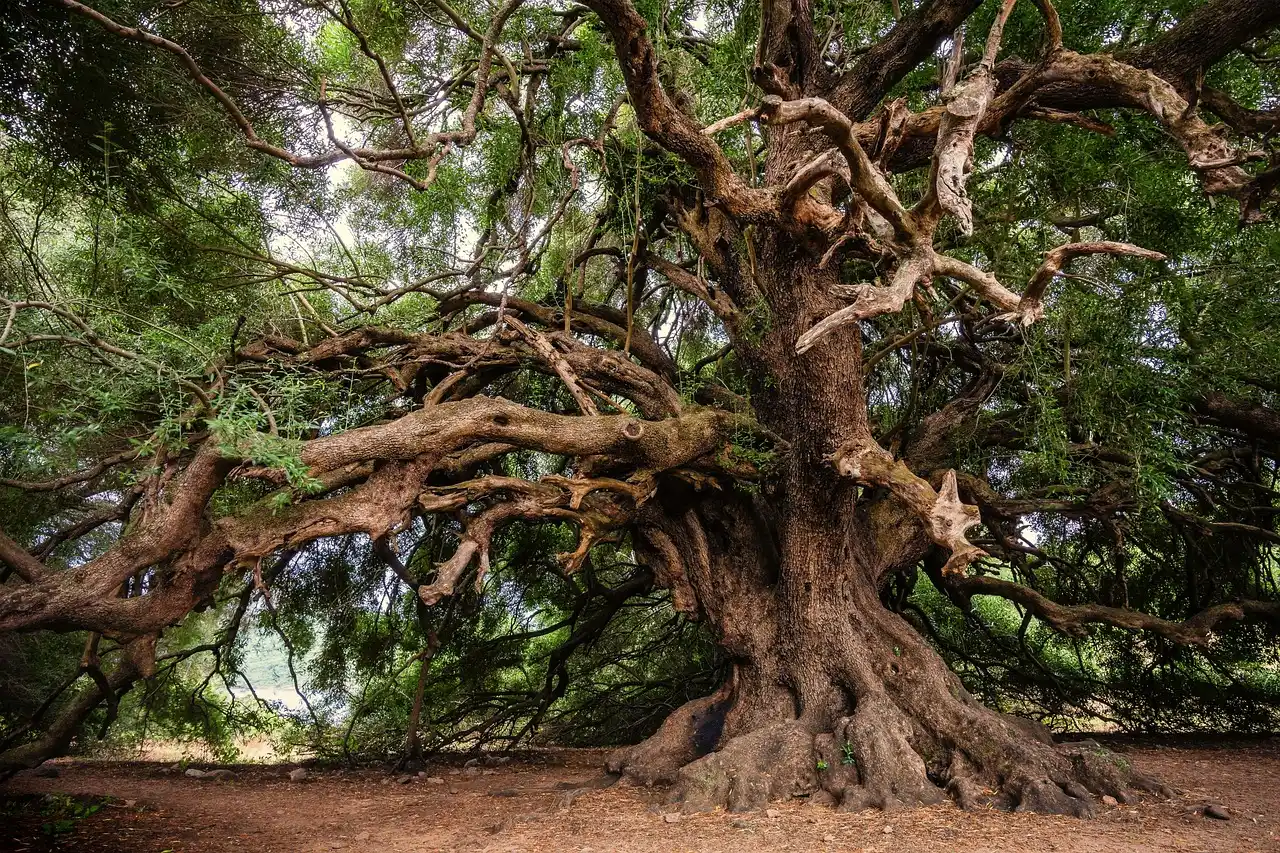
Typical characteristics of old-growth forest include the presence of older trees, minimal signs of human disturbance, mixed-age stands, presence of canopy openings due to tree falls, down wood in various stages of decay, standing snags, multilayered canopies, intact soils, and a healthy fungal ecosystem. These aren’t simply tall trees in a row. They’re complex, interdependent communities that took centuries to develop.
Most definitions of old growth focus on age and forest structures including large trees, signs of decay, multilayered canopies, canopy gaps, snags, and large downed logs. That structural complexity is precisely what makes a zip line course through one so visually stunning. You pass through distinct vertical layers of the forest, each with its own light, moisture, and wildlife.
As of 2025, the world has 11.3 million square kilometers of primary forest remaining. Building any kind of infrastructure inside such a rare and irreplaceable ecosystem demands extraordinary care and ethical intention.
The Origins of Canopy Zip Lining
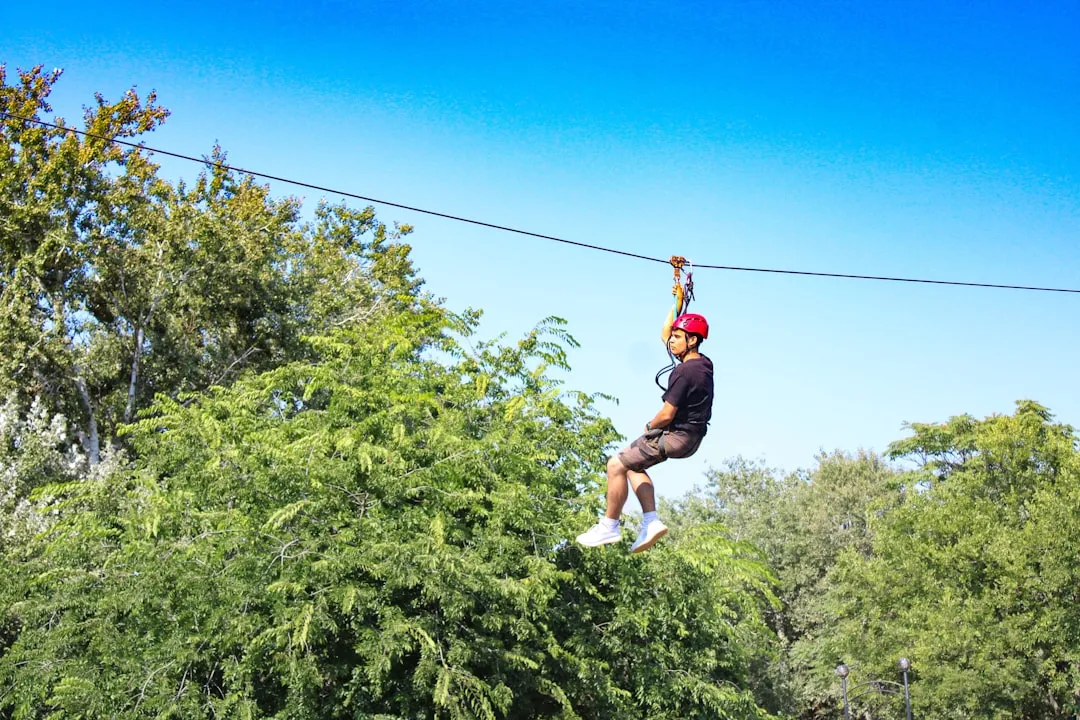
The zip line as we know it was created as a way to explore ecosystems without disturbing them. In the 1970s, wildlife biologists who wanted to study Costa Rica’s forest canopies without disrupting the plant and animal life used zip lines to do so. This is how the idea behind the zip line canopy tour was born.
It’s worth sitting with that origin for a moment. The tool was invented by scientists who wanted to leave the forest undisturbed. Ziplining has since grown to become a pillar of ecotourism around the world, allowing travelers to visit and interact with environments they wouldn’t normally be able to reach.
In the 1970s, biologists who were desperate to study the plants and wildlife of the Costa Rica rainforest canopy designed a series of cables attached to the trees to help them take photos, observe wildlife, and take samples. The tourist industry eventually followed, but the conservation ethic at the root of those early designs still shapes the best operators today.
Where Old-Growth Canopy Courses Actually Exist
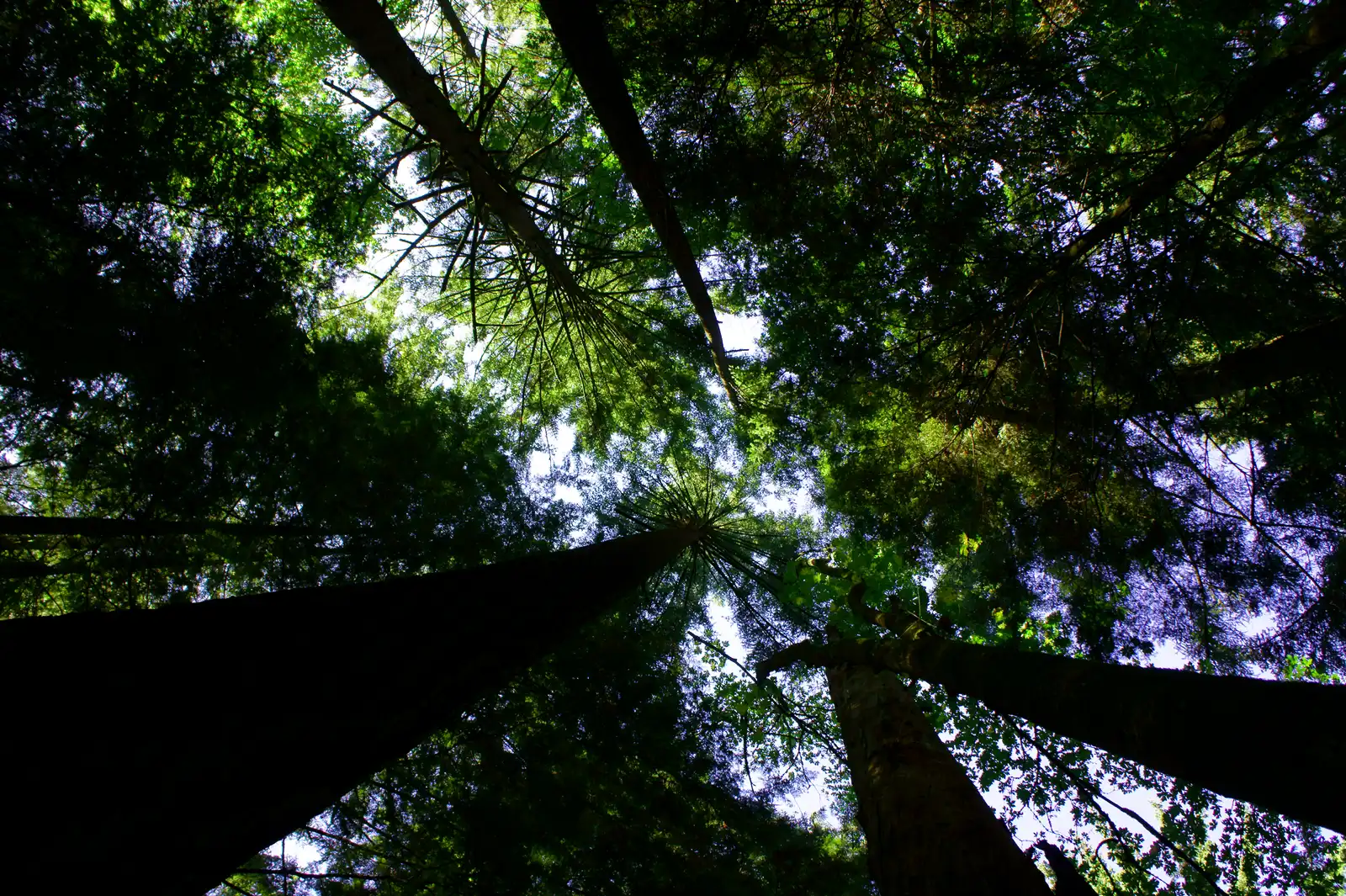
The Gorge, a thrilling tree-based zip line canopy tour in Saluda, North Carolina, begins your experience perched on the rim of the Green River Gorge before you plunge into untouched wilderness. You descend 1,100 vertical feet in elevation, zip line from tree-top to tree-top on 11 zip lines, traverse a sky bridge, and conquer three huge rappels. All this adventure is held within a stunning old-growth forest, overlooking 18,000 acres of protected Green River Gamelands.
On the other side of the country, Sonoma County’s redwood forests host zip line courses located among ancient old-growth redwoods, providing a truly unique Northern California adventure experience. These coastal redwood groves are among the oldest living ecosystems on Earth, and navigating their canopy by cable offers a perspective that no ground trail can replicate.
In Costa Rica, the Original Canopy Tour in Monteverde runs from gentle 60-meter flights to a full 800-meter run above the treetops, starting in primary old-growth forest. Operating since 1994, it is recognized as the world’s first canopy tour, now with three decades of flights.
How Courses Are Built Without Harming the Trees
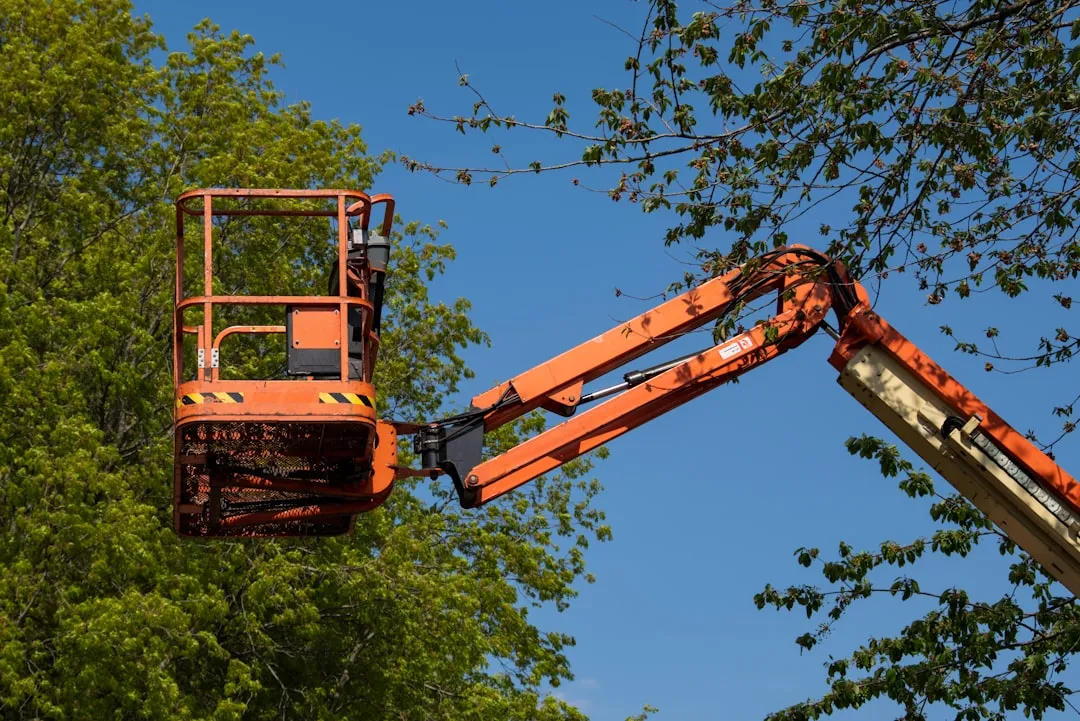
The engineering behind a well-built canopy course is quietly impressive. Responsible operators hire arborists to evaluate trees and pick the best candidates for platforms. When attaching platforms to trees, bolts are stacked on top of each other so that the cambium, or growth tissue of the tree, is only disturbed in one spot.
Other attachments to the tree use oak blocks to minimize damage. Oak blocks are cut and placed around the tree, with the cable threaded through the blocks so that it never directly touches the tree and the tree can continue to grow. Running a cable all the way around a trunk without this protection would eventually kill it.
Being one hundred percent tree-based with no man-made towers or cement, thoughtfully designed courses aim for minimal impact to the environment. Builders like Geronimo Construction use patented tree platforms designed to have the fewest tree intrusions in the industry, allowing trees to grow naturally without experiencing repetitive injury.
The Role of Arborists in Keeping the Forest Healthy

A well-run old-growth zip line operation never stops monitoring its trees. Once a course is in use, staff and arborists frequently inspect trees to ensure health. This ongoing oversight is part of what separates a responsible operator from one simply chasing tourism revenue.
Many zip line operators rely on arborists to constantly monitor tree health. The relationship between arborist and ancient tree is attentive and long-term. Adventures on the Gorge in West Virginia operates Tree Tops Canopy Tours, a 10-zip course with five sky bridges winding through an ancient hemlock forest, using a Bonsai-constructed course with the block-and-cable system.
What You Actually See from the Canopy
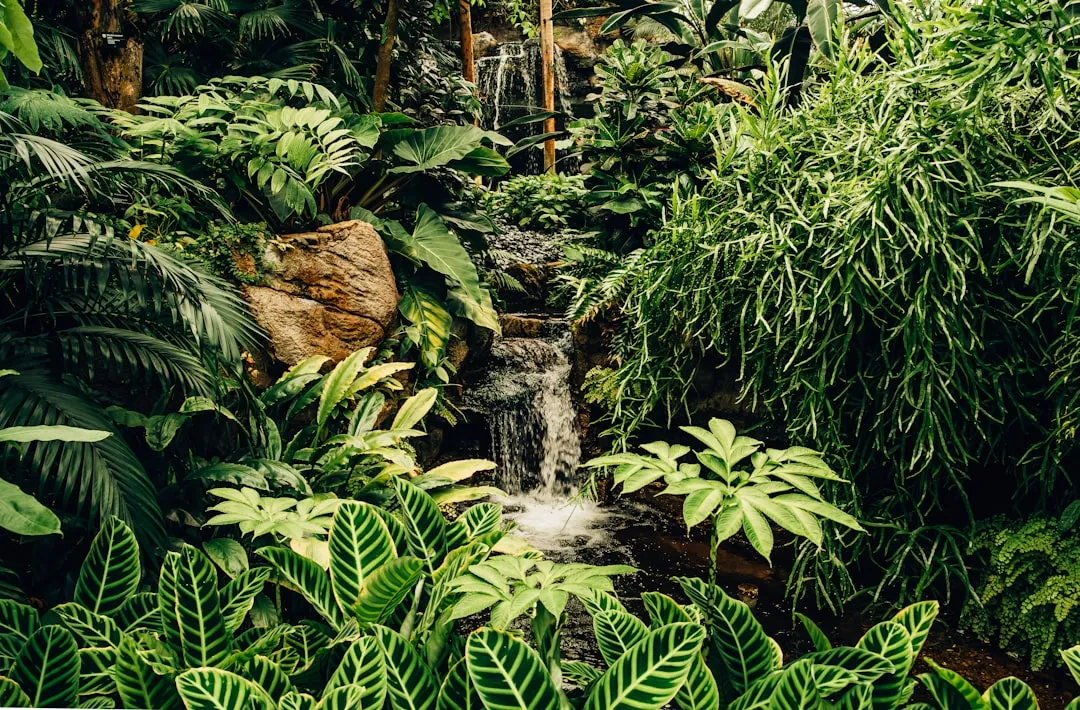
Old-growth canopy trees can reach 145 feet into the sky, with some emergent species growing even higher. They branch out in competition with other plants to access sunlight, spreading outward to form the canopy. That canopy of leaves and branches creates homes and habitats for an incredible variety of animals and plants.
Wildlife encounters from the canopy can include howler monkeys, blue morpho butterflies, and, if the mist opens up, the resplendent quetzal, with knowledgeable guides who know exactly where to look. These are not staged encounters. They are simply what happens when you’re quiet enough, and high enough, to be in the right place.
The canopy is a great place to scout for wildlife and to get an angle of the forest seen by few others. For most visitors, it’s the first time they’ve ever been inside that upper layer rather than looking up at it from below.
The Educational Dimension of the Experience
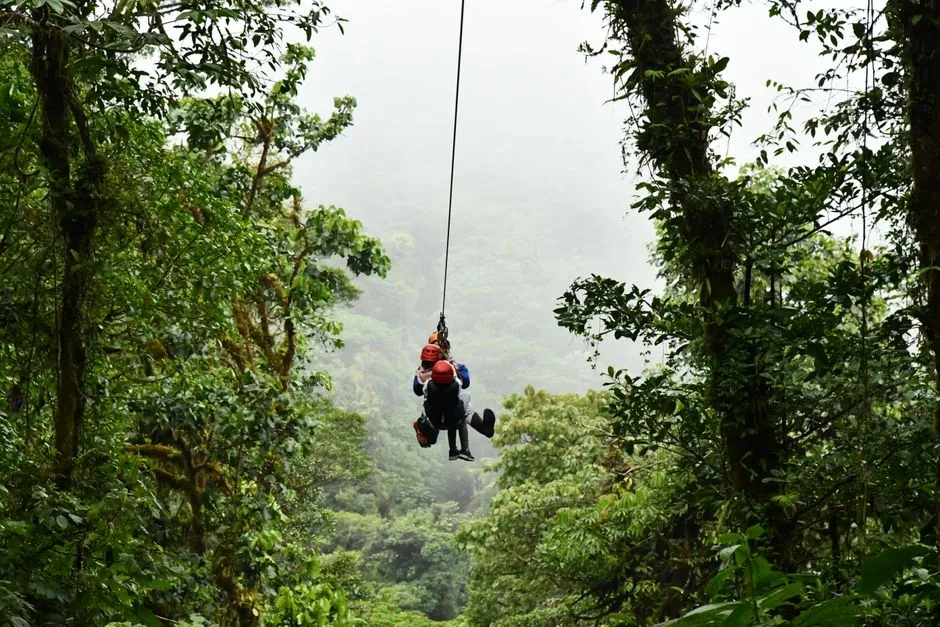
The finest old-growth canopy courses treat education as inseparable from the adventure itself. Small groups are escorted by guides familiar with the local ecology and natural history, prepared to provide safety instruction, coaching, and genuine education about the forest environment.
These tours offer participants the opportunity to experience nature from a unique vantage point, often combined with educational elements about local ecosystems. That combination is powerful. People tend to care more deeply about places they’ve moved through, places they’ve understood at altitude.
Most zip lining tour guides also have deep knowledge about the exotic flora and fauna of their region. They can point out sloths, monkeys, and iguanas hiding in the trees, and tell you all about the wildlife residing in the forest. It transforms a physical thrill into something that lingers long after the adrenaline fades.
The Amazon’s Canopy Zip Line
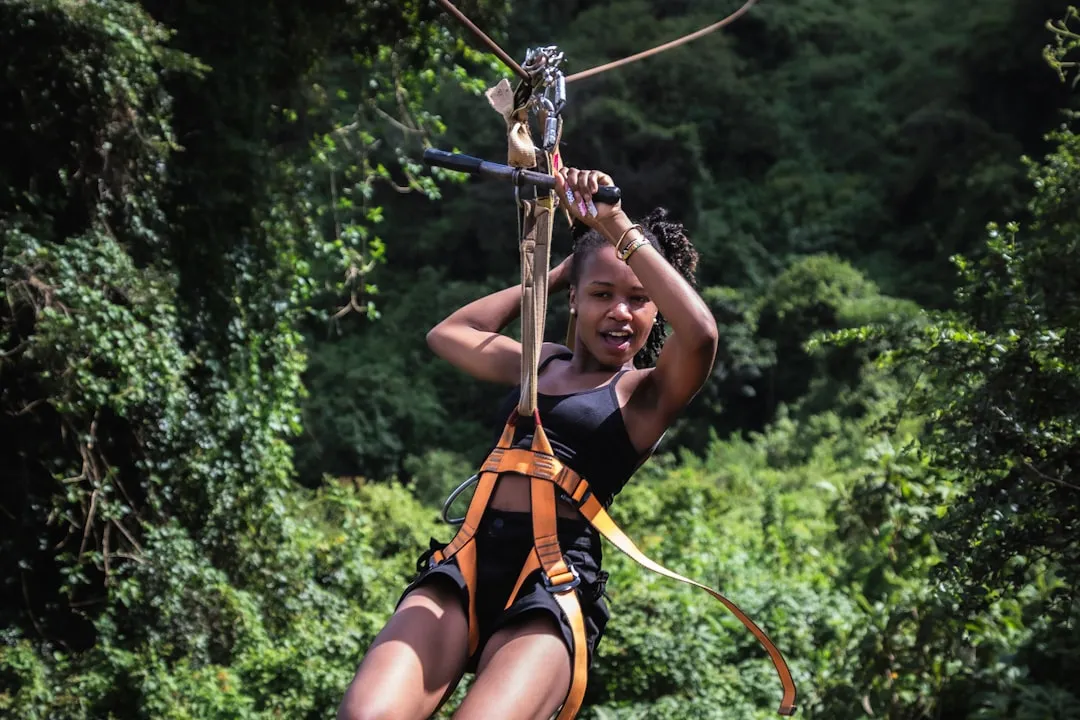
Deep in the Peruvian Amazon, the Tahuayo Lodge operates one of the most remote canopy zip line experiences on the planet. You can travel between large Amazon trees on the Tahuayo Lodge’s canopy zip line, located 150 kilometers from Iquitos, Peru, at the border of the wildlife-rich Tamshiyacu Tahuayo Reserve. The zip line sits 100 feet from ground level and is the longest in Amazonia, built around old-growth emergent trees with canopy platforms placed at different stages of the route.
The construction team was composed of scientists, arborists, and construction specialists, which reflects the seriousness with which old-growth access must be approached. This is not a course you stumble upon easily. The journey to reach it is part of the experience.
How the Industry Has Grown and Where It Stands Today
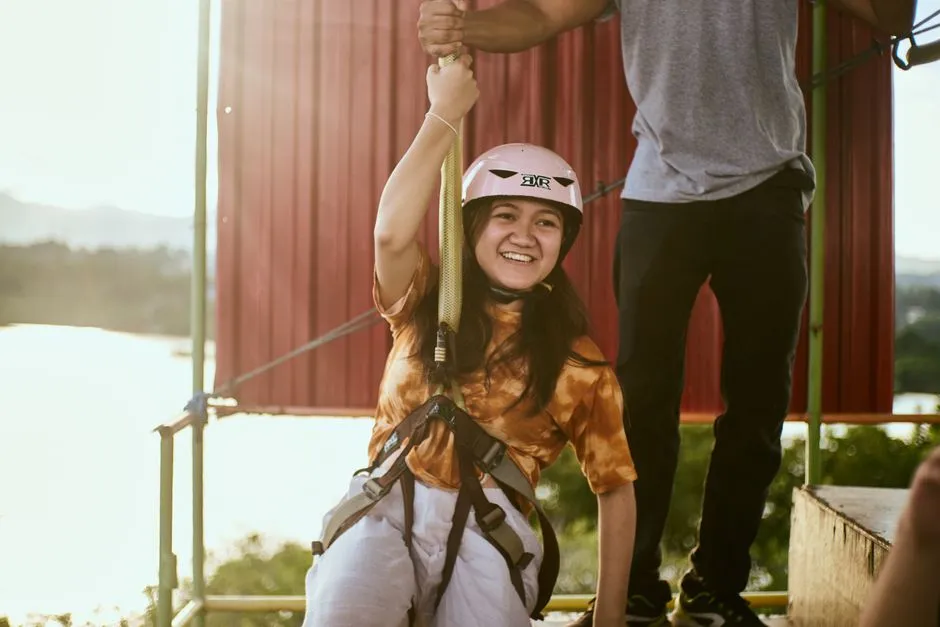
From 2001 to 2012, the number of zip lines built in the United States soared from 10 to more than 200. The growth has continued steadily since. Industry groups now estimate there are more than 400 commercial zip lines across 48 states, hosting roughly 70 million rides every year.
Canopy tours, which typically involve traversing multiple zip lines through forested or mountainous terrain, remain one of the most popular formats. Their popularity is driven by their strong appeal to eco-tourists and adventure seekers looking for immersive outdoor experiences. Not all of these operate within true old-growth settings, which makes the ones that do genuinely rare.
The Ethics of Building in an Ancient Forest
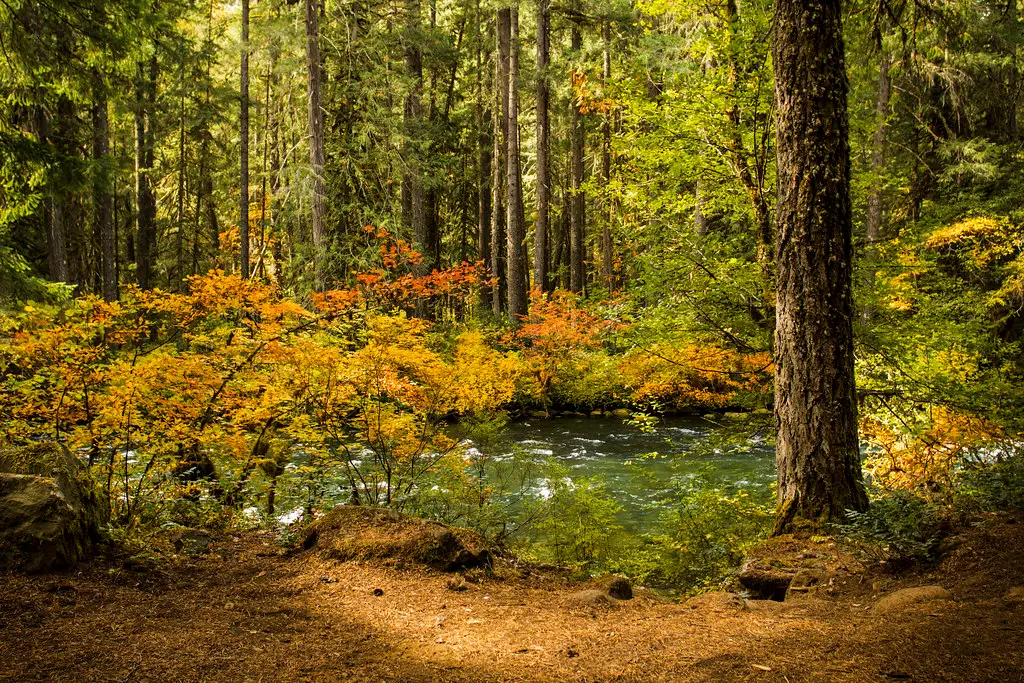
Because old-growth forests are rare, if you find an area that may qualify, it is worth noting where it is and reaching out to local forestry agencies or universities to evaluate it. Old-growth forests face the same threats as other forests, including fire, insects, diseases, storms, and conversion to other uses. Responsible tourism in these spaces must walk a narrow line.
Ecotourism that protects ecosystems and wildlife is what responsible canopy tourism strives to do. In the best operations, zip lines are strung between trees with great care, and platforms are secured to the trees safely but without nails. The goal is access without extraction, presence without permanence.
Thoughtful operators believe the land deserves to be stewarded, not exploited, and tend to their properties following forest stewardship plans developed in partnership with universities and conservation bodies. That posture, stewardship over spectacle, is what the best old-growth canopy experiences are built on.
A Closing Thought from the Treetops
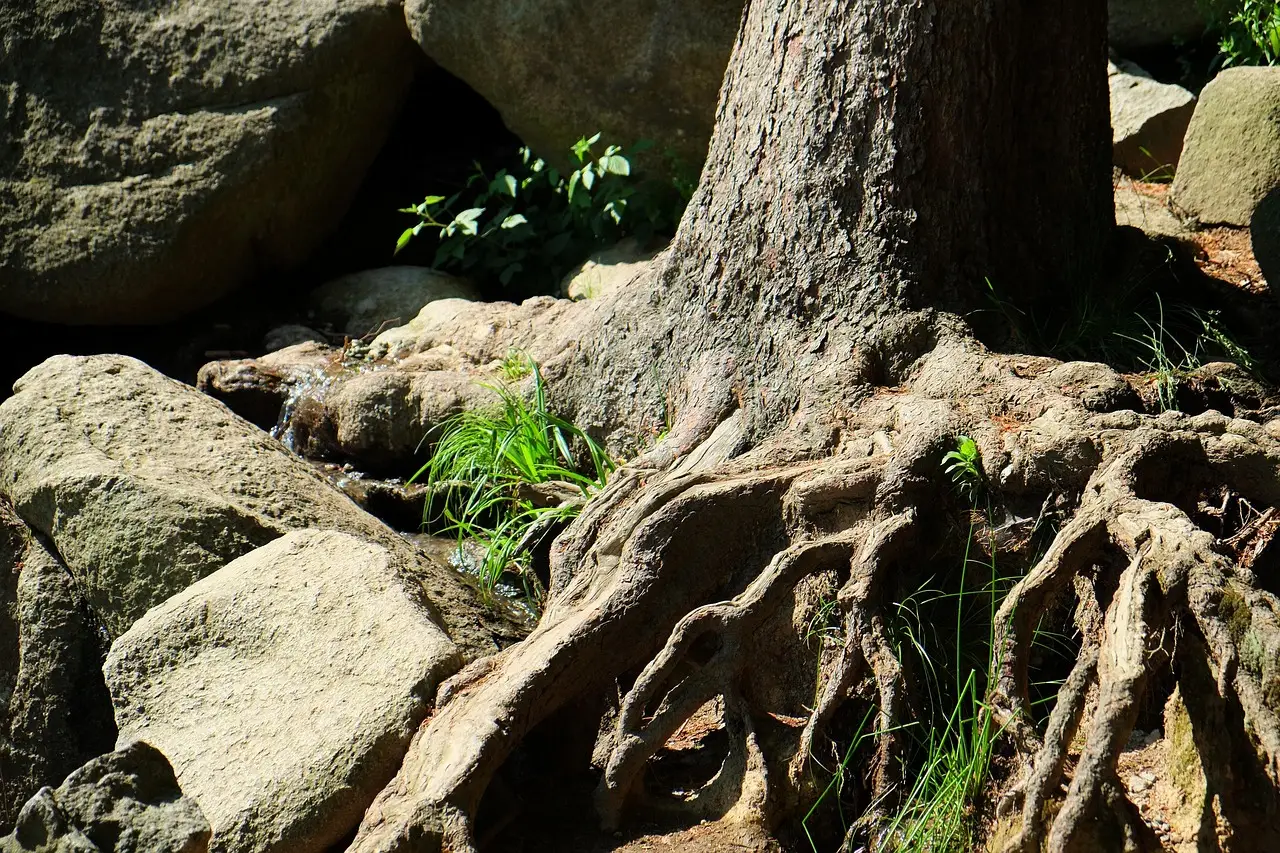
There’s something quietly clarifying about being suspended in the crown of a tree that was old when your great-grandparents were born. The forest doesn’t register your presence as significant. It continues doing what it has always done: cycling nutrients, hosting thousands of creatures, filtering the sky. You pass through, and it carries on.
What old-growth canopy zip line courses offer, at their best, is not dominance over nature. It’s a brief, invited entry into a world that operates entirely on its own terms. The cable carries you. The ancient trees hold everything else. That’s a lesson worth the ride.
AI Disclaimer: This article was created with the assistance of AI tools and reviewed by a human editor.