
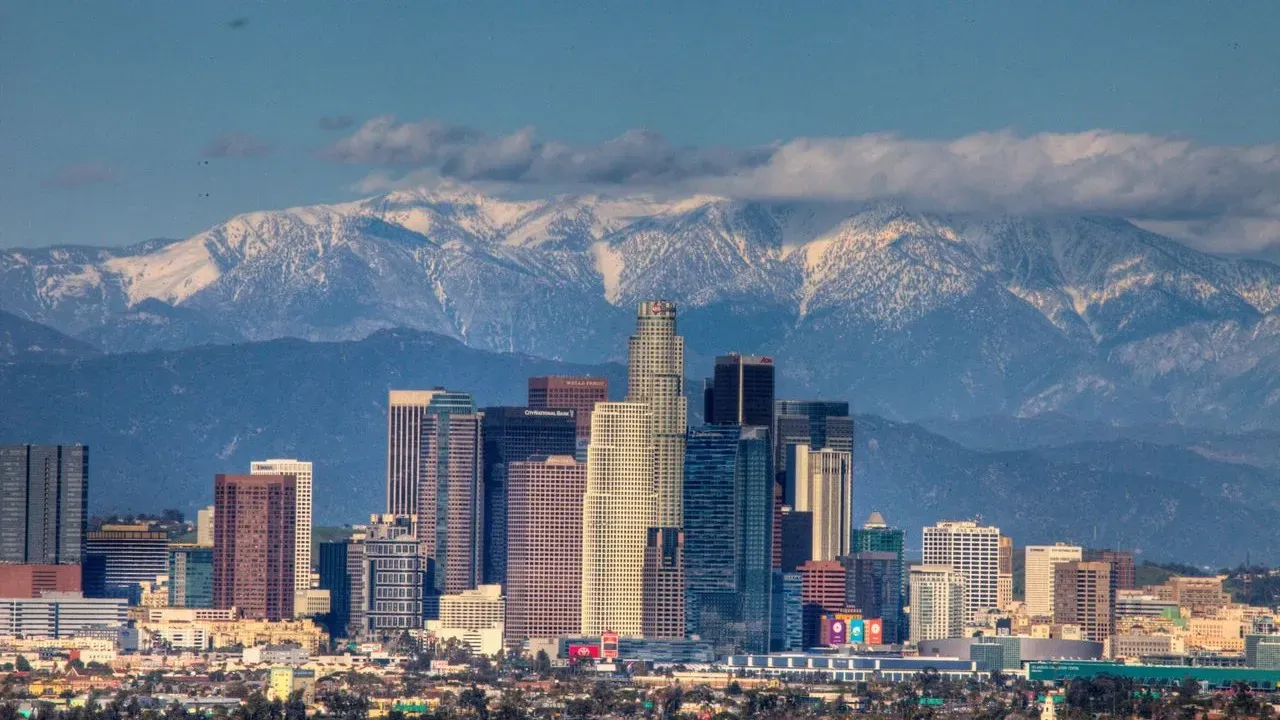

California stands poised for a notably wetter winter season as meteorologists track the development of a potential Super El Niño event. The outlook, released this week, points to above-average precipitation across much of the state through the 2026-27 winter months. Travelers planning Sierra Nevada escapes will want to follow these shifts closely for both opportunities and practical adjustments.
Forecast Details and Timing
The National Weather Service and partner agencies describe a pattern that favors increased storm activity from late fall onward. A Super El Niño typically strengthens the subtropical jet stream, steering more moisture toward the West Coast. While exact totals remain uncertain, the consensus favors wetter-than-normal conditions statewide, with the heaviest impacts likely in the northern and central regions. This development arrives after several drier winters, offering a contrast that many mountain communities welcome. Forecasters emphasize that individual storms will still vary, yet the overall seasonal signal appears consistent across multiple models.
Benefits for Sierra Nevada Ski Areas
Ski resorts in the Sierra Nevada stand to gain from deeper snowpack if the pattern holds. Locations such as Tahoe and Mammoth Mountain often see improved base depths during strong El Niño winters, extending the season and enhancing terrain options. Early season openings and consistent mid-winter conditions become more probable under these circumstances. Visitors should monitor resort reports and road conditions, as heavier snowfall can occasionally delay access along mountain highways. Many areas maintain robust snow-removal programs and offer real-time updates to help travelers plan accordingly. The prospect of reliable powder draws both locals and destination skiers seeking longer, more varied days on the slopes.
Potential Spring Wildflower Displays
A wet winter frequently sets the stage for vibrant wildflower blooms the following spring. California’s hillsides and meadows have produced memorable displays after similar El Niño seasons, with species such as California poppies and lupine appearing in greater density. Travelers exploring state parks and scenic drives in March through May may encounter these colorful landscapes. Advance reservations at popular viewing areas remain advisable, as favorable conditions tend to increase visitor numbers. Responsible practices, including staying on designated trails, help protect fragile ecosystems during peak bloom periods. The forecast offers a reminder that California’s landscapes respond dynamically to seasonal patterns. Planning with flexibility allows travelers to enjoy both winter recreation and the renewal that often follows.
AI Disclaimer: This article was created with the assistance of AI tools and reviewed by a human editor.