


Mendoza has always occupied a special place in the South American imagination. Sprawling at the foot of the Andes, with vineyards that seem to run all the way to the snow line, the region produces wines that have long earned international respect. What’s changed recently is who’s showing up to experience it in person.
Visitors aren’t just arriving for the bottles anymore. They’re coming for the landscape, the food, the architecture of the wineries, and a slower kind of travel that’s harder to find in more crowded wine capitals. The numbers tell a clear story, and Mendoza’s ascent on the global stage is only accelerating.
The Numbers That Tell the Real Story
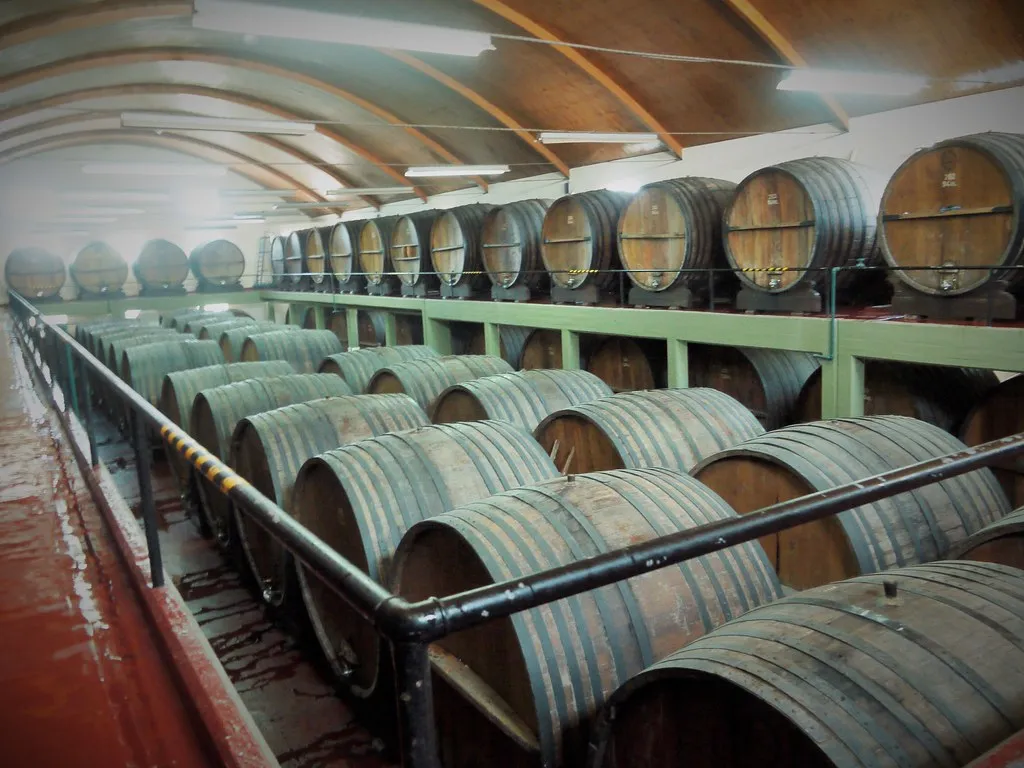
Wine tourism has become one of the core pillars of Mendoza’s territorial development, with the activity experiencing sustained growth between 2018 and 2024, both in the number of wineries open to the public and in the volume of visitors. According to a joint report by the Mendoza Tourism Board and the Argentine Wine Corporation, in 2024 there were over 1.59 million visits to Mendoza’s wineries. That figure represents a gain of nearly twenty-eight percent compared to 2018, with the Eastern Region of the province recording a particularly striking growth of nearly ninety-four percent.
A Wine Capital That Keeps Opening Its Doors
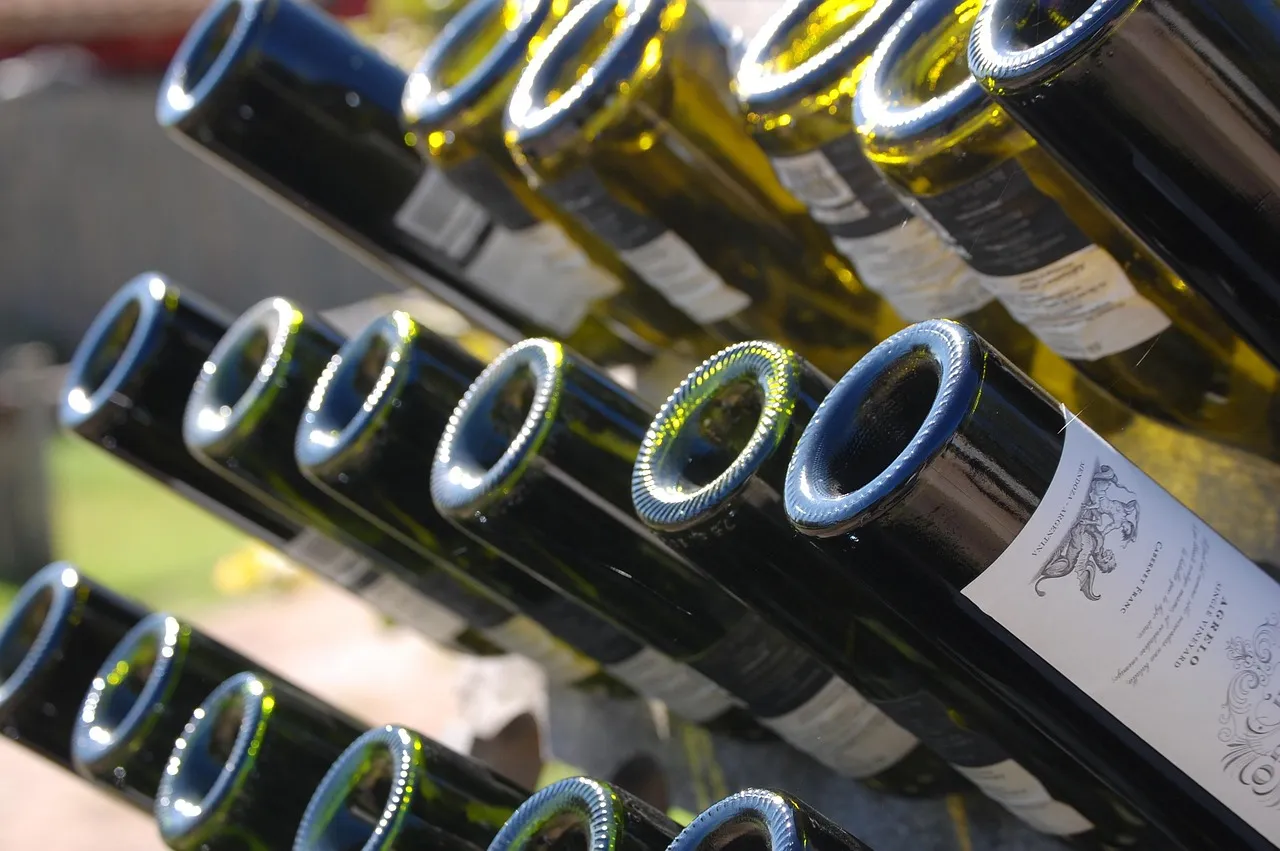
Between 2018 and 2024, the number of wineries open to tourism increased by over fifty-seven percent, rising from 146 to 230 establishments, with the highest absolute growth recorded in the Uco Valley and Luján de Cuyo. This expansion is driven largely by small and micro wine enterprises, which give Mendoza’s wine tourism a strong artisanal character, with personalized experiences and a direct connection to the land. For travelers seeking something more intimate than a corporate tasting room, that combination is genuinely hard to replicate elsewhere.
Who Is Actually Visiting
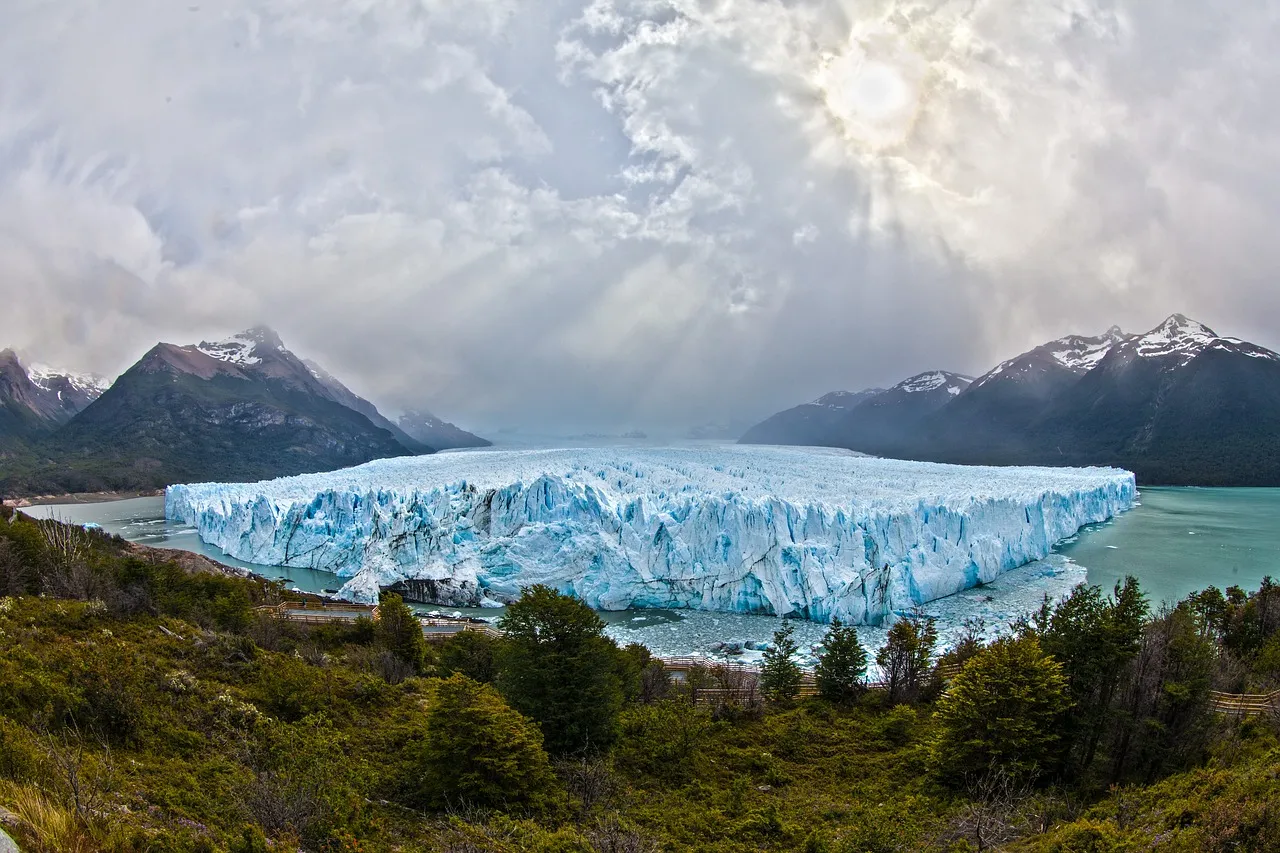
Of the visitors who arrived in 2024, sixty-two percent were domestic travelers, while thirty-eight percent were international, with Brazilians, Americans, Canadians, and Chileans leading the foreign contingent. Argentina attracted more international visitors in part thanks to favorable exchange rates and its unique terroir. The favorable exchange rate story has shifted as Argentina’s economy stabilizes, but the underlying draw – dramatic landscapes, world-class wines at honest prices – remains compelling on its own terms.
Malbec Still Leads, but the Variety Is Growing
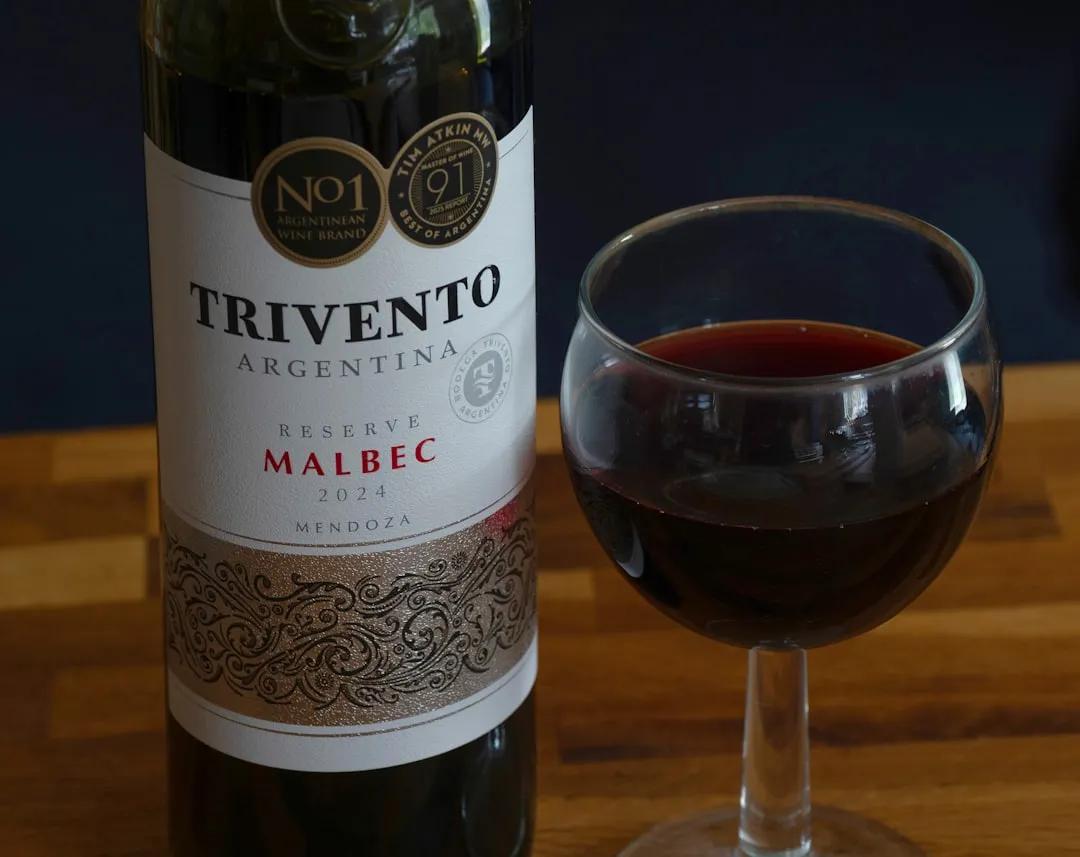
In 2025, Argentina ranked sixth globally in the OIV’s preliminary figures for vineyard area, and Mendoza drives much of that recognition, producing over eighty percent of the country’s Malbec wines. Malbec accounts for seventy-one percent of Argentina’s bottled export volume and the vast majority of export value. Still, visitors who arrive expecting only Malbec often leave surprised by the Torrontés from Salta, the high-altitude whites, and the increasingly refined sparkling wines now produced around the province.
The Uco Valley’s Quiet Takeover
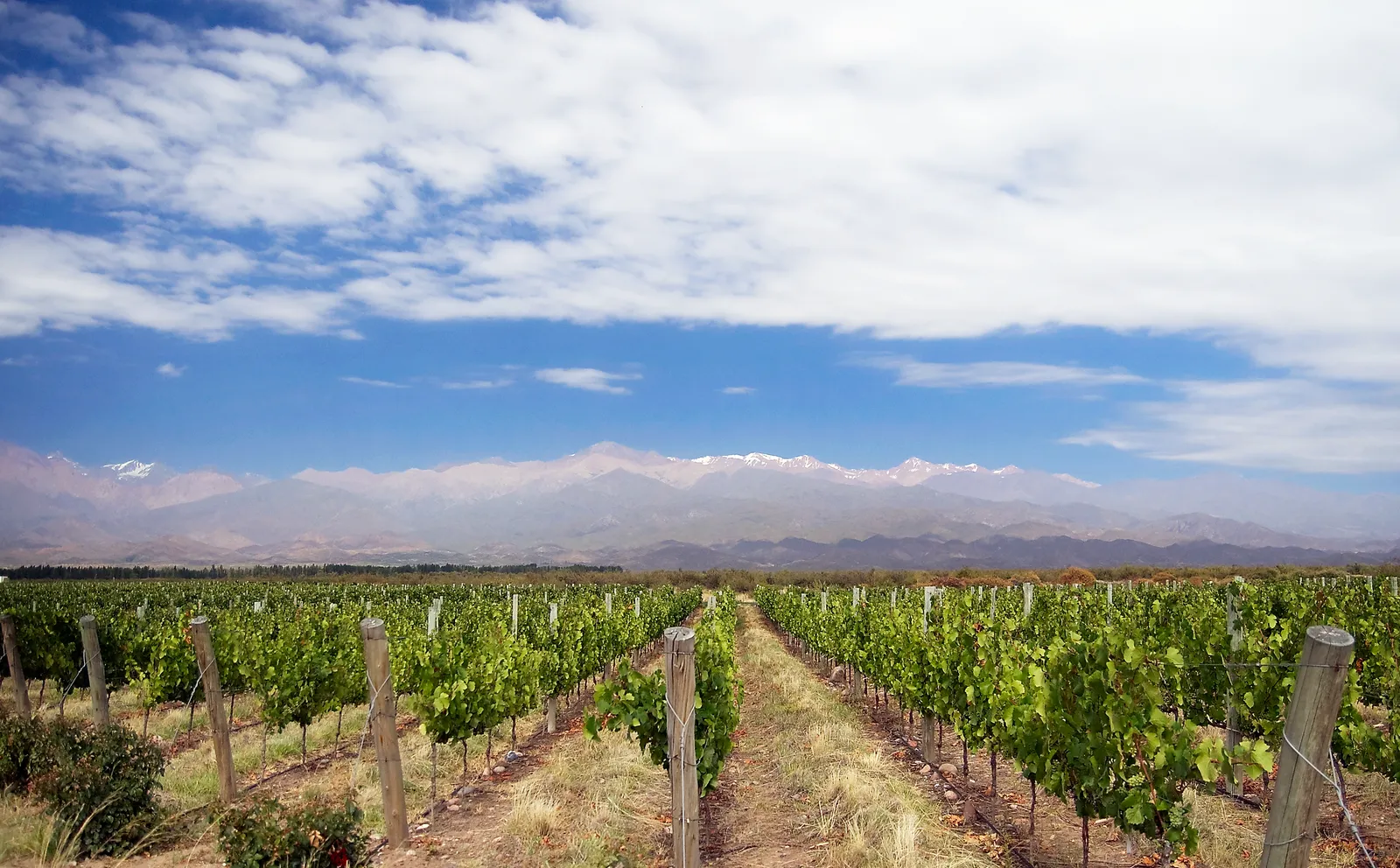
The Uco Valley has continued its march upmarket, with twenty-six new tourism-facing wineries opening between 2018 and 2024, and the 2026 season bringing investment in world-class visitor infrastructure, including underground cellars and panoramic tasting rooms designed by international architects. Properties like Casa de Uco represent a new generation of wine resort, offering a bold, modernist statement of concrete and glass set in the wide-open stillness of the valley, with the Andes rising as a dramatic backdrop. The Uco Valley is now widely considered home to Mendoza’s finest wineries and most stunning views.
Luxury That Competes With the World’s Best
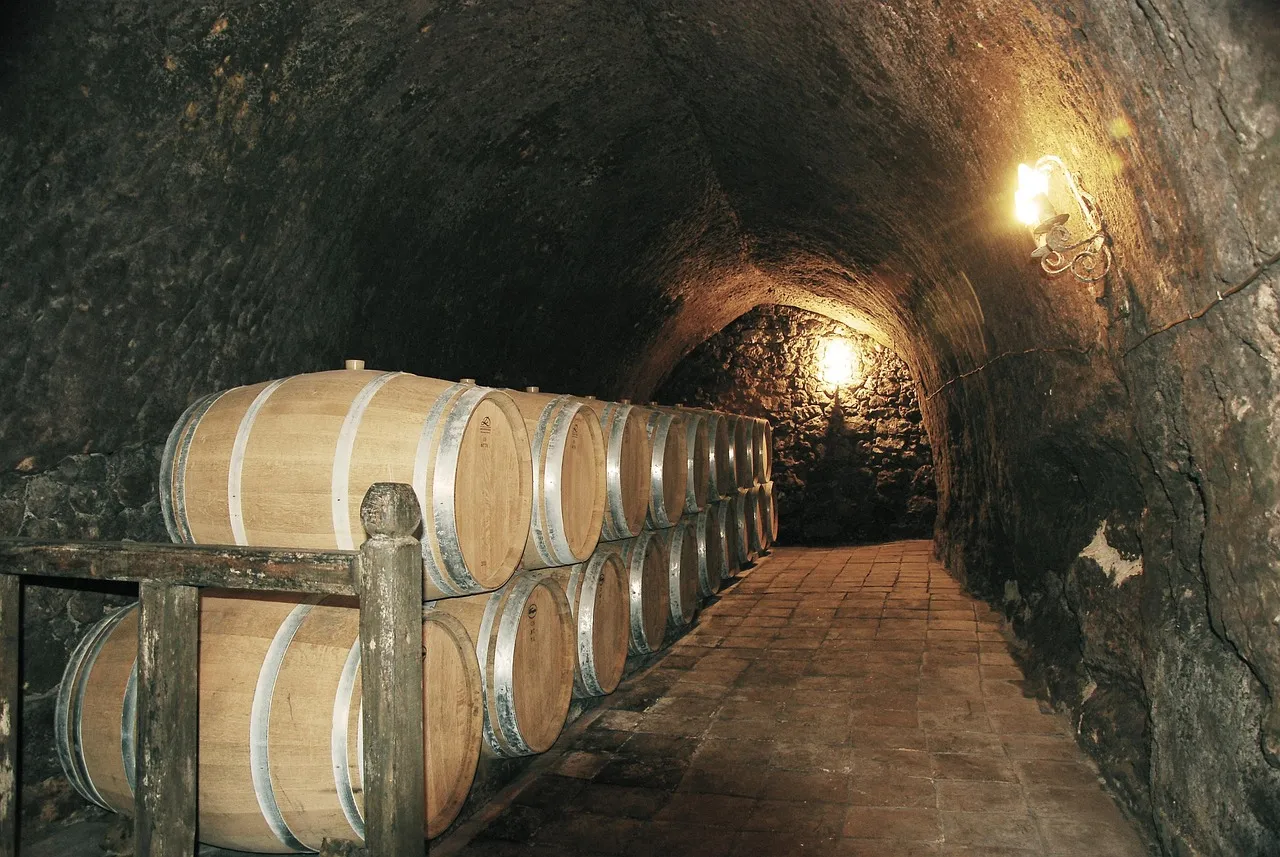
Uco Valley is increasingly described as a luxury destination that competes with Tuscany on a price-to-prestige basis, with premium short-term rental rates firming up as infrastructure improves. Premium and reserve tasting experiences at estates like Catena Zapata, Cheval des Andes, and Clos de los Siete can range from roughly fifty to over one hundred dollars and typically include food pairings or barrel-room access. That range sits well below comparable experiences in Napa or Bordeaux, which helps explain the wave of high-end travelers now routing through Mendoza.
A Region Earning Global Recognition

Since 2005, Mendoza has been part of the Great Wine Capitals global network, positioning it among the world’s leading wine tourism destinations, a role it reaffirms each year through its Best Of Mendoza’s Wine Tourism competition. In the 2025 edition of that competition, Trapiche’s Estación 83 won the Global Gold in the Innovative Experiences category, and the 2026 ceremony marked a record with 121 registered projects. With 85 proposals from 48 companies entered in a recent cycle, the competition showcased just how vibrant and dynamic the sector has become.
Sustainability Moving From Trend to Expectation

From an environmental perspective, wine tourism in Mendoza has the potential to support sustainable land management and responsible resource use, with many initiatives aligning with eco-tourism principles that promote organic farming, biodiversity conservation, and energy-efficient practices. According to data from ProWein 2025, two-thirds of wineries now rate sustainability as important or very important for their tourism activities. Roughly three in five millennial and Gen Z consumers are willing to pay extra for eco-friendly wine products and experiences, which gives Mendoza’s smaller, more hands-on producers a genuine market advantage as this generation travels more.
The Fiesta Nacional de la Vendimia and Cultural Depth
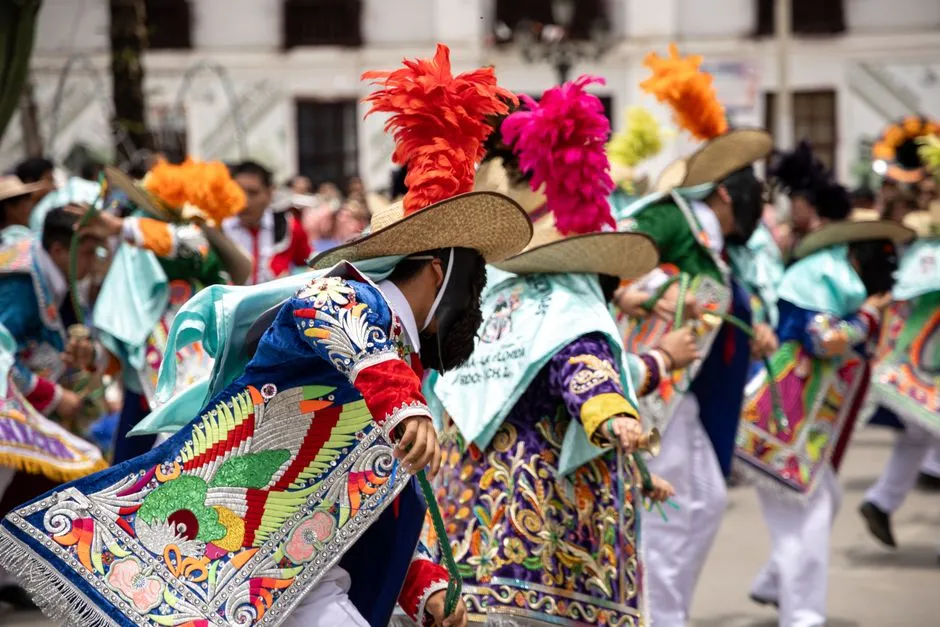
Held annually in late February or early March, the Fiesta Nacional de la Vendimia is Argentina’s largest annual event, drawing over 500,000 visitors across the full week, with its core ceremonies including a blessing of the harvest in the vineyards and a grand theatrical production at the Frank Romero Day Amphitheatre featuring more than 2,000 performers. For travelers who time their visit around the harvest, the festival offers something no tasting room can replicate: an entire city celebrating the land, the grape, and the year’s labor all at once. It’s a window into Argentine culture that feels genuinely lived, not staged for visitors.
A Wine Market on a Long Growth Curve
In 2025, the Argentine wine market reached a value of nearly 2.53 billion USD, and is assessed to grow at a compound annual rate of five and a half percent between 2026 and 2035, reaching an estimated 4.32 billion USD by 2035. The market’s expansion is driven by increasing wine tourism, the growing accessibility of distinctive wines, and the rising appeal of wine culture among younger demographics, alongside the presence of small-scale wineries across the province. That steady trajectory matters for travelers, too: continued investment tends to translate into better experiences, more creative producers, and a destination that keeps rewarding return visits.
The Bigger Picture for Mindful Travelers
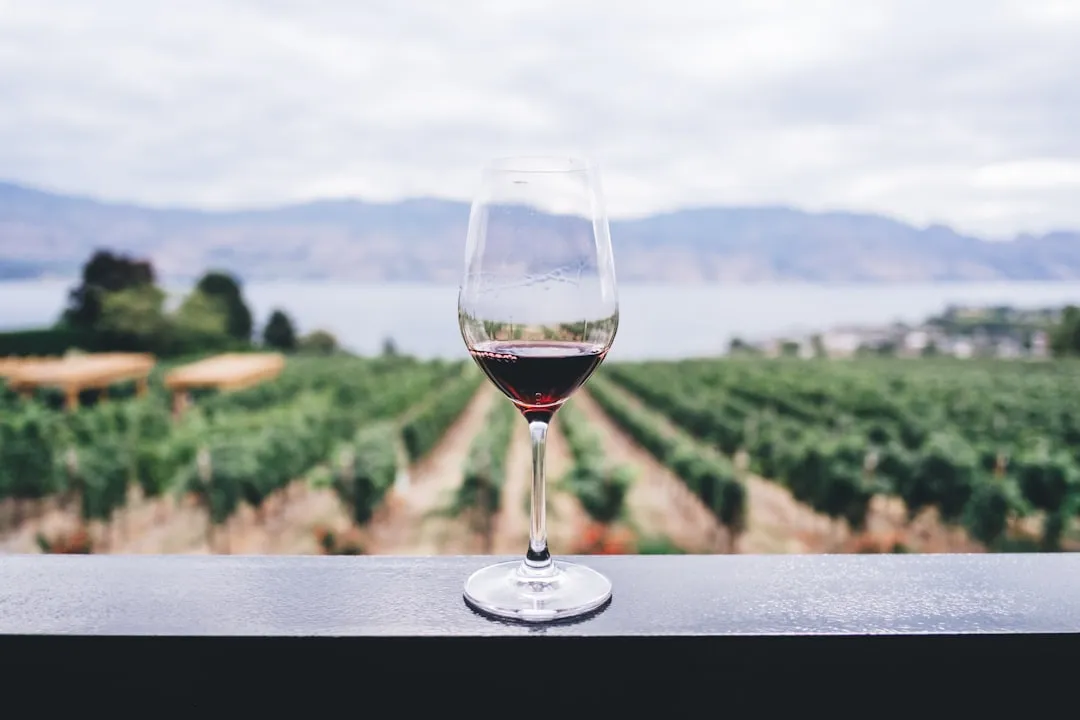
The global wine tourism sector experienced remarkable growth and resilience in 2024, and despite a challenging year for global wine production and consumption, wine tourism emerged as a dynamic and vital segment within both the broader tourism and beverage industries. Within that global context, Mendoza’s performance is striking. The number of wineries open to tourism reached 230 across the province by 2024, a rise of over fifty-seven percent since 2018, met by a surge in visitors climbing to over 1.59 million, reflecting what researchers at Springer Nature called a “robust expansion” of the sector.
The Takeaway
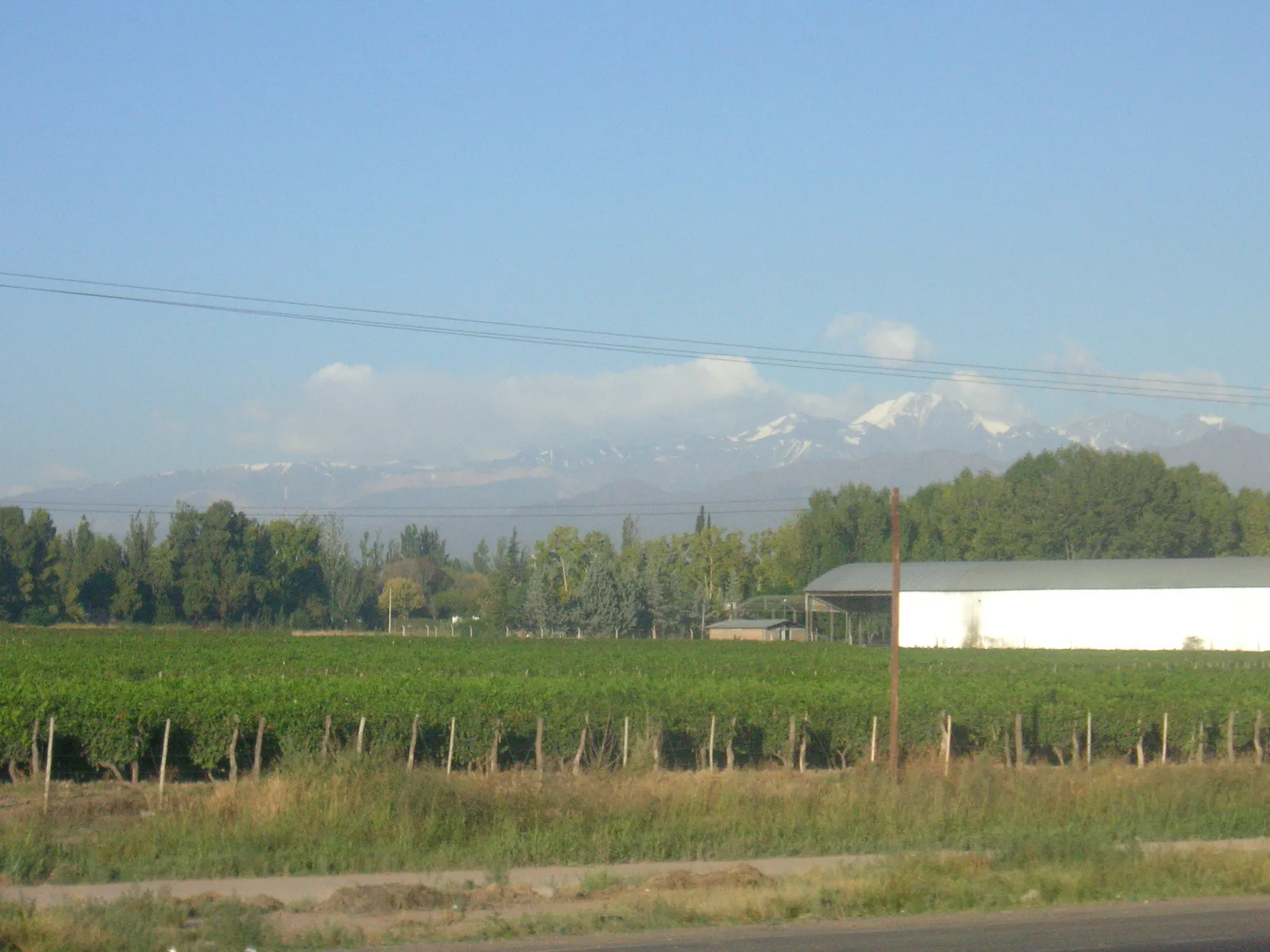
Mendoza doesn’t need to borrow prestige from anywhere else. The Andes, the altitude, the Malbec, the culture of hospitality that runs through every winery from the smallest family bodega to the most architecturally ambitious resort – all of it is entirely its own.
What’s happening now isn’t a trend that will peak and fade. The infrastructure is deepening, the number of producers opening their doors is growing, and the travelers finding their way here are the kind who leave wanting to come back. That’s the most honest measure of a destination’s pull, and by that measure, Mendoza is rising for very good reasons.
AI Disclaimer: This article was created with the assistance of AI tools and reviewed by a human editor.