
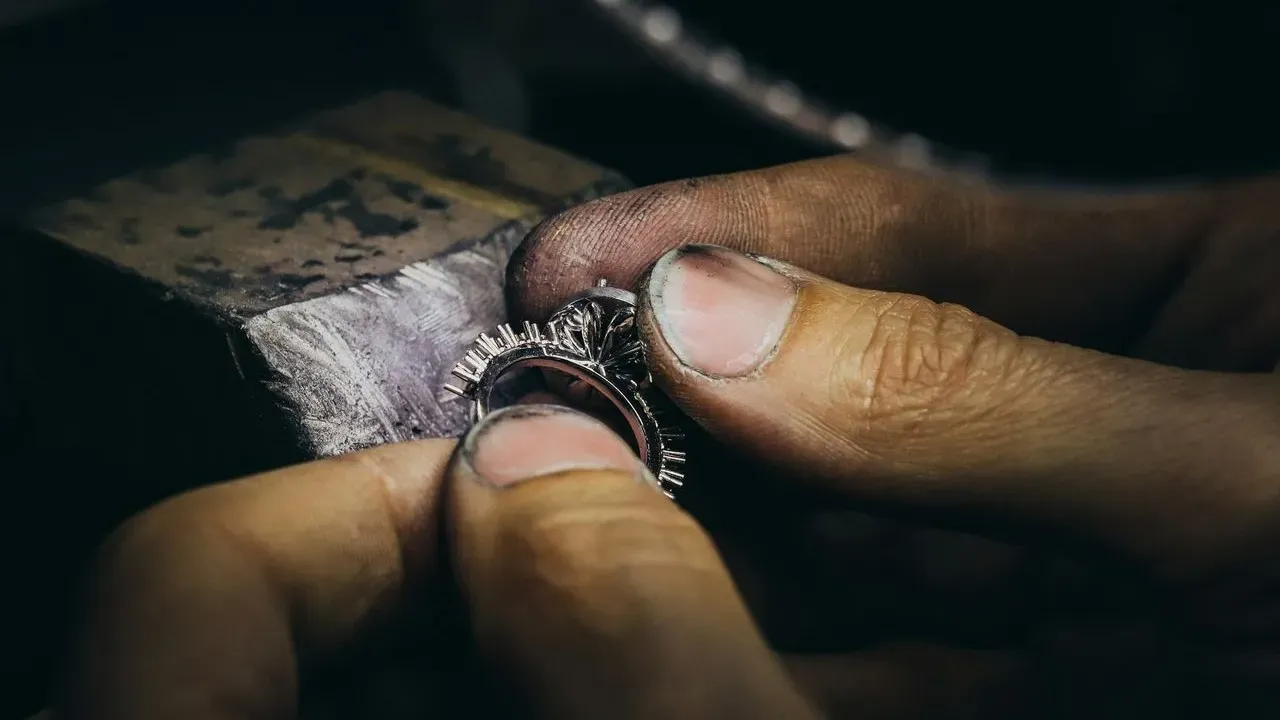

Travelers exploring the American Southwest often pause at market stalls or gallery displays where silver and stone catch the light in ways that mass-produced pieces rarely match. The price difference can feel abrupt at first, yet it reflects layers of work and heritage that extend far beyond the object itself. Understanding those layers helps visitors make choices that honor both the maker and the tradition.
The Hands-On Process Behind Each Piece
Creating a single ring or necklace by hand involves a sequence of deliberate steps that machines cannot replicate. Artisans cut and form metal, shape settings, apply decorative stamps, and refine surfaces until the piece feels complete. Each action requires time, precision, and an accumulated knowledge passed through generations.
These visible details, such as the slight variations in a stamped pattern or the careful alignment of a stone, become part of the finished work. The labor invested explains why two outwardly similar items can carry very different costs once the making process is considered.
Materials That Carry Their Own Stories
Sterling silver and natural stones like turquoise form the foundation of many authentic pieces. The quality of turquoise, for instance, depends on its color, hardness, and origin, with untreated material holding greater rarity than stabilized or imitation versions. Sourcing decisions at this stage directly influence both price and longevity.
When stones and metals are selected with care, the resulting jewelry gains durability and character that cheaper substitutes seldom achieve. Travelers who examine these elements closely gain a clearer sense of what they are acquiring.
Individual Character and Cultural Context
Every handmade item carries small differences in shading, matrix patterns, or metalwork that reflect the specific stone and the maker’s touch. This individuality sets authentic work apart from uniform factory output and gives each piece a quiet distinctiveness.
Native and Southwestern jewelry also connects to artistic traditions rooted in particular communities. Recognizing the difference between “Native-inspired” designs and pieces actually made by Native artists matters for respectful purchasing. Learning the origin of a work adds meaning that extends beyond its physical form.
Practical Steps for Ethical Purchases
Visitors can support artisans directly by seeking out reputable tribal markets, artist cooperatives, or galleries that clearly identify makers and materials. Asking straightforward questions about stone treatment, metal content, and the artist’s background helps confirm authenticity.
Buying from sources that provide artist names and provenance details encourages fair compensation and preserves cultural integrity. A piece chosen with this attention often becomes a lasting reminder of the place and the people who created it.
Materials, workmanship, and cultural significance together shape the true value of a piece, guiding travelers toward choices that feel both personal and responsible.
AI Disclaimer: This article was created with the assistance of AI tools and reviewed by a human editor.