
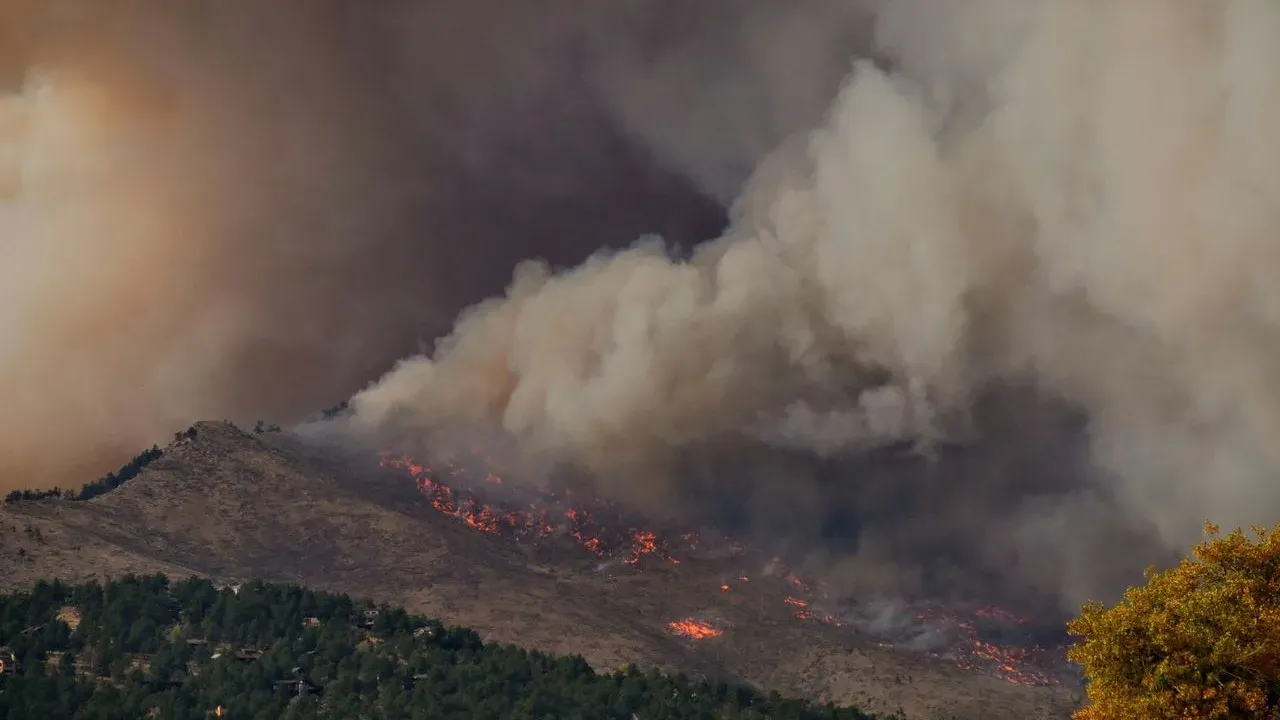

Reno, Nevada – A fast-moving wildfire that began on Saturday has prompted authorities to order or advise the evacuation of roughly 90,000 people in the northwest part of the city and surrounding areas. The blaze, known as the Hawk Fire, is human-caused and remains uncontained as of Sunday, with shifting winds adding to the challenge for responders. The situation carries immediate implications for anyone planning travel through Reno, a key gateway to Lake Tahoe and the Sierra Nevada.
The Fire’s Rapid Growth and Human Origin
The Hawk Fire ignited on Saturday in the rugged foothills of the Peavine Peak area within the Humboldt–Toiyabe National Forest. By Sunday it had expanded to approximately 20 square miles, destroying several structures and injuring six people, three of them civilians and three first responders. Officials have confirmed the fire was started by human activity, though the precise cause remains under investigation. Winds that changed direction repeatedly made containment efforts especially difficult on Saturday night, with flames moving quickly enough to complicate both firefighting access and resident departures. The fire’s location near the California state line places it in a region where dry conditions and limited winter snowpack have heightened wildfire risk across the broader West this season.
Evacuation Orders and Emergency Response
Washoe County Sheriff Darin Balaam described an evolving situation in which the “GO NOW” evacuation zone expanded to reach the edge of the University of Nevada, Reno. Roughly 42,000 residents received mandatory evacuation orders, while another 45,000 were placed under an evacuation warning. Authorities urged everyone in both zones to leave promptly and prepare for several days away from home. Nevada Governor Joe Lombardo declared a state of emergency for Washoe County and activated the Nevada National Guard. Two helicopter crews and 60 troops joined approximately 800 firefighters already on scene. Power outages affected nearly 10,000 customers on Sunday, a reduction from the 60,000 reported the previous day, while sections of U.S. Route 395 were closed to traffic.
Practical Effects on Travel and Access
Reno serves as a primary entry point for visitors heading to Lake Tahoe’s north and east shores as well as the surrounding national forest lands. With portions of a major north-south highway closed and evacuation activity concentrated in the northwest part of the city, travelers should anticipate delays and route changes. The University of Nevada campus, where many students were moving into housing this weekend, sits just outside the current evacuation zone, yet officials continue to monitor conditions closely. Two hospitals have already relocated patients as a precaution. Emergency shelters have opened at the Reno-Sparks Convention Center, though pets are directed to separate facilities. Local casinos have offered discounted rooms to those displaced. Anyone driving through the region is advised to check real-time road and fire information before departure.
Community Response and Support
Residents affected by the fire have described the sudden shift from routine weekend activities to urgent departures. Families grabbed essentials such as clothing, important documents, and irreplaceable items while watching flames advance down hillsides. Some who initially believed their neighborhoods were safe later learned their homes had been lost. Separate crowdfunding efforts have been established to assist specific households. Local officials continue to emphasize that the fire’s behavior remains unpredictable and that staying informed through official channels is essential for both residents and visitors.
What Travelers Should Do Now
Those with upcoming trips to Reno or Lake Tahoe are encouraged to monitor updates from Washoe County emergency management and the National Forest Service. Flexible booking policies and alternative routes can help minimize disruption. Checking air quality reports is also prudent, as smoke from the fire has already affected visibility and air conditions in the immediate area. The region’s natural beauty and recreational opportunities remain a draw for purposeful travel, yet current conditions call for patience and preparation. Staying aware of official guidance supports both personal safety and the efforts of local responders working to protect communities.
AI Disclaimer: This article was created with the assistance of AI tools and reviewed by a human editor.