


Most dog owners who’ve arrived at a trailhead, leash in hand, only to find a sign barring their pup from the path entirely, know the specific sting of that disappointment. It happens more often than people expect. Almost every national park in the United States requires dogs to be on a leash no longer than six feet at all times, with no off-leash areas and no retractable leashes extended past that length. That’s the baseline, and many parks are stricter still.
So when a park actually carves out space for dogs to move freely, that’s genuinely worth knowing about. The Golden Gate National Recreation Area, stretching across the San Francisco Bay Area, is one of those rare places. Here’s what makes it so distinctive, and what you need to know before you go.
A Park Unlike Any Other in the National Park System

Recognized as one of the most dog-friendly national park sites in the country, the GGNRA features miles of dog-accessible beaches, scenic trails, and expansive open spaces. It is also the only National Park Service site with designated off-leash dog areas, where responsible dog walking is permitted under voice and sight control.
The Golden Gate National Recreation Area spans 82,116 acres across the San Francisco Bay Area, stretching from southern San Mateo County through San Francisco and up into northern Marin County, and is managed by the National Park Service. That sheer size means it contains genuinely varied ecosystems, not just a single sandy strip.
It is the second most-visited unit in the entire U.S. National Park system, drawing more than 15.6 million visitors in 2022 alone. For a park handling that kind of foot traffic and still maintaining off-leash zones, the management approach is notably ambitious.
Where Off-Leash Access Is Actually Permitted
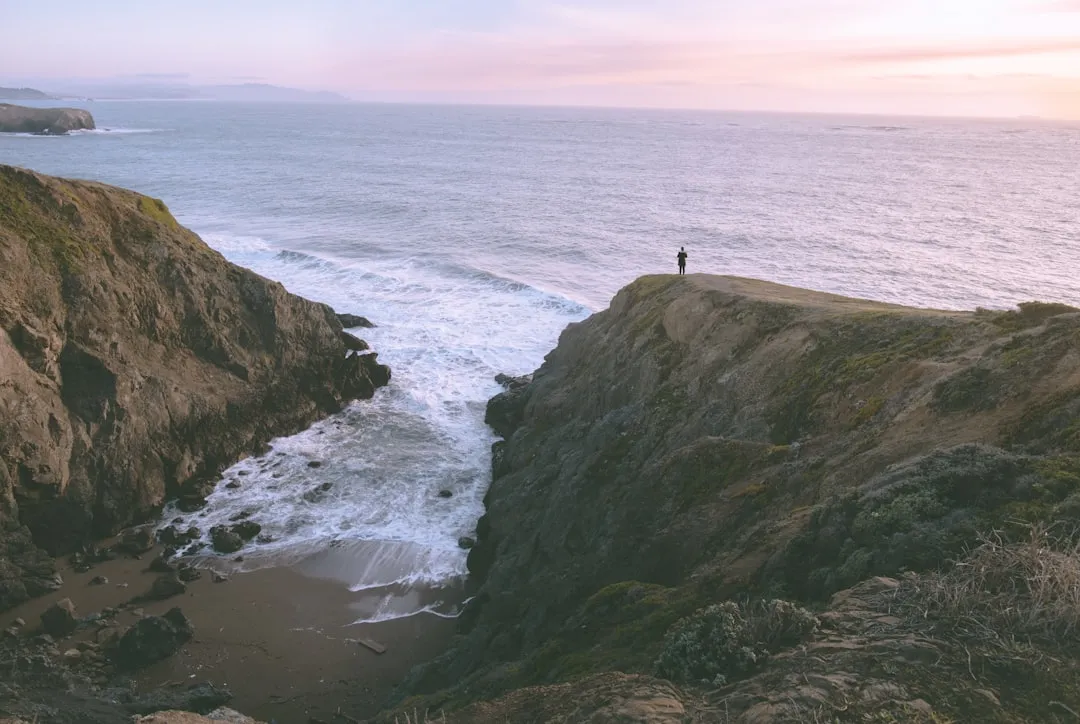
Fort Funston, Crissy Field, Rodeo Beach, and the Presidio all have designated off-leash areas where dogs can run, play fetch, and meet other dogs without restriction. These aren’t small, fenced dog runs either. Fort Funston in particular is a wide coastal bluff experience.
The rule allows dogs walking in 22 locations, 7 of them allowing off-leash use. The zones are carefully mapped, and the distinctions between off-leash, on-leash, and dog-free areas follow deliberate conservation reasoning.
Dogs are permitted off-leash under voice control on the Oakwood Valley Trail north of the small cattle pond, and on Muir Beach from the shoreline to the crest of the dunes. Each location has its own nuances, so checking posted signage before you enter any trail or beach remains genuinely important.
The Voice Control Standard Explained

Some locations allow dogs off-leash if they are under reliable voice and sight control. That phrase, “reliable voice and sight control,” is doing a lot of work here. It means your dog needs to respond to commands promptly and remain within your line of vision at all times.
This isn’t a casual suggestion. It’s a condition of access. If your dog is likely to charge after a bird or disappear over a dune, the off-leash zones at GGNRA are not the place to test that behavior for the first time.
Because the GGNRA is managed by the National Park Service and spans multiple park units across the San Francisco Bay Area, dog rules vary significantly by location. Always check posted signs before entering any park, beach, field, or trail.
Why Most National Parks Don’t Allow This
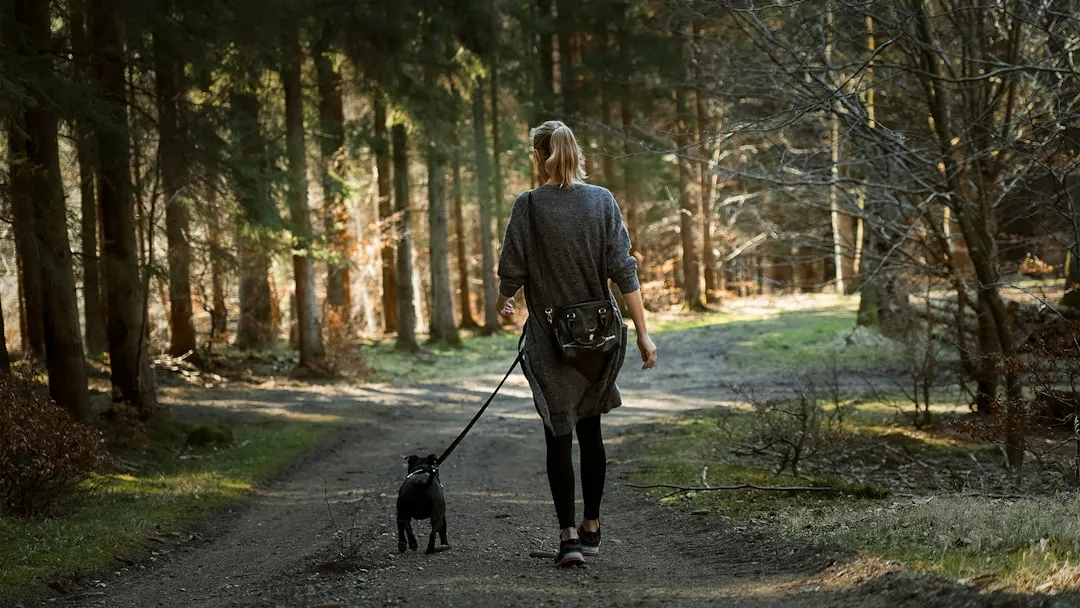
Pets are generally not allowed on unpaved trails, in the backcountry, in the water at many beaches and lakeshores, inside any park building, or on park transit. Wildlife protection and visitor safety drive most of these rules.
A leashed dog on a busy overlook is one thing. A dog on a remote trail full of bears, bison, or ground-nesting birds is a genuine problem, both for the wildlife and for the dog. The ecological stakes are real, and most parks simply can’t accommodate the risk.
For more than a decade, the park service worked to create a special rule that would allow the GGNRA to accommodate on and off-leash dog walking, a use that is prohibited in every other national park site. The fact that GGNRA secured this status at all reflects both the long history of dog walking in the park and years of sustained community advocacy.
Wildlife Considerations Still Shape the Rules
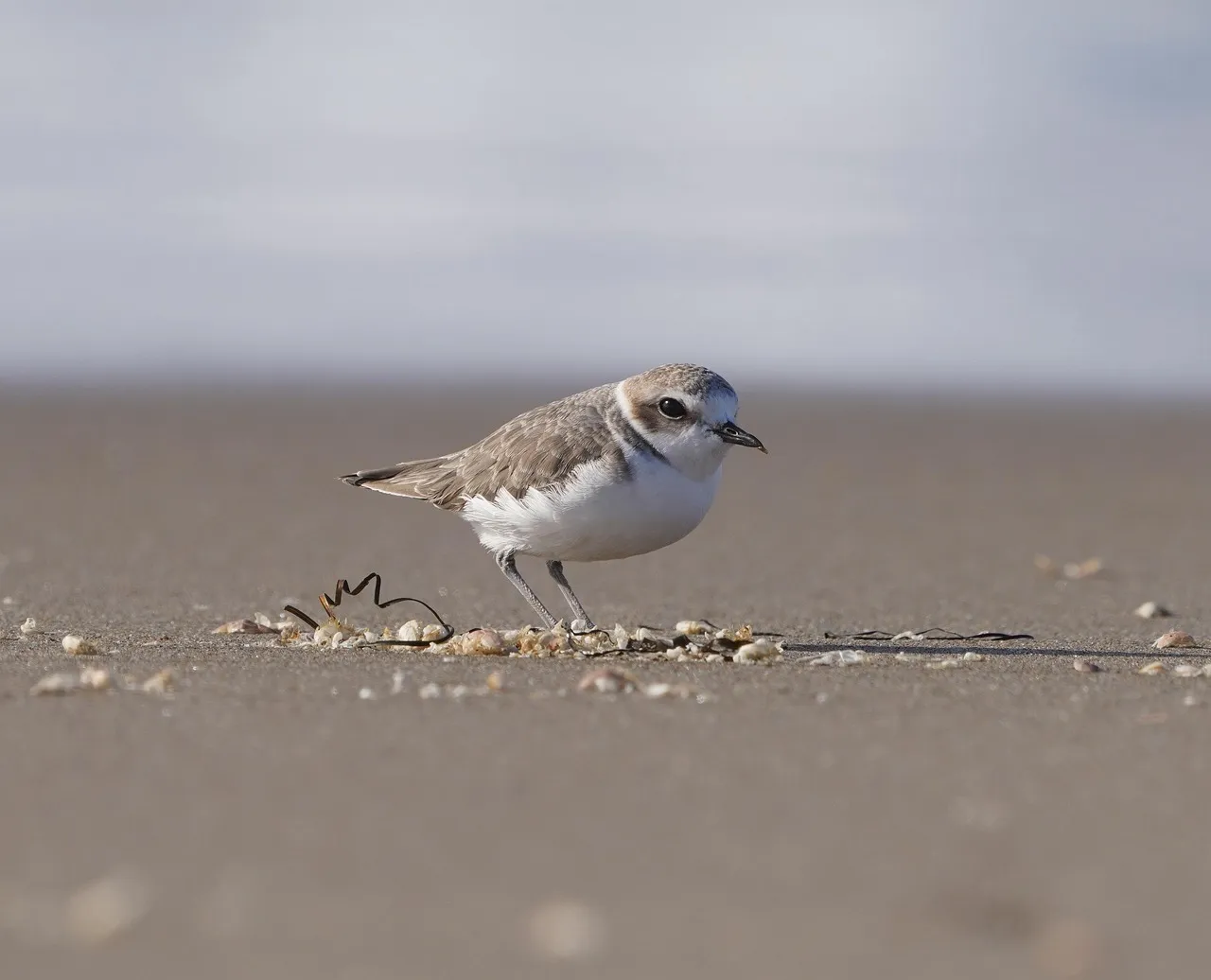
Certain sensitive habitats, like nesting areas for the endangered Western Snowy Plover, remain restricted. These seasonal closures exist for sound ecological reasons, and they shift by time of year. Dogs that wander into nesting zones can cause serious disruption to bird populations that are already under pressure.
Respecting wildlife means keeping dogs away from animals and never allowing chasing or harassment. That applies even in off-leash zones. The freedom given to dogs here comes with a corresponding responsibility for owners to stay genuinely attentive.
Pet waste can introduce harmful bacteria into fresh water sources or pass diseases to wildlife. It’s a detail easy to overlook on an exciting coastal trail, but the cumulative impact across millions of annual visitors is measurable.
Fort Funston: The Crown Jewel for Off-Leash Dogs

Fort Funston is the location most dog owners associate with GGNRA freedom, and for good reason. At Fort Funston, roughly 45 percent, or about 35 acres of usable land, would be available for off-leash use, with all trails except the Funston Horse Trail available for on-leash use.
The terrain really changes depending on where you go, with coastal bluffs offering ocean views, sandy beaches, and forested trails that feel worlds away from the city. For a dog, that combination of open space, salty air, and varied ground texture is about as good as it gets.
Fort Funston sits at the southwest corner of San Francisco and draws a loyal daily crowd of locals who treat it as a genuine community gathering point for dogs and owners alike. It has that lived-in, well-loved quality that distinguishes a real neighborhood park from a tourist stop.
Crissy Field and the Waterfront Experience

Crissy Field offers a completely different atmosphere from Fort Funston. The restored tidal marsh, the open airfield, and the views of the Golden Gate Bridge make it one of the most scenically spectacular dog walks in the country. At Crissy Field, roughly 30 percent of the airfield and 40 percent of beachfront mileage is available for off-leash use.
In the wildlife protection area, dogs are required to be on-leash all year, except between May 15th and July 1st, when they can be on-leash or under voice control. Dogs are not allowed in Crissy Marsh, Inlet, and fenced or signed vegetation areas. Seasonal timing matters here, so planning ahead pays off.
The layout at Crissy Field makes it easy to understand why rules shift from zone to zone. The restored marsh is ecologically fragile in a way the open sandy airfield is not. That kind of spatial nuance reflects thoughtful management rather than arbitrary restriction.
What the NPS B.A.R.K. Program Means for Dog Owners
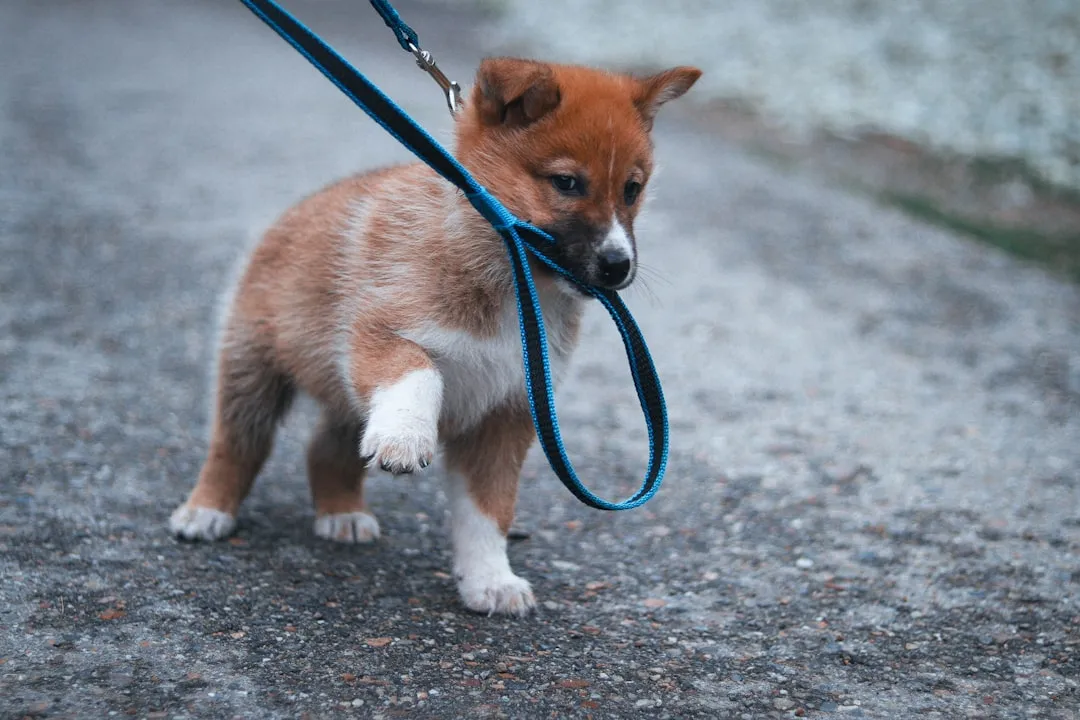
Parks created the B.A.R.K. program because a small number of off-leash dogs and unbagged piles were causing real damage and real rule tightening. Every owner who follows B.A.R.K. is part of the reason parks keep dogs allowed at all.
The acronym stands for Bag your pet’s waste, Always leash your pet where required, Respect wildlife, and Know where you can go. It’s a framework designed to be genuinely memorable rather than just a list of fine-print rules.
Before you hit the trail, make sure your pet is in good health, has trail manners, and is fit enough to endure the hike. A long and busy trail can be overwhelming for a dog, especially if there are lots of new scents to explore. At a park as popular as GGNRA, that preparation is more important than ever.
How GGNRA Compares to Other Dog-Friendly Parks
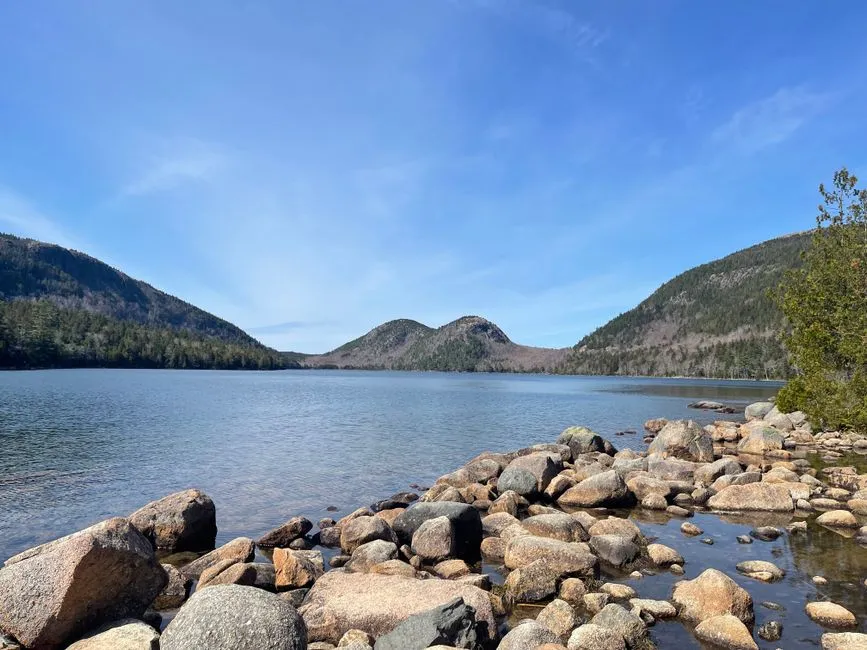
Acadia National Park in Maine stands out as one of the most dog-friendly national parks in the country with over 100 miles of hiking trails where leashed pets are welcome. It’s a remarkable offering, though the key word is “leashed.”
For a park like Shenandoah, almost every trail sits in the allowed column, which is why it earns its own dog-friendly trail guide. For a park like Yosemite, the allowed list barely moves at all. The spectrum is wide, and where parks land on it reflects very different ecological contexts.
In the entire national park system, only the Golden Gate National Recreation Area in California allows canines to romp off-leash at the park’s dog-friendly beaches. That distinction is real and significant. No other NPS unit offers designated off-leash hiking and beach access in quite the same formal, established way.
Practical Tips Before You Visit With Your Dog

Keep your dog leashed where required to protect wildlife, other visitors, and your dog. Pack out all waste, bag it and take it with you or dispose of it in the nearest trash can. Don’t leave bags on the trail. That last point is a real issue at popular parks, and the ask is simple: carry it out.
Bring enough water for your dog and avoid letting them drink from streams or marshes. The coastal environment at GGNRA is saltier and warmer than many dogs are used to, and hydration needs go up quickly during active hikes on exposed bluffs.
Watch for signs of overheating, including excessive panting, drooling, or vomiting, and give your pet a break if they need it. San Francisco’s coastal weather can be deceiving. Even on mild days, a dog burning energy on sandy terrain can overheat faster than expected.
A Measured Reflection on Off-Leash Freedom
The Golden Gate National Recreation Area didn’t arrive at its off-leash policy easily. The National Park Service pulled the plug on a 14-year-long process for restricting dog access in the 80,000-acre GGNRA and said it would stick with regulations that have been in effect since 1979. The history here is genuinely complicated, shaped by advocacy, environmental concern, and competing community priorities.
What remains is a park that works hard to balance genuine ecological stewardship with a long-established tradition of dogs running free on coastal bluffs. That balance depends entirely on individual owners showing up responsibly, which is a reasonable ask in exchange for access that exists nowhere else in the federal park system.
If you’re traveling with a dog and want a national park experience that goes beyond a paved overlook, GGNRA is worth building a trip around. The views alone would justify it. The fact that your dog might be running along a bluff above the Pacific, wind in their ears, no leash required, makes it something close to extraordinary.
AI Disclaimer: This article was created with the assistance of AI tools and reviewed by a human editor.