

Most travelers planning a South American beach trip reach for the obvious choices. Brazil dominates the conversation, Argentina gets the cultural spotlight, and Uruguay – wedged quietly between the two – tends to be treated as a layover rather than a destination. That instinct is worth reconsidering.
Uruguay has been building a genuinely compelling case for itself as a coastal travel destination, backed by real numbers, a diverse shoreline, and a quality of experience that consistently surprises first-time visitors. The country is not trying to be Brazil. It is doing something more interesting.
A Tourism Surge the World Has Barely Noticed
In 2025, Uruguay reached over two billion dollars in tourism revenue, representing an increase of more than sixteen percent compared to 2024. That is not the trajectory of a country struggling for attention. It signals genuine, growing demand from visitors who chose to come back – or to come for the first time.
During 2025, over 3.6 million visitors entered the country, representing an increase of eight percent over the previous period. For context, Uruguay has a total population of roughly 3.5 million people, which means the country essentially welcomed more tourists than citizens in a single year.
It is also Uruguay’s most successful tourism year since the historic peaks of 2017, when 4.2 million visitors were recorded over twelve months, though 2025 is seeing a notably wealthier demographic. Quality is catching up with quantity, which is precisely the kind of trajectory that defines a destination in its prime.
A Coastline with Surprising Range
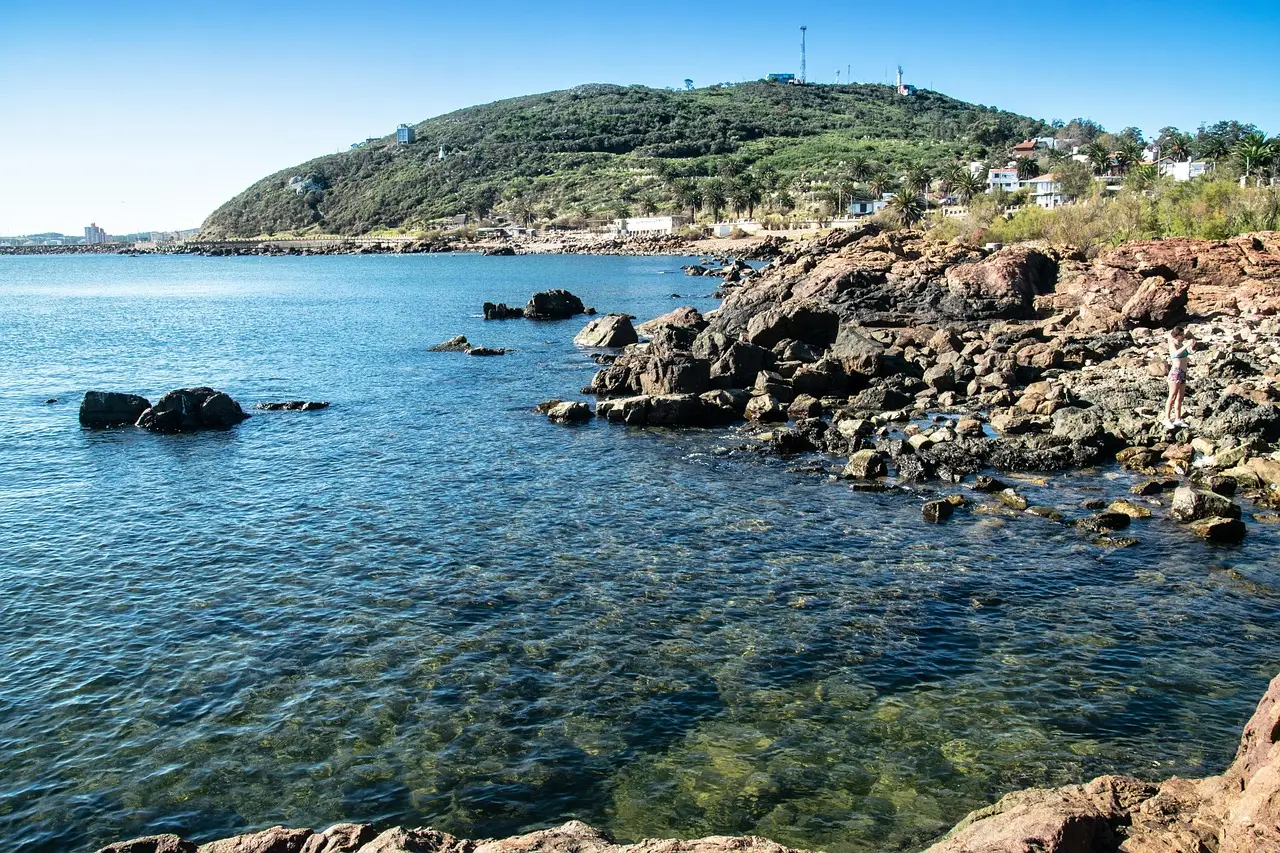
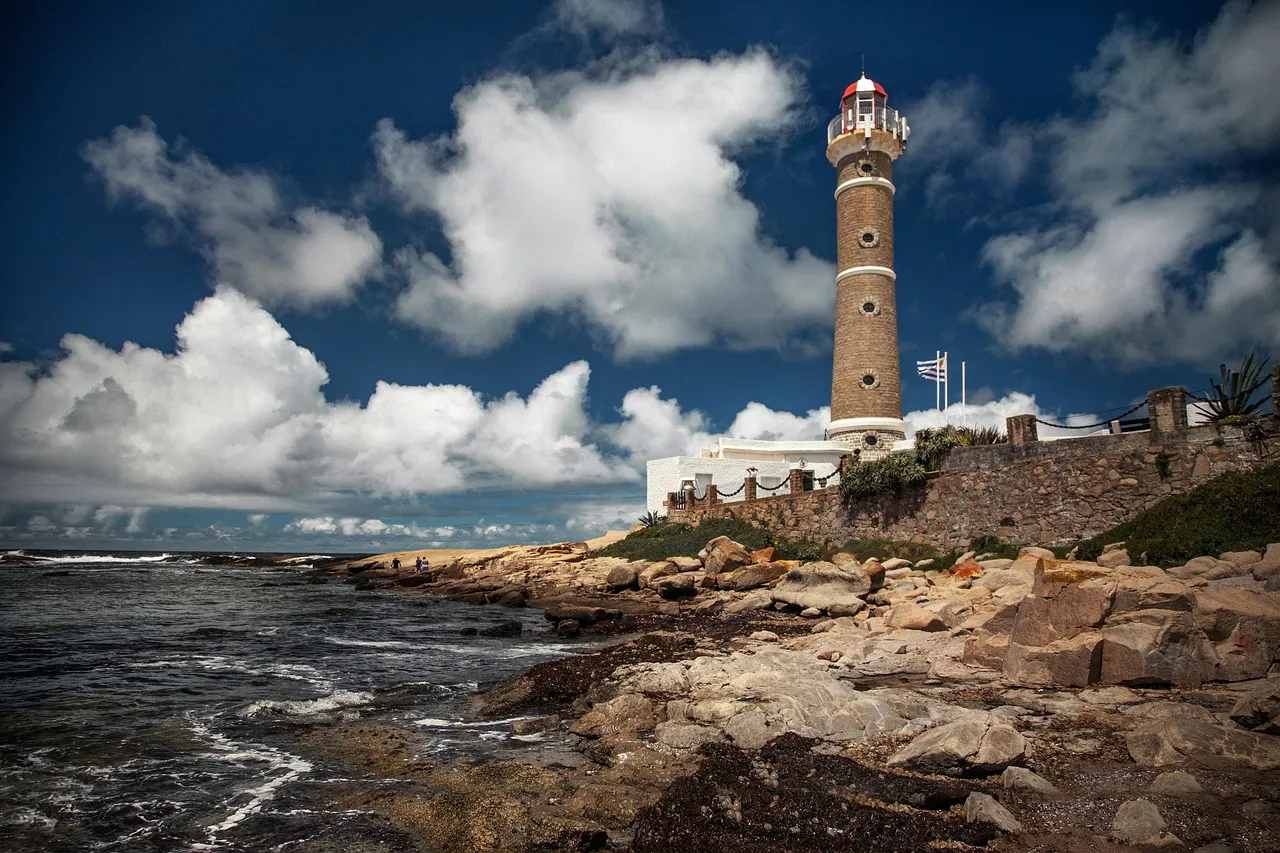
Uruguay’s coastline stretches 714 kilometers in total, with the Río de la Plata accounting for 478 kilometers while the Atlantic Ocean borders 236 kilometers, and arc-shaped sandy beaches and rocky headlands create the coastal landscape. That variety means travelers rarely feel locked into one kind of beach experience.
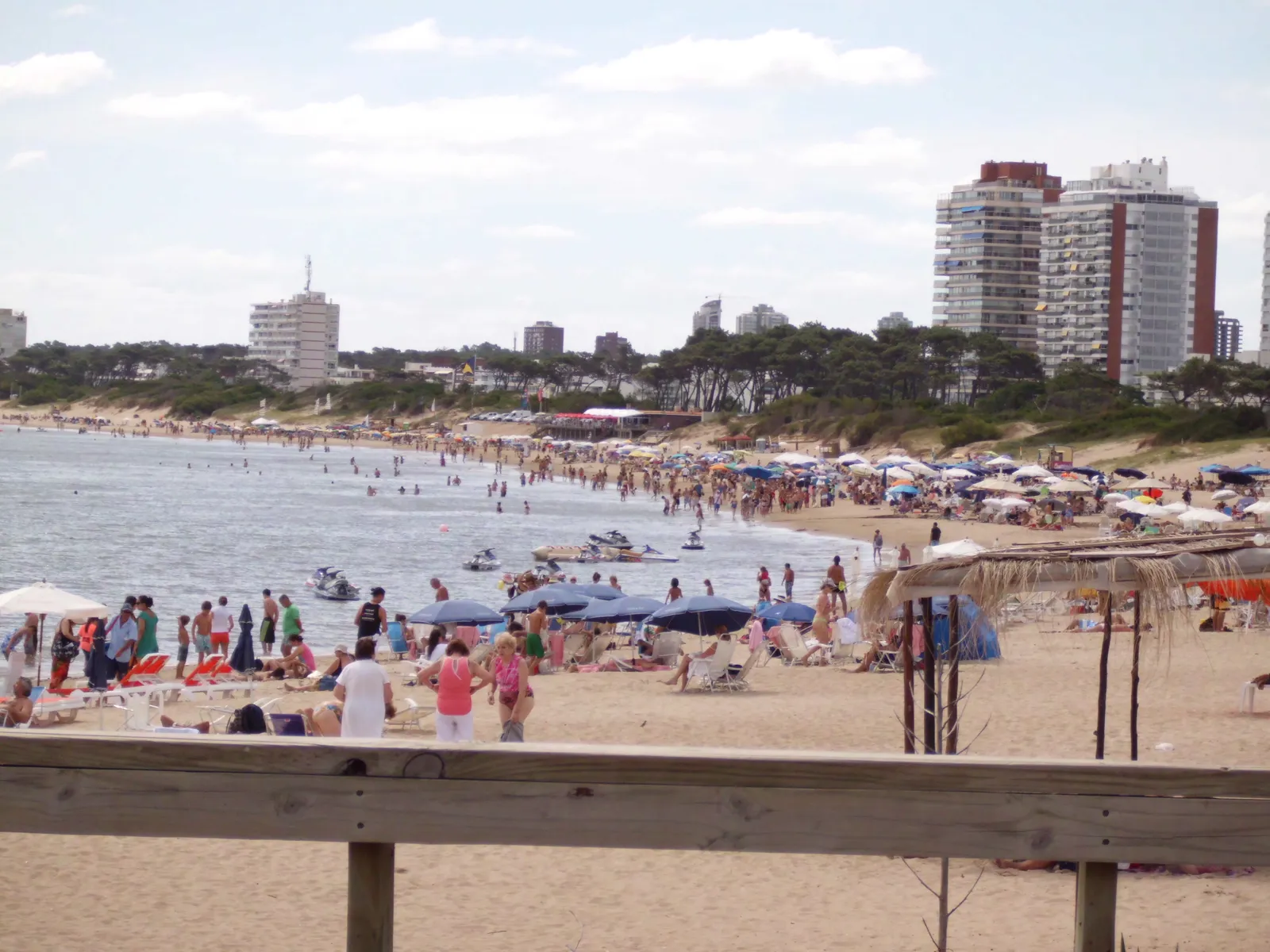
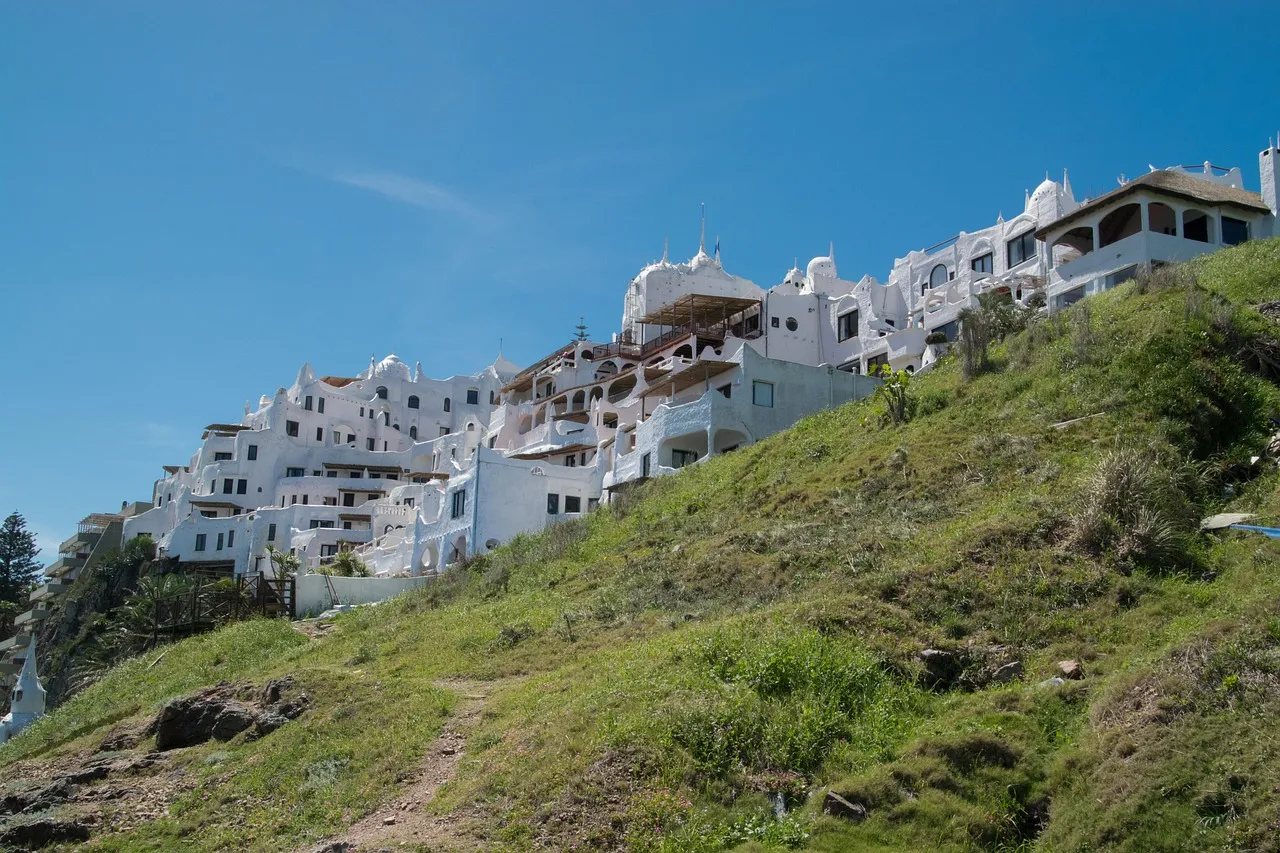
The most well-established beaches with the best infrastructure are in the department of Maldonado, and Punta del Este is probably the most famous beach resort in South America after Rio de Janeiro, full of high-rises and a frenetic summer scene. Yet the coastline holds far more than one famous peninsula.
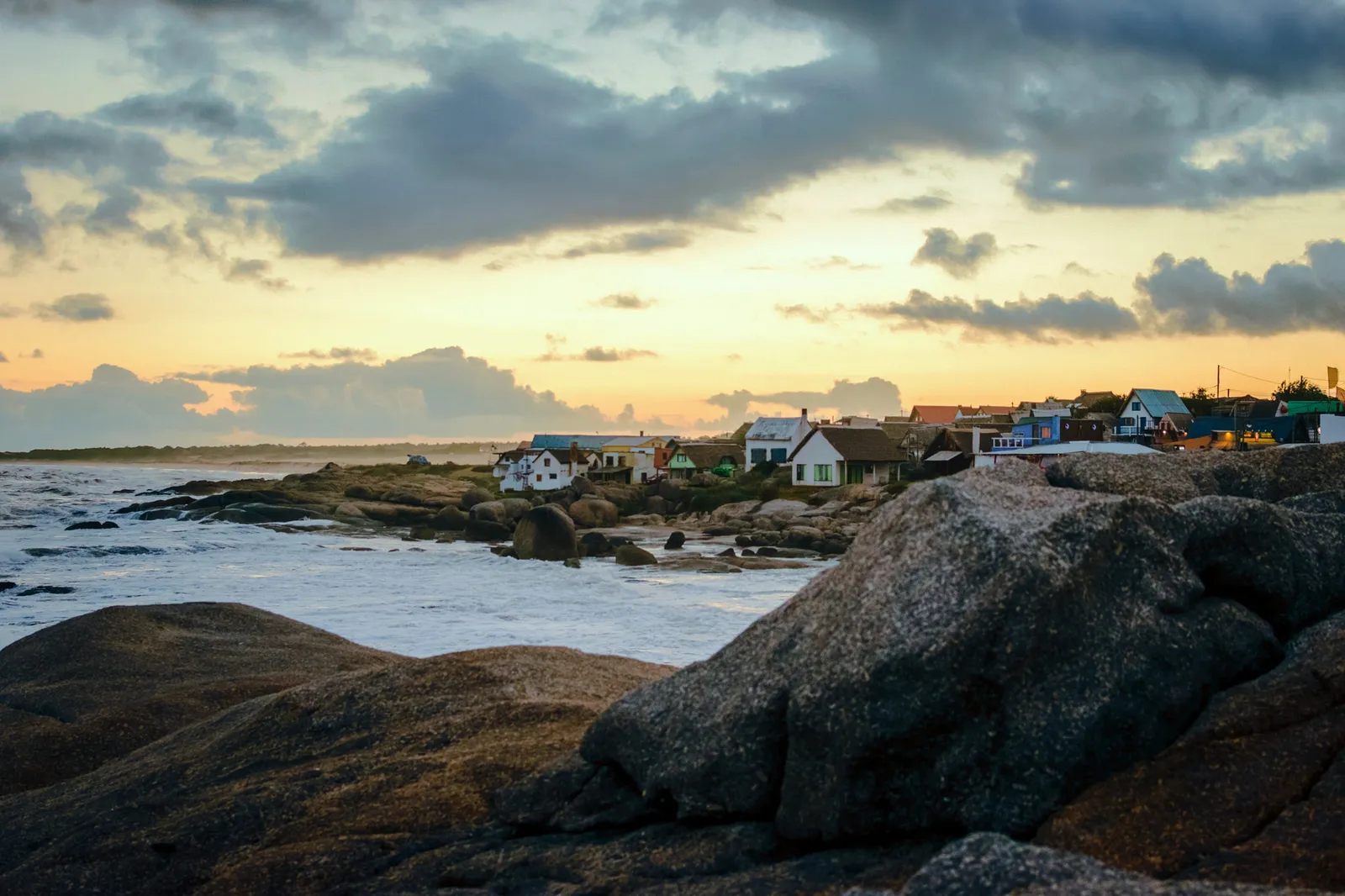
The wildest beaches are in the department of Rocha on the Atlantic coast closest to Brazil. These beaches were isolated and frequented solely by locals until a trickle of intrepid Argentinian backpackers started arriving in the 1990s. In recent years Punta del Diablo and La Paloma have become lively destinations for younger visitors around New Year, but there is almost perfect solitude the rest of the year.
Punta del Este: More Than Its Reputation
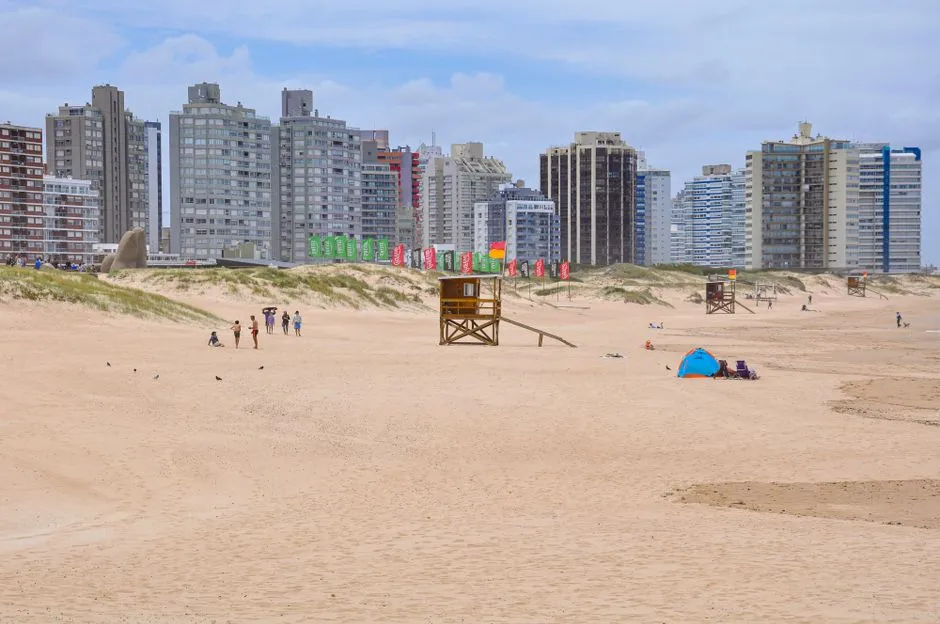
Monitoring for 2025 shows the Maldonado department, home to the famed resort of Punta del Este, edging ahead of the capital as Uruguay’s single most visited destination, with just over 877,000 visitors. That milestone matters, because it confirms that beach tourism, not just urban tourism, is now driving the country’s appeal.
Punta del Este generated roughly 919 million dollars in visitor expenditure in 2025, with per-capita spending exceeding 1,200 dollars according to sector reports. Those are numbers that reflect a resort performing at a genuinely high tier by any regional standard.
Punta del Este is widely recognized for its very low safety risk, providing visitors with a reliably secure and comfortable environment. That combination of luxury, beach access, and personal safety is rarer in South America than most travelers realize before they arrive.
José Ignacio: A Quietly Legendary Escape
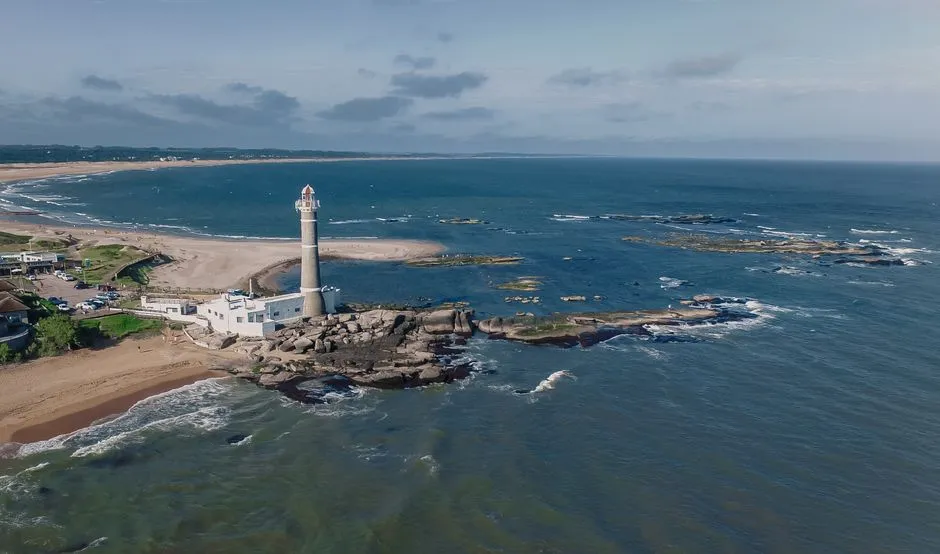
Travelers can discover hidden gems like José Ignacio, a charming bohemian town with just 300 residents, or escape to Cabo Polonio’s off-grid paradise. José Ignacio in particular has developed a reputation that travels well beyond its tiny year-round population.
The rise of wellness real estate in areas like José Ignacio and Rocha reflects a synergy between safety and luxury, with investors increasingly seeking out properties that serve as physical sanctuaries where high-speed fiber-optic connectivity meets pristine natural surroundings. The village has essentially become the preferred retreat for a certain globally mobile, design-conscious traveler.
These quieter beaches between popular spots give visitors real experiences that are different from Uruguay’s busy coastal areas. They stay unspoiled because locals chose to limit development, letting people see the coastline as it has been for generations. That restraint is increasingly rare anywhere in the world.
Safety: A Genuine Regional Advantage
Uruguay ranks second in Latin America on the Global Peace Index in 2024. For beach travelers weighing destination options across a region where safety concerns can meaningfully shape itineraries, that ranking carries real weight.
Tourist cities like Punta del Este, Colonia, and the eastern beach towns are considered very safe and visitors can walk at any time without concerns. That kind of relaxed, unguarded atmosphere is something many travelers only fully appreciate after they’ve experienced it firsthand.
Uruguay also has a notably low occurrence of the tourist-targeted scams that affect many other popular destinations globally. It’s a small thing until you’ve spent time somewhere where it’s a constant concern, and then it feels like a genuine luxury.
The Value Equation Has Shifted
The Uruguayan government has extended VAT exemptions for foreigners on gastronomy, car rentals, and hotel accommodations, a policy designed to strengthen the country’s appeal as a regional destination. For travelers budgeting a South American coastal trip, that exemption meaningfully changes the math.
Tourism officials have recognized that revenue per visitor matters more than filling every available room. Wealthier travelers typically stay longer, eat at higher-end restaurants, purchase local products, and book premium experiences like wine tours or beach resorts.
This shift has helped Uruguay’s tourism sector generate serious money without overwhelming infrastructure or creating the overcrowding problems that affect other South American destinations. That is a deliberate policy choice, and travelers are its direct beneficiaries.
Tourism’s Weight in the National Economy
Tourism makes up as much as eight percent of Uruguay’s GDP and provides over 100,000 jobs. For a country of this size, those are significant figures that reflect how seriously the sector is treated at a national level.
The travel and tourism sector contributes around ten percent to the country’s total GDP and is projected to grow at an average annual rate of over six percent between 2025 and 2029. That kind of projected growth points to continued investment in the visitor experience across the coast.
Tourism Minister Pablo Menoni noted that the sector is now performing at a level comparable to the nation’s powerhouse meat industry. That comparison, drawn by a minister speaking to national significance, says a great deal about how meaningfully the coast drives Uruguay’s broader economy.
The Rise of Responsible, Low-Impact Coastal Travel
The Investment Law in Uruguay offers permanent and predictable tax incentives for sustainable tourism projects, which has gradually shaped the character of coastal development toward more thoughtful, lower-impact hospitality than is typical elsewhere in the region.
These hidden coastal spots stay protected because of limited development and natural barriers, and José Ignacio with just 300 year-round residents shows how to balance preservation with careful growth. That balance is something many popular beach destinations once had and can no longer easily recover.
The Rocha department, stretching toward the Brazilian border, remains one of the most ecologically intact stretches of Atlantic coastline in the Southern Cone. Its lagoons, dunes, and wetlands attract nature-oriented travelers who are simply looking for a beach that has not been fully paved over.
Getting There: Still an Underdog Logistically
Uruguay doesn’t yet have a well-formed tourist circuit like some other countries, and connectivity between towns and cities can be challenging, as can connections from certain international origins due to limited direct flights. Most long-haul visitors still route through Buenos Aires or São Paulo before continuing on to Montevideo.
For 2026, Uruguay’s Ministry of Tourism reports 139 cruise ship arrivals projected across Montevideo and Punta del Este, with 100 docking in Montevideo and 39 in Punta del Este, plus additional technical stopovers at the capital’s port. Cruise access is quietly expanding the visitor pathway for those arriving from the sea rather than the sky.
Reports on the 2024 to 2025 cruise season describe a measurable increase in passenger spending, with average per-passenger outlays up by more than ten percent compared to the previous season. Even day-trippers are spending meaningfully, which bodes well for shore-based coastal communities.
A Wealthier, More Discerning Visitor Is Arriving
Spending data for 2025 published by Uruguay’s Ministry of Tourism shows a clear gradient by origin distance, with Paraguayan visitors recording the highest average spend at 1,163 dollars per visit, European visitors averaging 836 dollars, and North Americans averaging 799 dollars. Those figures reflect a destination attracting travelers who are making a deliberate, planned choice rather than drifting in by convenience.
This pattern is consistent with what tourism economists describe as the distance-value relationship: visitors who travel further make a more deliberate choice. The implication for Uruguay is encouraging. As international awareness of its coastline grows, so does the caliber of visitors it tends to attract.
Total tourist spending in Uruguay increased by 16.6 percent year-on-year in 2025, while average spending per person rose by 8.1 percent, reflecting an improvement in individual traveler outlays. Those two numbers moving upward together signal something healthy: more visitors, spending more, across a wider range of experiences.
The Takeaway
AI Disclaimer: This article was created with the assistance of AI tools and reviewed by a human editor.