

There’s a quiet confidence that comes with clicking “confirm” on a connecting itinerary. The booking site said it was valid, the price was right, and 40 minutes seemed like plenty of time. It rarely is. What looks like a tight but manageable window on a screen can collapse into a frantic sprint the moment your first flight touches down even a few minutes late.
The gap between a flight connection that works on paper and one that works in real life is often measured in seconds, not minutes. Understanding why short layovers carry genuine risk, especially those under 45 minutes, requires looking at how airports actually function rather than how booking systems present them.
The Difference Between Legal and Safe
There is an important distinction every traveler should understand: minimum connection time, or MCT, is the shortest window an airline or booking system considers valid for a connection. Minimum connection time is the shortest connection an airline or booking system considers valid, which means the itinerary can be sold, not that the layover gives you a comfortable buffer. These are not the same thing.
The practical mistake many travelers make is treating all layovers as interchangeable because the booking site presents them as valid options. Airlines and search engines can sell legal minimum connections that are technically possible, but technically possible is not the same thing as resilient.
Short layovers look efficient but carry hidden risk. Airlines sell legal connections, not safe ones. Real-world travel involves delays, crowds, and unpredictability. The distinction matters enormously when you’re the one standing in a terminal watching the departure board flip from “boarding” to “closed.”
Nearly One in Four U.S. Flights Runs Late
Nearly one in four flights across the U.S. runs late or is canceled, according to data from July 2024 to June 2025. In some states, disruption rates are as high as roughly one in every four total flights. That’s not a rare weather event or a quirk of the calendar. That’s baseline aviation reality.
July is the riskiest month to book a tight connection, with only about two thirds of U.S. flights arriving on time in July 2024 according to Bureau of Transportation Statistics data. October is the safest, at around 86 percent. If you’re booking a summer trip with a sub-45-minute layover, the math simply isn’t on your side.
For travelers, this can lead to missed connections, unplanned overnight stays, and hundreds of dollars in unexpected out-of-pocket costs. A short layover makes all of those outcomes dramatically more likely.
A Small Delay Can Cascade Quickly

In real life, flights are rarely perfectly on time. A 10-minute delay can destroy a 40-minute connection. Boarding often closes 10 to 15 minutes before departure, which many travelers forget. So in a 45-minute window, the usable movement time is closer to 30 minutes before you even factor in walking distance.
U.S. DOT data shows international flight delays caused 127,000 missed domestic connections in Q1 2025 alone, underscoring how one late inbound flight cascades downstream. That’s not an abstract statistic. That’s roughly 127,000 people who had to rebook, wait, and rearrange plans in a single quarter.
Common causes of delay include gates not being ready, taxiway congestion, runway queues, and aircraft holding patterns. Crew availability, equipment issues, and weather restrictions also play major roles. Most of these causes are entirely invisible to the traveler until the pilot makes that uncomfortable announcement over the intercom.
Airport Layout Is Not Just a Detail
A 45-minute layover in Atlanta for a domestic connection is meaningfully different from a 45-minute layover at JFK requiring a terminal change. The airport layout and connection type matter as much as the time itself.
JFK has no airside terminal connections, meaning every transfer requires the AirTrain and fresh TSA screening. At a large hub with separated terminals, that process alone can easily consume the entire window. Walking distances at large airports can exceed 20 minutes. Terminal changes, trains, or buses add more uncertainty. Crowded jet bridges slow deplaning further.
At a smaller airport, you may only need to walk a few gates. At a large hub, you may need to change concourses, ride a train, take a shuttle, go through security again, or walk a long distance. The same layover time carries a completely different risk profile depending on where you’re transiting.
The EU Academic Finding That Tells the Real Story

An EU academic study found that a 30-minute incoming delay causes over 40 percent of passengers to miss their connection. The MCT is the minimum; 30 to 60 minutes of buffer on top is the safety margin. That statistic deserves attention. Even a relatively routine half-hour delay caused nearly half of those passengers to miss their onward flight.
When your layover is only 45 minutes and a delay of 30 minutes is enough to strand roughly two in five passengers, the margins become uncomfortably narrow. Boarding also closes before departure time, so a listed one-hour layover is not one full hour of usable movement. If the first flight parks at a remote stand, arrives at a satellite terminal, or waits for a gate, the usable buffer shrinks further.
International Connections Carry Even Greater Risk
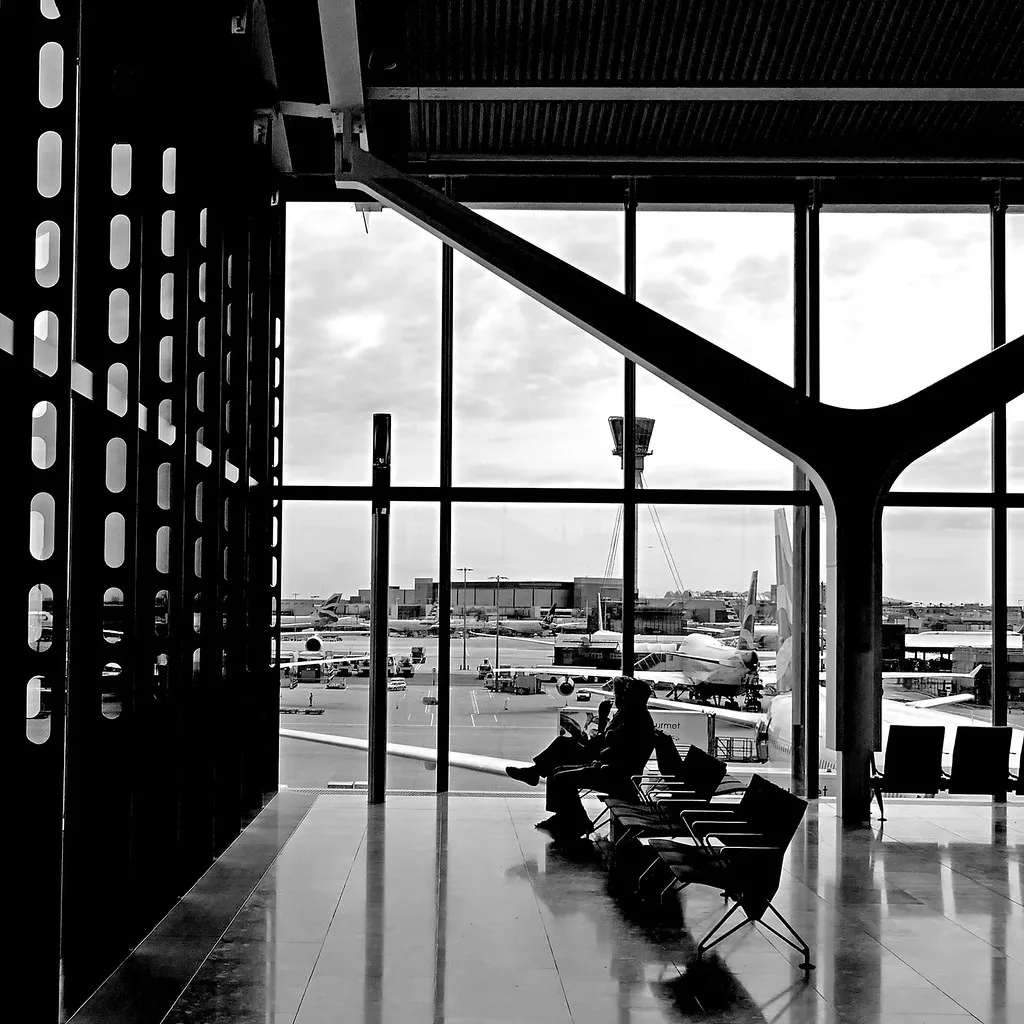
Short domestic layovers are usually simpler than short international ones, but not always. A domestic connection may let you stay inside the secure area and walk directly to the next gate. An international connection may require immigration, customs, document checks, security re-screening, terminal changes, or baggage recheck.
For anything involving an international arrival, budget at least two hours, and two and a half hours if checking a bag, since international-to-domestic connections require bag claim before re-checking. A 45-minute international layover doesn’t just risk a missed flight. It’s almost certain to fail at most major hubs.
Frankfurt Airport’s Schengen-to-Schengen minimum connection time runs as low as 45 minutes, while its international-to-international minimum reaches 90 minutes. That gap between transfer types at the same airport illustrates just how much the type of connection changes the equation.
Airlines Have Been Raising Their Own Minimums
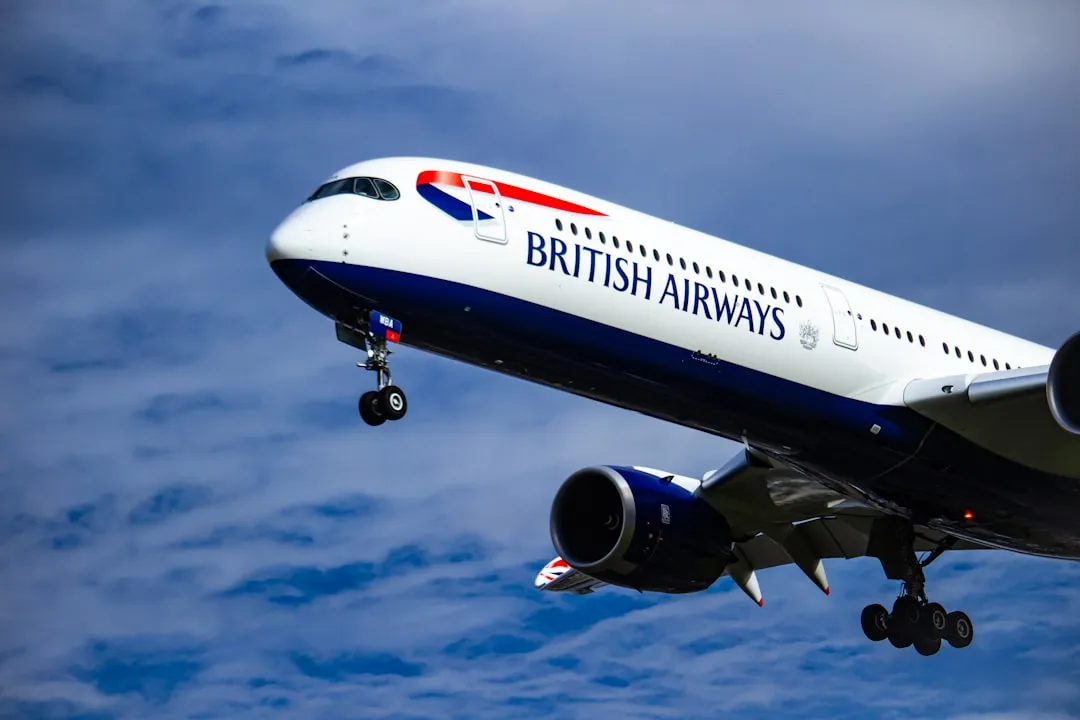
British Airways increased its minimum connection time at London’s Heathrow Airport Terminal 5 from one hour to 75 minutes in an effort to reduce the risk and cost of missed flight transfers. That’s a carrier voluntarily acknowledging that its previous standard wasn’t working.
British Airways raised its MCT at Heathrow Terminal 5 from 60 to 75 minutes in 2024, citing high passenger volumes as the primary driver of missed connections. When the airline itself is extending its own minimums, that signals that the previous standards were leading to too many failed transfers.
Airline complaints hit record highs in 2023, then rose again by around nine percent in 2024. Connections are tighter, schedules riskier, and the fine print less forgiving than ever. Rising complaint volumes reflect a system under pressure, and short layovers are a direct contributor.
Checked Bags Add a Layer of Complexity

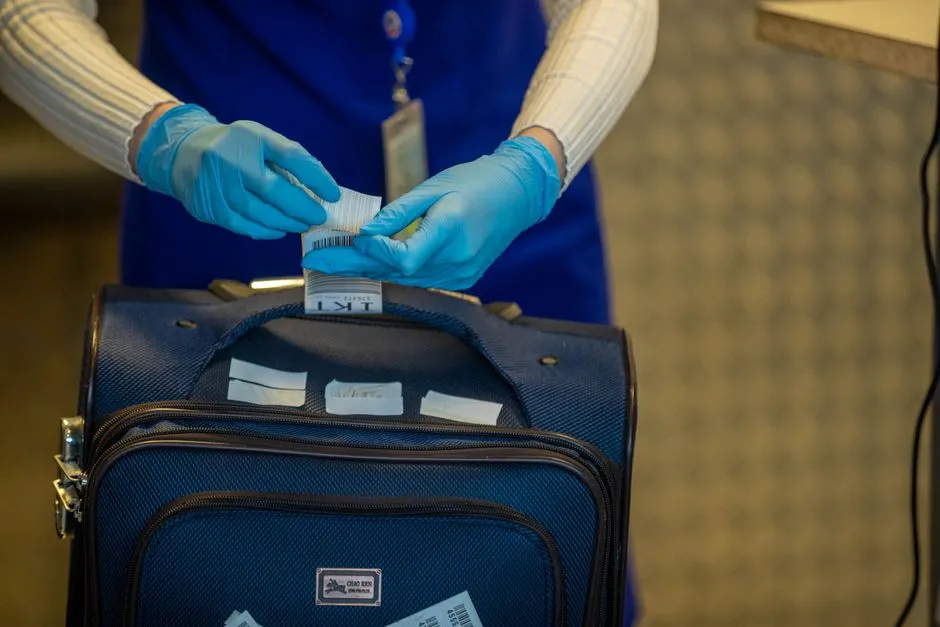
45 minutes is nowhere near enough time for the baggage crew to move a bag between planes in many scenarios. Even if you make the gate, your luggage may not. This is an often-overlooked consequence of a tight layover that doesn’t resolve itself until hours later at the baggage carousel of your final destination.
If your flights were booked separately, baggage can be more complicated. You may have needed to collect and recheck the bag between flights. If you missed the second flight before rechecking the bag, the second airline may not have control of it.
A 45-minute connection can be workable for straightforward, single-ticket domestic connections within the same terminal at a punctual airport. It’s risky in large hubs, for international transfers, when changing terminals, or when flights are on separate tickets. Checked bags tip the balance further toward risk in almost every scenario.
Separate Tickets Mean You’re on Your Own

What you can do about a missed connection depends almost entirely on a single question: was the connection booked on one ticket, or two? The answer determines whether the airline owes you a rebooking or whether you’re on your own.
If you miss a connecting flight on separate tickets, the second airline usually does not owe you free rebooking. You may need to buy a new ticket at same-day prices, pay a change fee, or wait for the next available flight, often at your own expense. Same-day flight prices rarely work in your favor.
If your flights are on separate tickets, protections may be harder to rely on. The first airline may only be responsible for the delayed flight it operated. The second airline may say your missed departure was tied to a separate booking that it did not control. The traveler ends up caught in the gap between two contracts that don’t speak to each other.
Even When Protected, Recovery Isn’t Always Quick

When you miss a connection, you’re competing with hundreds of other disrupted passengers for limited seats. Airlines rebook you, but not always quickly. If it’s the last flight of the day, you may be stuck overnight. Hotels may not be provided, depending on the cause of the delay.
When multiple passengers have missed the same connection and a limited number of seats are available on the next flight, airlines apply a rebooking priority hierarchy. Elite members on full-fare tickets book first. Non-status passengers on discount fares book last. The specific mechanics vary by carrier, but the principle is consistent.
Experts recommend giving yourself at least 60 to 90 minutes for U.S. domestic connections and closer to two hours for international transitions. Those numbers aren’t cautious overreach. They’re simply what a comfortable, low-risk connection actually requires in 2026.
What the Data Recommends Instead
A reasonable buffer adds 30 to 60 minutes on top of the MCT for domestic connections and 45 to 90 minutes on top for international ones. At high-risk airports like Dallas-Fort Worth, Chicago O’Hare, or Paris Charles de Gaulle, adding even more is advisable.
TSA PreCheck averages under five minutes versus 15 to 30 minutes in standard lanes, which is a real difference when time is tight. Trusted Traveler enrollment is one of the more practical tools available to frequent connectors who genuinely need to move fast through security.
American Airlines Connect Assist, launched in May 2025, and United Connection Saver have together helped hundreds of thousands of passengers in 2025 alone. These tools provide a meaningful safety net, though they don’t help with separate-ticket bookings, airport-structural delays, or delays exceeding the system’s hold threshold. They are a safety net, not a substitute for adequate buffer time.
The Real Cost of Getting It Wrong
A missed connection rarely ends with just a few extra hours in an airport. A missed connection on the way home from a flexible vacation is annoying; a missed connection before a cruise departure, wedding, paid tour, medical appointment, conference keynote, or nonrefundable hotel night can be expensive and difficult to repair.
It is what happens after the connection breaks that defines the cost: missed hotel nights, lost prepaid tours, delayed bags, rebooking stress, limited flight options, and extra costs if the flights are not protected on one ticket. The financial exposure rarely stays small.
A 45-minute domestic connection at a familiar hub may be reasonable for a solo traveler with carry-on luggage and several later flights available. The same 45 minutes can be a poor decision for a family with checked bags, a terminal change, a last flight of the day, and an expensive arrival deadline. Context changes everything, and booking systems don’t capture context.
Final Thoughts
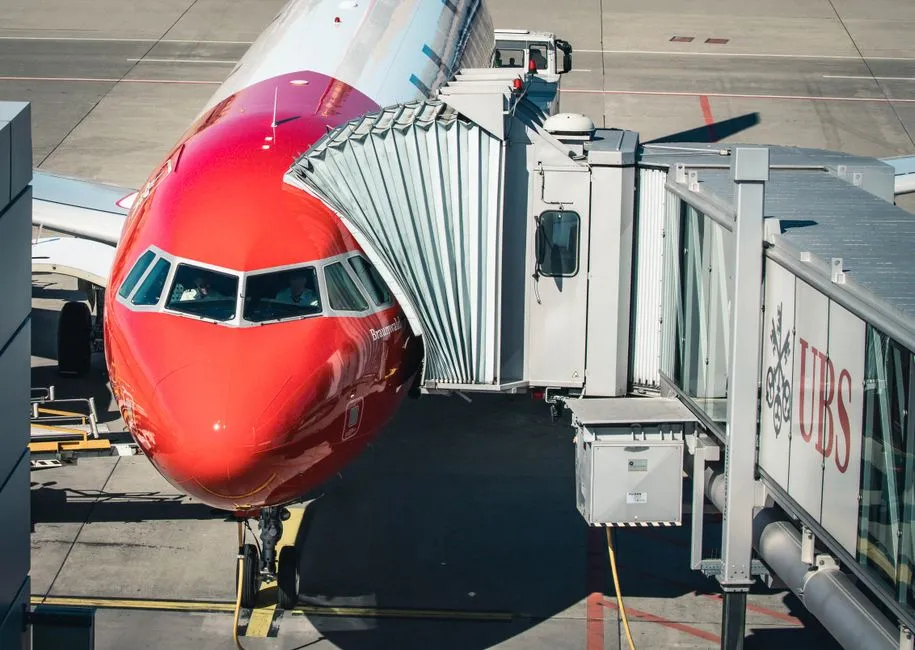
The headline truth here is straightforward: airlines are permitted to sell connections that are technically possible but not genuinely safe. The minimum connection time tells you what the system will allow, not what your trip actually needs.
With nearly a quarter of U.S. flights running late as of mid-2025, a 45-minute window that depends on perfect execution from every part of the system is a gamble, not a plan. The consequences of losing that gamble can ripple through days of travel, not just a single afternoon.
Book with a realistic buffer. Check whether your itinerary is on a single ticket. Know your airport’s layout before you fly. The smartest travelers plan for reality, not best-case scenarios. Adding buffer time is one of the simplest ways to protect your trip. Time saved on paper often costs more in real life.
AI Disclaimer: This article was created with the assistance of AI tools and reviewed by a human editor.