

There’s a particular kind of afternoon in the Willamette Valley that wine lovers rarely forget. Rolling fog burns off the hills by mid-morning, exposing row after row of Pinot Noir on volcanic slopes, with almost no one else around. You pull up to a tasting room, chat with the winemaker, and leave with bottles you genuinely didn’t expect to find. It’s unhurried, personal, and quietly extraordinary.
While Napa Valley’s reputation remains enormous, a growing body of data and decades of critical acclaim suggest that Oregon’s premier wine region deserves a seat at the same table. Not as a consolation prize, but on its own considerable merits.
A Region That Has Earned Its Place on the World Stage
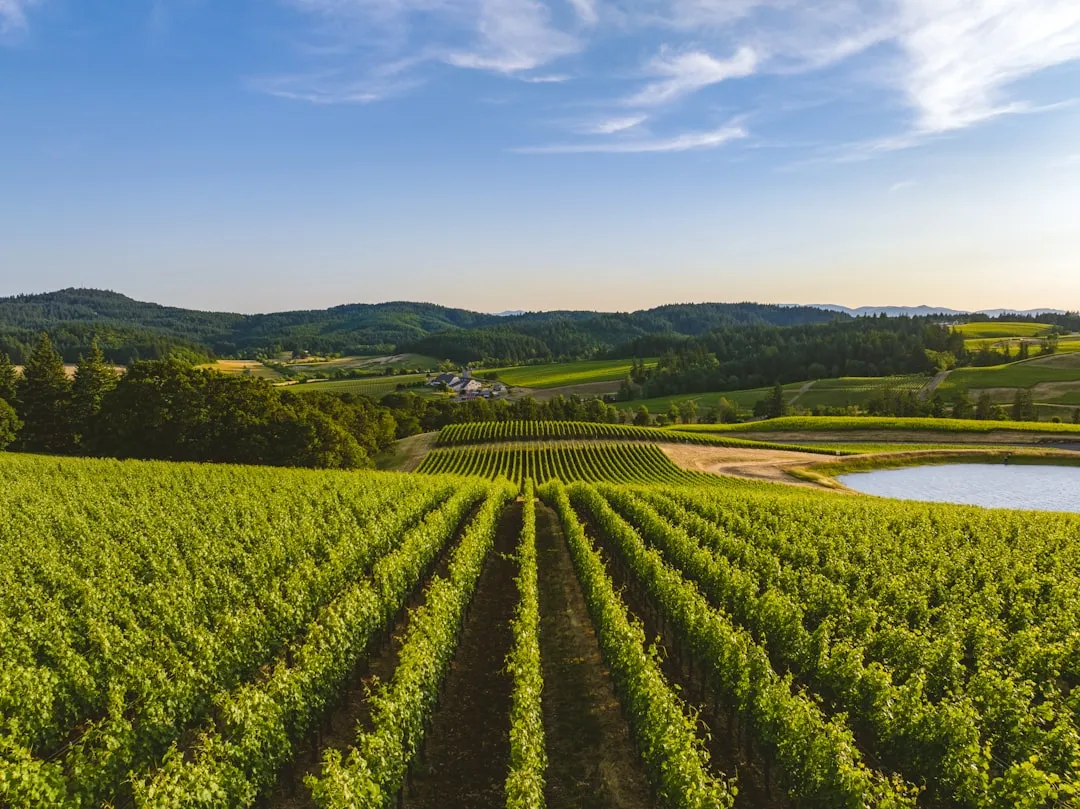
The Willamette Valley has grown into a wine region known for its high-quality varietals, with 700 wineries that make it third in the United States after California and Washington in terms of numbers, yet with quality levels competitive with the best in the world. That’s a remarkable trajectory for a region where serious viticulture only took hold in the 1960s.
In 2016, the region was awarded the title of “Wine Region of the Year” by Wine Enthusiast Magazine, and in 2021 it was granted Protected Geographical Indication Status in the European Union, a recognition given to only two regions in the United States: Napa Valley and the Willamette Valley. That last detail is worth sitting with for a moment.
This is all the more remarkable because, although some wine has been produced in Oregon since the 19th century, modern viticulture only made its mark since the 1960s, and it was the investment in Dundee Hills by French Burgundian vigneron Joseph Drouhin that prompted others to invest in the state.
The Terroir That Started It All: Dundee Hills
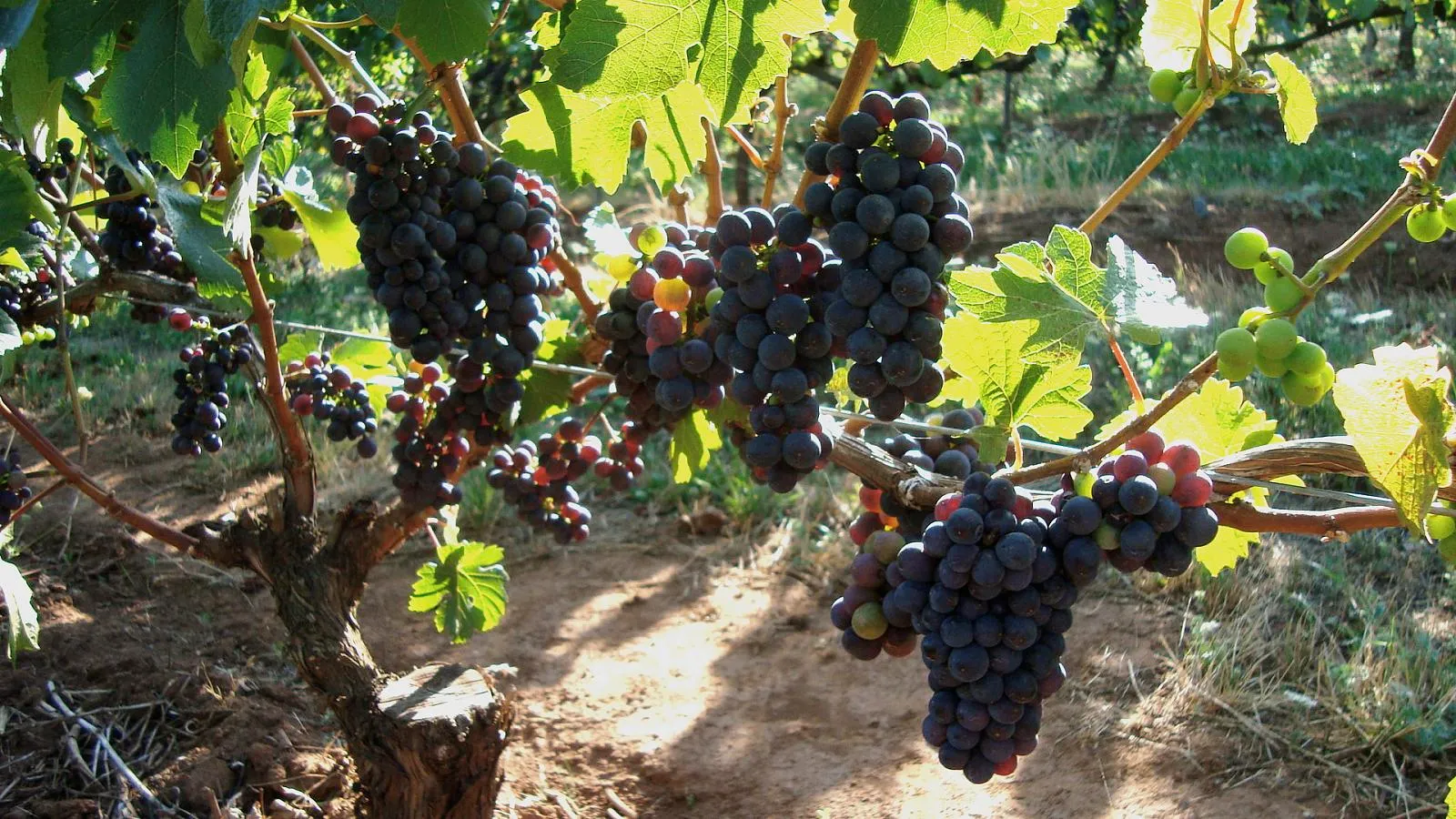
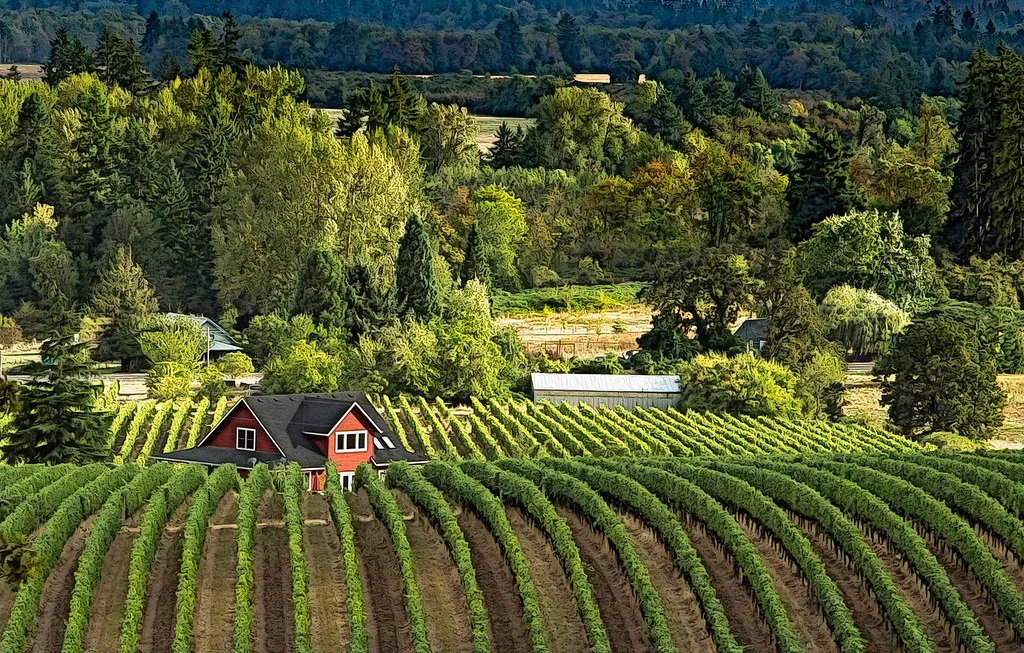
The Willamette Valley’s first wine grapes were planted in the Dundee Hills AVA, which remains the most densely planted region in Oregon. Sandwiched between the Willamette River to the south and the Chehalem Valley to the north, the Dundee Hills’ sediment-rich soils are especially known for their Pinot Noir output.
The hard work of those pioneers paid off when, in 1979, a Dundee Hills Pinot Noir beat out some excellent wines from Burgundy to win second place at the Gault-Millau French Wine Olympiads. That moment put Oregon on the global wine map, and the region has never looked back.
While Dundee Hills is not the most dramatic or extreme terroir in the Willamette Valley, its consistency is its competitive advantage. The AVA reliably produces balanced, age-worthy Pinot Noir with clarity of fruit and polished texture. For collectors and sommeliers, Dundee Hills represents the classic, benchmark expression of Oregon Pinot Noir.
A Patchwork of Distinct Sub-Regions
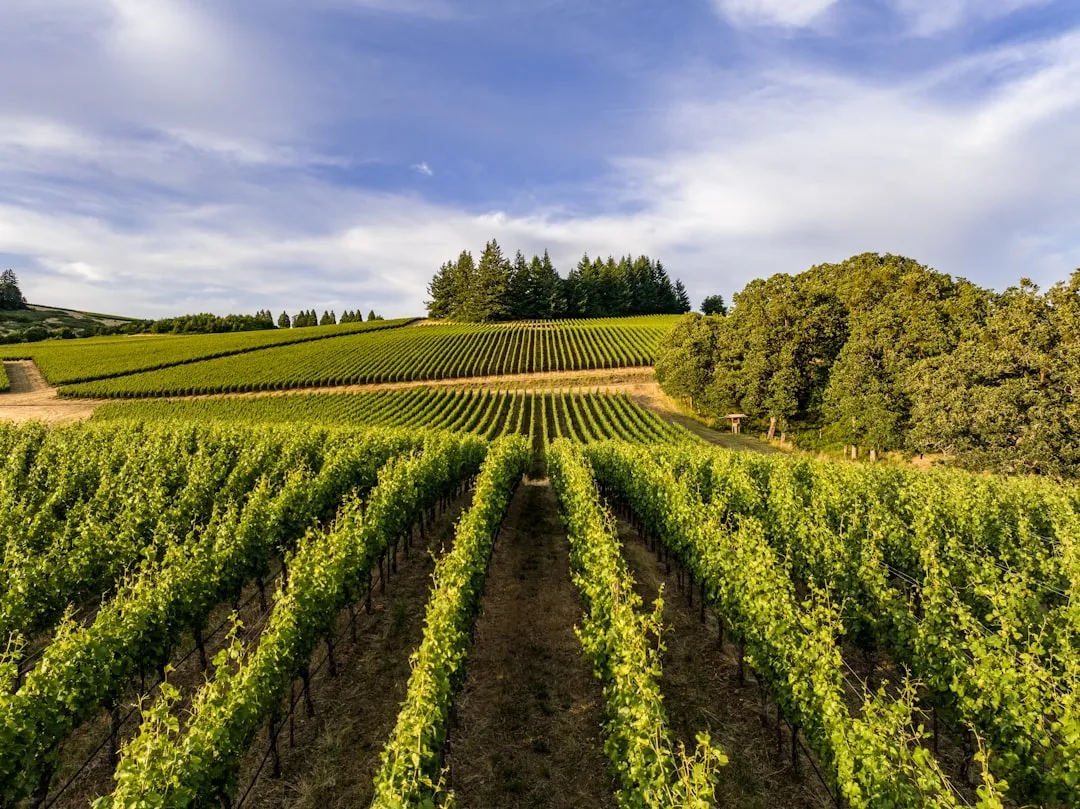
In 2002, a collaborative action of vineyards and wineries delineated and submitted petitions to divide much of the northern part of the large Willamette Valley AVA into six more specific AVAs: Chehalem Mountains, Dundee Hills, Eola-Amity Hills, McMinnville, Ribbon Ridge, and Yamhill-Carlton. More have been added since, reflecting just how complex this landscape really is.
Volcanic hills in the Dundee Hills yield lifted, red-fruited wines with fine tannins. Marine sediment zones such as Yamhill-Carlton and Ribbon Ridge produce darker, more structured expressions. Wind-influenced areas like Eola-Amity Hills and the Van Duzer Corridor bring tension, acid drive, and a savory edge.
If one were to describe the AVAs succinctly: the Dundee Hills would be red cherry-fruited, Yamhill-Carlton black cherry-fruited, Eola-Amity Hills minerally, Chehalem Mountains firm and stony, and McMinnville chiseled. Each sub-region produces a genuinely different wine from the same grape variety, which gives curious visitors an almost endless reason to keep exploring.
Pinot Noir: Oregon’s Undisputed Signature
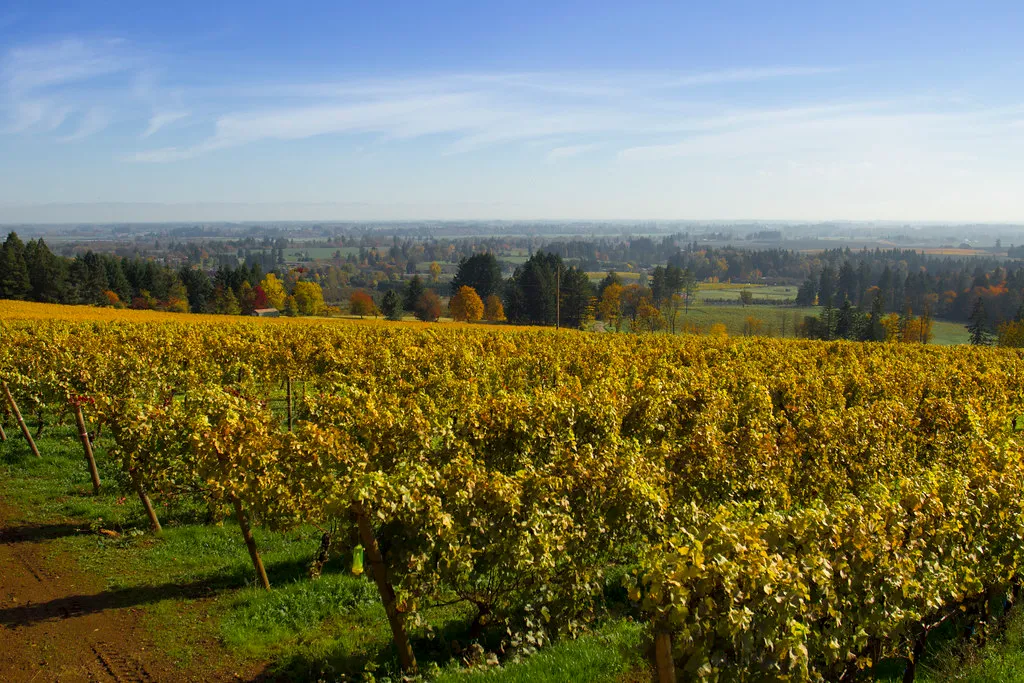
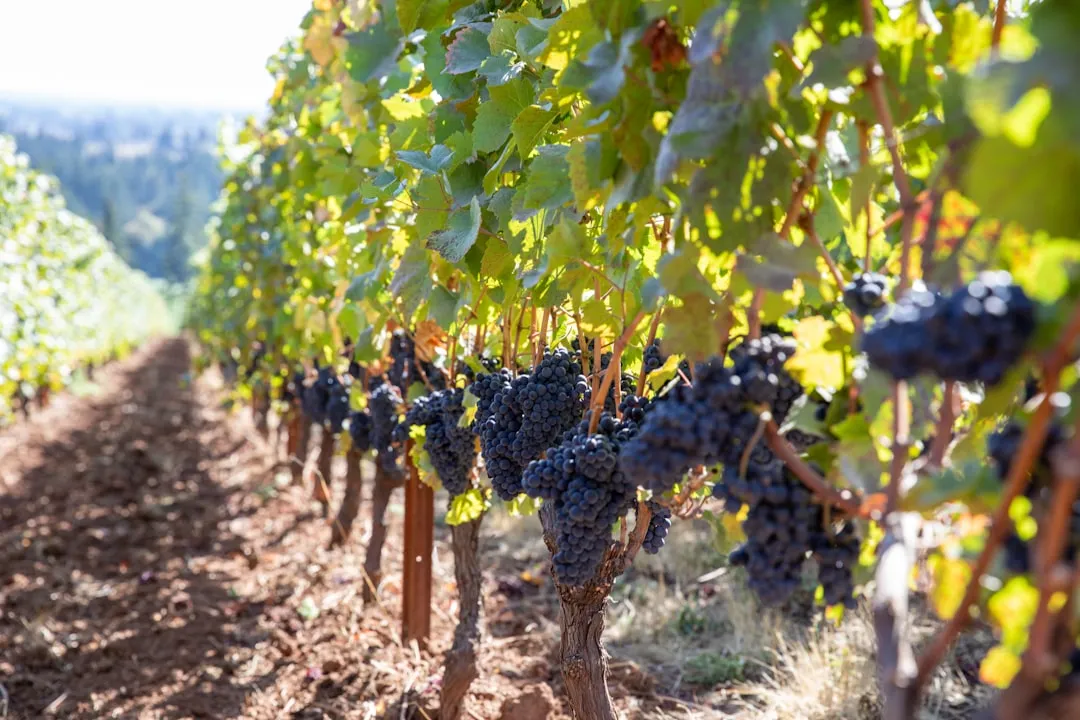
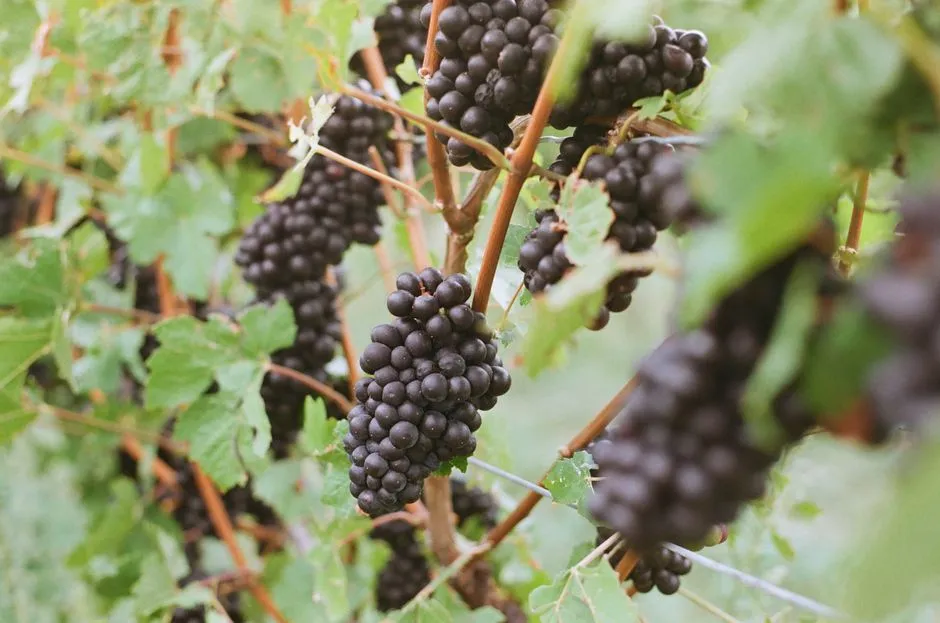
Pinot Noir is not just the valley’s leading grape. It dwarfs everything else. The cool maritime climate and long growing season of the Willamette Valley create ideal conditions for a variety that demands precision and patience.
The valley has a long growing season that allows Pinot to accumulate precious phenolics and flavor compounds without compromising acidity levels. That balance of ripeness and freshness is exactly what sets great Pinot Noir apart from merely good versions of it.
Despite industry challenges, wine grapes were Oregon’s most valuable fruit in 2024, with a value of $329 million, and Pinot Noir, Chardonnay, and Pinot Gris were the most harvested wine grapes in the state. Chardonnay and Pinot Gris round out the offering for visitors who want variety beyond red wine.
The Numbers Behind the Quiet Boom
According to the 2024 Oregon Wine Economic Impact Report released by the Oregon Wine Board on February 26, the combined economic impact of the state’s wine and grape sectors reached an estimated $8.49 billion in 2024. That is a serious industry, not a boutique curiosity.
The report found that wine-related tourism generated nearly $861 million in statewide revenue in 2024 through lodging, dining, and other activities not including tasting room sales, a 13.5% increase from 2022. Tourism tied to wine is accelerating, not plateauing.
Data from Travel Oregon showed that nearly one in five out-of-state travelers visited wineries in 2024, up from around one in seven just two years earlier. More people are arriving with wine specifically on their agenda, which signals a shift in how the region is being discovered and shared.
More Wineries, More Choice, More Room to Breathe

The Oregon Wine Board’s 2024 Vineyard and Winery Census reports 1,076 bonded wineries in the state, and roughly 600 of those operate tasting rooms open to the public. That’s an enormous range of experiences for visitors to draw from.
Planted acreage increased to roughly 47,350 acres in 2024, up about six percent from the previous reporting period. The land under vine keeps growing, meaning the selection and diversity of wines available keeps expanding alongside it.
What that translates to practically is this: you can spend an entire long weekend visiting the valley and never feel like you’ve repeated yourself. Small family estates sit alongside internationally recognized producers, and most welcome visitors without reservations, without red carpet pricing, and without the sensation of being processed through a luxury machine.
The Economic Reach Touches Every Corner of the State
The industry contributed more than $270 million in taxes and fees to the state in 2024, up about two percent from 2022 and spanning all 36 counties. Wine’s economic fingerprint in Oregon is genuinely statewide, not confined to a single wealthy corridor.
Wine-related tourism supported more than 9,100 jobs and $329 million in wages in Oregon. Those are real livelihoods, tied to the hospitality, agriculture, and service sectors that small communities throughout the valley depend on.
The Willamette Valley is leveraging fertile farmland, wine prestige, and small-town culture to power a new wave of year-round tourism in the heart of Oregon. The valley is increasingly understood as a full destination, not just a wine stop.
How the Region Is Reaching Younger Travelers

The region’s tourism strategy has shifted from a singular focus on “Oregon Wine Country” toward a broader identity that highlights farming, small towns, and outdoor activities alongside wine. That wider lens matters for travelers who want more than a tasting room itinerary.
Travel Oregon and regional partners promote the valley as an accessible drive destination from Portland and Seattle, with most key towns located near the Interstate 5 corridor yet within easy reach of backroads and foothill routes. You don’t need a connecting flight or a complex logistics plan to get here.
Robert Eyler of Economic Forensics and Analytics, who conducted the analysis for the 2024 report, pointed out that tourism is now a major external driver of success for wineries, stressing the importance of attracting younger visitors and positioning Oregon as a desirable destination for wine experiences. The industry itself is leaning into that opportunity with intention.
What Burgundy’s Arrival Said About Oregon’s Potential
It was the investment in Dundee Hills by French Burgundian vigneron Joseph Drouhin that prompted others to invest in the state. When one of Burgundy’s most storied families chooses to plant roots somewhere, the wine world takes notice.
The valley’s estate owners have been thoughtful about marketing and have managed to establish 11 American Viticultural Areas, each distinguishing unique terroirs. That careful, deliberate approach to identity has kept Oregon’s wine reputation grounded in place and soil rather than marketing spin.
The Burgundian comparison has become almost a cliché in wine writing, but it carries weight for a reason. Cool climate, careful farming, Pinot Noir at the center: these are shared values that translate into wines of genuine depth and longevity.
The Accessibility That Napa Simply Can’t Match
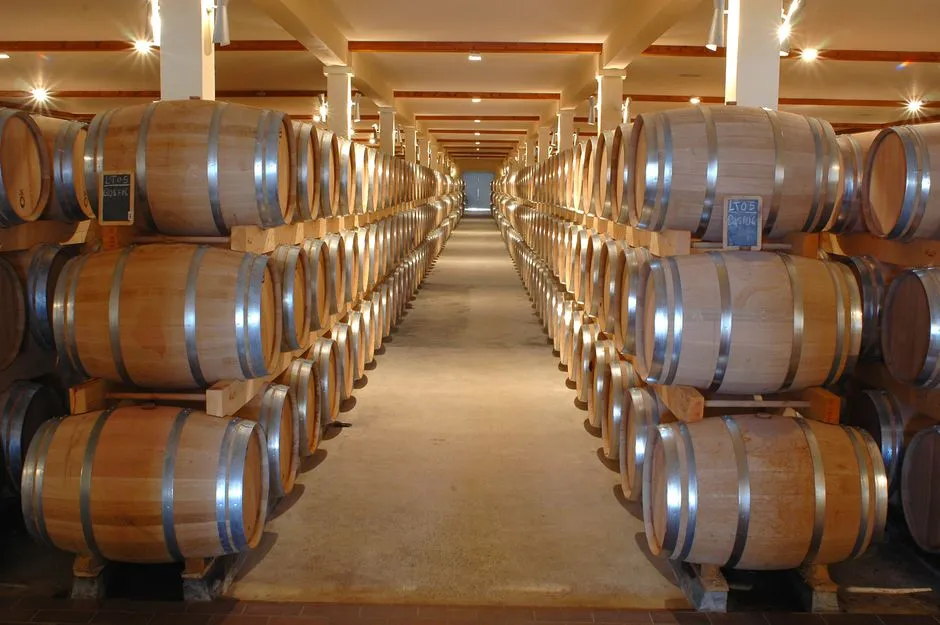
Part of what makes the Willamette Valley so compelling right now is the experience itself, not just what’s in the glass. You can walk into a tasting room and speak directly with the person who made the wine. That kind of access is increasingly rare in premium wine tourism globally.
Stretching between Portland and Eugene in western Oregon, the Willamette Valley is emerging as a year-round visitor magnet, blending long-standing agricultural strength with a growing reputation for wine, culture, and outdoor recreation. Its geography makes it easy to combine wine with hiking, farm markets, and genuinely unhurried small-town evenings.
The Willamette Valley is a remarkable destination for wine tourism, renowned for its extraordinary Pinot Noir and unique terroirs. This dynamic region boasts diverse sub-regions such as Dundee Hills, Yamhill-Carlton, and Eola-Amity Hills, each offering a distinct flavor profile shaped by the landscape and climate. Variety, depth, and breathing room: it’s a combination that’s genuinely hard to find anywhere else in American wine country.
The Takeaway
The Willamette Valley is not trying to be Napa, and that distinction matters. It has built its reputation on cool-climate precision, distinct sub-regional identity, and a culture of hospitality that still feels personal rather than performative. The data confirms the momentum, but the real argument is made in the glass.
Tourism revenue in Oregon’s wine sector surged while the industry navigated real headwinds, a sign that what the valley offers visitors remains genuinely compelling even in a complicated moment for wine globally. The best time to visit a place like this is before everyone else arrives. By most measures, that window is still open, though it won’t stay that way forever.
AI Disclaimer: This article was created with the assistance of AI tools and reviewed by a human editor.