
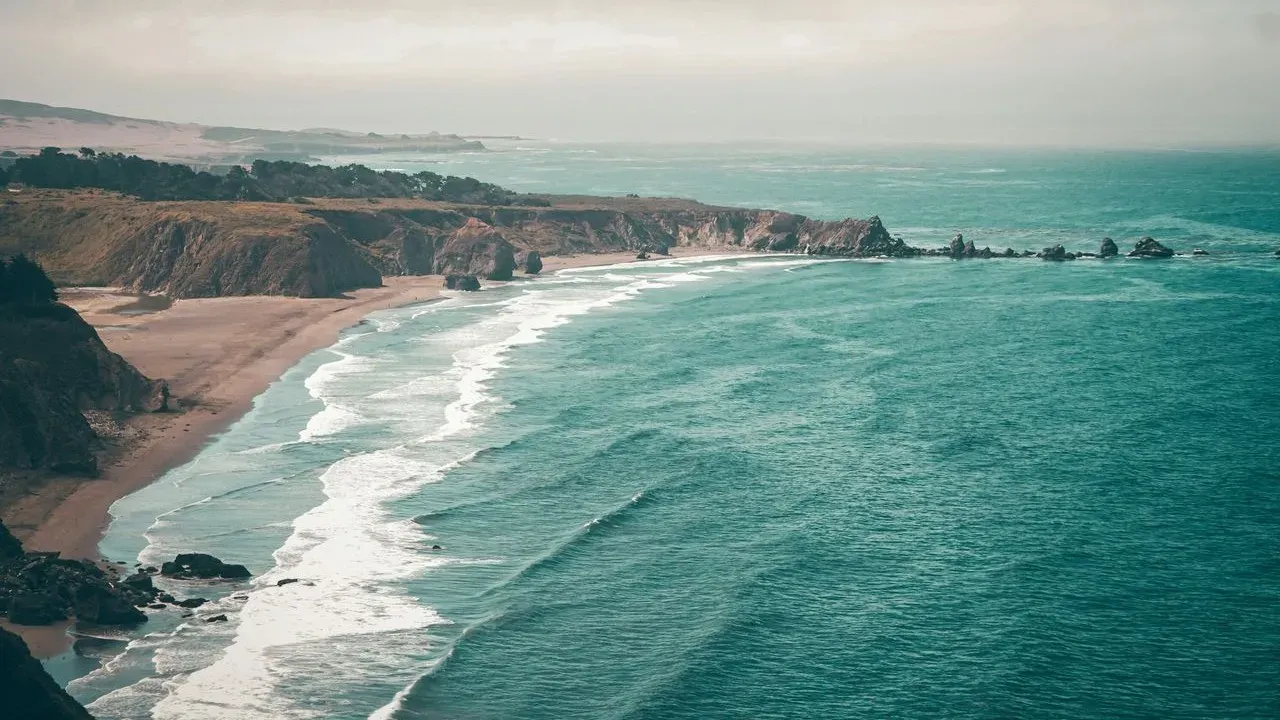

California’s shoreline stands at the center of a rare natural alignment this winter, where a strengthening El Niño pattern, elevated king tides, and ongoing sea level rise are expected to shape coastal conditions in distinctive ways. Travelers drawn to the Pacific Coast Highway, the cliffs of Big Sur, or the sandy stretches of Malibu and Half Moon Bay will encounter a dynamic environment shaped by these overlapping forces. The convergence offers a chance to witness powerful ocean processes up close while planning visits with care and awareness.
The Science Behind the Season
A powerful El Niño is forecast to raise offshore water levels by as much as a foot or more through warmer ocean temperatures, adding to the gradual rise already recorded along the California coast over recent decades. King tides, the highest of the year, will peak around the winter solstice and coincide with longer lunar cycles that amplify their reach. Together these elements create higher baseline water levels than in most recent winters, with tides already running several inches above predictions in places such as San Diego, Santa Barbara, and San Francisco.
Experts note that similar alignments occurred during strong El Niño years in the past, including 1982-83 and 1997-98, when coastal impacts were pronounced. The current outlook points to above-average precipitation across much of the state as well, which can compound drainage challenges near the shore. This combination remains a natural phenomenon worth observing with respect for the ocean’s scale and variability.
Practical Considerations for Coastal Visits
Visitors planning winter trips can still enjoy the coast’s signature beauty by timing outings around daily tide forecasts and checking local conditions before heading out. Low-lying areas such as parts of Newport Beach, Mission Beach in San Diego, and certain stretches of Long Beach may see occasional wave overtopping during the highest tides, particularly if storms align with those peaks. Parking lots, restrooms, and pathways closest to the water have already shown signs of erosion in recent weeks, prompting some seasonal adjustments by local agencies.
Travelers often find that early morning or late afternoon walks along higher bluffs and established trails provide rewarding perspectives even on days when the surf runs strong. Packing layers for changing weather, carrying tide charts, and allowing extra time for route changes help keep journeys comfortable and safe. Many coastal communities maintain updated advisories that support informed decisions without diminishing the appeal of the shoreline.
Embracing the Coast Responsibly
The winter landscape invites a deeper appreciation for the resilience of California’s beaches and the communities that steward them. Watching waves reshape the sand or noticing how infrastructure adapts to shifting conditions can deepen a traveler’s connection to the place. Choosing established viewpoints, supporting local businesses that operate year-round, and leaving no trace behind align with the values of purposeful travel along this stretch of the Pacific.
Those who visit during these months often return with stories of dramatic sunsets against churning seas or quiet moments when the tide recedes to reveal hidden textures in the rock and sand. Such experiences highlight the coast’s living character rather than any single forecast.
Looking Ahead to Memorable Journeys
As the season unfolds, the interplay of El Niño, king tides, and rising seas will continue to draw attention from scientists and coastal residents alike. For travelers, the period offers an opportunity to engage with the shoreline in its most vigorous state, provided plans remain flexible and grounded in current information. The California coast has long rewarded those who approach it with curiosity and care, and this winter promises to continue that tradition in its own distinctive rhythm.
AI Disclaimer: This article was created with the assistance of AI tools and reviewed by a human editor.