
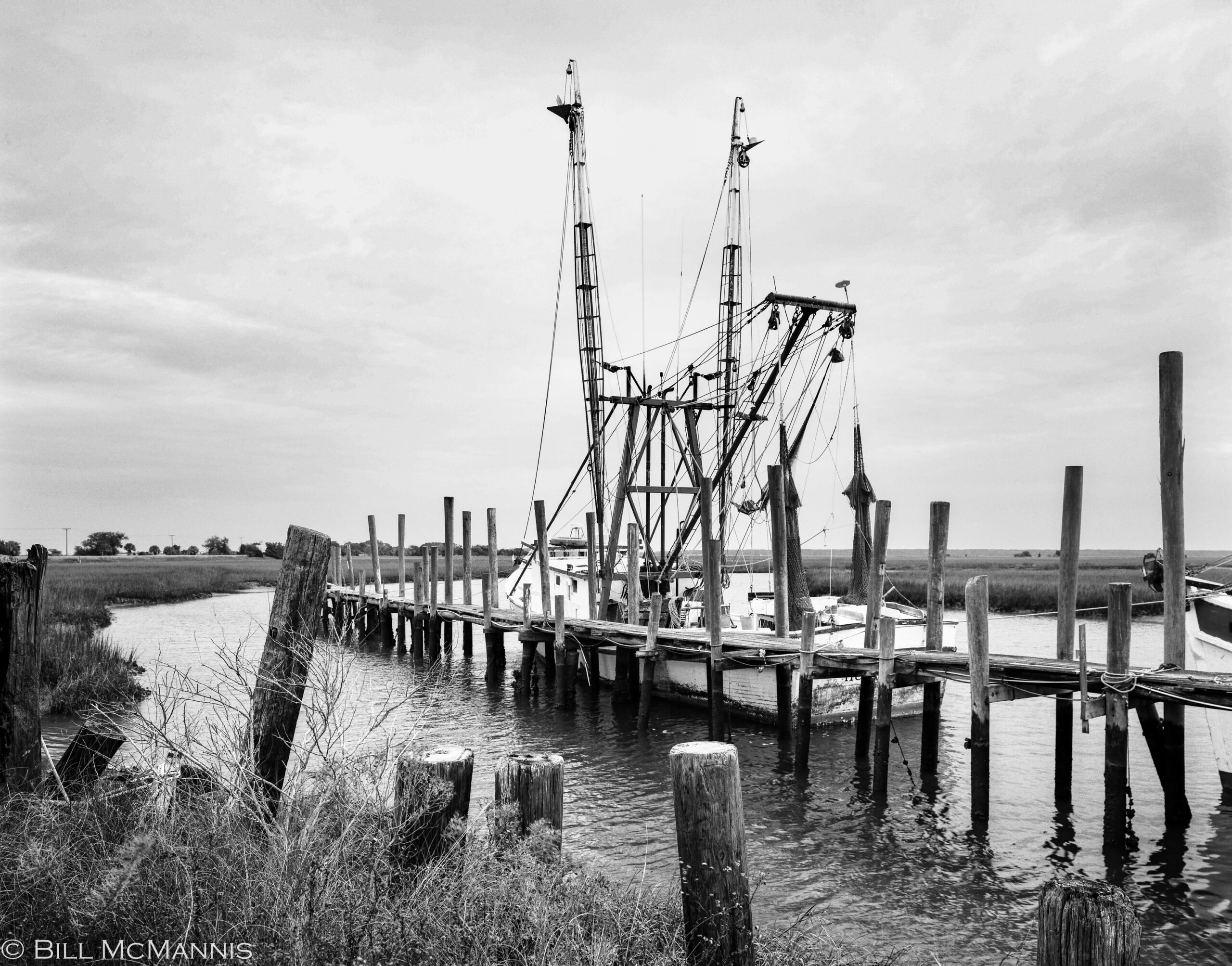

Most travelers think they know the American South. They picture Savannah’s squares, New Orleans’ jazz, or the well-worn beaches of the Florida Panhandle. What they miss – often entirely – is a quiet stretch of coastal South Carolina where barrier islands, ancient salt marshes, and centuries of living culture exist almost outside of time. The Lowcountry islands have been hiding in plain sight for generations.
An Archipelago Unlike Any Other on the Eastern Seaboard
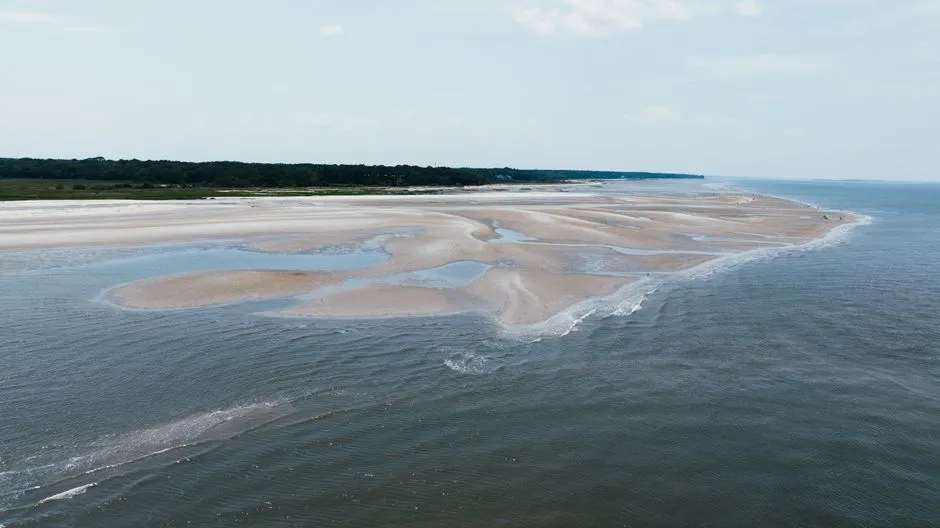
Hugging South Carolina’s Lowcountry coastline are 38 barrier islands, second only to the state of Florida. That number alone gives a sense of scale – this is not a single beach town but an entire coastal world, layered with distinct ecosystems, histories, and characters.
The Lowcountry and Resort Islands region of South Carolina includes the four southernmost counties in the state: Beaufort, Jasper, Hampton, and Colleton, bordered on the east by the Atlantic Ocean and on the west by the Savannah River. Within that geography lies extraordinary variety. Some islands are accessible by car, others only by boat, and a few feel genuinely untouched by the modern world.
As defined by NOAA, barrier islands are a constantly changing deposit of sand that forms parallel to the coast. Sea islands differ from barrier islands in that they are set closer to the mainland, alongside creeks or inland rivers, and are more stable. That distinction matters for travelers: the Sea Islands carry the deeper human history, while the barrier islands deliver the wilder, more dramatic natural experience.
The Living Culture of the Gullah Geechee People
The Gullah Geechee people are the descendants of West and Central Africans who were enslaved and trafficked to the coastal regions of South Carolina, Georgia, Florida, and North Carolina, and forced to labor on the area’s many rice, indigo, and cotton plantations. Their story is one of extraordinary resilience, and it remains alive on these islands today.
Due to the isolation of the Sea Islands, over time, many Gullah Geechee people were able to retain aspects of their indigenous culture, including language, foodways, and folk arts. That isolation, which plantation owners once used as a form of control, ultimately became a form of protection for one of the most distinct African-descended cultures in North America.
The Gullah are known for preserving more of their African linguistic and cultural heritage than any other African-American community in the United States. They speak an English-based creole language containing many African loanwords, and Gullah storytelling, cuisine, music, folk beliefs, crafts, farming, and fishing traditions all exhibit strong influences from West and Central African cultures.
Penn Center: A Place Where History Breathes
Established in 1862, the Penn Center on St. Helena Island is key to exploring Gullah culture. Originally one of the first schools for freed slaves, today it functions as a cultural museum. Few places in the American South carry this kind of layered, unbroken weight.
Penn Center on St. Helena Island has served as the beating heart of the Gullah Geechee cultural corridor, especially given its role in education and cultural heritage preservation. Visiting is an experience that goes well beyond a standard museum stop. Through guided tours, visitors can immerse themselves in the Sea Islands’ history through artifacts, photographs, and stories, offering a deep connection to the community’s resilience and achievements.
Every November, Gullah descendants from around the country return to Penn Center for Heritage Days Festival to celebrate Gullah achievements with cultural exhibits, food, songs, stories, games, and dances. There is also the main Gullah Festival held every May in Beaufort.
Hunting Island: South Carolina’s Wild Crown Jewel
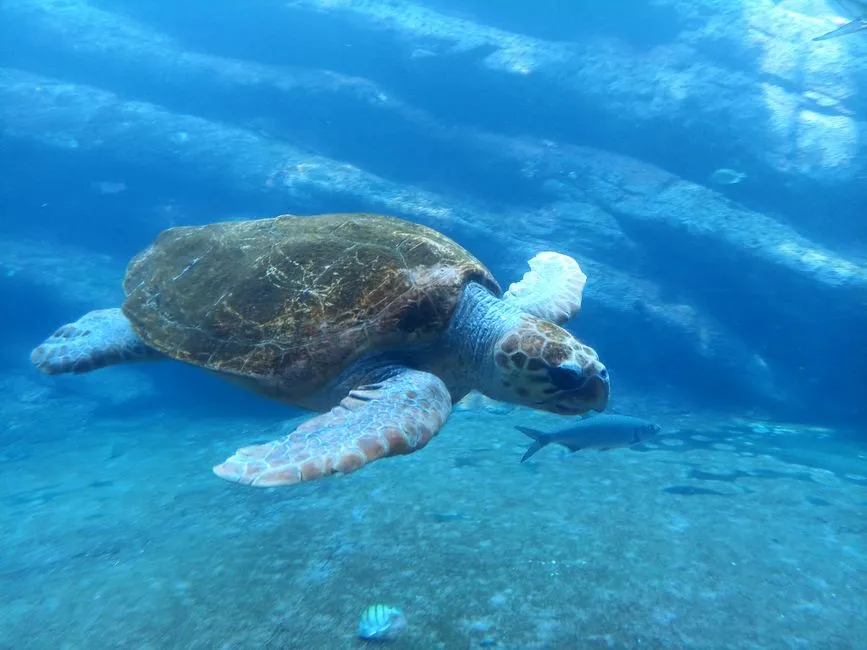
Hunting Island is South Carolina’s single most popular state park, attracting more than a million human visitors a year. That figure is remarkable for an island that feels nothing like a crowded tourist destination. The park has managed to hold onto its wilderness character even while welcoming this volume of visitors.
Wildlife ranging from loggerhead sea turtles to painted buntings, barracudas to sea horses, alligators, pelicans, dolphins, deer, raccoons, and Eastern diamondback rattlesnakes all find their habitat here. What they all enjoy is five miles of beach, thousands of acres of marsh, tidal creeks and maritime forest, a saltwater lagoon, and an ocean inlet.
The park’s centerpiece is the historic Hunting Island Lighthouse, originally constructed in 1859 and rebuilt in 1875 after destruction during the Civil War. It was relocated 1,280 feet inland in 1889 to combat severe beach erosion and is the state’s only climbable lighthouse in a public park.
Daufuskie Island: Step Back in Time
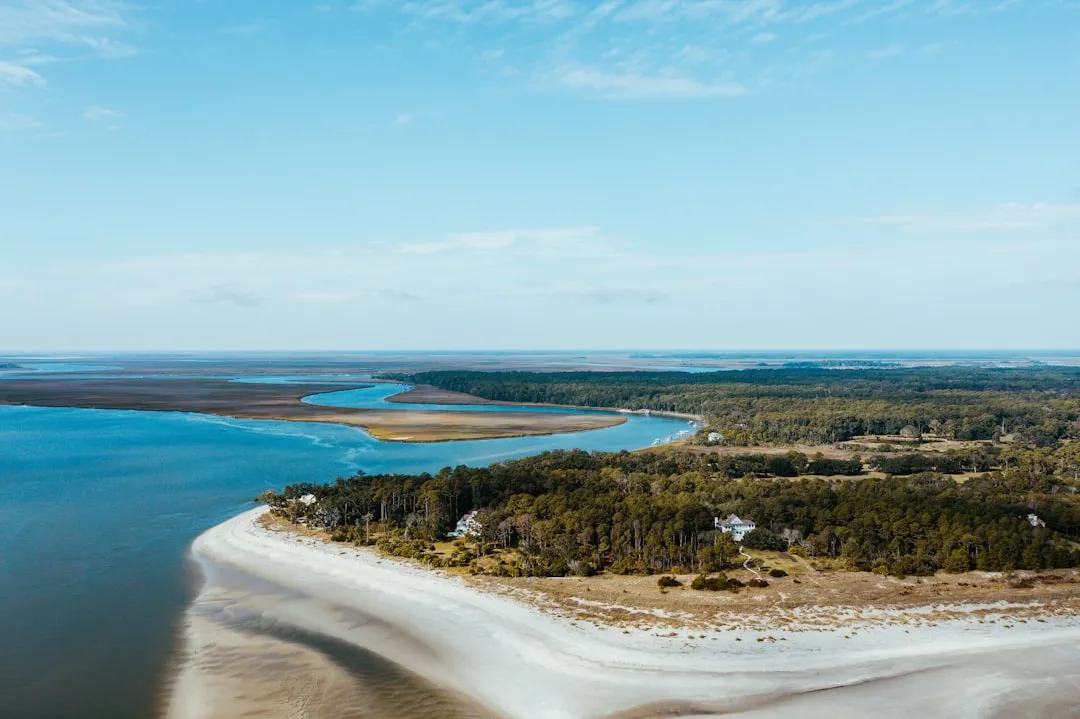
Daufuskie is accessible only by boat, which is likely one of the reasons its roughly 500 residents have been able to so carefully preserve its natural environment and its rich Gullah history. That boat ride from Hilton Head is genuinely transformative. The moment the ferry pulls away from the dock, the pace of everyday life seems to slow.
Daufuskie Island is only thirty minutes from Hilton Head by boat, and an hour from Savannah, but it feels like you’re going back 100 years in time. Sandy dirt roads reveal an island that is rich in history and nature, with one of the most beautiful and fragile beaches on the East Coast.
There are no hotels or big-name attractions. Instead, it is a place of peace, quiet, and natural wonders – bottlenose dolphins bob in the waters and loggerhead turtles nest on the shore. For travelers who feel overstimulated by the modern tourism machine, Daufuskie is a genuine antidote.
Fripp Island: A Designated Wildlife Sanctuary
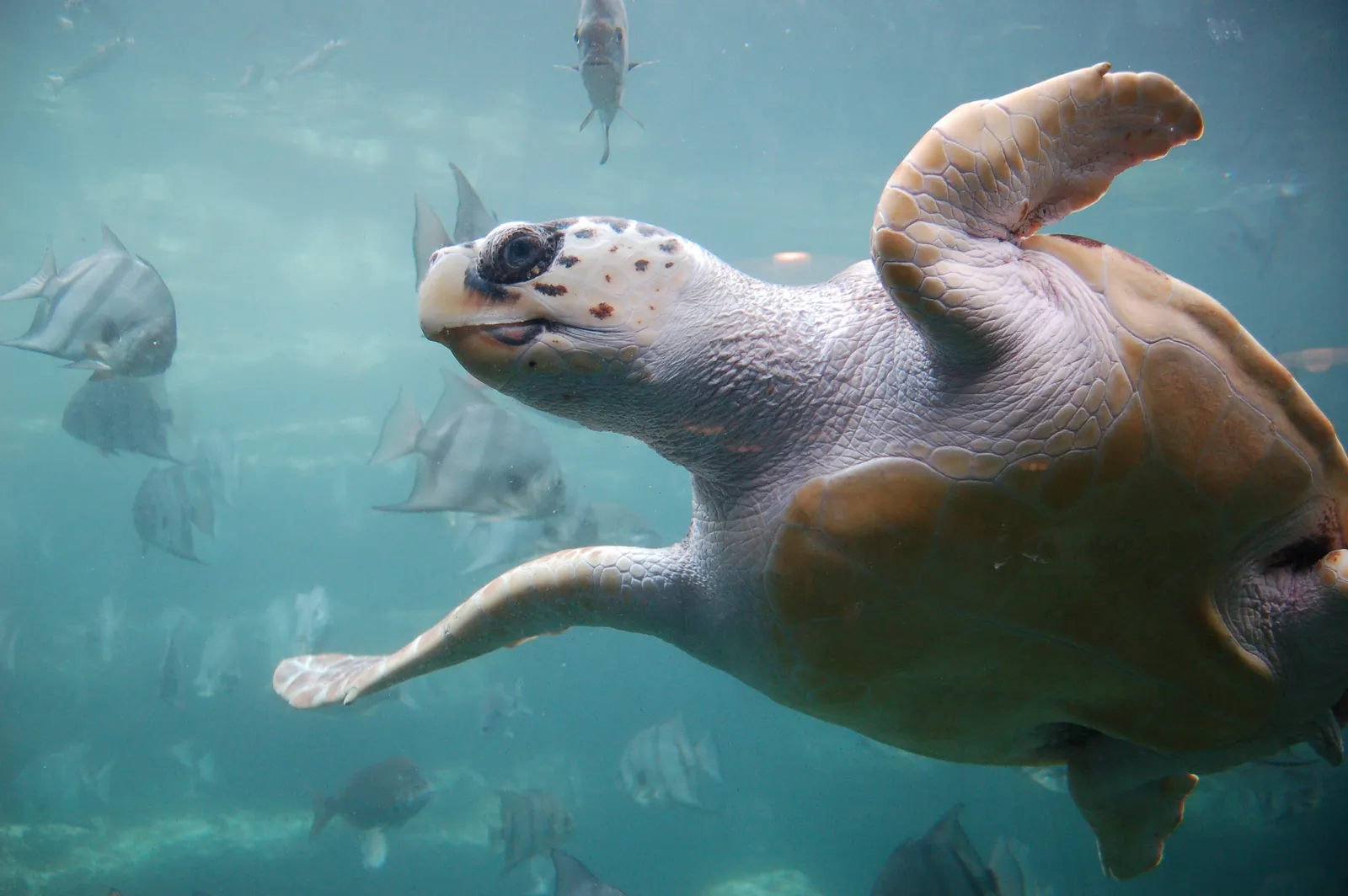
About 20 miles from Beaufort, Fripp Island is a 3,000-acre designated wildlife sanctuary, home to more than 175 species of birds, plus endangered loggerhead turtles that use its beach as a nesting ground. The private island is accessible only to homeowners and those staying in vacation rentals, but once there, activities range from guided kayak eco-tours to pickleball and golf.
The sanctuary designation is not just marketing language. It shapes the entire feel of the island, where natural rhythms set the pace and light pollution stays minimal. Fripp sits at the outermost edge of the barrier island chain, meaning its sunrises over open Atlantic water are genuinely spectacular.
The Friends of Hunting Island, a nonprofit founded in 1993, leads a Sea Turtle Conservation Project focusing on safeguarding loggerhead sea turtle nests during the May-to-October nesting season, with volunteers patrolling beaches daily, installing protective cages, and relocating vulnerable nests to higher ground. Similar conservation efforts extend across Fripp and other nearby islands, making this stretch of South Carolina coast one of the more actively protected on the Eastern Seaboard.
Gullah Cuisine: Food That Tells the Full Story
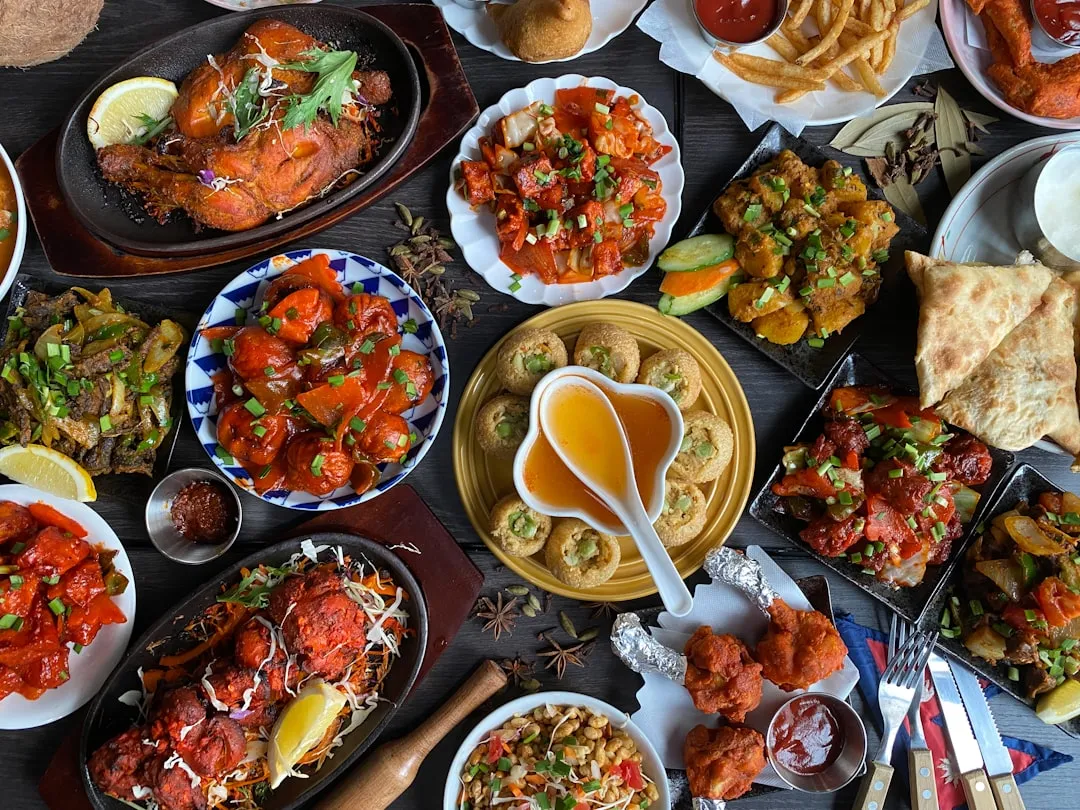
Truly appreciating Gullah culture requires delving into its cuisine, which blends West African and Southern flavors. This includes seafood, rice dishes like the renowned Hoppin’ John (rice and peas), and vegetables. These recipes are not museum pieces – they are living cooking traditions, passed through families and still prepared in home kitchens across the Sea Islands.
By exploring local markets or dining at restaurants serving traditional Gullah meals, visitors engage in more than just eating. They learn about the history and significance behind each dish, enriching their cultural experience. It is one of the more honest ways to connect with a place, plate by plate, story by story.
The Palmetto State’s culinary scene is famous for quality and originality, from unique Gullah cuisine to a thriving farm-to-table movement. On the islands, that culinary tradition is especially intact. Fresh crab, locally caught shrimp, and slow-cooked rice dishes carry flavors that have remained consistent across centuries.
A Craft Tradition That Spans Generations
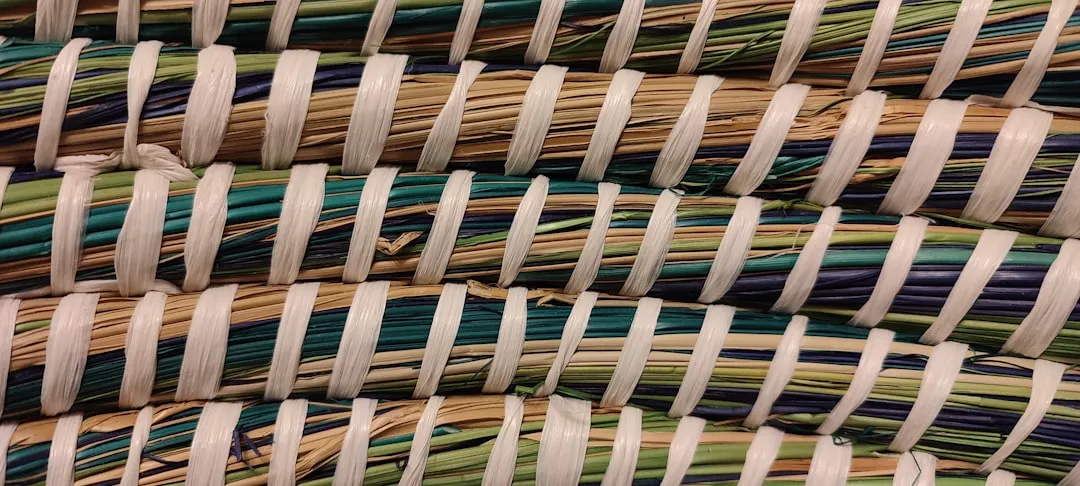
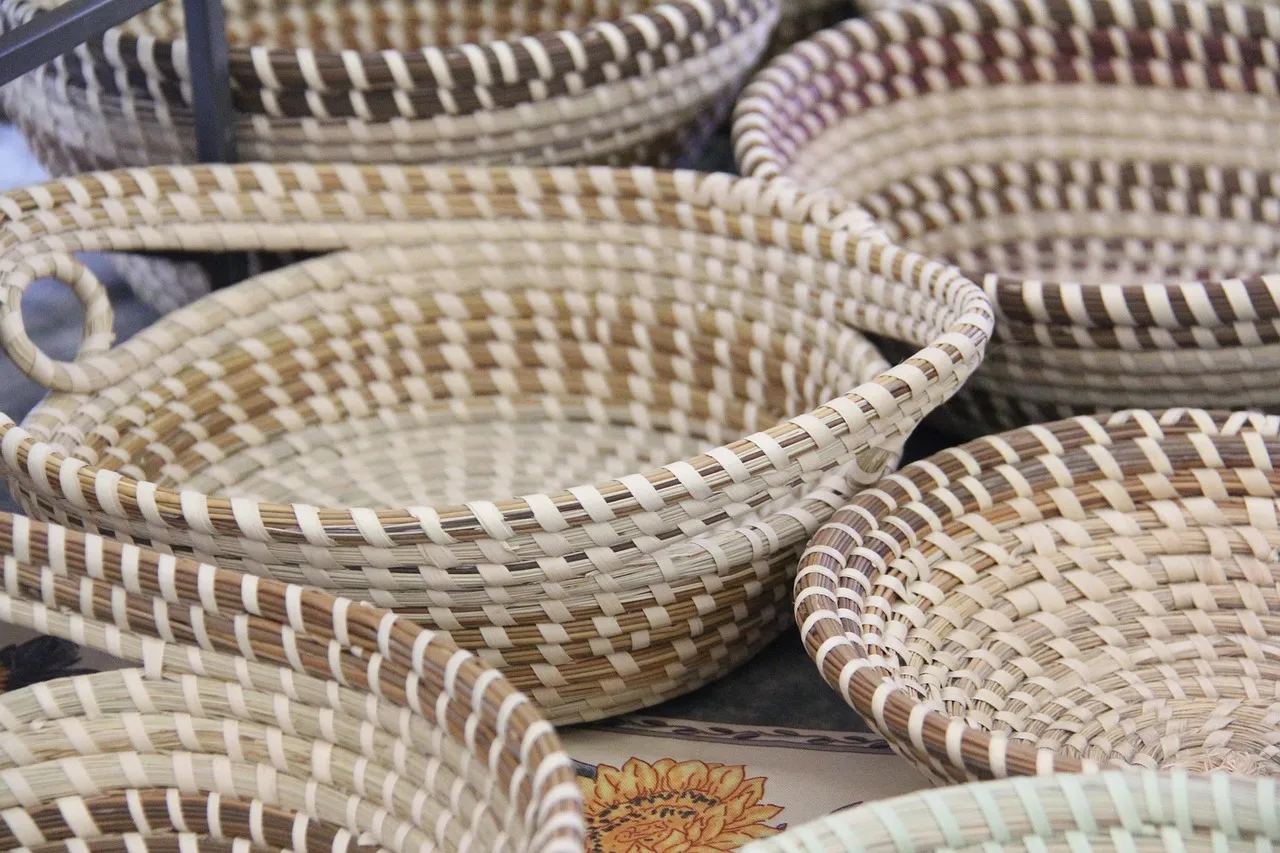
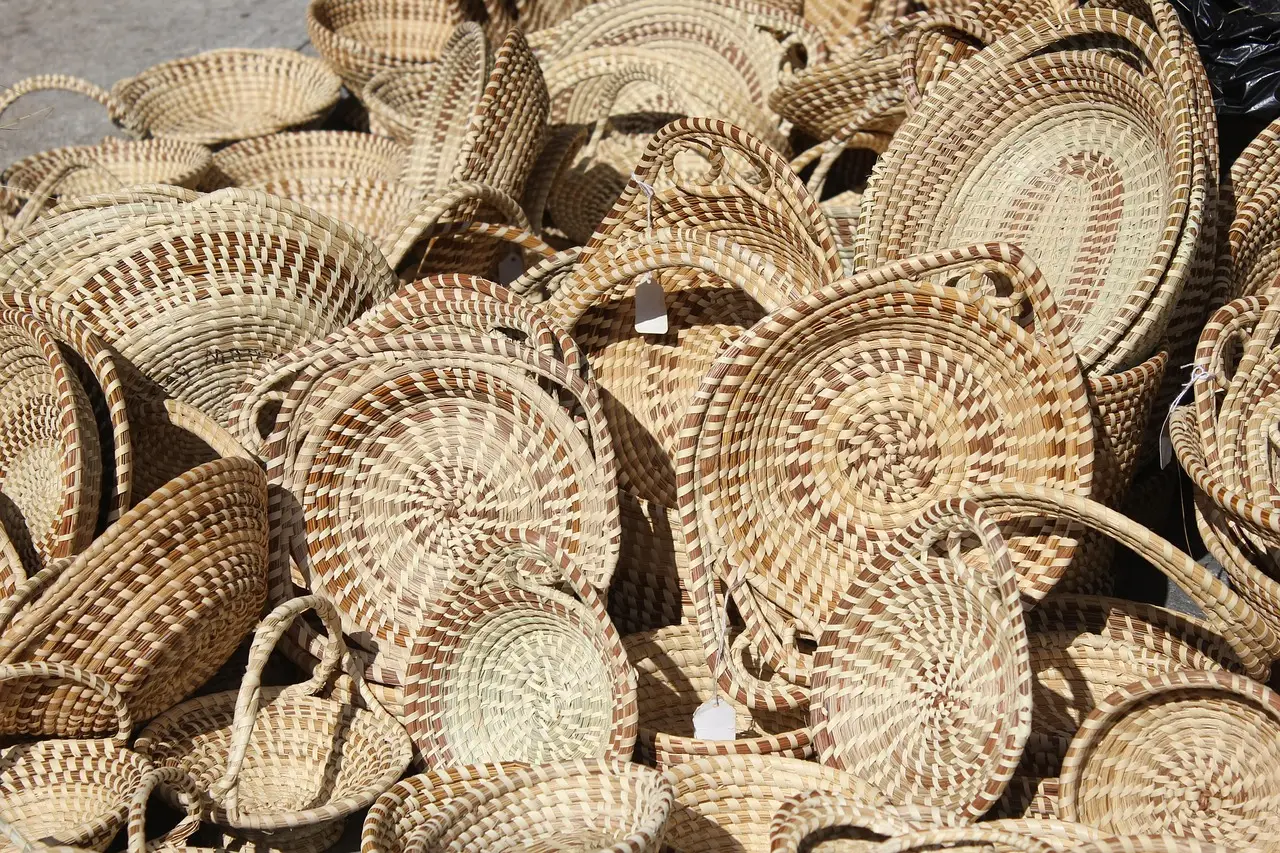
Guided cultural tours often include visits to local communities where visitors can witness traditional crafts like basket weaving, a skill passed down through generations, as well as storytelling sessions that bring folklore to life. Sweetgrass basket weaving in particular is one of the most visually striking and historically significant of all Gullah Geechee art forms.
African traditions can be found in the cooking, spiritual practices, sweetgrass basket weaving, woodcarving, and funeral practices of Gullah communities. These are not performances for tourists – they are active cultural practices maintained by communities who have fought hard to preserve them. Engaging with them respectfully means understanding that context fully.
Though Gullah natives have lost much of their land, campaigns are underway to preserve the language and culture. The Gullah/Geechee Cultural Heritage Act, championed by Congressman James Clyburn of South Carolina, is the culmination of a three-year study conducted by the National Park Service. The Act is intended to protect the indigenous Gullah culture endangered by encroaching development along the Sea Islands.
The ACE Basin: One of the Largest Undeveloped Estuaries on the East Coast
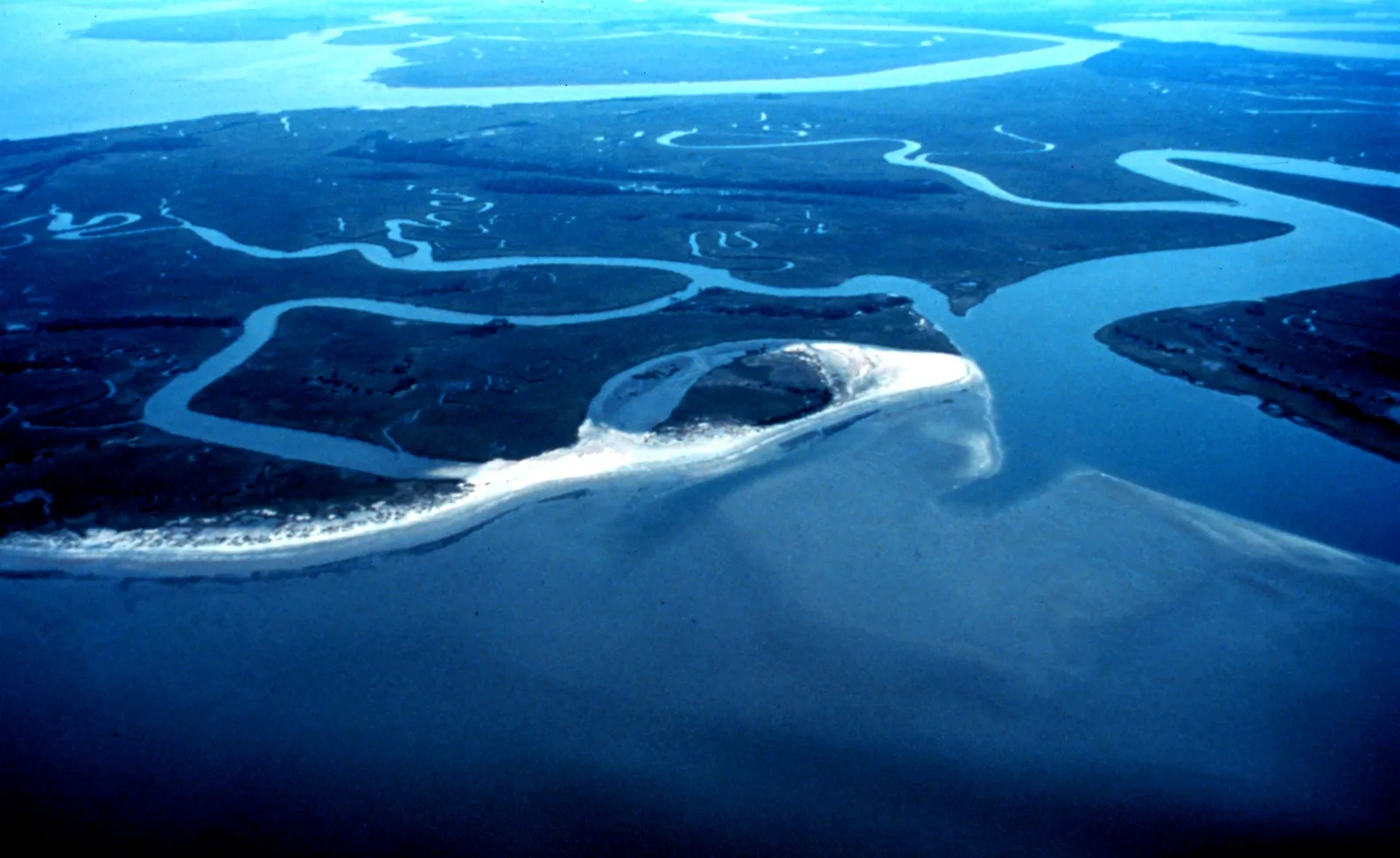
Hunting Island State Park forms part of the larger Ashepoo-Combahee-Edisto (ACE) Basin, which includes the National Estuarine Research Reserve protecting approximately 99,000 acres of wetland and upland habitats to promote sustainable management of estuarine resources through research, education, and habitat restoration. That scale of protected land is genuinely rare on the Eastern Seaboard.
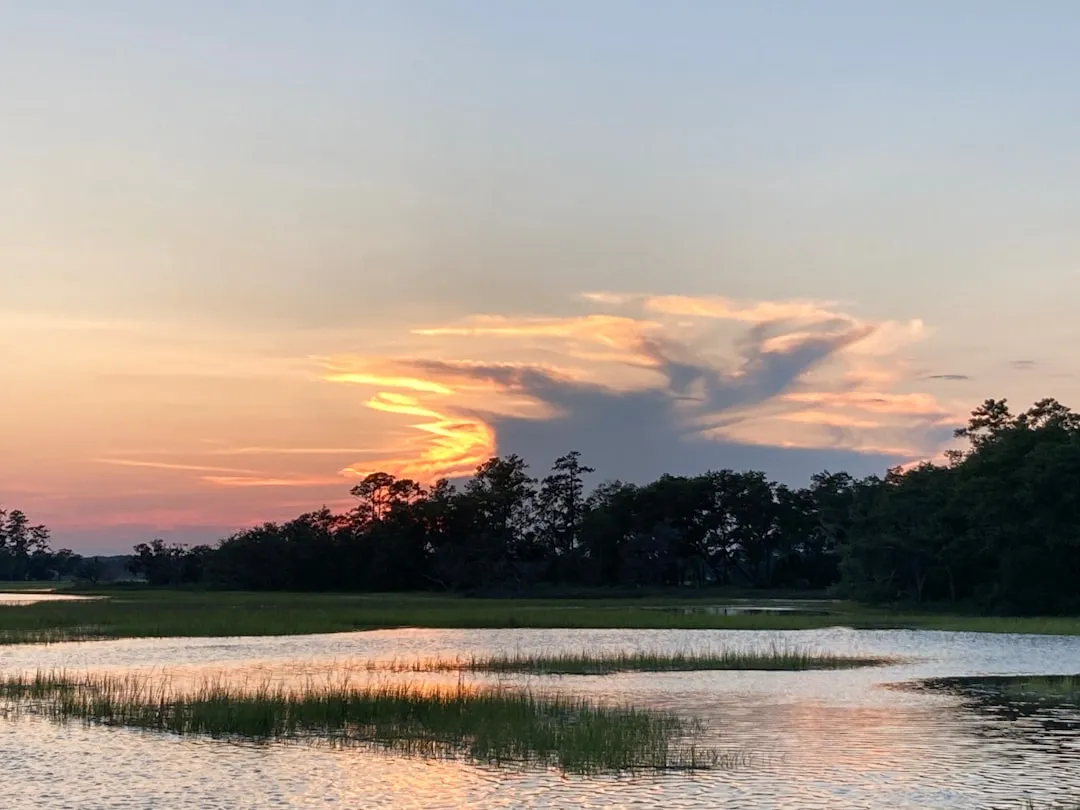
The ACE Basin is one of those places that ecologists and birders talk about in hushed reverence. Its tidal rivers, brackish marshes, and bottomland hardwood forests support populations of migratory birds, fish, and reptiles that have disappeared from most of the developed Atlantic coast.
Paddling through the basin’s tidal creeks by kayak or canoe is one of the quieter pleasures the Lowcountry offers. South Carolina’s Lowcountry region includes the state’s first official water trail, the Edisto River Canoe and Kayak Trail. It is the kind of infrastructure that rewards slow travel over quick-stop tourism.
Beaufort: The Mainland Gateway to the Island World
Traveling south along the Lowcountry coast brings visitors to historic Beaufort, Port Royal, Parris Island, and Bluffton, and then to the internationally famous Hilton Head Island. Beaufort itself deserves more than a quick pass-through. Its antebellum architecture, waterfront district, and deep Civil War history make it a compelling destination in its own right.
Beaufort’s Sea Islands were the first place in the South where slaves were freed. That fact alone reframes what you see when you walk the town’s streets and look out across the water toward St. Helena Island. This place was a turning point in American history, and that weight is still present in the landscape.
Beaufort features glimpses of Lowcountry life and history, while nearby cities like Walterboro – home to the South Carolina Artisans Center – and Port Royal, with its estuarium and Parris Island Marine Recruit Depot, offer intriguing additional sites to visit. Beaufort works well as a base for exploring the wider island network at a measured, unhurried pace.
The Takeaway
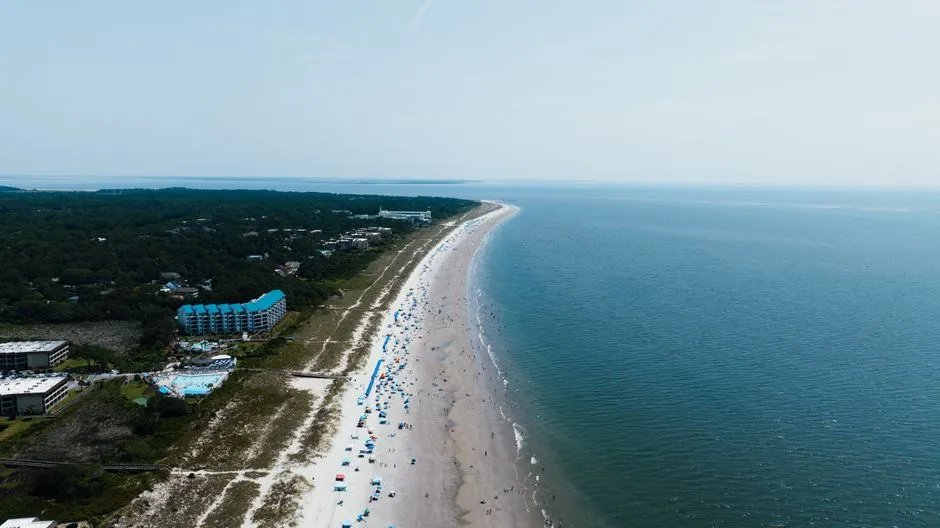
The South Carolina Lowcountry islands are not undiscovered in any strict sense. Hunting Island State Park alone draws over one million visitors annually. Yet the region as a whole remains genuinely underappreciated – treated as a scenic backdrop when it is, in truth, a place of profound ecological and cultural depth.
What sets these islands apart is the combination of things you rarely find together: wilderness that still feels wild, a living Indigenous-descended culture, food traditions rooted in real history, and enough quiet space to actually absorb it all. The Lowcountry moves at its own pace, and once you adjust to that rhythm, other kinds of travel start to feel like they are missing something.
The best reason to come here is simple enough. These islands ask something of their visitors – attention, patience, and genuine curiosity – and they give back in equal measure.
AI Disclaimer: This article was created with the assistance of AI tools and reviewed by a human editor.