
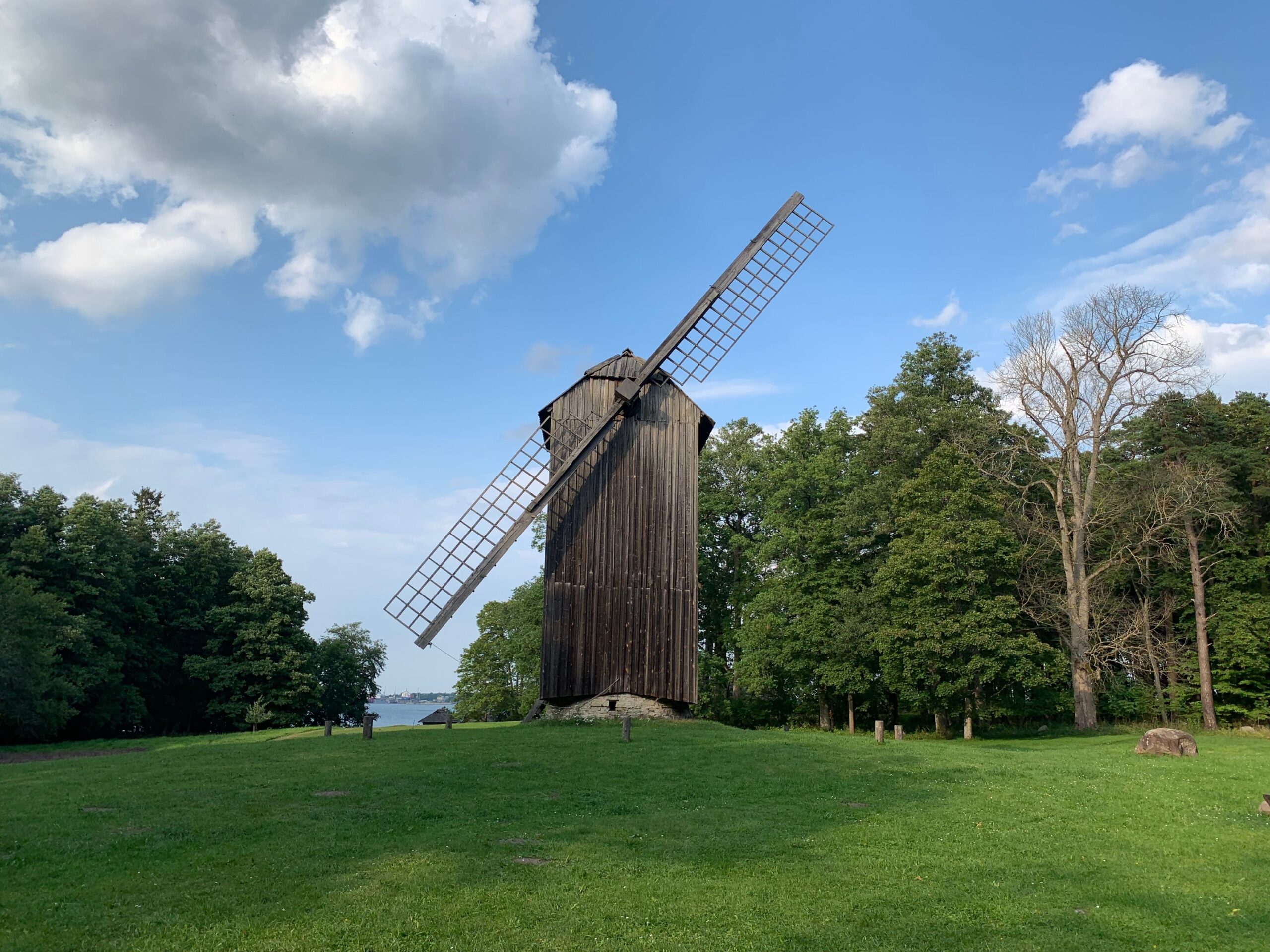

Most travelers fly into Tallinn, spend a day or two, and leave thinking they’ve seen Estonia. They’ve barely scratched the surface. This small Baltic nation holds a handful of old towns so compact, so intact, and so deeply layered with history that a pair of good shoes genuinely unlocks everything. No car needed. No exhausting transit maps.
What makes Estonia’s historic cores stand apart isn’t just their age, it’s the rare combination of medieval scale, pedestrian-first planning, and a lived-in authenticity that many of Western Europe’s more famous old towns have long since traded away for souvenir shops and queue management systems. Here’s why they deserve far more credit than they get.
Tallinn’s Old Town: A UNESCO Masterpiece Built for Walking
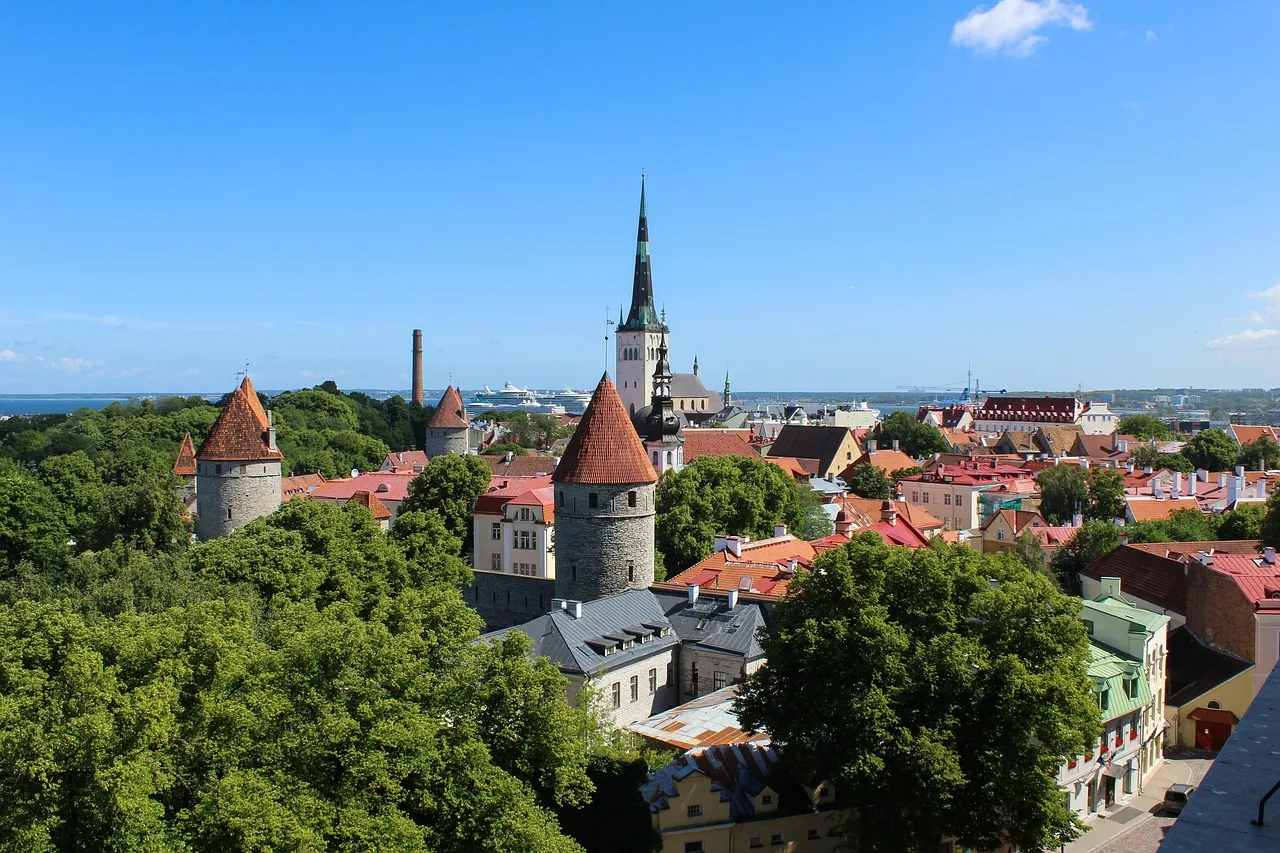
Tallinn’s Old Town, a UNESCO World Heritage Site since 1997, is a well-preserved medieval trading town that was once part of the powerful Hanseatic League. The scale is genuinely human. The compact historic center can be explored on foot in two to three hours for the highlights, or a full day for a comprehensive exploration of all quarters and viewpoints.
The Old Town’s 113-hectare inscribed area encompasses two distinct urban zones that reflect medieval social hierarchy: Toompea Hill (Upper Town), the historic seat of ecclesiastical and secular power, and the Lower Town, which flourished as the merchant quarter and civic center. That layered geography, one hill above, one bustling quarter below, gives the walk a natural narrative that unfolds as you move through it.
The walkable Old Town is best discovered on foot, meaning you might not even need public transport in the city. That’s a rare thing to say about any European capital.
The Medieval Walls That Frame Every Step
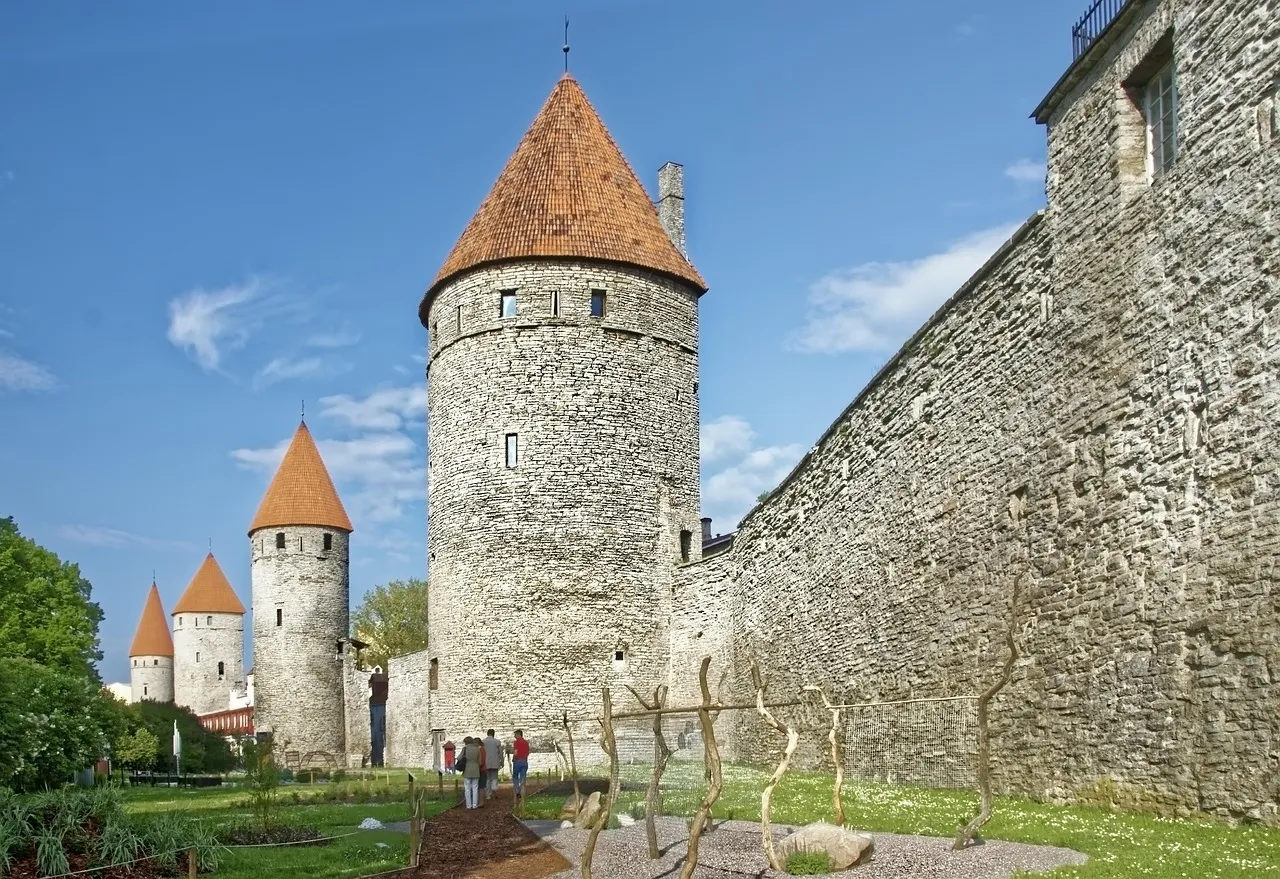
Once Europe’s greatest fortified city, Tallinn had 46 defense towers and approximately four kilometers of surrounding walls. Today, there are 26 towers and about two kilometers of walls still in place, making the Old Town of Tallinn one of the best-preserved systems of medieval fortifications in Europe.
The Old Town of Tallinn is one of those places where the past is all around you. One of the most striking reminders of this long history is the network of walls, walkways, and towers that once enclosed the settlement. Although the city walls of Tallinn are not fully intact, enough remains for visitors to follow the circuit around the town, walk along ancient fortifications, and climb tall towers in search of panoramic views.
Some stretches run alongside busy city streets, while others hide behind courtyards or appear unexpectedly between modern buildings. The walls don’t feel like a museum exhibit. They feel like living architecture, which is precisely what makes them so compelling to walk alongside.
Two Towns in One: Toompea and the Lower City
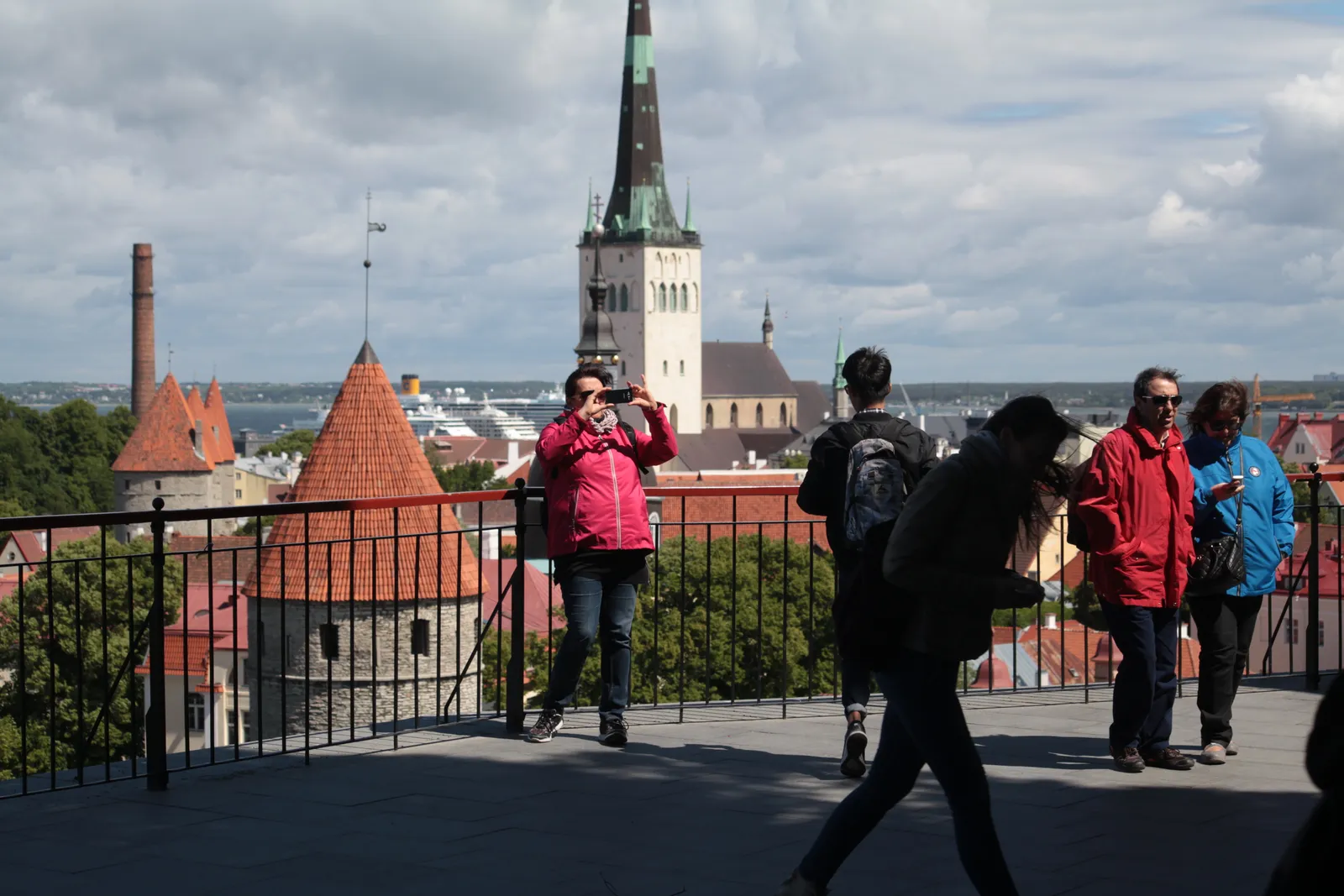
In a sense, Old Town functions exactly as it did centuries ago: Toompea in upper Old Town is still the seat of government power, while the lower city bustles with trade. This functional continuity is unusual in Europe and gives Tallinn’s Old Town a grounded sense of purpose that pure heritage sites often lack.
Toompea (Upper Town) sits on a limestone escarpment above, accessible via steep lanes and a gatehouse. This was always the seat of power: the bishop, then the German nobility, and now the Estonian parliament. The two levels are connected by cobbled lanes that are among the most satisfying short walks in the city.
The most walked connection is Pikk jalg (Long Leg), a cobbled ramp leading up from the Lower Town. Lühike jalg (Short Leg) is steeper, older, and lined with art shops. Choosing between them is one of those pleasant dilemmas that only a well-designed old town can offer.
The Hanseatic Legacy You Can Touch
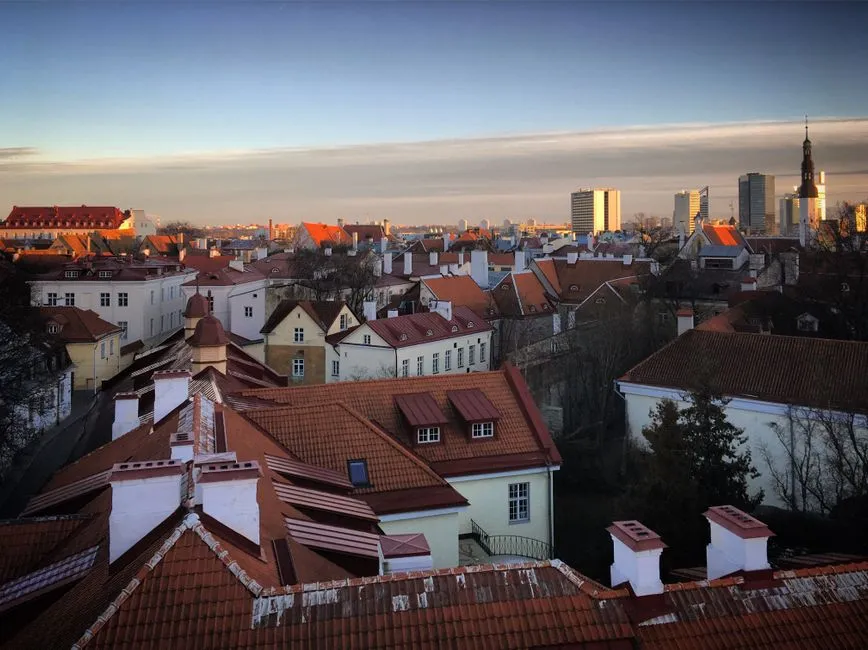
The area emerged in the 13th to 16th centuries when Tallinn was an active member of the Hanseatic trade league, slowly evolving into an enclosed district of colorful, ancient gabled houses, medieval towers and gates, half-hidden courtyards, and ostentatious churches. Everywhere you look in the Lower Town, that Hanseatic heritage is tangible and unrestored in the showroom sense.
Tallinn was an important member of the Hanseatic League, the powerful trading network that linked ports across the Baltic and the North Sea. Its wealth is demonstrated by the opulence of the public buildings, the churches in particular, and the domestic architecture of the merchants’ houses, which have survived to a remarkable degree despite the ravages of fire and war in the intervening centuries.
The only surviving Gothic town hall in Northern Europe and one of Old Town’s most recognizable symbols, its historic halls and works of art tell the story of the heydays of this Hanseatic city. That’s a distinction worth pausing for: not just Tallinn’s only Gothic town hall, but Northern Europe’s only surviving one.
A Car-Free Core That Actually Works
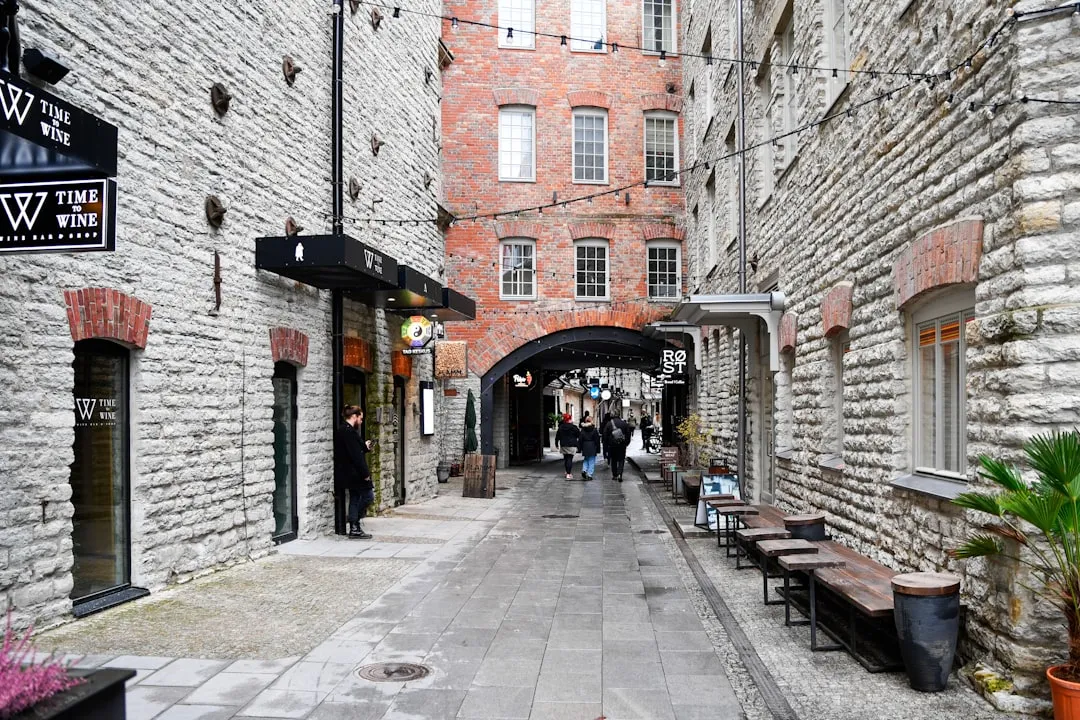
The streets are mostly pedestrianised or permit-only. Visitors should use park-and-ride facilities at the Old Town perimeter or simply arrive on foot, by tram, or by taxi dropping off near Viru Gate. This isn’t an accident of geography; it reflects a deliberate planning philosophy.
In the heritage protection area of Tallinn Old Town, car traffic has been limited and pedestrian areas enlarged. The result is a core where the sound of footsteps on cobblestone is the dominant sensory experience, not engines. Today, the Old Town is thriving with local produce restaurants and green spaces beloved by residents.
Hidden Courtyards and Atmospheric Passageways
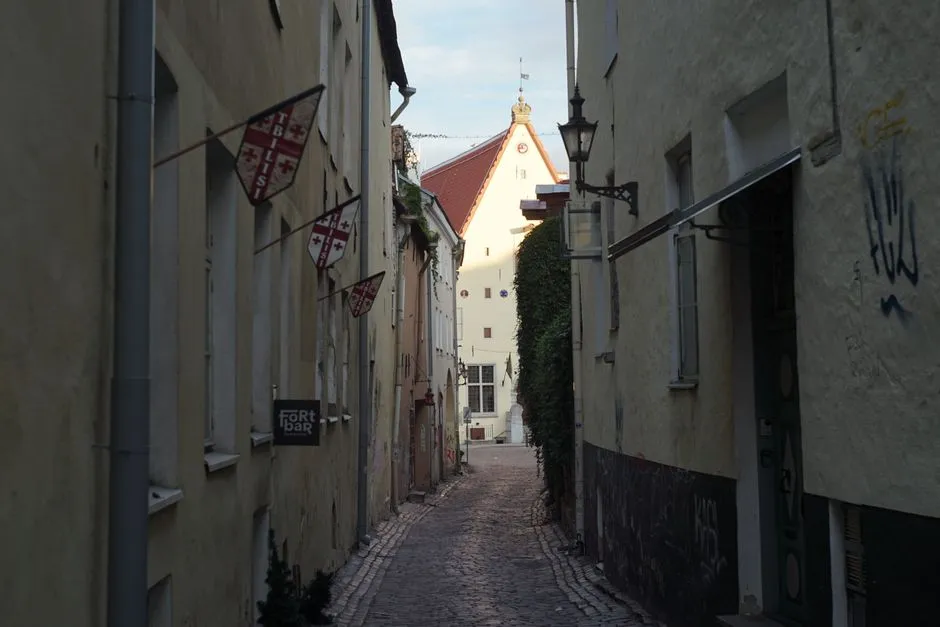
Guides and seasoned visitors consistently note that the Old Town reveals hidden courtyards, Upper Town viewpoints, and medieval stories that self-guided visitors can easily miss entirely. Part of what makes this place so rewarding is that wandering off the obvious route usually yields something better, not worse.
A short walk away is St. Catherine’s Passage, one of the most atmospheric lanes in the city, a narrow cobbled street that threads between medieval walls and opens onto unexpected small squares. It is an enchanting medieval alleyway connecting Vene and Müürivahe Streets, with uneven stone walls.
Historic houses hide cozy cafés, and winding cobblestone streets lead to fascinating museums. Tallinn’s Old Town has that quality of perpetual discovery, the sense that you haven’t fully seen it even after three days on foot.
Tartu: The Intellectual Old Town That Earned Its Own Spotlight
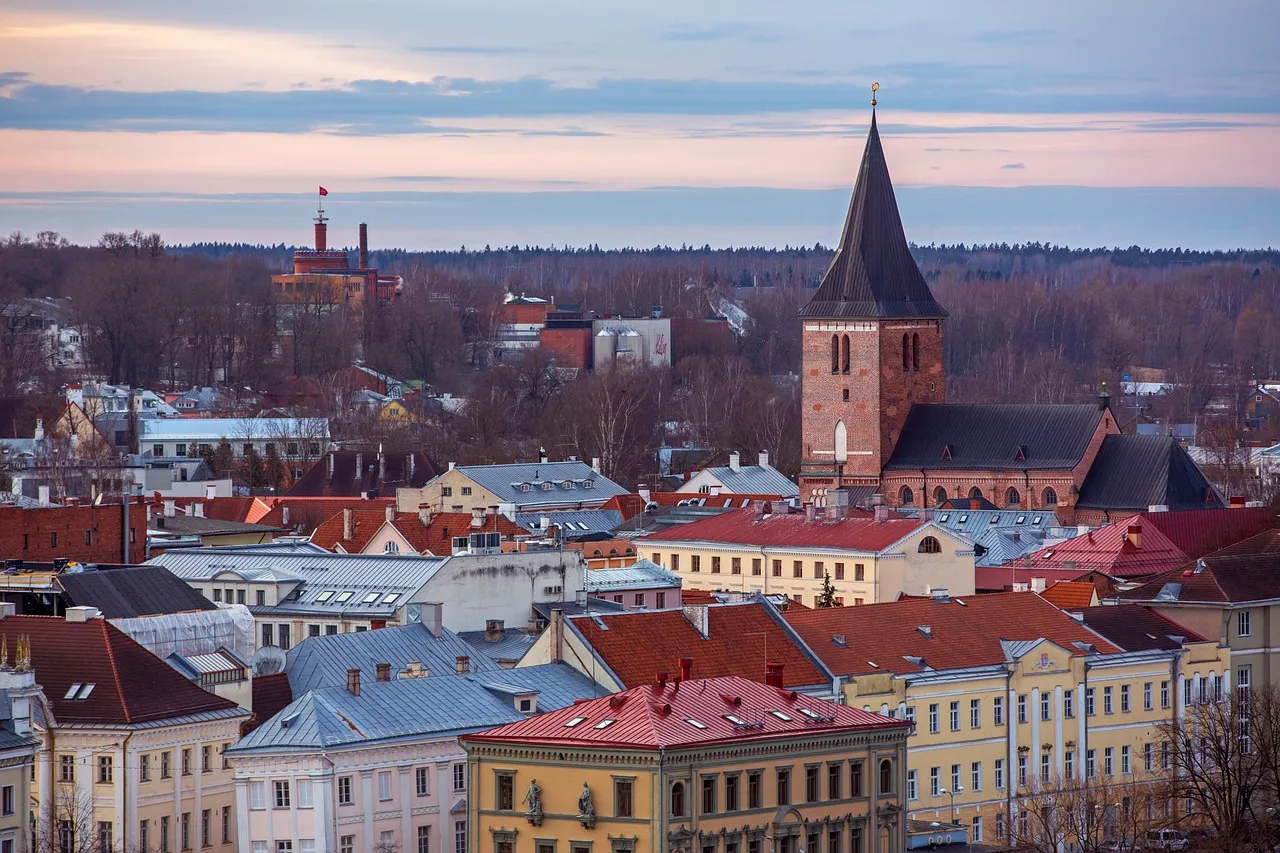
In 2024, Tartu was the European Capital of Culture, catching the eye of major publications such as National Geographic Traveller, which called it “one of the 30 most exciting destinations to visit in 2024.” For a city of its size, that recognition was well-deserved and long overdue.
Estonia’s second largest city, with just over 97,000 residents, sits astride the Emajõgi River a bit over two hours south of Tallinn and has long been known as an intellectual and cultural powerhouse. The University of Tartu was founded by King Gustav II Adolf of Sweden in 1632, making it one of the oldest universities in Northern Europe.
The old town of Tartu is compact and easily walkable, scattered with cafes, restaurants, and bars. Every fifth resident of Tartu is a student, giving the city extraordinary energy that feels very different from Tallinn’s more tourist-oriented atmosphere, in the best possible way.
Tartu’s Walking Culture and Green Spaces
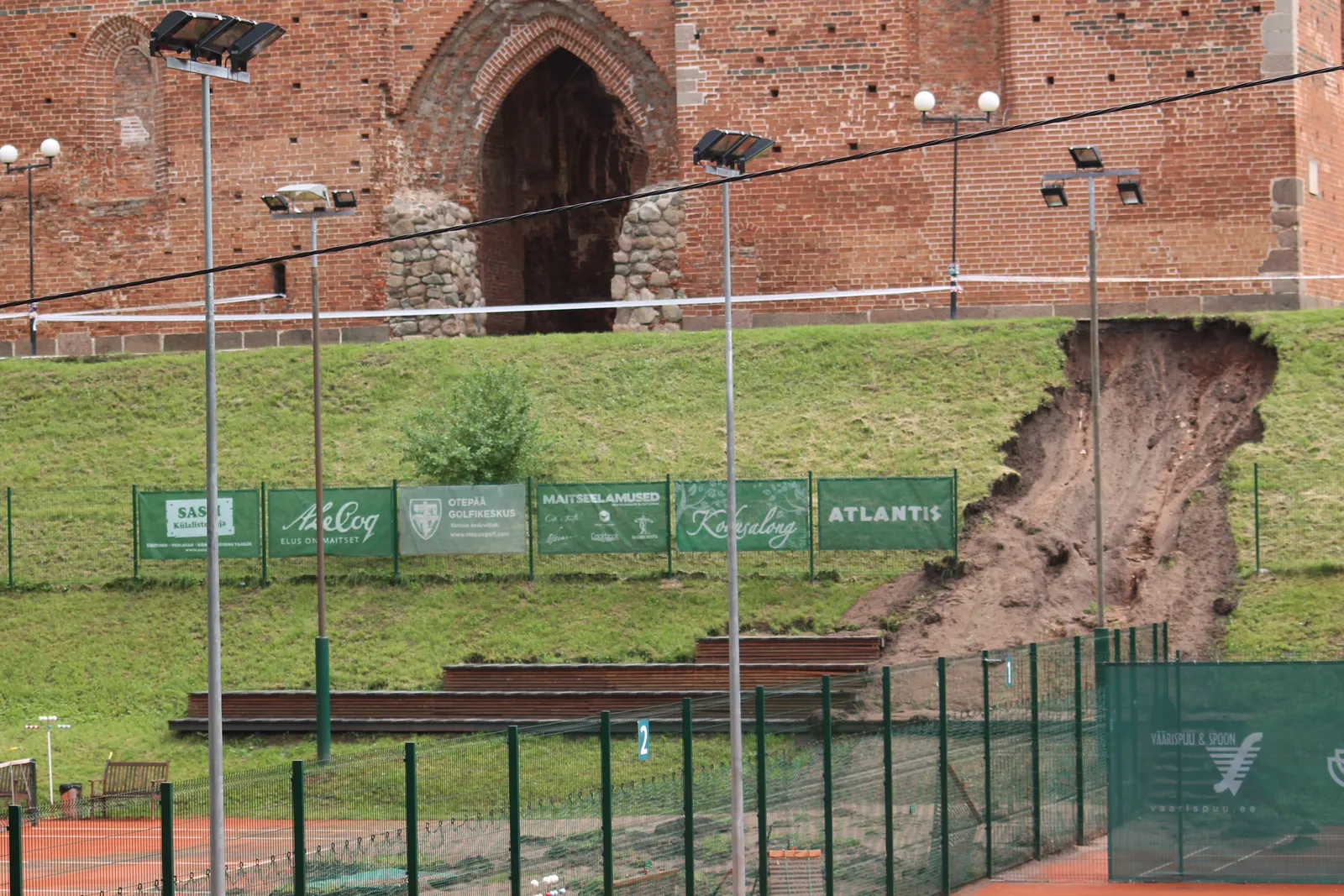
Popular with strolling professors and students, spacious Toome Hill Park lets you enjoy nature in the middle of the city. Toome Hill Park, next to the old town, is one of the favorite places for locals to stroll or read a book on a sunny day. The ruins of the old Tartu cathedral are now sometimes used for performances and parties.
The top attractions include the old Lutheran Jaani Kirik (St. John’s Church), with its oldest Gothic sections dating back to the 14th century; the town hall on the central square Raekoja Plats, completed in a mix of neoclassical, Rococo, and Baroque in 1789; and the older, early-19th-century buildings of the University of Tartu. All of it is within easy walking distance of itself.
Tartu’s walkability isn’t just physical. It’s social. The mix of students, academics, and long-term residents who use the old town daily gives it a rhythm that rewards slow, attentive exploration on foot rather than rushed sightseeing.
Preservation That Didn’t Sacrifice Livability
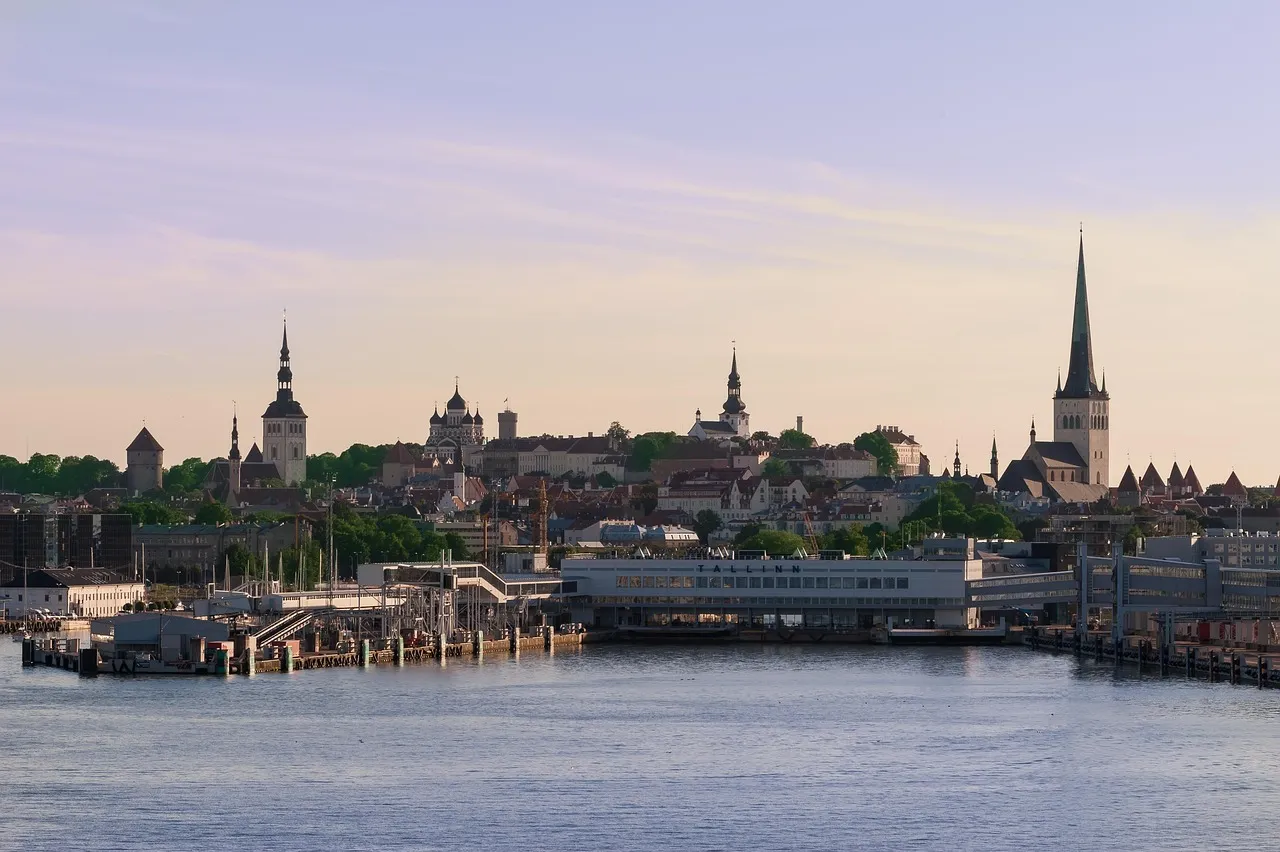
Unlike many European cities that experienced wholesale reconstruction during industrialization or wartime destruction, Tallinn preserved its medieval street pattern, defensive structures, and building stock to an exceptional degree, earning UNESCO World Heritage recognition in 1997. That preservation wasn’t purely decorative; it maintained the human-scaled proportions that make walking through these streets feel natural.
Much of the medieval town wall survives, along with churches, guild halls, merchants’ houses, and winding cobblestone streets that reflect the city’s development between the 13th and 16th centuries. Despite wartime damage, the historic fabric remains remarkably intact, offering visitors a vivid sense of the town as it might have been in the Middle Ages.
In addition to medieval heritage, you can find places from later periods in the Old Town that make the area seem like the chronicles of the city, containing the story of Tallinn throughout the ages. The layers sit comfortably beside each other rather than competing, which is part of why the place never feels like a theme park.
Why Estonia’s Old Towns Reward Slow, Purposeful Travel
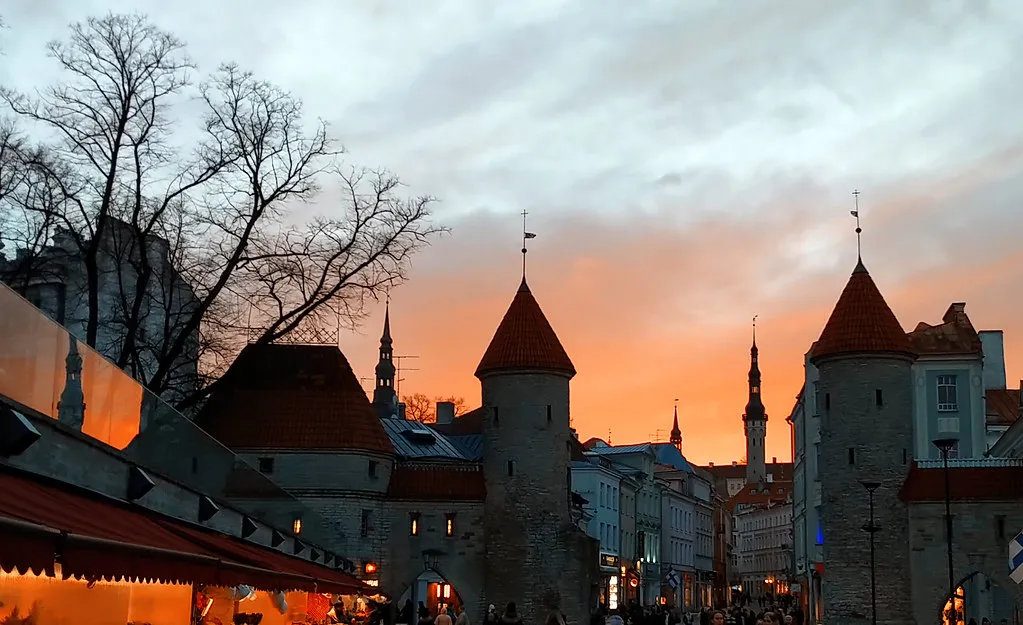
It is a place where time may seem to stand still, but in reality, life is in full swing. That paradox is what separates Estonia’s historic cores from more heavily managed heritage zones across Europe. Residents still live here, shop here, and govern from here.
Tallinn Old Town is one of the best preserved medieval old towns in all of Europe, which is why it has been on the UNESCO World Heritage List since 1997. The Old Town’s medieval buildings and network of streets date mostly from the 13th to 16th centuries when Tallinn, then known as Reval, was a quickly developing part of the Hanseatic League.
The four most important themes of Tartu’s 2024 European Capital of Culture program were uniqueness, sustainability, awareness, and co-creation, values that map almost perfectly onto what slow, intentional travel looks like in practice. Estonia’s old towns don’t ask you to rush. They reward those who don’t.
The Quiet Takeaway
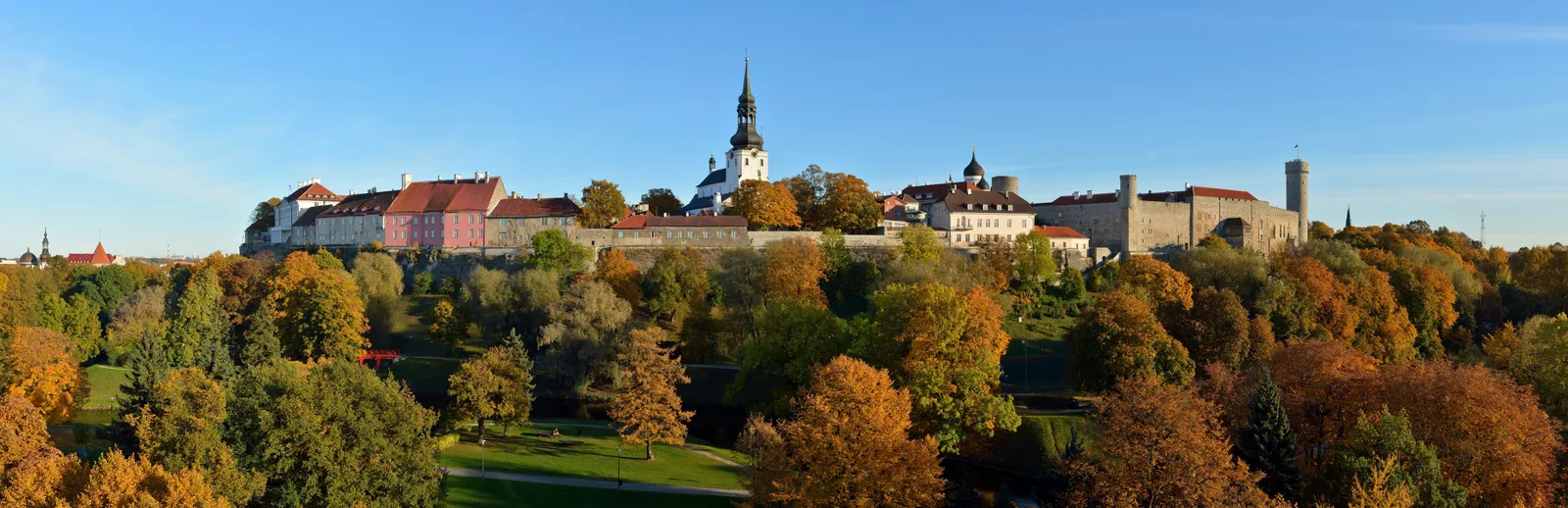
There’s a particular kind of travel satisfaction that comes from a place that doesn’t overexplain itself. Estonia’s old towns have that quality. The stones are old, the streets are narrow, the scale is human, and the depth of history is real. You don’t need a hired vehicle, a hop-on hop-off bus, or a laminated map to make sense of them. You just need to start walking.
For travelers who care about moving through a place rather than past it, who prefer a cobbled lane to a shuttle bus, and who find genuine pleasure in a city that rewards curiosity on foot, Estonia’s old towns offer something increasingly rare. They are, without exaggeration, among the finest walkable historic environments left in Europe, and most of the continent still hasn’t noticed.
AI Disclaimer: This article was created with the assistance of AI tools and reviewed by a human editor.