
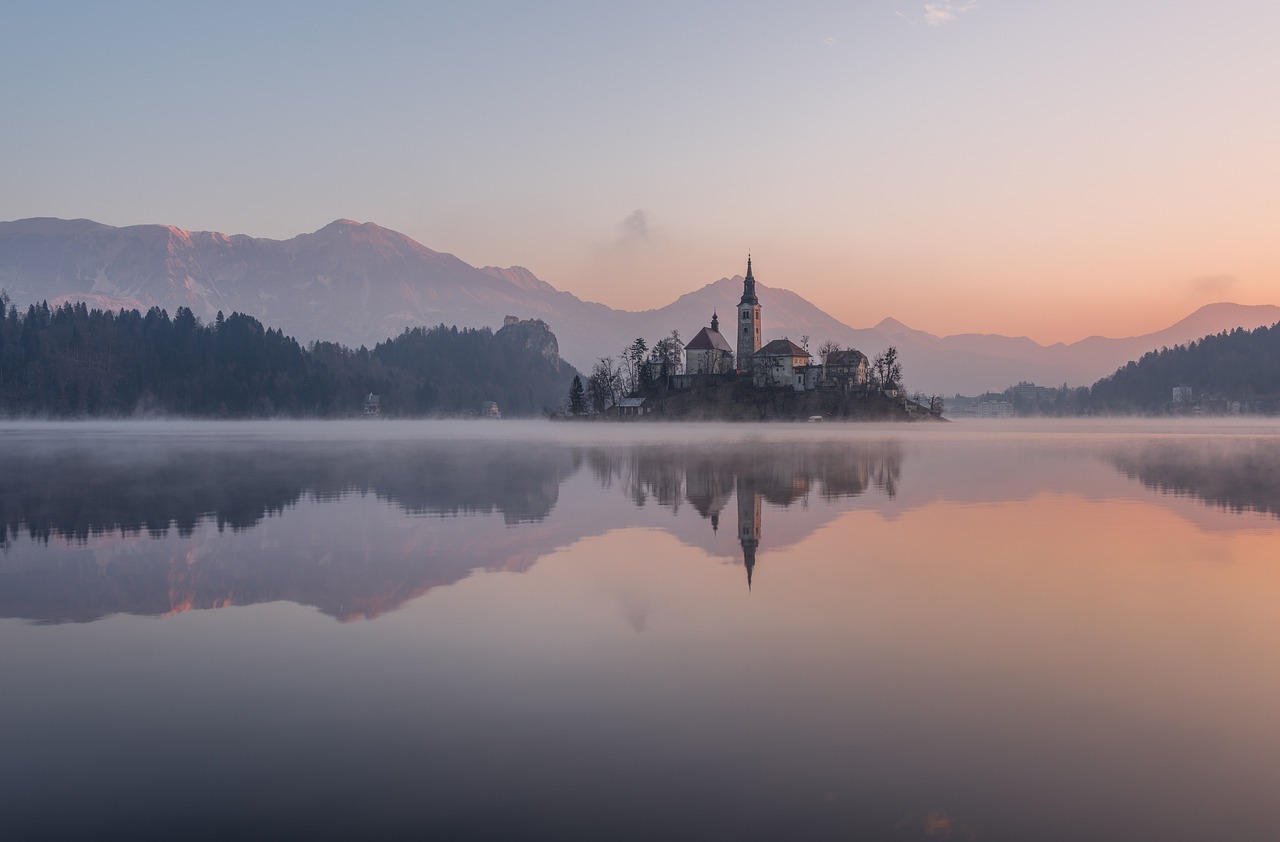

Somewhere between the Julian Alps and the Adriatic coast, a small country is making a big impression on European travelers. It has glacial lakes, mountain trails, medieval towns, and a capital city that banned cars from its historic center years before it became fashionable elsewhere. That country is Slovenia, and it has been quietly outperforming some of the continent’s most celebrated destinations for years now.
The Switzerland comparison gets raised often, and it’s easy to understand why. The landscapes rhyme, the dedication to clean air and clean water is genuine, and the outdoor culture runs deep. Where it diverges, though, is where things get genuinely interesting for the traveler who wants Alpine beauty without Alpine prices or Alpine crowds.
The Numbers Tell a Surprising Story
According to the Statistical Office of the Republic of Slovenia, nearly 7 million tourists visited Slovenia in 2025, generating almost 17.8 million overnight stays, representing a six percent year-on-year increase. That follows a remarkable 2024, which had itself been a record year. Slovenia recorded a 6.3 percent increase in tourist arrivals in 2024 compared to 2023, welcoming a total of 6.58 million visitors.
Foreign tourists accounted for nearly three quarters of all overnight stays in 2024, underscoring Slovenia’s growing appeal on the international stage. What’s notable is that this growth isn’t fueled by one single market. In 2025, among the more important foreign markets, the highest year-on-year growth rates in overnight stays were recorded from Poland, Spain, and Australia. It’s a genuinely diverse visitor base, and that diversity signals real, lasting interest rather than a passing trend.
An Alpine Landscape That Rivals the Best in Europe
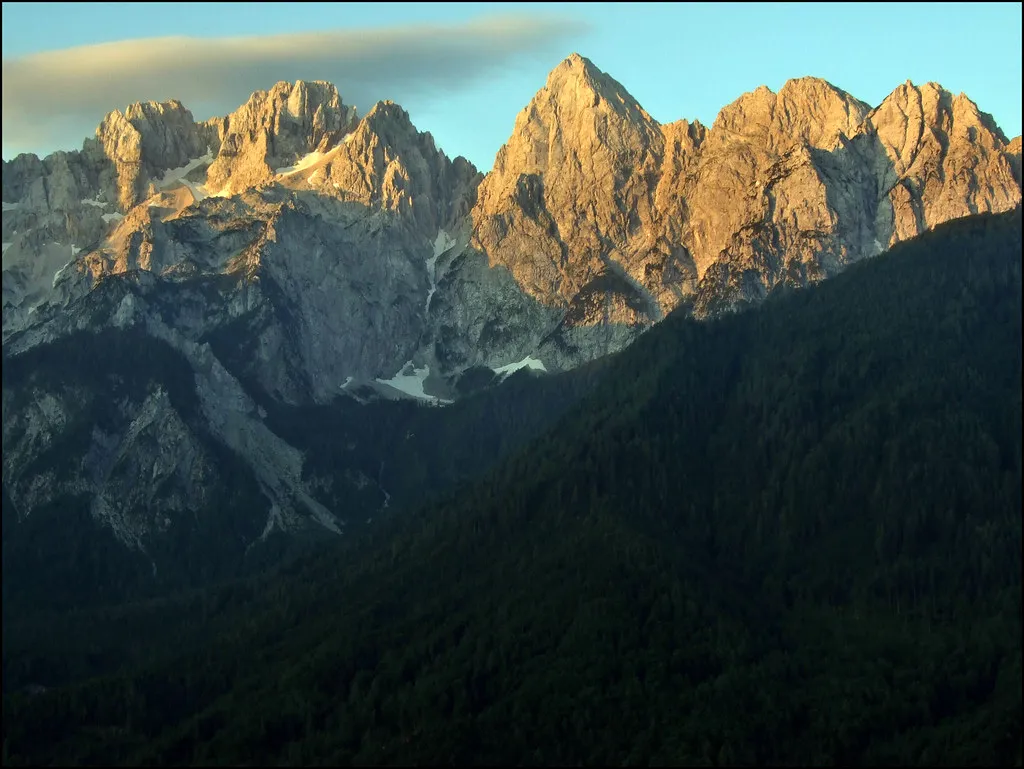
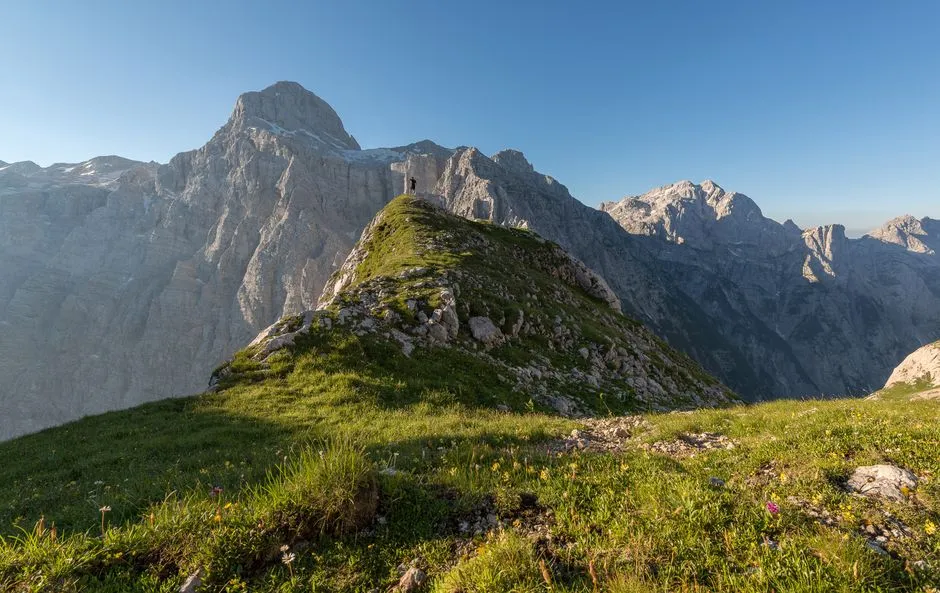
Slovenia offers diverse outdoor adventures shaped by its unique geography. The Julian Alps provide over 10,000 kilometers of marked hiking trails, and Mount Triglav at 2,864 meters is both the country’s highest peak and a national symbol. For context, that summit is roughly comparable in character to many of Switzerland’s storied peaks, yet the trails leading to it feel far less managed and commercial.
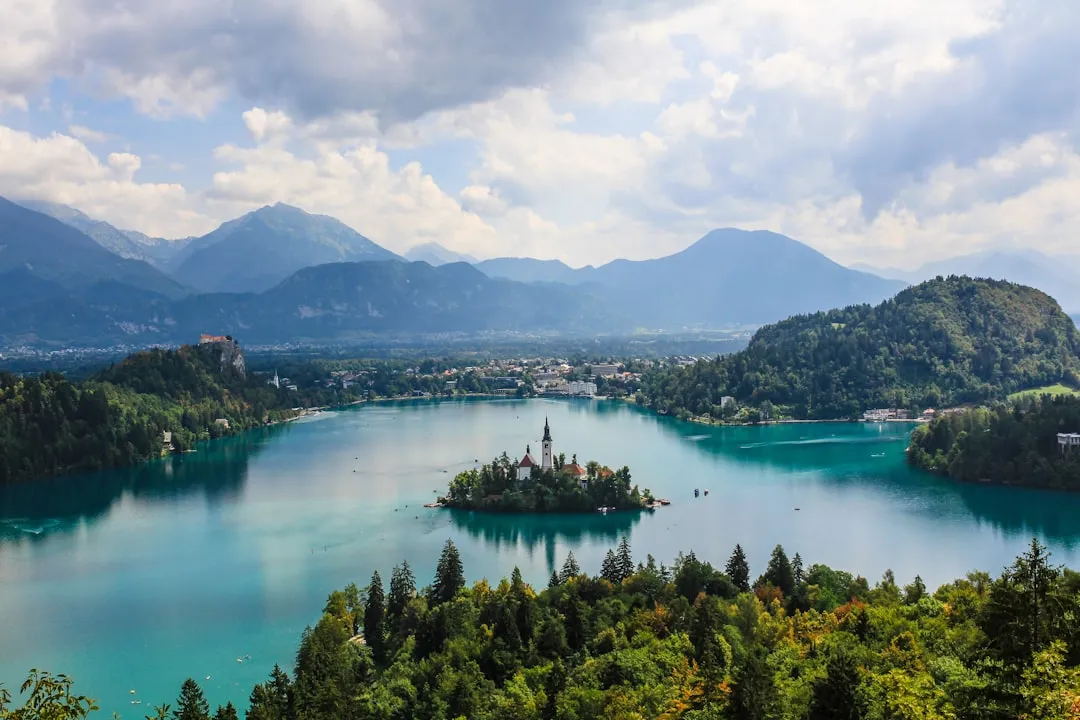
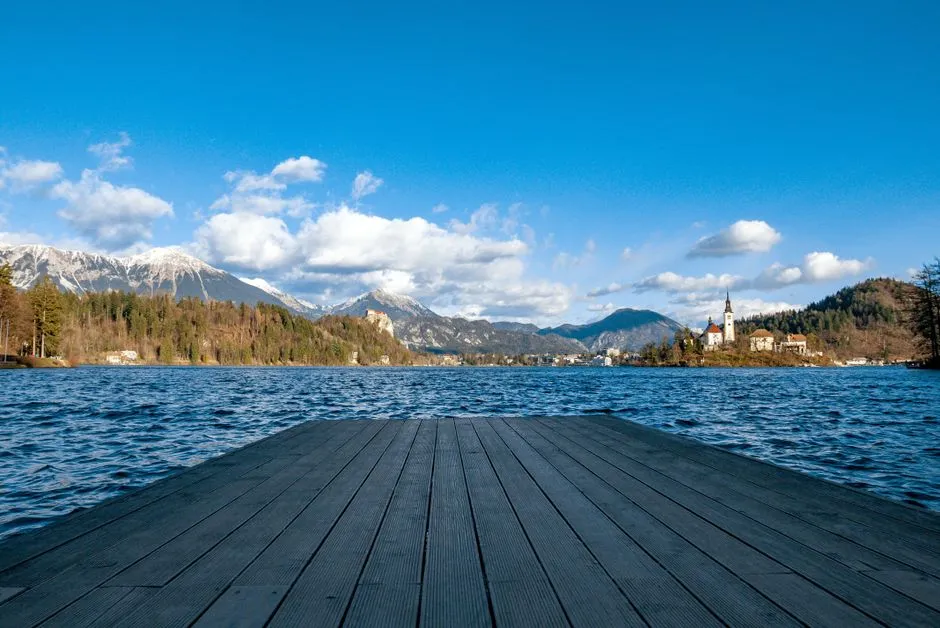
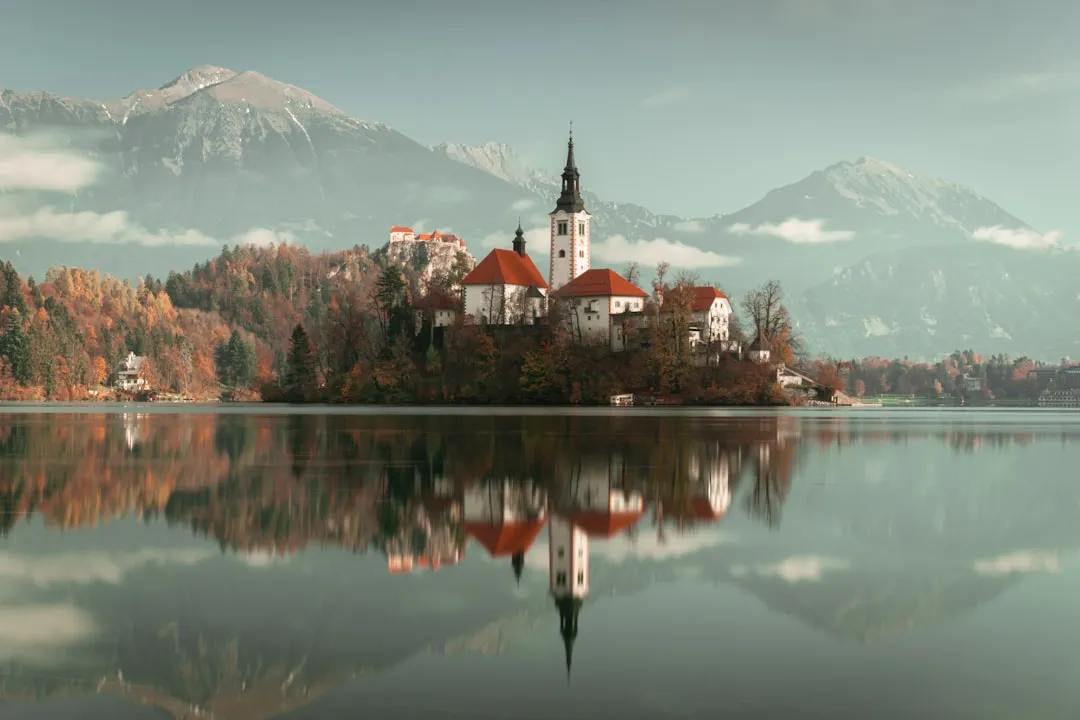
Lake Bled and Lake Bohinj serve as centers for kayaking, paddleboarding, and swimming, while the Soča River in Bovec is famous for white-water rafting, canyoning, and kayaking. The Soča Valley in particular carries an almost surreal quality, with water so turquoise it reads as artificial in photographs. It is entirely real.
The Cost Difference Is Significant and Well-Documented
Slovenia offers roughly 62 percent savings over equivalent Swiss Alpine experiences. Weekly hiking trips cost around $565 in Slovenia versus $1,485 in Switzerland, and mountain hut accommodation averages $49 per night compared to Swiss Alpine Club huts at $107. These are not trivial differences. For a family of four spending a week in the mountains, the gap adds up to a genuinely meaningful sum.
Slovenia is affordable by Western European standards but moderately priced compared to Eastern Europe. For budget travelers, it is absolutely possible to enjoy Slovenia for €50 to €70 per day. Mid-range travelers can expect €100 to €150 daily, while luxury travelers may spend upwards of €250. The range is wide enough to accommodate most travel styles. Getting from Ljubljana to Lake Bled by bus costs around $6, and local buses reach major trailheads for under $10 total.
Green Credentials That Go Far Beyond Marketing
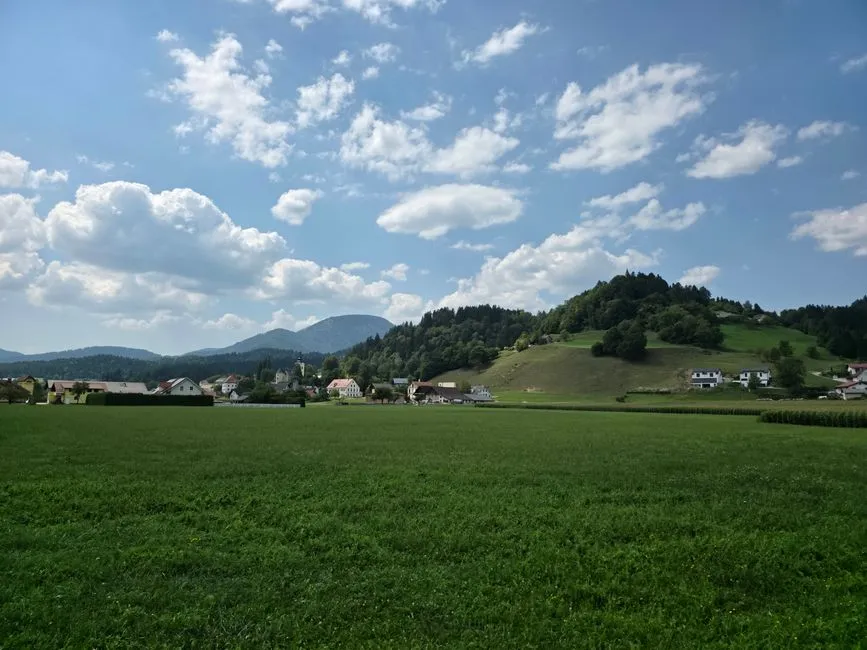
Slovenia was declared the first Green Country in the World at the Global Green Destinations Day in 2016. That was a decade ago, and the country has only deepened its commitment since. One of Slovenia’s most distinctive advantages has been its early and coordinated move into green branding. Its Slovenia Green certification scheme now covers hundreds of destinations, accommodations, and tourism providers.
The Green Scheme of Slovenian Tourism was one of the first projects in Europe to promote sustainability in tourism and serves as a model for many other countries. The European Travel Commission has adopted the Green Scheme as a basis for developing sustainable guidelines for European destinations. This isn’t a certification bought with a fee. Slovenia Green evaluators use a precise methodology based on the Green Destinations Standard criteria, covering areas from destination management and nature conservation to cultural heritage, support for the local economy, and community involvement. Evaluators review destination documents, conduct interviews with stakeholders, and carry out field visits.
Ljubljana: A Capital City Done Right
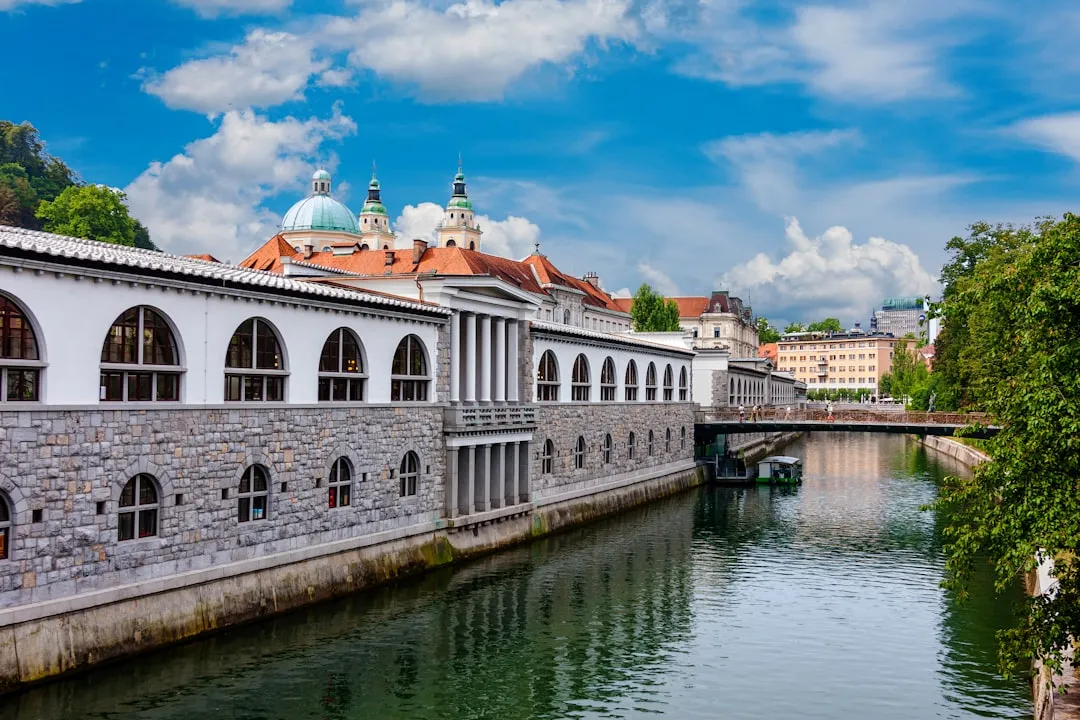
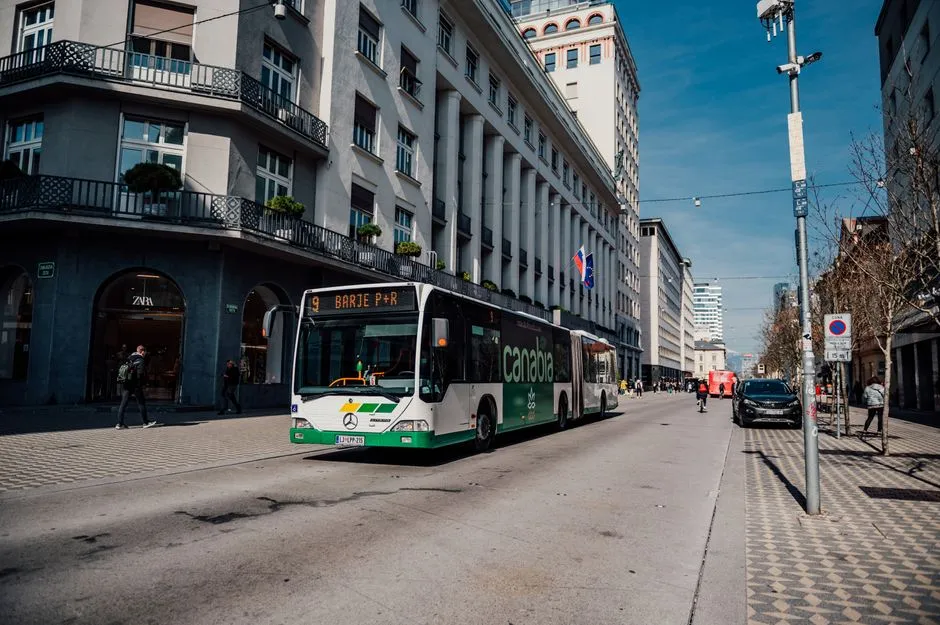
Ljubljana has been named the Green Capital of Europe, with 46 percent of its area covered by green spaces and pedestrian areas. The car-free historic center feels genuinely lived in rather than preserved behind a velvet rope. Outdoor cafes line the Ljubljanica River, local markets are busy, and the whole thing operates at a scale that’s easy to navigate on foot or by bicycle.
Ljubljana’s free Kavalir transport, a fleet of electric vehicles offering complimentary rides within the city center, encourages residents and visitors alike to leave private cars behind. For a traveler used to paying for every shuttle and shuttle bus in Alpine towns, the generosity of this system genuinely stands out. The city is walkable in the best possible sense of that overused word.
Spreading Beyond the Famous Spots
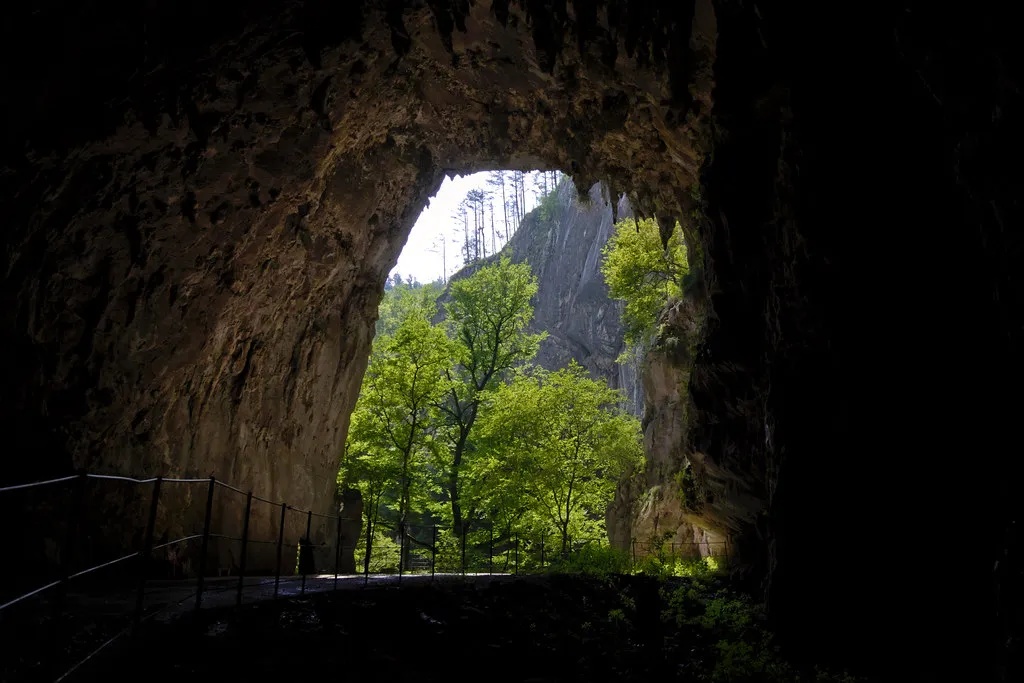
One of the more interesting signals in the recent data is where tourism is growing, not just how much. In 2025, smaller and medium-sized Slovenian tourist destinations recorded the highest growth in overnight stays. With over 20 percent year-on-year growth, the Šalek Valley stands out, followed by the Dolenjska region, Nova Gorica, the Vipava Valley, Brda, and the Upper Savinja Valley. Growth of over 10 percent was also recorded in Cerklje na Gorenjskem and Green Karst.
The data indicate increasing visitor numbers outside main tourist centers, pointing to a greater spatial dispersion of tourism flows. This is a meaningful shift. When travelers start seeking out secondary destinations, it usually means the primary ones have earned a reliable reputation, and people are now ready to explore more deeply. Slovenia appears to be at exactly that inflection point.
A Karst Underworld Unlike Anything in the Alps
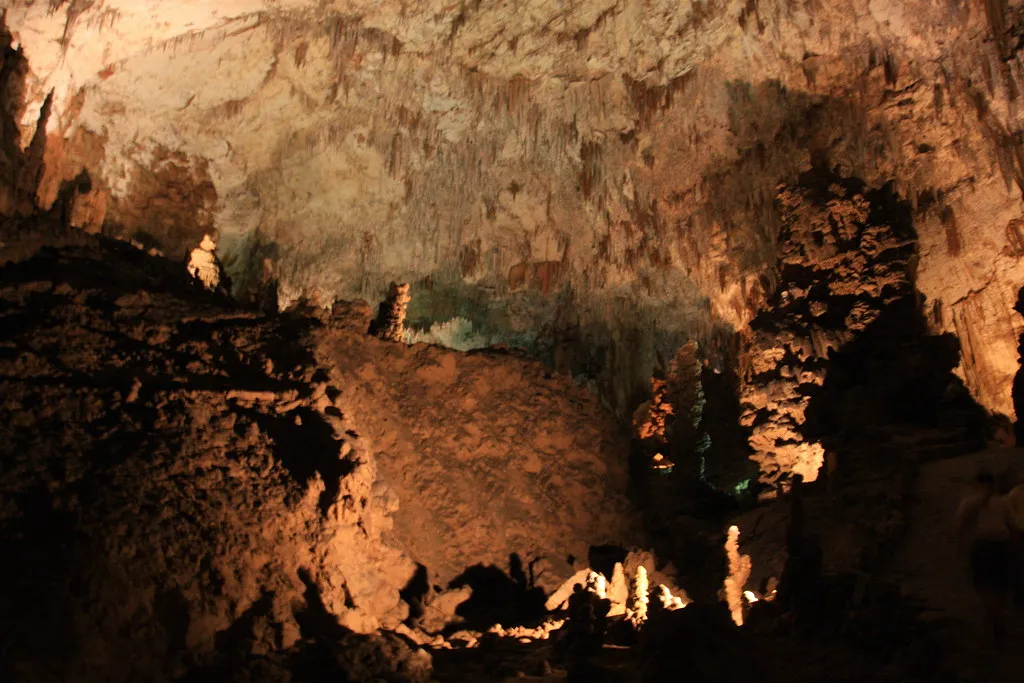
The Karst region features over 10,000 caves, including Postojna and Škocjan, both open for guided caving tours. Škocjan Caves carry UNESCO World Heritage status and contain one of the largest underground canyons in the world. These aren’t novelty attractions. They are genuinely awe-inspiring places that require no particular athletic ability to experience.
The Slovenian territory has no shortage of magnificent castles either, from the fortified Celje Citadel to the recluse Rihemberk, distinguished for its circular tower, to the 12th-century Predjama Castle, partially framed by a limestone cave. Switzerland’s historical appeal is real, but it leans heavily toward civic and religious architecture. Slovenia offers something more peculiar and often more dramatic.
Visitors Are Genuinely Satisfied
An analysis of 255,000 online reviews in 2025 shows that Slovenia earned an impressive average rating of 8.9 out of 10, demonstrating high visitor satisfaction. That figure is not from a promotional brochure. It comes from actual traveler feedback, aggregated across a very large sample. Sustaining a score that high across a full country is genuinely difficult to do.
Residents’ positive attitude toward tourism is confirmed by the Resident Sentiment Index survey, which shows that nearly two thirds of Slovenians believe tourism brings more positive than negative effects, while only around one in twelve disagree. When asked whether their region should continue to be promoted as a tourist destination, Slovenians expressed a net support level of 71 percent. A community that welcomes tourism rather than resenting it creates a measurably different atmosphere for visitors. That warmth is hard to fake and impossible to manufacture.
The Policy Behind the Growth
In 2025, the Ministry of the Economy, Tourism and Sport remains committed to its trajectory of promoting balanced tourism growth under the “A Little Bit More, A Lot Better” approach, prioritizing higher quality and added value in the tourism range of products. This is a deliberate strategic choice. Slovenia is not chasing volume for its own sake, and that restraint is increasingly rare among European tourism destinations.
The Ministry concluded 2024 by announcing a Call for Proposals to co-finance investments aimed at enhancing the quality of tourist accommodation facilities, with an allocation exceeding €15 million for sustainable tourism development. At the proposal of Slovenia, the project “Strategies for balancing green investment and sustainable growth for tourism SMEs” will be implemented as part of the UNWTO Agenda for Europe, with expected outcomes including a strategy to mitigate negative impacts and increase the benefits of sustainable investments. These are structural investments, not short-term promotions.
Trail Culture Rooted in National Identity
Local volunteer brigades maintain roughly two thirds of Slovenia’s 500-mile trail network, and this community ownership preserves an authentic mountain culture where a significant share of Slovenians climb Triglav at least once in their lifetime. The relationship between Slovenes and their mountains isn’t performative or tied to athletic achievement culture. It’s woven into how people grow up and how families spend time together.
Sustainable mobility is a priority for Slovenia’s green destinations. Initiatives like Ljubljana’s free Kavalir transport and various local bus services encourage the use of public transportation, while many destinations offer public bike rental systems and rail travel campaigns for cultural excursions. The infrastructure supports walking and cycling in a way that feels practical rather than aspirational, which is exactly where the Alps comparison becomes most apt.
The Takeaway
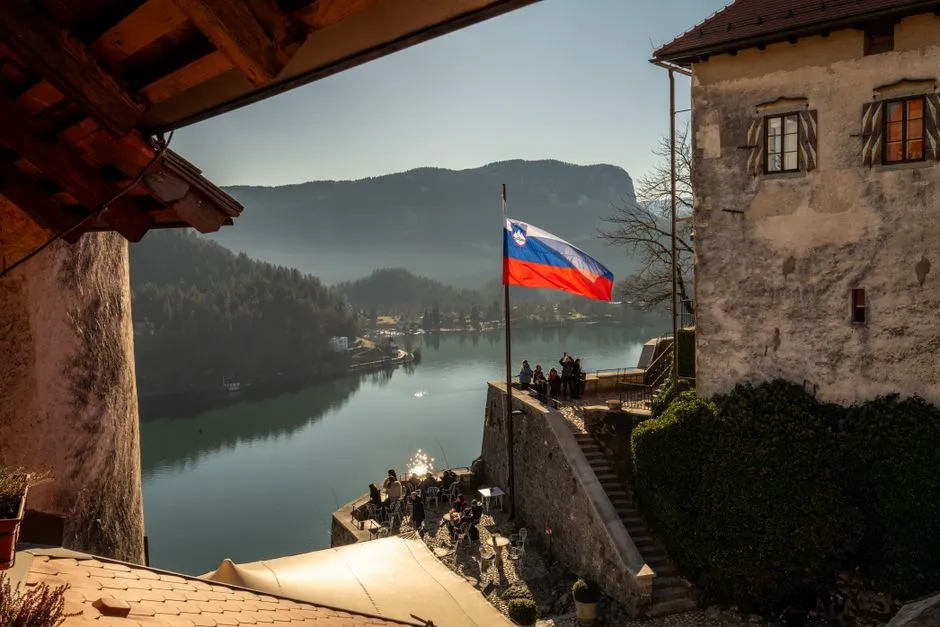
Slovenia was never trying to be Switzerland. It doesn’t need to be. What it has built over the past decade is something more grounded: a destination with genuine alpine beauty, a credible sustainability framework, a warm and welcoming local culture, and a price point that opens the door to travelers who might otherwise pass on Central Europe entirely.
Slovenia’s upswing is unfolding within a wider global tourism rebound, but its growth rate and positioning as a sustainable, small-scale destination suggest a structural shift rather than a short-term bounce. The numbers back that up, and so does the visitor satisfaction data. The quiet word here is “structure.” It implies durability.
For travelers who have always wanted the Alps but never quite felt the Swiss price tag was justified, Slovenia offers a way in. Not as a consolation, but as a destination complete on its own terms.
AI Disclaimer: This article was created with the assistance of AI tools and reviewed by a human editor.