
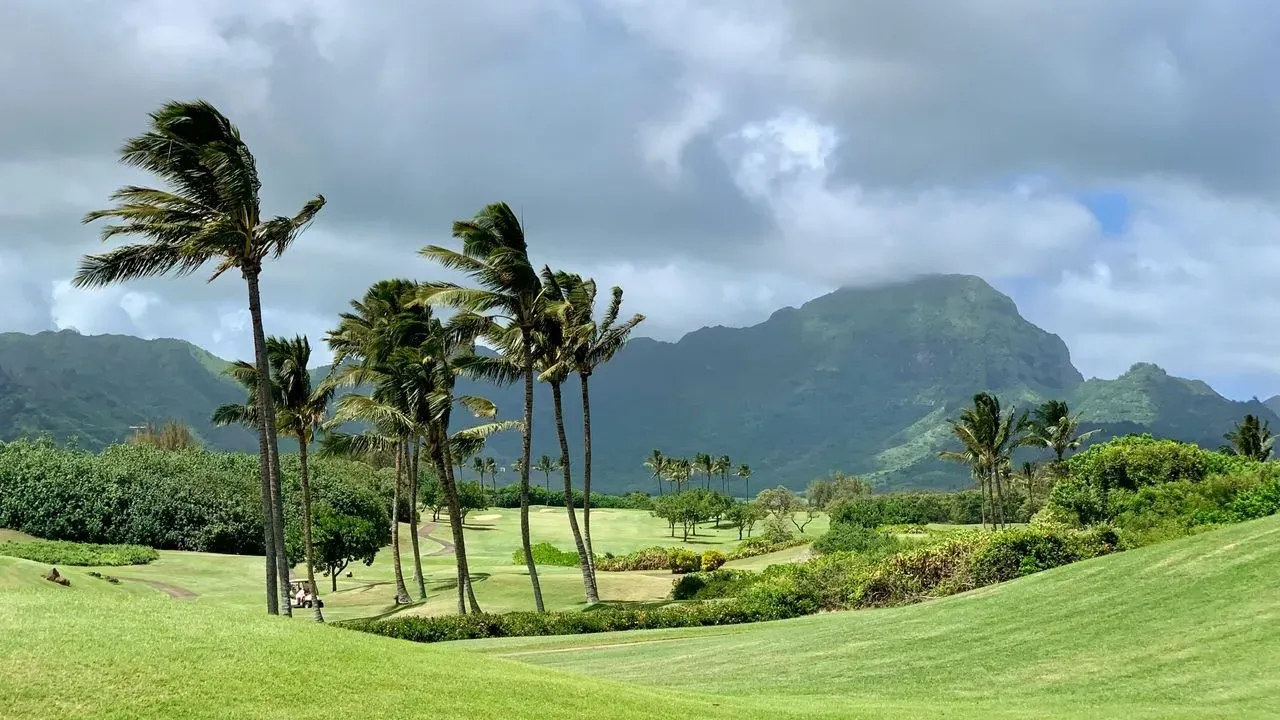

Hawaii’s Big Island and neighboring islands continue their measured recovery from Hurricane Lala’s heavy rains and winds last weekend. Now a second system, Tropical Depression Moke, is expected to pass just south of the chain and deliver additional rainfall through Monday. Travelers with upcoming plans will find the islands focused on safety and preparation rather than disruption.
Storm Path and Rainfall Outlook
Moke weakened from tropical storm strength early Sunday and is forecast to skirt the southern coast of the Big Island before moving farther south. Forecasters anticipate 5 to 10 inches of rain across much of the Big Island, with isolated spots possibly reaching 15 inches. Eastern Maui could see 3 to 6 inches, while lighter amounts are likely elsewhere in the state. ([1])
Flash flood watches remain in effect for portions of the Big Island, where saturated ground from Lala increases the risk of mudslides in steep terrain. No coastal warnings are currently posted, though tropical storm warnings cover surrounding waters through Sunday night.
Recovery Context on the Islands
Communities are still assessing damage from Lala, which brought wind gusts over 80 mph and extreme rainfall totals exceeding three feet in some locations. Officials note that even moderate additional rain could complicate cleanup and create new hazards in already affected areas.
Maui County Mayor Richard Bissen highlighted the need for continued vigilance, noting that recent impacts mean lighter rain and wind could still trigger flooding, debris flows, or power issues. Governor Josh Green has requested a federal emergency declaration to support recovery from both systems.
Practical Steps for Visitors
Travelers already on the islands or arriving soon can stay informed by monitoring official county and state emergency channels. Many properties and tour operators are adjusting schedules based on local conditions, and flexibility remains the most useful approach.
Key considerations include:
- Confirming flight and inter-island ferry status directly with carriers, as brief delays remain possible.
- Reviewing hotel or rental policies on cancellations or changes related to weather advisories.
- Carrying extra time for road travel, especially on the windward sides of the islands where rainfall is expected to be heaviest.
- Respecting any temporary closures of trails, parks, or coastal areas posted by local authorities.
These measures help protect both visitors and the communities working to restore normal routines.
Community Resilience and Responsible Travel
Hawaii’s residents have long balanced the islands’ natural beauty with the realities of an active hurricane season. The current response reflects that experience, with emergency teams coordinating recovery from Lala while preparing for Moke’s passage. Visitors who approach the islands with patience and awareness contribute to a smoother experience for everyone.
Support for local businesses that remain open, adherence to safety guidance, and an appreciation for the ongoing efforts of residents all align with thoughtful travel during this period. The islands’ landscapes and cultural traditions continue to welcome those who arrive ready to explore responsibly.
AI Disclaimer: This article was created with the assistance of AI tools and reviewed by a human editor.