
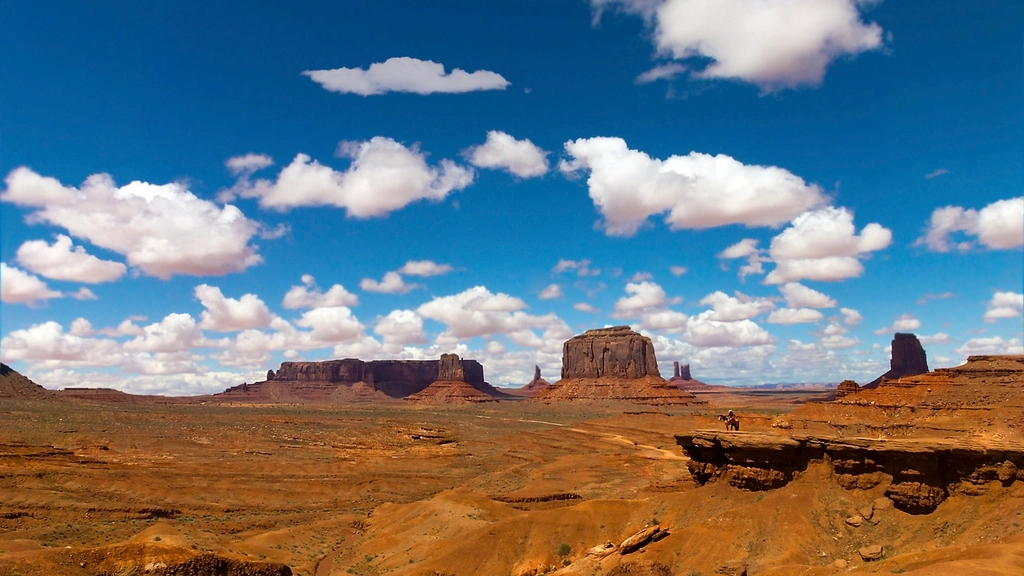

There’s something quietly radical about choosing a canyon wall over an on-ramp. While most Americans drive the same interstates year after year, a growing community of van dwellers has been quietly mapping a different kind of road, one that threads through ancient red rock, high desert skies, and some of the most striking geology on the planet. It’s called the Grand Circle, and once you’ve driven it, a straight shot down I-70 feels like a consolation prize.
In its simplest definition, this iconic road trip travels between Utah and Arizona, hitting six national parks: Zion, Bryce Canyon, Capitol Reef, Canyonlands, Arches, and Grand Canyon. Van lifers have quietly claimed it as their gold standard, and the numbers behind the broader van life movement help explain why.
Why the Grand Circle Has Become Van Life’s Defining Route
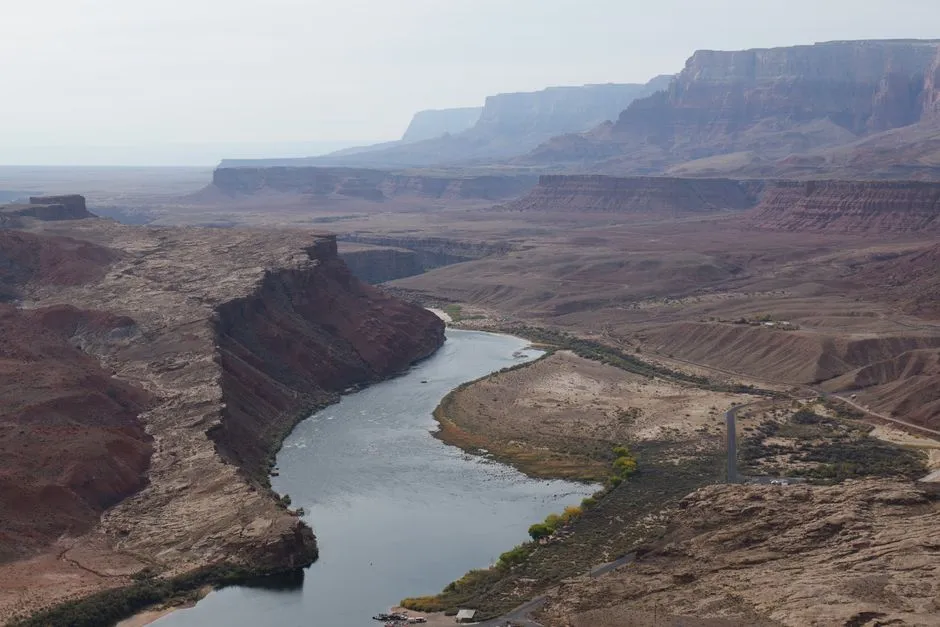
The Colorado Plateau has the densest concentration of national parks in the entire US, and the Grand Circle tour connects the best of them. That density is what makes it so different from the interstate experience, where parks appear as lone destinations separated by hours of unremarkable freeway.
This Southwest national park loop is around a 1,000-mile journey with hundreds of miles worth of awesome detours. For a van lifer who lives on the road, that’s not a long weekend trip. It’s a way of life stretched across weeks of unhurried exploration.
In 2024, the National Park Service reported a record 331.9 million recreational visits, a number that reflects just how urgently people are seeking out natural spaces. The Grand Circle absorbs a generous portion of that desire, offering the kind of layered beauty that rewards slow travel far more than quick passage.
Starting Point: Las Vegas to Zion National Park
The Grand Circle road trip loop starts and ends from the airport in Las Vegas, Nevada, which is about three hours from Zion National Park and less than five from Grand Canyon National Park. For van lifers flying in to begin their journey, or wrapping up and heading home, Las Vegas serves as a practical and surprisingly logical gateway.
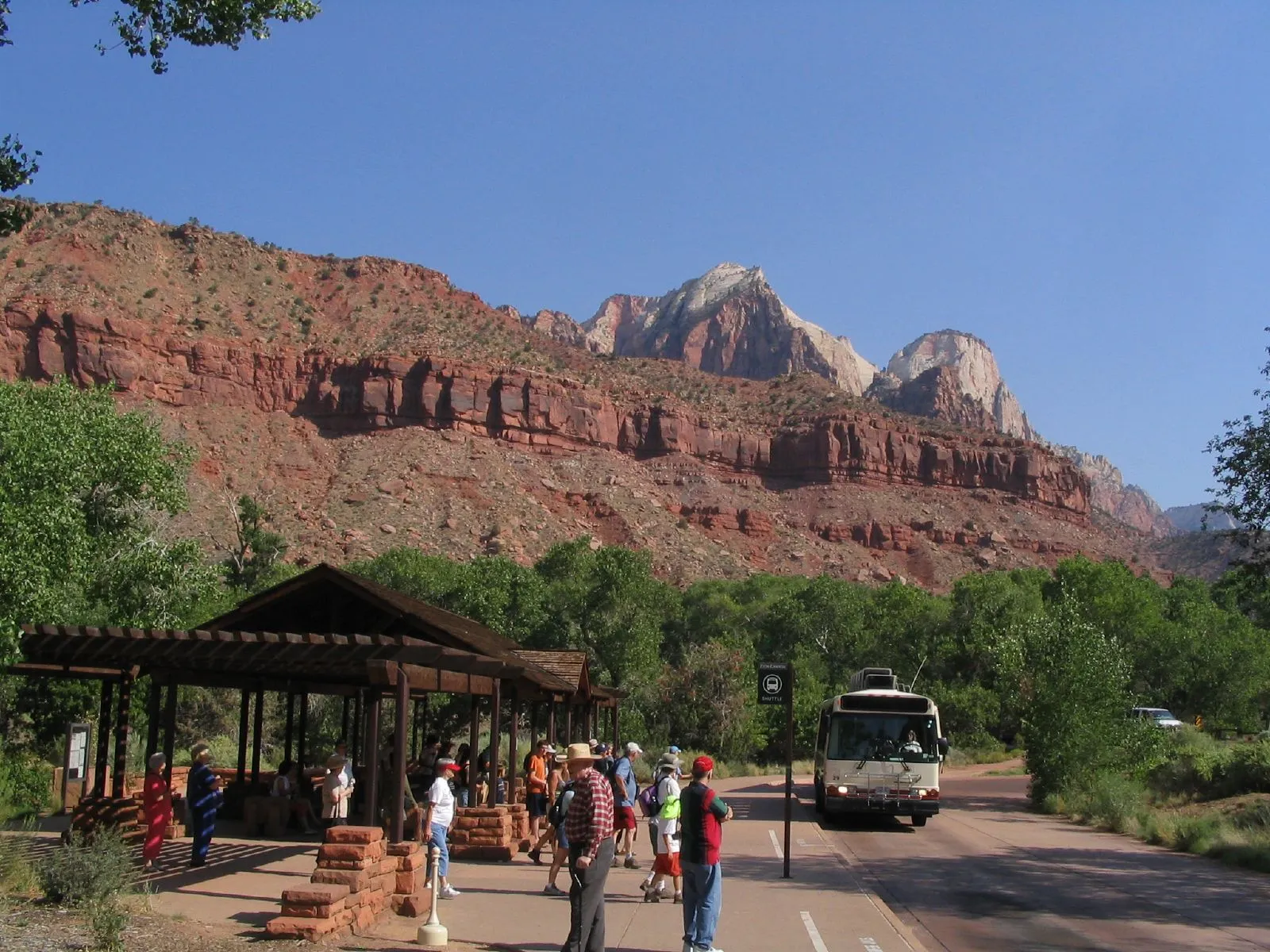
Zion Canyon itself sets the tone for everything that follows. Two days here let you ride the shuttle through Zion Canyon, hike the Narrows along the Virgin River, or tackle the thrilling Angels Landing, which requires a permit. Van dwellers especially appreciate the in-park campgrounds, which put them inside the action before the day-tripper crowds arrive.
Camping inside the park when possible makes a real difference; staying in in-park campgrounds means you’re already past the entrance station when day-trippers start lining up. That kind of quiet morning access is something interstate travelers, checking into motels fifty miles out, simply can’t replicate.
Bryce Canyon: Hoodoos, Early Light, and a Lesson in Timing
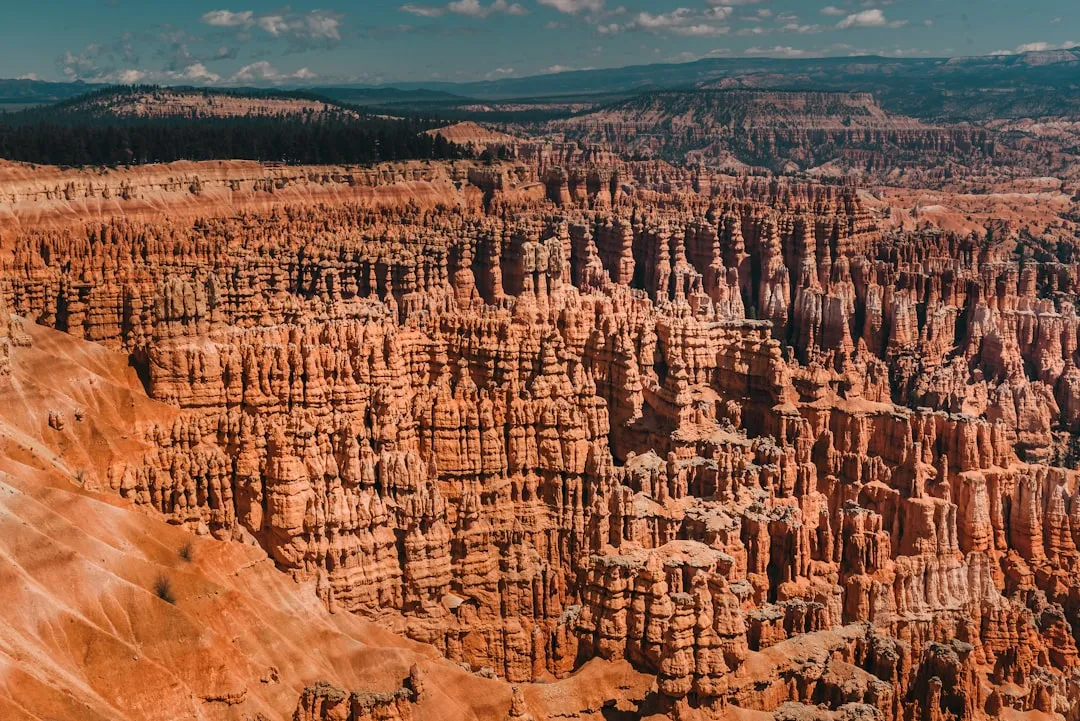
Arriving at Bryce Canyon before 9 a.m. to snag parking at Sunset Point and Inspiration Point is a genuine insider tip. By 10 a.m. on spring weekends, the shuttle becomes your only reliable option. Sleeping in your van inside the park boundary makes that early start almost effortless.
The Navajo Loop and Queen’s Garden Trail combination, at 2.9 miles round trip, is widely considered the single best hike in the park. The hoodoos cast long shadows in morning light, which is also when photographers get the best shots. There’s a reason this landscape keeps pulling people back.
The free park shuttle runs from mid-April through October and stops at all major overlooks, which is worth knowing for van lifers who prefer to leave their vehicle parked and simply walk or ride through the morning. The park rewards patience. Rushing it is a mistake.
Highway 12: The Drive That Connects It All
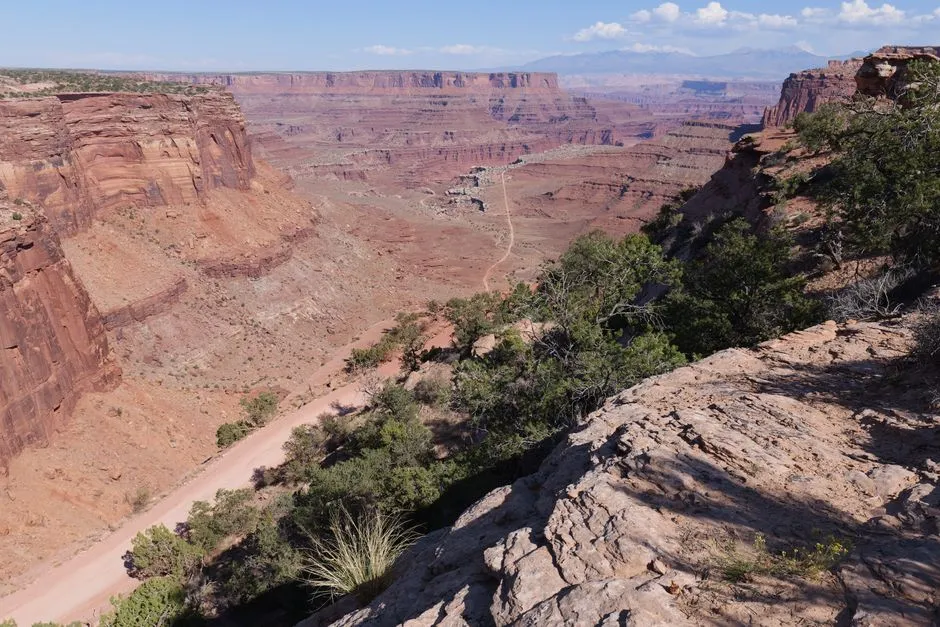
Between Bryce Canyon and Capitol Reef lies what many experienced road travelers consider one of the finest scenic highways in the country. Day three of the classic Grand Circle itinerary takes travelers from Bryce Canyon to Capitol Reef National Park via Byway 12. That stretch of road is genuinely hard to describe without resorting to superlatives.
Ancient volcanic mountains, protruding plateaus and buttes, and deeply carved canyons reveal themselves in a rainbow of colors along this corridor. For van lifers, it’s also one of those drives where pulling over every few miles isn’t a detour. It’s the point.
Capitol Reef itself is frequently overlooked compared to its flashier neighbors, yet it holds a distinction that matters deeply to the van life community. Capitol Reef is a certified International Dark Sky Park, meaning the night skies here are genuinely extraordinary for stargazing. A clear night at elevation, far from any city glow, is one of those experiences the loop delivers with quiet consistency.
Moab: Base Camp for Two Parks at Once
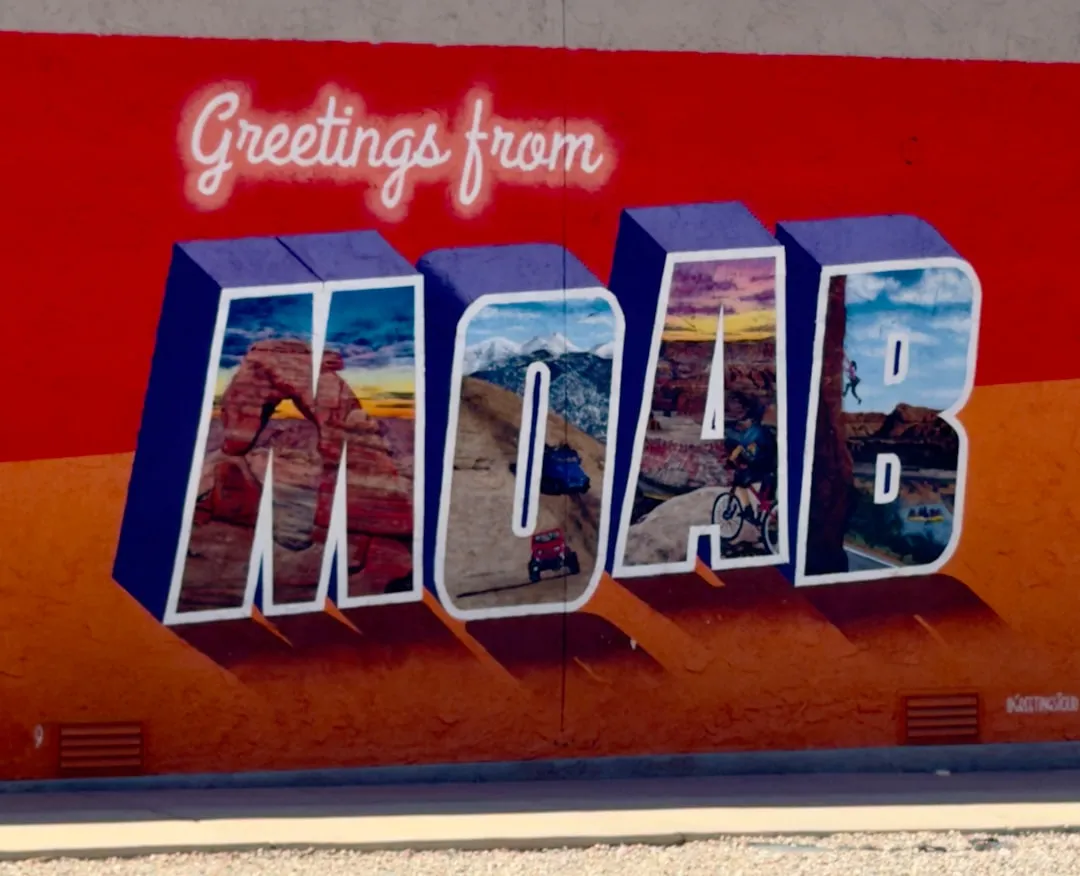
Moab is the hub for both Arches National Park and Canyonlands, and the camping market reflects that demand. The town sits at a crossroads that makes it uniquely efficient for van lifers who want to maximize their time in two very different but equally remarkable parks without constant repositioning.
Plan to dedicate time to Canyonlands, with its endless attractions spread across the Grand Loop Road, a drive that can take between four and seven hours to complete. Arches, meanwhile, operates on a timed entry system during peak periods, so planning ahead is essential.
Arches timed entry tickets are required from 7 a.m. to 4 p.m. daily from April 1 through July 6 and August 28 through October 31, with no tickets needed from July 7 through August 27. Canyonlands has no timed entry, but expect very cold winter nights and crisp, crowd-free days in the cooler months, which can be ideal for van life with proper insulation.
Why Van Lifers Thrive Here Specifically
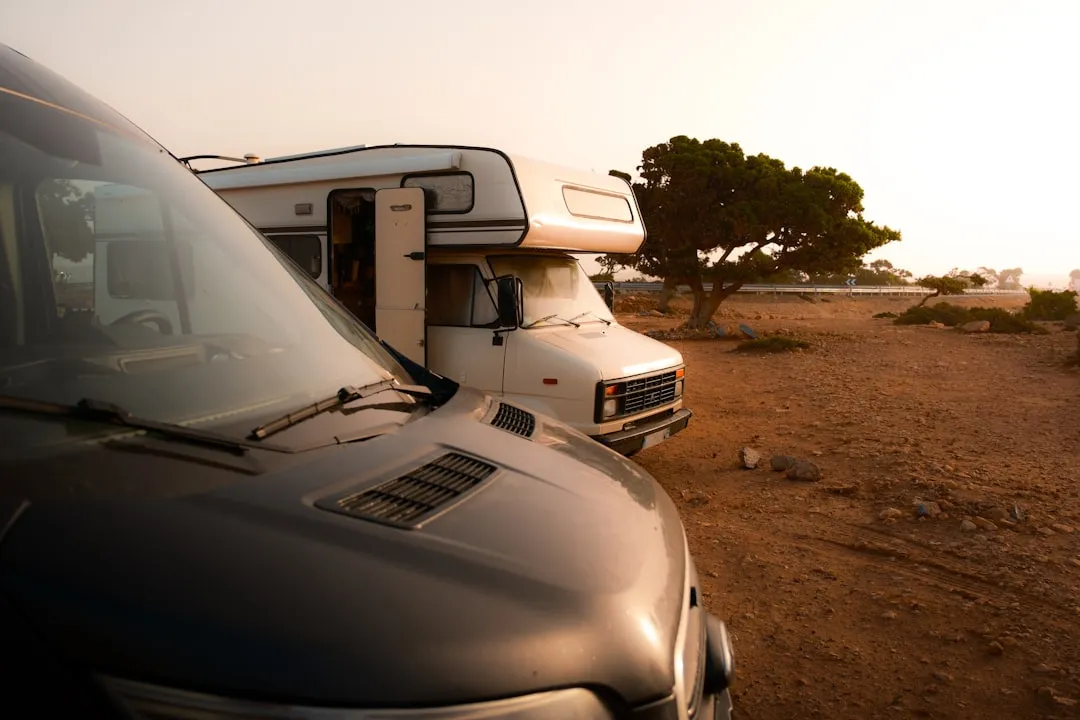
Roughly half of all van lifers sleep in either Bureau of Land Management areas or National Forests and Grasslands. The Grand Circle corridor is surrounded by BLM land, which means free or low-cost dispersed camping opportunities are genuinely abundant between the named parks. That combination of iconic scenery and accessible overnight options is rare.
Nearly four in ten van lifers spend zero dollars on campsites every month, likely using free public lands or boondocking off-grid. The desert Southwest makes that lifestyle especially practical, where pullouts, canyon rims, and high plateau sites offer both solitude and striking views without a reservation system.
The 2024 Van Life Safety Index by iOverlander reports that a strong majority of van lifers feel safe boondocking in national forests, with incidents registering at under two percent. That sense of security encourages more people to use the dispersed lands adjacent to the Grand Circle parks rather than always defaulting to organized campgrounds.
The Grand Canyon: North Rim Over South Rim for Van Travelers
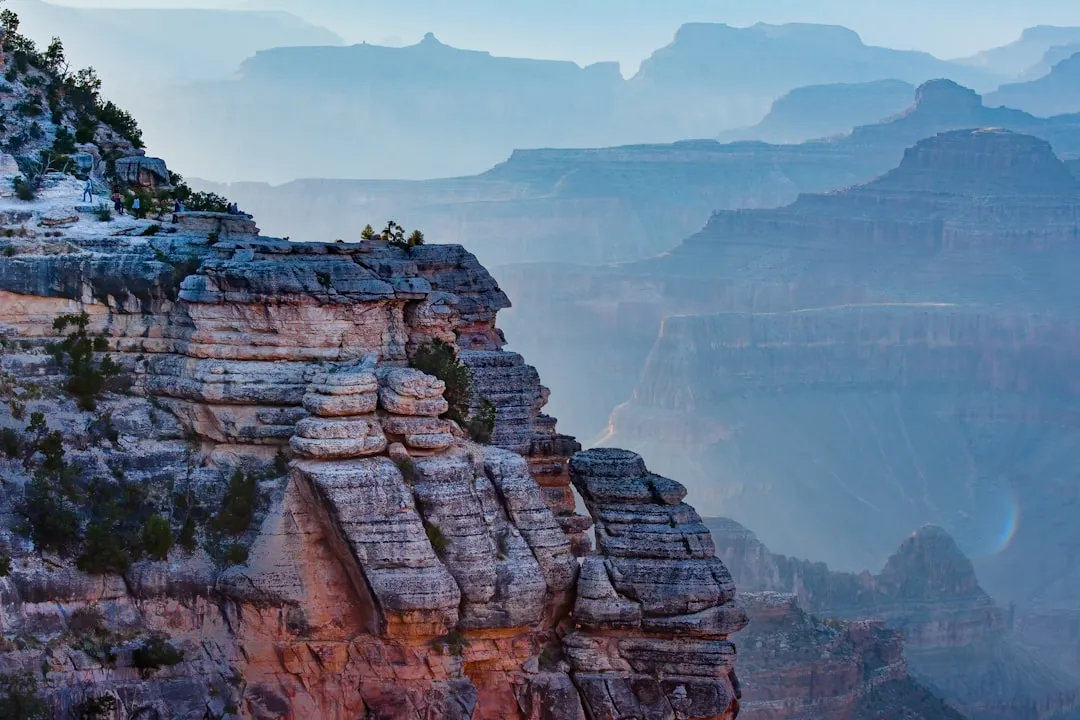
Visiting the Grand Canyon’s less-crowded North Rim before heading back into Utah to explore Zion and Bryce Canyon offers a genuinely different experience from the more heavily trafficked South Rim. Van lifers who have done both tend to recommend the North Rim for its relative calm and the quality of its overlooks.
Allowing two days to walk rim trails, trek partway down the Bright Angel Trail, and catch sunsets from overlooks like Mather Point or Hopi Point gives the South Rim its proper due if that’s the direction you’re approaching from. The scale of the canyon never fully registers in a single afternoon, no matter how many times you’ve seen photos.
The Desert View Drive provides quieter viewpoints without sacrificing the incredible scenery. For van dwellers arriving at odd hours or hoping to avoid the main visitor center congestion, it’s a reliable alternative that most day-trippers skip entirely.
Seasonal Rhythms and When to Go
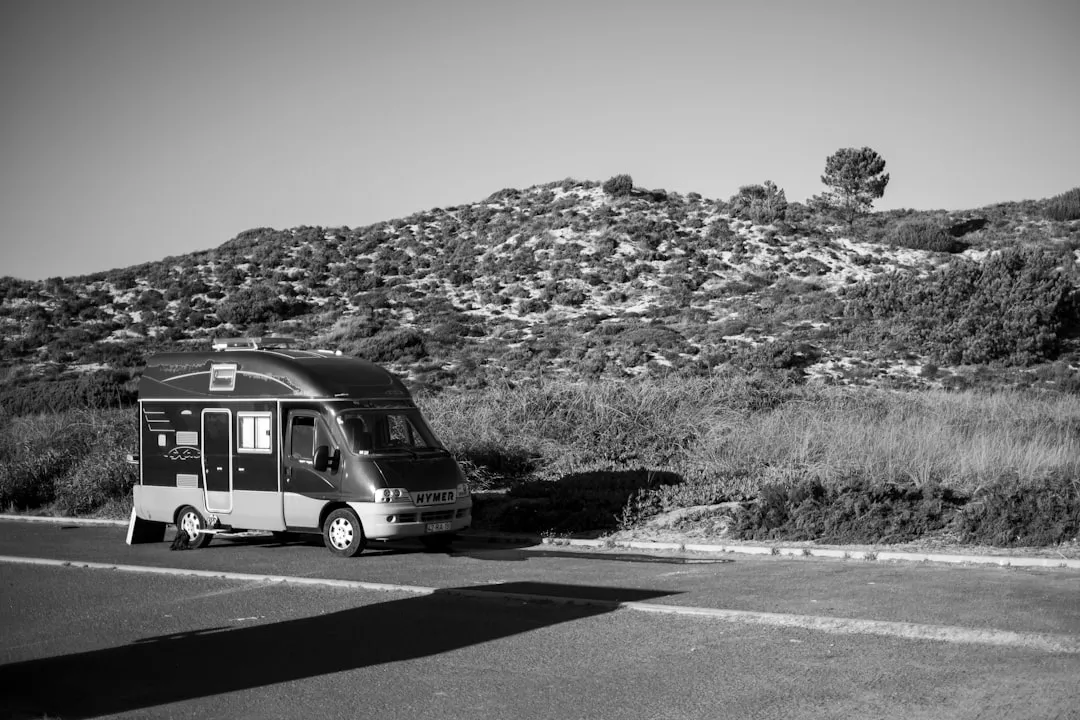
Cooler weather, fewer crowds, and easier-to-book campsites make fall and winter genuinely strong times to explore. Instead of battling peak-season lines, scarce parking, and sold-out campgrounds, van lifers can take advantage of shoulder-season comfort. The desert light in October and November has a quality that summer rarely matches.
Early April in southern Utah is quieter than late April. The first two weeks of April at Bryce Canyon feel like a different park compared to the Easter and spring break rush. Timing matters enormously on this loop, and the van life format gives travelers the flexibility to adjust on the fly in ways that hotel bookings simply don’t allow.
High-elevation routes like Tioga Road, Trail Ridge Road, and Teton Park Road close with snow and reopen in spring, a reminder that any loop route touching high country requires seasonal awareness. Checking current road conditions through each park’s official NPS page before setting out is a basic but essential habit.
The Social and Cultural Pull of the Loop

On TikTok, the hashtag #vanlife has accumulated more than 30 billion views worldwide. On Instagram, the topic has grown from around one million posts in 2017 to more than 15 million posts in 2025. Much of that content, when traced back to geography, centers on the red rock Southwest and the Grand Circle in particular.
Civilizations dating back thousands of years, followed by the Navajo, Apache, Spanish, Mormons, and others have created a multicultural mix unique to this part of the world. That layered human history is part of what gives the route depth beyond its visual spectacle. Approaching it with curiosity and cultural respect makes the experience considerably richer.
There’s also something worth acknowledging about the scale of what this landscape means to Indigenous communities who have called it home for millennia. Visiting with that awareness, staying on marked trails, leaving no trace, and engaging thoughtfully with local history, is what separates purposeful travel from mere sightseeing.
Practical Realities: Permits, Costs, and What to Prepare For
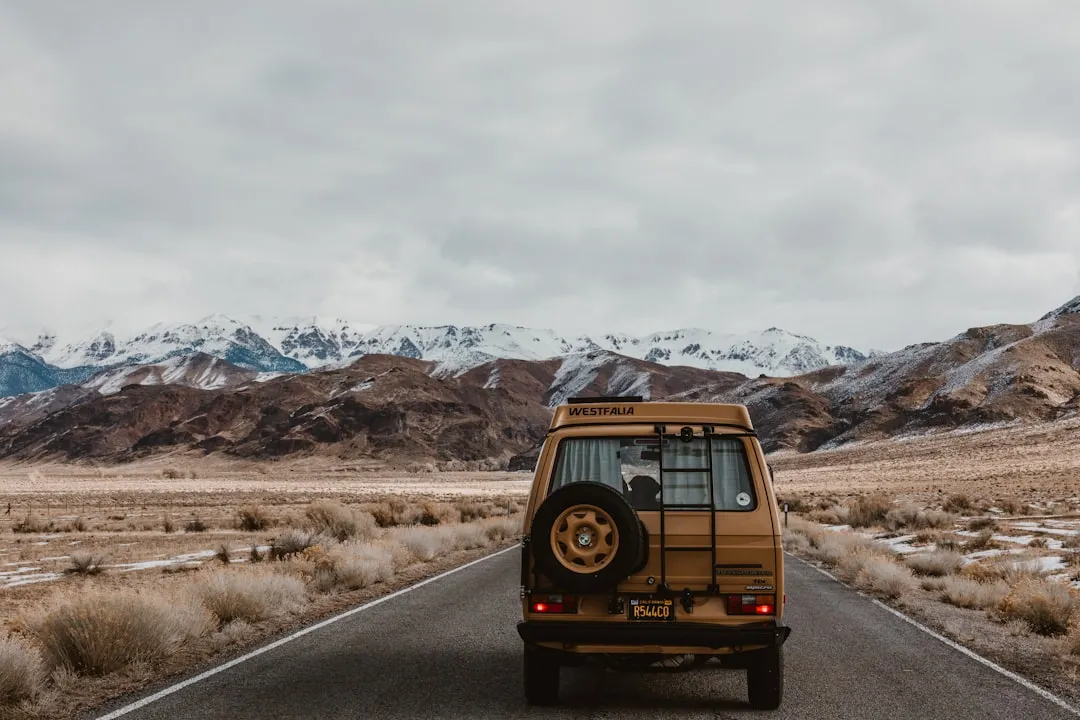
The 2024 Roadside Assistance Stats by Good Sam show van breakdowns occur every 4,200 miles, roughly eighteen percent more frequently than with standard sedans. Pre-trip mechanical checks are especially important on this route, where some stretches of Highway 12 and desert back roads sit a long distance from the nearest service center.
National park tags are used by roughly a quarter of van lifers, averaging around eighty dollars per pass. The America the Beautiful annual pass, available through the National Park Service, covers entrance fees to all federal lands and pays for itself within the first two or three park entries on the Grand Circle loop.
The full two-week southwest road trip itinerary involves approximately 23 hours of driving, not counting the scenic drives within the national parks themselves. That number puts the logistics in perspective. This isn’t a sprint. It’s a route designed for people who understand that the drive is as meaningful as the destination.
The Takeaway
The Grand Circle isn’t the fastest way to get from one place to another, and it was never meant to be. It’s a loop in the truest sense, returning you to where you started while leaving you quietly changed by what you passed through along the way.
Van lifers have understood this intuitively for years, long before social media turned their lifestyle into a cultural conversation. The route rewards slowness, flexibility, and an honest willingness to sit with the scale of things. Ancient canyon walls have a way of making highway monotony feel not just forgettable, but entirely beside the point.
What makes the Grand Circle endure is not just the landscapes themselves, extraordinary as they are, but the sense that traveling this way is a form of genuine attention. That’s something no interstate, however efficient, has ever really offered.
AI Disclaimer: This article was created with the assistance of AI tools and reviewed by a human editor.