
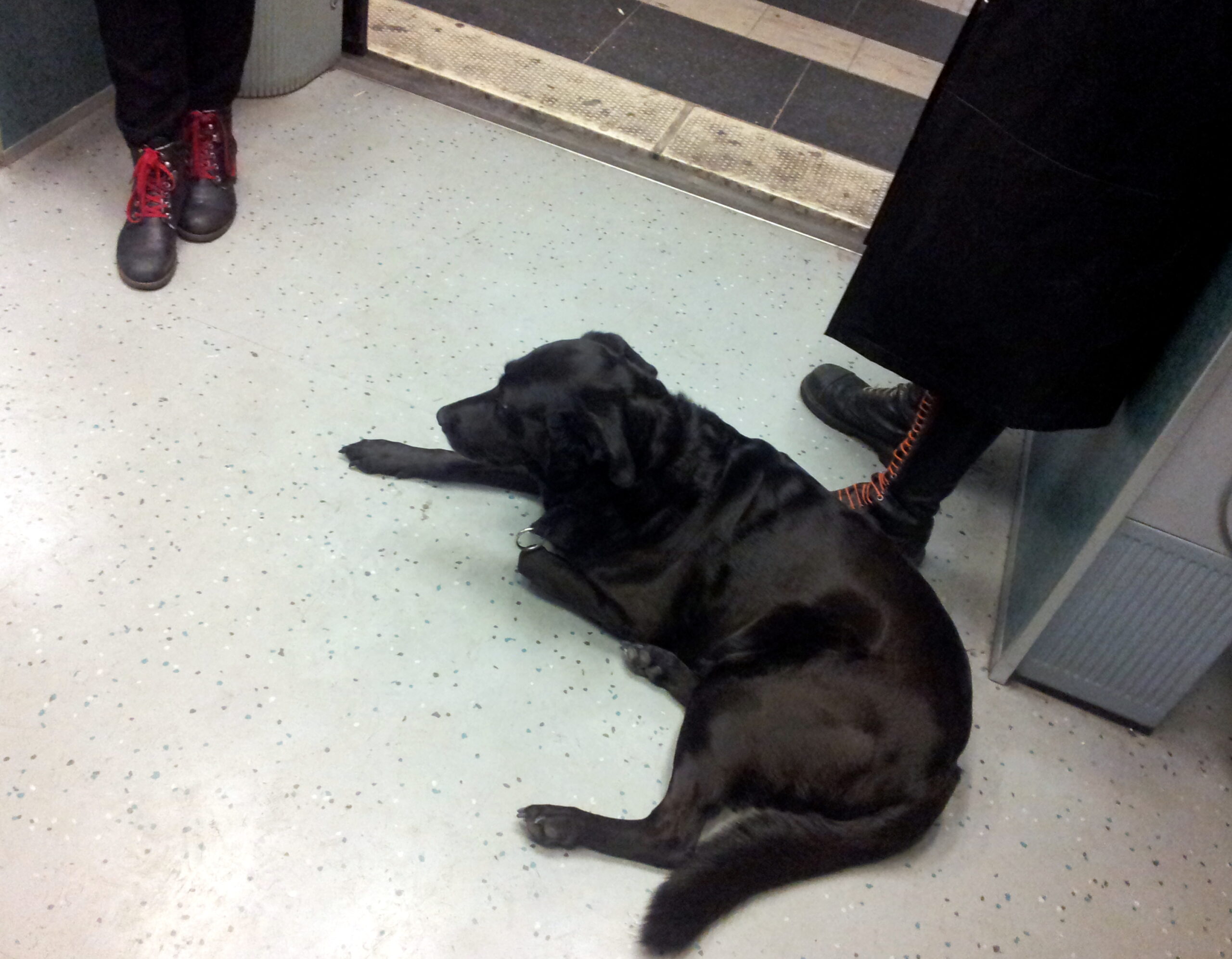

Most people assume flying is the only real option for long-distance travel with a dog. It’s a reasonable assumption, given how strict and stressful airline pet policies can be. What surprises many dog owners is that Amtrak, the United States’ national passenger rail service, has quietly built one of the more genuinely pet-friendly travel programs in the country, with dogs riding right alongside their people in coach class on a growing number of routes.
The picture isn’t entirely simple, though. There are weight limits, time caps, and a handful of routes that exclude pets altogether. Understanding those nuances is what separates a smooth journey from a stressful one at the platform.
How Amtrak’s Pet Program Actually Works
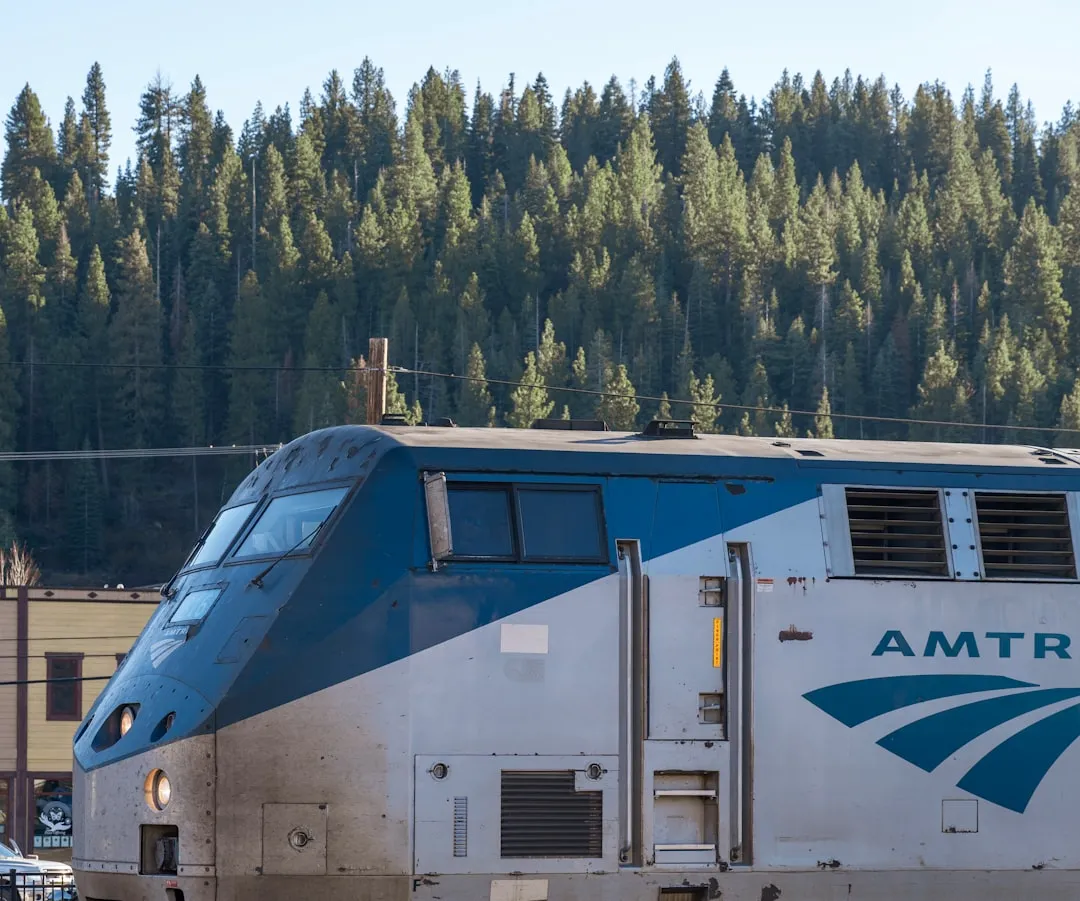
Amtrak welcomes dogs and cats up to 20 pounds, combined weight of pet and carrier, for trips up to seven hours on most routes. That weight limit is firm and includes the carrier itself, so a five-pound carrier with a 16-pound dog is already at the maximum. A maximum of five pets is allowed per train, excluding service animals. That cap matters more than people realize, since spots fill up quickly on popular corridors.
Pets are permitted in Coach Class and Acela Business Class, but they are not allowed in Acela First Class seating, First Class private rooms, non-Acela Business Class, food service cars, or other accommodations. This keeps things relatively democratic: if you’re traveling in standard coach, your dog is welcome to come along.
The Seven-Hour Rule and What It Means for Longer Journeys
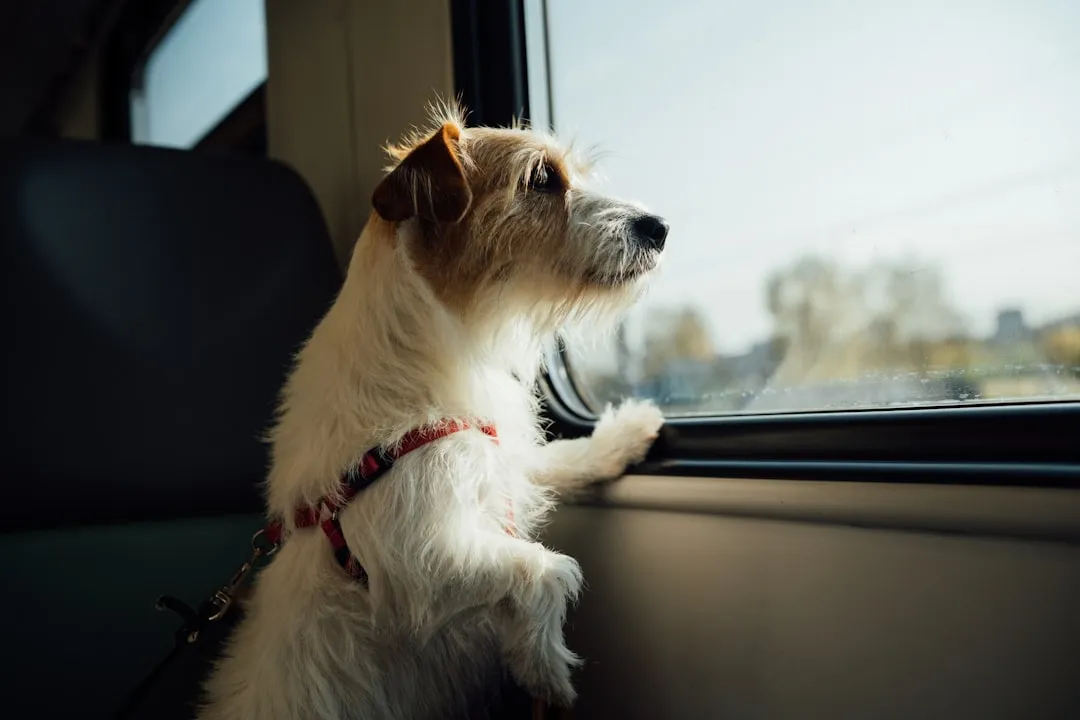
Reservations with pets are limited to seven hours total travel time, including transfer time between trains on multiple-segment trips. This is the central constraint that shapes every dog-friendly rail itinerary in the U.S. It essentially rules out the long-haul overnight trains as a single uninterrupted pet journey.
Taking a dog on a true cross-country train trip, often well beyond seven hours, runs straight into legal limits. Unless your route is specifically pet-allowed and segmented into legally acceptable portions, you could face denial of boarding or forced separation. The practical solution is to treat a cross-country adventure as a series of manageable, pet-legal hops rather than one continuous ride.
Planning shorter rail hops combined with car segments, breaking the trip into dog-friendly layovers, or opting for pet-friendly accommodations and trains piece-by-piece is the approach experienced dog travelers tend to favor. It also happens to make for a richer travel experience overall.
Routes That Welcome Dogs in Coach
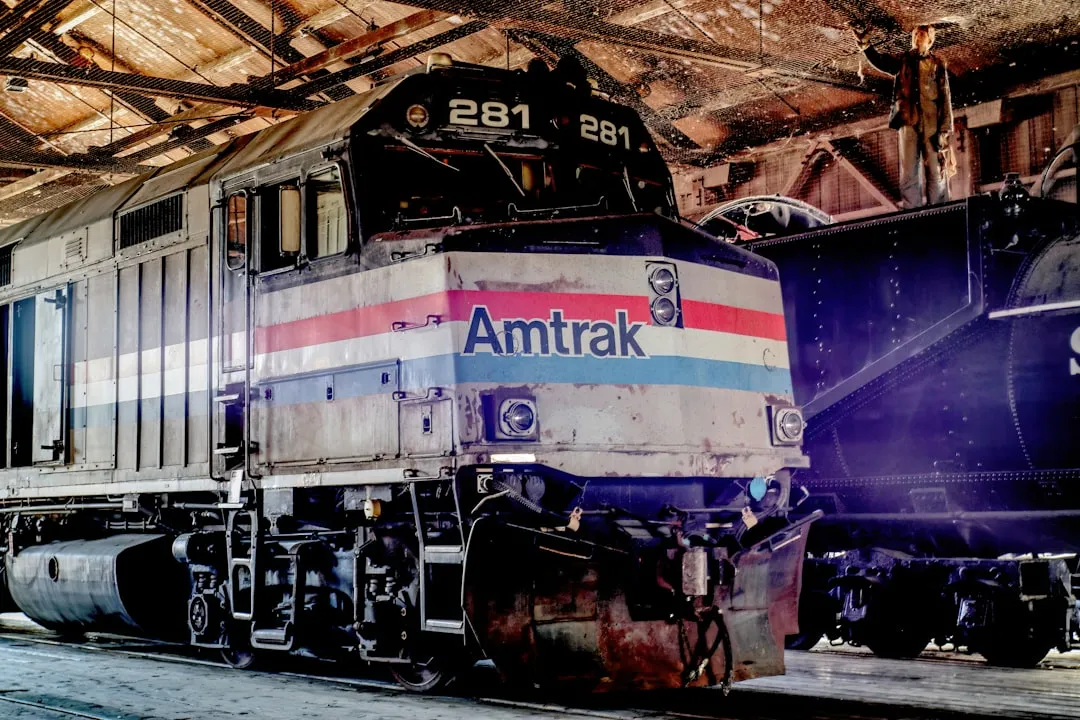
Some of the dog-friendly routes on Amtrak include the Northeast Regional, Capitol Limited, California Zephyr, and Southwest Chief, among others. These are genuinely useful routes that connect major cities and cover significant ground. Amtrak has plentiful routes throughout the U.S. that are close to national parks and monuments as well as nature reserves for adventurous pets, including Texas Eagle/Sunset Limited, Southwest Chief, and Empire Builder.
The Southwest Chief runs between Chicago and Los Angeles, passing through Kansas City, Albuquerque, and the high desert landscapes of New Mexico and Arizona. Amtrak’s own Southwest Chief page confirms that small dogs and cats are welcome along for the ride, and encourages travelers to review the types of pets allowed, pet reservations and fares, and approved pet carrier details before departure.
Routes with a Dedicated Pet Coach Car
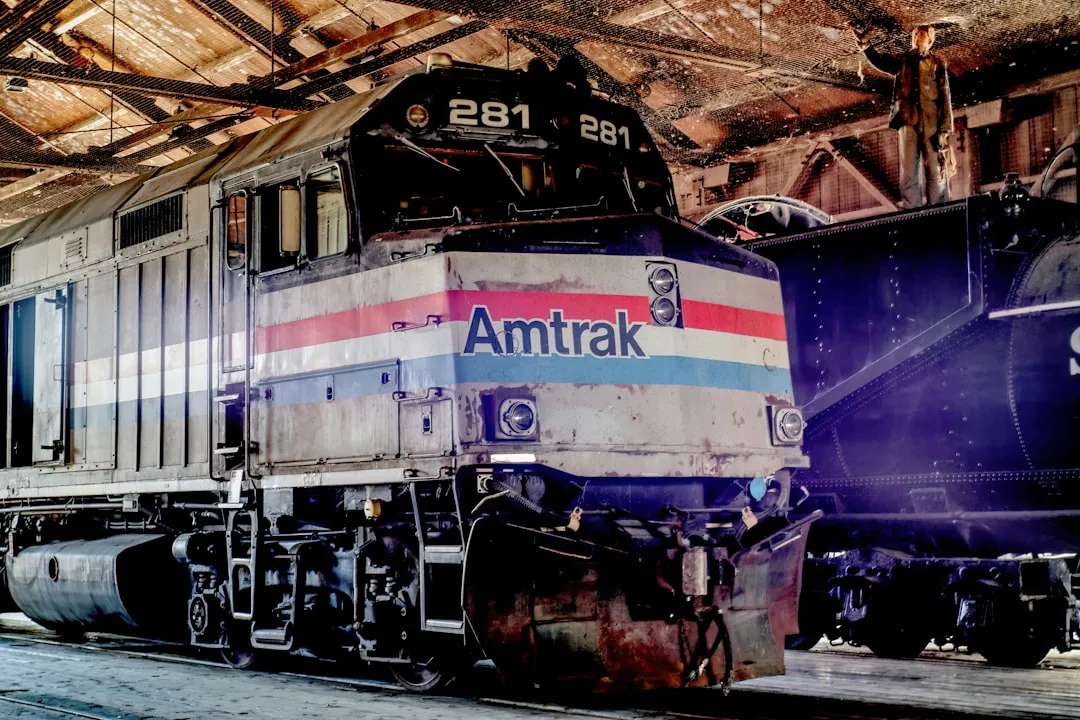
Some routes designate a specific Coach car for pets: Amtrak Cascades, Carl Sandburg, Illinois Zephyr, Illini, Lincoln Service, Saluki, Pere Marquette, Wolverine, Blue Water, Hiawatha, and Missouri River Runner. On other pet-friendly routes, you and your pet may ride in any Coach car. Knowing which situation applies to your route helps you plan your seating and boarding strategy.
On the Amtrak Cascades, pets are only permitted in Coach car number four. Passengers must remain with pets at all times, and pets must remain inside their carrier at all times and may not be removed from their carrier while in stations or onboard trains. The Cascades route threads through some genuinely spectacular Pacific Northwest scenery, making it one of the more rewarding dog-friendly segments available.
The Empire Builder: A Scenic Highlight for Dog Travelers
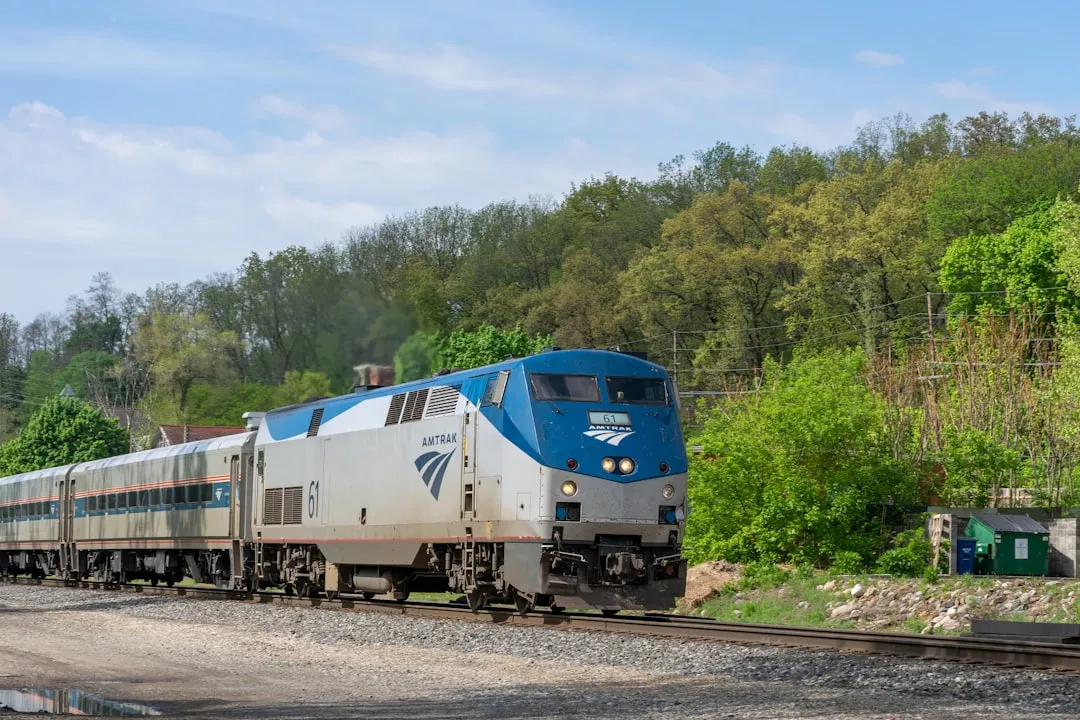
The Empire Builder is one of Amtrak’s most scenic routes, traveling between Chicago and the Pacific Northwest. The two-night journey includes views of the Mississippi River, golden fields in the Great Plains, the Montana Rocky Mountains, the Columbia River Gorge, and Puget Sound. A destination highlight is Glacier National Park, with three Amtrak stations offering access to the park’s lodges and trails.
For those in the Midwest, the Empire Builder route presents an unparalleled opportunity to witness the majestic beauty of the Pacific Northwest, traversing through mountains, forests, and the beautiful northern plains. Each of these routes offers visual treats, and features stops in dog-friendly cities where you can stretch your legs and explore with your furry friend during longer layovers.
Because the full Empire Builder run takes well over 40 hours end to end, the seven-hour pet rule means you’ll need to book your dog onto a specific segment rather than the entire route. Stations along the way make natural break points where you can overnight at a pet-friendly hotel before boarding again the next day.
Carrier Requirements: Getting the Gear Right
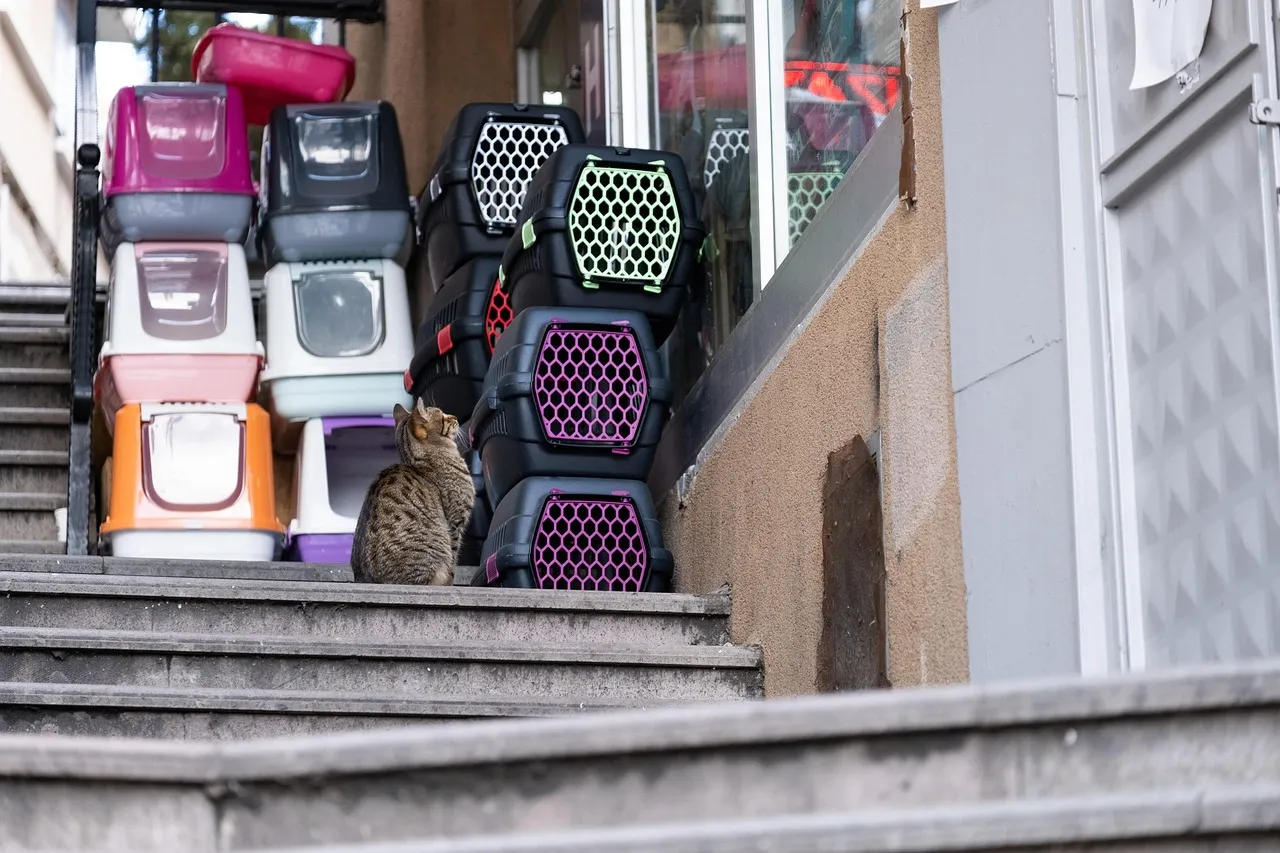
The pet carrier must be leak-proof, well-ventilated, and able to fit under your seat, with a maximum size of 19 inches long by 14 inches wide by 10.5 inches high. These are specific dimensions, and it’s worth measuring twice before you buy. Many soft-sided carriers marketed as “airline approved” meet these dimensions, but confirm before you commit.
Dogs must travel in an enclosed carrier that fits under your seat. The carrier should be soft-sided or hard-sided and allow enough space for your pet to comfortably sit, stand, and turn around. That comfort standard is worth taking seriously, especially on trips approaching the seven-hour limit. A cramped carrier makes for a restless, vocal dog, which is unpleasant for everyone in the car.
Booking Your Dog’s Spot: What to Know in Advance
Pet reservations can only be made with a reservation agent at 1-800-USA-RAIL or at a staffed station. Pet reservations are made on a first-come, first-served basis, and may sell out quickly, so it is strongly encouraged to make pet reservations in advance. This is not a detail to leave until the last minute. With only five pet spots per train, those slots are genuinely limited.
As of October 2025, adding a pet to a Northeast Regional train between New York City and Washington, D.C., cost $49 for a pet. Fees vary by route, so it’s worth checking during the booking process. This fee is non-refundable and must be paid during the reservation process.
Passengers must sign a Pet Release and Indemnification Agreement for each segment of the journey, and must check in at the ticket desk no later than 30 minutes before the train departs, to allow time to complete the pet release paperwork. Arriving early is genuinely important here, not just a polite suggestion.
Health, Age, and Vaccination Requirements
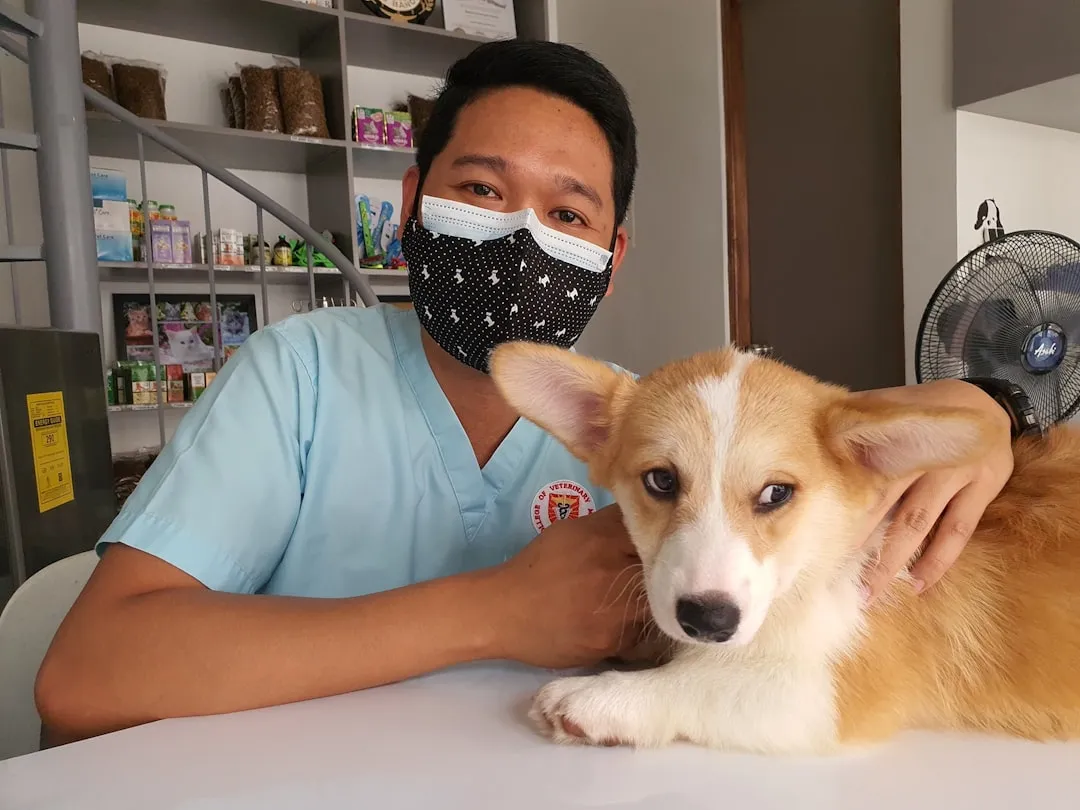
Pets must be eight weeks or older to travel on Amtrak services and must be odorless and non-disruptive to other passengers. Passengers will certify that their pet is up-to-date with all required vaccinations before travel. While Amtrak doesn’t always demand physical paperwork at the gate, carrying your vet records is wise practice.
While not always required, it is highly recommended to carry proof of vaccinations, especially rabies certification, in case of emergencies or station inspections. A quick visit to your vet before a long trip also lets you confirm your dog is fit for the journey and gives you a chance to discuss any anxiety-related concerns. Amtrak will only accept healthy pets that are over the age of eight weeks old.
What to Expect Onboard: The Day-of Reality
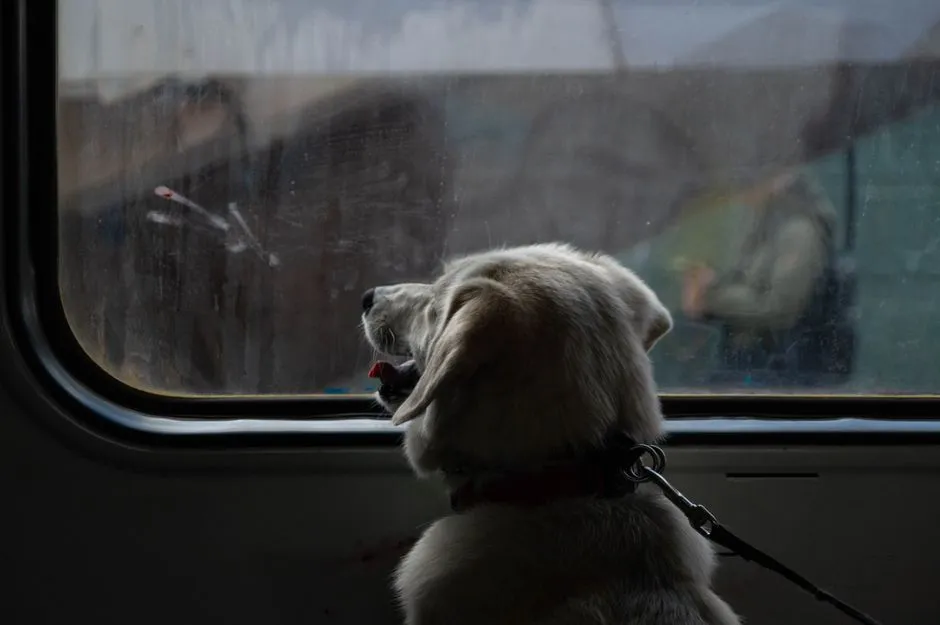
Train travel can offer a more relaxed environment for pets, with scenic vistas along the way, as opposed to the potential stress of air travel. The lower vibration, natural light, and steady rhythm of a train carriage tend to settle dogs down more quickly than the pressurized cabin of a plane. Many seasoned dog travelers report their pets sleeping through much of the journey.
You’ll often need to sign a pet-release agreement and attest that your dog is vaccinated, well-behaved, odorless, and non-disruptive. That last requirement is worth thinking about honestly before you book. A dog that barks at strangers or panics in confined spaces may not be ready for coach class travel, and a trial run on a shorter trip first is a genuinely good idea.
Amtrak does not ship pets or allow them to travel as checked baggage; a pet must travel with a human. This keeps the experience personal and ensures your dog is never out of your sight for the duration of the trip.
Routes Currently Excluded from the Pet Program
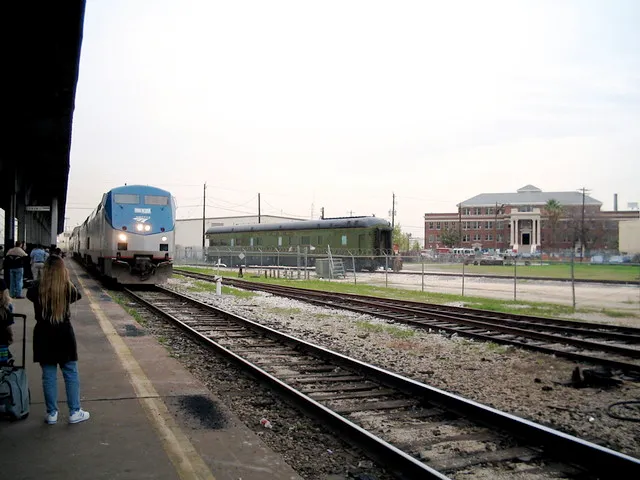
Routes that exclude pets include the Auto Train from Lorton, Virginia to Sanford, Florida, the Capitol Corridor, Keystone Service, Pacific Surfliner, Pennsylvanian, and San Joaquins. If your route appears on this list, the only option for your dog is a service animal designation, which has entirely separate legal requirements. It’s worth double-checking the current Amtrak pet policy page before booking, as these details can shift.
Pet travel by train to Canada is not available on Adirondack, Maple Leaf, and Amtrak Cascades routes that cross the border. International travel with a dog involves a separate layer of regulations entirely, regardless of mode of transport. For domestic U.S. travel, though, the options are broader than most people expect.
The Takeaway for Dog-Loving Rail Travelers
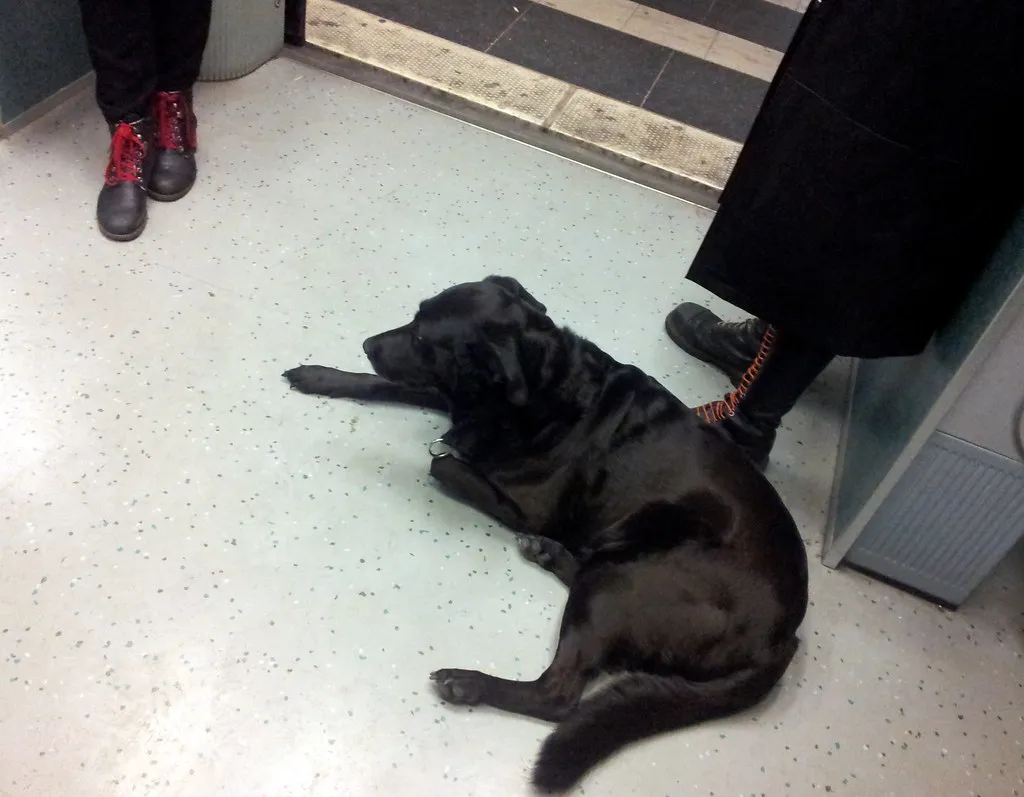
Rail travel with a dog in the United States is entirely possible, genuinely enjoyable, and in many ways more dignified than flying. The seven-hour rule and the 20-pound limit are real constraints, but they’re workable ones for anyone willing to plan with a little creativity.
Choosing a route that combines the serenity of nature with the convenience of travel-friendly stops makes for an ideal journey for you and your dog. Train travel can offer a more relaxed environment for pets, with scenic vistas along the way, as opposed to the potential stress of air travel. That slower pace is exactly the point.
The routes are real, the scenery is spectacular, and your dog gets to see the country from a window seat rather than a cargo hold. For small dog owners willing to plan carefully and book early, this is one of the most underrated ways to travel in America right now.
AI Disclaimer: This article was created with the assistance of AI tools and reviewed by a human editor.