
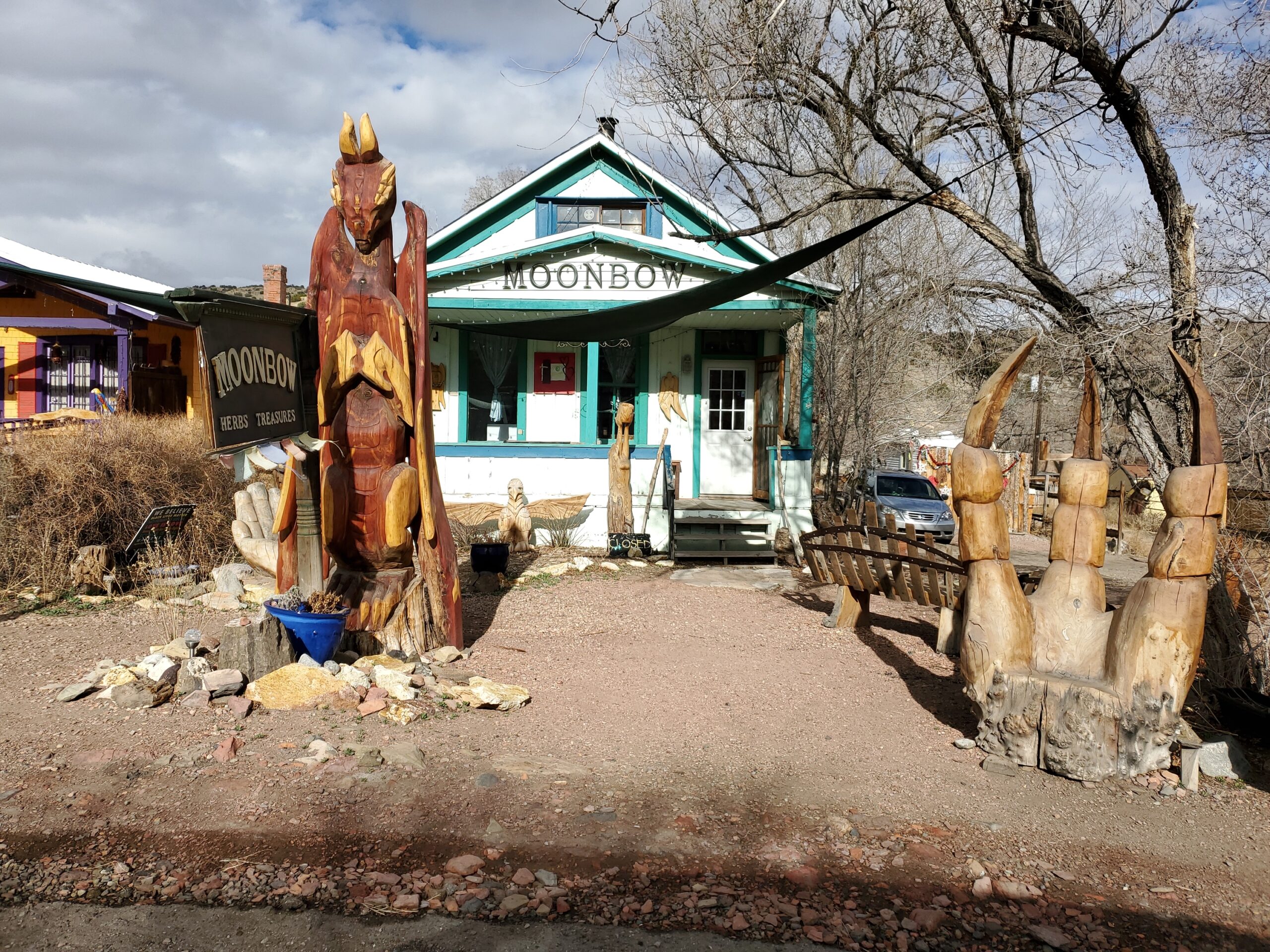
There’s a particular kind of quiet that settles over Madrid, New Mexico, just before a gallery door swings open. The high desert light is sharp and golden, the air carries the faint smell of pinon, and painted signs lean against weathered wooden storefronts like they’ve been there since the beginning of time. Most travelers rush past on Highway 14, not realizing what’s just off the road.
What makes Madrid so quietly compelling is that it never set out to be a destination. It became one anyway, through sheer creative stubbornness and the kind of community that forms when artists choose a place before anyone else is paying attention.
A Coal Camp That Became a Canvas
Madrid started as a coal mining settlement in the early 1800s, officially founded in 1895, and functioned as a company town owned by a succession of different mining companies, with infrastructure imported from out of state. In the late 1940s, demand for coal dropped sharply, and the Albuquerque and Cerrillos Coal Company stopped operations in 1954, leaving most residents to move away. What followed was a long spell as a near ghost town, its wooden cabins standing empty in the desert sun.
In the 1970s and 80s, Madrid was revived as an artist community, and soon found new life as an offbeat attraction situated between Albuquerque and Santa Fe, with much of the original architecture still standing and now repurposed into galleries and shops. The bones of the mining era gave artists something no new development could offer: real history, strange beauty, and low overhead.
Where Exactly It Sits on the Map
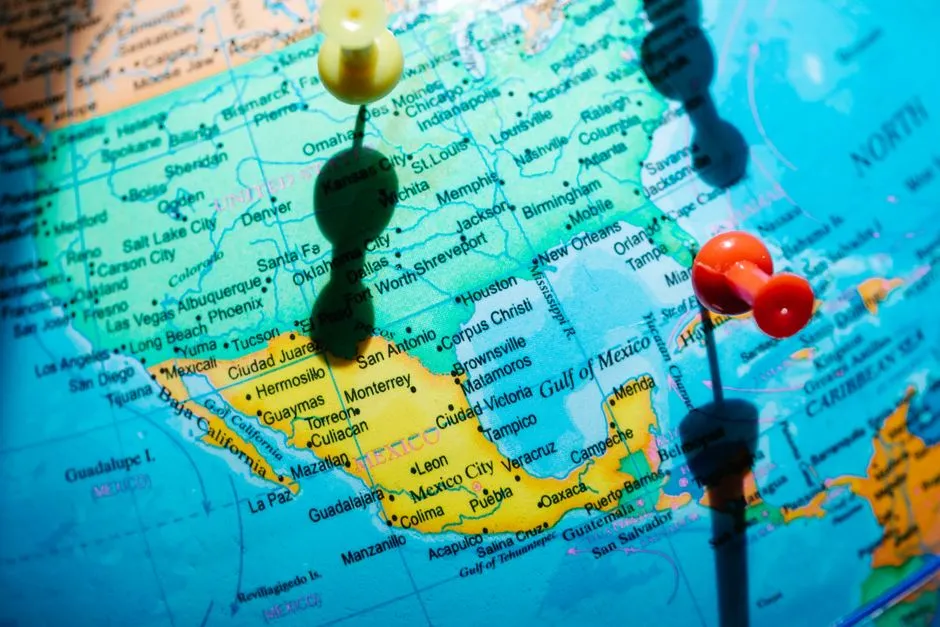
Madrid is a quirky and eclectic town situated on the historic Turquoise Trail, about a 45-minute drive to the south of Santa Fe. A steady stream of tourists consistently makes its way along the Turquoise Trail, also known as NM 14, a national scenic byway that stretches from the town of Tijeras, east of Albuquerque, to San Marcos, a few miles south of Santa Fe.
That placement matters. Madrid isn’t truly remote, which has helped it sustain itself without becoming a ghost town twice over. It’s close enough to Santa Fe and Albuquerque to draw day visitors, yet far enough removed that the commercial pressure of those cities hasn’t swallowed its identity whole.
A Population Measured in the Hundreds
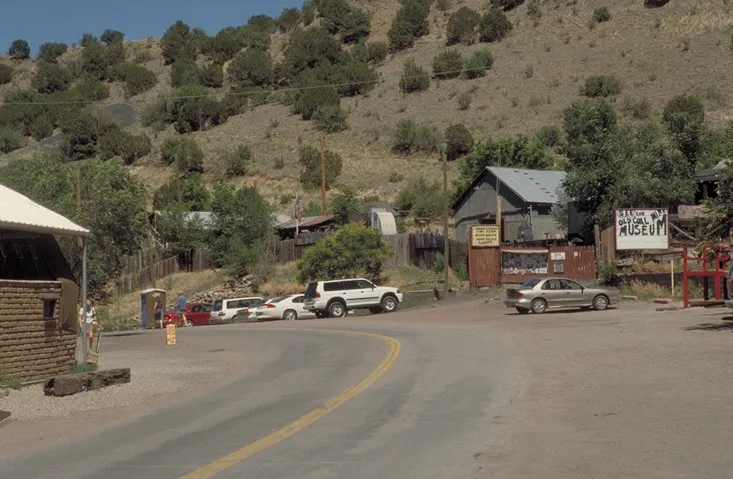
Madrid welcomes art enthusiasts and artists inspired by the beauty of the New Mexico landscape, and the town currently has a population of just over 200 residents. That number is not a misprint. This is genuinely a micro-community, where creative output per capita would likely be remarkable by any measure.
Small populations in art towns often create tight internal cultures where reputation travels fast and collaboration comes naturally. In Madrid, a neighbor is often a fellow artist, gallery owner, or both. The creative density here is unusually high for a settlement this size.
Main Street as Gallery Row
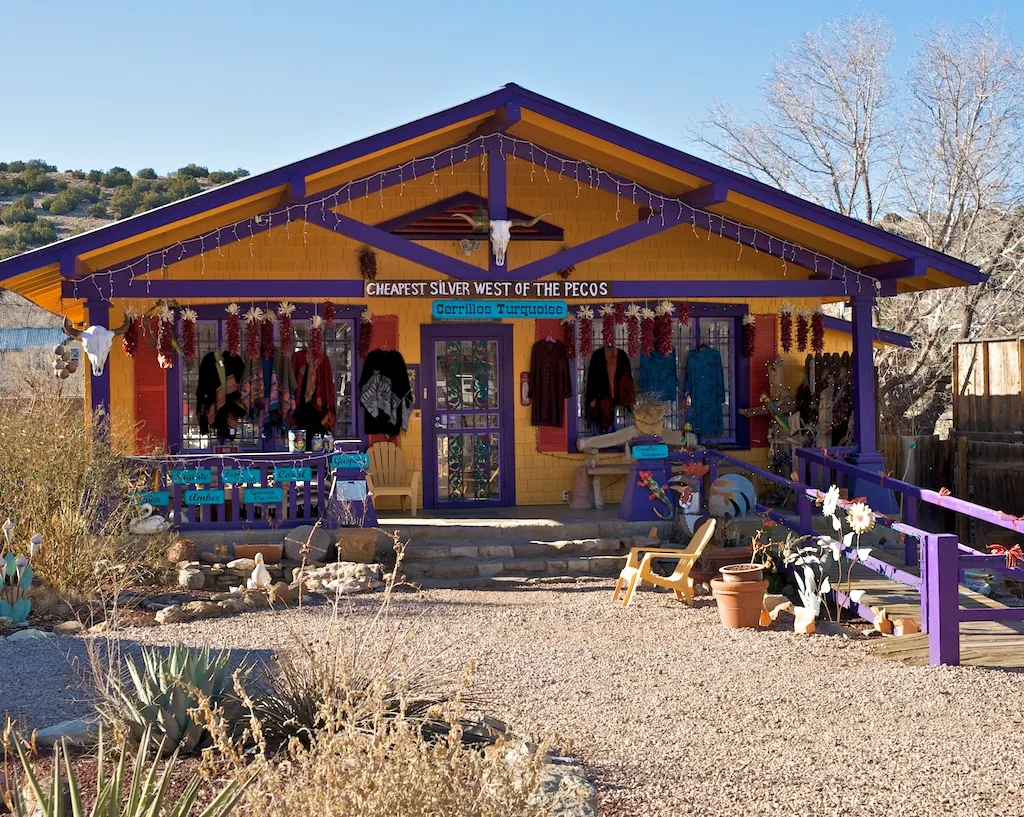
Some 30 years on, Madrid has established itself as an eccentric art scene, with its once-mostly-abandoned Main Street now lined with 40 galleries, owned by local artists and artisans who have transformed the former ghost town into one of the unmissable art experiences of New Mexico. Walking the length of it takes minutes, but absorbing what’s inside each storefront takes considerably longer.
Once a bustling coal mining town, Madrid is now a vibrant arts community with unique galleries, eclectic shops, and cozy cafes, with historic streets to stroll and stunning high-desert landscapes all around. What makes the experience distinct from a typical art fair is the permanence. These galleries are not pop-ups. They’ve been built, slowly and deliberately, by people who chose to stay.
Johnsons of Madrid and the Anchor Galleries
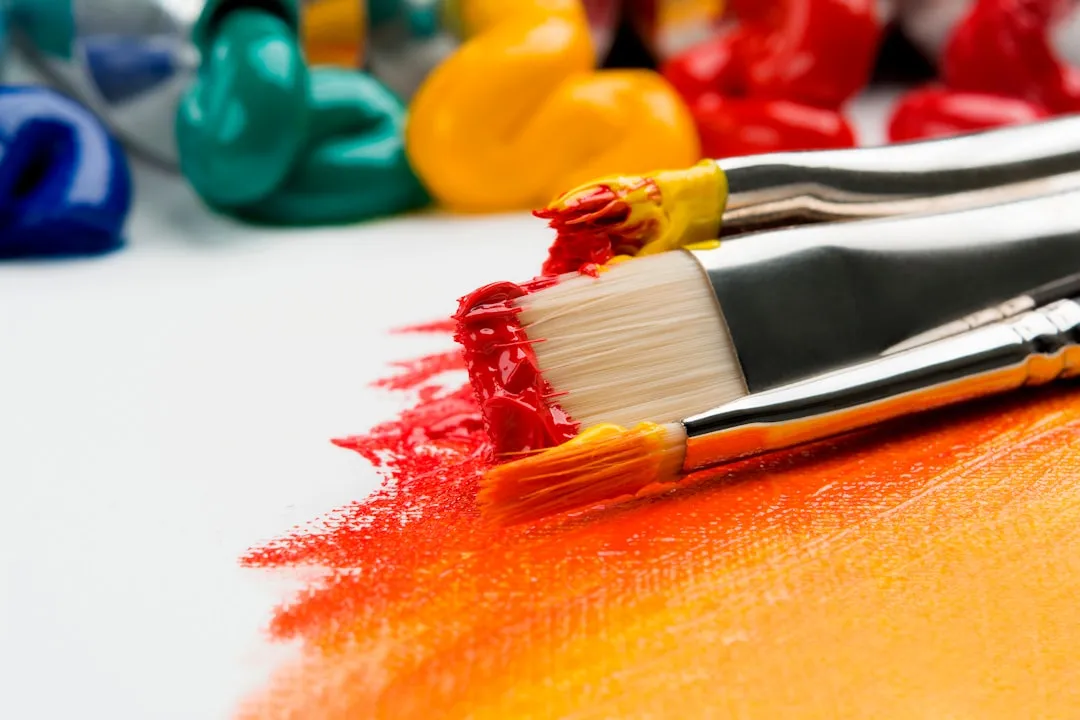
Johnsons of Madrid Galleries of Fine and Fiber Arts, operating since 1973, is the oldest and largest gallery in the East Mountains, representing over 100 New Mexico fine artists and 50 fiber artists, including Native American jewelry, with new shows opening on first Saturdays. It has functioned as something of an anchor for the whole creative ecosystem of the town.
Indigo Gallery features works by Jill Shwaiko and other nationally known painters, sculptors, and jewelers in Madrid. Roadrunner Studio and Gallery shows fine art by local artists, including metal and glass sculptures, paintings of all media, photography, and jewelry. The range across even a handful of stops is genuinely broad, with no single style dominating the conversation.
The Turquoise Trail Studio Tour
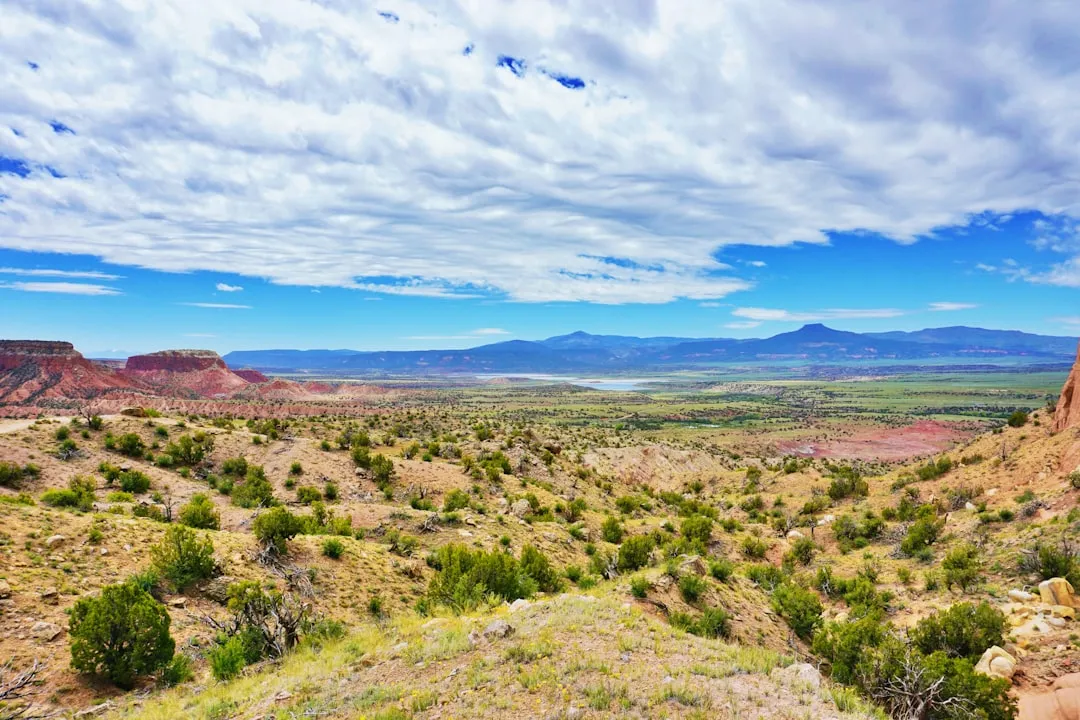
Along the Turquoise Trail, travelers discover a vibrant marketplace featuring painters, sculptors, photographers, ceramicists, fiber artists, glass artists, jewelers, and more. The Turquoise Trail Studio Tour, scheduled in 2026 across two weekends in September, invites visitors to explore historic mining towns and breathtaking landscapes while visiting talented artists in their own studios.
This kind of open-studio format matters more than it might appear. It removes the gallery intermediary and puts the traveler directly in front of the person who made the work. That shift in context changes how art feels, and it’s rare to find it in a place this accessible to a major city.
The Mine Shaft Tavern and Living Culture

This former coal-mining town turned artists’ colony is charming in part because of the Mine Shaft Tavern, which serves green chile cheeseburgers and local bands on weekends, while across the street the Madrid Old Coal Town Museum is stocked with mining memorabilia and town trinkets. The combination of music, food, and local history in one short stretch of road says a great deal about how Madrid operates.
Madrid is also famed for its fabulous Christmas light displays, which visitors can view in December on the weekend leading up to Christmas. That tradition stretches back decades and draws visitors who might otherwise never encounter the galleries. It functions, quietly, as one of the town’s most effective creative introductions.
Tucumcari and the Wider Desert Art Conversation
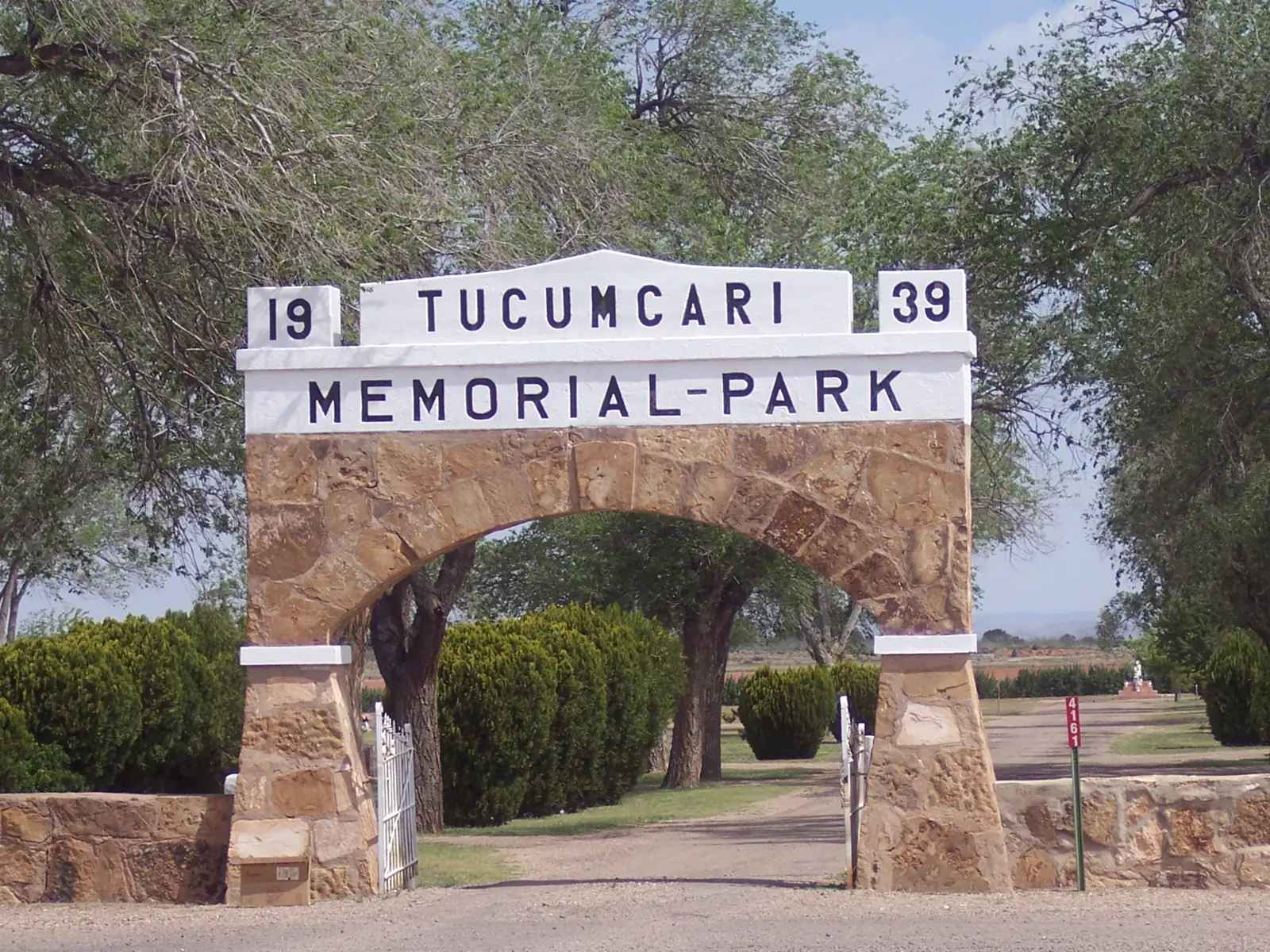
Madrid is not alone in holding this kind of creative energy in New Mexico’s desert landscape. Just off Historic Route 66, a fantastically immersive sculpture park and glamping destination in Tucumcari heralds a new era of possibilities for the region. The founder, Matty Monahan, is over a million dollars into an art-business experiment in Tucumcari, New Mexico.
Monahan, whose artist moniker is Matty Mo, now lives in the old Route 66 pitstop of Tucumcari, a town of about 5,400 between Amarillo and Albuquerque. Art City features diverse works including Paradisium Forest, a climbable collection of 50-foot hexagonal “tree” towers made with repurposed lumber, created by Irish artist Dave Keane for Burning Man in 2022. New Mexico’s desert art story is clearly still being written.
Galisteo: The Quieter Counterpart
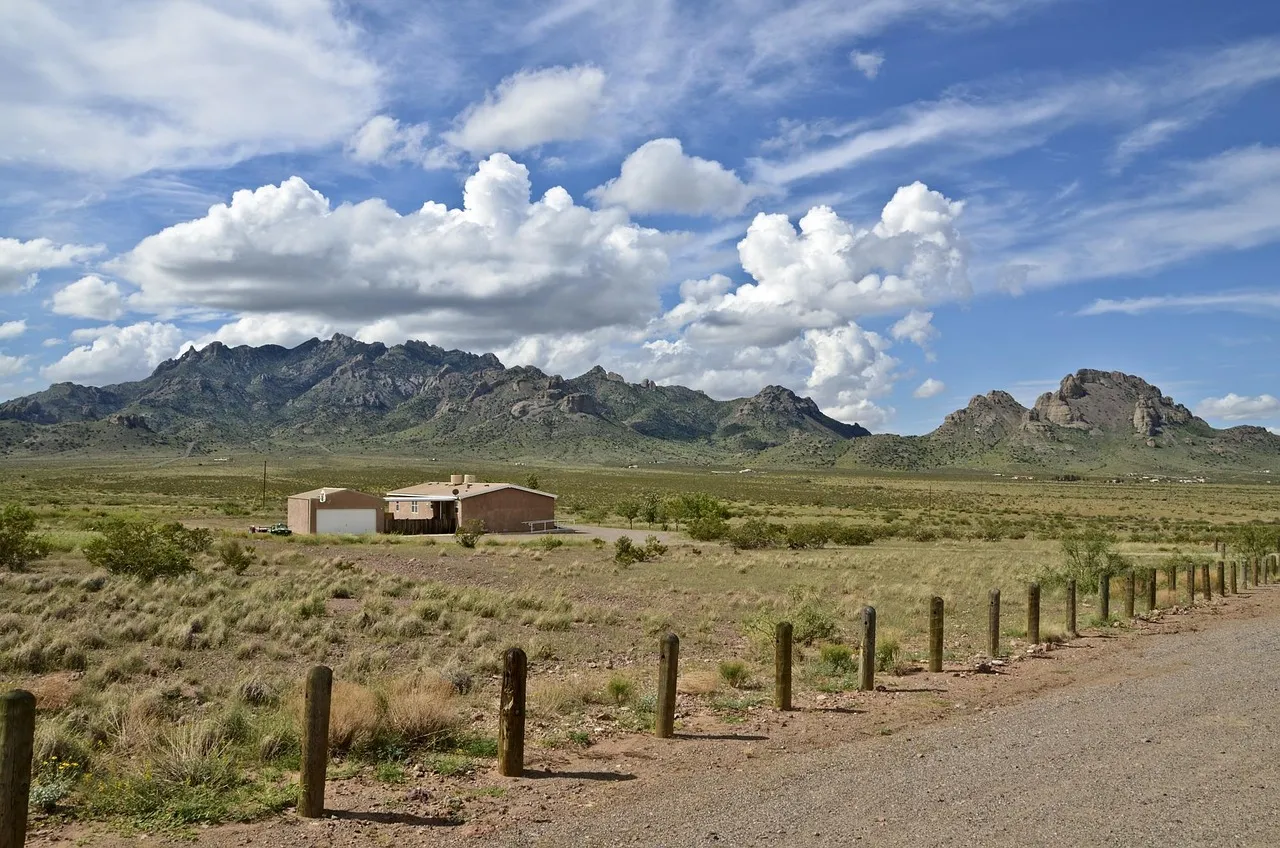
In the high desert of New Mexico, the village of Galisteo stands out for its authentic blend of old-world charm, mountain vistas, and a thriving arts community, with roughly 250 residents whose adobe architecture and dirt roads evoke the feel of a timeless, living museum. Nestled about 23 miles south of Santa Fe and 67 miles from Albuquerque, Galisteo is easy to reach from New Mexico’s major cities.
Like Madrid, Galisteo is a place where the landscape and the art community feel inseparable. The desert here doesn’t just provide scenery. It informs the work, the pace, the reason people came and decided to stay. Both towns represent something the state has cultivated quietly for a long time, without needing to announce it loudly.
Why the Desert Light Keeps Drawing Artists
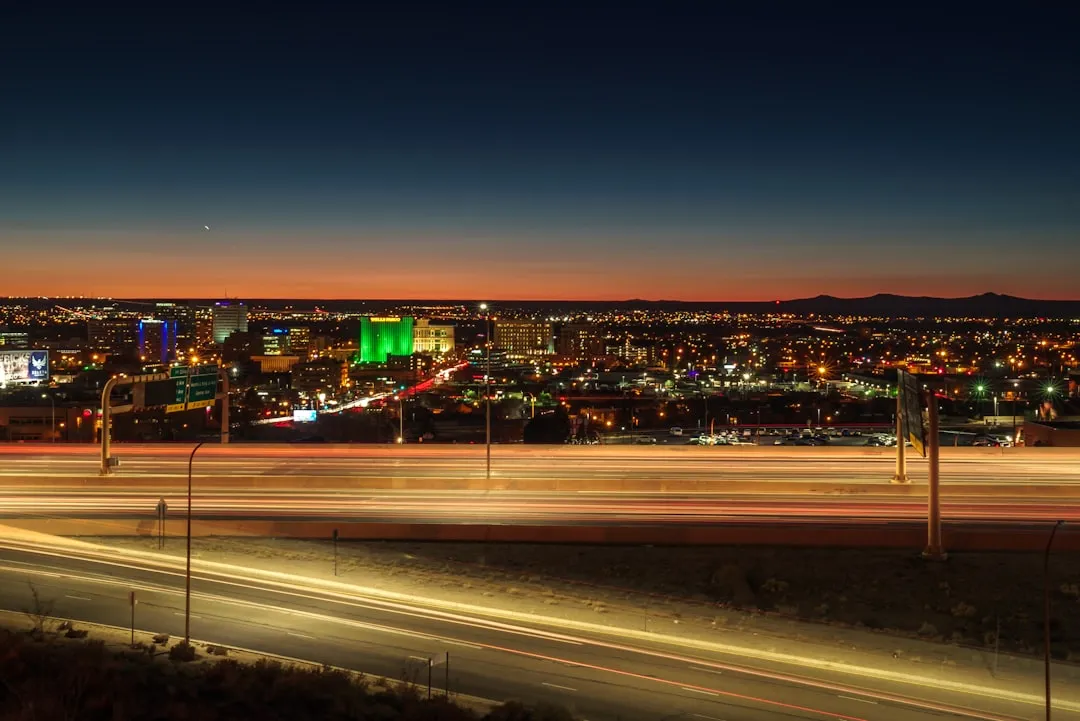
The small and storied high-desert town context of northern New Mexico is often described as the “soul of the Southwest,” surrounded by an expansive desert landscape, seas of sagebrush and endless plains, where it’s often said that the light never hits the same way twice. The heritage of the community is deeply rooted in Indigenous and Hispanic culture, serving as a spiritual inspiration to visitors, which may explain why artists such as Georgia O’Keeffe and Ansel Adams have flocked to New Mexico for decades.
That pull is not nostalgia or mythology. It’s something more practical. The desert offers space, stillness, and a quality of natural light that genuinely changes how color behaves. Artists who live here often speak about the sky as if it were a collaborator. That sentiment, repeated across generations and across different corners of the state, has become one of New Mexico’s most enduring creative truths.
What Responsible Travel Here Actually Looks Like
Madrid and its neighboring desert art towns are small enough that visitor behavior has a measurable effect. Buying directly from gallery artists, eating at locally owned spots, and respecting the pace of the place are not just polite instincts. They are practical ways of keeping the creative ecosystem viable. A town of 200 people feels the weight of a crowd differently than a city does.
Madrid is a great place to walk around, grab a bite to eat, and take in the beautiful New Mexico scenery, with everything from historic taverns to quirky galleries to beautiful hiking trails. The experience rewards slowness. The travelers who linger, who actually enter the galleries and speak to the artists, tend to leave with something far more lasting than a photograph of a painted storefront.
The Takeaway
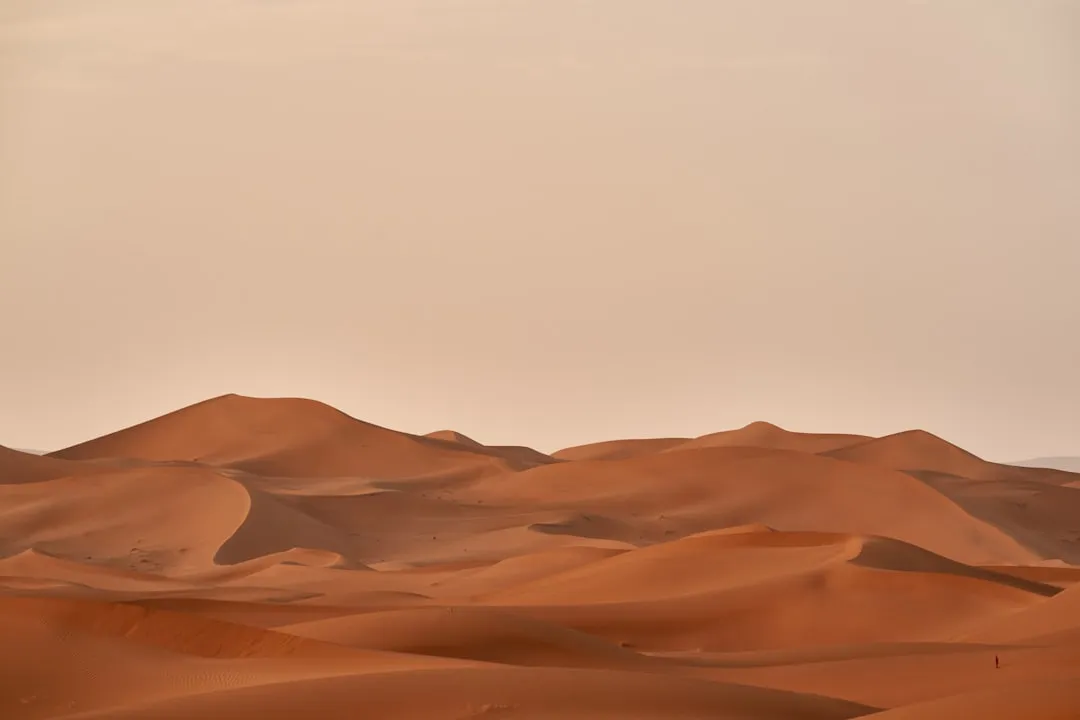
Madrid has earned its identity honestly. It didn’t rebrand itself or import a concept from somewhere else. Madrid, New Mexico sits on the Turquoise Trail like a bright shard of color in the desert, turning a former coal camp into an off-grid art escape where history and imagination share the same dusty street. That image holds up on arrival.
What lingers after a visit is not any single gallery or artwork, but the cumulative feeling of a place that chose creativity over convenience. The desert absorbs everything here, including the silence between conversations with artists, the long walk back to your car, and the specific quality of afternoon light as it moves across an adobe wall. New Mexico has many towns. Madrid has its own frequency.
AI Disclaimer: This article was created with the assistance of AI tools and reviewed by a human editor.