
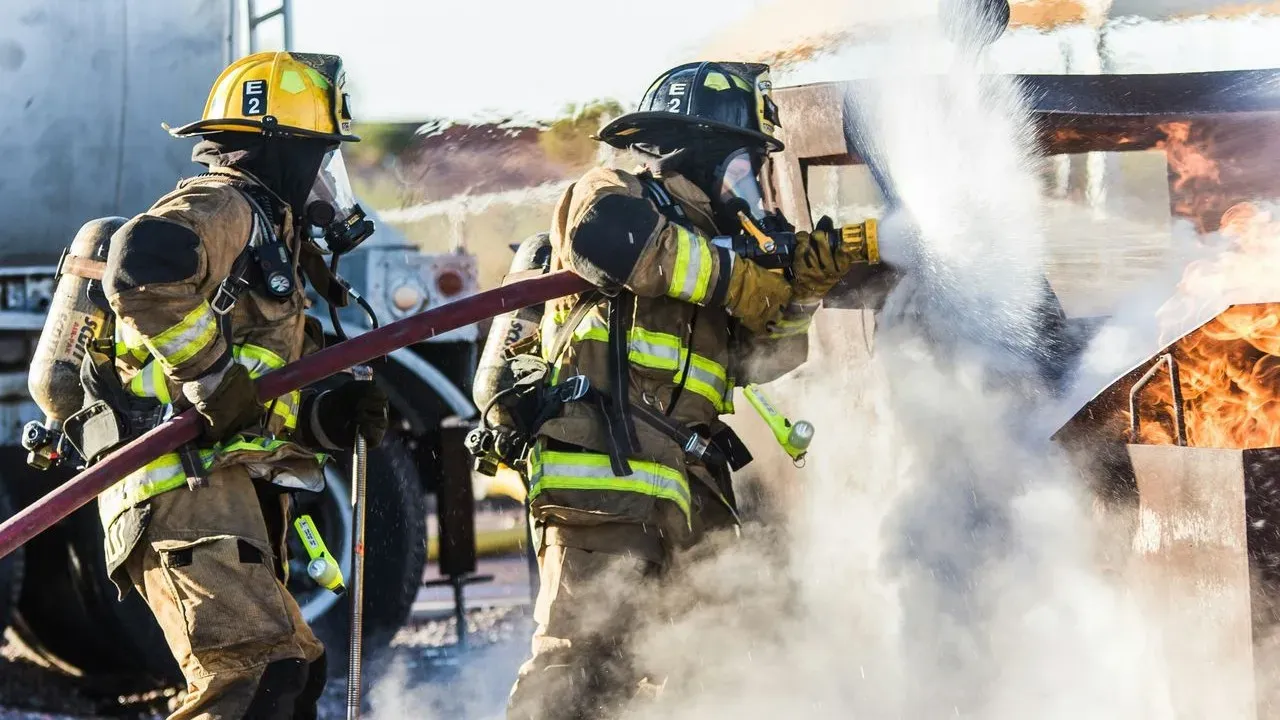

Reno, Nevada – A state of emergency has been declared after the Hawk Fire erupted over the weekend in the Sierra Nevada foothills and moved quickly toward neighborhoods in northwest Reno. Nearly 90,000 residents received orders to evacuate or prepare to leave at a moment’s notice. The fast-moving blaze has already reached some homes, prompting urgent action to protect the broader community and the nearby Lake Tahoe travel corridor.
Details of the Hawk Fire
The Hawk Fire began in the rugged terrain outside Reno and expanded rapidly under dry, windy conditions typical of the region in late summer. Firefighters have worked around the clock to establish containment lines and prevent further spread into populated areas. Officials continue to monitor wind patterns and fuel conditions that could influence the fire’s behavior in the coming days. ([1])
Local emergency management teams coordinate closely with state resources to support suppression efforts. The declaration of emergency allows for streamlined access to additional personnel and equipment. Residents in the affected zones have been advised to follow all instructions from authorities without delay.
Evacuation Orders and Community Response
Nearly 90,000 people across northwest Reno and surrounding areas have been placed under evacuation orders or warnings. Shelters have opened to provide temporary housing, and transportation assistance is available for those who need it. Community organizations are helping coordinate donations of supplies and support services for displaced families.
The response reflects the strong local networks that often emerge during challenging times in the Sierra Nevada. Neighbors check on one another, and volunteers assist with pet care and essential errands. These efforts help maintain a sense of stability while the fire remains active.
Practical Guidance for Travelers
Visitors planning trips to Reno or the Lake Tahoe area should monitor official updates from Nevada emergency management and local fire authorities before traveling. Road conditions and access routes can change quickly, so checking current travel advisories is essential. Many hotels and attractions in unaffected parts of the region remain open and continue to welcome guests.
Air quality may fluctuate depending on wind direction, so those with respiratory sensitivities should review forecasts and consider flexible itineraries. Rental car companies and airlines serving the Reno-Tahoe International Airport are providing real-time information on any schedule adjustments. Travelers are encouraged to respect evacuation zones and avoid areas under active orders.
Responsible planning now helps support the long-term recovery of the destination. Choosing to stay informed and flexible demonstrates respect for the communities that call this landscape home.
Looking Ahead
Fire crews remain focused on full containment while protecting lives and property. Updates from incident command will continue to guide both residents and visitors in the days ahead. The Reno-Tahoe region has a long history of resilience, and current efforts underscore the shared commitment to safety and recovery.
AI Disclaimer: This article was created with the assistance of AI tools and reviewed by a human editor.